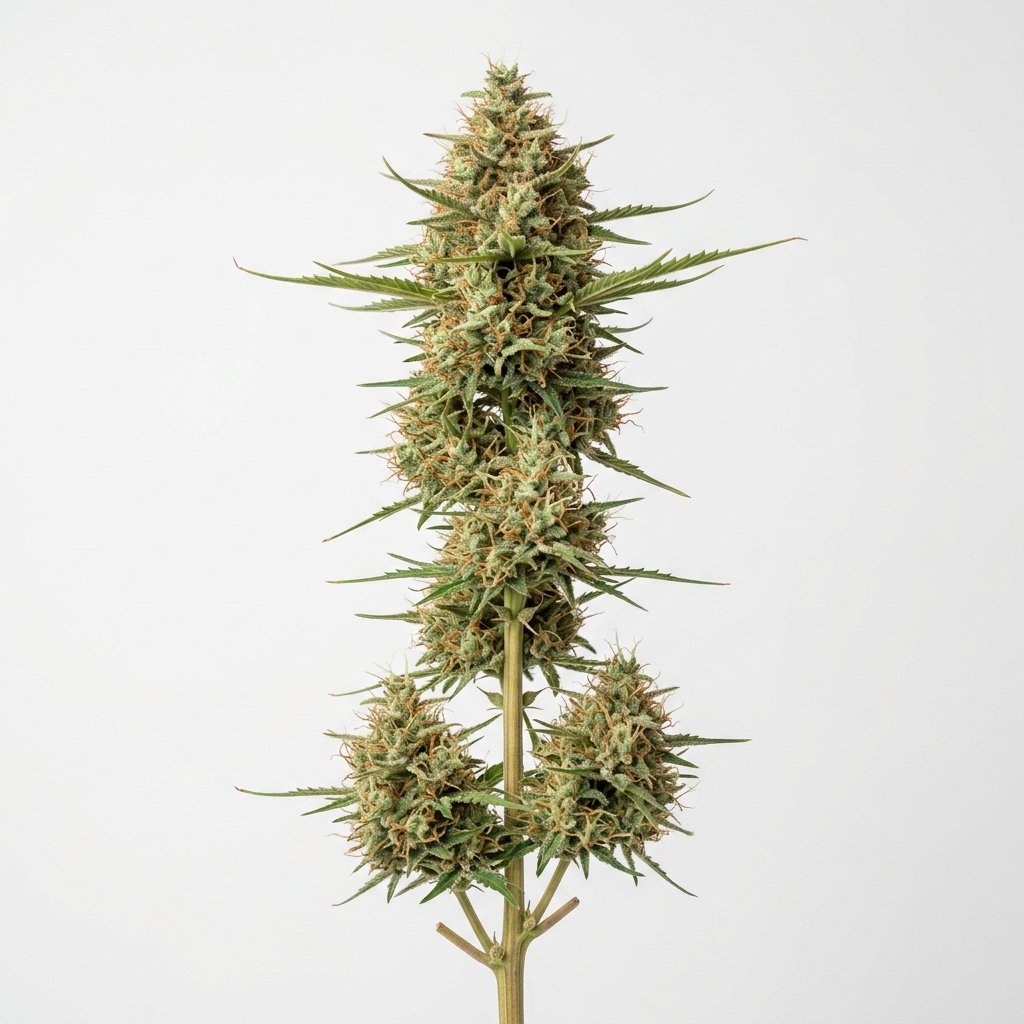
Cat Piss (Cannabis Strain)
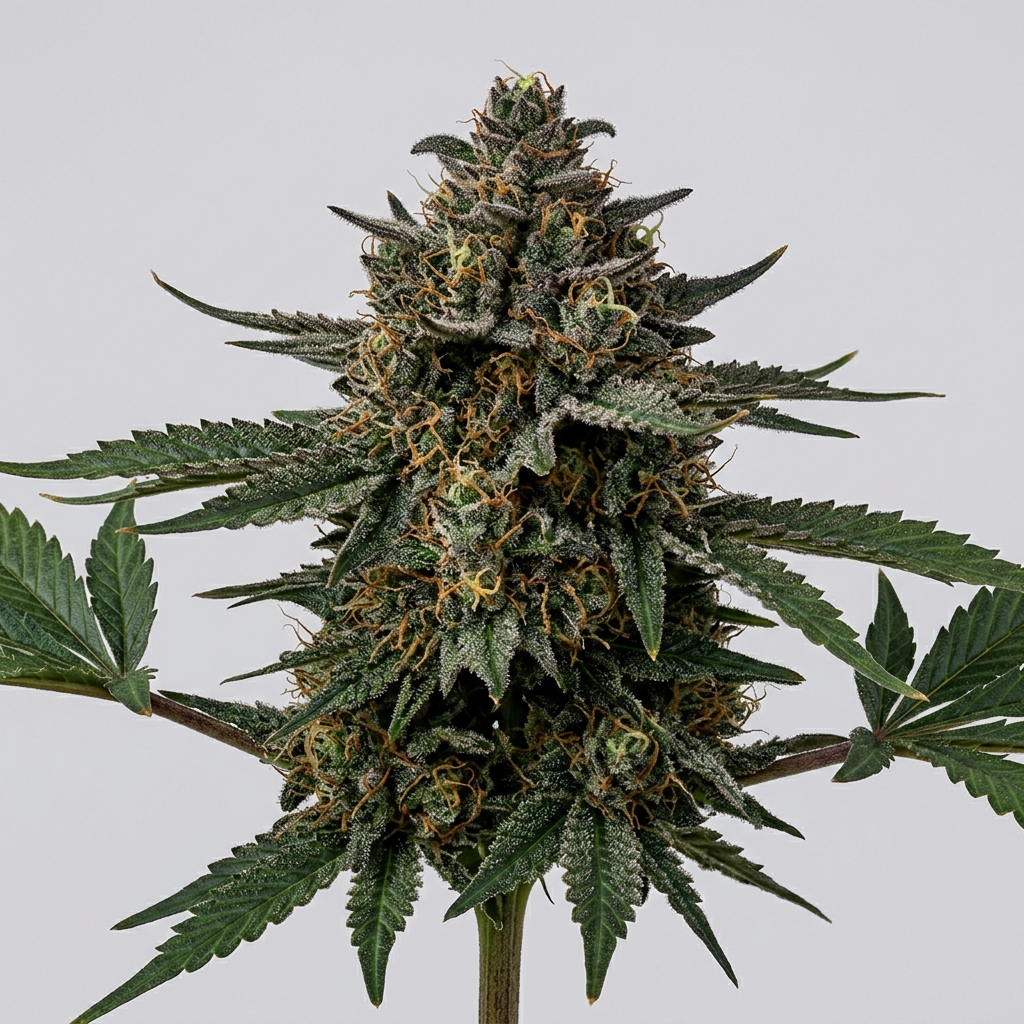
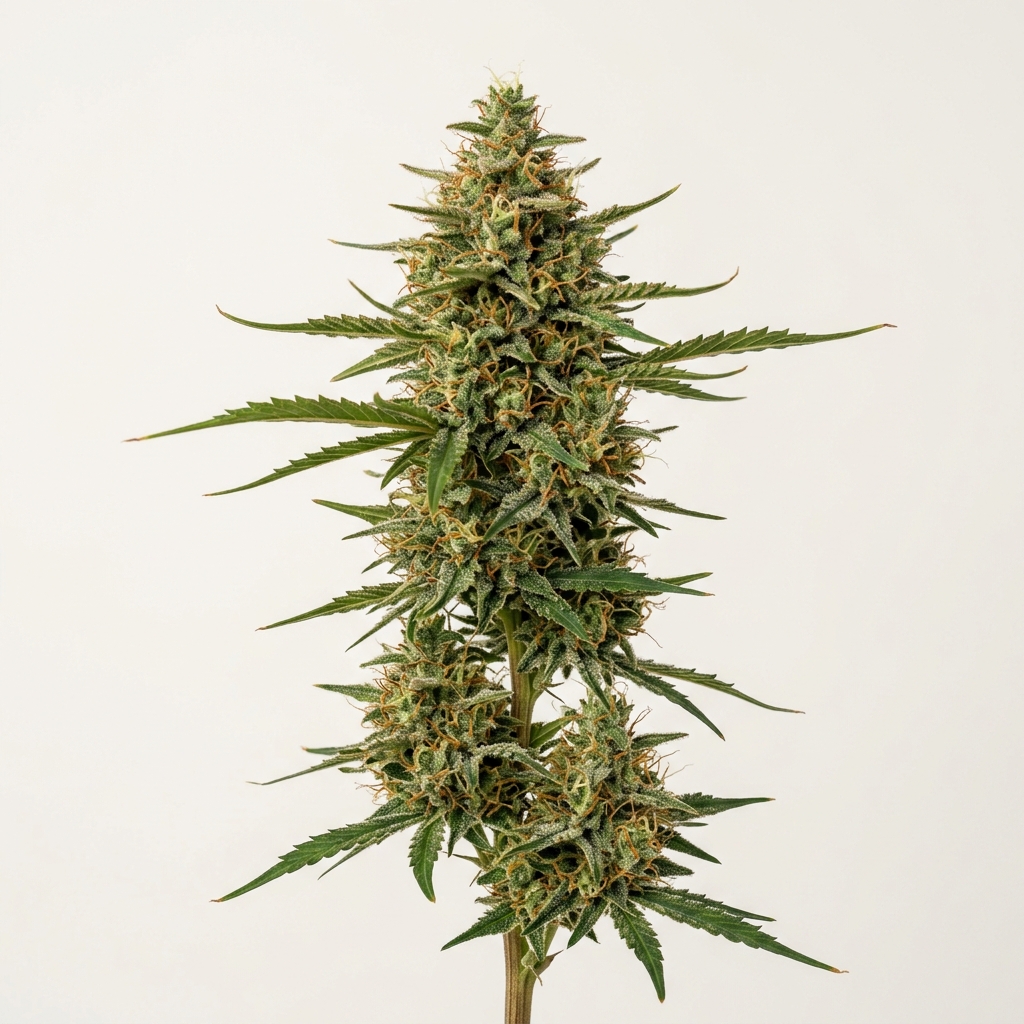
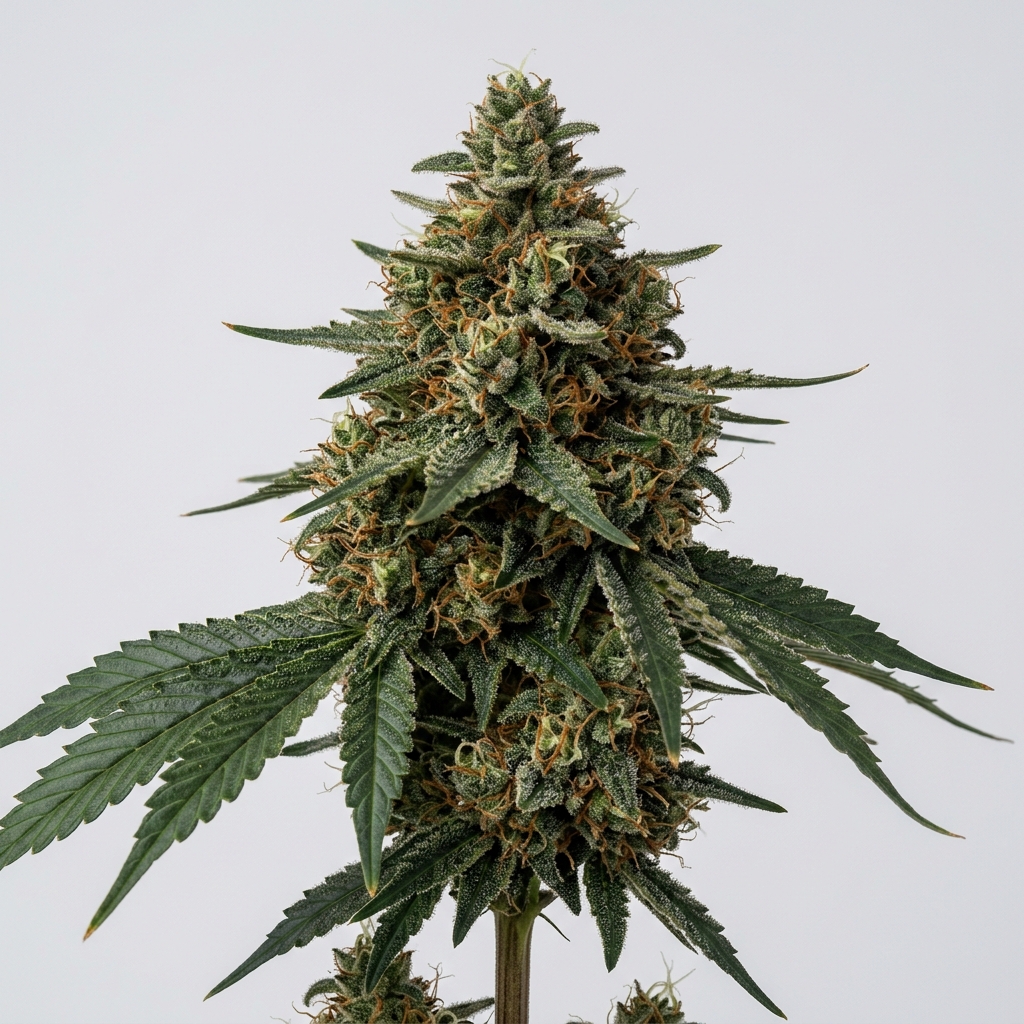
Cat Piss is a legendary sativa-dominant cultivar widely recognized as a pungent, old-school phenotype of Super Silver Haze. Typically testing between 15% and 22% THC, this heirloom selection is famous for its sharp, ammonia-forward aroma that cuts through sweet, herbal undertones. The plant stretches aggressively when flipped, building long, spear-like colas with a fine coat of glassy resin and pale orange pistils.
Despite its polarizing name, this strain has maintained a dedicated following since the late 1990s due to its uplifting, clear-headed sativa lift. It offers an energetic, focused experience that appeals to legacy enthusiasts and growers seeking to preserve classic, raw sativa genetics.
Quick Facts
| Metric | Details |
|---|---|
| Genetics | Super Silver Haze Phenotype (Skunk #1 × Northern Lights #5 × Haze) |
| Variety | Sativa-dominant |
| THC Range | 15% – 22% |
| Flowering Time | 9 – 11 Weeks |
| Yield Potential | Moderate to High |
| Plant Height | Tall (significant stretch) |
| Climate Preference | Warm, semi-humid to dry |
| Difficulty | Moderate to Experienced |
Scientific & Botanical Overview
Botanically, Cat Piss displays classic sativa morphology with wide internodal spacing and thin fan leaves. The plant requires active canopy management, often doubling its vegetative height during the first three weeks of flower.
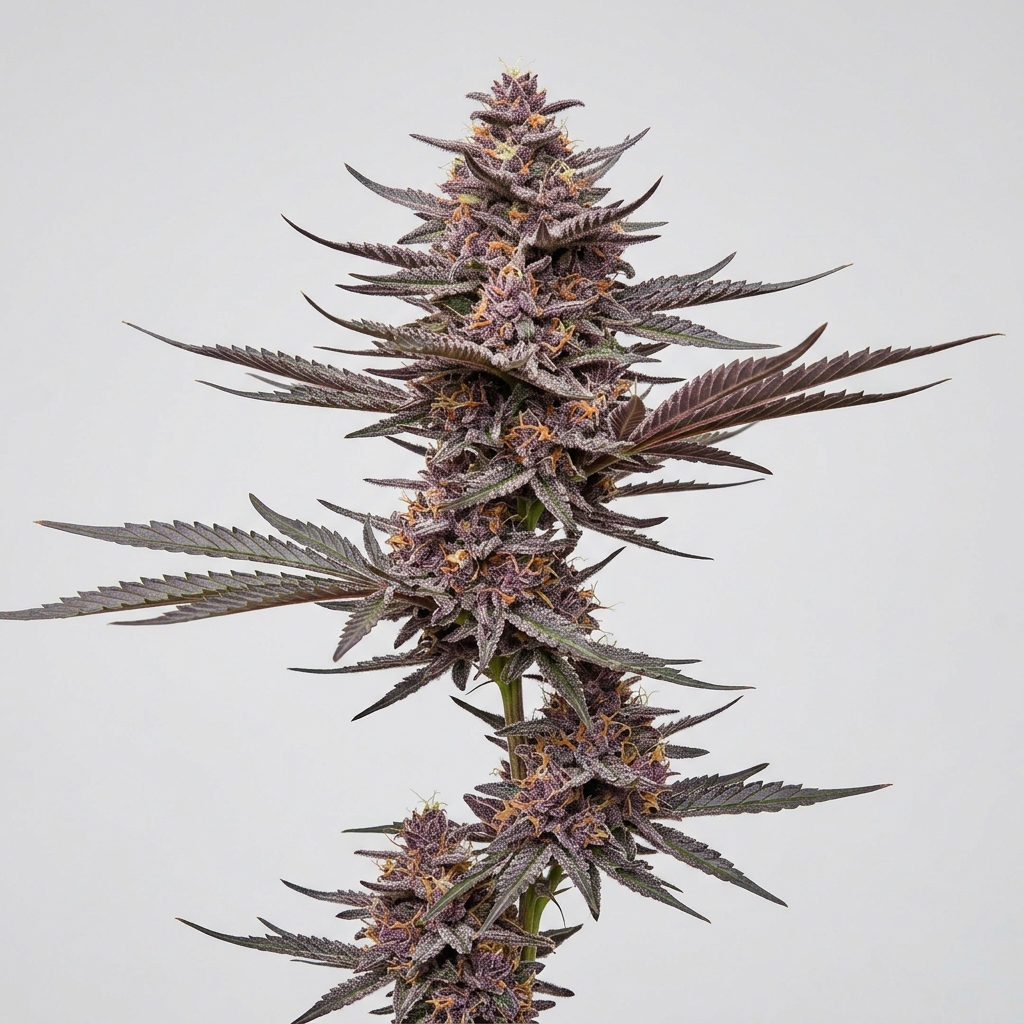
Bud development favors long, open colas rather than dense, rounded clusters. This airy structure naturally improves airflow through the inner canopy, helping the plant handle late-flower humidity.
The resin coat consists of small, highly concentrated trichomes that cover light green bracts. This gives the matured flowers a frosty, silver-grey sheen at harvest.
Effects & Use-Cases (Reported)
Commonly reported effects include an immediate, soaring cerebral lift accompanied by sharp focus and mental clarity. Users often describe a clean, energetic buzz that lacks the heavy physical sedation common in modern indica hybrids.
Use-case context typically centers on daytime activities, creative projects, or outdoor tasks where mental alertness is desired. Its motivating nature makes it a popular choice for morning use or social settings.
Note: Due to its potent sativa lineage and rapid onset, less experienced users or those sensitive to strong cerebral stimulants should approach this cultivar with caution to avoid mild anxiety.
Aroma & Flavors
Aroma: The defining characteristic of this strain is a sharp, unmistakable ammonia stench that mimics its namesake. This pungent, chemical-forward note is balanced by an underlying base of damp earth, sour pine, and old-school skunk.
Flavor: On the exhale, the flavor profile shifts slightly toward a sweet, herbal haze, leaving a lingering peppery spice and sharp citrus lift on the palate.
Terpene associations: Lab analyses frequently associate this unique profile with high concentrations of myrcene, terpinolene, and pinene, which drive both its herbal sweetness and its sharp, piney top notes.
Tested Cannabinoid & Terpene Ranges
| Compound | Tested Range |
|---|---|
| Δ9-THC | 15.0% – 22.0% |
| CBD | 0.1% – 0.5% |
| Myrcene | 0.4% – 0.9% |
| Terpinolene | 0.2% – 0.6% |
| Pinene | 0.1% – 0.4% |
These ranges reflect historical and contemporary testing data. Phenotypic variation, cultivation practices, and curing methods will influence final cannabinoid and terpene concentrations.
Cultivation Notes
- Maintain moderate humidity (45-55%) during mid-to-late flower to protect the resin-rich flowers from moisture buildup.
- This cultivar prefers a moderate nutrient regimen; excessive nitrogen during early flower can lead to unwanted stretching and loose bud structure.
- use training techniques such as topping and low-stress training (LST) to manage the plant’s significant vertical height.
- The long flowering cycle requires patience, with the peak terpene profile developing fully in the final two weeks of bloom.
- Select phenotypes that balance the signature ammonia-skunk aroma with sturdier, more cooperative branching.
Grower Notes (Week-by-Week Snapshot)
- Weeks 1–3 (Vegetative & Early Bloom): Expect a rapid vertical stretch. Ensure adequate vertical clearance and begin trellising early to support the long, flexible branches.
- Weeks 4–6 (Mid-Flower): Bud sites begin to form long, spear-shaped structures. The sharp, signature ammonia aroma starts to emerge, requiring robust carbon filtration.
- Weeks 7–9 (Late Flower): Calyxes swell and the silver trichome coverage becomes dense. Monitor pistils as they turn from white to pale orange.
- Week 10+ (Harvest & Cure): Harvest when the trichomes are mostly cloudy with a few amber heads. A slow, cold dry at 60°F and 60% humidity is essential to preserve the pungent terpenes.
Genetic Lineage
The exact origins of Cat Piss are rooted in late-twentieth-century West Coast cannabis culture. While many legacy growers maintain it emerged as a unique phenotype of Super Silver Haze, others suggest a heritage involving a specific Skunk #1 selection crossed with an imported Thai landrace.
Regardless of the precise lineage, the strain’s genetic stability has been preserved through clone-only cuts and selective backcrossing. Its enduring presence in the market serves as a genetic bridge to the highly aromatic, sativa-dominant profiles of the 1990s.
Research Insights
Analytical research into Cat Piss focuses on the specific compounds responsible for its highly unusual, pungent aroma. While standard monoterpenes like myrcene and pinene are abundant, researchers hypothesize that trace sulfur compounds work in tandem to produce the distinct ammonia-like scent profile.
This unique chemical signature highlights the complexity of cannabis secondary metabolites, demonstrating how minor, low-abundance compounds can dramatically alter the overall aroma profile of a cultivar.
Frequently Asked Questions
Is Cat Piss a pure sativa?
While it shows strong sativa-dominant growth characteristics and effects, it is technically a hybrid, most commonly sourced from Super Silver Haze lineage which contains both sativa and indica ancestors.
Why does the strain smell like ammonia?
The sharp, ammonia-like scent is a result of a specific combination of terpenes and trace compounds, rather than actual ammonia, creating a highly pungent, classic skunk profile.
How long does Cat Piss take to flower?
This cultivar typically requires a longer flowering period of 9 to 11 weeks to reach peak maturity and fully develop its complex terpene profile.
Is Cat Piss difficult to grow indoors?
It is considered moderately challenging due to its significant height stretch and long flowering cycle, requiring active canopy management and reliable odor control.
Educational Disclaimer
This profile is for educational and informational purposes only. Cultivation and consumption of cannabis are subject to local laws and regulations.
Rate and review this strain
Ratings and reviews are accepted only from signed-in Google accounts.
Sign in with Google to leave a rating and written review.
Latest Reviews
0 reviewsNo reviews yet. Be the first Google user to rate and review this strain.