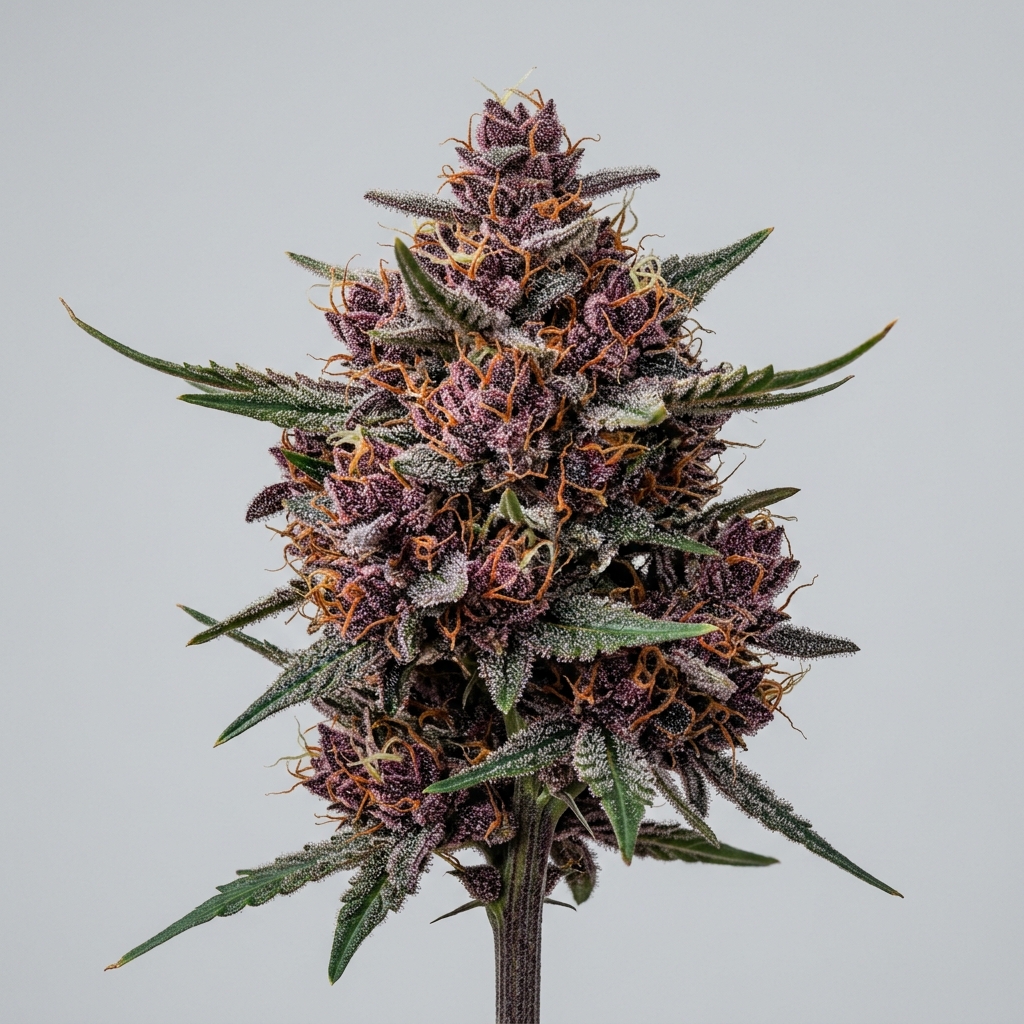
Tropical Cherry (Cannabis Strain)
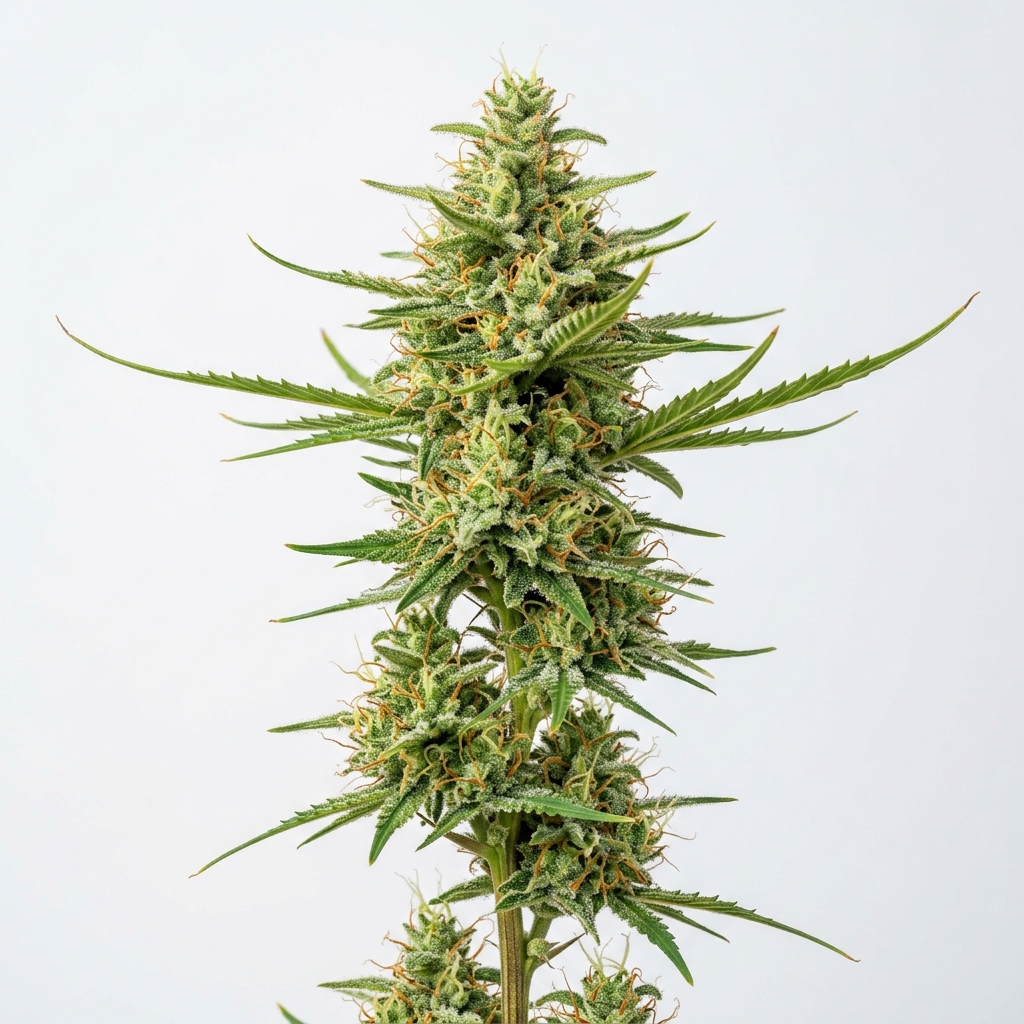
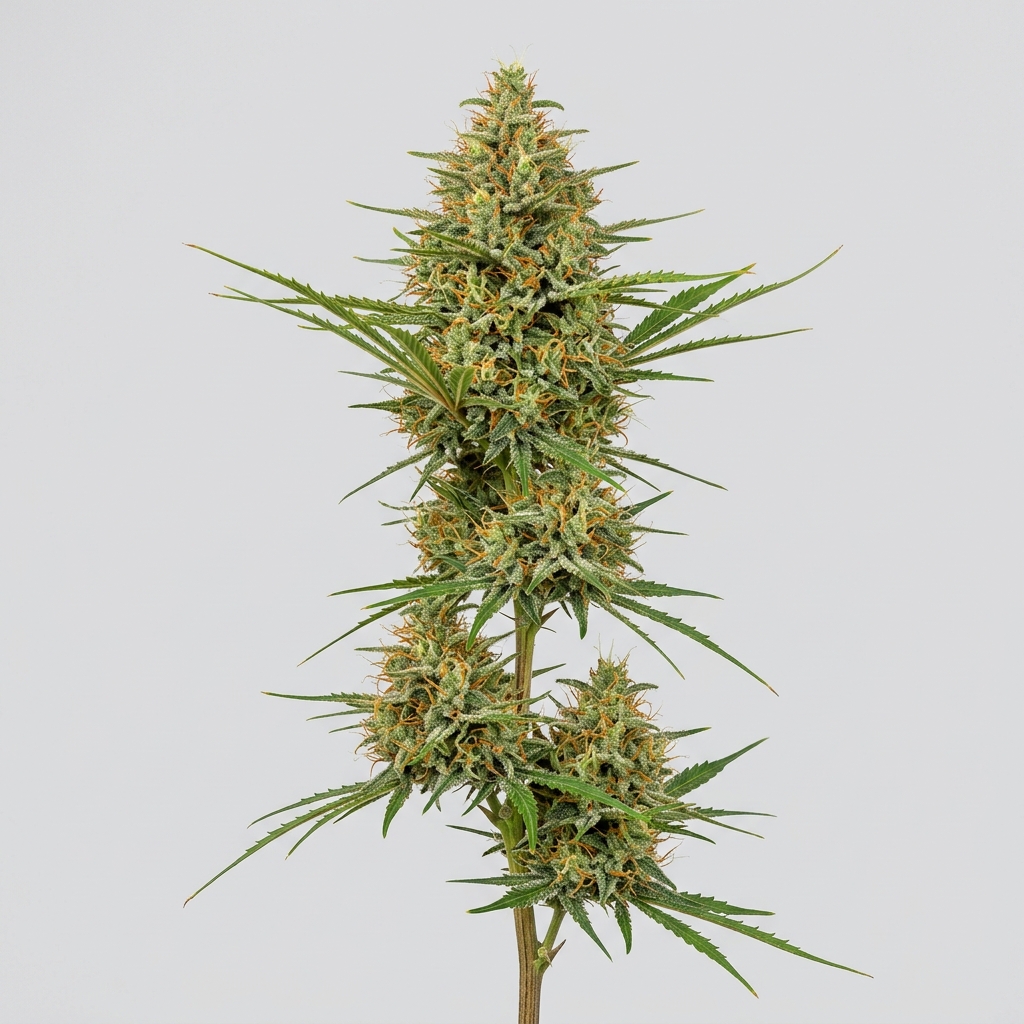
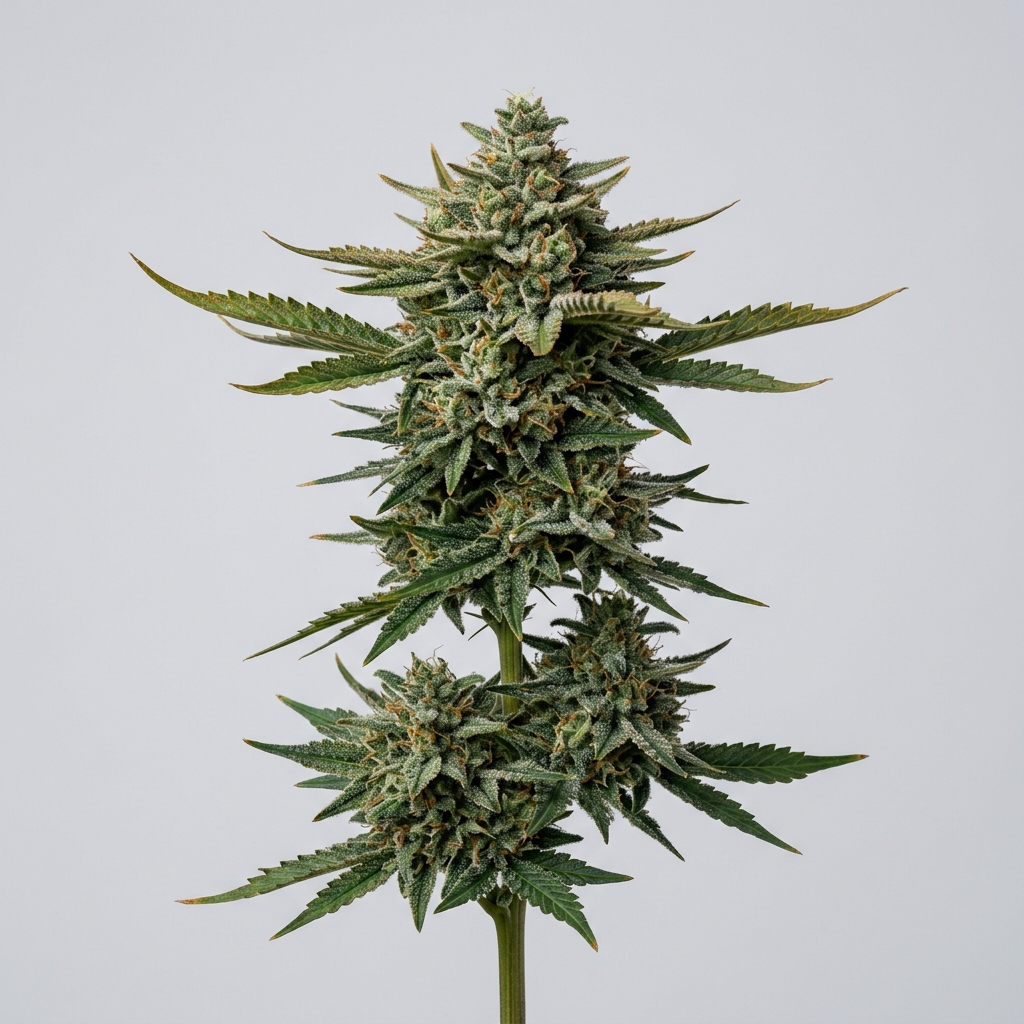
Tropical Cherry is an indica-dominant hybrid typically testing between 16% and 21% THC, bred by crossing Tropicana Cookies and Cherry Cookies. Known for its striking deep purple hues and heavy resin coverage, this cultivar delivers a sharp citrus lift backed by a dark berry edge and a clean, doughy finish. The plants grow with tight internodes and sturdy lateral branches, producing dense, spear-shaped colas that make it highly favored for both boutique flower production and solventless extraction.
Cultivators prize this selection for its reliable anthocyanin expression, which consistently turns the calyxes a rich violet shade even in warmer daytime temperatures. The terpene profile is heavily dominated by caryophyllene, limonene, and humulene, producing a bright, sweet-tart aroma that stands out in any garden. With its rapid flowering time and manageable stretch, it offers a predictable and highly rewarding cycle for indoor and outdoor growers alike.
Quick Facts
| Trait | Specification |
|---|---|
| Genetics | Tropicana Cookies × Cherry Cookies |
| Variety | Indica-dominant Hybrid |
| THC Range | 16% – 21% |
| Flowering Time | 8 – 9 Weeks |
| Yield Potential | Moderate to High |
| Plant Height | Medium |
| Climate Preference | Temperate, low late-flower humidity |
| Difficulty | Moderate |
Scientific & Botanical Overview
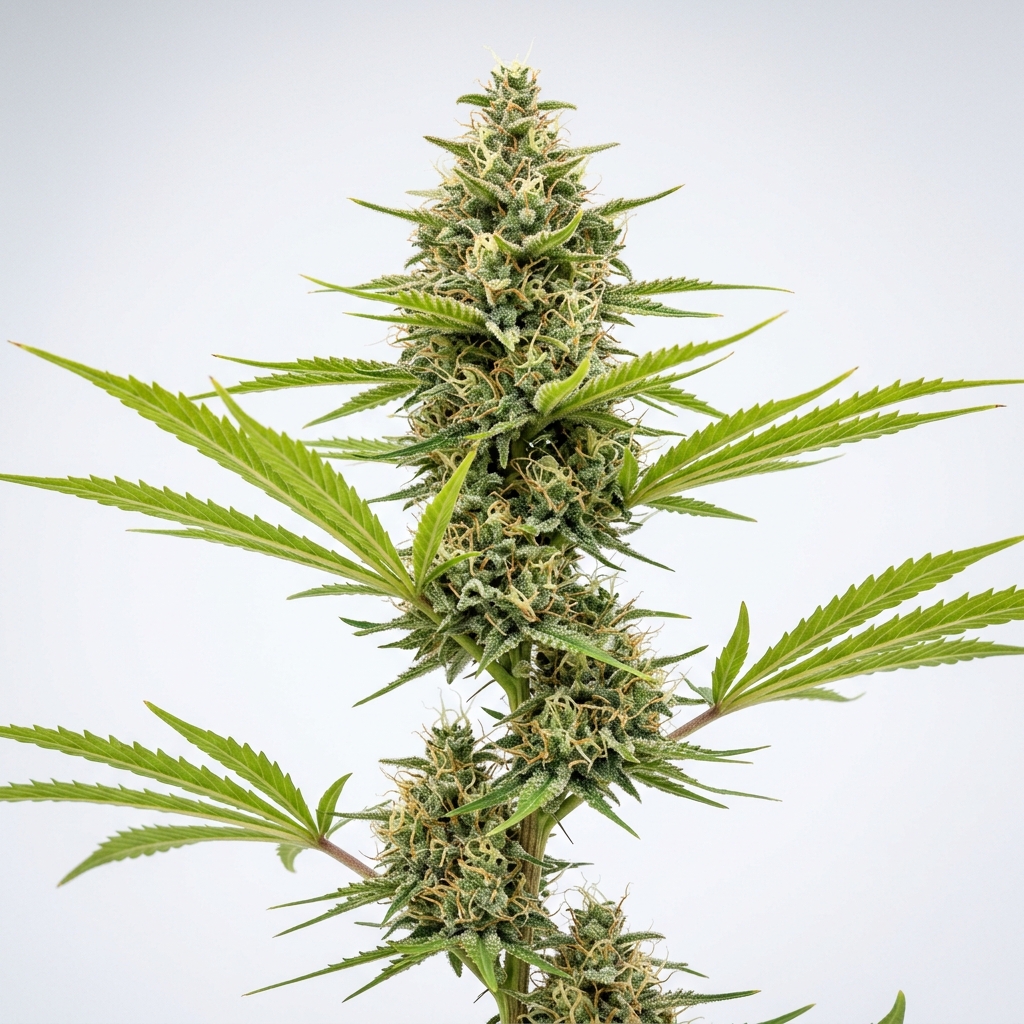
Botanically, Tropical Cherry is characterized by its broad fan leaves and highly pigmented, dense bracts. The cultivar displays an abundance of glandular trichomes that produce a greasy resin layer early in the flowering cycle. Its structural integrity is supported by thick stems, which easily bear the weight of its swollen calyxes without requiring excessive support.
The striking coloration of this strain is driven by high concentrations of water-soluble pigments called anthocyanins within the plant tissue. Unlike some purple cultivars that require cold night temperatures to trigger color changes, this genetic line often initiates violet hues by week four of bloom under standard conditions. This early color expression is accompanied by a steady accumulation of terpene-rich resin on both the inner flowers and surrounding sugar leaves.
Internodal spacing remains relatively compact during the transition phase, resulting in stacked, continuous floral clusters rather than isolated bud sites. The stomatal conductance and transpiration rates of this hybrid demand consistent airflow to prevent moisture pocketing within its dense canopy. Proper defoliation during early bloom ensures light penetrates to the lower nodes, maximizing the yield of premium, colored buds.
Effects & Use-Cases (Reported)
Commonly reported effects include a bright, functional mental clarity accompanied by a gentle, relaxing physical sensation. Users often describe an immediate sense of focused energy that gradually settles into a calm, balanced state without heavy sedation.
Use-case context suggests this cultivar is well-suited for daytime activities, creative projects, or social gatherings where physical relaxation is desired without compromising mental alertness. It is frequently selected by those seeking a steady, functional experience that transitions smoothly from afternoon to evening.
Please note that individual tolerance, dosage, and consumption methods will significantly influence the overall experience.
Aroma & Flavors
Aroma: A dominant burst of fresh orange peel and sour cherry, underlined by a subtle earthy doughiness and a hint of tart gas.
Flavor: A sweet-tart citrus entry that transitions into a rich, dark berry edge with a lingering mint finish on the exhale.
Terpene associations: Primarily driven by caryophyllene for spice, limonene for the bright citrus lift, and myrcene for the grounding herbal undertone.
Tested Cannabinoid & Terpene Ranges
| Compound | Typical Range |
|---|---|
| Δ9-THC | 16.0% – 21.0% |
| CBD | < 1.0% |
| CBG | 0.5% – 1.2% |
| Beta-Caryophyllene | 0.4% – 0.8% |
| Limonene | 0.3% – 0.6% |
| Humulene | 0.1% – 0.3% |
These values represent typical laboratory testing ranges for well-cultivated phenotypes. Individual batches may vary based on environmental factors, nutrient protocols, and curing techniques.
Cultivation Notes
- Humidity Management: Maintain relative humidity below 45% during the final three weeks of flower to protect the dense, resin-rich colas from moisture accumulation.
- Nutrient Protocol: Responds well to moderate feeding schedules; avoid excessive nitrogen during early bloom to prevent leafy bud structure.
- Canopy Training: Apply low-stress training (LST) or topping early in the vegetative cycle to promote even canopy development and maximize light exposure to lower nodes.
- Temperature Control: While purple hues develop naturally, dropping night temperatures slightly in late flower can deepen the violet pigmentation and preserve delicate terpenes.
- Harvest Timing: Harvest when trichomes are mostly milky with a small percentage of amber to preserve the bright, active terpene profile and avoid over-sedating effects.
Grower Notes (Week-by-Week Snapshot)
- Weeks 1–3 (Transition & Stretch): Expect a moderate, controlled stretch of roughly 50% to 80% of vegetative height. Focus on tucking fan leaves and setting up trellis netting to support the emerging lateral branches.
- Weeks 4–6 (Mid-Bloom & Color Shift): Bud sites begin to stack rapidly, displaying early purple hues on the calyx margins. Resin production increases, releasing a distinct sweet citrus aroma; maintain stable daytime temperatures around 74-76°F.
- Weeks 7–9 (Late Flower & Ripening): Colas swell into dense, violet spears covered in wet frost. Reduce humidity to 40% and flush with plain water during the final 10 days to allow the plant to consume stored nutrients and fully develop its terpene clarity.
- Post-Harvest (Slow Dry & Cure): Hang the whole plant to dry at 60°F and 60% relative humidity for 11 to 14 days. A slow dry preserves the delicate cherry and orange notes, followed by a minimum of three weeks in airtight cure jars.
Genetic Lineage
The genetic foundation of Tropical Cherry rests on a deliberate cross of Tropicana Cookies and Cherry Cookies. Tropicana Cookies contributes the intense, tangie-derived citrus aroma and the striking purple coloration that defines the visual appeal of this hybrid. This lineage introduces a robust vigor and a high concentration of limonene that gives the strain its uplifting character.
From the Cherry Cookies parentage, this cultivar inherits a denser bud structure and a sweet, doughy undertone that rounds out the sharp citrus. This side of the lineage tames the sometimes-wild stretch of the Tropicana genetics, leading to a more manageable, compact growth habit. The combination results in a balanced hybrid that retains the best cosmetic and aromatic traits of both parents.
Research Insights
Analytical testing of this cultivar highlights a rich concentration of monoterpenes and sesquiterpenes, particularly caryophyllene and limonene. Researchers observe that the high ratio of these specific compounds contributes to the distinct sweet-tart aromatic profile, which remains stable across various growing media. The presence of secondary terpenes like humulene further refines the sensory output, adding a subtle woody complexity.
The rapid and consistent accumulation of anthocyanins in this genetic line suggests a highly active flavonoid pathway. Studies on similar purple-leaning cultivars indicate that these pigments not only provide visual appeal but also play a role in plant defense against light stress. This robust pigment expression makes the cultivar a valuable subject for studying environmental responses in hybrid cannabis genetics.
Frequently Asked Questions
What is the typical flowering time for Tropical Cherry?
Tropical Cherry usually finishes its flowering cycle in 8 to 9 weeks when grown indoors. Outdoor plants are typically ready for harvest by early to mid-October, depending on local climate conditions.
Does this strain require cold temperatures to turn purple?
No, this cultivar is genetically predisposed to develop deep purple hues without requiring cold temperature drops. However, slightly cooler night temperatures during late bloom can further intensify the violet coloration.
What are the dominant aromas of Tropical Cherry?
The aroma is characterized by a bright citrus lift resembling fresh orange peel, combined with a sweet cherry undertone and a hint of tart gas.
Is Tropical Cherry suitable for solventless extraction?
Yes, the greasy resin and abundant trichome coverage of this strain make it highly suitable for solventless extraction methods, yielding flavorful live rosin with excellent terpene clarity.
Educational Disclaimer
This profile is for educational and informational purposes only. Cultivation and consumption of cannabis are subject to local laws and regulations.
Rate and review this strain
Ratings and reviews are accepted only from signed-in Google accounts.
Sign in with Google to leave a rating and written review.
Latest Reviews
0 reviewsNo reviews yet. Be the first Google user to rate and review this strain.