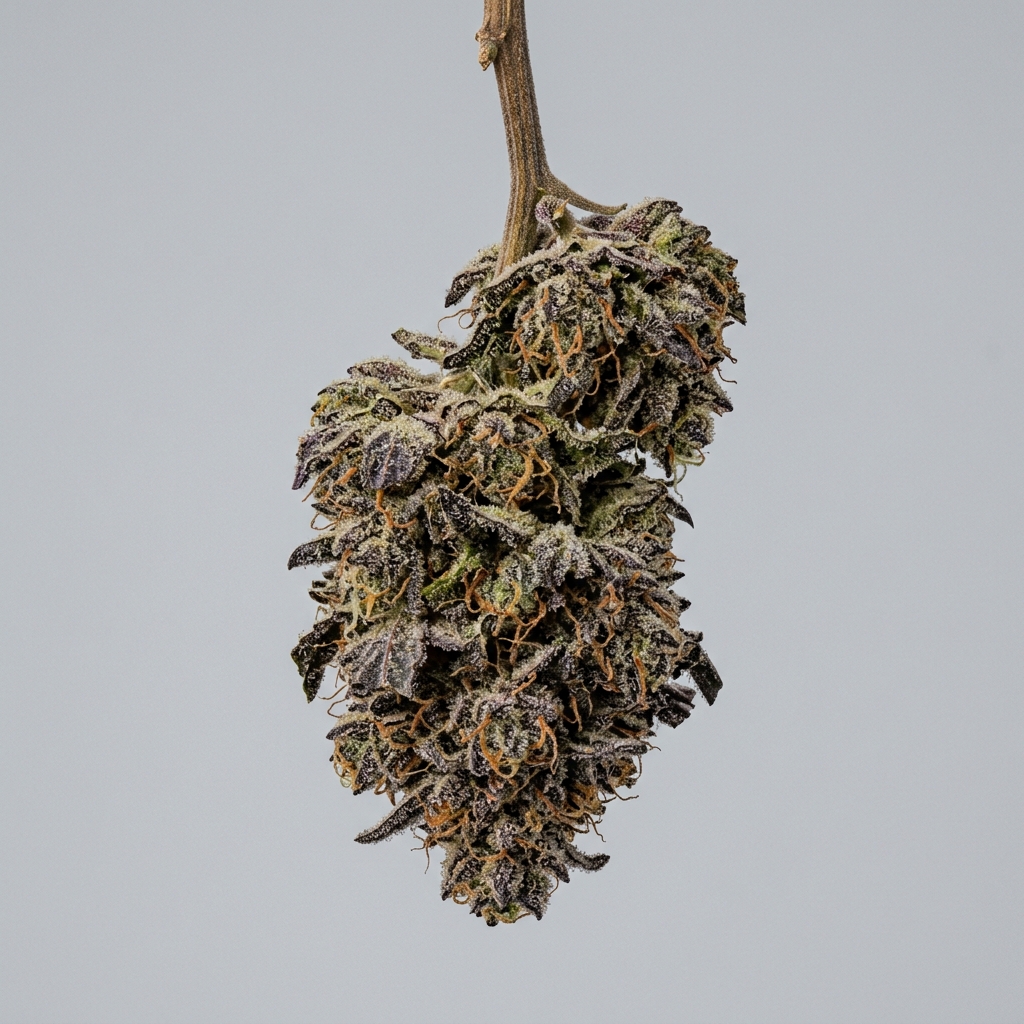
Cherry Runtz (Cannabis Strain)
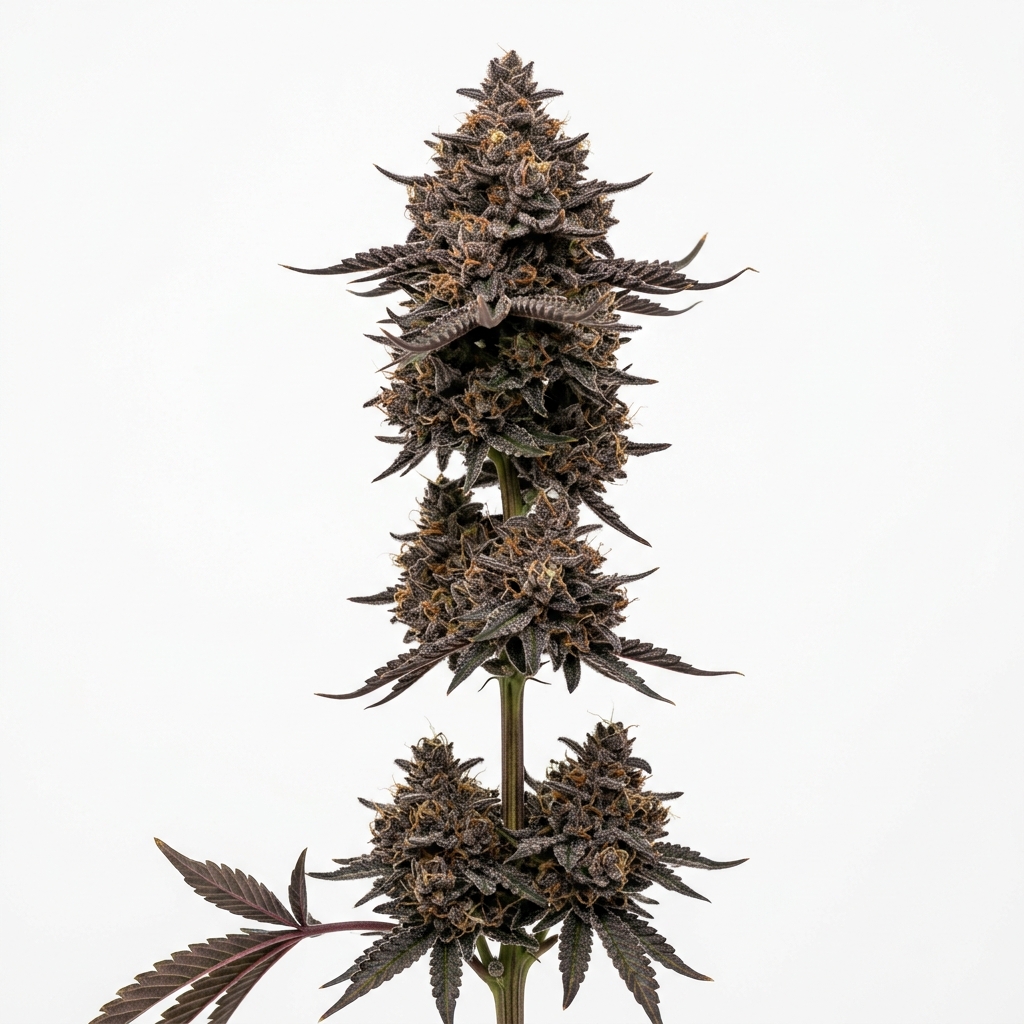
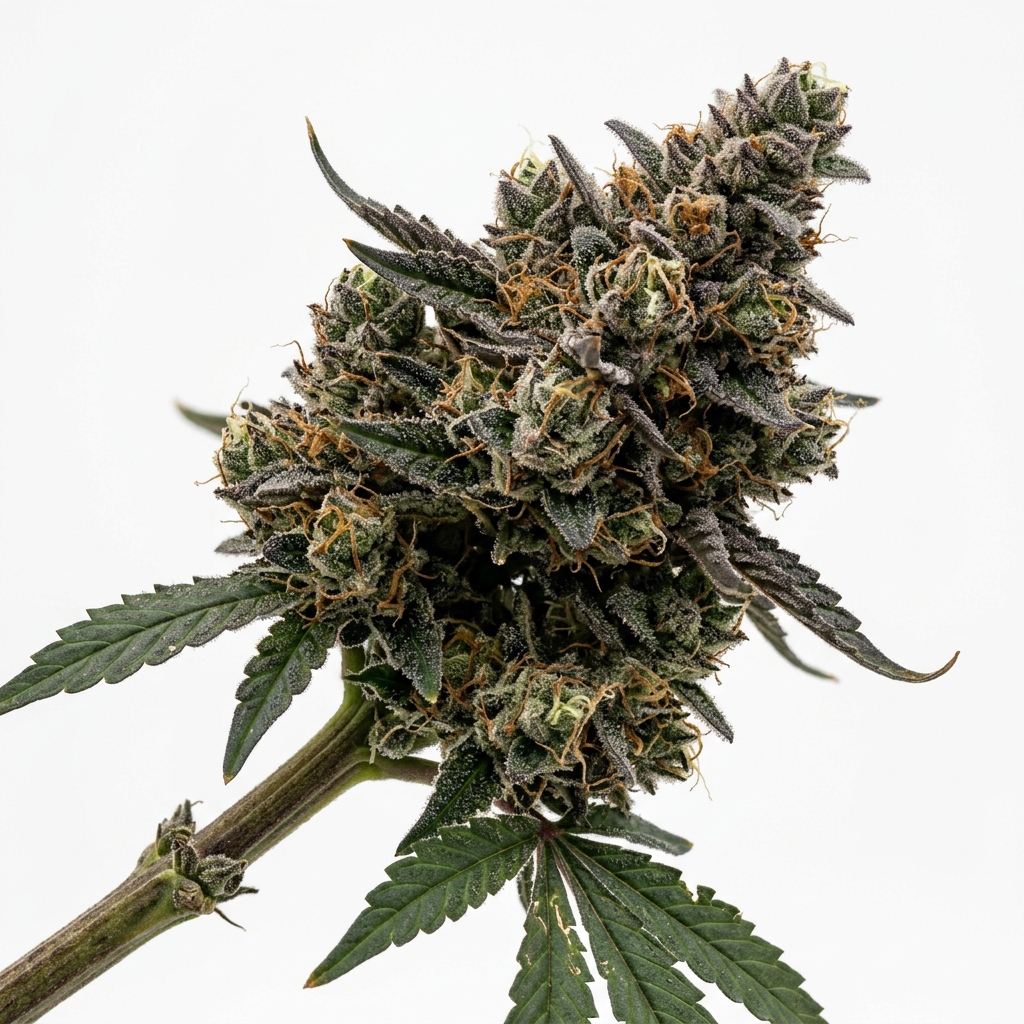
Cherry Runtz is an indica-dominant hybrid cultivar typically testing between 20% and 26% THC, created by crossing the classic Cherry Pie with the legendary Runtz. This strain is highly regarded for its profile of tart cherry candy, dark berry undertones, and a sharp gas finish, driven by a dense layer of glassy resin that covers its deep purple-tinted bracts. Well-suited for indoor setups, the plant shows a moderate stretch during early flower and develops tight internodes that support dense, medium-sized spear colas.
Cultivators favor this variety for its exceptional bag appeal and reliable terpene retention during the drying phase. While it demands careful humidity control in late bloom, its resin-rich flowers make it a popular choice for boutique growers and solventless extraction artists alike.
Quick Facts
| Metric | Detail |
|---|---|
| Genetics | Cherry Pie × Runtz |
| Variety | Hybrid (Indica-dominant) |
| THC Range | 20% – 26% |
| Flowering Time | 8 – 9 Weeks |
| Yield Potential | Moderate to High |
| Plant Height | Medium (Controlled stretch) |
| Climate Preference | Temperate, low late-flower humidity |
| Difficulty | Moderate |
Scientific & Botanical Overview
Botanically, Cherry Runtz displays classic hybrid morphology with broad fan leaves that darken to deep forest green and violet hues as harvest approaches. The nodal spacing remains relatively tight, requiring strategic defoliation to maintain optimal airflow through the lower canopy.
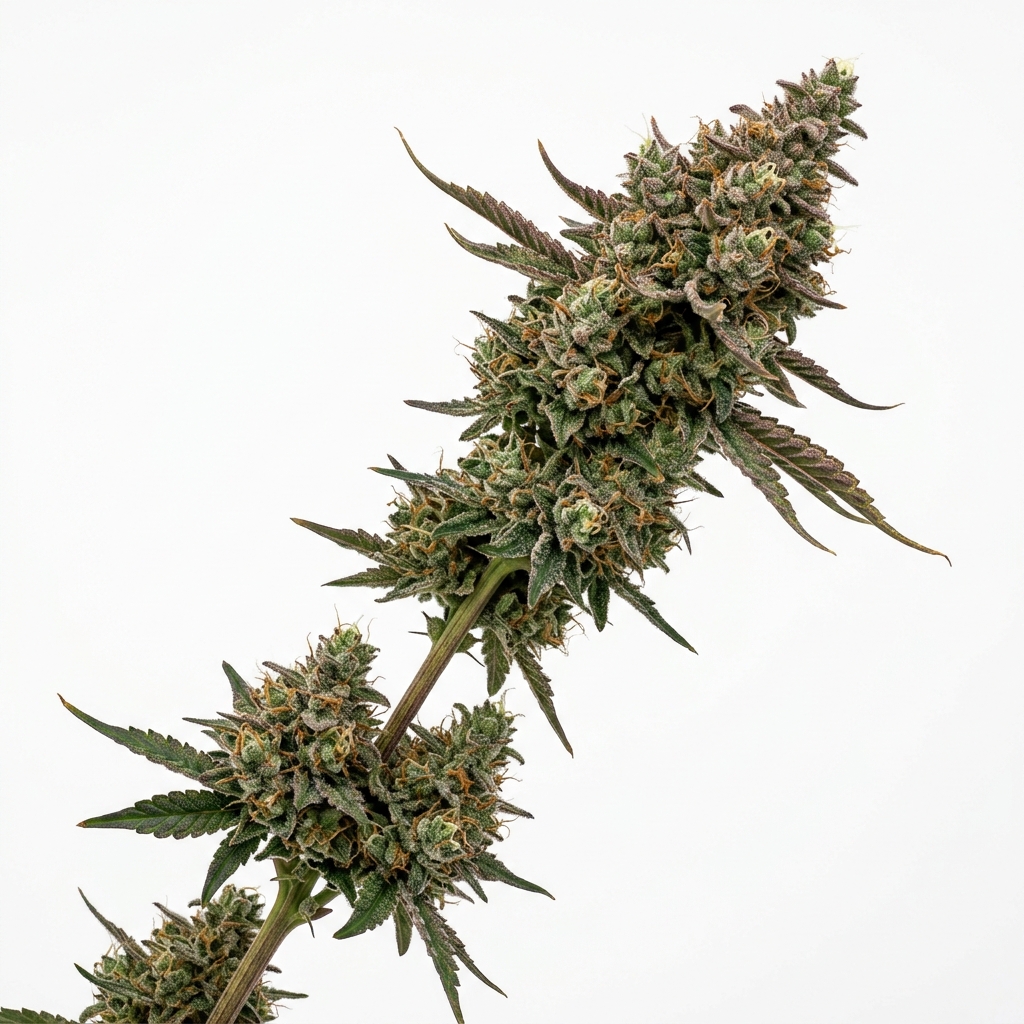
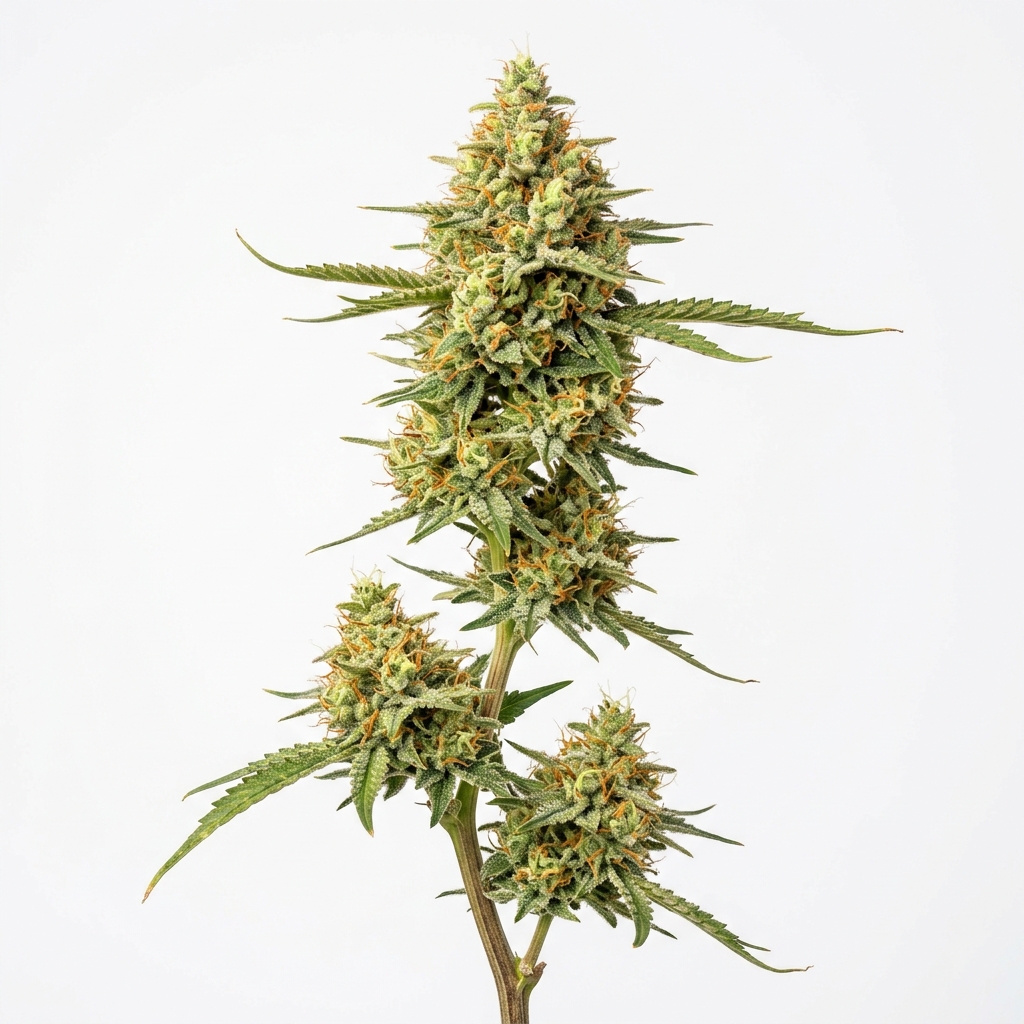
The cultivar produces swollen calyxes that pack tightly along the stems, forming dense, chunky colas rather than elongated spears. Its trichome distribution is exceptionally dense, featuring capitate-stalked resin glands that secrete a sticky, high-terpene oil layer.
Anthocyanin accumulation is highly pronounced in this phenotype, triggered by cooler nighttime temperatures during the final weeks of the flowering cycle. This genetic trait turns the olive-green bracts into deep shades of purple and near-black, contrasting sharply with bright orange pistils.
Effects & Use-Cases (Reported)
Commonly reported effects include a rapid onset of cerebral clarity followed by a heavy, soothing physical relaxation that settles deep into the limbs.
Use-case context suggests it is best suited for late afternoon or evening use, providing a calm mental space without immediate couchlock, making it ideal for creative unwinding or quiet social settings.
Note: Individual tolerance and chemistry vary; higher doses may lead to pronounced sedation.
Aroma & Flavors
Aroma: A dominant profile of sweet, candied cherries combined with a sharp, sour berry edge and a lingering base of fuel and earthy kush.
Flavor: The palate experiences a smooth blend of sugary fruit syrup on the inhale, transitioning to a tart, gassy citrus and subtle mint finish on the exhale.
Terpene associations: Typically dominated by caryophyllene, limonene and myrcene, which collectively direct its complex sweet-and-sour aromatic signature.
Tested Cannabinoid & Terpene Ranges
| Compound | Typical Range |
|---|---|
| Δ9-THC | 20.0% – 26.0% |
| CBD | < 0.5% |
| CBG | 0.5% – 1.2% |
| β-Caryophyllene | 0.4% – 0.9% |
| Limonene | 0.3% – 0.7% |
| Myrcene | 0.2% – 0.5% |
Note: Cannabinoid and terpene levels are highly variable depending on phenotype, environmental conditions, and cultivation practices.
Cultivation Notes
- Humidity Management: Keep relative humidity (RH) below 45% during the final three weeks of flower to prevent moisture retention in the dense colas.
- Nutrient Regimen: Responds well to a moderate feeding schedule, with a slight reduction in nitrogen early in the flowering phase to prevent excessive foliage growth.
- Canopy Training: Implement low-stress training (LST) or topping early in the vegetative stage to encourage lateral branching and even canopy development.
- Defoliation: Perform a thorough clean-out of lower fan leaves around week three of flower to improve light penetration and air movement.
- Harvest Window: Harvest when trichomes are mostly milky white with roughly 10% to 15% turning amber for a balanced cannabinoid profile.
Grower Notes (Week-by-Week Snapshot)
- Weeks 1–3 (Transition & Stretch): Plants undergo a moderate stretch, often doubling in height; ensure trellis nets are in place to support future bud sites.
- Weeks 4–6 (Bud Set & Resin Production): Calyxes begin to swell rapidly, and a visible layer of wet frost begins to cover the surrounding sugar leaves.
- Weeks 7–9 (Ripening & Senescence): Drop night temperatures by 10°F to stimulate anthocyanin production, turning the buds purple, and perform a clean water flush.
- Post-Harvest (Dry & Cure): Execute a slow dry at 60°F and 60% relative humidity for 12 to 14 days to preserve volatile terpenes before a minimum three-week cure.
Genetic Lineage
The lineage of Cherry Runtz traces back to two highly influential parents in modern cannabis breeding. Its first parent, Cherry Pie (an indica-dominant cross of Granddaddy Purple and Durban Poison), contributes its distinct dark berry aroma, structural density, and reliable physical relaxation.
The second parent, Runtz (a celebrated hybrid of Zkittlez and Gelato), infuses the cross with its signature exotic candy sweetness, heavy resin production, and complex terpene diversity. The combination stabilizes these traits, yielding a cultivar that retains the best sensory and structural elements of both lines.
Research Insights
Analytical testing of Cherry Runtz reveals a terpene profile dominated by caryophyllene, which acts as a dietary cannabinoid by binding directly to CB2 receptors. This interaction, alongside secondary terpenes like limonene and myrcene, is believed to modulate the overall physiological response, tempering the high THC content with a smoother, more balanced onset.
Breeders and researchers value this cultivar for its high resin density and stable glandular trichome structure, which translates to high yields during solventless extraction processes. The physical durability of its trichome heads makes it an excellent subject for studying terpene preservation during commercial post-harvest handling.
Frequently Asked Questions
Is Cherry Runtz an indica or sativa?
Cherry Runtz is an indica-dominant hybrid, combining the physical relaxation of Cherry Pie with the balanced, uplifting traits of Runtz.
What does Cherry Runtz smell like?
It features a rich aroma of sweet cherry candy, sour berries, and a sharp, earthy gas finish.
How long does Cherry Runtz take to flower?
Indoors, the cultivar typically completes its flowering cycle in 8 to 9 weeks.
Is Cherry Runtz easy to grow?
It is moderately easy to grow, though it requires attention to late-flower humidity and canopy management due to its dense bud structure.
Educational Disclaimer
This strain profile is for educational and informational purposes only. Cannabinoid profiles, terpene concentrations, and growth characteristics can vary significantly based on cultivation methods, environmental factors, and specific phenotypes.
Rate and review this strain
Ratings and reviews are accepted only from signed-in Google accounts.
Sign in with Google to leave a rating and written review.
Latest Reviews
0 reviewsNo reviews yet. Be the first Google user to rate and review this strain.
Follow New Cultivar Records
Get newly documented genetics, breeder history, research highlights, and important Strainpedia discoveries by email.