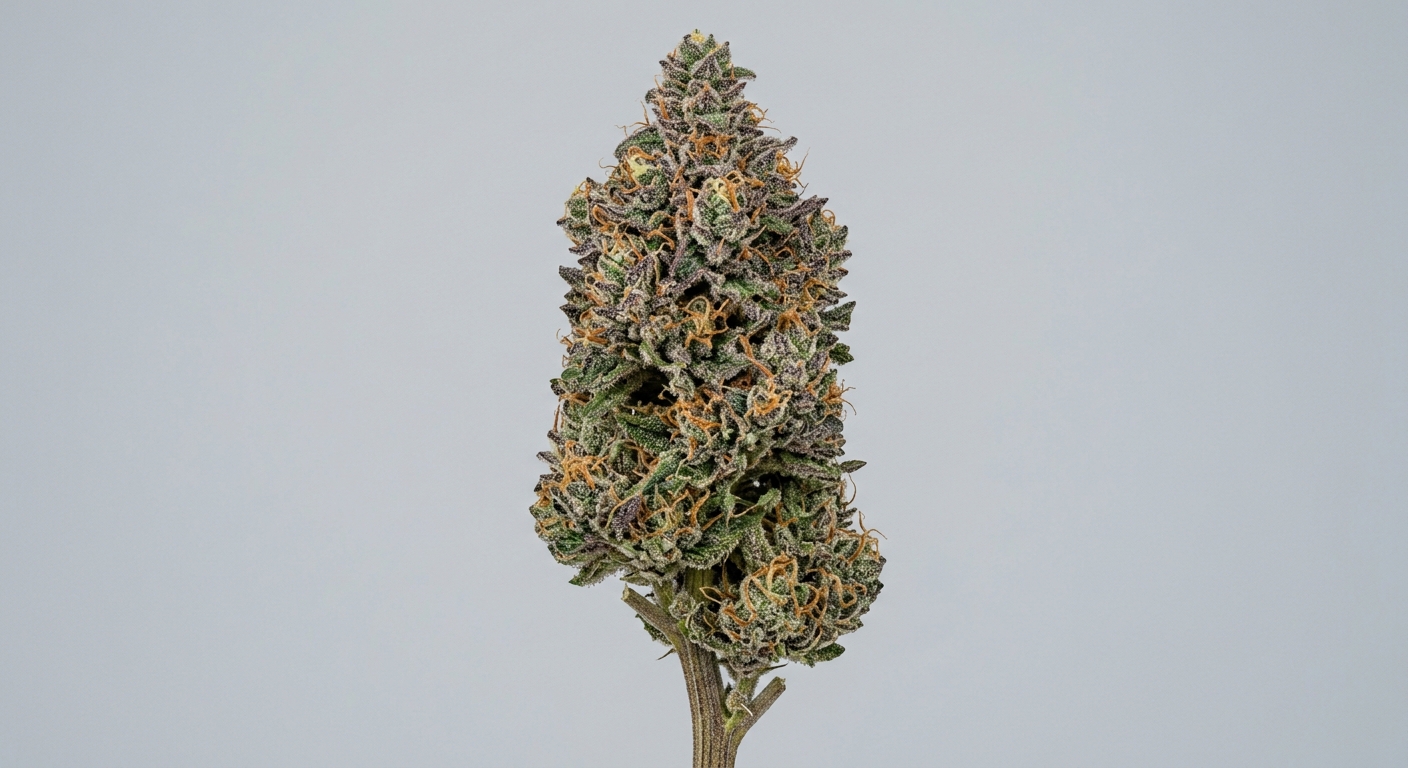
Animal Tsunami (Cannabis Strain)
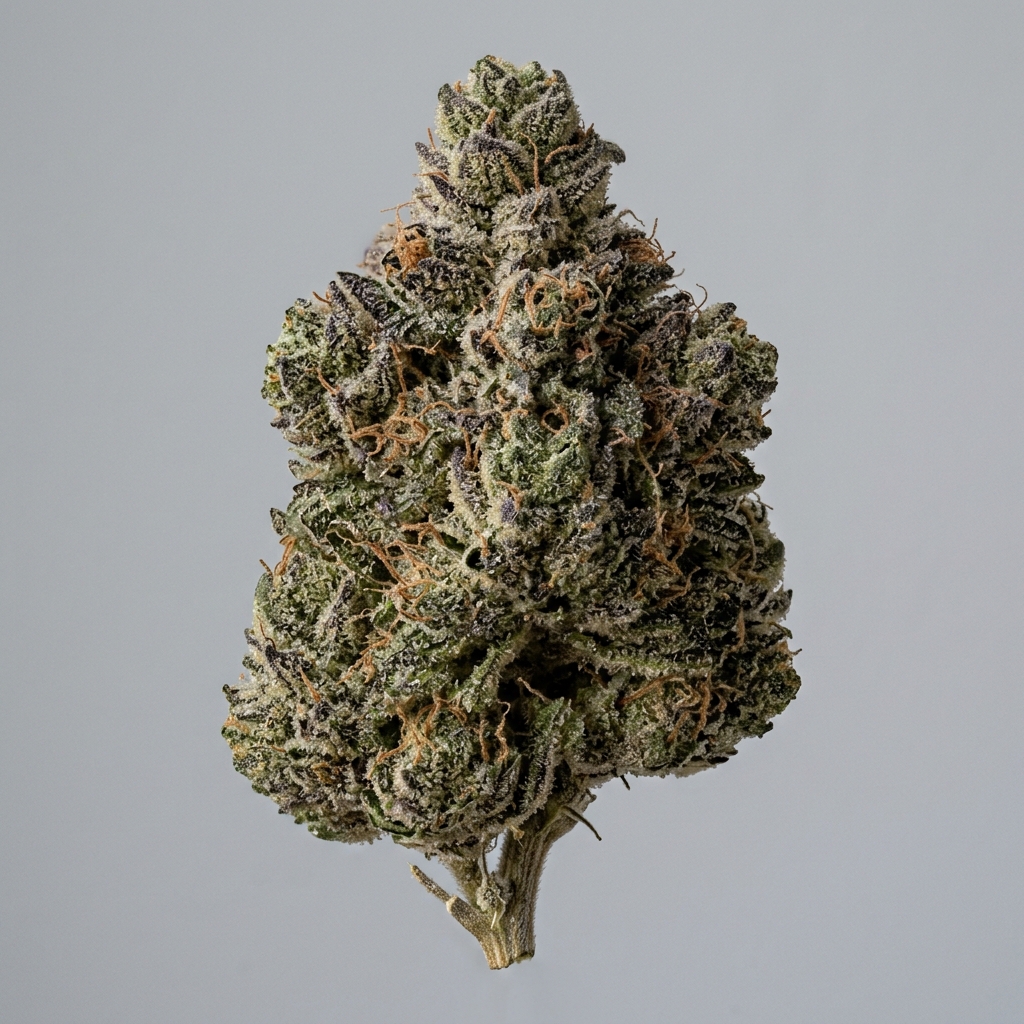
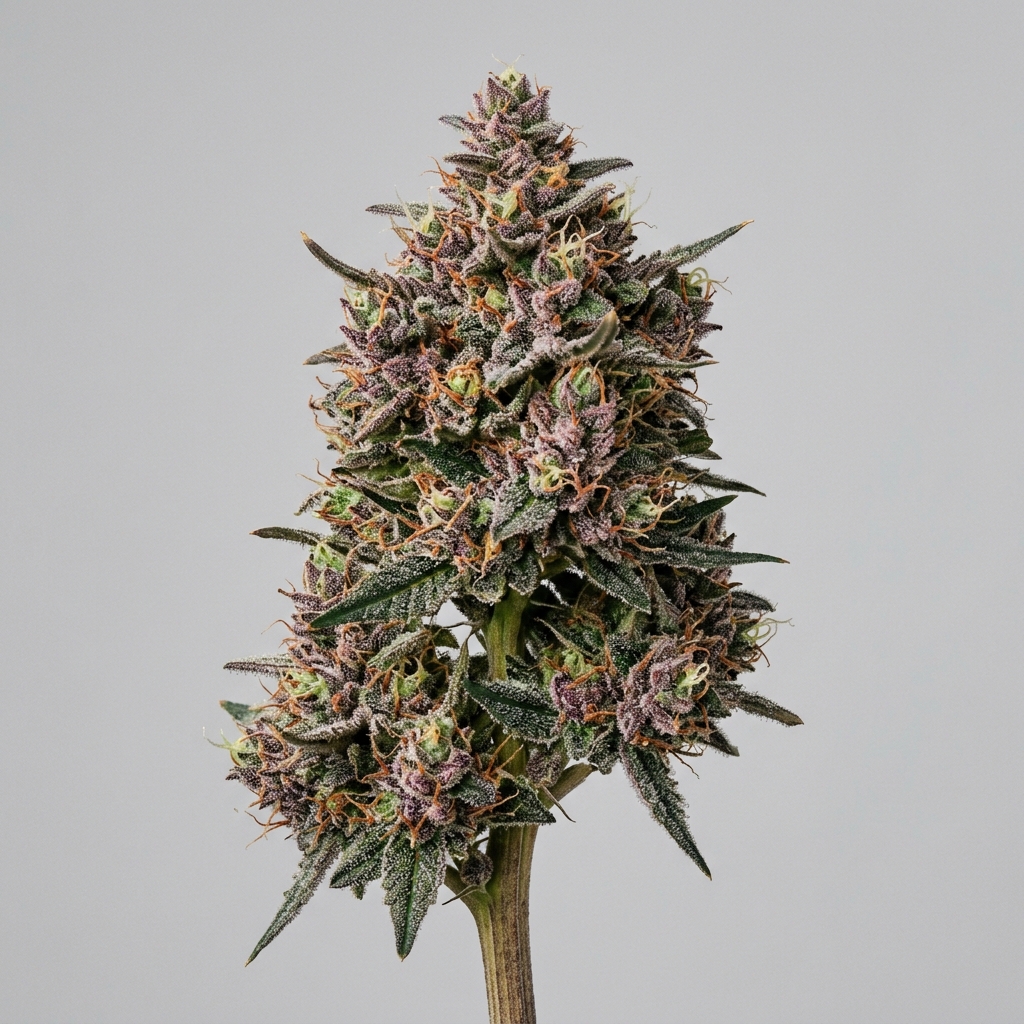
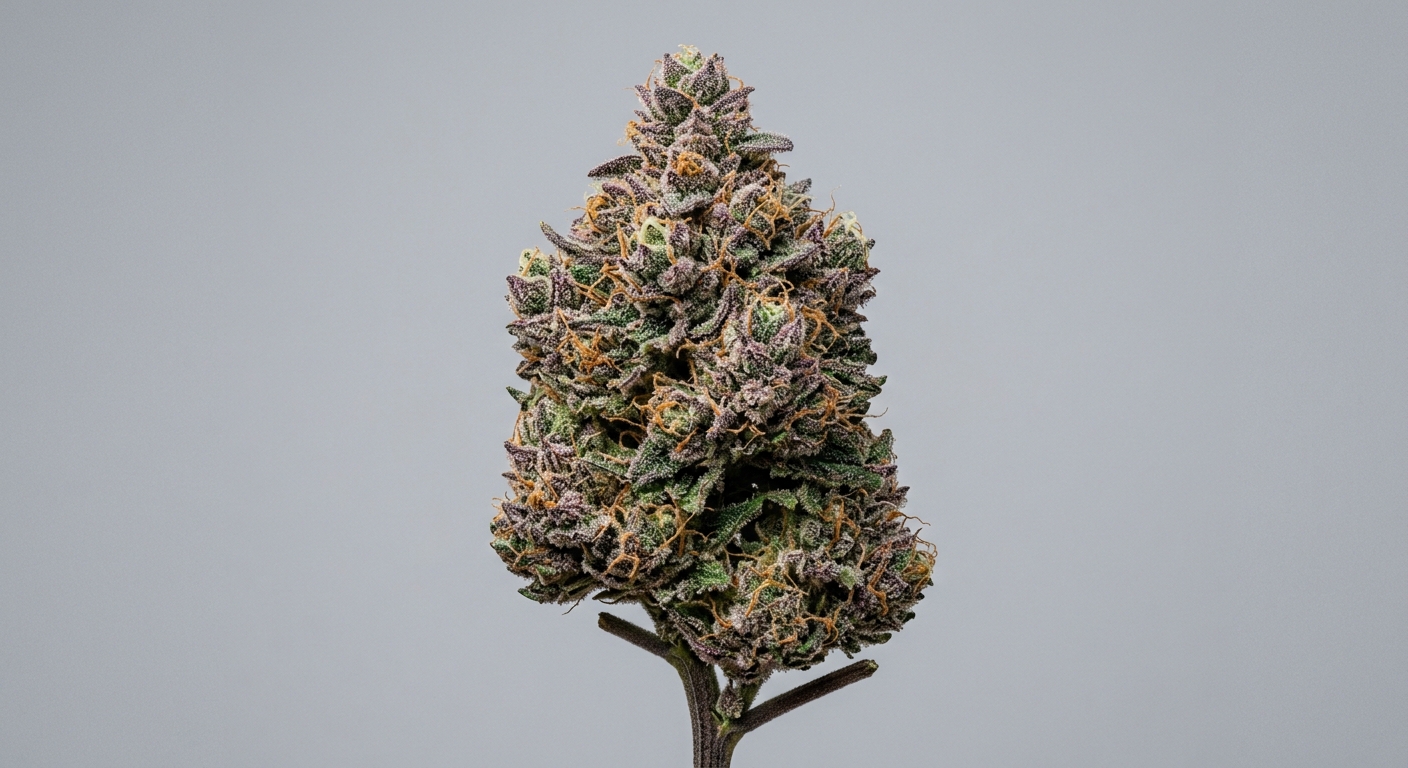
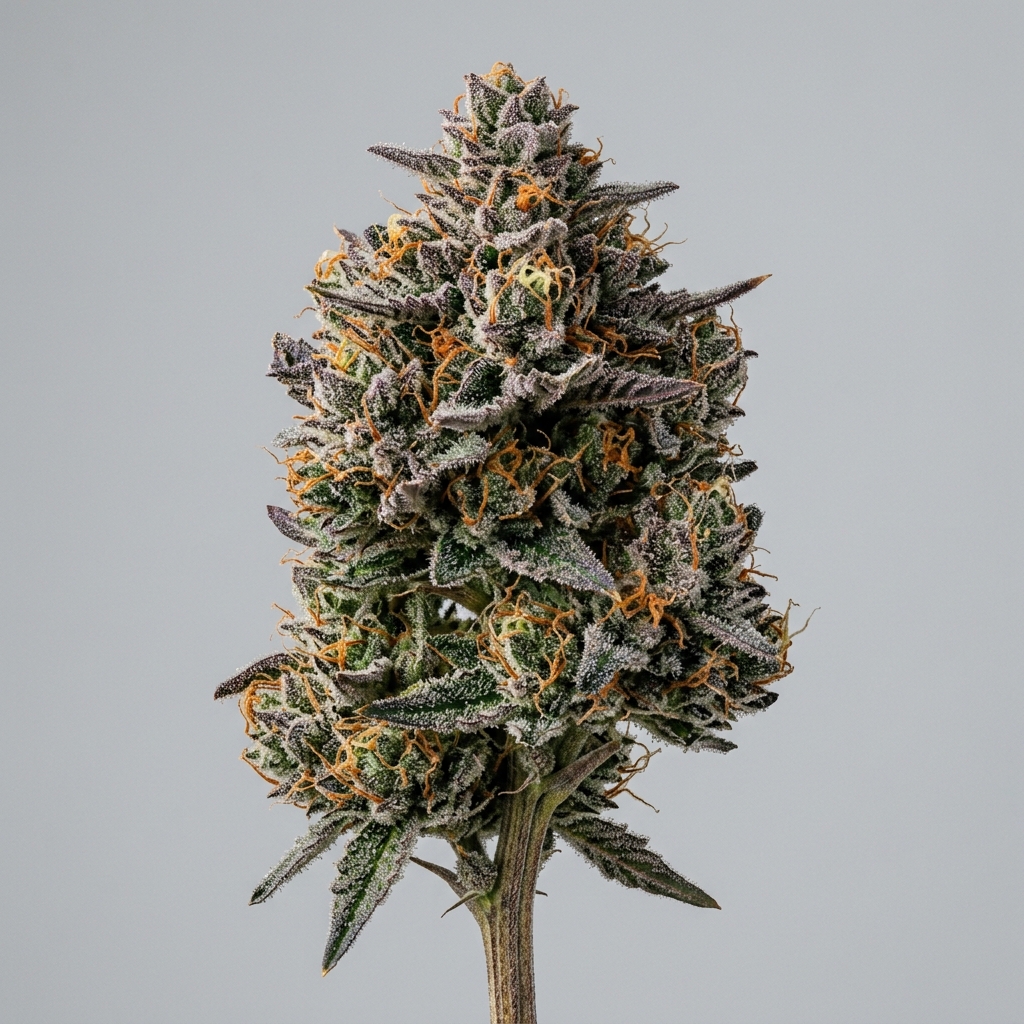
Animal Tsunami is an indica-dominant hybrid, typically testing between 24% and 29% THC, created by crossing the legendary Animal Cookies with Caramel Tsunami. Known for its heavy, greasy resin production and dense, purple-tinted spear colas, this cultivar delivers a pungent aroma of sweet cookie dough layered over a sharp, gassy finish. It shows a controlled stretch during early flower and requires careful humidity management to protect its tightly packed, resin-rich bracts throughout its lifecycle.
Bred with extraction-grade quality in mind, the cultivar has earned a steady reputation among cultivators who prioritize terpene clarity and solventless wash yields. Its physical shelf appeal is defined by a thick layer of wet frost that blankets the swollen calyxes, making it a standout selection in modern boutique gardens.
Quick Facts
| Attribute | Details |
|---|---|
| Genetics | Animal Cookies × Caramel Tsunami |
| Variety | Indica-dominant hybrid |
| THC Range | 24% – 29% |
| Flowering Time | 8 – 9 Weeks |
| Yield Potential | Moderate to High |
| Plant Height | Medium |
| Climate Preference | Temperate, low late-flower humidity |
| Difficulty | Moderate |
Scientific & Botanical Overview
Botanically, Animal Tsunami displays classic indica-dominant morphology, characterized by broad fan leaves, tight internodal spacing, and highly compressed node development. The plant develops thick, woody stems capable of supporting its heavy terminal colas without excessive staking, though trellis support remains highly recommended to maximize canopy light exposure.
The bract-to-leaf ratio is exceptionally favorable for hand-trimmers, with flowers maturing into dense, pinecone-shaped clusters rather than loose, airy structures. Under cooler night temperatures during the final two weeks of flowering, the foliage and calyxes frequently transition from deep forest green to dark purple and near-black hues.
Glandular trichomes on this cultivar are notably stalked and capitate, producing a highly viscous, greasy resin that remains stable during handling. This chemical profile is rich in sesquiterpenes and monoterpenes, which contribute to the plant's tacky texture and slow drying rate during the post-harvest cure.
Effects & Use-Cases (Reported)
Commonly reported effects: Consumers frequently report a heavy, creeping physical relaxation that settles deeply into the limbs, accompanied by a calm, quiet mental state. The onset is typically slow but long-lasting, making it less suited for active daytime tasks.
Use-case context: This cultivar is best reserved for late evening use, wind-down routines, or quiet, sedentary activities where deep physical comfort is preferred.
Note: Due to its high cannabinoid density, novice consumers should approach this strain with caution to avoid unwanted lethargy.
Aroma & Flavors
Aroma: The initial nose is dominated by a heavy, earthy kush base, followed immediately by a sharp, fuel-like tart gas and subtle undertones of sweet, caramelized sugar.
Flavor: On the palate, it delivers a rich, doughy pastry flavor on the inhale, transitioning to a cool, slightly minty herbal finish with a lingering dark berry edge.
Terpene associations:
Caryophyllene, Limonene, and Myrcene drive the aromatic profile, providing its characteristic gas-and-dough signature.
Tested Cannabinoid & Terpene Ranges
| Compound | Typical Range |
|---|---|
| Δ9-THC | 24.0% – 29.0% |
| CBD | < 0.2% |
| CBG | 0.5% – 1.2% |
| β-Caryophyllene | 0.4% – 0.8% |
| d-Limonene | 0.3% – 0.6% |
| β-Myrcene | 0.2% – 0.5% |
Range note: Cannabinoid and terpene levels are highly variable and depend heavily on cultivation methods, curing environments, and specific phenotype selections.
Cultivation Notes
- Humidity control: Maintain relative humidity below 45% during the final three weeks of flowering to prevent moisture retention within the dense, resinous colas.
- Nutrient regimen: This cultivar responds well to a moderate-to-heavy feeding schedule, requiring consistent calcium and magnesium during the mid-flower stretch.
- Training techniques: Implementing a double-grid trellis system helps spread the canopy and ensures maximum light penetration to the lower bud sites.
- Pruning: Heavy defoliation (lollipop method) prior to the flip to flower improves airflow through the tight internodes.
- Phenotype variation: Keep an eye out for green phenotypes that lean toward the Caramel Tsunami parent, which may offer slightly shorter flowering times but less purple coloration.
Grower Notes (Week-by-Week Snapshot)
- Weeks 1–3 (Transition & Stretch): Expect a moderate stretch of about 50% to 80% after flipping to a 12/12 light cycle. Focus on tucking branches under the trellis and performing a clean bottom-third strip of useless growth.
- Weeks 4–6 (Bud Set & Resin Development): White pistils will clump rapidly into dense button-like clusters as early resin starts coating the surrounding sugar leaves. Maintain stable daytime temperatures around 76°F (24°C).
- Weeks 7–9 (Ripening & Color Transition): Drop night temperatures by 10°F to encourage the expression of deep purple anthocyanins. Reduce watering frequency slightly and monitor trichome amber ratios closely as the calyxes swell.
- Post-Harvest (Dry & Cure): Hang the whole plant to dry at 60°F (15°C) and 60% relative humidity for 12 to 14 days to preserve the delicate volatile terpenes before starting a minimum 3-week jar cure.
Genetic Lineage
The lineage of Animal Tsunami stems from two influential genetic pathways. Its maternal parent, Animal Cookies (Fire OG × Girl Scout Cookies), is legendary for its intense potency, dense bud structure, and heavy, dough-forward gas. This side of the family contributes the signature greasy resin and tight internodal spacing that commercial growers prize.
The paternal contributor, Caramel Tsunami, infuses the cross with a rich, sweet, and caramelized sugar aroma, while slightly improving the overall yield and vegetative vigor of the notoriously difficult-to-grow Cookie lineage. The resulting hybrid balances the raw power of OG/Cookies with a smoother, sweeter aromatic profile.
Research Insights
Analytical testing of Animal Tsunami highlights a terpene profile dominated by caryophyllene and limonene, a combination frequently studied for its potential to modulate physical tension. The presence of secondary terpenes like humulene and linalool appears to work alongside the high THC concentration, influencing how the strain interacts with CB1 receptors.
From a breeding perspective, this cultivar shows the value of crossing low-yielding, resin-dense exotics with structurally robust hybrids. The genetic stability of the Caramel Tsunami parent helps mitigate some of the herming tendencies often associated with pure Cookie cuts, offering a more reliable run for commercial cultivators.
Frequently Asked Questions
What is the flowering time of Animal Tsunami?
Animal Tsunami typically completes its flowering cycle in 8 to 9 weeks when grown indoors. Outdoor harvests generally land in mid-to-late October depending on regional climate conditions.
Is Animal Tsunami suitable for solventless extraction?
Yes, the cultivar is highly regarded for solventless washing. Its capitate-stalked trichomes break away easily during the ice water wash process, yielding high-quality bubble hash and live rosin.
How tall does the plant grow?
It is a medium-height plant with a controlled, manageable stretch. It is well-suited for indoor grow rooms with limited vertical clearance, provided basic canopy training is used.
What are the primary aromas of this strain?
The primary aromas are a complex blend of sweet cookie dough, caramelized sugar, and a sharp, earthy gas finish.
Educational Disclaimer
This content is for educational and informational purposes only. Cultivation of cannabis is subject to varying local laws and regulations. Always consult local guidelines before initiating any cultivation project.
Rate and review this strain
Ratings and reviews are accepted only from signed-in Google accounts.
Sign in with Google to leave a rating and written review.
Latest Reviews
0 reviewsNo reviews yet. Be the first Google user to rate and review this strain.