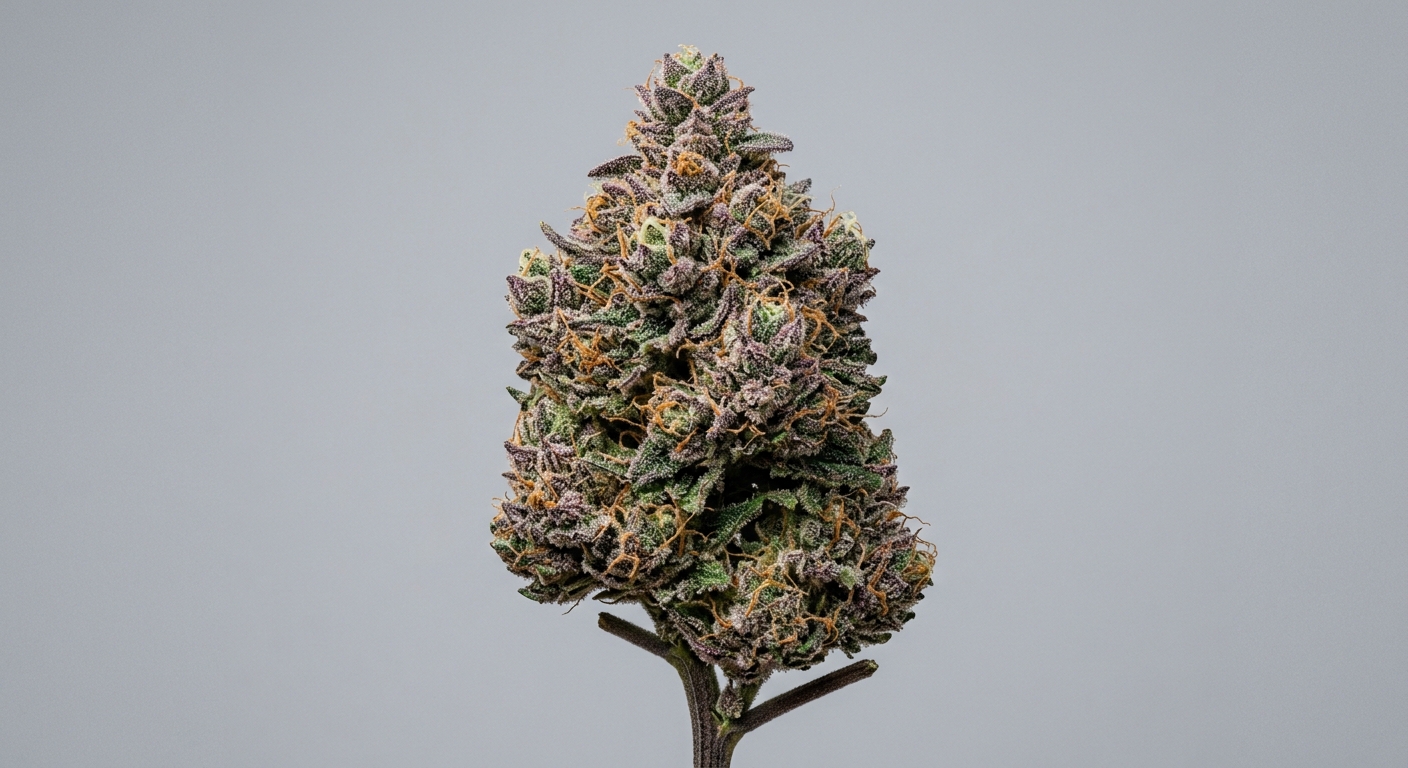
Watermelon Gelato (Cannabis Strain)
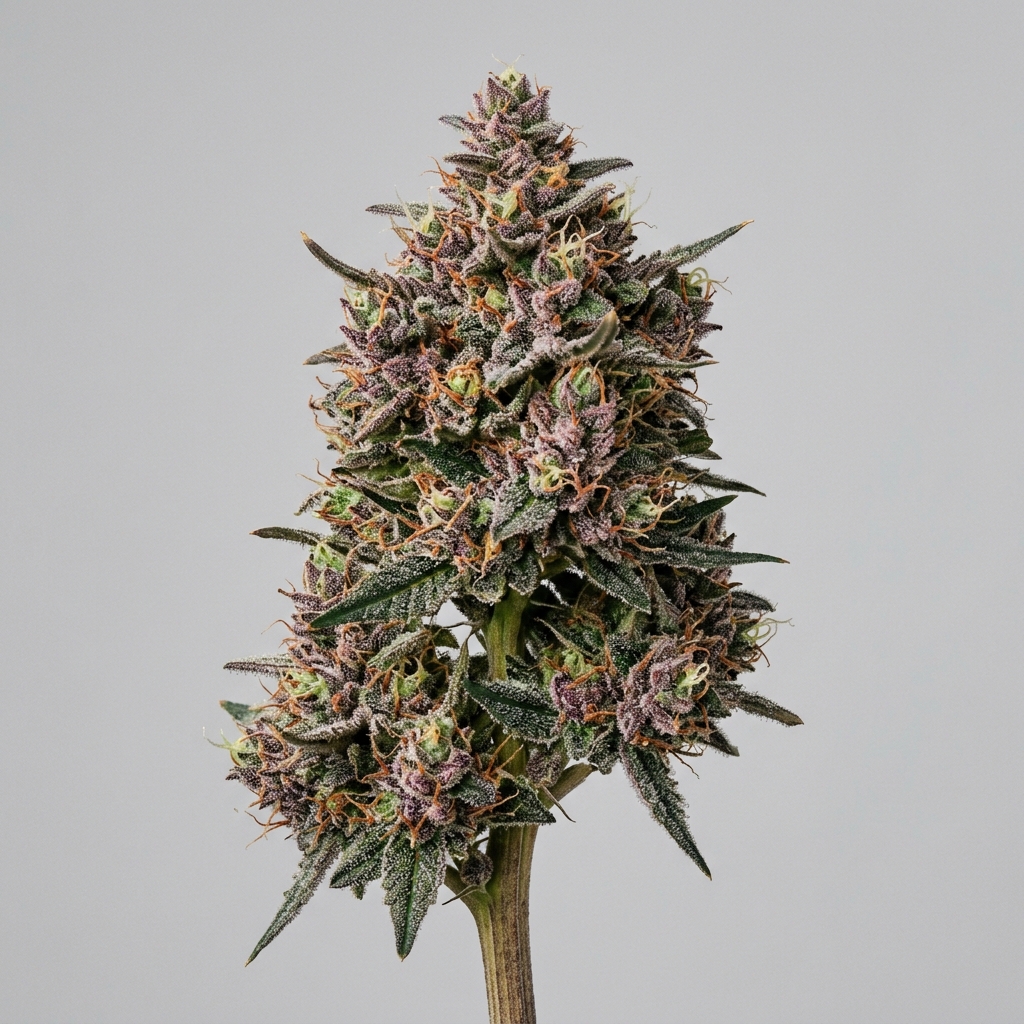
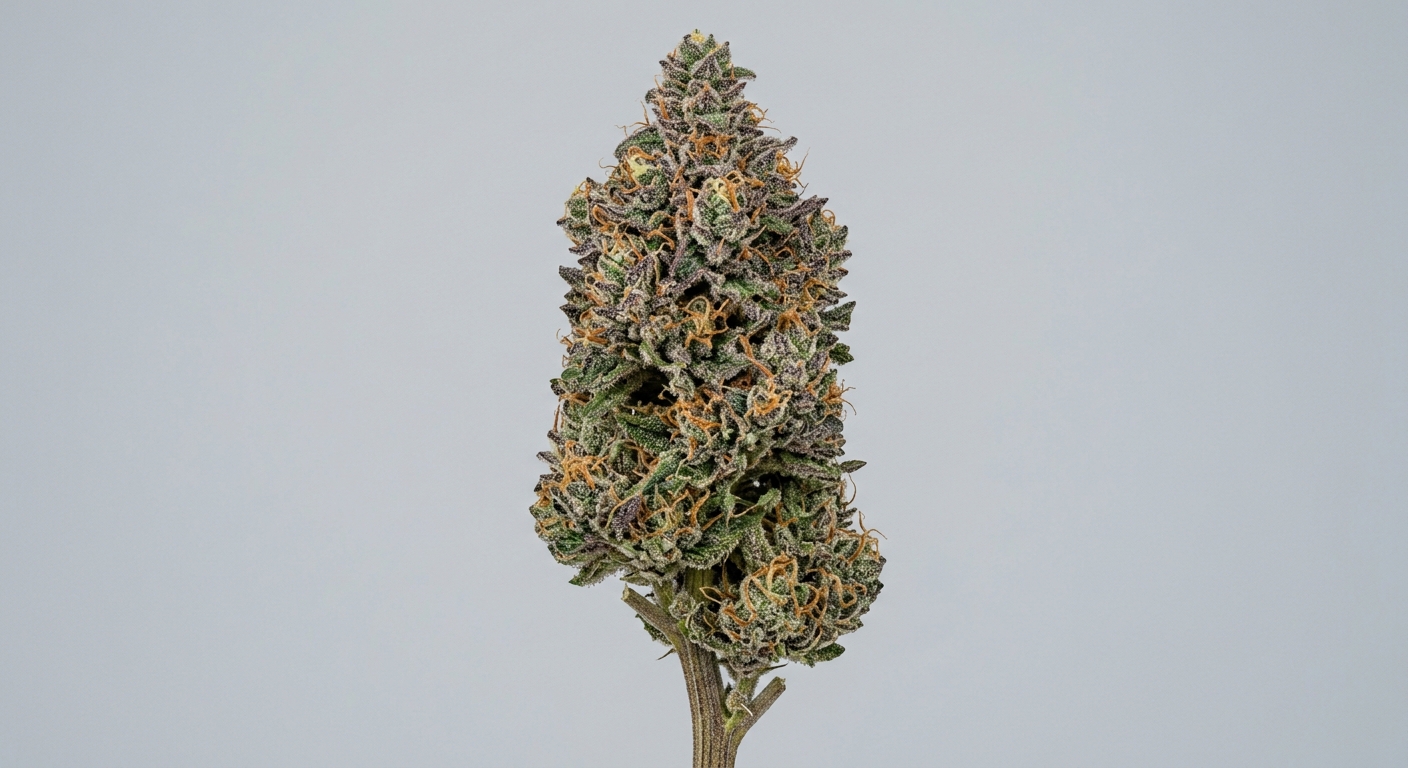
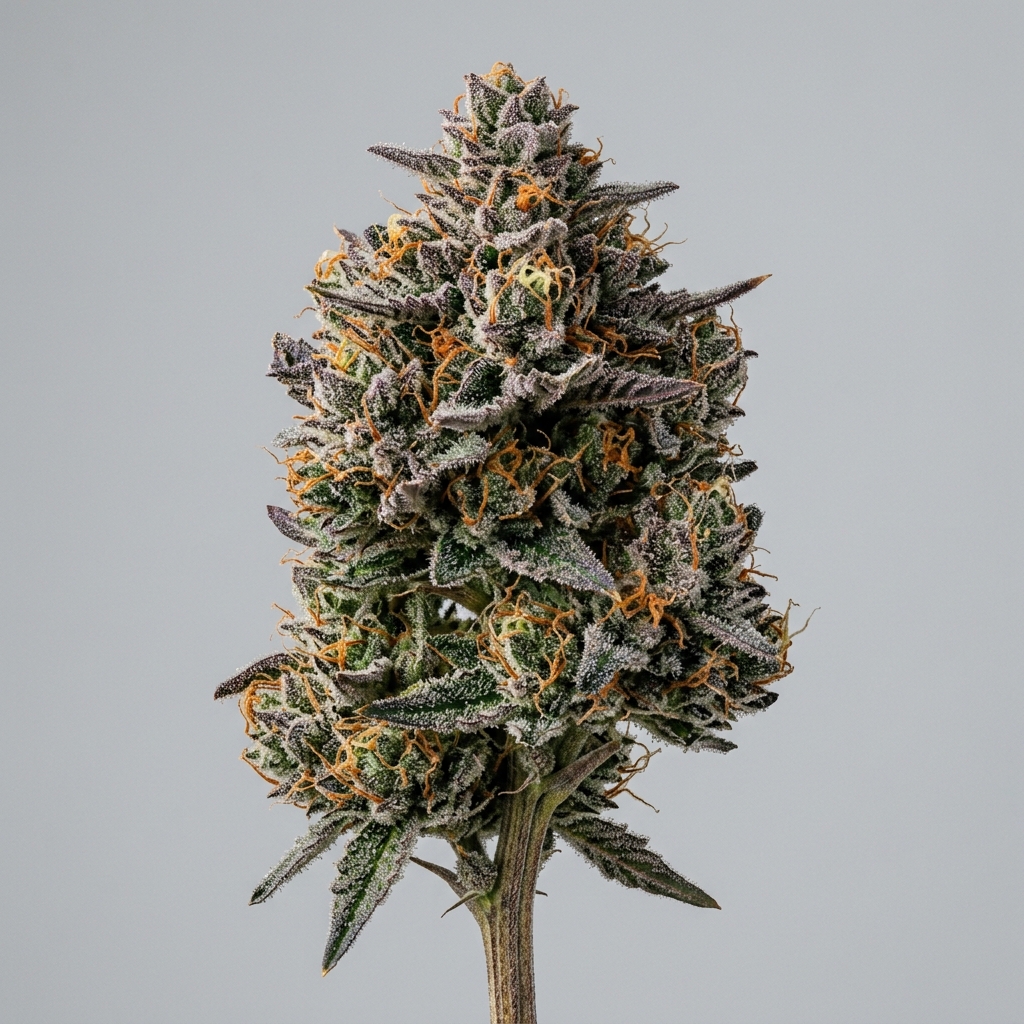
Watermelon Gelato is an indica-dominant hybrid cultivar typically testing between 20% and 26% THC, bred by crossing the flavor-forward Watermelon Zkittlez with the creamy Gelato 45. This cultivar is highly regarded for its profile of sweet melon, doughy cream, and subtle floral gas, alongside an exceptionally greasy resin production that appeals to extraction artists. Structurally, the plants show a moderate, predictable stretch during early flower, developing dense, rounded colas covered in wet frost and deep purple hues under cooler night temperatures.
While popular in boutique dispensaries for its dessert-like flavor profile, Watermelon Gelato also demands respect in the grow room. Its dense bud structure and high resin content require careful environmental management, particularly regarding late-flower humidity. Cultivators prize this strain for its reliable terpene clarity and the striking bag appeal of its deeply saturated, trichome-heavy flowers.
Quick Facts
| Fact | Detail |
|---|---|
| Genetics | Watermelon Zkittlez × Gelato 45 |
| Variety | Indica-dominant hybrid (approx. 70/30) |
| THC Range | 20% – 26% |
| Flowering Time | 8 – 9 weeks (56 – 63 days) |
| Yield Potential | Moderate to High |
| Plant Height | Medium (moderate stretch) |
| Climate Preference | Temperate, low humidity in late flower |
| Difficulty | Moderate |
Scientific & Botanical Overview
Watermelon Gelato shows classic indica-leaning morphology, characterized by broad fan leaves and tight internodal spacing. The vegetative stage requires regular pruning and selective defoliation to ensure adequate light penetration through the dense canopy. As the plant transitions to flower, the nodal development tightens, leading to the formation of heavy, spherical buds rather than elongated spears.
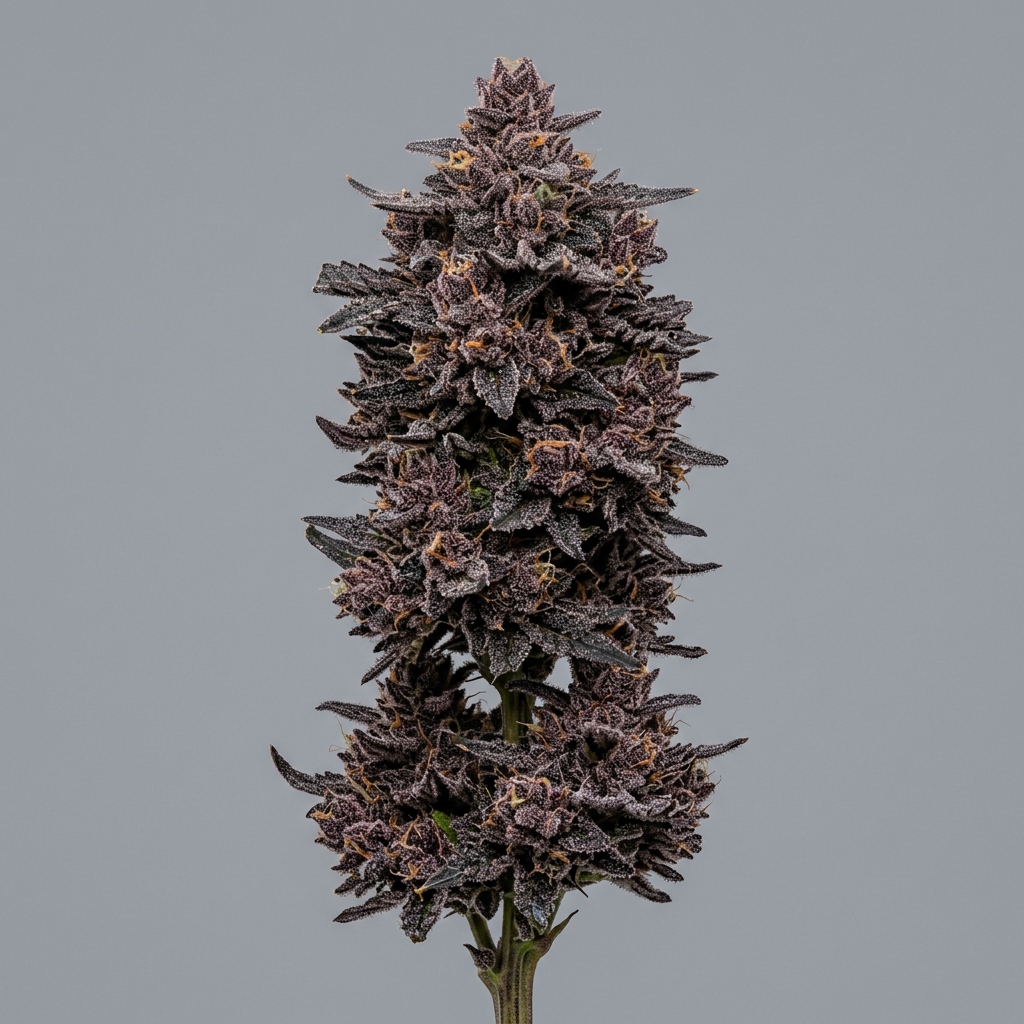
The cultivar’s anthocyanin expression is highly sensitive to temperature fluctuations during the final weeks of cultivation. Dropping night temperatures by a few degrees coaxes out deep violet and plum hues across the bracts and sugar leaves, contrasting sharply with the bright orange pistils. The resin glands are predominantly capitate-stalked trichomes with large, oily heads that retain volatile terpenes well through the drying process.
Phytochemical analysis consistently shows a terpene profile dominated by caryophyllene, limonene, and myrcene. This specific combination dictates the cultivar’s dual-action aroma, where the sharp, spicy notes of caryophyllene cut through the sweeter, fruit-forward monoterpenes. The overall cannabinoid matrix is typically dominated by delta-9-THC, with minor concentrations of CBG and CBC.
Effects & Use-Cases (Reported)
Commonly reported effects: Users frequently describe a physical heaviness that begins behind the eyes before settling into the limbs, accompanied by a calm, cerebral ease. The onset is gradual rather than sudden, easing the body into a state of deep relaxation without immediate sedation.
Use-case context: This cultivar is best suited for late afternoon or evening use, particularly when winding down from physical exertion or high-stress activities. Its soothing physical profile makes it a popular choice for quiet creative sessions or passive entertainment.
Note: Individual experiences vary based on tolerance, dosage, and personal chemistry. High-THC cultivars should be approached with caution by novice users.
Aroma & Flavors
Aroma: A dominant scent of sliced summer melon and sweet dough, backed by a subtle, earthy gas and a faint mint finish.
Flavor: The smoke carries a rich, creamy sweetness on the inhale, reminiscent of fruit-infused pastry, followed by a tart berry and earthy kush exhale.
Terpene associations:
Caryophyllene (spicy/wood), Limonene (citrus/sweet), and Myrcene (earthy/herbal).
Tested Cannabinoid & Terpene Ranges
| Compound | Typical Range |
|---|---|
| Δ9-THC | 20.0% – 26.0% |
| CBD | < 0.2% |
| CBG | 0.5% – 1.2% |
| β-Caryophyllene | 0.4% – 0.8% |
| d-Limonene | 0.3% – 0.6% |
| β-Myrcene | 0.2% – 0.5% |
Note: Cannabinoid and terpene levels are highly variable and depend heavily on environmental conditions, cultivation methods, and curing techniques.
Cultivation Notes
- Humidity Control: Maintain relative humidity (RH) below 45% during the final three weeks of flowering to prevent moisture retention inside the dense, resin-rich buds.
- Training Techniques: use Low Stress Training (LST) or a Scrog (Screen of Green) setup to spread the canopy and maximize light exposure to lower bud sites.
- Nutrient Regimen: Watermelon Gelato responds well to a moderate feeding schedule, showing sensitivity to nitrogen toxicity if overfed during early bloom.
- Pruning: Perform a thorough defoliation (lollipopping) of the bottom third of the plant before initiating the 12/12 light cycle to improve airflow.
- Phenotype Selection: Look for phenotypes that exhibit both the sweet, fruity terpene profile of the Watermelon Zkittlez parent and the tight, resinous bud structure of the Gelato 45.
Grower Notes (Week-by-Week Snapshot)
- Weeks 1–3 (Transition & Stretch): Plants show a manageable stretch of about 50% to 80% of their vegetative height. Focus on tucking fan leaves and establishing the canopy shape; early flower development begins with small, white pistil clusters at the nodes.
- Weeks 4–6 (Mid-Flower & Resin Production): Bud sites swell rapidly and begin secreting a greasy layer of resin. Ensure air circulation is optimal, and monitor the stems as the weight of the developing colas begins to pull branches outward.
- Weeks 7–9 (Late Flower & Ripening): Flush the medium to encourage nutrient senescence, watching for the fan leaves to fade. Introduce cooler nighttime temperatures (around 62–65°F / 16–18°C) to stimulate purple pigmentation and maximize trichome density.
- Harvest & Post-Harvest: Harvest when trichomes are mostly milky with about 10% amber. Execute a slow dry at 60°F (15°C) and 60% RH for 10 to 14 days to preserve the delicate melon and cream terpenes before starting a minimum four-week cure.
Genetic Lineage
The lineage of Watermelon Gelato is a deliberate pairing of two modern California classics. Its maternal parent, Watermelon Zkittlez, contributes an intense, candy-like fruit profile and a euphoric, lighthearted character. This was crossed with the legendary Gelato 45, a phenotype renowned for its structure, deep violet coloration, and rich, cookie-dough creaminess.
The resulting hybrid successfully merges the best traits of both parents, offering a more robust growth pattern than Watermelon Zkittlez alone, while retaining the heavy resin production and complex dessert flavors that have made the Gelato family a global standard.
Research Insights
Research into cultivars like Watermelon Gelato often focuses on the preservation of volatile monoterpenes during post-harvest processing. Because monoterpenes like limonene and myrcene degrade rapidly under heat, the dense, cold-tolerant resin heads of this strain serve as an excellent subject for studying cold-cure extraction techniques.
Additionally, the presence of minor cannabinoids such as CBG in combination with a high THC threshold suggests a complex interaction with the human endocannabinoid system. Researchers continue to examine how the specific ratio of caryophyllene to limonene influences the subjective “couch-lock” effect associated with indica-dominant hybrids.
Frequently Asked Questions
Is Watermelon Gelato an indica or sativa?
Watermelon Gelato is an indica-dominant hybrid, typically exhibiting a 70% indica to 30% sativa ratio, though physical growth characteristics can vary slightly depending on the specific phenotype.
How long does Watermelon Gelato take to flower?
This cultivar generally completes its flowering cycle in 8 to 9 weeks (56 to 63 days) when grown indoors, while outdoor harvests typically occur in early to mid-October in the Northern Hemisphere.
What are the dominant terpenes in Watermelon Gelato?
The primary terpenes found in this strain are caryophyllene, limonene, and myrcene, which combine to create its signature sweet melon, cream, and faint fuel aroma.
Does Watermelon Gelato turn purple?
Yes, this strain frequently develops deep purple and violet hues in late flower, especially when exposed to cooler nighttime temperatures during the final two to three weeks before harvest.
Educational Disclaimer
This article is for informational and educational purposes only. Cannabis cultivation and consumption are subject to local laws and regulations. Consult with a qualified professional before undertaking cultivation or using cannabis products for therapeutic purposes.
Rate and review this strain
Ratings and reviews are accepted only from signed-in Google accounts.
Sign in with Google to leave a rating and written review.
Latest Reviews
0 reviewsNo reviews yet. Be the first Google user to rate and review this strain.