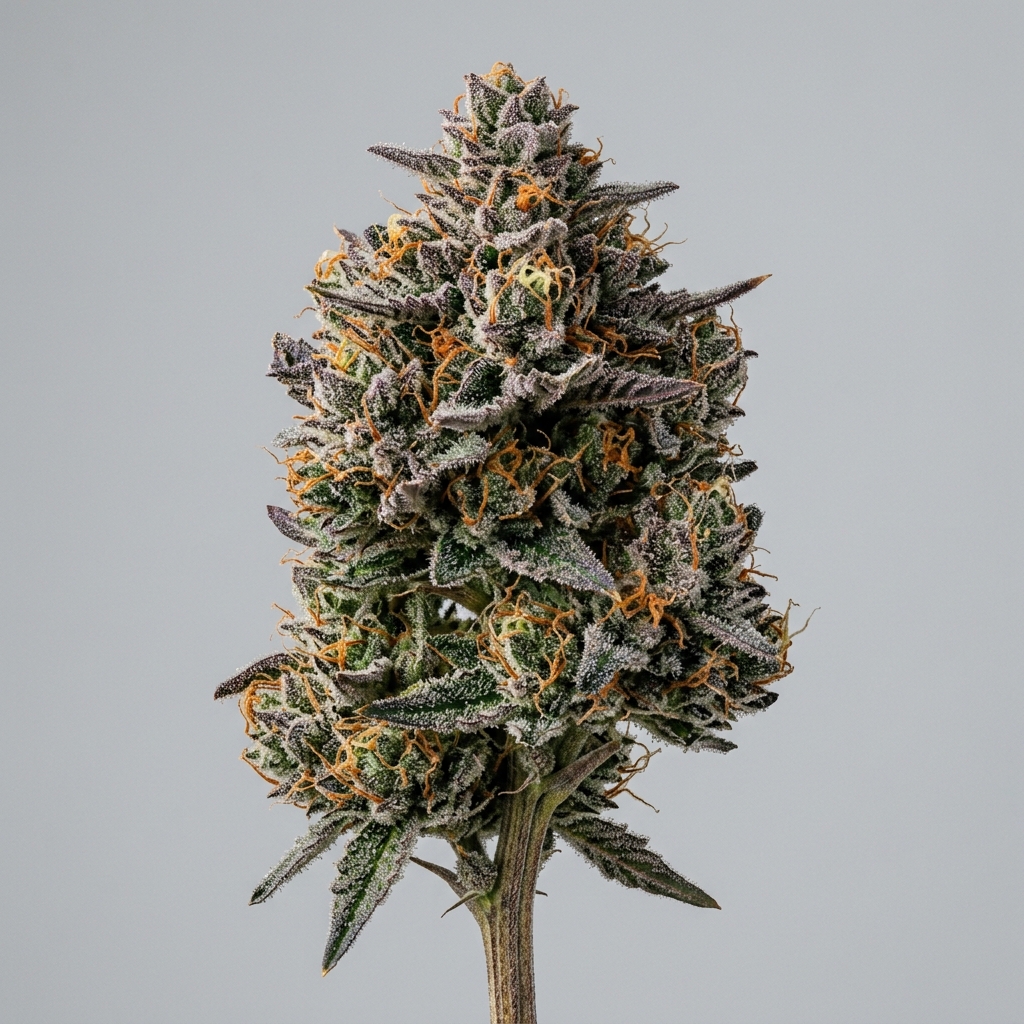
Burnt Toast (Cannabis Strain)
Burnt Toast is an indica-dominant hybrid cultivar, typically testing between 20% and 26% THC, created by crossing Girl Scout Cookies with French Toast. Known for its savory dough profile and heavy fuel undertones, this strain produces dense, resin-rich flowers with deep purple variegation under cool late-flower temperatures. Cultivators select this variety for its moderate, predictable stretch and high concentration of greasy trichomes that make it highly suitable for solventless extraction.
The cultivar occupies a distinct space in contemporary gardens, offering a complex aromatic profile that departs from typical sweet fruit trends. Its structure favors tight internodal spacing and heavy lateral branching, requiring deliberate canopy management to maximize light penetration.
Quick Facts
| Fact | Details |
|---|---|
| Genetics | Girl Scout Cookies × French Toast |
| Variety | Indica-dominant Hybrid |
| THC Range | 20% – 26% |
| Flowering Time | 8 – 9 Weeks |
| Yield Potential | Moderate to High |
| Plant Height | Medium |
| Climate Preference | Temperate, Low Late-Flower Humidity |
| Difficulty | Moderate |
Scientific & Botanical Overview
Botanically, Burnt Toast shows classic indica-dominant morphology, characterized by broad fan leaves and a sturdy, stocky frame. The plants develop tight internodes that support heavy, spherical colas rather than elongated spears. This compact structure makes it highly efficient in indoor environments where vertical space is limited.
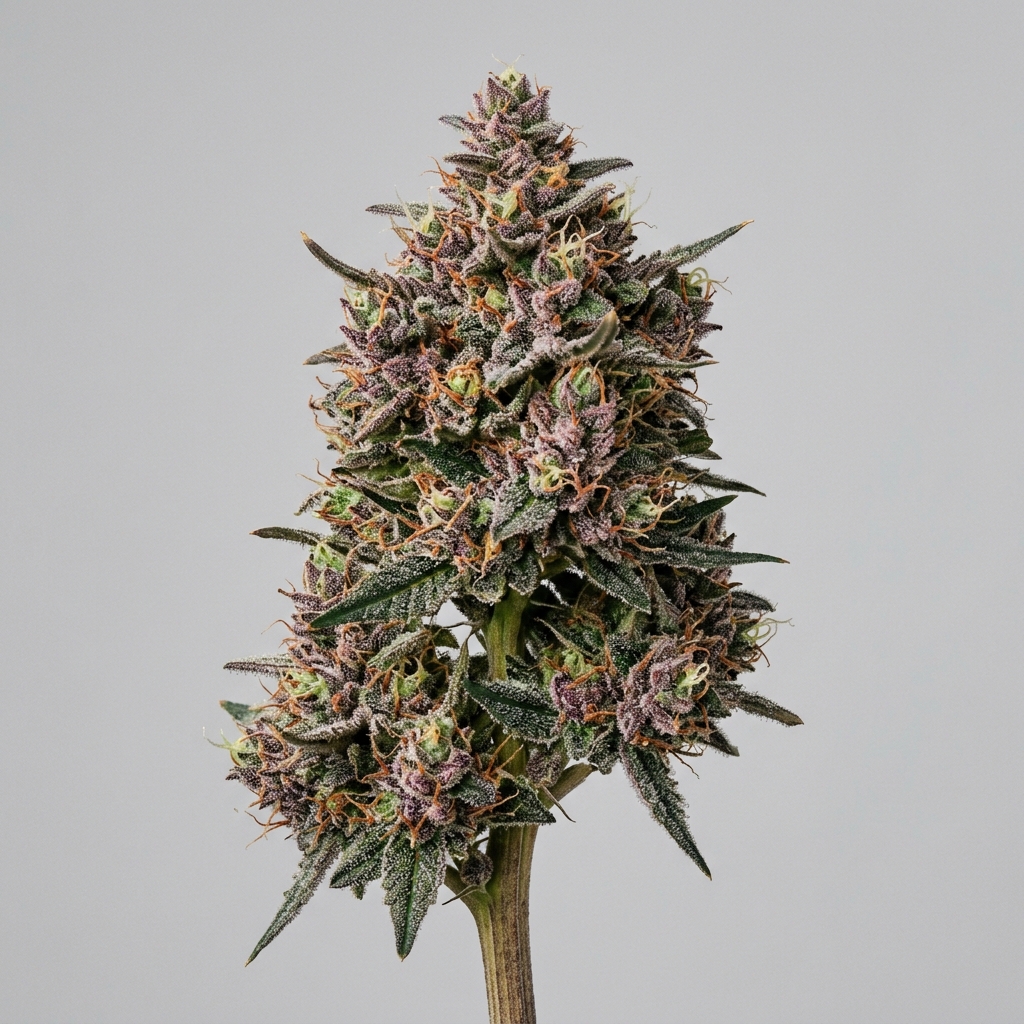
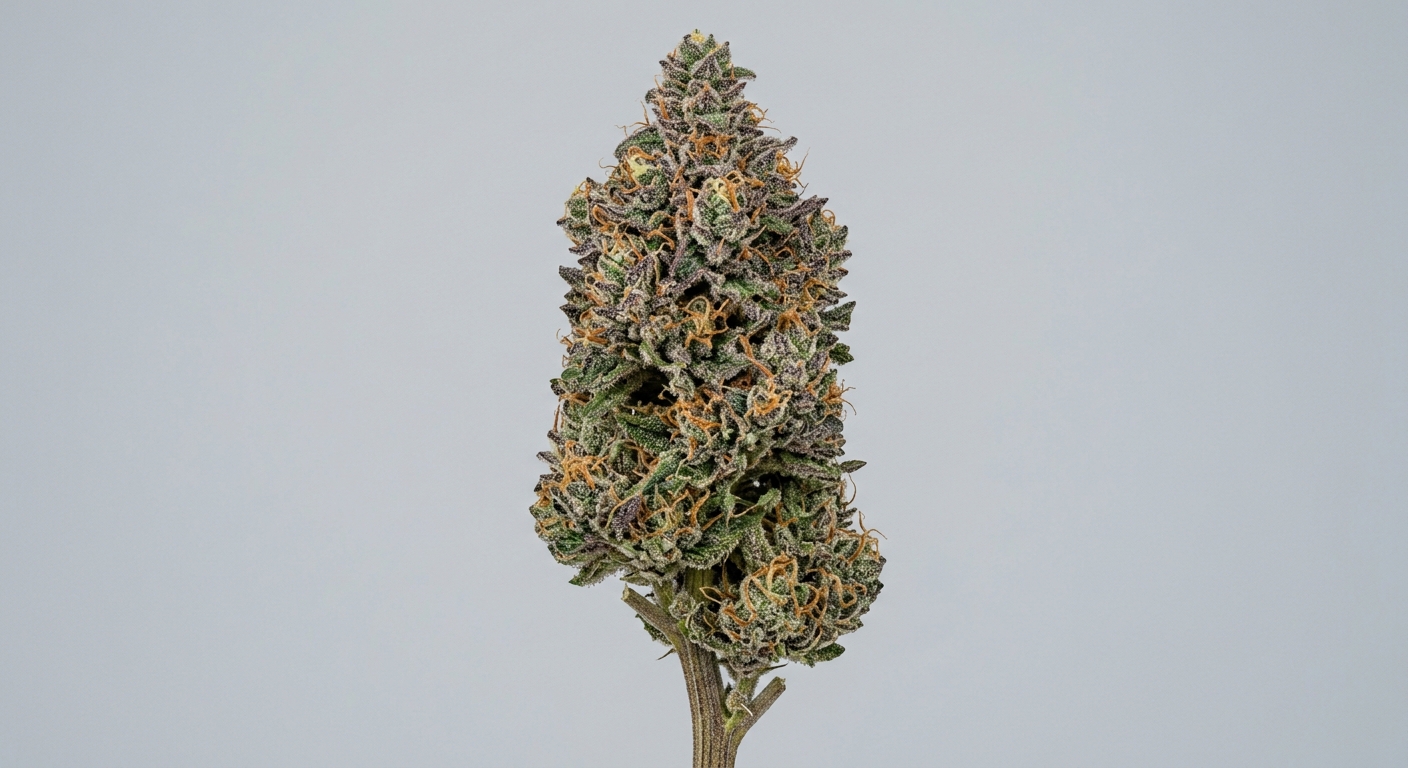
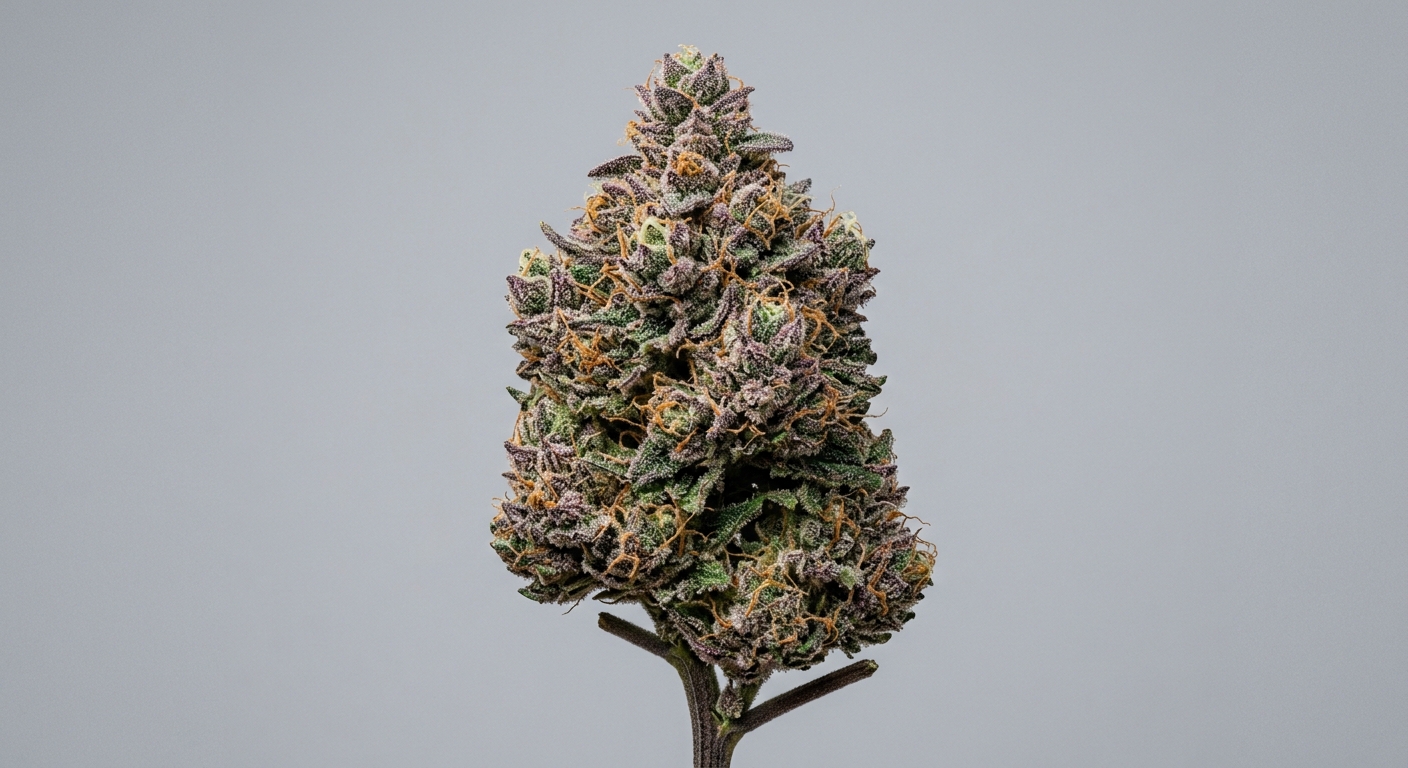
Resin production begins early in the flowering cycle, with capitate-stalked trichomes coating both the bracts and surrounding sugar leaves. As the plant matures, the calyxes swell significantly, turning a deep forest green with frequent lilac and plum flecks. The resulting flowers display a wet frost appearance that remains prominent even after a slow dry and cure.
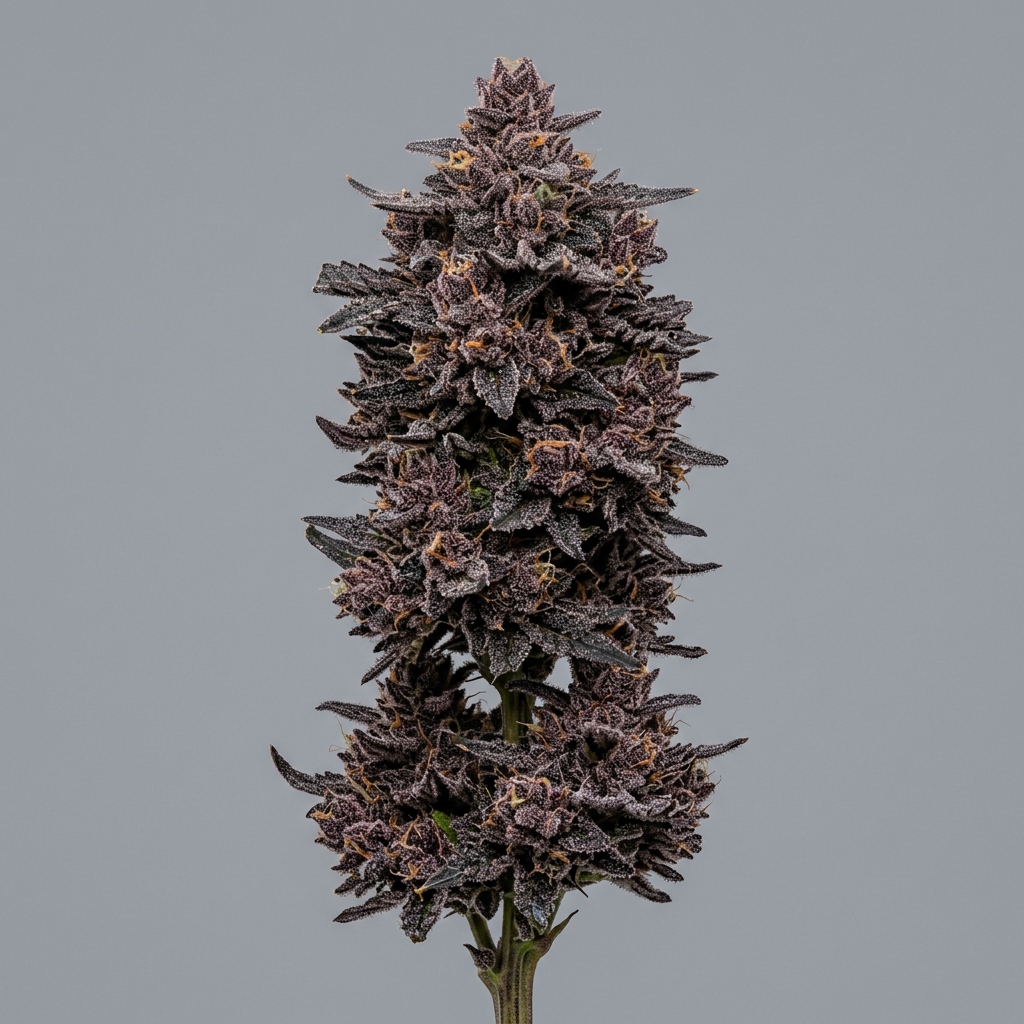
The cultivar shows a strong reliance on environmental cues for anthocyanin expression, requiring a slight temperature drop in the final weeks to bring out its characteristic dark hues. Its thick canopy demands consistent airflow to prevent microclimates from forming near the main stem. Proper defoliation during early flower helps maintain optimal light penetration and air movement.
Effects & Use-Cases (Reported)
Commonly reported effects: Users frequently describe a heavy, grounding physical sensation accompanied by a calm, slow-paced mental state. The onset is typically physical, starting behind the eyes before settling into the limbs. This creates a deeply relaxing experience that does not immediately induce sleep but encourages physical stillness.
Use-case context: This variety is best suited for evening or late-night use, when physical relaxation and winding down are the primary goals. It is commonly selected by those looking to ease physical tension or support a restful night. The grounding nature of the high makes it less ideal for daytime tasks requiring high physical activity.
Note: Individual experiences may vary based on tolerance, dosage, and the specific terpene expression of the batch.
Aroma & Flavors
Aroma: The initial nose is dominated by a heavy, yeasty dough aroma, closely followed by a sharp, chemical fuel note and toasted wood. Breaking the glassy buds releases a deeper, earthy kush base with a subtle hint of dark berry.
Flavor: On the inhale, it delivers a savory, buttery richness reminiscent of toasted bread, rounded out by a sharp gas finish and a lingering herbal note. The smoke is dense and expansive, carrying a distinct caramelized sweetness on the exhale.
Terpene associations: Lab analyses frequently show a profile rich in caryophyllene, limonene, and myrcene, which drive its spicy, citrus-gas, and earthy characteristics.
Tested Cannabinoid & Terpene Ranges
| Compound | Typical Range |
|---|---|
| Δ9-THC | 20.0% – 26.0% |
| CBG | 0.5% – 1.2% |
| beta-Caryophyllene | 0.4% – 0.9% |
| Limonene | 0.3% – 0.7% |
| Myrcene | 0.2% – 0.6% |
Note: These ranges are literature-informed references. Actual cannabinoid and terpene metrics are highly variable and depend on specific cultivation conditions, curing methods, and phenotype selection.
Cultivation Notes
- Humidity: Keep relative humidity (RH) at 55-60% during early veg, dropping to 40-45% by week 6 of flower to protect the dense colas from moisture retention.
- Nutrition: Responds well to a moderate feeding regimen; avoid heavy nitrogen inputs during late vegetative growth to prevent leaf curling.
- Training: Employ topping and low-stress training (LST) early to promote a flat, even canopy and encourage lateral bud sites.
- Harvest: Monitor trichome maturity closely; harvest when glands are mostly milky with roughly 10-15% amber for optimal terpene clarity.
- Phenotype Management: Look for phenotypes that exhibit a balanced blend of the doughy sweetness and the heavier, gassy finish.
Grower Notes (Week-by-Week Snapshot)
- Weeks 1–3 (Transition & Early Flower): Plants show a controlled stretch, usually doubling in height. Thin out lower fan leaves to improve airflow through the dense inner canopy.
- Weeks 4–6 (Mid-Flower & Resin Development): Flowers begin to stack quickly, forming tight, resin-rich clusters. Wet frost starts to cover the sugar leaves; maintain strict humidity controls.
- Weeks 7–9 (Late Flower & Senescence): Reduce night temperatures by 5–8°F to encourage purple variegation. Flush with clean water to allow the plant to consume stored nutrients, leading to a clean, smooth burn.
- Post-Harvest (Dry & Cure): Hang dry at 60°F and 60% RH for 10 to 14 days. A slow cure in sealed containers for at least three weeks preserves the delicate buttery and fuel notes.
Genetic Lineage
The lineage of Burnt Toast is rooted in two highly influential modern families. Its maternal parent, Girl Scout Cookies, contributes the tight, resinous bud structure, sweet dough base, and deep purple coloring. This parentage ensures a reliable baseline of high trichome density and a classic bakery-leaning foundation.
The paternal influence comes from French Toast, a cross of Paris OG and Face Off OG. This heritage injects a heavy, earth-forward gas profile and robust physical traits into the cross. The combination yields a balanced hybrid that retains the sweetness of its maternal line while carrying the sharp, fuel-heavy punch of its OG ancestors.
Research Insights
Analytical testing of Burnt Toast highlights a terpene profile dominated by sesquiterpenes like caryophyllene, which interact with peripheral receptors to support physical relaxation. The secondary presence of monoterpenes like limonene and myrcene modulates the overall experience, balancing the heavy physical effects with a clear, calm mental state.
From a breeding perspective, the cultivar shows high stability in its terpene expression, consistently passing down its savory, toasted bread notes across different phenotypes. This chemical consistency makes it an attractive subject for researchers studying the genetic inheritance of complex, non-fruit terpene profiles in modern hybrids.
Frequently Asked Questions
What is the genetic background of Burnt Toast?
Burnt Toast is a hybrid cross of Girl Scout Cookies and French Toast, blending sweet, doughy traits with heavy, gassy OG genetics.
Does Burnt Toast turn purple during flower?
Yes, this cultivar frequently develops deep purple and plum hues, particularly when exposed to cooler night temperatures during the final weeks of flowering.
What are the dominant aromas of this strain?
The strain features a distinct aroma of warm, yeasty dough, toasted wood, and a sharp, chemical fuel finish.
Is Burnt Toast difficult to grow?
It is considered moderate in difficulty, requiring consistent canopy management and strict humidity control during late flower due to its dense bud structure.
Educational Disclaimer
This profile is for educational and informational purposes only. Cannabinoid and terpene profiles can vary significantly based on cultivation practices, environmental factors, and phenotype variation.
Rate and review this strain
Ratings and reviews are accepted only from signed-in Google accounts.
Sign in with Google to leave a rating and written review.
Latest Reviews
0 reviewsNo reviews yet. Be the first Google user to rate and review this strain.