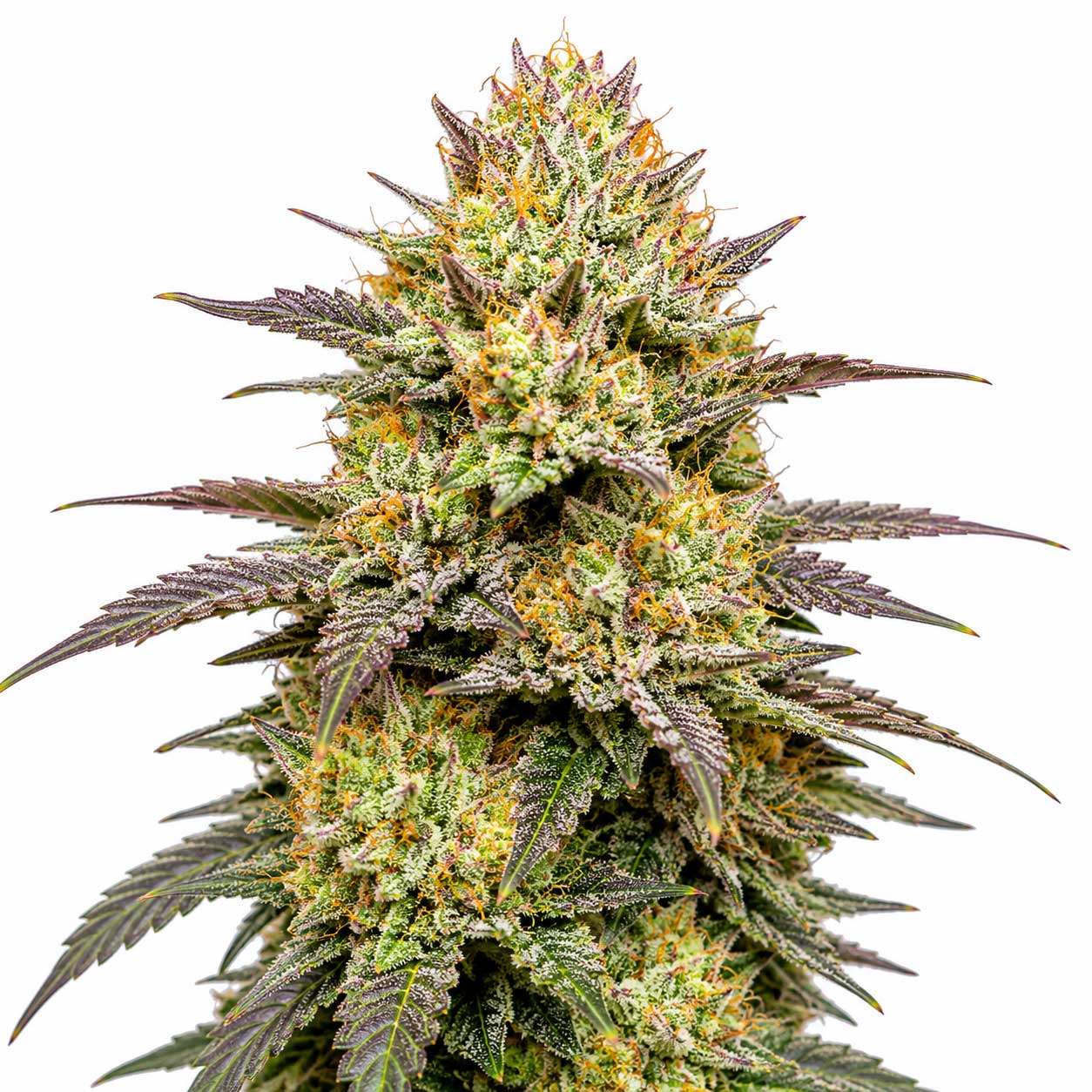
Rainbow Belts (Cannabis Strain)
Rainbow Belts is an indica-dominant hybrid cultivar typically testing between 22% and 26% THC, bred by crossing the fruit-forward Zkittlez with the resin-heavy Moonbow. Best known for its intense candy-terpene profile and exceptional resin clarity, this cultivar has become a modern standard for solventless extraction. It develops a sturdy hybrid structure with moderate lateral stretching and produces dense, lime-green flowers coated in a wet layer of trichomes.
The cultivar stands out in the contemporary market by preserving the sharp, sugary fruit profile of its maternal parent while gaining improved plant vigor and structural integrity from the Moonbow lineage. It is highly regarded by boutique growers and extractors who prioritize terpene retention and clean, glassy resin over sheer biomass yield.
Quick Facts
| Feature | Details |
|---|---|
| Genetics | Zkittlez × Moonbow |
| Variety | Indica-dominant hybrid (60/40) |
| THC Range | 22% – 26% |
| Flowering Time | 8 – 9 weeks (56 – 63 days) |
| Yield Potential | Moderate (400 – 500 g/m²) |
| Plant Height | 100 – 130 cm (Moderate stretch) |
| Climate Preference | Controlled indoor or mild Mediterranean |
| Difficulty | Intermediate |
Scientific & Botanical Overview
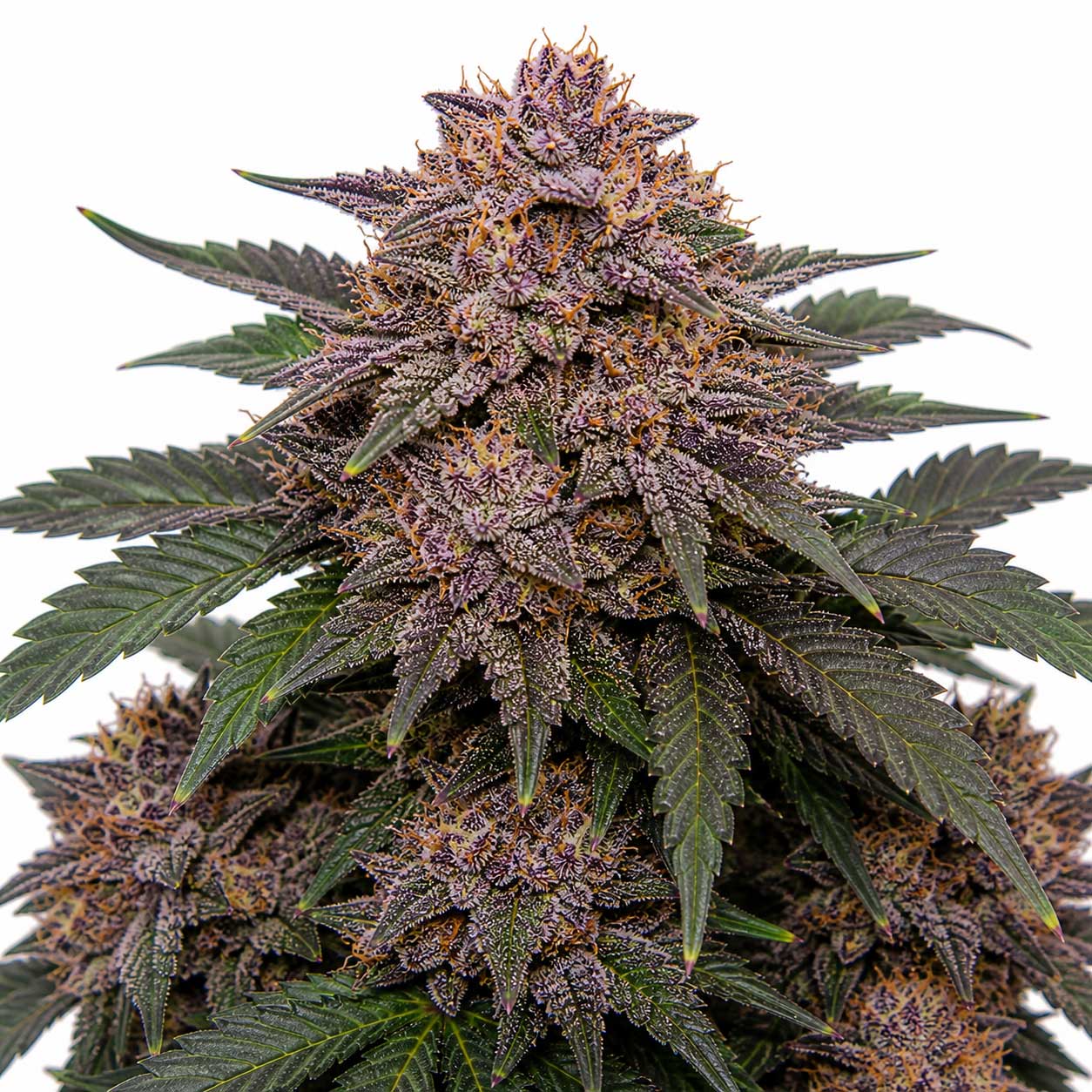
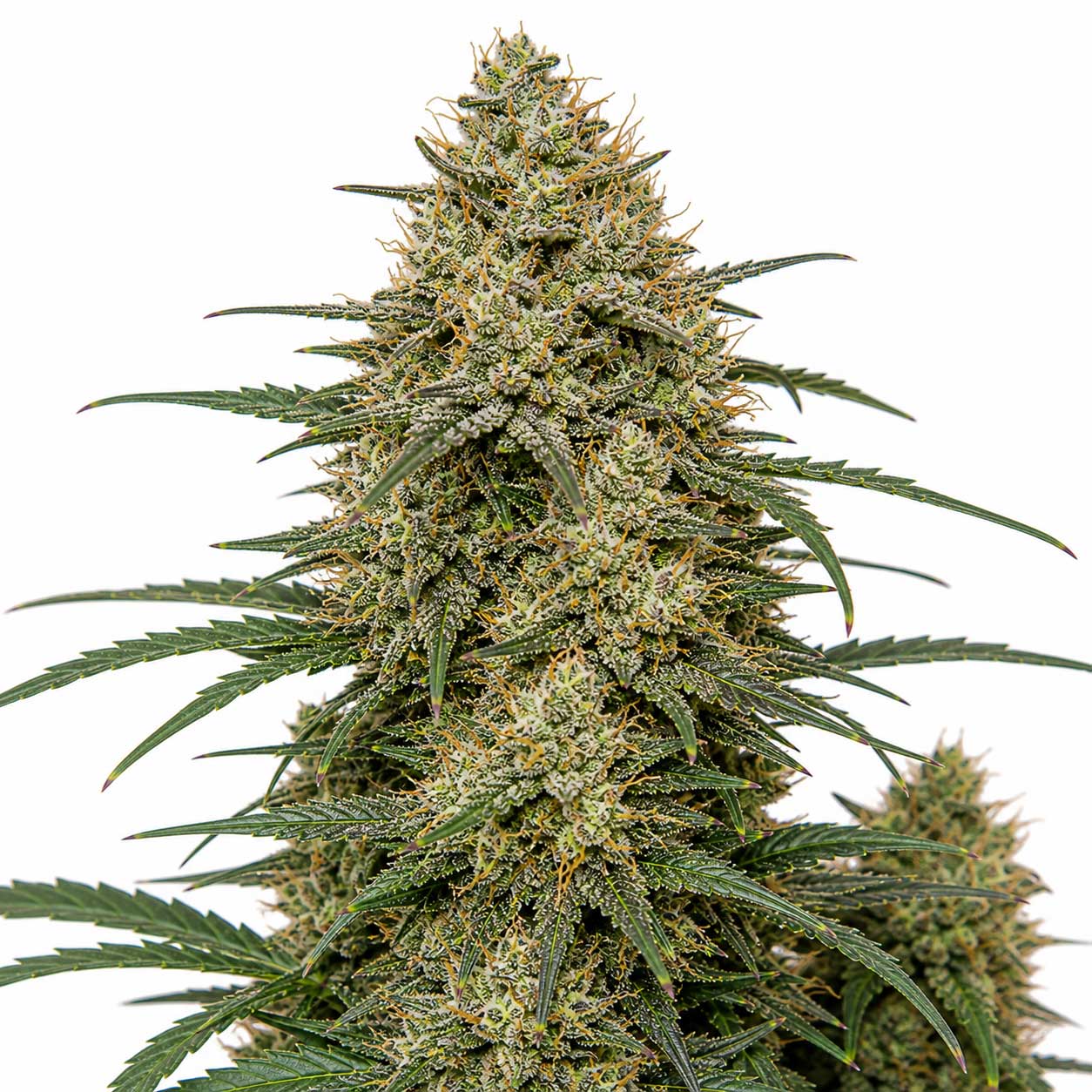
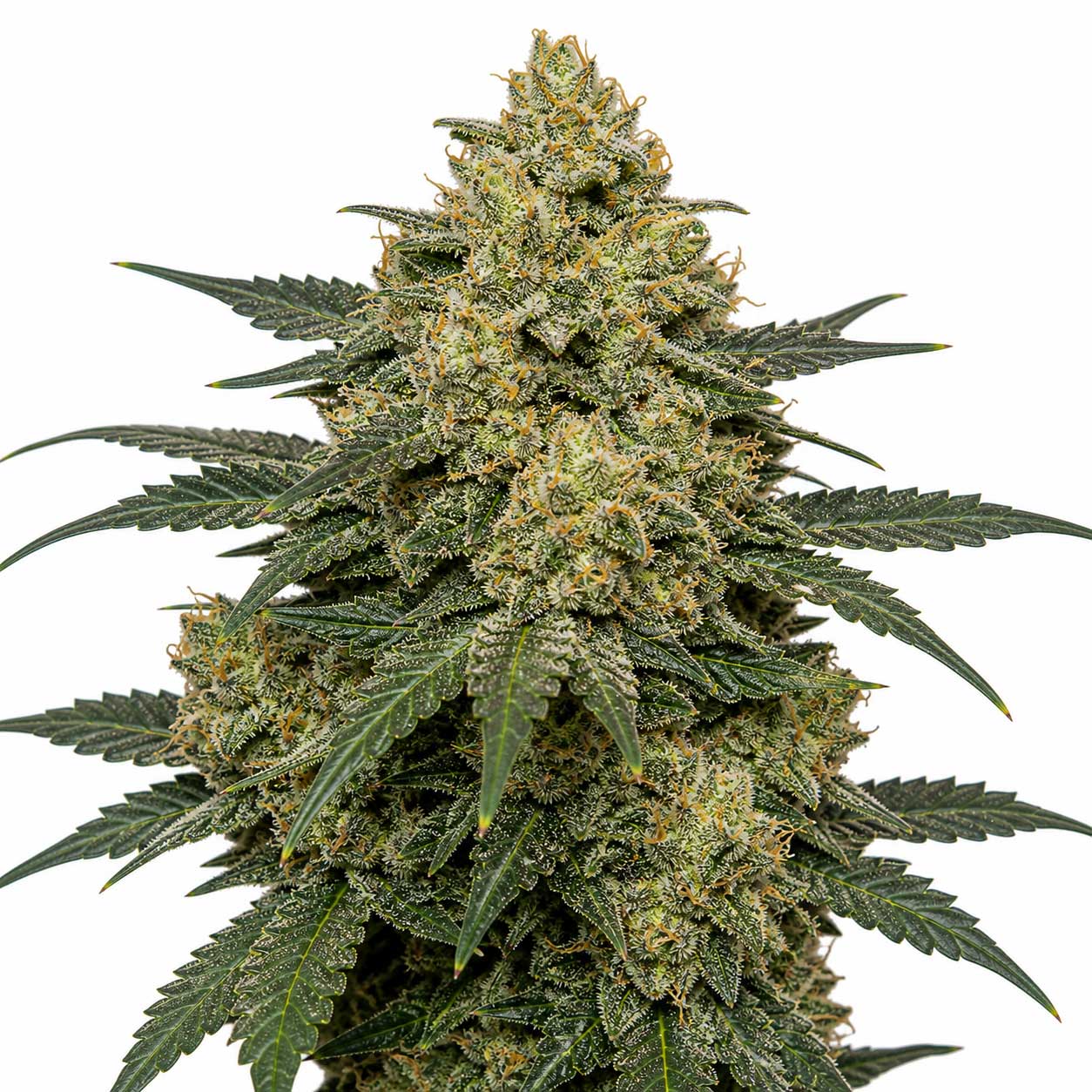
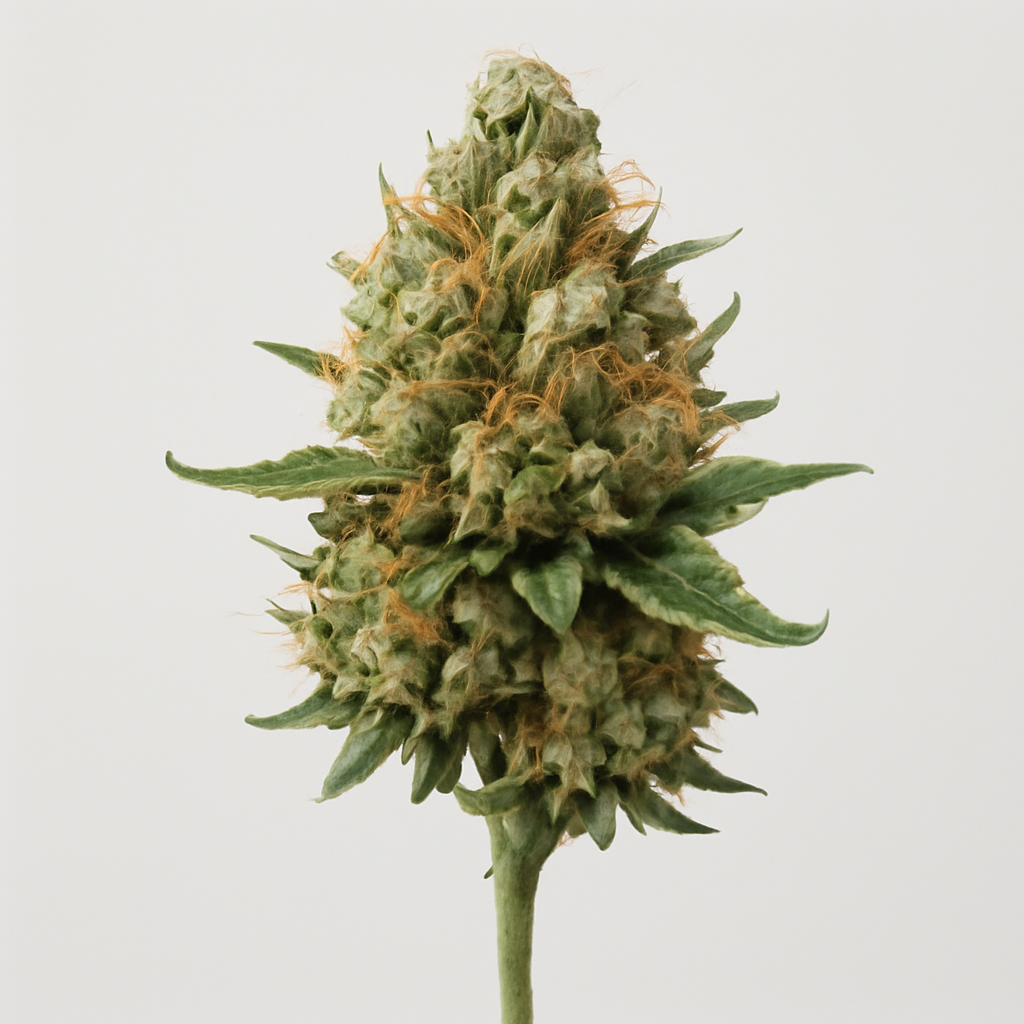
Botanically, Rainbow Belts displays a classic hybrid morphology, characterized by broad fan leaves and tight internodal spacing that opens up slightly during the early flowering stretch. The buds are typically dense and spade-shaped, featuring lime-green bracts, deep purple undertones, and bright orange pistils. A heavy coating of glassy trichomes covers the flowers, giving them a sticky, wet appearance that remains highly aromatic throughout the drying cycle.
The cultivar is particularly notable for its high concentration of volatile monoterpenes, specifically limonene, linalool, and caryophyllene. This specific chemical composition yields a bright, confectionery-like aroma that lacks the heavy, earthy musk found in more traditional Kush-derived hybrids. The abundance of capitate-stalked resin glands makes it highly suitable for ice water extraction and live rosin production.
Under optimal growing conditions, the plant manages nutrients efficiently but requires careful monitoring of micronutrient levels, particularly calcium and magnesium, during the transition to flower. Its physical structure supports the weight of its colas well, though strategic pruning is recommended to maximize light penetration to the lower canopy.
Effects & Use-Cases (Reported)
Commonly reported effects: A bright, uplifting cerebral clarity accompanied by a functional, weightless body relaxation. Users often note a sense of calm focus and physical ease without immediate, heavy sedation.
Use-case context: Well-suited for afternoon or early evening use, social gatherings, or creative projects where physical comfort and mental alertness are desired.
Note: Individual experiences may vary depending on phenotype, tolerance, and consumption method. The information provided is for educational purposes only.
Aroma & Flavors
Aroma: A sharp, sweet-tart candy fragrance layered with soft floral notes, fresh citrus, and a subtle undercurrent of fuel.
Flavor: A distinct sugary-sweet fruit profile on the inhale, followed by a tart citrus and light, fizzy gas finish on the exhale.
Terpene associations: Limonene, Linalool, Beta-Caryophyllene.
Tested Cannabinoid & Terpene Ranges
| Compound | Typical Range |
|---|---|
| Δ9-THC | 22.0% – 26.0% |
| CBD | < 0.5% |
| CBG | 0.5% – 1.2% |
| Limonene | 0.6% – 1.1% |
| Linalool | 0.3% – 0.7% |
| Beta-Caryophyllene | 0.2% – 0.5% |
Note: Cannabinoid and terpene levels are highly variable and depend on specific phenotypes, environmental conditions, and cultivation techniques.
Cultivation Notes
- Humidity management: Keep relative humidity (RH) below 50% during late flower to protect the dense, resin-packed buds from moisture retention.
- Nutrient requirements: Responds well to a moderate feeding schedule; avoid over-fertilizing with nitrogen during mid-to-late bloom to preserve terpene clarity.
- Canopy management: Utilize low-stress training (LST) and light defoliation before week three of flowering to ensure adequate airflow and light penetration.
- Harvest timing: Harvest when trichomes are mostly milky with a small percentage of amber to capture the peak candy terpene profile.
- Curing process: Implement a slow, cold dry at 60°F (15°C) and 60% RH for 10–14 days to preserve volatile esters and monoterpenes.
Grower Notes (Week-by-Week Snapshot)
- Weeks 1–3 (Transition & Stretch): Expect a moderate stretch of about 50-80% after flipping to 12/12. Clean up lower fan leaves and small bud sites (lollipoping) to direct energy to the main colas.
- Weeks 4–6 (Bud Development): Flowers will begin to stack quickly, developing a lime-green color and a sticky, wet frost. Maintain consistent calcium and magnesium inputs to prevent early yellowing.
- Weeks 7–9 (Ripening & Flush): The candy and gas aromas will intensify significantly. Lower night temperatures by 5-10°F to encourage purple hues, and perform a clean flush during the final 10 days.
Genetic Lineage
Rainbow Belts is a direct descendant of Zkittlez and Moonbow (#75), a cross originally bred by Archive Seed Bank. The maternal parent, Zkittlez, contributes its legendary sweet fruit flavor profile and relaxing physical effects, though it is notoriously difficult to grow with low vigor.
The paternal parent, Moonbow (a cross of Zkittlez and Dosidos), introduces much-needed structural strength, increased resin production, and a sharper, gassy undertone. This combination results in a plant that is far easier to cultivate than pure Zkittlez while retaining the prized confectionery flavor.
Research Insights
Analytical testing of Rainbow Belts reveals a unique terpene distribution where limonene and linalool co-dominate, a pairing that is relatively rare in heavy indica-dominant hybrids. This specific ratio is believed to modulate the psychoactive effects of THC, promoting a more lucid, uplifting experience rather than deep physical sedation.
The high density of glandular trichomes makes this cultivar a subject of interest for extraction research. Unlike cultivars with thin-walled trichomes that rupture easily, Rainbow Belts features resilient, resin-rich heads that separate cleanly during mechanical separation, yielding exceptionally pure solventless concentrates.
Frequently Asked Questions
Is Rainbow Belts an indica or a sativa?
Rainbow Belts is an indica-dominant hybrid, typically classified as a 60% indica and 40% sativa cross, offering a balanced blend of physical relaxation and mental clarity.
How long does Rainbow Belts take to flower?
When grown indoors under controlled conditions, Rainbow Belts typically finishes flowering in 8 to 9 weeks (56 to 63 days).
What are the primary terpenes in Rainbow Belts?
The most dominant terpenes found in Rainbow Belts are limonene, linalool, and beta-caryophyllene, which create its signature sweet candy and gas aroma.
Is Rainbow Belts difficult to grow?
It is considered an intermediate cultivar. While it is more vigorous and structurally sound than its Zkittlez parent, it still requires careful humidity control and precise nutrient management to achieve optimal resin production.
Educational Disclaimer
This content is provided for educational, scientific, and botanical reference purposes only. It is not intended to promote, condone, or encourage the illegal cultivation, distribution, or consumption of cannabis. Always consult with a qualified professional regarding any health or medical decisions.
Rate and review this strain
Ratings and reviews are accepted only from signed-in Google accounts.
Sign in with Google to leave a rating and written review.
Latest Reviews
0 reviewsNo reviews yet. Be the first Google user to rate and review this strain.