Sour Tangie (Cannabis Strain) — Strainpedia
Sour Tangie stands out for its unusually vivid citrus-diesel character, a profile that leans more orange zest and fuel than simple sweet fruit. Built from East Coast Sour Diesel and Tangie, it is often described as a high-aroma, high-energy sativa-leaning hybrid with a sharp terpene signature and lankier flower structure.
In cultivation and retail settings, this cultivar is remembered for the way its flavor identity stays tied to its genetics: Sour Diesel contributes bite and lift, while Tangie pushes the tangerine and peel-like notes to the front. The result is a strain that often reads as bright, fragrant, and visually resinous, with phenotypes that can vary from lighter lime-toned expressions to denser, more crystalline flower.
Quick Facts
| Genetics | East Coast Sour Diesel x Tangie |
|---|---|
| Original Breeder | DNA Genetics |
| Variety | Sativa-leaning Hybrid |
| Flowering Time | Approximately 9–10 weeks indoors |
| Yield Potential | Moderate to high, depending on phenotype and canopy management |
| Plant Height | Medium to tall, with notable stretch in flower |
| Climate Preference | Warm, dry-to-moderate indoor or Mediterranean-style outdoor conditions |
| Difficulty | Moderate |
Strain Classification
| Type | Sativa-leaning Hybrid |
|---|---|
| Genetic Family | Citrus-fuel hybrid with Sour Diesel and Tangie heritage |
| Primary Terpenes | Limonene, myrcene, caryophyllene* |
| Original Breeder | DNA Genetics |
| Breeding Lineage | East Coast Sour Diesel x Tangie |
*Exact terpene dominance may vary by phenotype and cultivation method.
Scientific & Botanical Overview
From a botanical perspective, Sour Tangie is a hybrid that inherits two strongly expressive terpene profiles, which is why aroma tends to announce the cultivar before anything else. Its sativa-leaning architecture is often reflected in stronger internodal spacing, longer flowering habits, and flower clusters that can stay somewhat elongated rather than rounding into compact indica-style colas.
Breeding-wise, the cross is a study in contrast: Sour Diesel contributes sharp fuel and a more assertive high-energy profile, while Tangie adds sweet citrus top notes and a cleaner fruit finish. That combination helped Sour Tangie become a reference point for orange-forward hybrids that still carry a noticeable sour edge rather than reading as purely candy-like.
Appearance
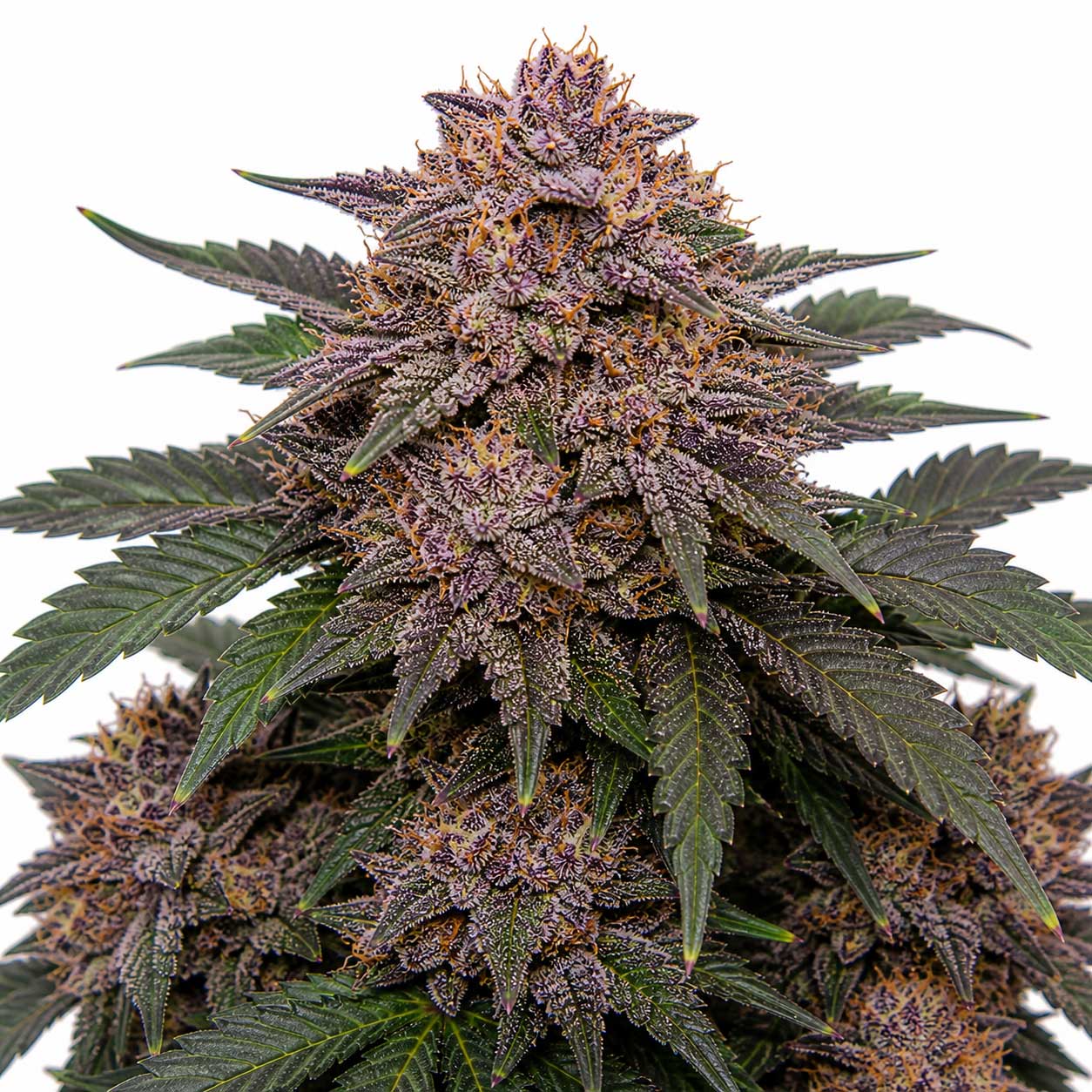
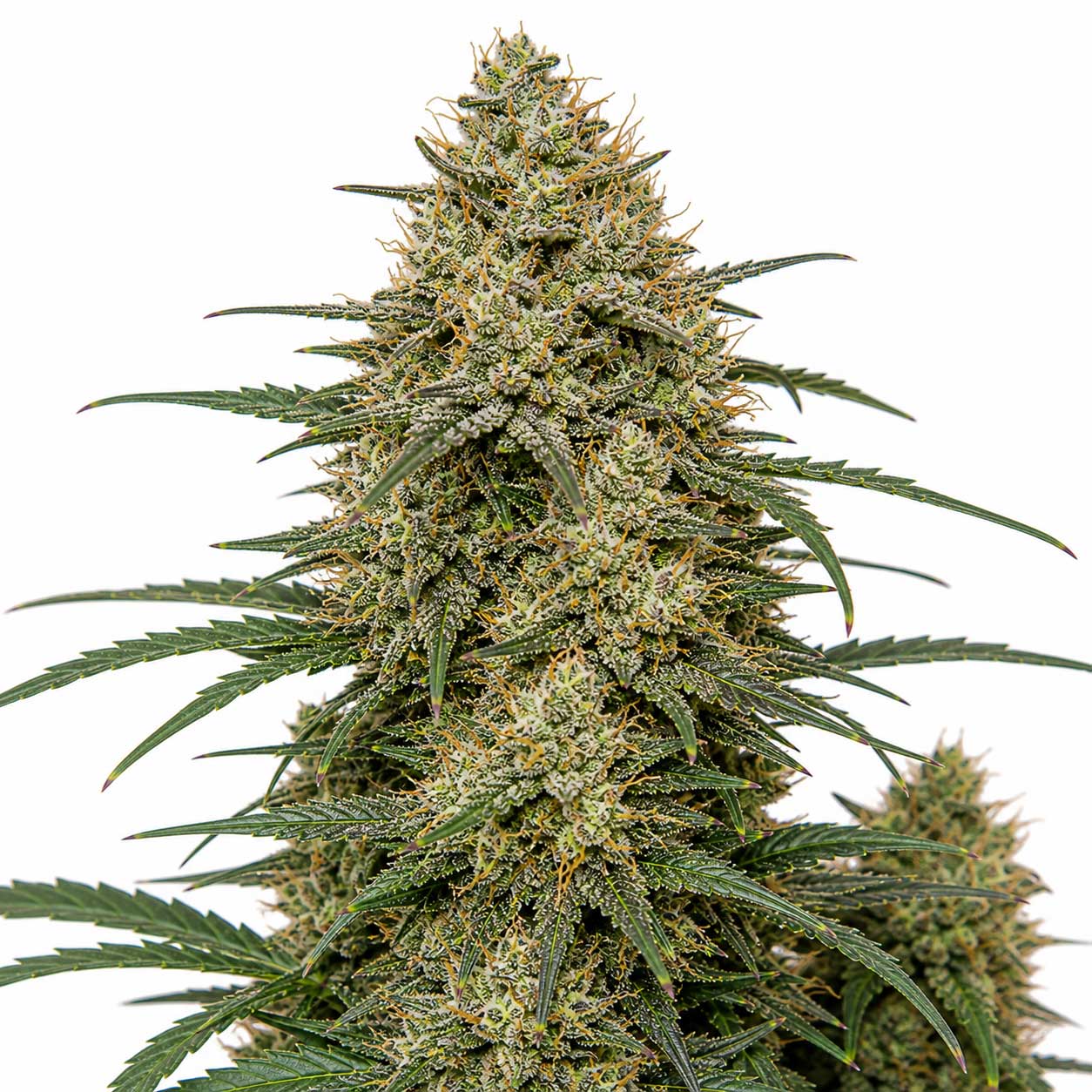
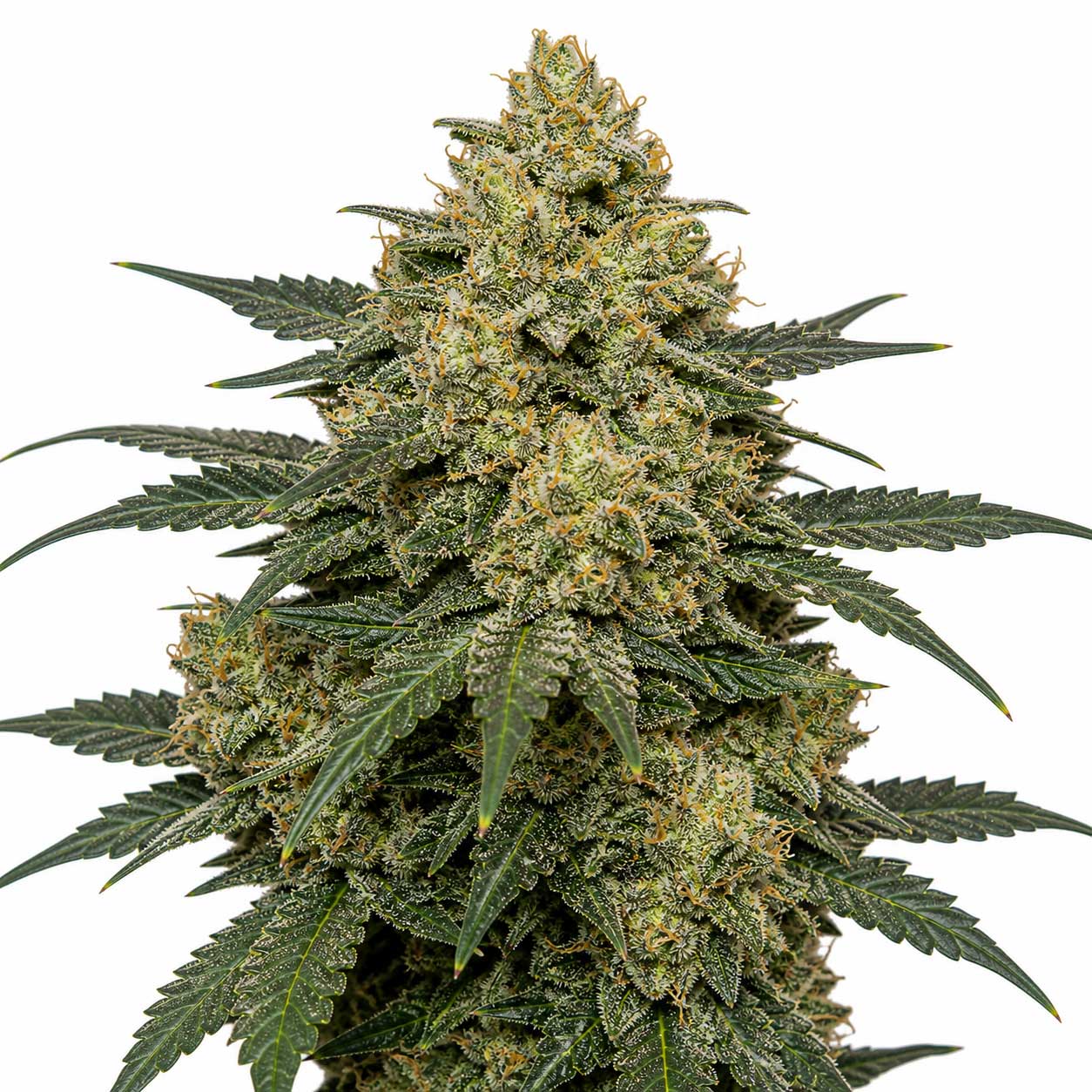
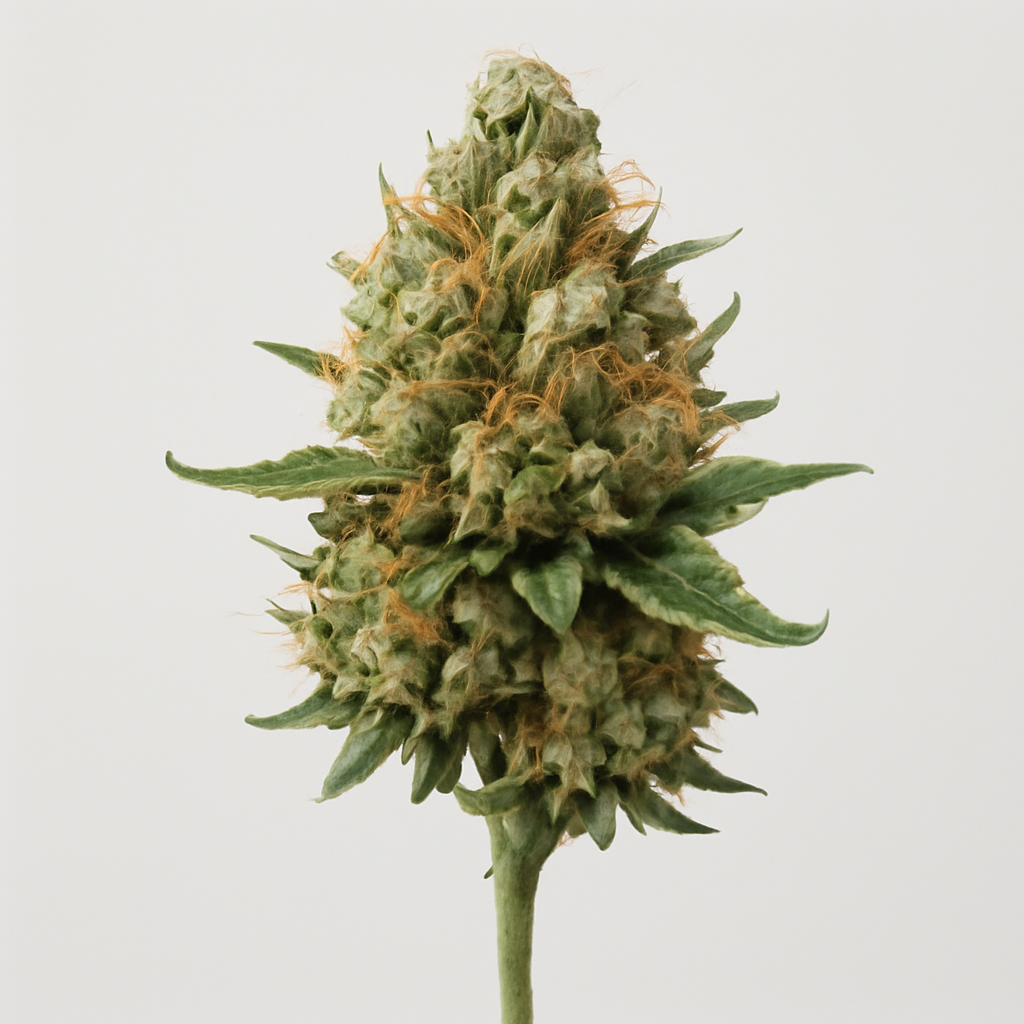
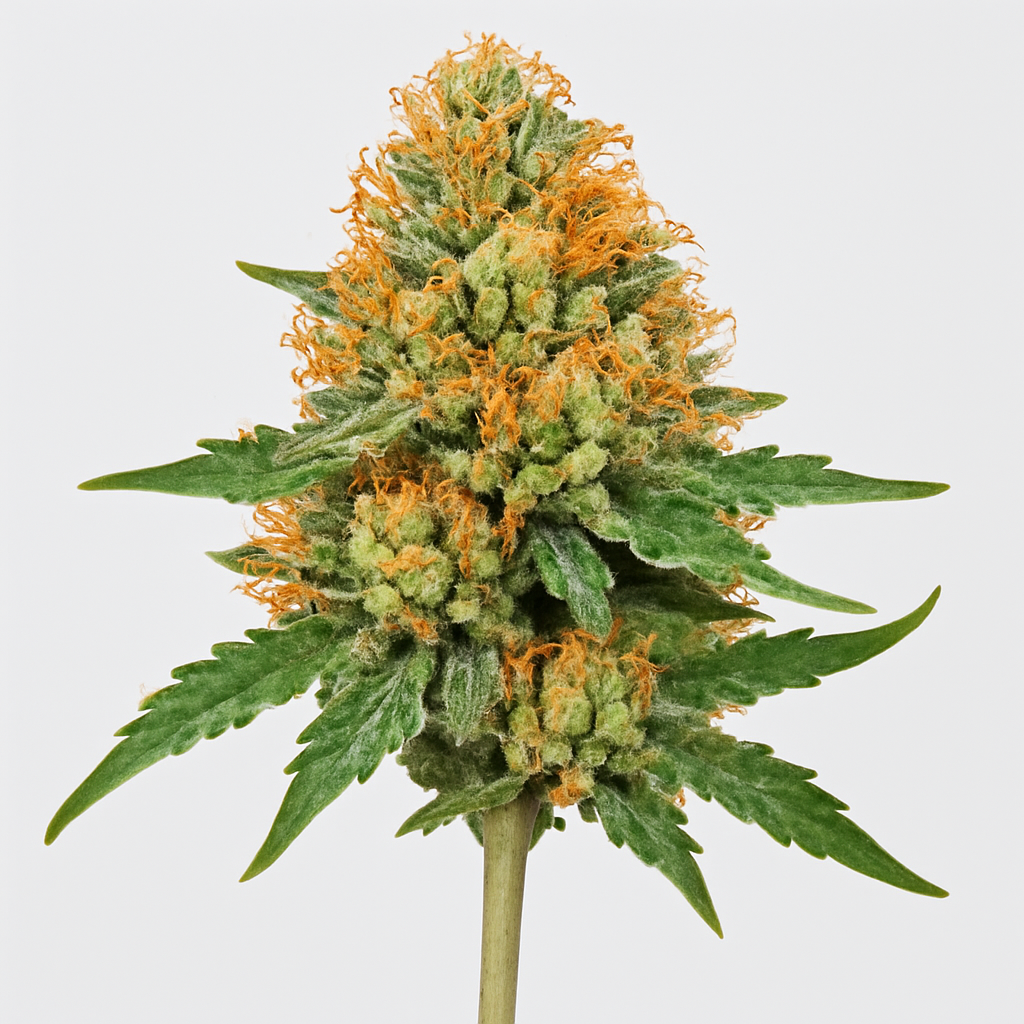
Sour Tangie buds are commonly medium-density and shaped with a more elongated profile than heavy indica flowers. The color range often runs from bright lime green to deeper green, sometimes with faint amber or gold highlights developing near maturity.
Orange pistils are usually prominent, winding through a thick layer of trichomes that can give the flower a sandy, sugar-coated look under strong light. Phenotype variation may show in how tightly the buds stack, with some expressions finishing more open and airy while others settle into denser, more polished colas.
Effects & Use-Cases (Reported)
- Commonly reported effects: bright-headed, upbeat, mentally active, talkative, and creatively oriented
- Use-case context: Often chosen for daytime sessions, social settings, or projects that benefit from a lively, stimulating character
- Body character: Usually described as lighter in the body than heavy dessert hybrids, with a more cerebral emphasis and limited couch-lock reputation
- Note: These observations are anecdotal and do not constitute medical claims.
Observational Note: Sour Tangie is one of those cultivars that tends to show its personality quickly: the onset is often described as clear, uplifted, and active rather than slow or sleepy. That profile makes it a frequent reference point for consumers who want citrus flavor with a more electric edge.
Potency Note: When well-grown and properly finished, the strain can test in a fairly potent range, but the experience is usually shaped as much by terpene intensity as by raw THC content. The sour-orange top notes are a large part of why it feels so vivid to many users.
Aroma & Flavor Profile
- Aroma: orange peel, diesel fumes, sharp citrus oil, sweet tropical candy, and a sour herbal layer
- Flavor: tangerine, citrus rind, fuel, sugared orange, and a lingering herbal finish
- Aftertaste: zesty, slightly gassy, and dry on the exhale with lingering orange peel
- Terpene associations: commonly aligned with limonene, myrcene, and caryophyllene.
For searchers looking up Sour Tangie strain flavor, aroma, or effects, the short version is citrus first, gas second, and sweetness underneath. Its profile is especially appealing to people who want an orange-leaning flower that still carries the pungent structure associated with Sour Diesel lineage.
Tested Cannabinoid & Terpene Ranges
| Compound | Typical Range* | Notes |
|---|---|---|
| Δ⁹-THC | ~18–24% | Commonly moderate to strong in commercial flower; full expression depends on maturity and cure. |
| CBD | <0.5% | Usually low, with CBD not considered a defining part of the profile. |
| Limonene | ~0.4–1.0% | Often linked to the strain’s orange-citrus top note and bright terpene lift. |
| Myrcene | ~0.2–0.7% | May soften the profile with a faint herbal depth and ripe-fruit undertone. |
| Caryophyllene | ~0.1–0.5% | Can contribute peppery structure and a drier, spicier finish. |
*Ranges are estimates and may vary by phenotype, harvest timing, and testing methods.
Cultivation Notes
- Light Cycle: 18/6 in vegetative growth; 12/12 for flowering
- Humidity: Moderate humidity early, lowered through bloom to support dense resinous flowers
- Stretch: Moderate to strong stretch after flip, especially in vigorous phenotypes
- Training: Responds well to topping, low-stress training, and canopy management
- Odor Control: Strong odor control recommended once flowering begins
- Harvest Window: Approximately 9–10 weeks indoors
Sour Tangie can be straightforward for experienced growers, but it benefits from space management because of its tendency to stretch and its appetite for light. The best results usually come from even canopy development, careful airflow, and a finish that allows the citrus-diesel profile to mature without pushing the plant too long past peak ripeness.
Grower Notes (Week-by-Week Snapshot)
- Weeks 1–3: Expect rapid vertical movement, quick root establishment, and strong branching response after training.
- Weeks 4–5: Flower sites begin stacking, aroma becomes noticeable, and the canopy may need continued tucking or support.
- Weeks 6–8: Resin production rises quickly, citrus and fuel notes intensify, and bud structure starts to tighten.
- Weeks 9–10: Final swelling, trichome maturity, and a cleaner finish often develop here; some phenotypes may benefit from a full 10-week window.
Genetic Lineage
Sour Tangie is generally documented as a cross between East Coast Sour Diesel and Tangie, and that pairing explains much of its signature character. East Coast Sour Diesel is widely associated with sharp fuel, energetic lift, and a pungent, unmistakable presence, while Tangie is valued for orange-forward flavor and terpene brightness. In combination, the two parents create a cultivar that leans into citrus while keeping enough sour intensity to avoid becoming overly sweet.
Research Insights
Sour Tangie remains relevant because it sits at the intersection of three major market interests: citrus terpene demand, diesel-line nostalgia, and sativa-leaning daytime hybrids. In modern strain searches, it often appears as a benchmark for orange-forward flower that still feels sharp rather than candy-sweet, which helps distinguish it from many newer dessert-style releases. Its genetics also make it useful in breeding programs seeking loud aroma, vivid flavor, and a more active growth habit.
Frequently Asked Questions
What is Sour Tangie’s genetic background?
Sour Tangie is generally documented as East Coast Sour Diesel crossed with Tangie. That lineage is the main reason the strain expresses both citrus sweetness and a sharper fuel note.
Is Sour Tangie indica or sativa?
It is usually classified as a sativa-leaning hybrid. The plant structure and reported effect style both tend to support that classification.
What does Sour Tangie taste like?
The flavor is commonly described as tangerine, citrus peel, sour fuel, and a slightly herbal finish. The orange character is especially noticeable on the exhale.
How long does Sour Tangie take to flower?
Most indoor grows finish in about 9–10 weeks, though phenotype and environment can shift the timeline slightly.
What kind of grower is Sour Tangie best suited for?
It is often a good fit for growers who can manage stretch, airflow, and odor control. Training methods that even out the canopy can help the plant perform more consistently.
Educational Disclaimer: This page is provided strictly for scientific and horticultural reference. Cannabis cultivation, possession, and use are regulated by local laws. This content does not promote illegal activity or constitute medical advice. Always comply with applicable regulations in your jurisdiction.
Rate and review this strain
Ratings and reviews are accepted only from signed-in Google accounts.
Sign in with Google to leave a rating and written review.
Latest Reviews
0 reviewsNo reviews yet. Be the first Google user to rate and review this strain.