Snow Lotus (Cannabis Strain) — Strainpedia
Snow Lotus is a resin-rich indica-leaning hybrid from the Bodhi Seeds catalog through BaM Seeds, built from Afgooey and Blockhead. Its appeal comes from the way dense, frosted flowers pair a sweet floral nose with earth, pine, and spice in a compact, grower-friendly frame.
In practical terms, this cultivar tends to show strong trichome production, tight bud stacking, and effects that many users describe as relaxing without feeling flat. The genetic mix points to old-school breeding priorities rather than dessert-style novelty, which helps explain its grounded aroma character and the heavier finish often reported from well-grown plants.
Quick Facts
| Genetics | Afgooey × Blockhead |
|---|---|
| Original Breeder | BaM Seeds (Bodhi Seeds line) |
| Variety | Indica-dominant Hybrid |
| Flowering Time | Approximately 8–9 weeks indoors |
| Yield Potential | Moderate to high with solid canopy management |
| Plant Height | Short to medium indoors; medium outdoors |
| Climate Preference | Warm, dry, well-ventilated environments |
| Difficulty | Moderate |
Strain Classification
| Type | Indica-dominant Hybrid |
|---|---|
| Genetic Family | Old-school Afghani-influenced hybrid line with resin-heavy dessert-leaning undertones |
| Primary Terpenes | Myrcene, caryophyllene, limonene* |
| Original Breeder | BaM Seeds (Bodhi Seeds line) |
| Breeding Lineage | Afgooey × Blockhead |
*Exact terpene dominance may vary by phenotype and cultivation method.
Scientific & Botanical Overview
From a botanical standpoint, Snow Lotus is a compact hybrid that expresses classic indica architecture: sturdy lateral branching, condensed internodes, and flowers that mature into thick, resin-coated clusters. The cultivar’s morphology suggests a breeding focus on density, resin development, and a finish that can support terpene richness without requiring an extended flowering cycle.
Its chemistry is often discussed in relation to the Afgooey and Blockhead lines, which are both associated with punchy aroma expression and a deeper physical effect profile. In modern cultivation, Snow Lotus remains interesting because it sits at the intersection of legacy hash-leaning genetics and the more polished flower quality expected in contemporary boutique cannabis markets.
Appearance
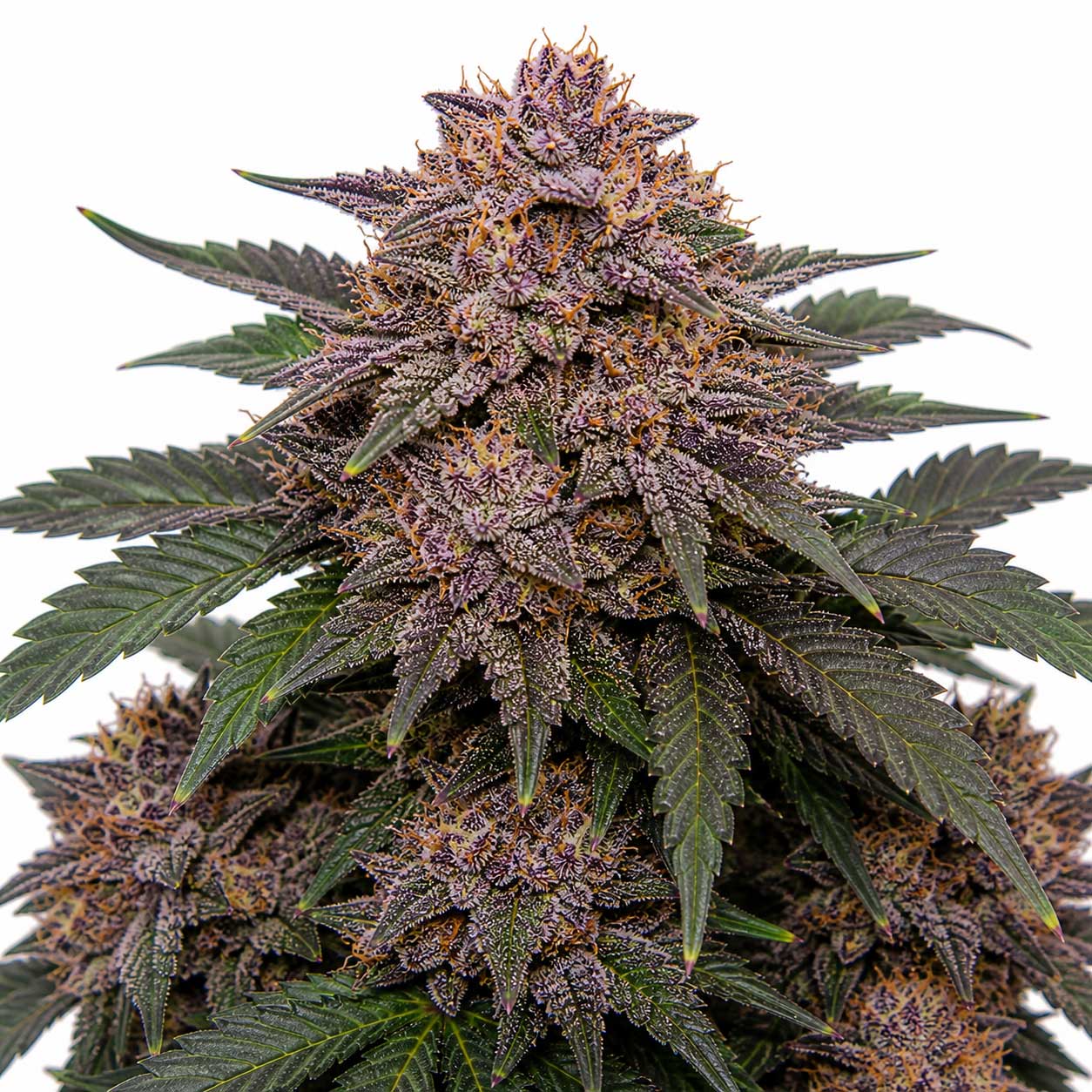
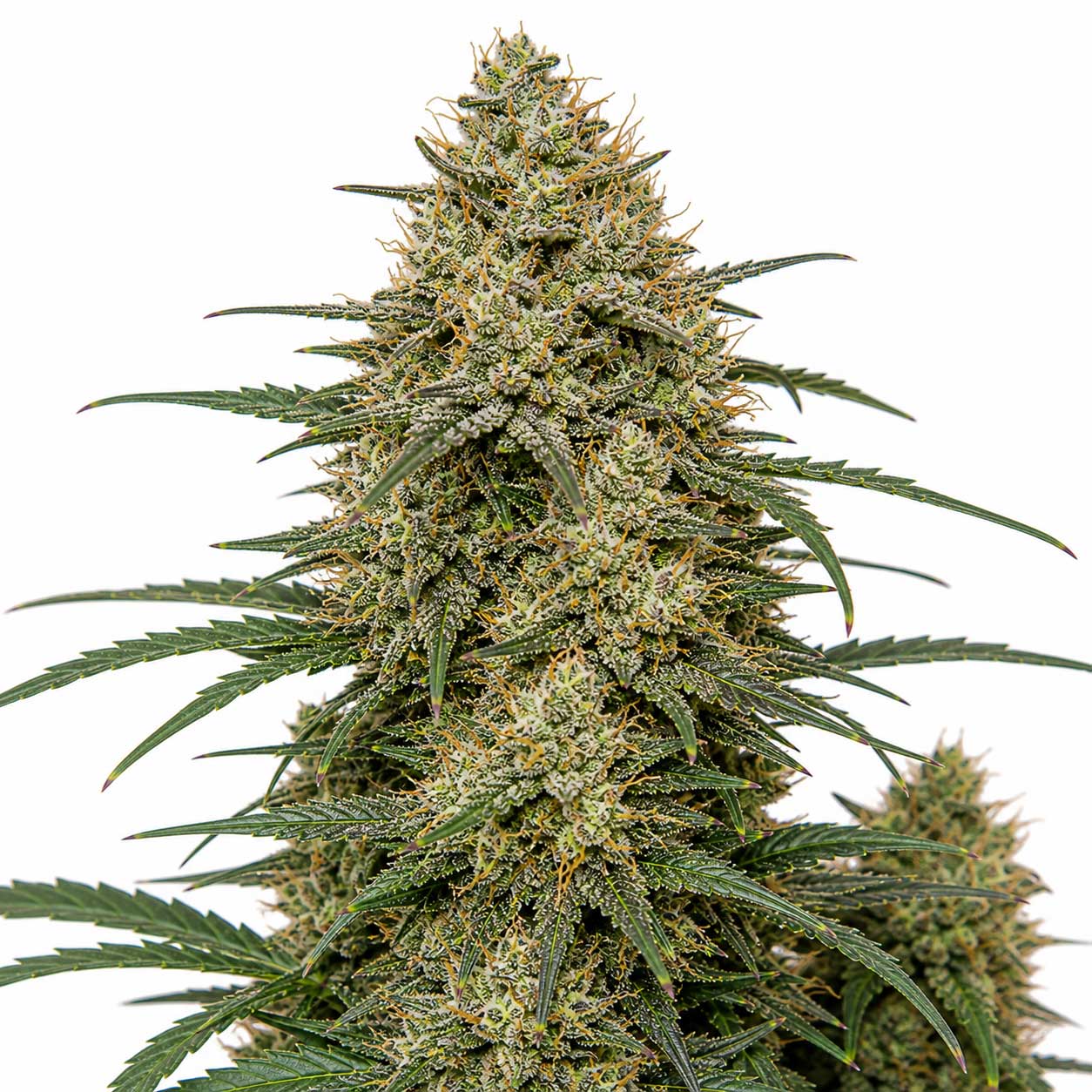
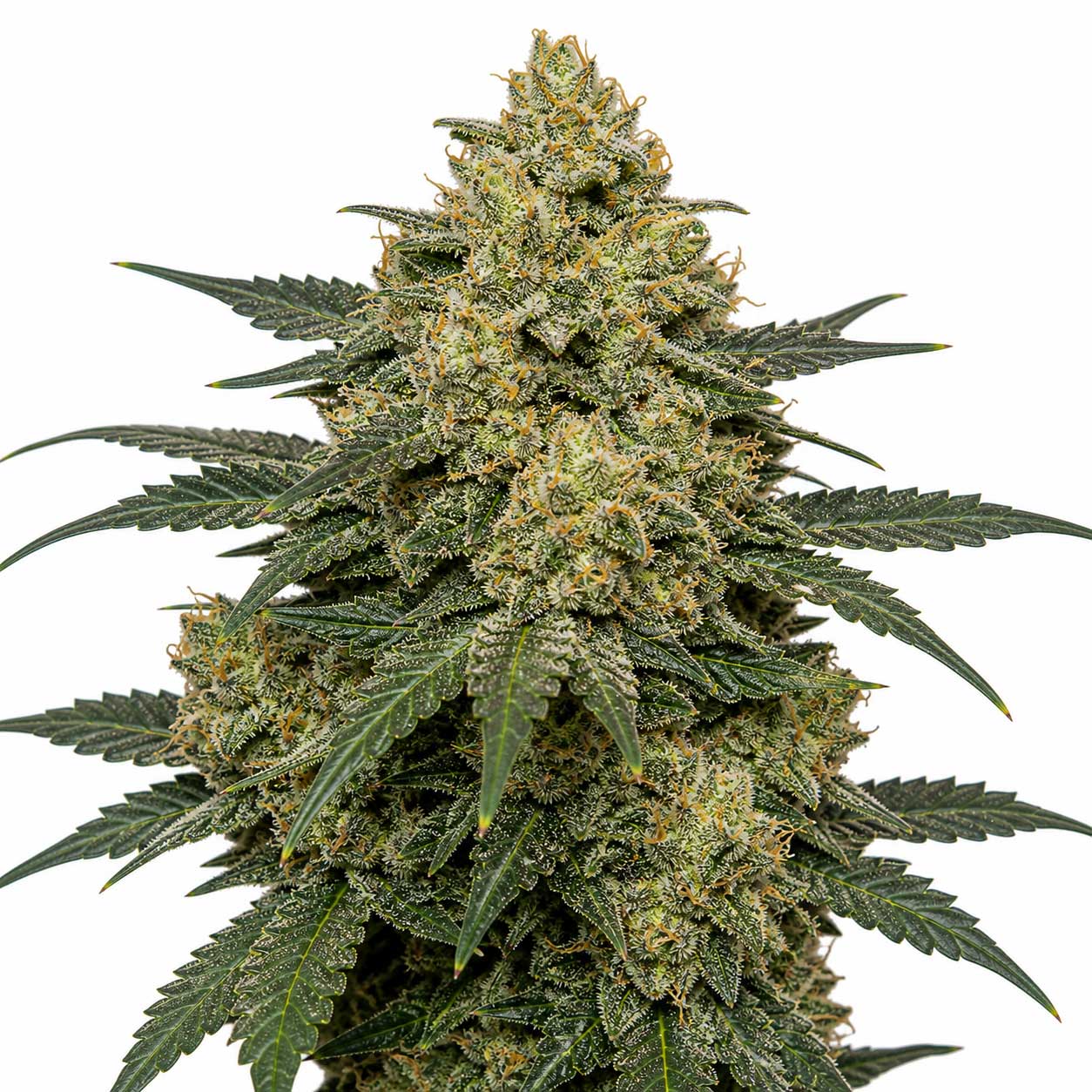
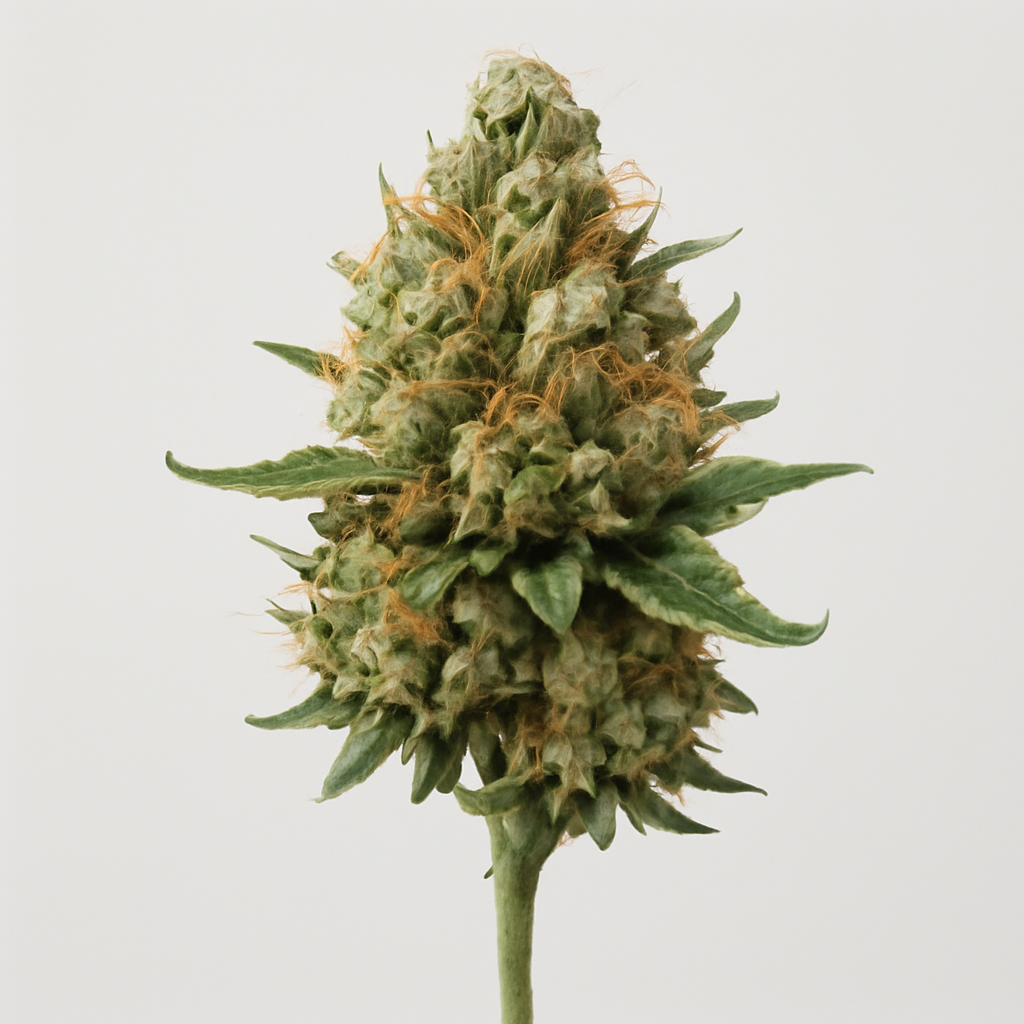
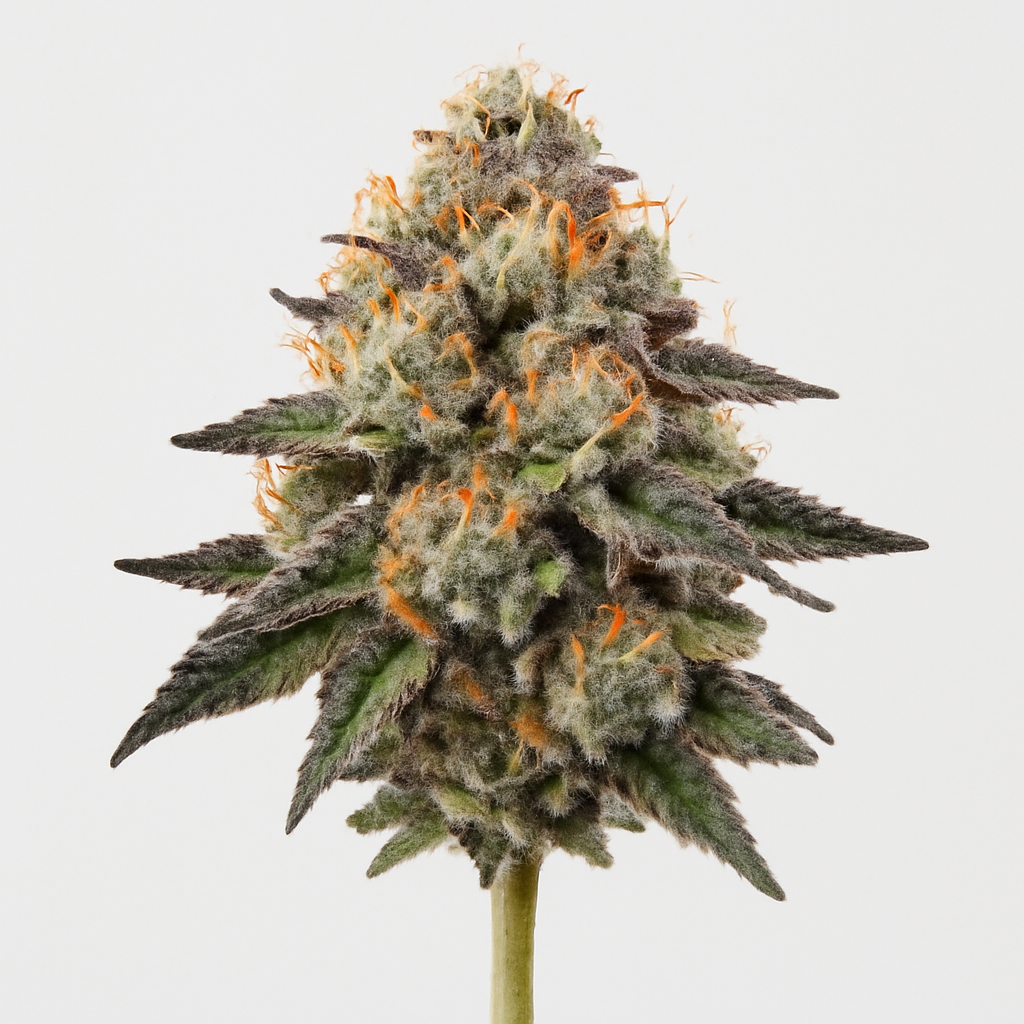
Snow Lotus buds usually appear compact and swollen, with a rounded calyx structure that gives the flowers a heavy, stacked look. The surface is typically coated in a dense layer of glandular trichomes that can make the buds look pale or dusted, especially after a careful cure.
Coloration commonly runs from medium to dark green, with occasional lavender or plum notes in cooler phenotypes. Orange pistils are often abundant and visibly thread through the flower mass, while phenotype variation can show up in bud density, pistil color, and the degree of purple expression.
Effects & Use-Cases (Reported)
- Commonly reported effects: relaxing, euphoric, mentally softened, body-heavy, and often more sedating as the dose rises
- Use-case context: Often chosen for low-key evening sessions, quiet downtime, or situations where a slower, heavier finish is preferred over a bright daytime profile
- Body character: Many users describe a warm, weighted physical sensation that builds gradually rather than hitting all at once
- Note: These observations are anecdotal and do not constitute medical claims.
Observational Note: Snow Lotus tends to read as smooth and inward-facing rather than racy. The experience is often described as easing tension in stages, with the mental tone settling before the body effect becomes more noticeable.
Potency Note: Well-grown examples can feel deceptively strong because the flavor is restrained and the onset is not always abrupt. The cultivar’s resin production and indica-leaning ancestry make modest amounts feel sufficient for many consumers.
Aroma & Flavor Profile
- Aroma: sweet floral notes, damp earth, fresh pine, herbal spice, and a faint woody edge
- Flavor: floral tea, sweet soil, pepper, pine needles, and a light fruity finish on the exhale
- Aftertaste: lingering herbal sweetness with dry spice and a clean forest-like finish
- Terpene associations: commonly aligned with myrcene, caryophyllene, and limonene.
For readers searching for Snow Lotus weed flavor, aroma, or terpene profile, this is a cultivar that usually lands in the earthy-floral lane rather than candy or gas territory. The sensory profile is subtle at first sniff, then opens into pine, spice, and sweet herbal tones after grinding and curing.
Tested Cannabinoid & Terpene Ranges
| Compound | Typical Range* | Notes |
|---|---|---|
| Δ⁹-THC | ~18–24% | Often tests in the upper-moderate to potent range depending on phenotype and finish. |
| CBD | <0.5% | Typically trace-only levels in standard flower testing. |
| Myrcene | ~0.20–0.60% | Frequently associated with the cultivar’s earthy, cushioned aroma and heavier finish. |
| Caryophyllene | ~0.15–0.45% | May contribute pepper, wood spice, and a denser aromatic edge. |
| Limonene | ~0.08–0.30% | Can add a brighter citrus lift behind the floral and pine tones. |
*Ranges are estimates and may vary by phenotype, harvest timing, and testing methods.
Cultivation Notes
- Light Cycle: 12/12 for flowering indoors
- Humidity: Moderate in veg; lower humidity recommended during late bloom to protect dense colas
- Stretch: Usually modest, with a compact to medium stretch after the flip
- Training: Responds well to topping, LST, and canopy leveling
- Odor Control: Strong floral-earthy terpene output makes filtration advisable indoors
- Harvest Window: Approximately 8–9 weeks indoors
Snow Lotus rewards attentive canopy work because the flowers can form tightly and benefit from airflow around the inner sites. Growers who keep humidity in check and avoid overfeeding late in bloom often see the best expression of resin, shape, and aromatic clarity.
Grower Notes (Week-by-Week Snapshot)
- Weeks 1–3: Establish strong root mass and veg structure; the plant usually stays compact and manageable.
- Weeks 4–5: Flower sites begin stacking quickly, and early resin formation becomes visible on sugar leaves.
- Weeks 6–8: Buds thicken significantly, terpene output intensifies, and airflow becomes especially important.
- Weeks 9–10: Final ripening focuses on trichome maturity, calyx swell, and a cleaner cure-ready finish if the phenotype leans slightly longer.
Genetic Lineage
Snow Lotus is generally documented as Afgooey crossed with Blockhead, two lines with strong reputations in legacy breeding circles. Afgooey is commonly associated with dense flower formation, resin output, and a heavy, earthy base, while Blockhead is often credited with enhancing potency, structure, and more expressive aromatic depth. Their combination creates a cultivar that feels rooted in older hybrid breeding while still producing flower quality that translates well in modern markets.
Research Insights
Snow Lotus matters in today’s cannabis landscape because it sits outside the cookie-dominant and gas-heavy mainstream, offering a more herbal, floral, and resin-forward alternative. That makes it useful for search audiences looking for old-school hybrid profiles, terpene-rich flowers, or Bodhi-adjacent genetics that have a strong reputation among connoisseurs and breeders. Its continued relevance also reflects the market’s ongoing interest in compact plants with strong trichome expression and finishes that photograph well in premium flower menus.
Frequently Asked Questions
What is Snow Lotus cannabis?
Snow Lotus is an indica-dominant hybrid bred from Afgooey and Blockhead. It is known for compact buds, heavy resin coverage, and a sweet floral-to-earthy aroma profile.
Is Snow Lotus more indica or sativa?
It is generally classified as an indica-dominant hybrid. Most descriptions lean toward a calm, body-forward experience with a lighter euphoric lift at the start.
What does Snow Lotus taste like?
The flavor is often described as floral, earthy, and spicy, with pine and herbal notes showing up on the exhale. Some phenotypes also carry a subtle fruity sweetness.
How long does Snow Lotus take to flower?
Most indoor runs finish in approximately 8 to 9 weeks, though phenotype and growing conditions can shift that timing slightly.
Is Snow Lotus difficult to grow?
It is usually considered moderate in difficulty. The main challenge is managing humidity and airflow around the dense buds as they mature.
Educational Disclaimer: This page is provided strictly for scientific and horticultural reference. Cannabis cultivation, possession, and use are regulated by local laws. This content does not promote illegal activity or constitute medical advice. Always comply with applicable regulations in your jurisdiction.
Rate and review this strain
Ratings and reviews are accepted only from signed-in Google accounts.
Sign in with Google to leave a rating and written review.
Latest Reviews
0 reviewsNo reviews yet. Be the first Google user to rate and review this strain.