Silver Haze (Cannabis Strain) — Strainpedia
Silver Haze is a sativa cannabis cultivar most closely associated with Sensi Seeds. Sensi describes it as a refined Haze expression that combines a legendary Haze parent with genetics from the Northern Lights lineage, creating a plant that preserves true Haze character while improving indoor manageability, flowering speed, and structural balance.
Within classic Dutch breeding history, Silver Haze became notable for delivering a more practical indoor-growing version of the Haze experience without losing the elongated floral structure, resin production, and spice-sweet aromatic identity expected from a premium sativa. Sensi Seeds lists flowering at approximately 65 to 75 days, placing it in the long-but-manageable range for a true Haze-type cultivar. The information below is provided strictly for scientific and horticultural reference.
Quick Facts
| Genetics | Haze x Northern Lights lineage |
|---|---|
| Variety | Sativa |
| Flowering Time | Approximately 65–75 days indoors |
| Yield Potential | High, especially under optimized indoor conditions |
| Plant Height | Tall; stretches significantly during flowering |
| Climate Preference | Sunny / Mediterranean outdoor conditions or controlled indoor environments |
| Difficulty | Intermediate |
Strain Classification
| Type | Sativa |
|---|---|
| Genetic Family | Haze / Northern Lights Hybrid Lineage |
| Primary Terpenes | Commonly associated with Myrcene, Caryophyllene, and Limonene* |
| Breeding Lineage | Legendary Haze parent x Northern Lights-derived parent |
*Exact terpene dominance can vary by phenotype, cultivation style, harvest timing, curing quality, and laboratory analysis.
Scientific & Botanical Overview
Silver Haze was bred to preserve the unmistakable qualities of classic Haze while making the cultivar more practical for indoor growers. According to Sensi Seeds, the Haze side contributes the gourmet, high-grade sativa character, while the Northern Lights side contributes shorter flowering time, more compact management, and stronger indoor suitability. That breeding direction helped Silver Haze stand out as a bridge between pure Haze appeal and commercial cultivation practicality.
Plants generally develop vigorous vertical growth and long inflorescences that extend across the main stem and side branches. Sensi notes that even small plants forced into flower early can still stretch substantially, which is a classic trait of strong sativa expression. Resin production is typically heavy, with mature flowers often developing the sticky, silvery trichome layer that inspired the cultivar’s name.
Appearance
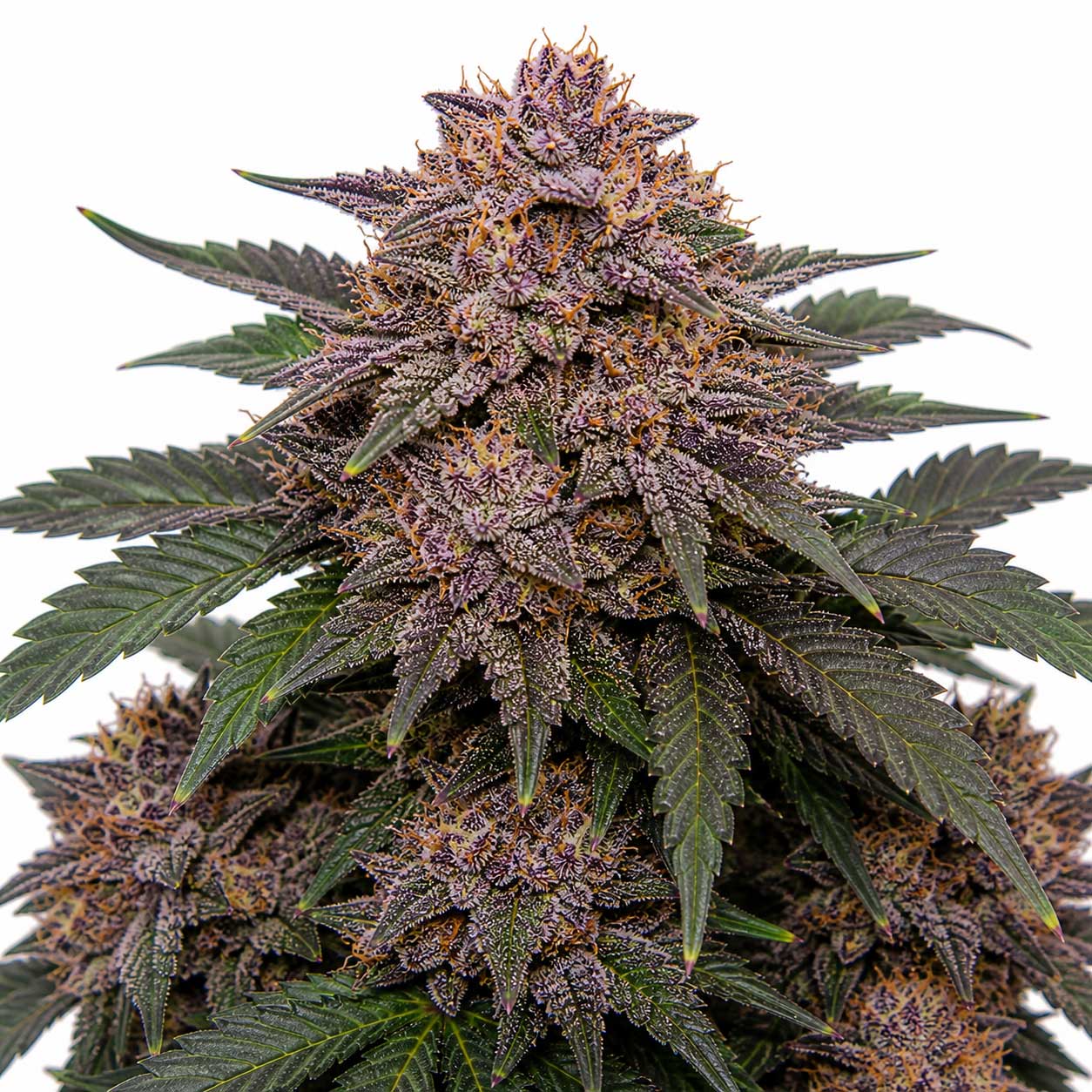
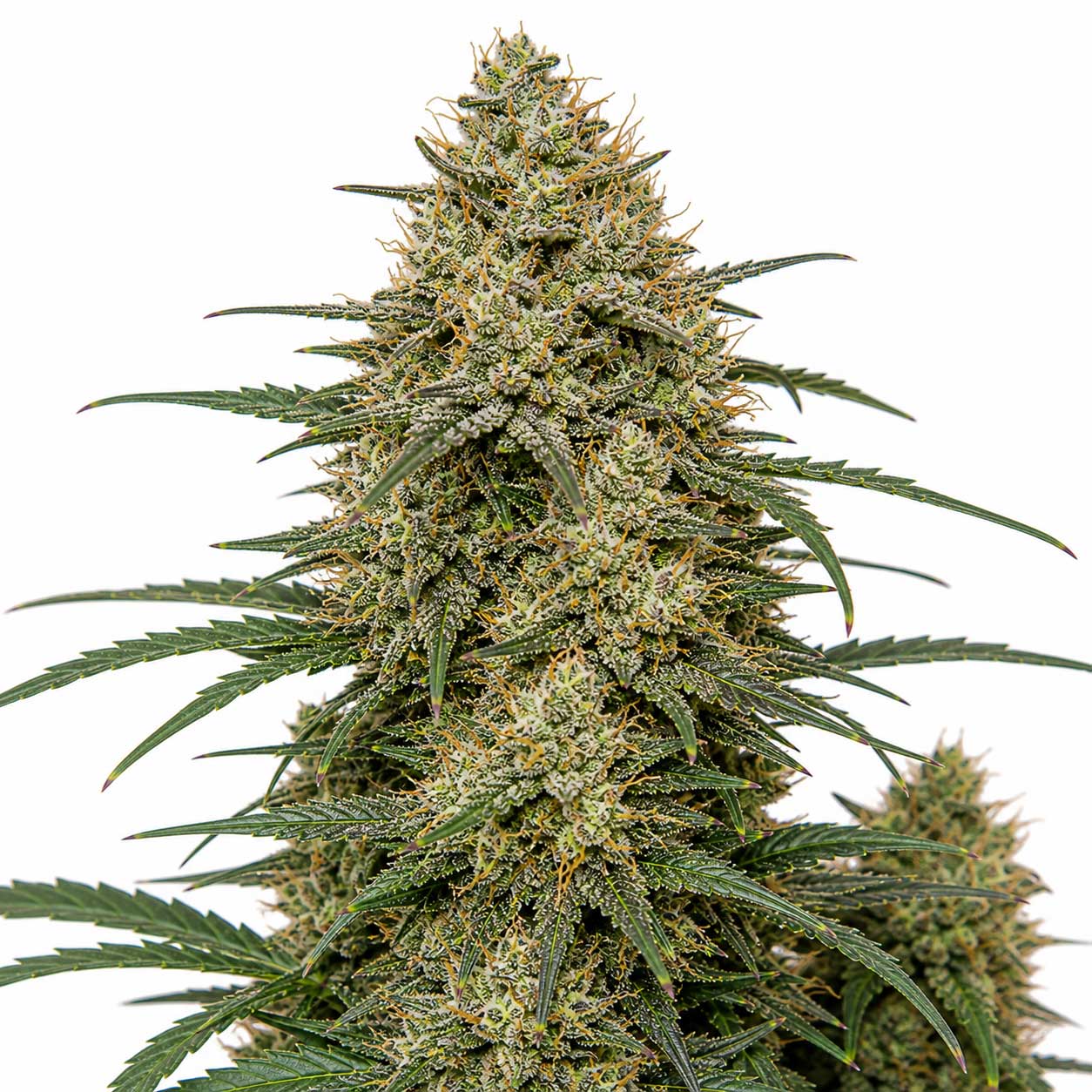
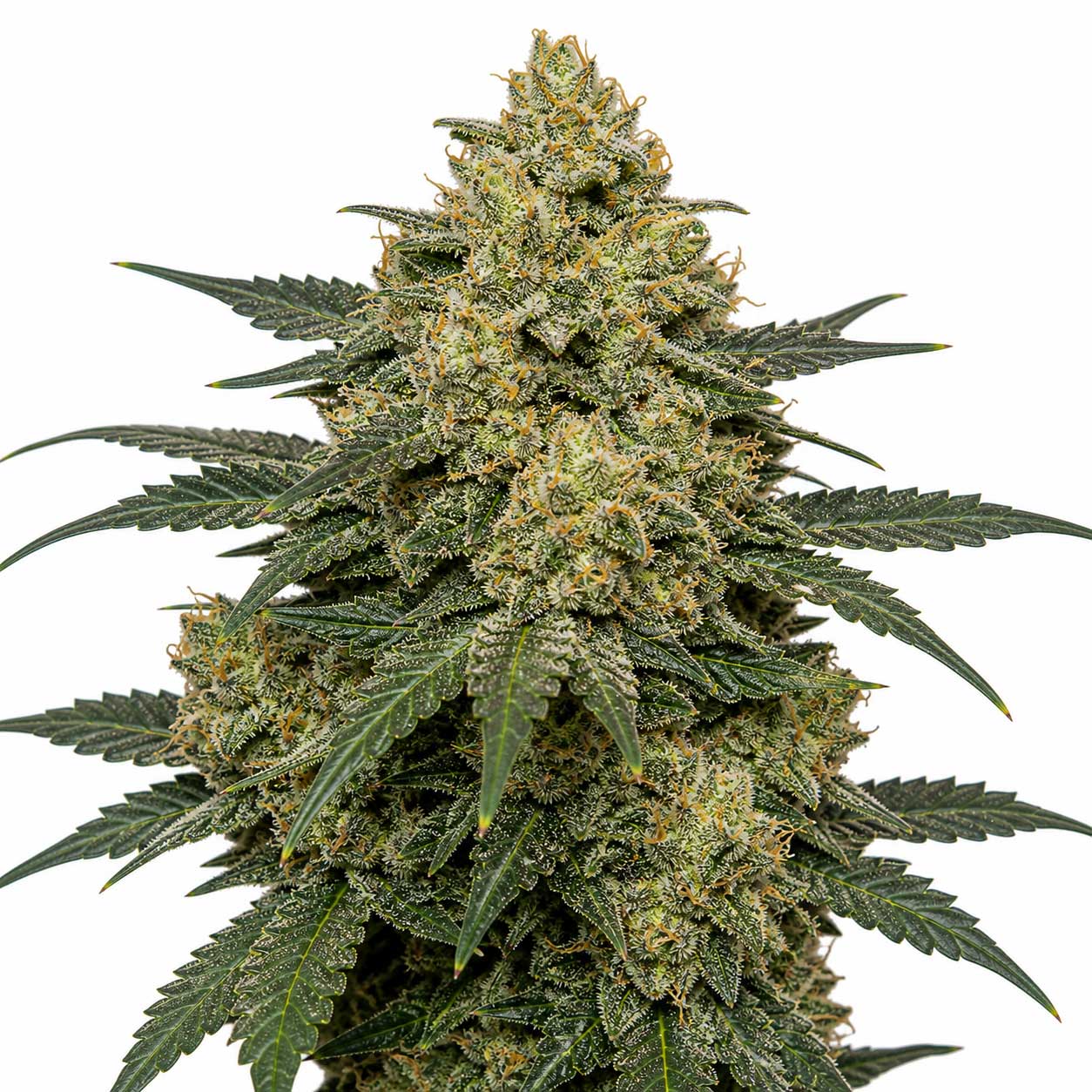
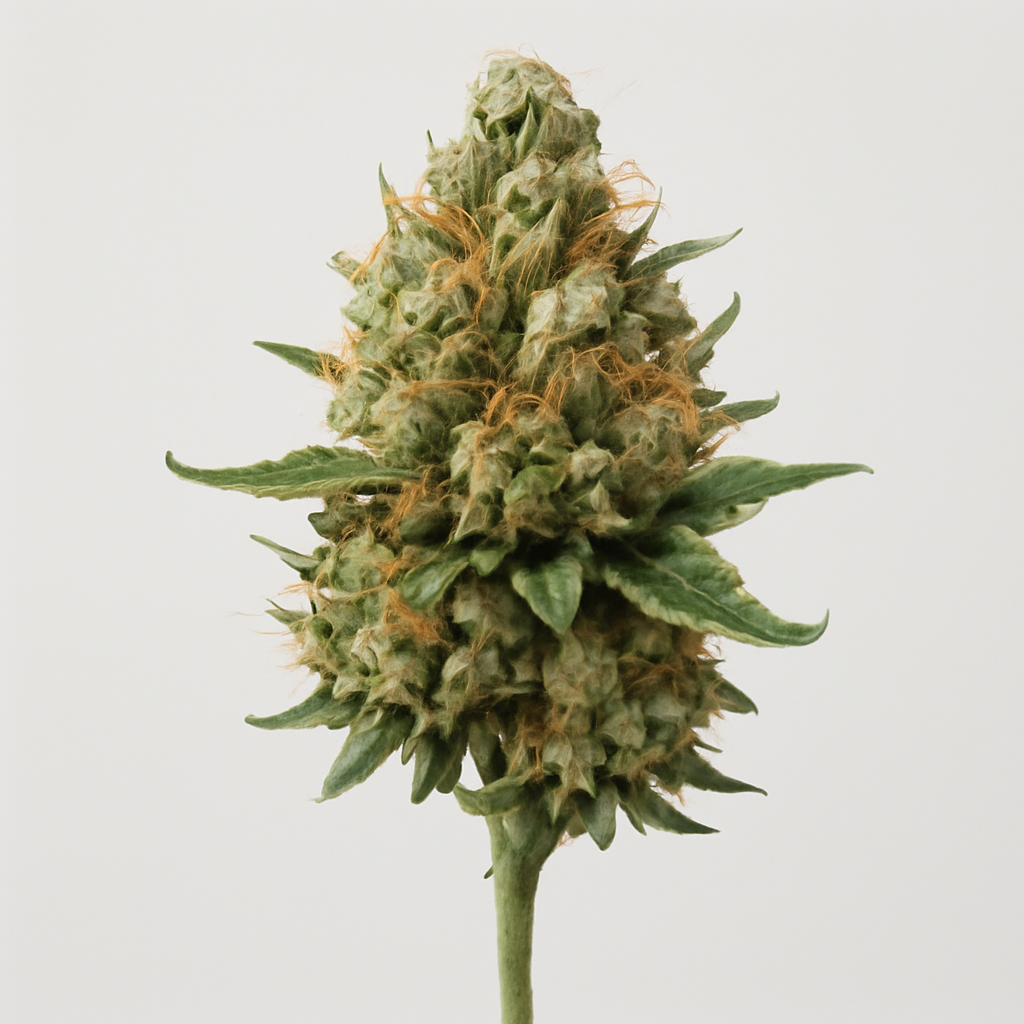
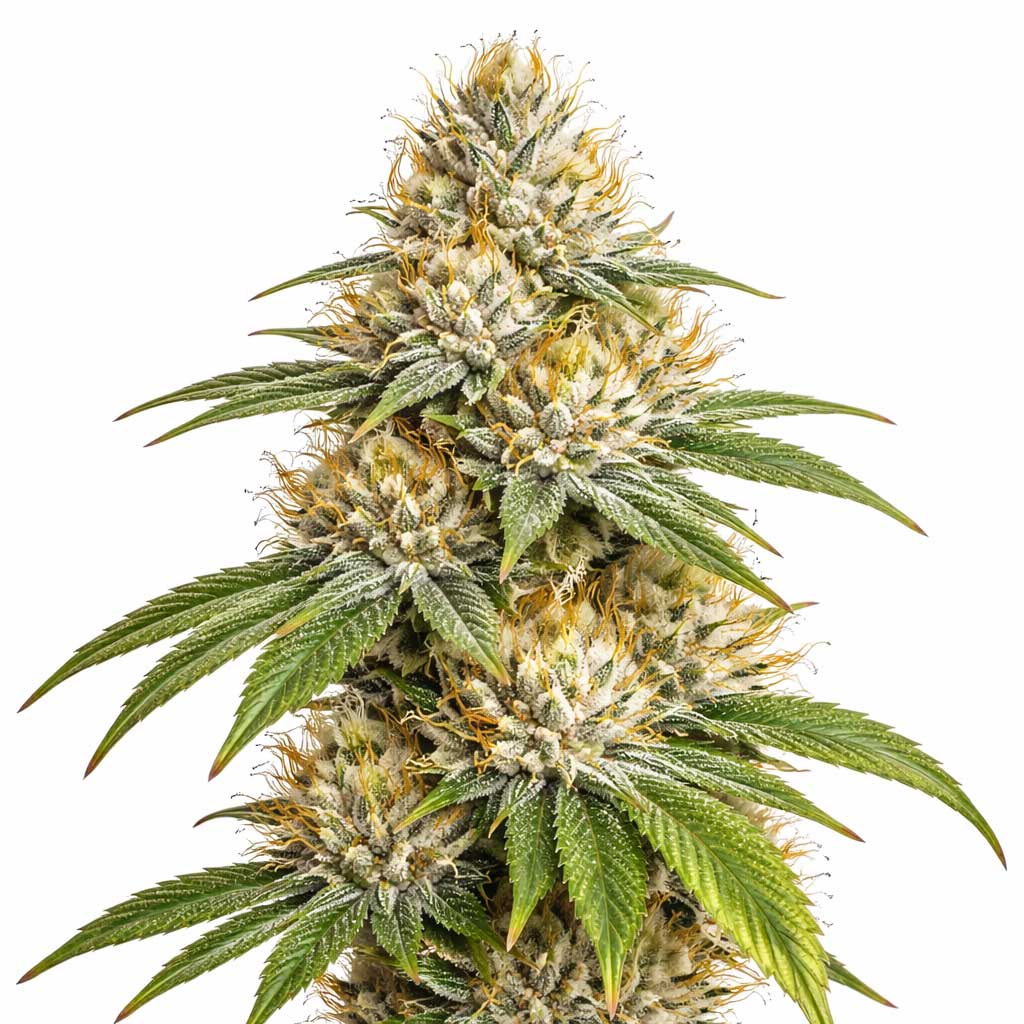
Silver Haze flowers are typically elongated, resin-rich, and visually bright with a pronounced silvery trichome coating at maturity. Buds often form in long, conical, Haze-style structures rather than the short, blocky shape associated with heavier indica lines. Well-finished flowers usually show light green tones, orange pistils, and a sparkling frosted surface created by dense glandular resin.
Effects & Use-Cases (Reported)
- Commonly reported effects: an uplifting cerebral onset, energetic mental clarity, and a long-lasting sativa-forward experience.
- Use-case context: often associated with daytime use, creative sessions, active social environments, or situations where mental lift is preferred over heavy physical sedation.
- Note: These observations are anecdotal and do not constitute medical or therapeutic claims.
Observational Note: Silver Haze is generally framed as a classic Haze-style cultivar that emphasizes a bright, head-focused experience more than a body-heavy finish.
Potency Note: Sativa-leaning cultivars with strong Haze expression can feel intense for some consumers, particularly in larger doses or lower-tolerance settings.
Aroma & Flavor Profile
- Aroma: spicy sweetness, earth, light citrus, and classic Haze sharpness.
- Flavor: sweet-spicy Haze with herbal depth, mild citrus brightness, and an earthy finish.
- Terpene associations: frequently aligned with Myrcene, Caryophyllene, and Limonene, though exact laboratory outcomes may differ between phenotypes.
Tested Cannabinoid & Terpene Ranges
| Compound | Typical Range* | Notes |
|---|---|---|
| Δ⁹-THC | ~18–24% | Commercial values can vary significantly by phenotype, environment, harvest maturity, and laboratory methodology. |
| CBD | ~0.1–0.5% | Typically present in comparatively low concentrations. |
| Myrcene | ~0.2–0.7% | Often associated with earthy depth and part of the cultivar’s broader aromatic structure. |
| Caryophyllene | ~0.1–0.5% | May contribute peppery spice and sharpen the Haze profile. |
| Limonene | ~0.1–0.5% | Can support the brighter citrus edge present in some phenotypes. |
*Ranges are literature-informed estimates and may differ depending on phenotype selection, cultivation practices, curing conditions, storage, and laboratory methodology.
Cultivation Notes
- Light Cycle: 18/6 during vegetative growth and 12/12 during flowering.
- Humidity Targets: ~55–60% in vegetative growth and 40–45% in flowering.
- Nutrition: Balanced feeding with support for extended flowering and resin development is often preferred.
- Training Techniques: Early flowering induction, topping, canopy management, and support for lateral branches may help control stretch and improve flower distribution.
- Odor Consideration: Strong spicy-sweet Haze aroma may require carbon filtration in indoor environments.
- Harvest Window: Usually around 65–75 days indoors, depending on phenotype and desired finish.
Grower Notes (Week-by-Week Snapshot)
- Weeks 1–3: Strong vegetative momentum and branch extension; early structure management is often useful.
- Weeks 4–5: Transition stretch becomes pronounced, especially in smaller plants induced into bloom early.
- Weeks 6–8: Bud sites lengthen, resin production increases, and the spicy-sweet Haze identity becomes more defined.
- Weeks 9–11: Final floral swelling, silvery trichome buildup, and terpene refinement guide harvest timing decisions.
Genetic Lineage
Silver Haze is commonly described by Sensi Seeds as a Haze-based cultivar improved through the inclusion of a parent from the Northern Lights lineage. That pairing was intended to preserve the prized sensory and psychoactive profile of Haze while introducing more compact indoor behavior and a shorter flowering period than a less-refined Haze expression would typically provide.
Research Insights
Silver Haze is often discussed as an example of classic Dutch breeding strategy: retaining the aromatic and experiential identity of a celebrated sativa while improving cultivation practicality through strategic indica-lineage influence. In broader cannabis discussions, this kind of breeding remains important because it shows how Haze-based cultivars were adapted for indoor production without fully sacrificing their defining sensory character.
Frequently Asked Questions
Who bred Silver Haze?
Silver Haze is most closely associated with Sensi Seeds.
What are the parent strains of Silver Haze?
Sensi Seeds describes Silver Haze as a Haze-based cultivar combined with genetics from the Northern Lights lineage.
Is Silver Haze indica or sativa?
Silver Haze is generally classified as a sativa.
How long does Silver Haze take to flower?
Sensi Seeds lists a flowering period of approximately 65 to 75 days.
Educational Disclaimer: This page is provided strictly for scientific and horticultural reference. Cannabis cultivation, possession, and use are regulated by local laws. This content does not promote illegal activity or constitute medical advice. Always comply with applicable regulations in your jurisdiction.
Rate and review this strain
Ratings and reviews are accepted only from signed-in Google accounts.
Sign in with Google to leave a rating and written review.
Latest Reviews
0 reviewsNo reviews yet. Be the first Google user to rate and review this strain.