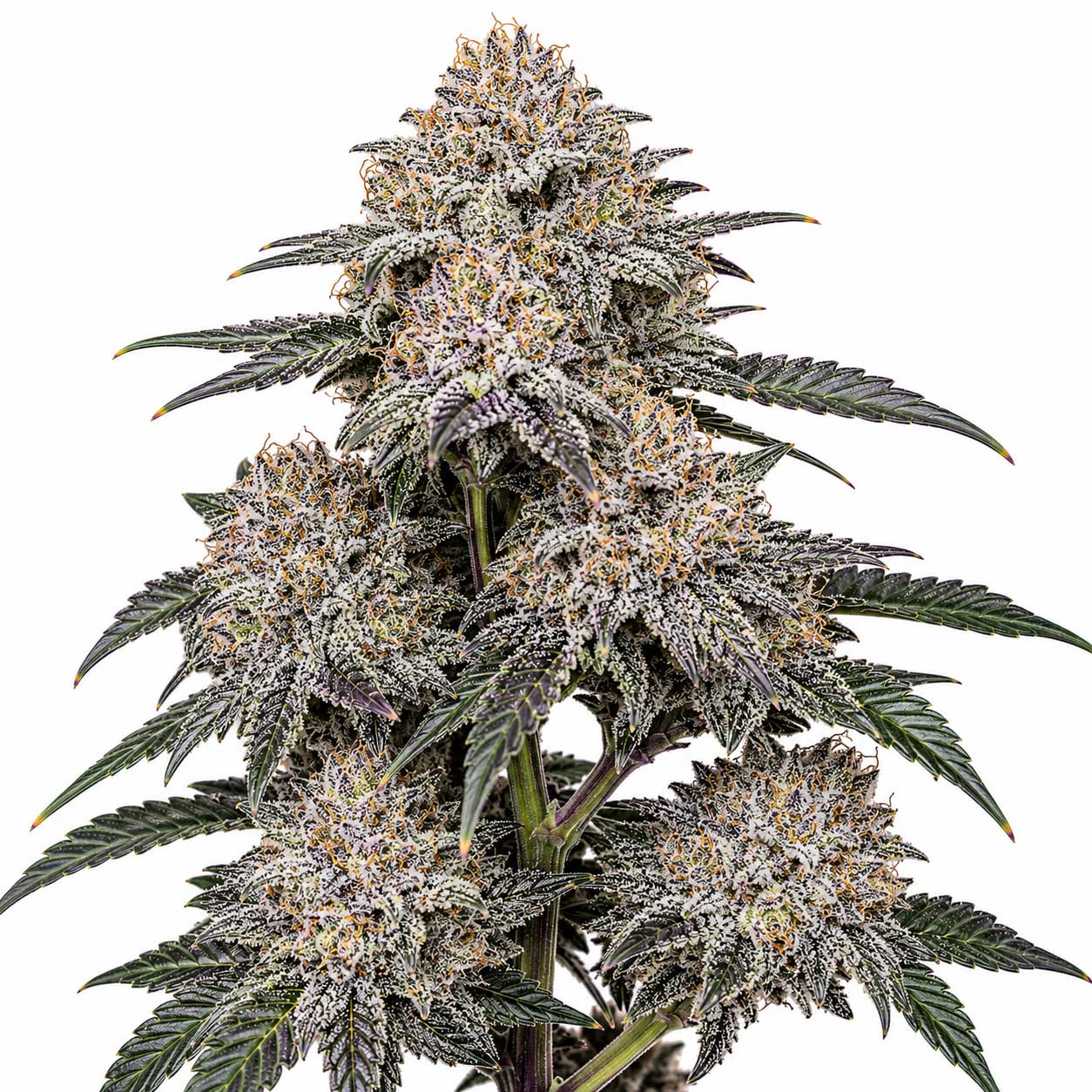
DNA Cake (Cannabis Strain)
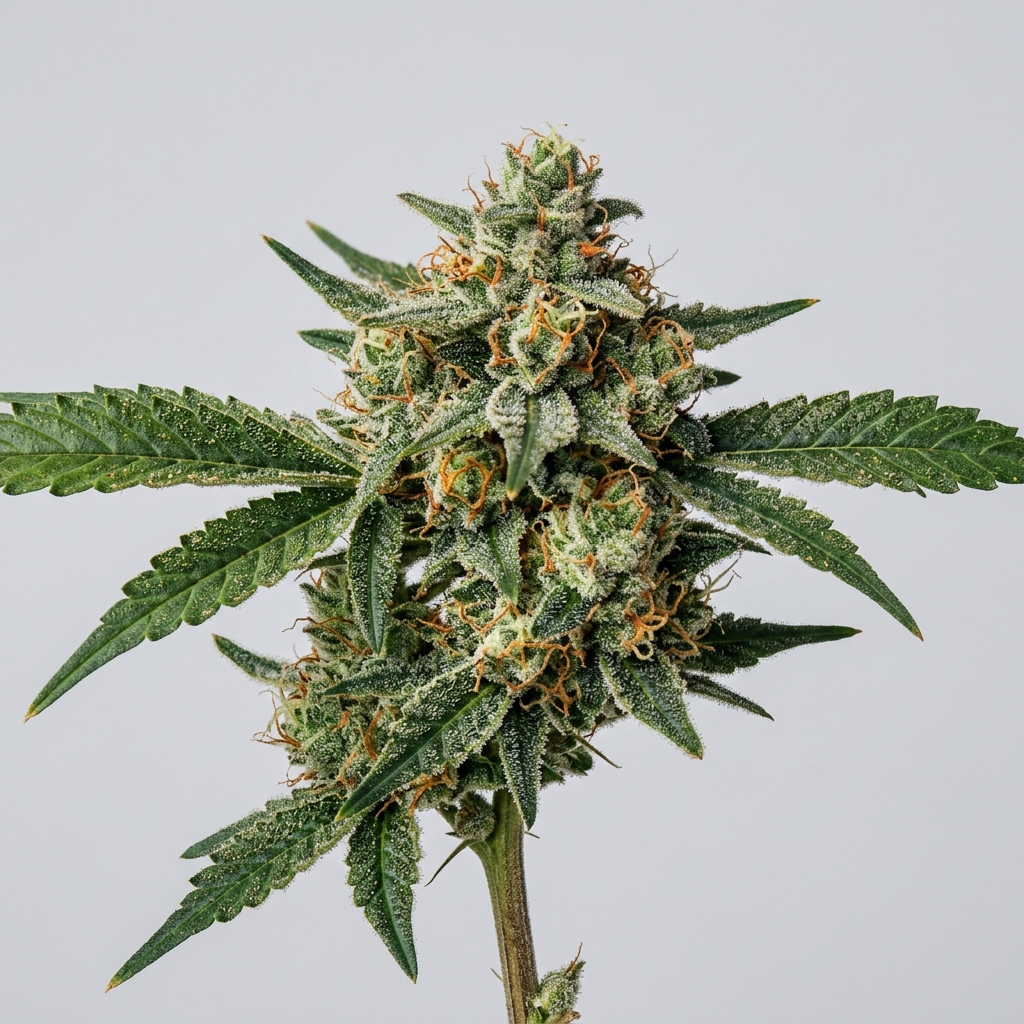
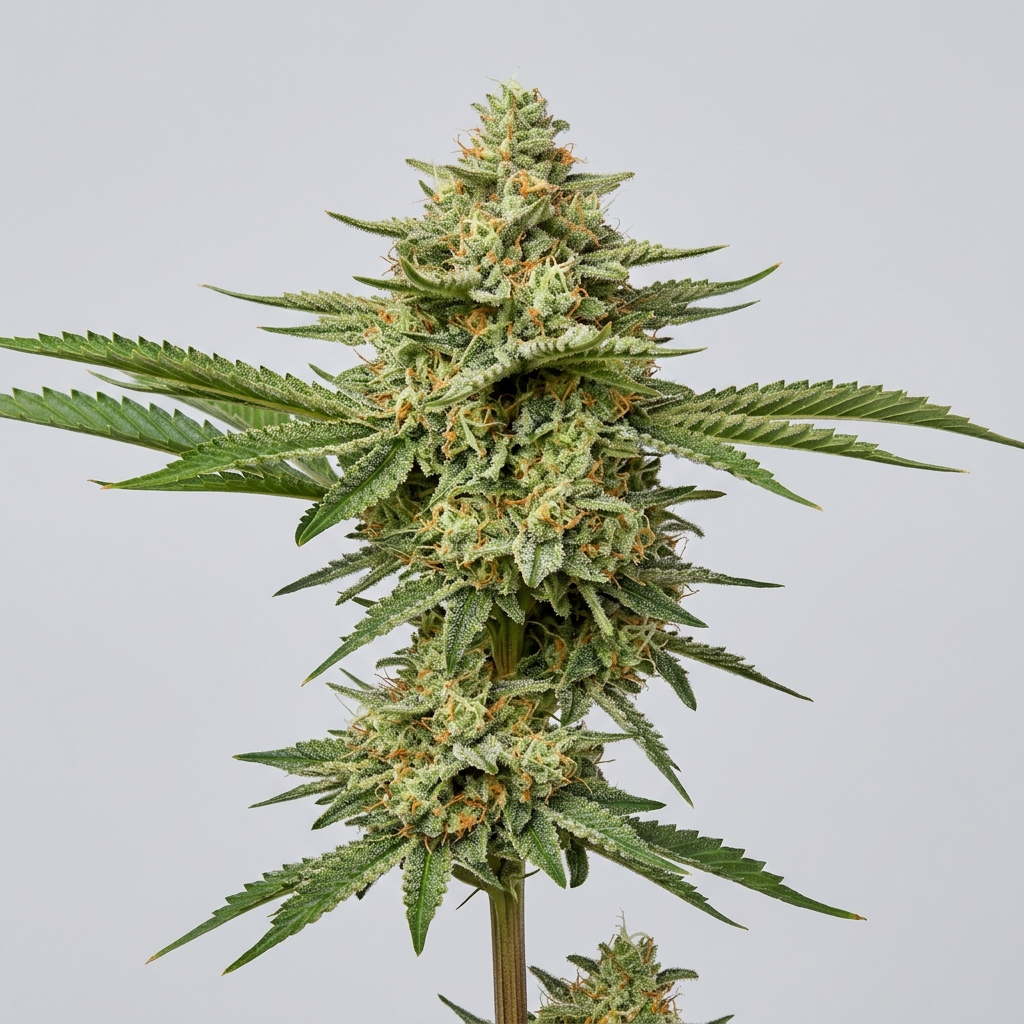
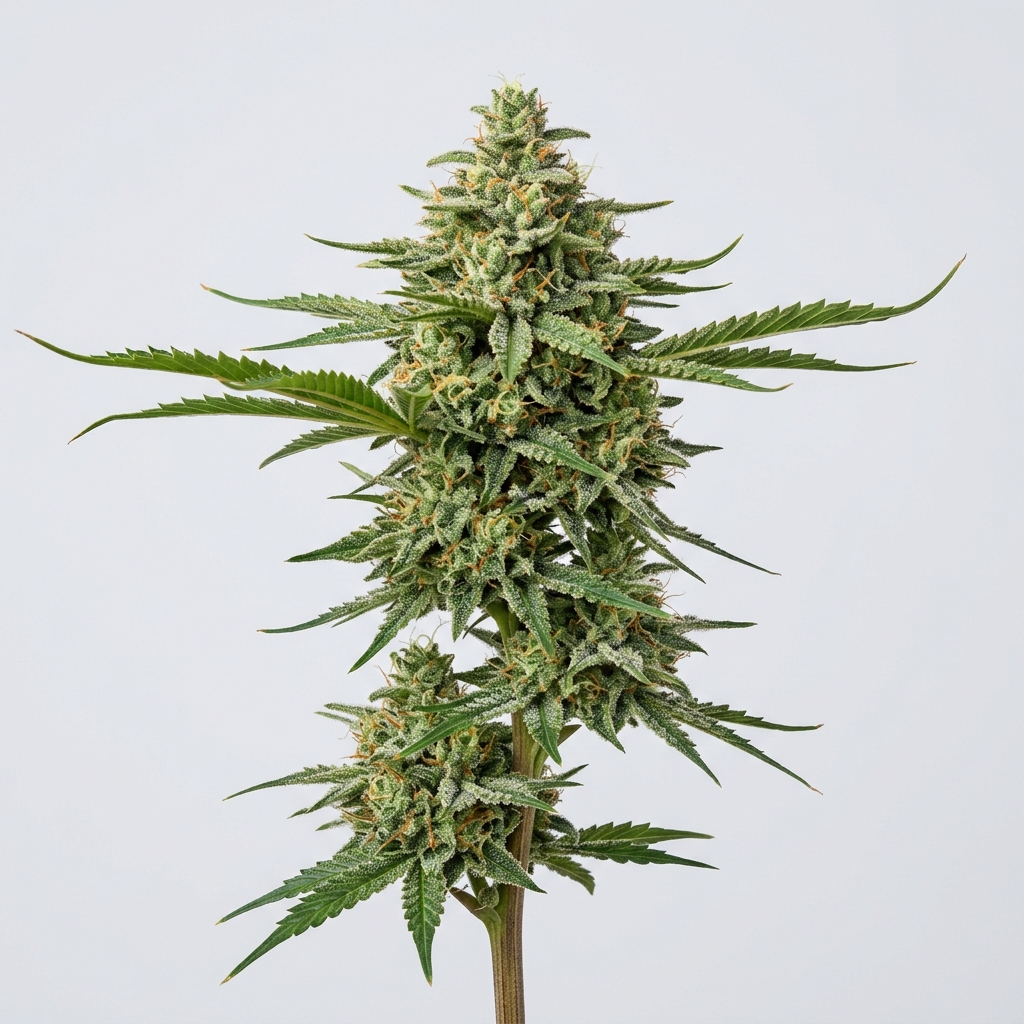
DNA Cake is an indica-dominant hybrid cultivar bred by DNA Genetics, created by crossing Gelato Sorbet with Lava Cake. Known for its greasy resin production and dense, cake-dough structure, this cultivar typically tests between 19% and 23% THC, delivering a deeply relaxing physical profile. The plant develops compact, heart-shaped colas with a heavy coating of wet frost, making it a favored choice among extraction artists seeking terpene clarity and high solventless yields.
Cultivators appreciate this variety for its manageable medium height and robust lateral branching. Its aromatic profile balances sweet vanilla frosting with a sharp, gassy finish, reflecting its dessert-lineage heritage.
Quick Facts
| Attribute | Details |
|---|---|
| Genetics | Gelato Sorbet × Lava Cake |
| Variety | Indica-dominant hybrid (~80% indica / 20% sativa) |
| THC Range | 19–23% |
| Flowering Time | 8–9 weeks (56–63 days) |
| Yield Potential | Moderate to High |
| Plant Height | Medium |
| Climate Preference | Temperate, low-humidity environments |
| Difficulty | Intermediate |
Scientific & Botanical Overview
DNA Cake exhibits a classic indica-leaning morphology, characterized by broad fan leaves and tight internodal spacing. The vegetative stage requires regular defoliation to maintain adequate airflow through its dense canopy. This structural management is essential to prevent moisture buildup in the lower nodes where lateral branches form.
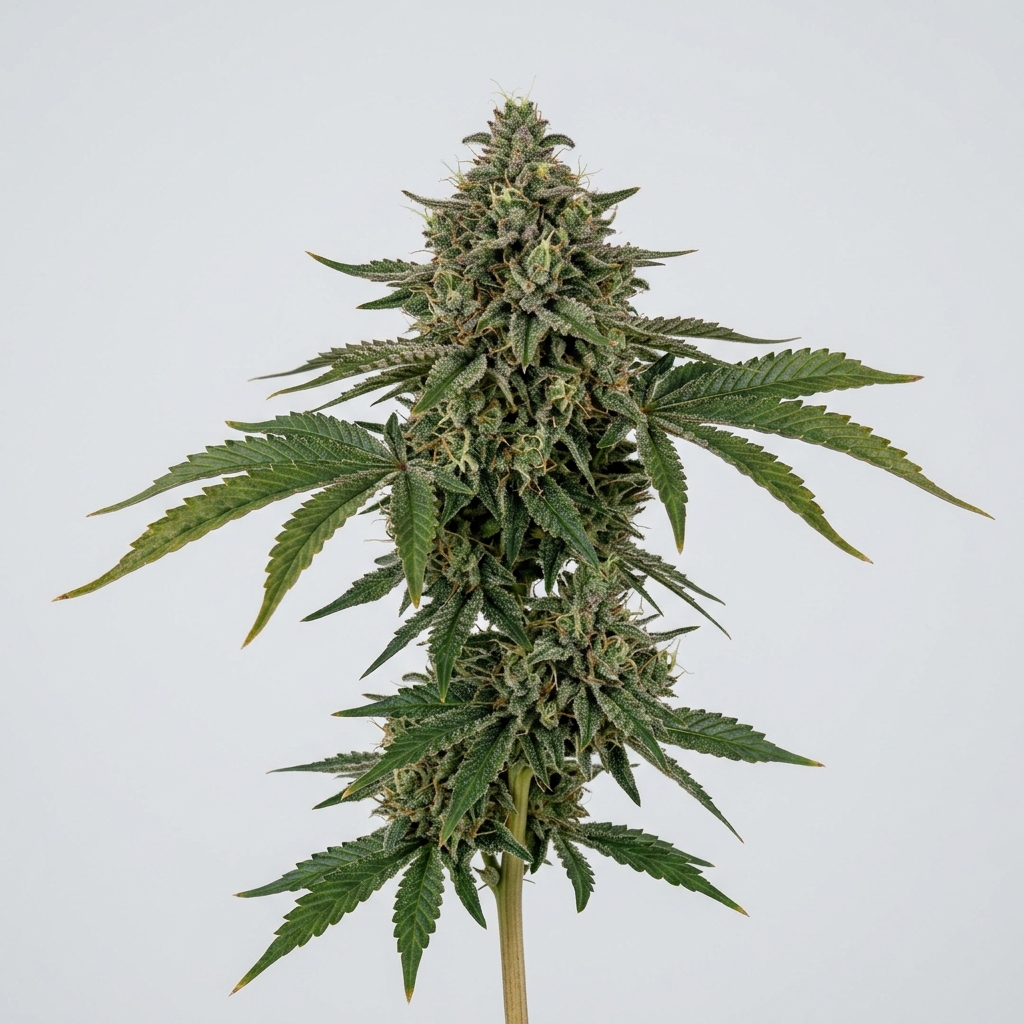
During the flowering cycle, the plant produces oversized, heavy bracts that swell significantly in the final two weeks. The calyx-to-leaf ratio is highly favorable, simplifying the trimming process and preserving the integrity of the resin-rich flowers. The mature buds are typically deep green, often displaying purple highlights under cooler night temperatures.
Chemically, the strain synthesizes a high concentration of sesquiterpenes alongside monoterpenes, resulting in a thick, sticky resin layer. This heavy trichome coverage extends well onto the surrounding sugar leaves, providing excellent starting material for solventless extraction processes.
Effects & Use-Cases (Reported)
Commonly reported effects: Users frequently describe a rapid onset of cerebral ease that gently transitions into a heavy, full-body physical relaxation. The sedative qualities tend to deepen over time, often leading to physical stillness and appetite stimulation.
Use-case context: This cultivar is best suited for late evening or nighttime sessions when physical demands are minimal. Its calming nature makes it a popular choice for winding down after strenuous activity or preparing for sleep.
Note: These observations are based on historical user reports and do not constitute medical advice. Individual responses to cannabinoids and terpenes vary based on personal tolerance and chemistry.
Aroma & Flavors
Aroma: A rich base of sweet vanilla dough and warm pastry, cut by a sharp fuel-like gas and subtle earthy undertones.
Flavor: Smooth and creamy on the inhale with a distinct sugary cake profile, followed by a spicy, gassy exhale with a faint mint finish.
Terpene associations:
Caryophyllene (spicy, diesel), Myrcene (earthy, herbal), and Limonene (citrus, bright lift).
Tested Cannabinoid & Terpene Ranges
| Compound | Typical Range* | Notes |
|---|---|---|
| Δ¹¹-THC | 19–23% | High potency; primary driver of physical effects. |
| Caryophyllene | 0.5–0.8% | Dominant terpene; adds spicy, gassy notes. |
| Myrcene | 0.4–0.7% | Contributes to the heavy, relaxing physical profile. |
| Limonene | 0.2–0.4% | Provides a subtle citrus lift to the aroma. |
| Linalool | 0.1–0.3% | Enhances the floral, sweet dessert undertones. |
*Ranges are literature-informed estimates and can vary based on phenotype, cultivation environment, and analytical testing methods.
Cultivation Notes
- Humidity Control: Maintain relative humidity below 45% during late flower to protect the exceptionally dense buds from moisture retention.
- Nutrient Management: This cultivar responds well to a moderate feeding schedule, showing a high demand for phosphorus and potassium during mid-to-late bloom.
- Canopy Training: Utilize low-stress training (LST) and topping early in veg to promote an even canopy and maximize light penetration to lower bud sites.
- Harvest Window: Monitor trichome maturity closely; harvest when the resin heads transition from milky to roughly 15-20% amber for optimal physical depth.
- Phenotype Variation: Watch for occasional purple-hued phenotypes, which often express a slightly sweeter, berry-forward profile alongside the dominant gas.
Grower Notes (Week-by-Week Snapshot)
- Weeks 1–3 (Early Vegetative & Stretch): Focus on establishing a strong root system and building a sturdy frame. The stretch is moderate and easily controlled, but early topping is recommended to encourage lateral branching.
- Weeks 4–6 (Mid-Flower): Bud sites begin to cluster rapidly, and the first signs of wet frost appear on the sugar leaves. Increase airflow and keep a close eye on canopy density, defoliating lower fan leaves as needed.
- Weeks 7–9 (Late Flower & Ripening): The colas swell significantly, and the aroma intensifies into a heavy, sweet gas. Reduce humidity, flush with pure water in the final week, and monitor trichomes for harvest readiness.
- Post-Harvest (Dry & Cure): Hang-dry the whole plant at 60°F and 60% relative humidity for 10 to 14 days. A slow cure in airtight vessels for at least three weeks is essential to fully develop the complex vanilla-dough flavor.
Genetic Lineage
The heritage of DNA Cake is a deliberate combination of two highly regarded dessert-family cultivars. Its maternal parent, Gelato Sorbet, contributes a refined sweet fruit and creamy profile, alongside a reliable growth structure. This is balanced by the paternal influence of Lava Cake, a celebrated cross of Grape Pie and Thin Mint GSC, which infuses the lineage with its signature doughy richness, deep purple coloration, and heavy resin density.
By merging these genetic lines, breeders successfully stabilized a phenotype that retains the best physical attributes of the Cookies family while improving overall resin yield. The resulting hybrid exhibits a highly predictable growth pattern, making it a reliable choice for both commercial facilities and boutique home growers.
Research Insights
Analytical testing of DNA Cake highlights a terpene profile dominated by caryophyllene and myrcene, a combination frequently studied for its potential to facilitate physical relaxation. The presence of these compounds, alongside a robust cannabinoid profile, suggests a combined effect that enhances the cultivar's sedative qualities. This chemical relationship is of interest to researchers studying the physical properties of indica-dominant hybrids.
Furthermore, the high concentration of trichomes on the floral bracts makes this strain a valuable subject for extraction efficiency studies. The physical durability of the resin heads allows for clean separation during solventless washing, demonstrating how specific breeding selections directly impact commercial concentrate production.
Frequently Asked Questions
Is DNA Cake an indica or sativa?
DNA Cake is an indica-dominant hybrid, typically classified as roughly 80% indica and 20% sativa. Its physical growth habits and deeply relaxing effects strongly reflect its indica lineage.
What does DNA Cake smell like?
This cultivar features a complex aroma of sweet vanilla cake batter and creamy frosting, balanced by a sharp, gassy diesel undertone and subtle hints of earth and spice.
How long does DNA Cake take to flower?
DNA Cake has an indoor flowering time of 8 to 9 weeks (approximately 56 to 63 days). Outdoor growers can expect to harvest in early to mid-October.
Is DNA Cake suitable for beginner growers?
DNA Cake is generally considered an intermediate strain to grow. While it is naturally robust, its dense bud structure requires careful humidity management and regular canopy defoliation to prevent mold.
Educational Disclaimer
This guide is intended strictly for educational, scientific, and botanical reference purposes. Cultivation of cannabis is subject to varying legal regulations, and readers should consult local laws before germinating or cultivating any cannabis genetics.
Rate and review this strain
Ratings and reviews are accepted only from signed-in Google accounts.
Sign in with Google to leave a rating and written review.
Latest Reviews
0 reviewsNo reviews yet. Be the first Google user to rate and review this strain.