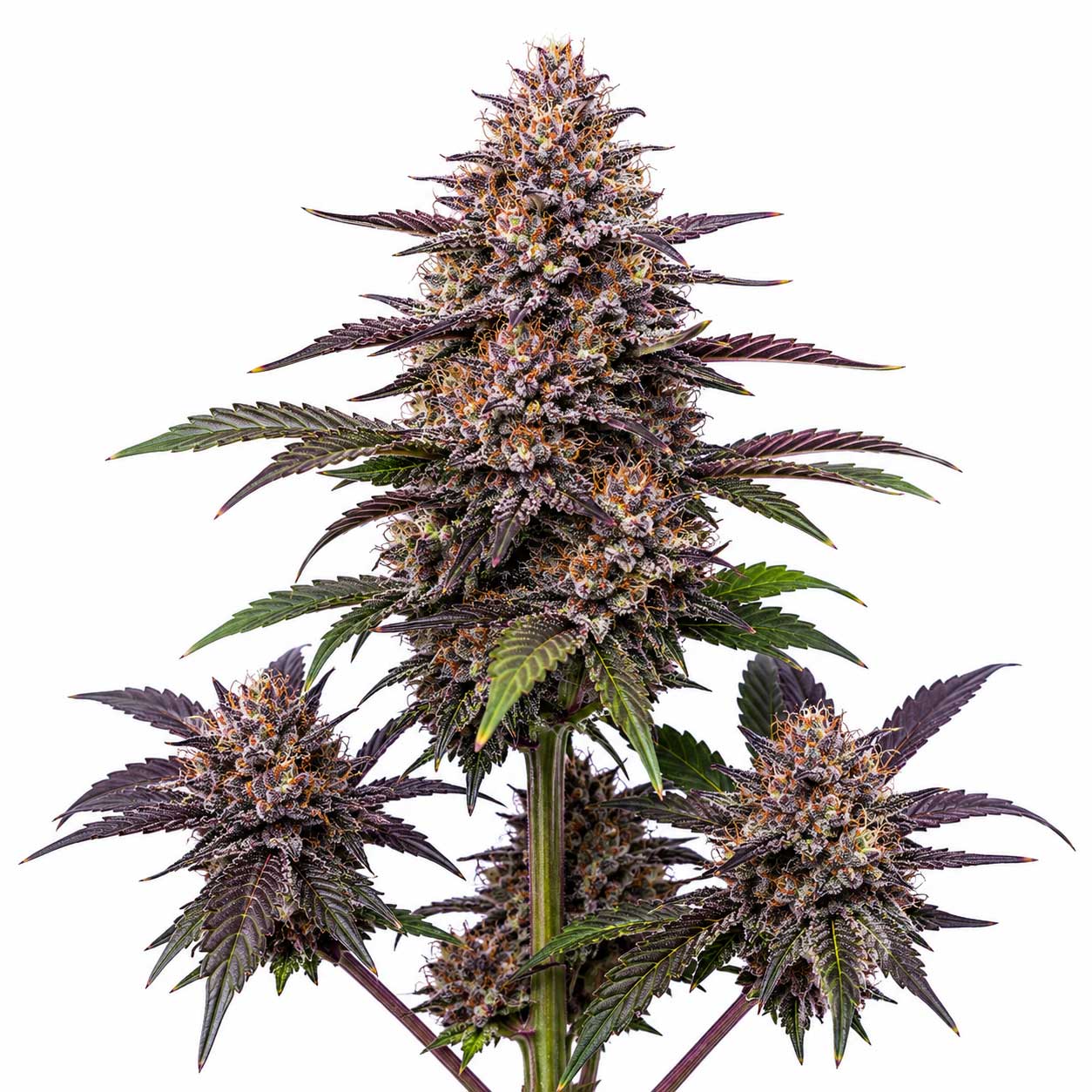
Tropicana Cherry (Cannabis Strain)
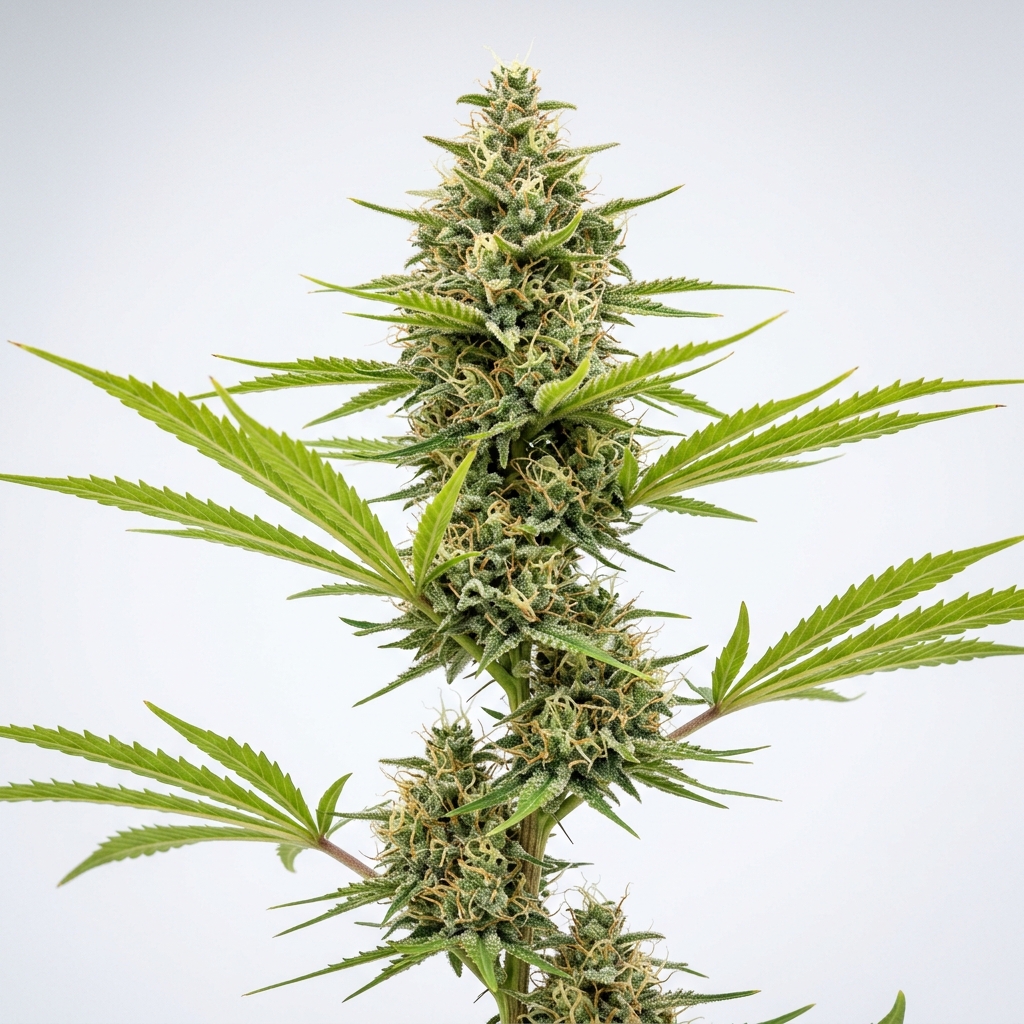
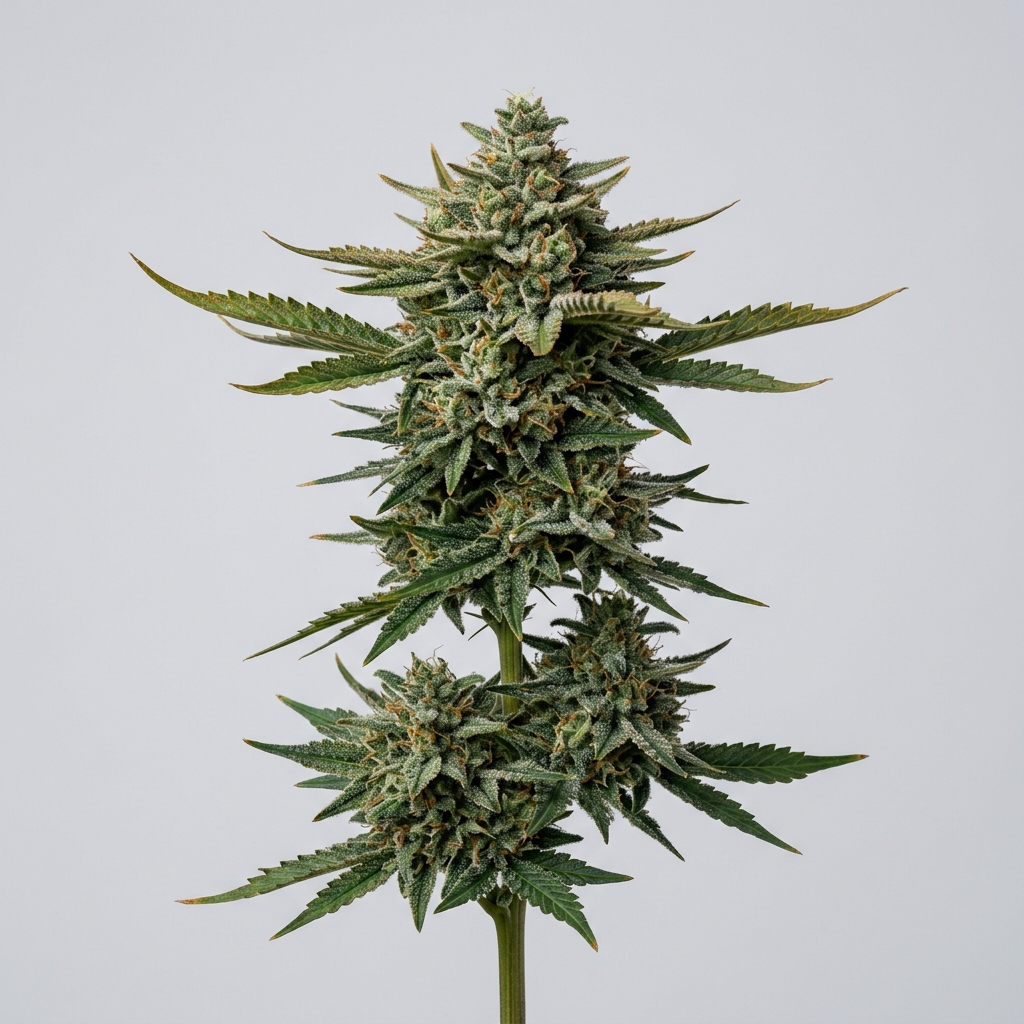
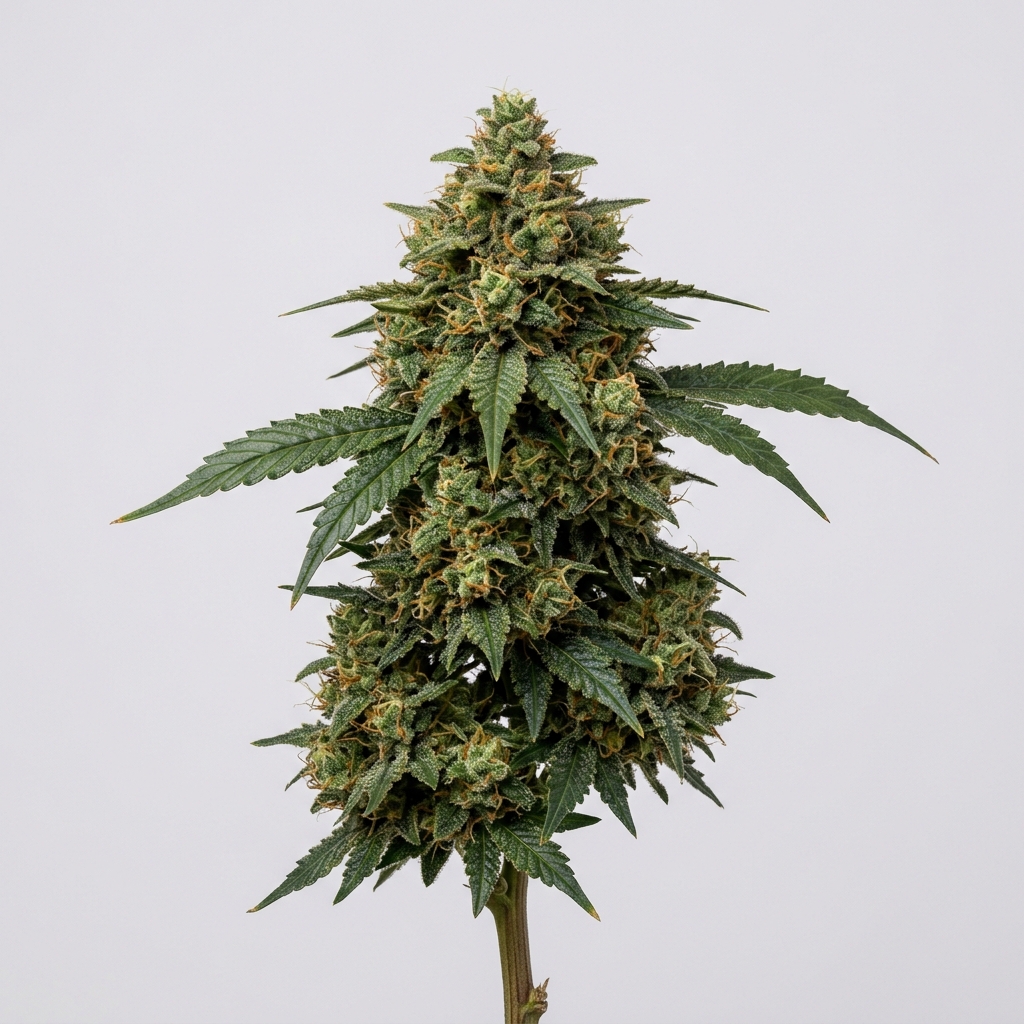
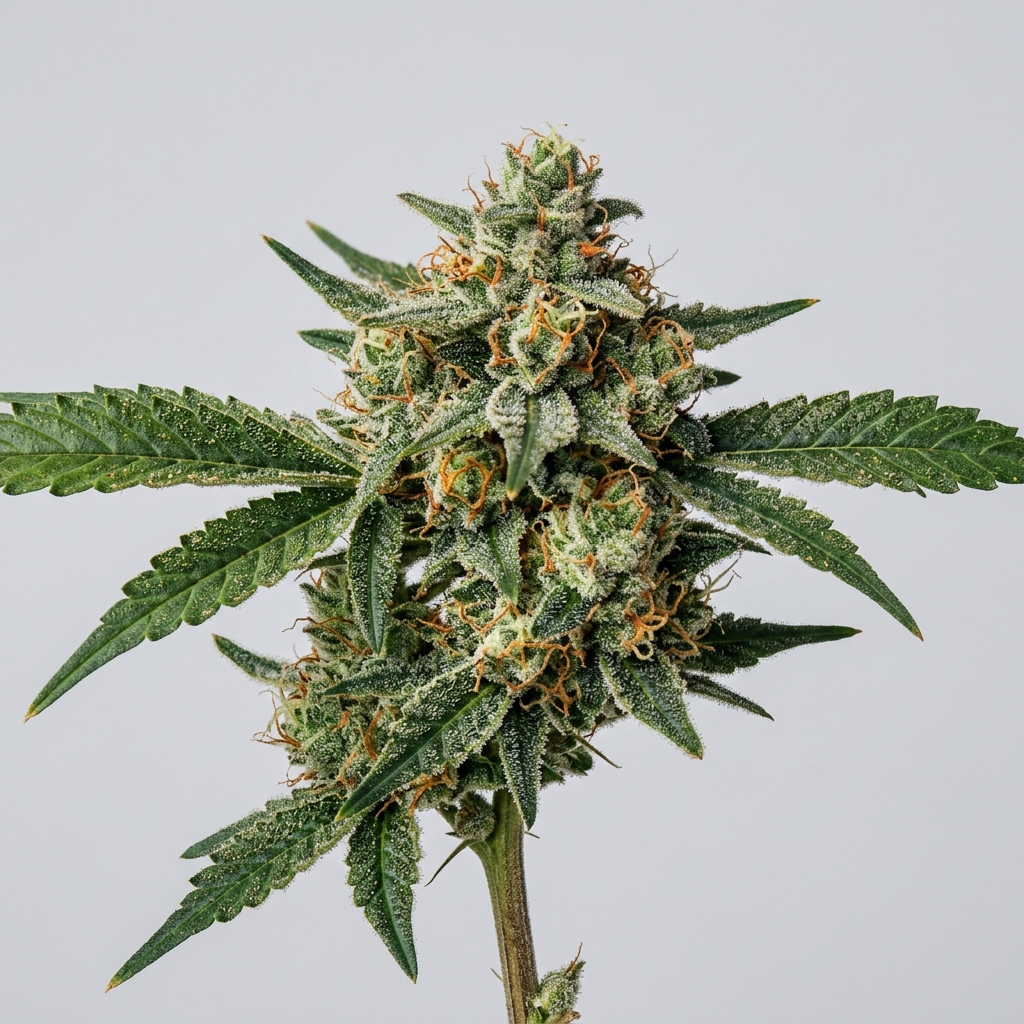
Tropicana Cherry is an eye-catching sativa-dominant hybrid cultivar bred by Relentless Genetics by crossing Tropicana Cookies with Cherry Cookies (F3). Typically testing between 18% and 24% THC, this strain is celebrated for its striking deep purple coloration, wet frost resin production, and a sharp citrus lift paired with a sweet dark berry edge. It has quickly become a favorite among extractors and flower connoisseurs alike due to its intense terpene clarity and reliable functional appeal.
The cultivar exhibits a vigorous growth habit, showing a controlled stretch during the transition to flower. Cultivators prize the plant for its dense bracts and heavy concentration of glandular trichomes, which yield well in solventless extraction setups. Its uplifting, daytime-oriented effects make it highly suitable for productive tasks and creative sessions.
Quick Facts
| Attribute | Details |
|---|---|
| Genetics | Tropicana Cookies × Cherry Cookies (F3) |
| Variety | Sativa-dominant hybrid (~60% Sativa / 40% Indica) |
| THC Range | 18%–24% |
| Flowering Time | 8–10 weeks |
| Yield Potential | High |
| Plant Height | Moderate to Tall |
| Climate Preference | Temperate, low late-flower humidity |
| Difficulty | Intermediate |
Scientific & Botanical Overview
Tropicana Cherry is characterized by its striking morphological traits, most notably the intense purple coloration of its foliage and flowers. This deep pigmentation is driven by high concentrations of anthocyanins, which become more pronounced when night temperatures drop during the final weeks of the flowering cycle. The plant structure features strong lateral branching and tight internodes, though it requires support as the heavy spear colas mature.
The cultivar is a prolific producer of resin-rich flowers, with dense, swollen calyxes that are heavily coated in glassy, capitate-stalked trichomes. This high trichome density makes it highly sought after for solventless extraction, as the resin separates cleanly during the washing process. The cuticle of the trichome heads is relatively durable, preserving volatile terpenes during harvest and handling.
Under microscopic evaluation, the resin glands show a high concentration of monoterpenes, which contribute to the strain’s wet, greasy feel. The plant requires attentive canopy management to ensure adequate airflow through its dense bracts, particularly during the late-flower stage when humidity must be strictly controlled to prevent microclimate issues.
Effects & Use-Cases (Reported)
Commonly reported effects: Users describe an immediate, clear-headed cerebral lift that promotes mental clarity, motivation, and a sustained sense of euphoria. The physical sensation is light and energizing, avoiding the heavy physical sedation common in indica-dominant hybrids.
Use-case context: This daytime sensory hybrid is well-suited for creative projects, social gatherings, and tasks requiring focused productivity. It is often selected by those looking to manage daytime fatigue or stress while maintaining functional energy.
Note: Individual experiences may vary based on personal tolerance, dosage, and unique endocannabinoid chemistry.
Aroma & Flavors
Aroma: A sharp, pungent burst of zesty tangerine and sour cherry, underlined by a subtle earthy spice and a faint hint of sweet dough.
Flavor: A rich blend of sweet cherry candy and tangy orange on the inhale, followed by a clean, slightly peppery finish with a touch of dark berry.
Terpene associations: Limonene, Caryophyllene, Myrcene, Linalool.
Tested Cannabinoid & Terpene Ranges
| Compound | Typical Range* | Notes |
|---|---|---|
| Δ9-THC | 18%–24% | Provides a potent, clear-headed daytime experience. |
| Limonene | 0.8%–1.2% | Drives the bright citrus lift and uplifting mood effects. |
| Caryophyllene | 0.5%–0.8% | Adds a warm, peppery depth and physical soothing. |
| Myrcene | 0.4%–0.6% | Contributes an earthy, herbal base to the sweet profile. |
| Linalool | 0.1%–0.3% | Introduces a subtle floral softness to the exhale. |
*Ranges are literature-informed references and may vary based on phenotype, cultivation environment, and analytical testing methods.
Cultivation Notes
- Humidity management: Keep relative humidity below 45% during the final weeks of flowering to protect the dense, heavy colas from moisture retention.
- Nutrient requirements: Responds well to a steady feeding schedule; monitor calcium and magnesium levels closely under high-intensity LED setups.
- Canopy training: Topping and Low-Stress Training (LST) are highly effective for managing the early flowering stretch and creating an even canopy.
- Harvest indicators: Look for trichomes to transition to mostly milky white with a small percentage of amber to capture the peak cerebral profile.
- Phenotype variation: Some selections exhibit a deeper purple hue early in flower, while others require cooler night temperatures to trigger anthocyanin production.
Grower Notes (Week-by-Week Snapshot)
- Weeks 1–3 (Transition & Stretch): Expect a moderate to tall vertical stretch. Implement early trellis support and light defoliation to encourage light penetration to lower nodes.
- Weeks 4–6 (Mid-Flower): Flowers will begin to stack rapidly, showing early signs of purple coloration on the bracts. Maintain consistent airflow and monitor nutrient uptake.
- Weeks 7–9 (Late-Flower & Ripening): Lower night temperatures by 5–10°F if possible to maximize the purple expression. Keep humidity low and watch for trichome cloudiness.
- Post-Harvest (Cure): A slow 10-to-14-day dry at 60°F and 60% humidity is essential to preserve the delicate cherry and citrus terpenes before a minimum three-week cure.
Genetic Lineage
The genetic background of Tropicana Cherry is rooted in two highly celebrated modern parents. Its maternal parent, Tropicana Cookies, is famous for its sharp, orange-juice aroma and deep purple coloration, which it passes down reliably. This lineage introduces a strong sativa influence and a vibrant terpene profile dominated by citrus notes.
The paternal contributor, Cherry Cookies (F3), refines the hybrid by adding a sweet, doughy cherry undertone and reinforcing the bud structure. This cross results in a more compact flower density and a complex flavor profile that balances the sharp citrus of Tangie with the sweet pastry notes of the Cookie family.
Research Insights
Analytical testing of Tropicana Cherry highlights a rich concentration of monoterpenes, particularly limonene and caryophyllene. The co-presence of these compounds is often studied for their role in modulating the cognitive effects of THC, potentially explaining the clear-headed, non-sedating focus reported by consumers. The presence of linalool, even in minor amounts, adds a calming floral layer that softens the high-energy citrus lift.
From a breeding perspective, this cultivar demonstrates the successful stabilization of anthocyanin production alongside high resin yields. It serves as an important reference point for breeders aiming to combine visually striking purple phenotypes with the greasy, high-yielding trichome structures required for modern concentrate production.
Frequently Asked Questions
Is Tropicana Cherry indica or sativa?
Tropicana Cherry is a sativa-dominant hybrid, typically classified as roughly 60% sativa and 40% indica, offering energetic, clear-headed daytime effects.
Who bred Tropicana Cherry?
This cultivar was bred by Relentless Genetics, created by crossing Tropicana Cookies with Cherry Cookies (F3).
What does Tropicana Cherry smell like?
It features a sharp, pungent aroma of zesty tangerine and sour cherry, balanced by a subtle earthy spice and sweet dough.
How long does Tropicana Cherry take to flower?
The flowering time for Tropicana Cherry is typically between 8 and 10 weeks, depending on the specific phenotype and growing conditions.
Educational Disclaimer
This content is for educational and botanical reference purposes only. It is not intended to provide medical advice or promote the illegal cultivation or consumption of cannabis.
Rate and review this strain
Ratings and reviews are accepted only from signed-in Google accounts.
Sign in with Google to leave a rating and written review.
Latest Reviews
0 reviewsNo reviews yet. Be the first Google user to rate and review this strain.