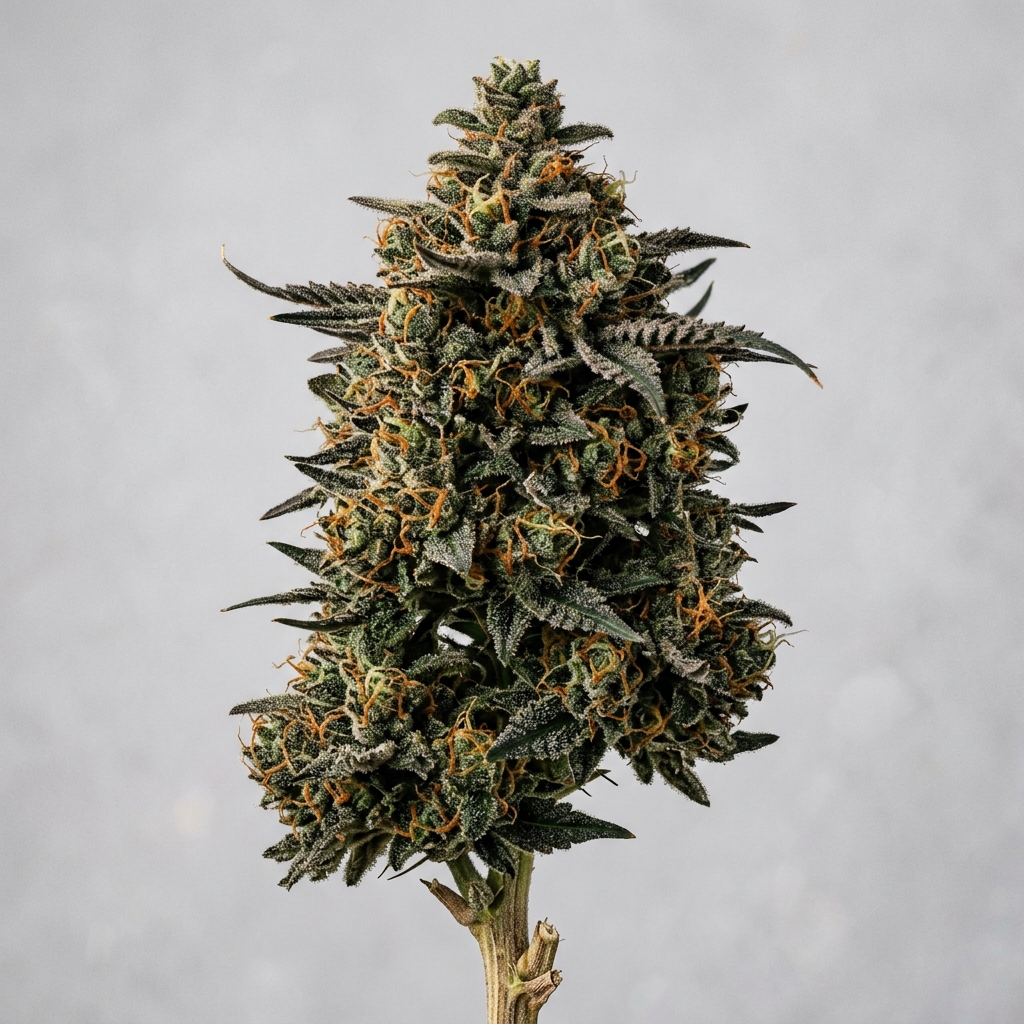
Black Tuna (Cannabis Strain)
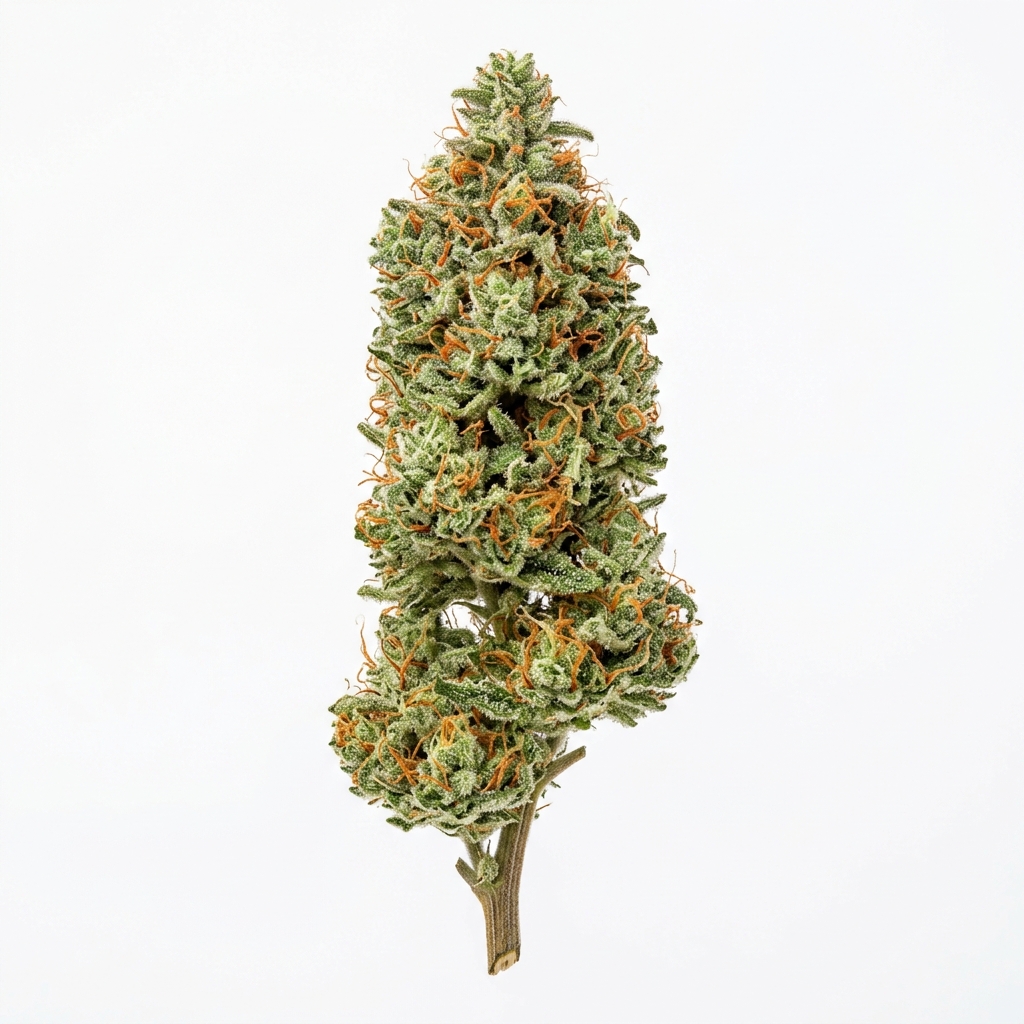
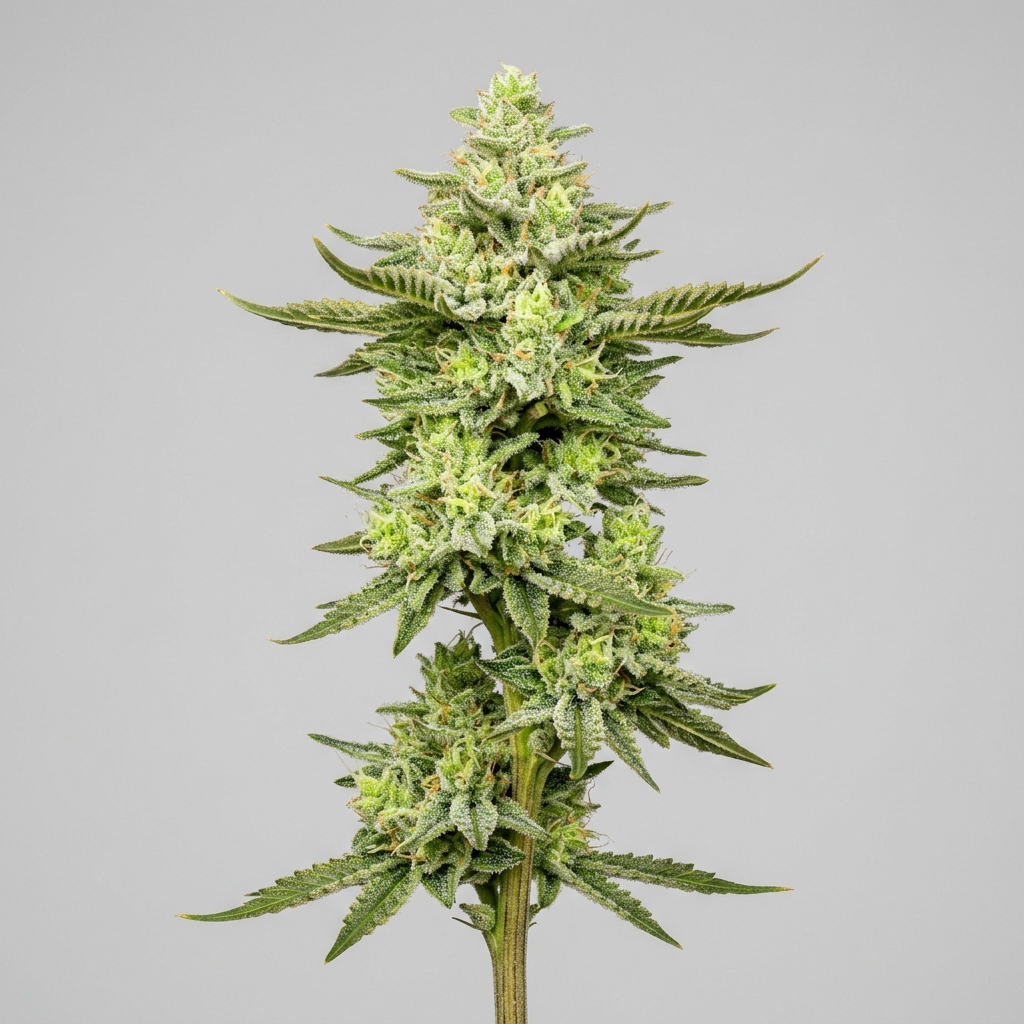
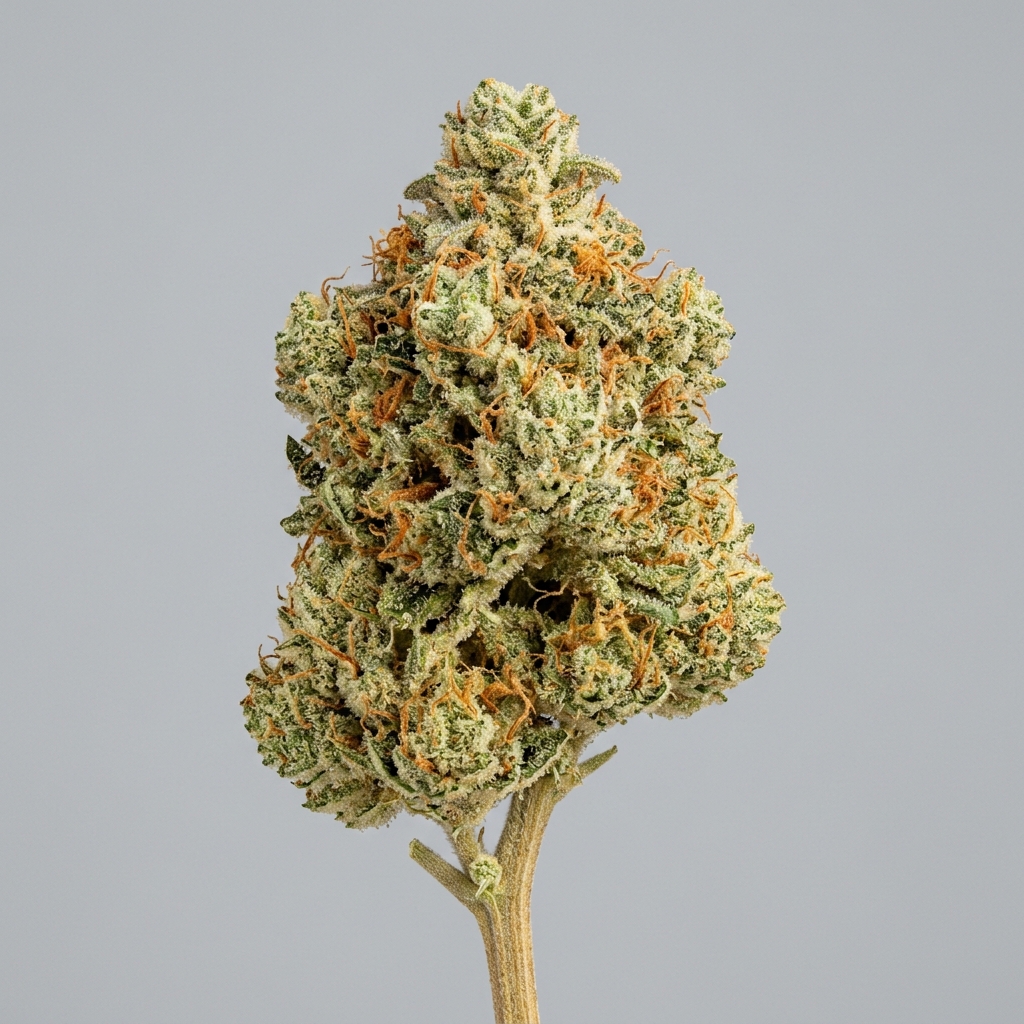
Black Tuna is an indica-dominant evening hybrid, typically testing between 19% and 23% THC, created by crossing the heavy-hitting Herijuana with a select Lamb’s Bread phenotype. Originating from British Columbia, this cultivar is renowned for its dense, resin-encrusted spear colas, a pungent profile of damp earth, sharp fuel, and spicy pine, and its classic association with sealed metal cans for transport. The plant shows a compact, sturdy structure with tight internodal spacing and broad, dark green fan leaves, producing a heavy physical stone suited for seasoned consumers.
Known for its reliable resin coverage and robust pest resistance, it demands careful environmental control during late flower to protect its thick, moisture-sensitive buds. It remains a staple among old-school growers who value raw potency, fuel-forward terpene clarity, and reliable physical sedation over modern candy trends.
Quick Facts
| Fact | Details |
|---|---|
| Genetics | Herijuana × Lamb’s Bread |
| Variety | Indica-dominant Hybrid |
| THC Range | 19% – 23% |
| Flowering Time | 8 – 9 Weeks |
| Yield Potential | Moderate to High |
| Plant Height | Medium (3 – 4 feet indoors) |
| Climate Preference | Temperate, low late-flower humidity |
| Difficulty | Moderate |
Scientific & Botanical Overview
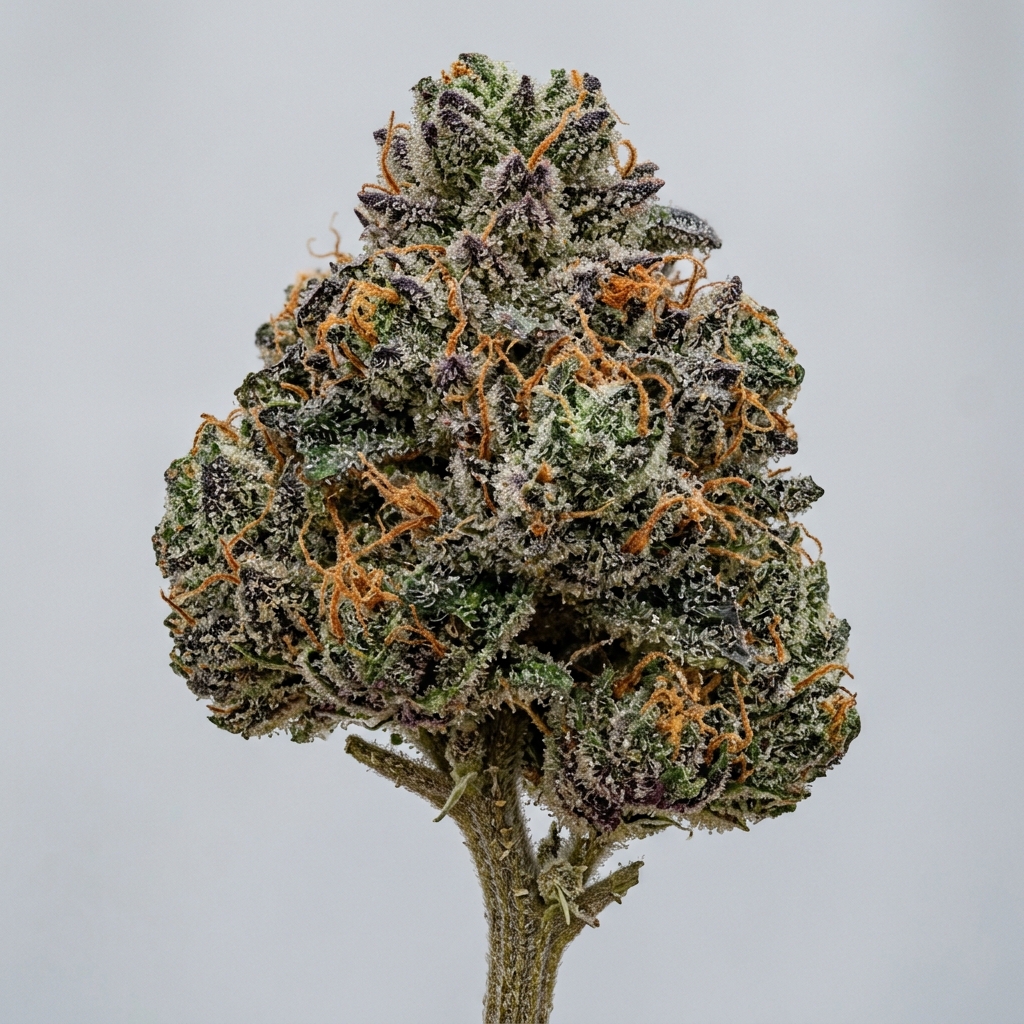
Black Tuna displays classic indica morphology, characterized by a squat, bushy frame, thick woody stems, and dense lateral branching. The foliage is dark green, often developing deep forest hues or subtle purple margins when exposed to cooler night temperatures during the final weeks of bloom.
Its bud structure consists of tightly packed, swollen calyxes forming heavy, spear-shaped colas coated in a thick layer of greasy resin. The internodal spacing is compact, requiring targeted leaf stripping to ensure adequate light penetration and airflow through the lower canopy.
Trichome development is dense and uniform, covering not only the flowers but also the surrounding sugar leaves. This high concentration of capitate-stalked resin glands contributes to the strain’s sticky texture and intense, volatile aromatic output.
Effects & Use-Cases (Reported)
Commonly reported effects include profound physical relaxation, a heavy body stone, and a calming cerebral haze that eases mental tension. Users frequently describe a rapid onset of physical warmth that spreads from the core to the limbs, often leading to deep sedation and couch-lock.
Use-case context typically centers on late-evening or nighttime consumption, making it a preferred choice for winding down after demanding physical labor. The heavy physical footprint makes it less suitable for daytime activities or tasks requiring high focus and mobility.
Note: Individual experiences may vary, and high-THC cultivars like Black Tuna can induce mild anxiety or dry mouth if consumed in excess.
Aroma & Flavors
Aroma: Deeply earthy with a sharp, chemical fuel kick, accompanied by notes of damp forest floor, spicy pine, and a lingering skunky undertone.
Flavor: A robust, savory smoke dominated by a rich herbal kush base, transitioning to a sharp diesel finish with a subtle woody spice on the exhale.
Terpene associations:
beta-Caryophyllene, Myrcene, and Limonene drive the pungent, fuel-forward and earthy profile.
Tested Cannabinoid & Terpene Ranges
| Compound | Typical Range |
|---|---|
| Δ9-THC | 19.0% – 23.0% |
| CBD | < 1.0% |
| beta-Caryophyllene | 0.4% – 0.8% |
| Myrcene | 0.3% – 0.6% |
| Limonene | 0.2% – 0.5% |
| Humulene | 0.1% – 0.3% |
Note: Analytical values are phenotype-dependent and highly influenced by specific cultivation, curing, and testing methodologies.
Cultivation Notes
- Keep late-flower relative humidity (RH) below 45% to prevent mold and bud rot within the dense, compact colas.
- Apply moderate to heavy nutrients, particularly during the mid-bloom stretch, as the plant responds well to a robust feeding schedule.
- use low-stress training (LST) and selective defoliation to improve light penetration and airflow through the thick canopy.
- Support heavy lateral branches with stakes or trellis netting to prevent snapping under the weight of the maturing colas.
- Maintain a slow, controlled 10-to-14-day dry at 60°F and 60% RH to preserve the volatile fuel and pine terpenes.
Grower Notes (Week-by-Week Snapshot)
- Weeks 1–3 (Transition & Stretch): Plants exhibit a moderate stretch, typically doubling in size; focus on tucking fan leaves and establishing a flat canopy using trellis nets.
- Weeks 4–6 (Bud Development & Resin): Flowers begin to stack rapidly, forming dense clusters; resin production begins early, accompanied by a sharp, pungent fuel aroma.
- Weeks 7–9 (Ripening & Flush): Calyxes swell significantly, and pistils turn deep orange; reduce humidity, lower night temperatures to encourage potential dark coloration, and perform a thorough water flush.
- Post-Harvest (Cure): A minimum of a three-week jar cure is recommended to fully unlock the complex, savory herbal and diesel notes.
Genetic Lineage
Black Tuna was originally bred in Canada by 5 Star Organic, designed to deliver a heavy-hitting, therapeutic profile. Its lineage pairs Herijuana, a highly sedative indica known for its intense physical stone and spicy aroma, with a selected phenotype of Lamb’s Bread (or Lamb’s Breath), a legendary Jamaican landrace sativa that introduces subtle uplifting qualities and a distinct herbal complexity.
The resulting hybrid inherits the dense, resinous structure and heavy physical effects of Herijuana, while the Lamb’s Bread lineage contributes to its robust growth vigor and unique spicy undertones. The strain gained legendary status in the legacy market, frequently packaged in sealed tuna cans to contain its exceptionally pungent, fuel-forward aroma.
Research Insights
Analytical testing of Black Tuna consistently highlights a high concentration of the sesquiterpene beta-caryophyllene, which interacts directly with peripheral cannabinoid receptors to support physical relaxation. This is complemented by significant levels of myrcene and limonene, creating a terpene profile that facilitates a rapid physical onset and a heavy, lingering body stone.
From a breeding perspective, the cultivar serves as a valuable genetic resource for imparting dense bud structure, heavy resin production, and pest resistance into modern hybrids. Its ability to retain an old-school, skunky fuel profile makes it a popular choice for extractors looking to produce terpene-rich concentrates with a classic aroma.
Frequently Asked Questions
What is the genetic origin of Black Tuna?
Black Tuna is a cross between the heavy indica Herijuana and the classic Jamaican landrace sativa Lamb’s Bread, originally bred in British Columbia by 5 Star Organic.
Does Black Tuna smell like fish?
No, the strain does not smell like fish; its name originates from the Black Tuna Gang and the legacy practice of distributing the highly pungent, fuel-smelling buds sealed inside metal tuna cans.
What are the primary terpenes in Black Tuna?
The dominant terpenes in Black Tuna are typically beta-caryophyllene, myrcene, and limonene, which combine to produce its signature damp earth, spicy pine, and fuel-forward aroma.
Is Black Tuna difficult to grow?
It is of moderate difficulty; while the plant is robust and pest-resistant, its extremely dense colas require strict humidity control below 45% during late flower to prevent botrytis (bud rot).
Educational Disclaimer
This article is for educational and informational purposes only. Cannabis cultivation and consumption are subject to local laws and regulations. Consult a medical professional before starting any new cannabis regimen.
Rate and review this strain
Ratings and reviews are accepted only from signed-in Google accounts.
Sign in with Google to leave a rating and written review.
Latest Reviews
0 reviewsNo reviews yet. Be the first Google user to rate and review this strain.