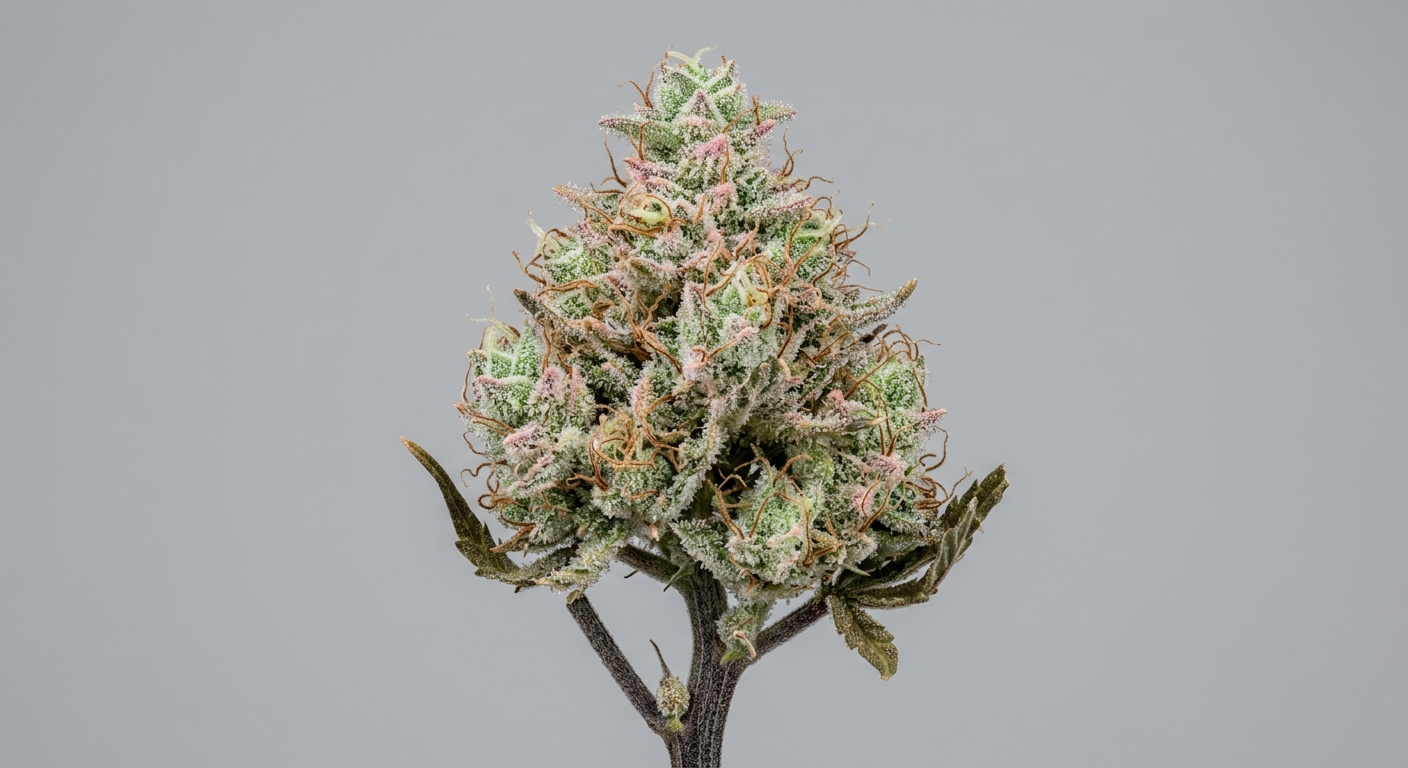
Pink Lemonade (Cannabis Strain)
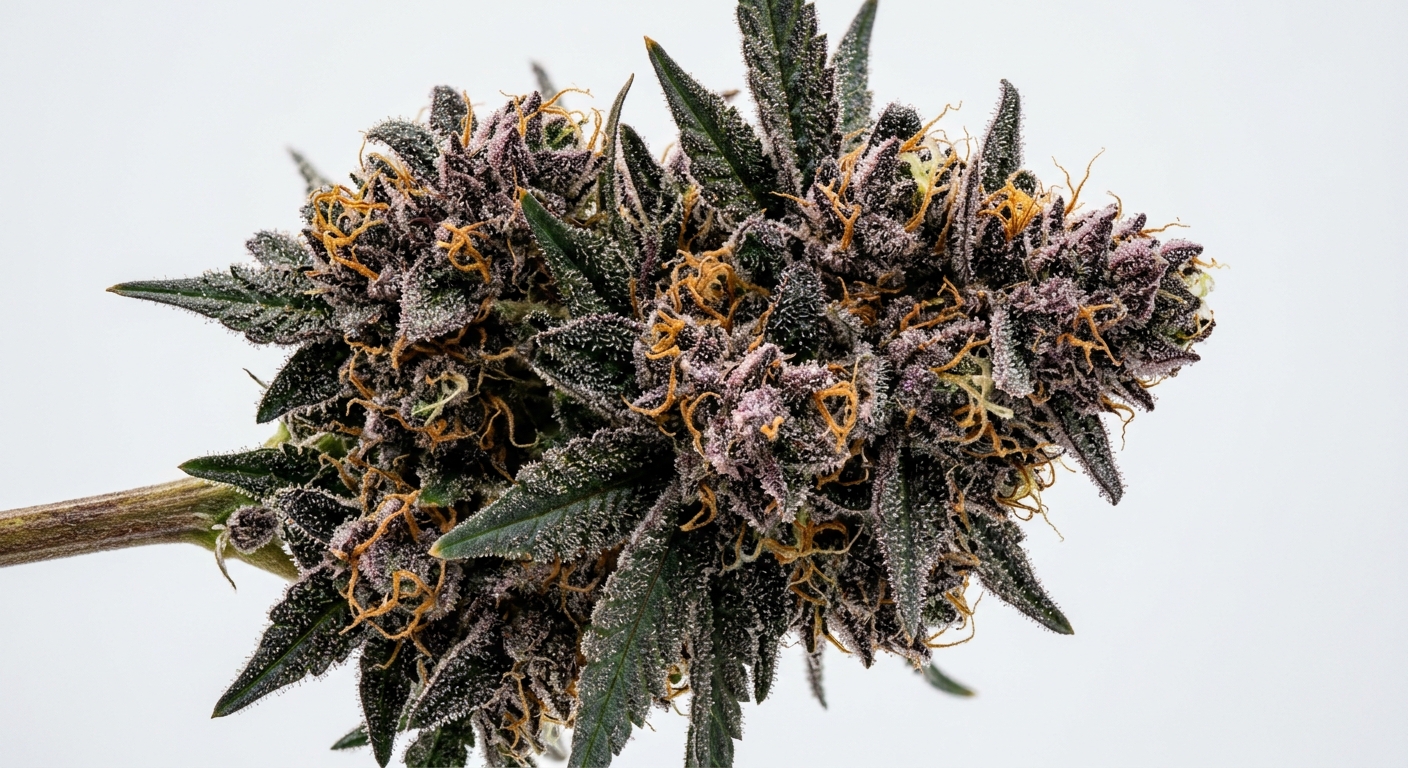
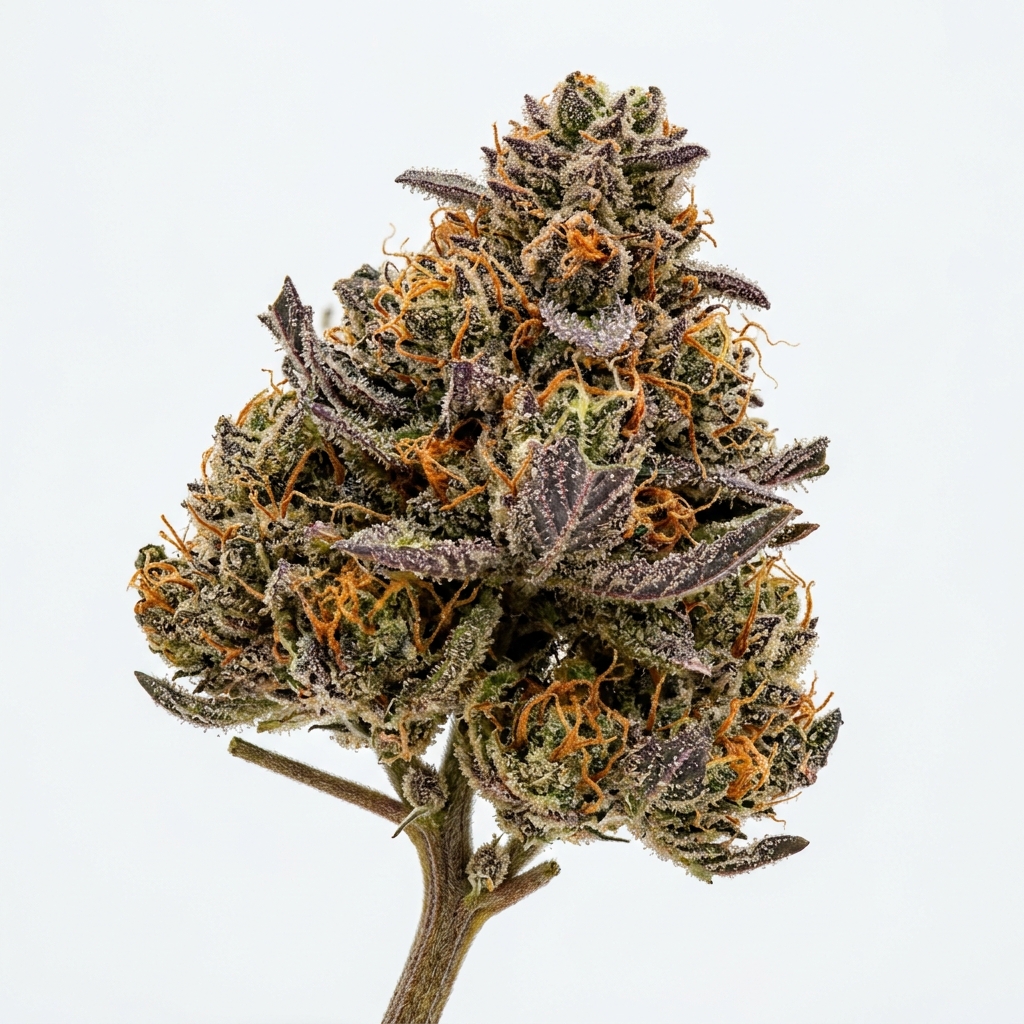
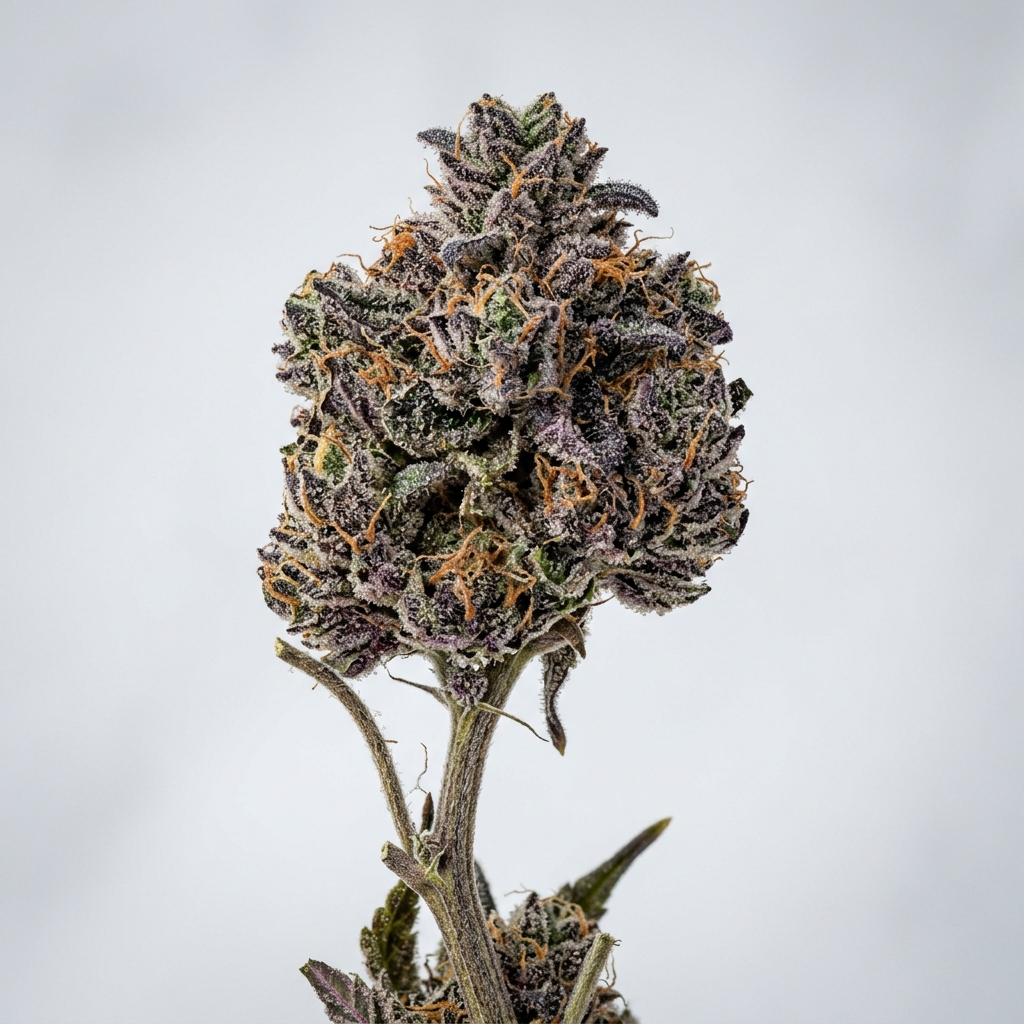
Pink Lemonade is a terpene-forward hybrid cannabis strain, typically testing between 17% and 22% THC, bred by crossing the sharp Lemon Skunk with the deeply coloring Purple Kush. Recognized for its striking visual appeal, this cultivar develops dense, spade-shaped colas that display soft pink and violet hues under cooler late-flower conditions, all coated in a layer of wet frost. The strain is celebrated for its bright, sugary citrus profile balanced by a subtle earthy kush base, making it a favored choice for extraction artists and boutique growers looking for exceptional terpene clarity.
Cultivators appreciate Pink Lemonade for its manageable growth structure, which maintains a controlled stretch during the transition to flower. While it performs well in varied environments, keeping late-flower humidity low is key to preserving its delicate, resin-rich flowers and preventing moisture-related issues in its dense bracts.
Quick Facts
| Trait | Details |
|---|---|
| Genetics | Lemon Skunk × Purple Kush |
| Variety | Hybrid |
| THC Range | 17% – 22% |
| Flowering Time | 8 – 9 Weeks |
| Yield Potential | Moderate to High |
| Plant Height | Medium |
| Climate Preference | Temperate, moderate humidity |
| Difficulty | Moderate |
Scientific & Botanical Overview
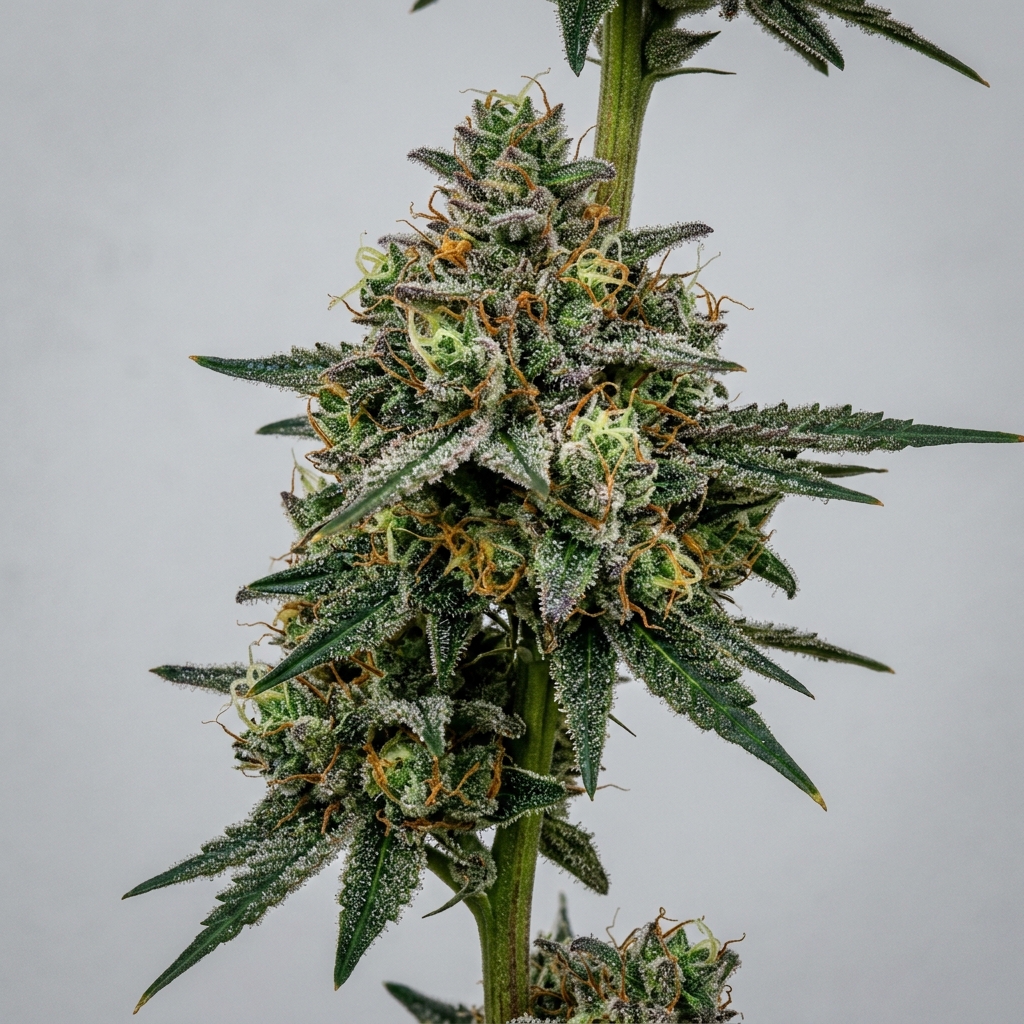
Pink Lemonade shows a classic hybrid morphology, characterized by broad fan leaves during vegetative growth that yield to tighter, more spear-shaped colas as flowering progresses. The nodal spacing remains relatively tight, allowing for efficient light penetration when lower fan leaves are selectively pruned. This structure helps maintain uniform development across the canopy.
The cultivar is notable for its anthocyanin production, the water-soluble pigments responsible for the pink, bronze, and purple shades that emerge in the calyxes toward the end of the flowering cycle. This color expression is highly dependent on night-time temperature drops during the final weeks of bloom. Without this thermal trigger, the buds typically remain a vibrant minty green.
Trichome development is dense and greasy, with capitate-stalked glands covering both the bracts and surrounding sugar leaves. The resin is particularly rich in monoterpenes, which contribute to the strain's highly volatile and sharp aromatic profile. This makes timely harvesting essential to capture the terpenes at their peak clarity.
Effects & Use-Cases (Reported)
Commonly reported effects: A swift, sharp citrus lift that transitions into a calm, physically relaxing sensation without inducing heavy sedation.
Use-case context: Ideal for daytime or early evening consumption, providing a functional clarity that supports creative tasks or social interactions before easing into a grounded, peaceful state.
Note: Due to its rapid initial onset, individuals sensitive to stimulating sativa-leaning hybrids should approach this cultivar with mindful dosing.
Aroma & Flavors
Aroma: Pronounced tart lemon peel and sweet grapefruit, backed by a subtle dark berry edge and a faint hint of herbal kush.
Flavor: Sugary citrus candy on the inhale, leaving a clean, sparkling mint finish and a soft, earthy undertone on the exhale.
Terpene associations: Dominant in myrcene, limonene, and caryophyllene, which collectively shape its bright yet grounded aromatic signature.
Tested Cannabinoid & Terpene Ranges
| Compound | Typical Range |
|---|---|
| Δ9-THC | 17.0% – 22.0% |
| CBG | 0.5% – 1.2% |
| Myrcene | 0.4% – 0.9% |
| Limonene | 0.3% – 0.7% |
| Caryophyllene | 0.2% – 0.5% |
| Linalool | 0.1% – 0.3% |
Note: Cannabinoid and terpene levels are highly variable and depend heavily on environmental factors, cultivation techniques, and specific phenotype selections.
Cultivation Notes
- Humidity Management: Maintain relative humidity (RH) below 45% during the final three weeks of flowering to protect the dense, resin-rich flowers from bud rot.
- Nutrient Regimen: Responds well to moderate feeding; avoid excess nitrogen in early bloom to prevent leafy bud structures.
- Training Techniques: Apply low-stress training (LST) and early topping to promote an even canopy and maximize light exposure to lower spear colas.
- Temperature Control: Introduce a 10–15°F temperature drop during night cycles in late flower to stimulate the expression of deep pink and purple hues.
- Harvest Window: Harvest when trichomes are mostly milky white with about 10% turning amber to preserve the bright, uplifting terpene profile.
Grower Notes (Week-by-Week Snapshot)
- Weeks 1–3 (Transition & Stretch): The plants undergo a moderate stretch, typically doubling in height. Focus on selective defoliation of lower fan leaves to improve airflow through the tight internodes.
- Weeks 4–6 (Flower Development & Resin): Spear colas begin to form, and wet frost starts to coat the developing bracts. Ensure structural support is in place as buds begin to pack on weight.
- Weeks 7–9 (Ripening & Color Expression): Reduce ambient humidity and lower night temperatures to encourage the characteristic pink and violet hues. Watch for swollen calyxes and a strong, tart gas and citrus aroma.
- Post-Harvest (Slow Dry & Cure): Hang-dry the whole plant at 60°F and 60% RH for 11 to 14 days to preserve the delicate monoterpenes, followed by a minimum three-week cure in sealed containers.
Genetic Lineage
Pink Lemonade is most commonly documented as a cross between Lemon Skunk and Purple Kush. Lemon Skunk contributes its sharp, high-energy citrus profile and robust lateral branching, while Purple Kush imparts its physical relaxation, dense bud structure, and deep purple coloration.
Some alternative breeder cuts suggest a lineage involving Pink Kush combined with Lemon Skunk, though the classic Lemon Skunk and Purple Kush pairing remains the most widely recognized pedigree. This combination yields a balanced hybrid that retains the best sensory and structural traits of both parents.
Research Insights
Analytical testing of Pink Lemonade consistently highlights a high concentration of limonene alongside beta-caryophyllene, a combination that researchers associate with an uplifting yet physically soothing experience. This specific terpene synergy helps mitigate the potential anxiety sometimes triggered by pure, high-THC sativa cultivars.
Horticultural studies on anthocyanin-rich hybrids like Pink Lemonade demonstrate that light spectrum adjustments, particularly the inclusion of UV-B light in late flower, can enhance both trichome density and the expression of secondary metabolites, including color pigments and aromatic terpenes.
Frequently Asked Questions
Is Pink Lemonade an indica or a sativa?
Pink Lemonade is a balanced hybrid strain, typically leaning slightly Sativa-dominant. It offers a blend of physical relaxation from its Purple Kush lineage and mental stimulation from its Lemon Skunk parent.
What does Pink Lemonade taste like?
This strain features a sweet, sugary citrus flavor reminiscent of lemon candy on the inhale, followed by a clean, sparkling mint and soft, earthy kush finish on the exhale.
How long does Pink Lemonade take to flower?
Pink Lemonade typically has a flowering time of 8 to 9 weeks when grown indoors, or a late September to early October harvest when grown outdoors in temperate climates.
How does Pink Lemonade get its pink color?
The pink and purple hues are driven by anthocyanin pigments within the plant. These colors become prominent during the final weeks of flowering when the plant is exposed to cooler night-time temperatures.
Educational Disclaimer
This strain profile is for educational purposes only. Cannabinoid and terpene profiles vary by grower, environment, and phenotype. Consult a healthcare professional before using cannabis for therapeutic purposes.
Rate and review this strain
Ratings and reviews are accepted only from signed-in Google accounts.
Sign in with Google to leave a rating and written review.
Latest Reviews
0 reviewsNo reviews yet. Be the first Google user to rate and review this strain.