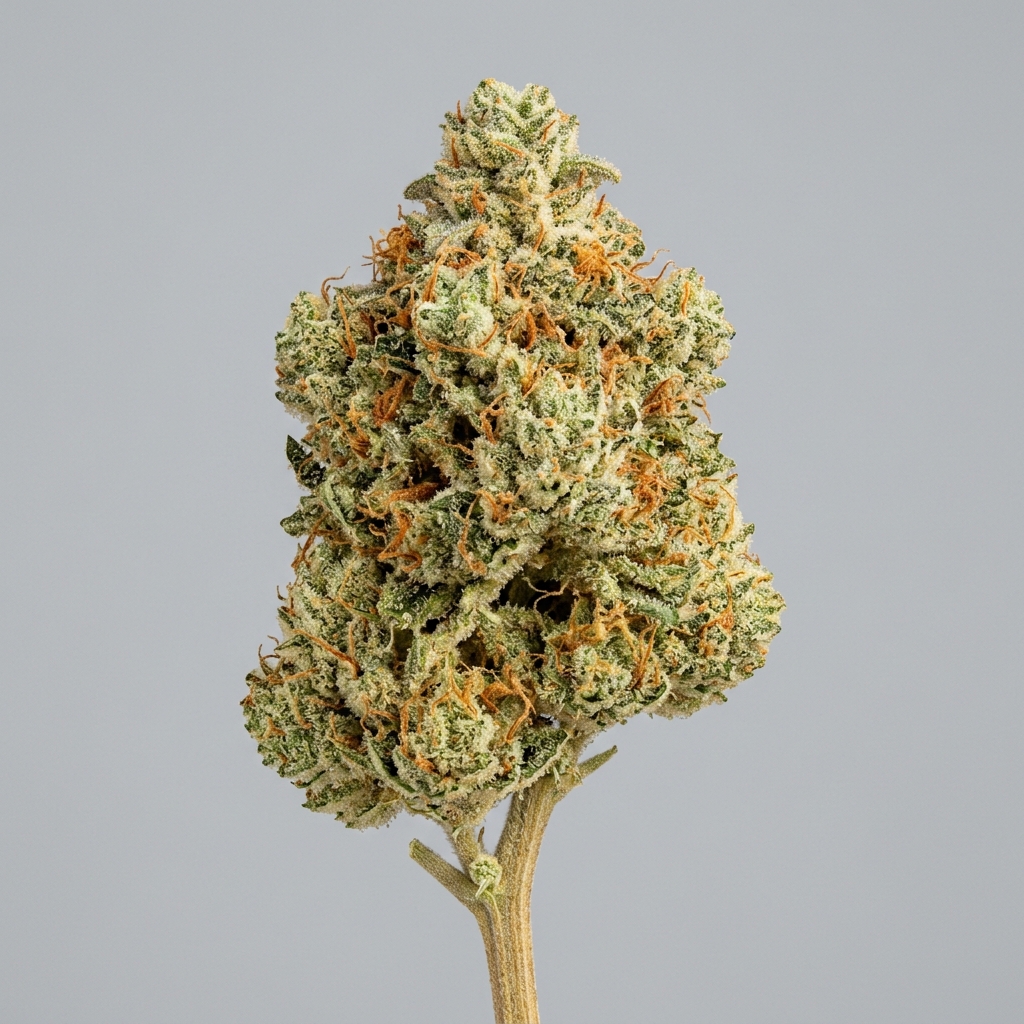
Orange Push Pop (Cannabis Strain)
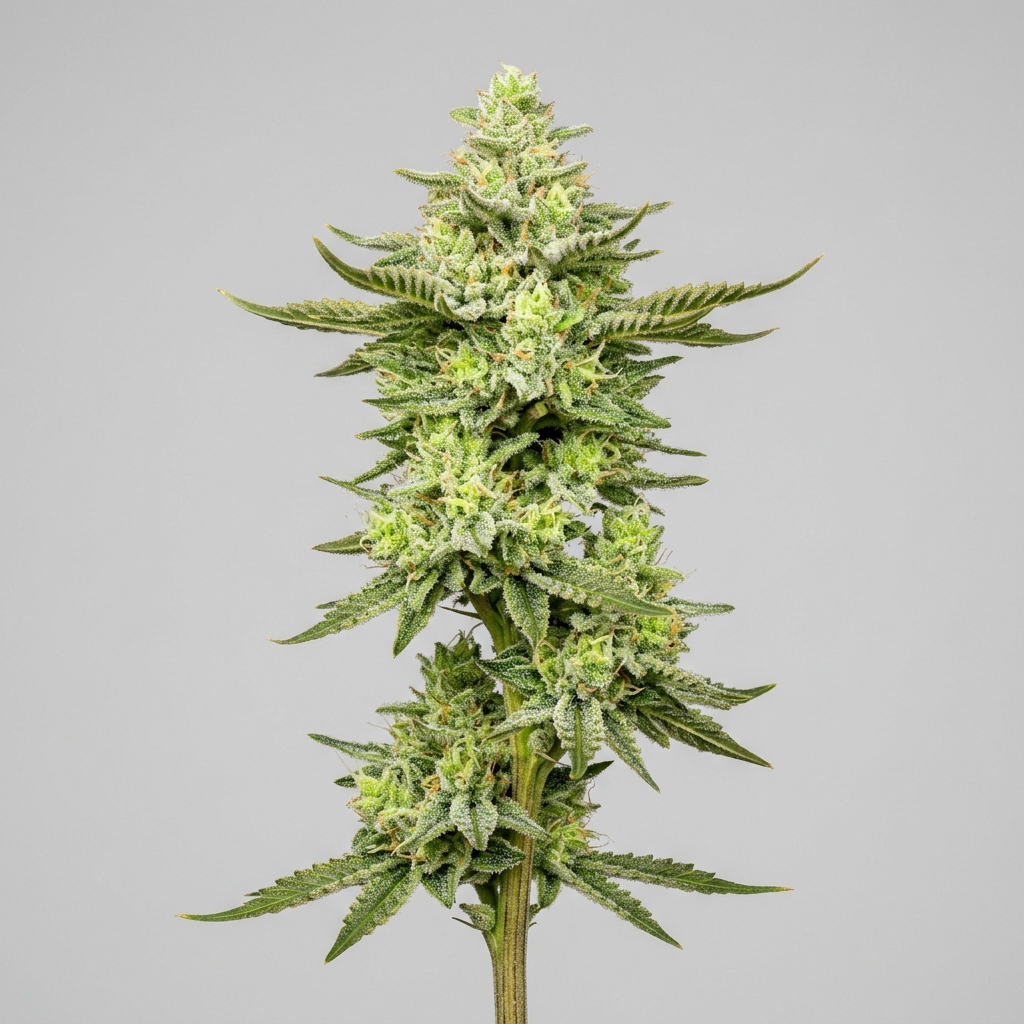
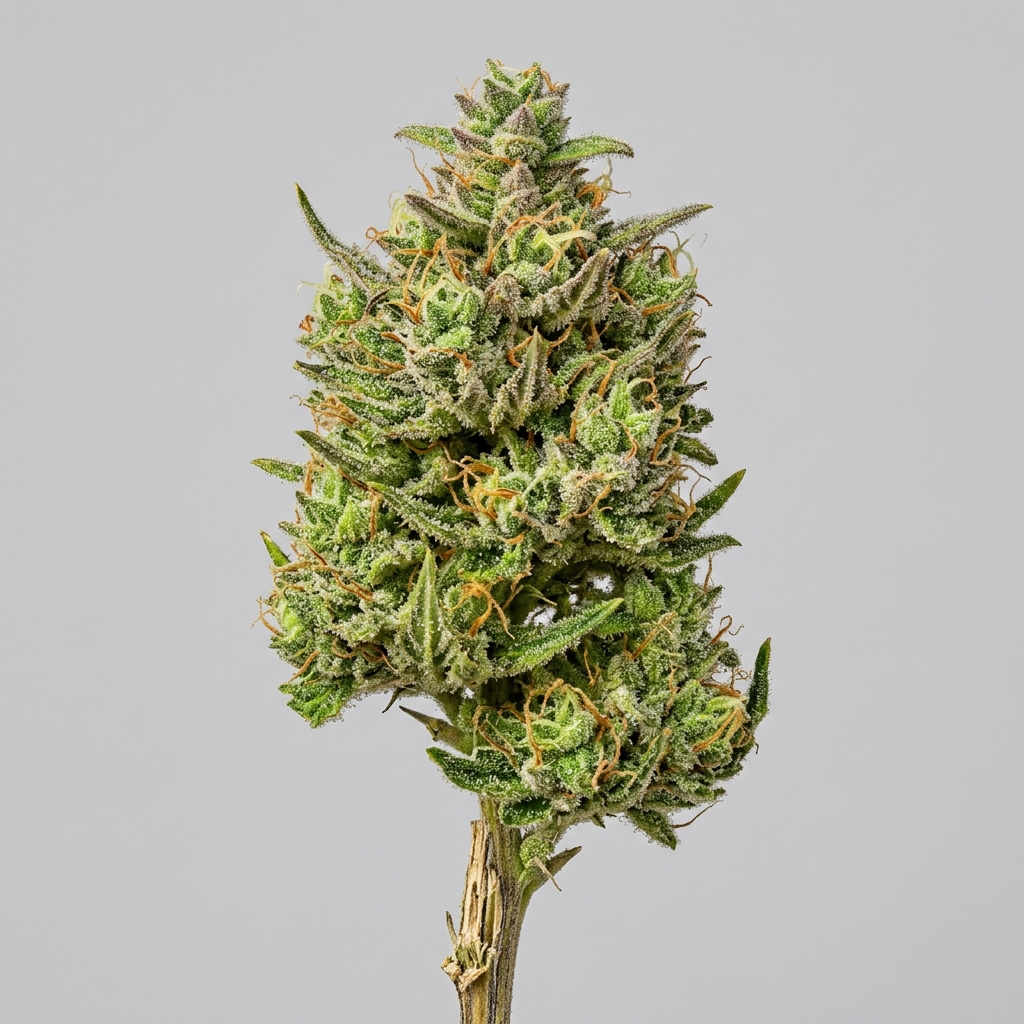
Orange Push Pop is an indica-dominant hybrid typically testing between 20% and 26% THC, bred by crossing Triangle Kush with Orange Tamale. This cultivar is highly regarded for its distinct orange-creamsicle profile, blending sweet citrus with a smooth, doughy creaminess and a subtle earthy gas finish. The plants display a steady, controlled stretch in early flower, producing dense, spade-shaped colas covered in a thick layer of greasy resin. Cultivators favor this strain for its reliable structure, moderate feeding requirements, and high-quality extraction potential.
While its terpene profile leans heavily toward dessert-like sweetness, its physical effects offer a functional physical relaxation paired with a clear-headed, uplifting mental state. The lineage combines the classic gassy structure of Florida’s Triangle Kush with the sharp, citrus-forward traits of Orange Tamale. This combination results in a balanced, modern exotic hybrid that performs well in both commercial indoor facilities and boutique greenhouse environments.
Quick Facts
| Metric | Details |
|---|---|
| Genetics | Triangle Kush × Orange Tamale |
| Variety | Indica-dominant hybrid |
| THC Range | 20% – 26% |
| Flowering Time | 8 – 9 weeks (56 – 63 days) |
| Yield Potential | Moderate to high |
| Plant Height | Medium (controlled stretch) |
| Climate Preference | Warm, dry, moderate humidity |
| Difficulty | Moderate |
Scientific & Botanical Overview
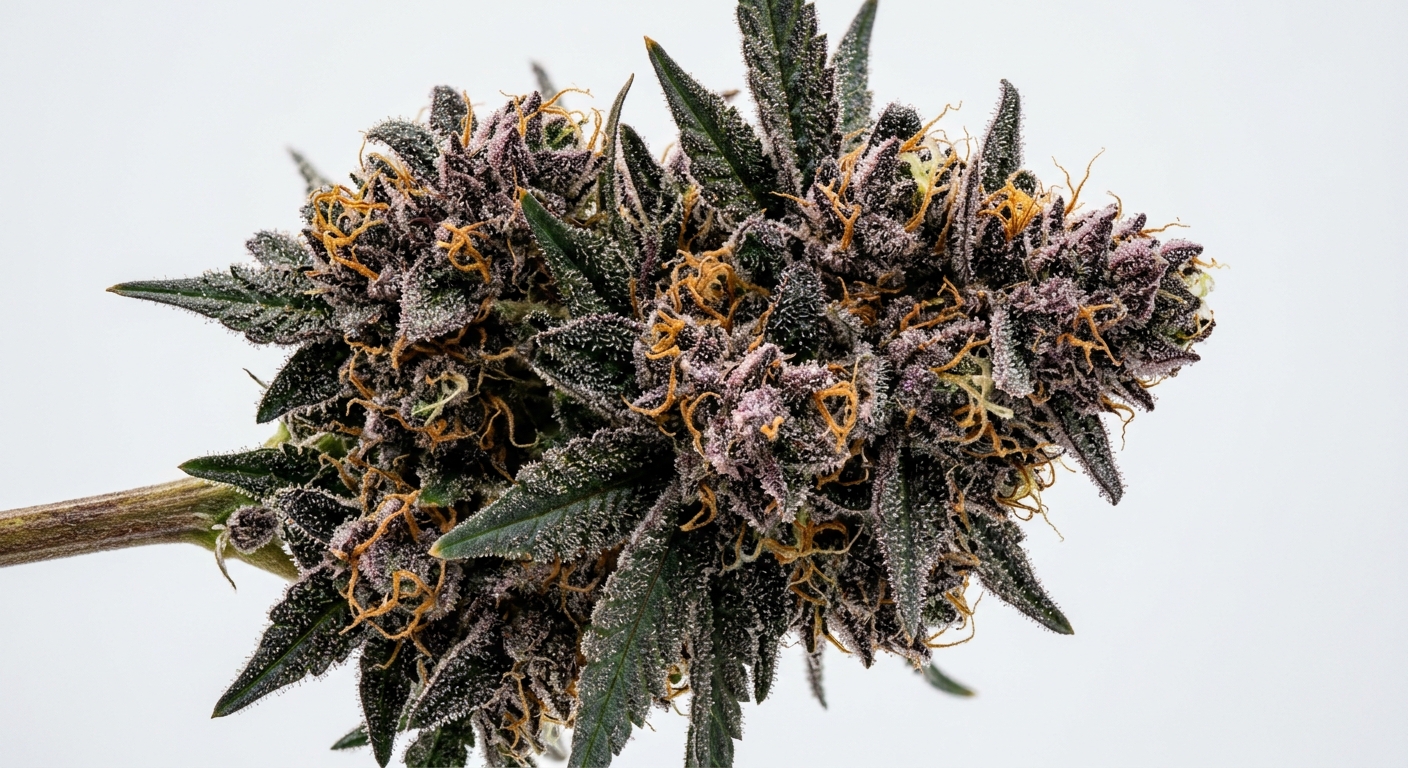
Structurally, Orange Push Pop shows the tight internodal spacing and robust lateral branching characteristic of its Kush heritage. The leaves are broad and dark green, occasionally showing deep purple hues when exposed to cooler night temperatures during late flower. This physical resilience makes it a popular choice for growers looking to optimize canopy space without managing excessive vegetative growth.
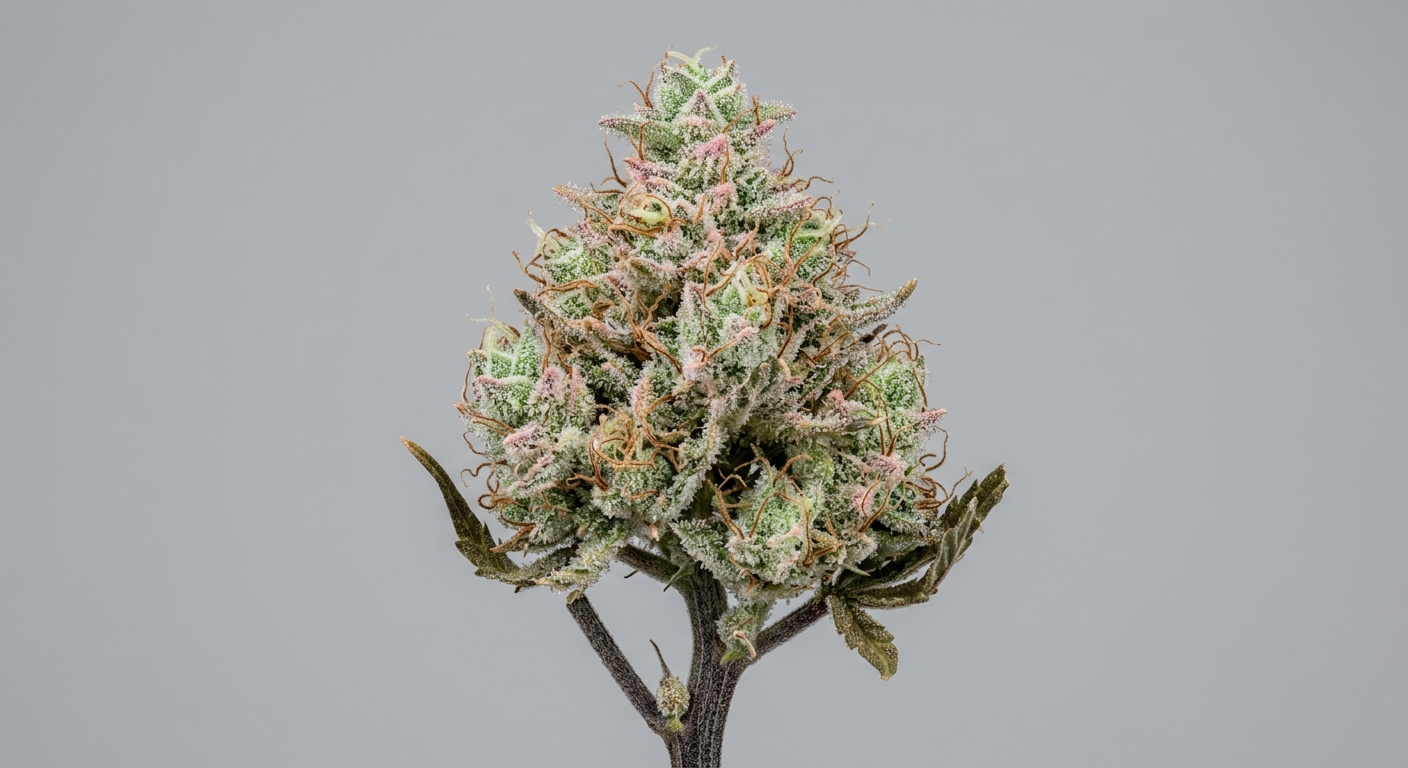
The inflorescences develop into tight, spade-shaped clusters characterized by swollen calyxes and a heavy concentration of capitate-stalked trichomes. This heavy resin production gives the mature buds a wet, glassy appearance that remains sticky even after a slow dry and cure. The density of the bracts requires careful environmental monitoring to prevent moisture retention in the core of the colas.
The plant manages moisture well due to its moderately open canopy structure, though regular defoliation is recommended to optimize light penetration to the lower bud sites. Its flowering cycle typically finishes within 56 to 63 days, with resin production peaking sharply in the final two weeks of the cycle. This timing makes it a highly efficient producer for commercial rotation schedules.
Effects & Use-Cases (Reported)
Commonly reported effects: Users frequently describe a smooth physical relaxation that eases muscle tension without causing heavy sedation or couch-lock. This physical calm is accompanied by a gentle, clear-headed mental lift that supports creative focus or casual social interaction.
Use-case context: This balanced profile makes the strain well-suited for afternoon or early evening use, offering an easy transition from active daytime tasks to a relaxed state. It is often selected by those looking to manage daily stress while maintaining mental clarity.
Note: Individual physiological responses vary, and laboratory testing is the only way to confirm specific cannabinoid concentrations and potential personal outcomes.
Aroma & Flavors
Aroma: A dominant burst of sweet, freshly peeled orange and creamy vanilla, backed by a faint, musky undertone of wet earth and fuel.
Flavor: The smoke delivers a bright citrus lift on the inhale, transitioning to a smooth, doughy pastry flavor on the exhale with a lingering hint of tart gas.
Terpene associations:
Limonene drives the bright citrus notes, while Caryophyllene adds a soft peppery spice, and Myrcene contributes to the underlying herbal sweetness.
Tested Cannabinoid & Terpene Ranges
| Compound | Typical Range |
|---|---|
| Δ9-THC | 20.0% – 26.0% |
| CBD | < 1.0% |
| Limonene | 0.5% – 0.9% |
| Caryophyllene | 0.3% – 0.6% |
| Myrcene | 0.2% – 0.5% |
| Linalool | 0.1% – 0.3% |
These values represent typical laboratory findings for premium cultivations. Actual chemical profiles may vary significantly based on environmental conditions, nutrients, and specific phenotypes.
Cultivation Notes
- Humidity: Maintain relative humidity around 55-60% during vegetative growth, reducing it systematically to 40-45% in late flower to prevent moisture buildup in the dense colas.
- Nutrition: This cultivar responds well to a moderate feeding schedule, showing a preference for organic nutrients that preserve its delicate terpene profile.
- Training: use low-stress training (LST) and light topping early in the vegetative cycle to promote an even canopy and maximize light exposure to secondary bud sites.
- Harvest: Look for milky white trichomes with approximately 10-15% amber heads to capture the peak balance of flavor and physical relaxation.
- Phenotype Management: Some phenotypes exhibit a taller stretch inherited from the Orange Tamale parent; these require early trellis support to prevent leaning.
Grower Notes (Week-by-Week Snapshot)
- Weeks 1–3 (Early Flower): Plants undergo a moderate stretch, typically increasing in height by about 50-70%. Focus on tucking fan leaves and setting up secondary trellis netting to establish the canopy structure.
- Weeks 4–6 (Mid Flower): Bud sites begin to stack rapidly, developing tight, lime-green clusters. Trichome production becomes visible along the sugar leaves, and a distinct sweet, citrus aroma begins to fill the space.
- Weeks 7–9 (Late Flower): Calyxes swell and the pistils turn a deep orange. Reduce feed concentrations, initiate a clean flush with plain water, and lower night temperatures by 5-8°F to encourage potential purple coloration.
- Post-Harvest (Dry & Cure): Hang the whole plant to dry at 60°F and 60% relative humidity for 10-14 days. A slow cure in sealed containers for at least three weeks is essential to fully develop the creamy vanilla and orange notes.
Genetic Lineage
The genetic foundation of Orange Push Pop relies on the crossing of Triangle Kush and Orange Tamale. Triangle Kush, an iconic Florida-born cultivar, provides the strain with its robust structural integrity, high resin density, and a deep, grounding physical effect. This classic kush baseline anchors the hybrid, preventing it from becoming too airy or delicate.
On the maternal side, Orange Tamale introduces a sharp, sweet citrus profile and an uplifting mental clarity. This combination creates a balanced hybrid that retains the dense calyx structure of its Kush ancestor while showcasing a refined, dessert-forward flavor profile that appeals to modern tastes.
Research Insights
Analytical testing of Orange Push Pop highlights a terpene profile dominated by limonene, which is unusual for strains with such strong physical relaxation traits. This high concentration of limonene works in tandem with moderate levels of caryophyllene and myrcene, creating a distinct interaction that may explain its clear-headed yet relaxing qualities.
From a breeding perspective, this cultivar shows how classic landrace-derived genetics like those in Triangle Kush can be successfully modernized. By pairing a stable, fuel-forward classic with a highly aromatic, citrus-dominant hybrid, breeders have created a stable phenotype that maintains high commercial yields without sacrificing terpene clarity.
Frequently Asked Questions
Is Orange Push Pop an indica or sativa?
Orange Push Pop is an indica-dominant hybrid, typically exhibiting a 70% indica and 30% sativa ratio. It combines the physical relaxation of an indica with the functional mental clarity of a sativa.
What does Orange Push Pop smell and taste like?
This strain is famous for its sweet orange-creamsicle profile. It features an aroma of sweet orange and creamy vanilla with earthy gas undertones, translating to a bright citrus flavor with a smooth, doughy finish on the exhale.
How difficult is it to grow Orange Push Pop?
It is considered a moderate-difficulty strain to cultivate. It requires basic canopy management, such as defoliation and trellis support, but is relatively forgiving with its nutrient requirements.
What are the primary terpenes in Orange Push Pop?
The most abundant terpenes in this cultivar are limonene, caryophyllene, and myrcene. These compounds work together to produce its signature sweet citrus aroma and balanced, relaxing effects.
Educational Disclaimer
This profile is for educational and informational purposes only. Cultivation and consumption of cannabis are subject to varying local laws and regulations. Always consult with a qualified professional before making any agricultural or health-related decisions.
Rate and review this strain
Ratings and reviews are accepted only from signed-in Google accounts.
Sign in with Google to leave a rating and written review.
Latest Reviews
0 reviewsNo reviews yet. Be the first Google user to rate and review this strain.