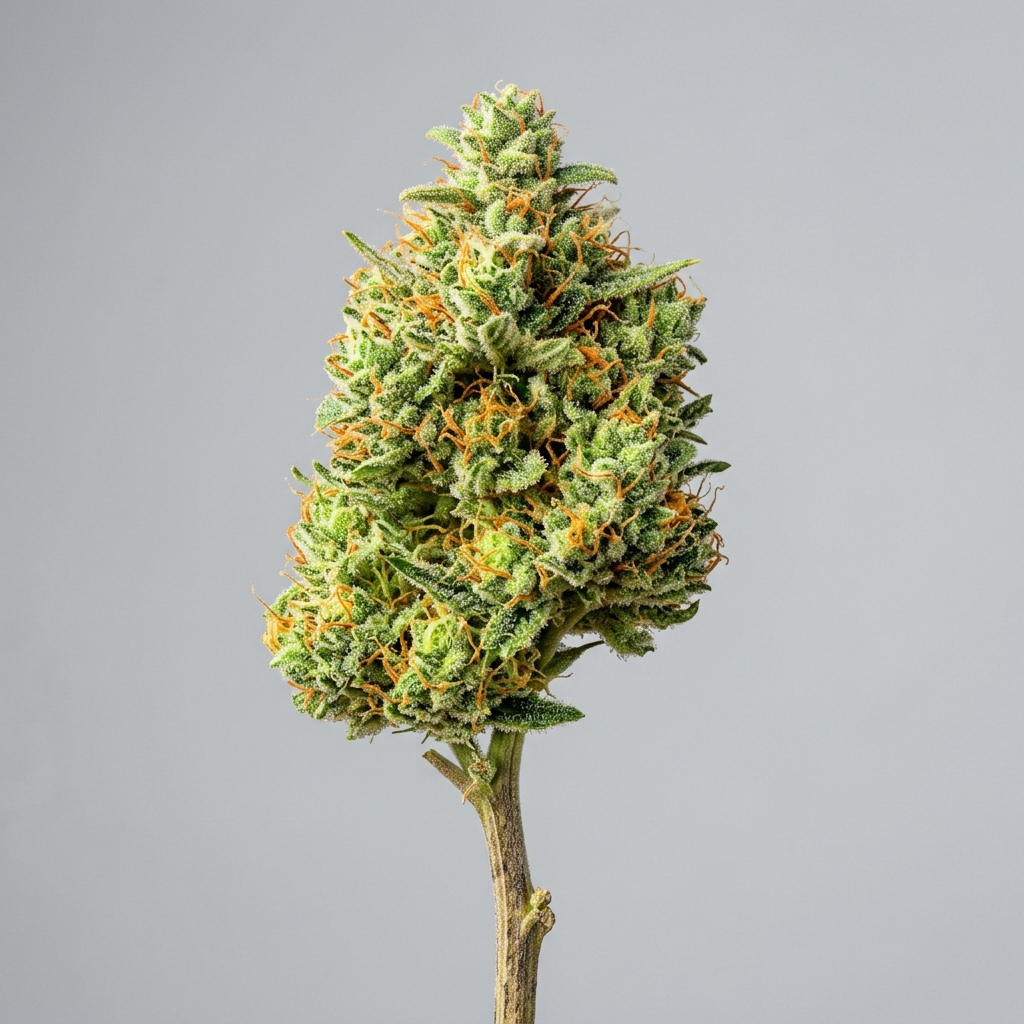
Lemon Bean (Cannabis Strain)
Lemon Bean is a sativa-dominant hybrid cultivar testing between 20% and 26% THC, bred by crossing the citrus-heavy Lemon Tree with the gassy OG Eddy Lepp. Known for its high terpene output, this strain produces bright, chunky flowers coated in greasy resin that emit a sharp citrus lift layered over a sweet, earthy base. In the garden, it shows a vigorous sativa-like stretch but finishes with the dense, heavy bud structure typically associated with its OG Kush ancestry.
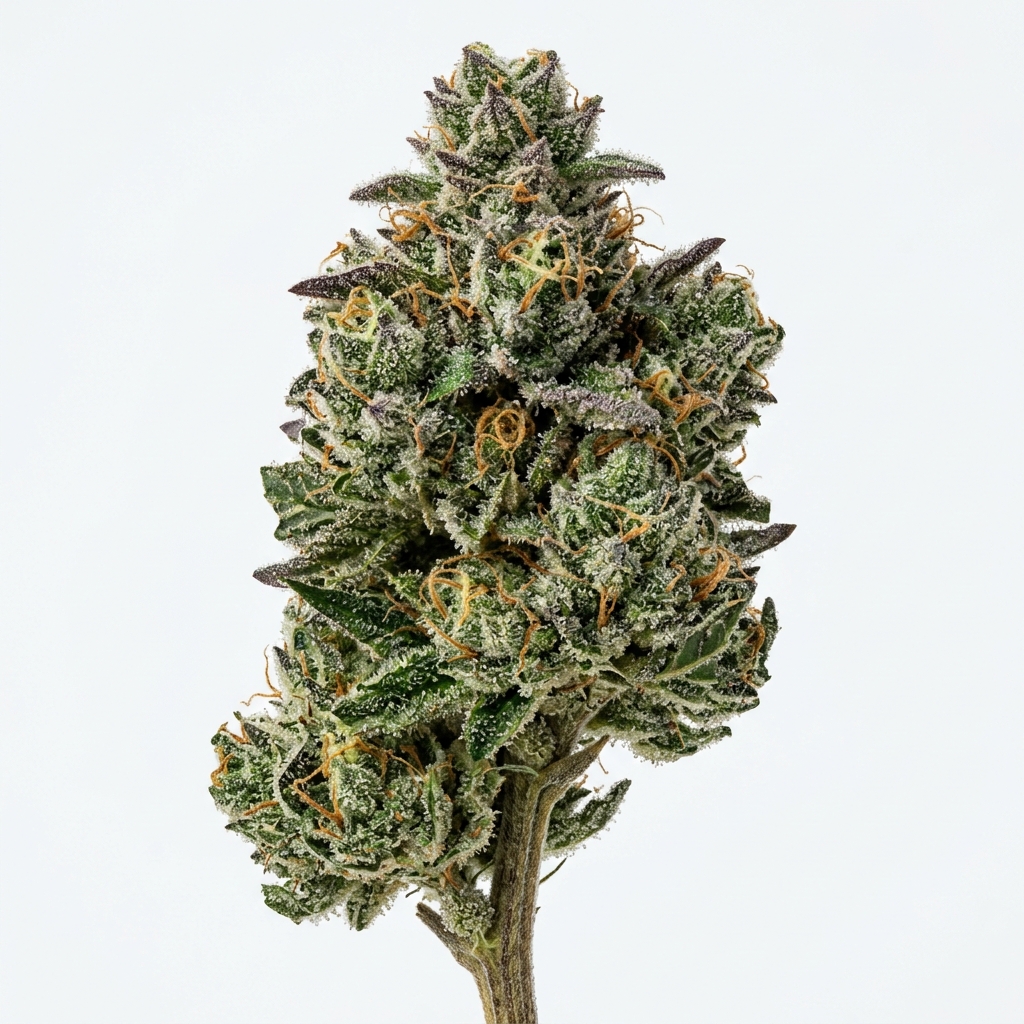
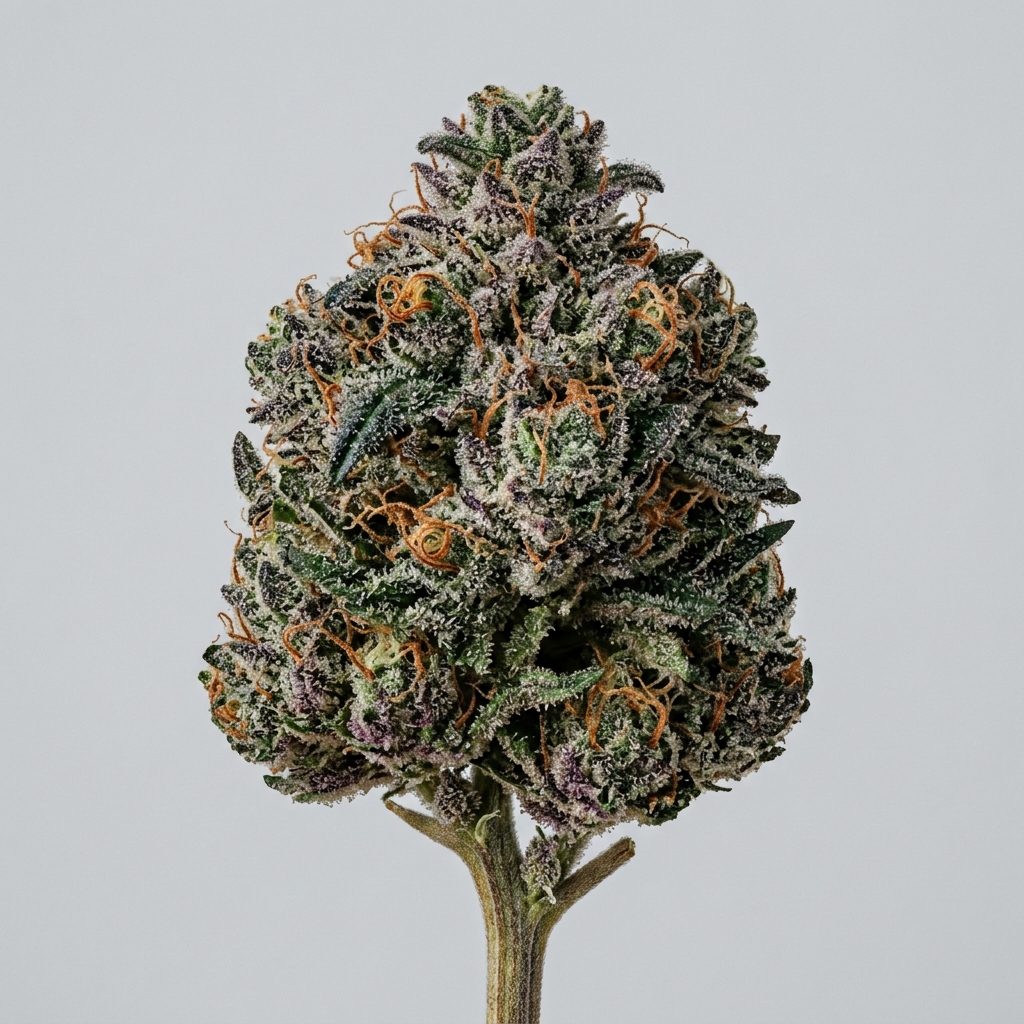
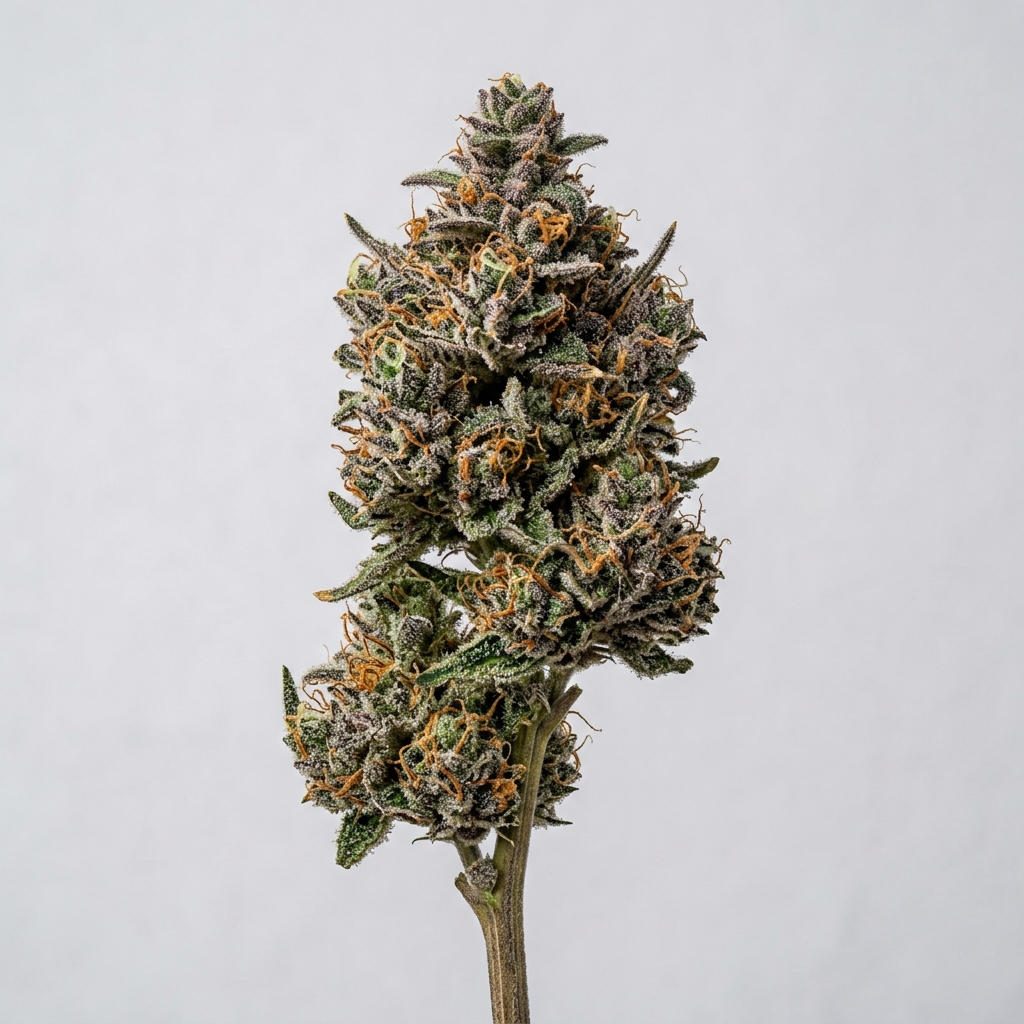
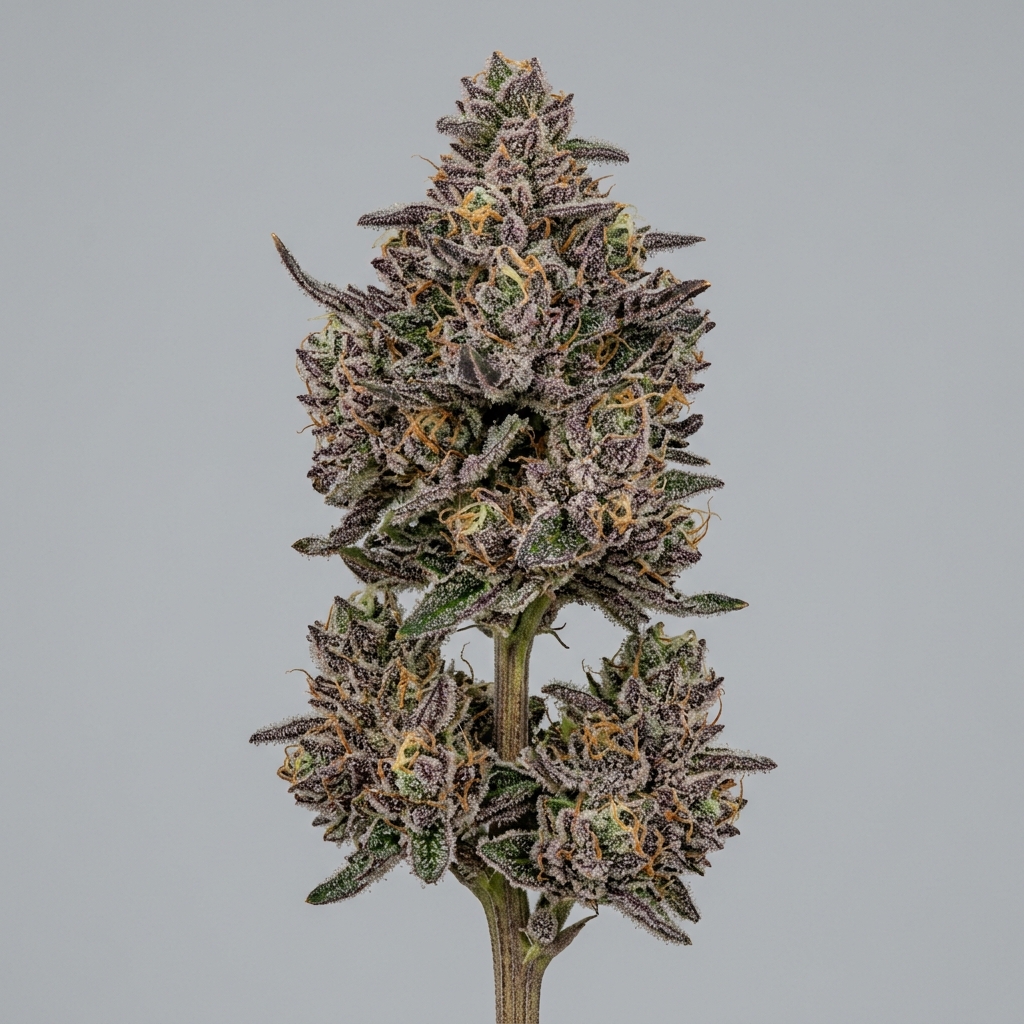
This cultivar has earned a strong reputation among growers and extractors for its high wash quality and resilient growth habits. The cured buds display a striking contrast of neon green bracts and fiery orange pistils, sealed under a thick blanket of glassy trichomes.
Quick Facts
| Fact | Detail |
|---|---|
| Genetics | Lemon Tree × OG Eddy Lepp |
| Variety | Sativa-dominant Hybrid |
| THC Range | 20% – 26% |
| Flowering Time | 9 – 10 Weeks |
| Yield Potential | Moderate to High |
| Plant Height | Medium to Tall |
| Climate Preference | Warm, dry, temperate climates |
| Difficulty | Moderate |
Scientific & Botanical Overview
Botanically, Lemon Bean shows a growth pattern that highlights its hybrid lineage, displaying broad fan leaves during early veg before transitioning to long, slender petioles in late vegetative growth. The internodal spacing is moderately wide, allowing for excellent light penetration through the lower canopy. This structure requires deliberate canopy management to optimize yield.
During the flowering cycle, the plant produces dense, spear-shaped colas that require structural support to prevent limb breakage under their own weight. The calyx-to-leaf ratio is remarkably high, which simplifies the trimming process and minimizes excess leaf material in the final cure. This trait makes it highly favored for commercial hand-trimming operations.
Glandular trichome development is rapid, beginning as early as week three of flower and peaking with capitate-stalked trichomes that cover both the bracts and surrounding sugar leaves. This heavy resin production is accompanied by a robust defense against common pests when environmental factors are kept optimal. The plant thrives best when root zone temperatures remain stable.
Effects & Use-Cases (Reported)
Commonly reported effects: Users frequently describe an immediate, clear-headed wave of energy accompanied by a subtle physical ease that does not induce heaviness.
Use-case context: This profile makes the strain well-suited for daytime activities, creative projects, or social settings where mental clarity and alertness are desired.
Note: Individual tolerance and dosage play a significant role in the overall experience; higher amounts may shift the energetic focus toward a more profound physical relaxation.
Aroma & Flavors
Aroma: The initial nose is dominated by a sharp, zesty lemon peel scent, followed closely by a sweet, creamy undertone reminiscent of vanilla bean and damp earth.
Flavor: On the exhale, the smoke delivers a bright citrus lift combined with a rich, doughy sweetness and a lingering hint of tart gas.
Terpene associations: Lab analyses typically show a dominance of limonene, which drives the bright citrus notes, supported by terpinolene, myrcene, and caryophyllene for the herbal, earthy depth.
Tested Cannabinoid & Terpene Ranges
| Compound | Tested Range |
|---|---|
| Δ9-THC | 20.0% – 26.0% |
| CBD | < 0.5% |
| Limonene | 0.6% – 1.2% |
| Terpinolene | 0.3% – 0.8% |
| Myrcene | 0.2% – 0.5% |
| Caryophyllene | 0.1% – 0.4% |
Note: Cannabinoid and terpene profiles are highly variable and depend heavily on cultivation methods, curing parameters, and specific phenotypes.
Cultivation Notes
- Keep humidity levels strictly under 45% during the final three weeks of flowering to protect the dense colas from moisture retention.
- use low-stress training (LST) or a Scrog net early in vegetative growth to manage the significant vertical stretch.
- Maintain a moderate nutrient regimen, as this cultivar can be sensitive to nitrogen toxicity during the transition to flower.
- Implement thorough defoliation at day 21 of flowering to maximize airflow and light penetration to lower bud sites.
- A slow, cold dry of 10 to 14 days at 60°F and 60% relative humidity preserves the delicate terpenes.
Grower Notes (Week-by-Week Snapshot)
- Weeks 1–3 (Transition & Stretch): Plants undergo a rapid stretch, often doubling in height; ensure early support structures are in place and tuck fan leaves to expose lower nodes.
- Weeks 4–6 (Flower Development): Button-like bud sites form along the branches, and resin production begins to coat the surrounding sugar leaves; maintain steady phosphorus and potassium inputs.
- Weeks 7–9 (Ripening & Flush): Calyxes swell significantly, pistils turn deep amber, and the citrus aroma intensifies; begin a clean water flush in the final 10 to 14 days based on trichome maturity.
Genetic Lineage
The genetic foundation of Lemon Bean relies on Lemon Tree, a celebrated cross of Lemon Skunk and Sour Diesel known for its intense lemon-solvent profile and heavy yields. This parent contributes the dominant citrus terpene signature and the energetic, uplifting qualities that define the hybrid.
This citrus core is balanced by OG Eddy Lepp, an award-winning OG phenotype that introduces a deeper, gas-forward complexity and a more compact, resin-rich bud structure. The combination yields a robust plant that balances the structural vigor of a sativa with the dense, glassy bud density of a classic Kush.
Research Insights
Scientific analysis of Lemon Bean highlights a complex terpene matrix where high concentrations of limonene work alongside terpinolene to influence the overall sensory direction. This specific combination is relatively uncommon in heavy OG hybrids, giving this cultivar its distinctive, sweet-bean aroma and sharp, active profile.
The presence of caryophyllene and myrcene provides a functional base that anchors the faster-acting monoterpenes. This chemical structure makes the cultivar a valuable subject for breeders looking to inject clean, citrus-forward profiles into high-yielding, resin-heavy commercial lines.
Frequently Asked Questions
Is Lemon Bean a sativa or indica?
Lemon Bean is a sativa-dominant hybrid, typically exhibiting a 70:30 sativa-to-indica ratio. It combines the uplifting, energetic growth habits of its sativa heritage with the dense, resinous bud structure of an OG Kush descendant.
Who bred the Lemon Bean strain?
This cultivar was originally bred and popularized by Cresco Labs, a well-known commercial producer recognized for selecting stable, high-terpene phenotypes.
What does Lemon Bean smell like?
The strain has a complex aroma characterized by a sharp, zesty lemon-citrus top note, balanced by a sweet, doughy vanilla undertone and a subtle hint of earthy fuel on the finish.
How long does Lemon Bean take to flower?
When grown indoors, Lemon Bean typically requires 9 to 10 weeks of flowering to reach peak maturity and optimal resin development.
Educational Disclaimer
The information provided in this article is for educational and informational purposes only. Cultivation and consumption of cannabis are subject to local laws and regulations. Always consult with a professional before undertaking any cultivation projects or consuming cannabis products.
Rate and review this strain
Ratings and reviews are accepted only from signed-in Google accounts.
Sign in with Google to leave a rating and written review.
Latest Reviews
0 reviewsNo reviews yet. Be the first Google user to rate and review this strain.