Lemon Vuitton (Cannabis Strain)
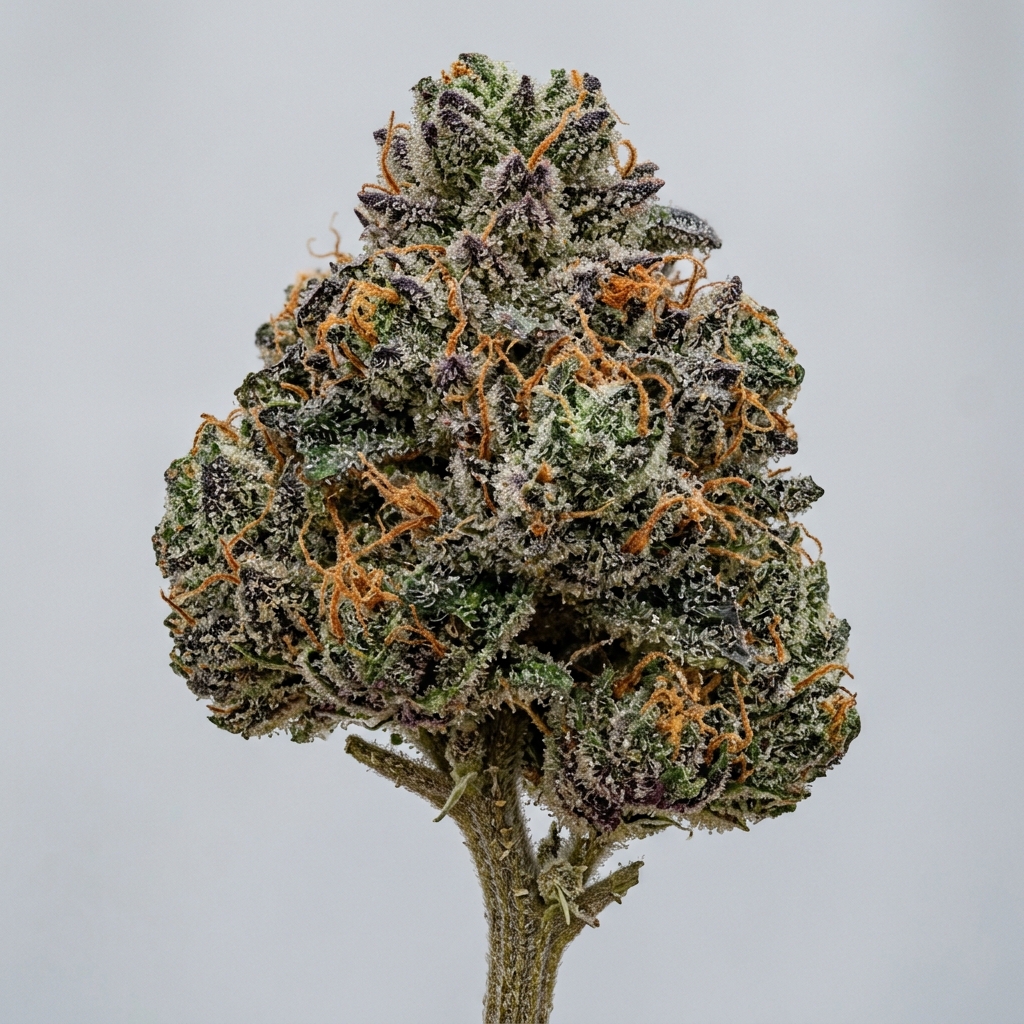
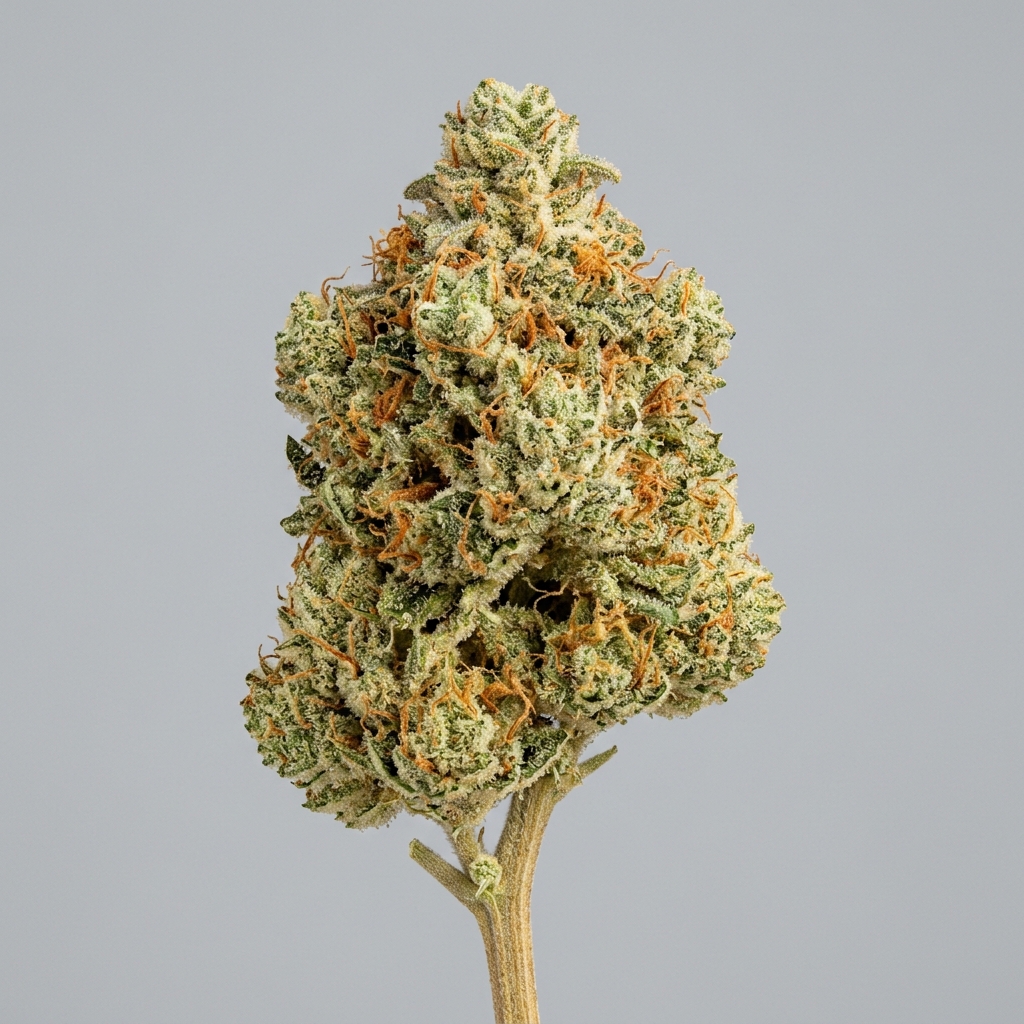
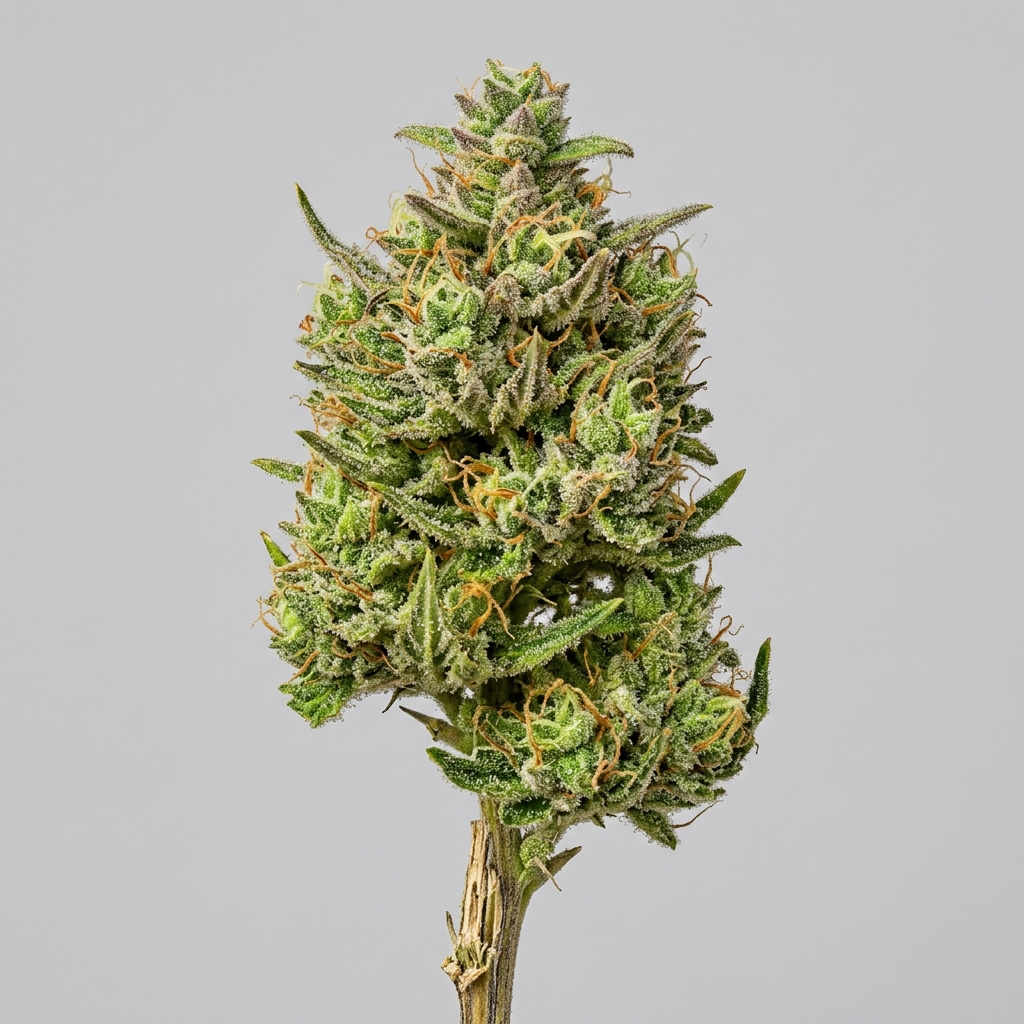
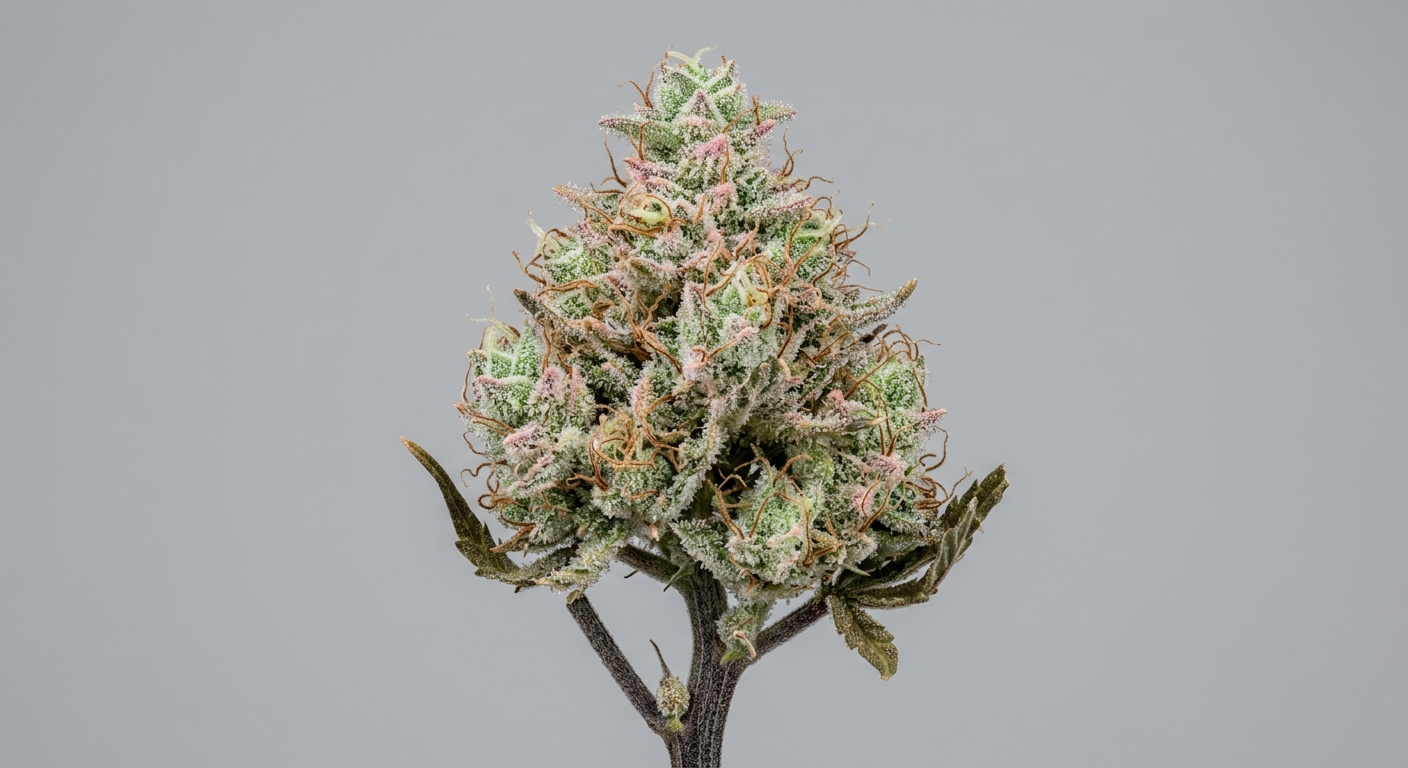
Lemon Vuitton is a premium, sativa-dominant hybrid cultivar typically testing between 20% and 26% THC, bred by crossing the legendary Lemon Tree with the elusive Vuitton (an OG Kush descendant). Known for its greasy resin production and sharp, chemical-lemon terpene profile, this strain produces elongated, spear-shaped colas with swollen calyxes coated in wet frost. It shows a vigorous vegetative stretch and thrives in controlled indoor environments, making it a highly sought-after choice for extraction artists and lovers of sour, fuel-forward varieties.
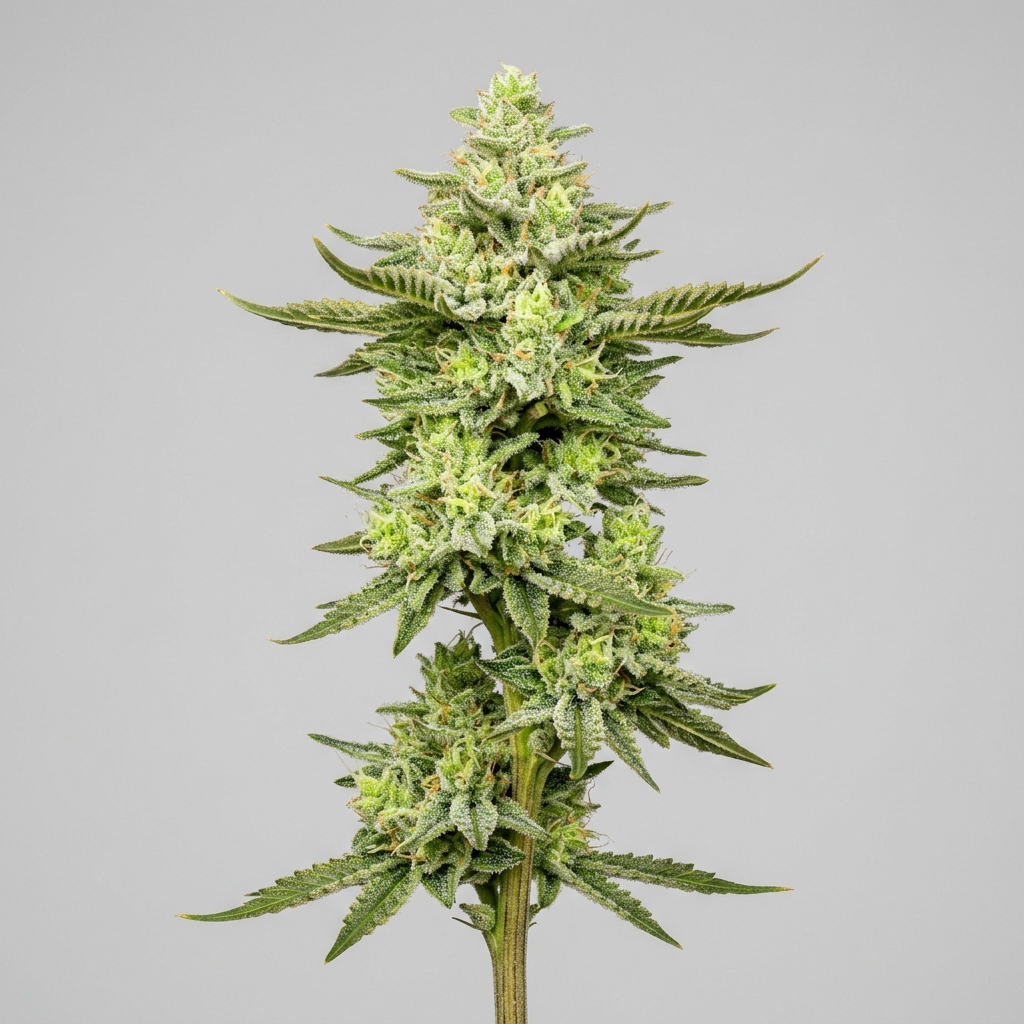
The cultivar stands out for its striking bag appeal, showing off bright neon green bracts contrasted by deep olive fan leaves and sparse orange pistils. Its physical structure reflects its hybrid heritage, balancing the lateral branching of its OG ancestors with the tall, open canopy of classic citrus genetics. Cultivators prize this selection for its reliable terpene clarity and its ability to hold its sharp sour-gas profile through a slow dry and cure.
Quick Facts
| Attribute | Details |
|---|---|
| Genetics | Lemon Tree × Vuitton |
| Variety | Sativa-dominant hybrid |
| THC Range | 20% – 26% |
| Flowering Time | 9 – 10 weeks |
| Yield Potential | Moderate to High |
| Plant Height | Medium to Tall |
| Climate Preference | Temperate, low humidity |
| Difficulty | Moderate |
Scientific & Botanical Overview
Botanically, Lemon Vuitton shows a classic hybrid morphology characterized by moderate internodal spacing and thin, serrated fan leaves that allow excellent light penetration. The plant develops strong lateral branches that benefit from early support to hold the weight of its dense, resin-heavy flowers. During the transition to flower, it displays a notable stretch, often doubling in size before settling into bud development.
The inflorescence of this cultivar is defined by narrow, spear-shaped colas composed of tightly packed, swollen calyxes. Trichome development is exceptionally dense, producing a greasy layer of capitate-stalked resin glands that mature to a milky white with amber tips. This heavy resin coverage extends to the surrounding sugar leaves, making the trim highly valuable for solventless extraction.
Plant nutrition requirements are moderate, though the strain shows a preference for steady nitrogen levels during early vegetative growth to support its rapid canopy expansion. In late flower, keeping humidity levels low is critical to protect the dense bract structure from moisture retention. A thorough two-week flush helps preserve the clean, sharp citrus profile of the cured buds.
Effects & Use-Cases (Reported)
Commonly reported effects: Users frequently describe an immediate, uplifting cerebral buzz that sharpens focus and enhances sensory awareness without inducing physical heaviness. This initial head-clearing surge slowly transitions into a calm, functional body relaxation that keeps the mind active while soothing physical tension.
Use-case context: Due to its bright, energizing onset, Lemon Vuitton is highly regarded as a daytime or early evening selection. It is often chosen for creative projects, social gatherings, or outdoor activities where mental clarity and physical comfort are both desired.
Note: Individual tolerance and chemistry vary; higher doses may produce a more intense cerebral rush, making moderate consumption advisable for those sensitive to stimulating hybrids.
Aroma & Flavors
Aroma: The initial nose is dominated by an intense, chemical-lemon solvent aroma, backed by a sharp, sour diesel undertone and hints of damp earth. Breaking the buds releases a deeper, sweet lemon-candy perfume mixed with a pungent, fuel-like kick.
Flavor: On the intake, the smoke delivers a rich, tart citrus flavor reminiscent of fresh lemon zest and sour candy. The exhale leaves a clean, lingering mint finish combined with a classic earthy kush base.
Terpene associations:
Limonene, Myrcene, and Caryophyllene are the primary terpenes driving this complex profile, balancing bright citrus notes with deep, spicy fuel undertones.
Tested Cannabinoid & Terpene Ranges
| Compound | Typical Range |
|---|---|
| Δ9-THC | 20% – 26% |
| CBD | < 1.0% |
| Limonene | 0.5% – 1.2% |
| Myrcene | 0.3% – 0.8% |
| Caryophyllene | 0.2% – 0.6% |
Note: Cannabinoid and terpene levels are highly variable and depend heavily on environmental factors, cultivation techniques, and specific phenotype selections.
Cultivation Notes
- Humidity Management: Maintain relative humidity around 55% during early vegetative growth, gradually tapering down to 40% or lower during the final weeks of flower to prevent moisture buildup in the dense colas.
- Canopy Control: use training techniques like topping and Low-Stress Training (LST) early in the vegetative phase to manage the plant’s significant vertical stretch.
- Nutrient Regimen: Provide a balanced feed with moderate phosphorus and potassium during mid-to-late bloom to support swelling calyxes without burning the leaf tips.
- Airflow Requirements: Ensure strong, consistent airflow throughout the lower canopy by performing strategic defoliation (lollipopping) before the second week of flower.
- Harvest Timing: Harvest when the trichomes are mostly milky white with about 10% to 15% turning amber to capture the peak of its citrus terpene clarity.
Grower Notes (Week-by-Week Snapshot)
- Weeks 1–3 (Vegetative & Transition): Focus on establishing a strong root system and shaping the canopy; expect a rapid vertical stretch once the light cycle is switched to 12/12.
- Weeks 4–6 (Mid-Flower): Bud sites begin to stack rapidly, forming long spear-shaped colas; apply support trellising to prevent branches from bending under the weight of early resin production.
- Weeks 7–9 (Late Flower & Ripening): Monitor trichome maturity closely as the wet frost coats the sugar leaves; reduce ambient humidity to its lowest levels and initiate a clean water flush to maximize flavor purity.
- Post-Harvest (Dry & Cure): Hang-dry the whole plant at 60°F (15°C) and 60% relative humidity for 11 to 14 days, followed by a minimum three-week jar cure to unlock the sharp gas and lemon notes.
Genetic Lineage
Lemon Vuitton inherits its prominent citrus identity from Lemon Tree, a highly celebrated cross of Lemon Skunk and Sour Diesel known for its intense, mouth-puckering lemon flavor. This parent contributes not only the bright limonene dominance but also the open, easy-to-manage canopy structure and solid yield potential.
The paternal side comes from Vuitton, a refined OG Kush descendant that infuses the hybrid with its heavy resin-producing traits, dense flower structure, and deep, gassy undertone. This combination tempers the sharp citrus of Lemon Tree with a rich, fuel-forward earthiness, creating a balanced and structurally sound cultivar.
Research Insights
Analytical testing of this cultivar highlights a high concentration of monoterpenes, specifically limonene, which works in tandem with major cannabinoids to influence its uplifting effects. The presence of secondary sesquiterpenes like caryophyllene provides an earthy, spicy foundation that grounds the sharp chemical profile.
Breeders and extraction artists frequently target this genetic line due to its high concentration of large-headed capitate-stalked trichomes. The resilience of these resin glands during mechanical separation makes the strain highly efficient for producing light-colored, terpene-rich solventless concentrates.
Frequently Asked Questions
Is Lemon Vuitton indica or sativa?
Lemon Vuitton is a sativa-dominant hybrid cultivar, balancing the cerebral, uplifting qualities of its Lemon Tree parent with the physical relaxation and dense resin structure of its OG-derived lineage.
How long does Lemon Vuitton take to flower?
This strain typically has an indoor flowering time of 9 to 10 weeks, with outdoor harvests generally finishing by mid-to-late October depending on local climate conditions.
What does Lemon Vuitton smell like?
The aroma is a pungent mix of sharp chemical lemon, sour citrus zest, and heavy diesel fuel, rounded out by a subtle, earthy kush base.
Is Lemon Vuitton suitable for beginner growers?
While it is a vigorous grower, its significant stretch and sensitivity to high late-flower humidity make it best suited for growers with moderate experience who can manage canopy height and environmental controls.
Educational Disclaimer
This content is provided solely for educational, scientific, and botanical reference purposes. Cultivation of cannabis is subject to varying local, state, and federal regulations, and readers must consult their local laws before germinating or cultivating any cannabis genetics.
Rate and review this strain
Ratings and reviews are accepted only from signed-in Google accounts.
Sign in with Google to leave a rating and written review.
Latest Reviews
0 reviewsNo reviews yet. Be the first Google user to rate and review this strain.