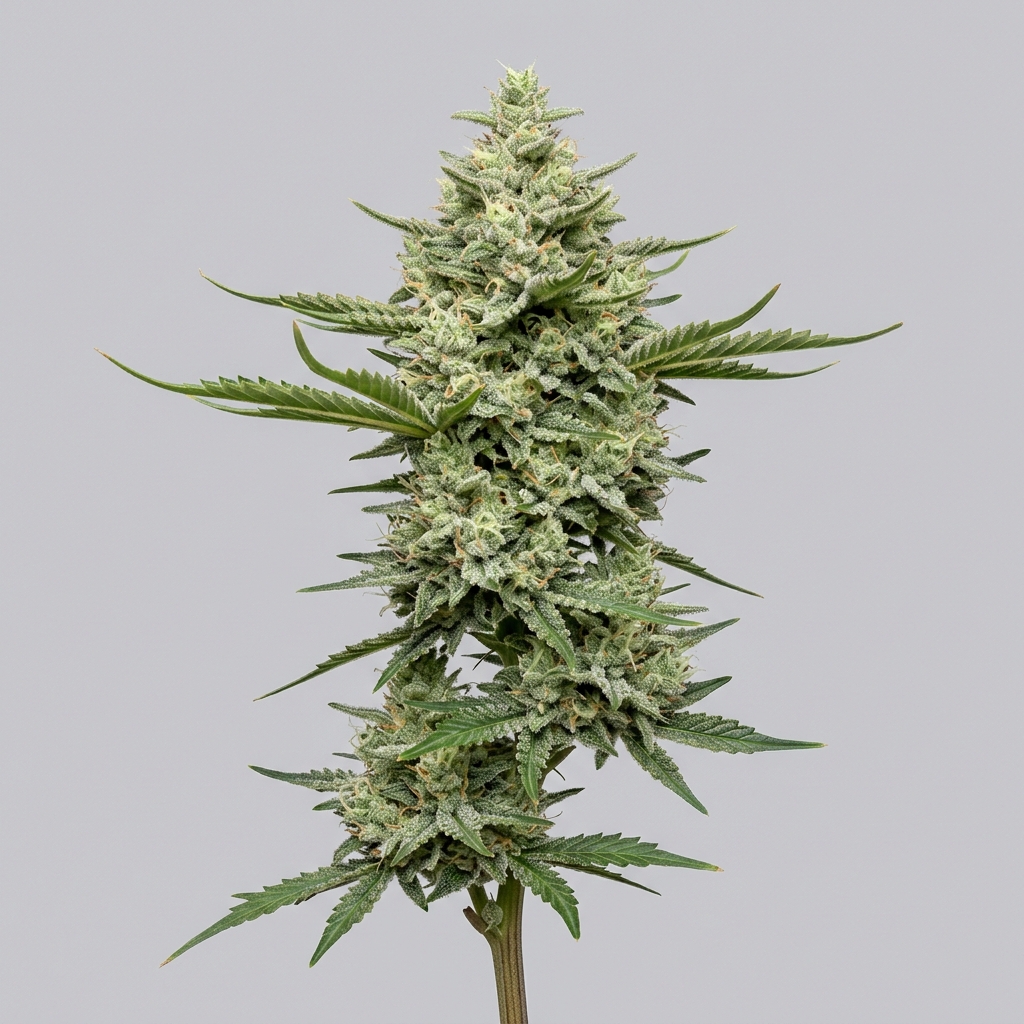
Jack Frost (Cannabis Strain)
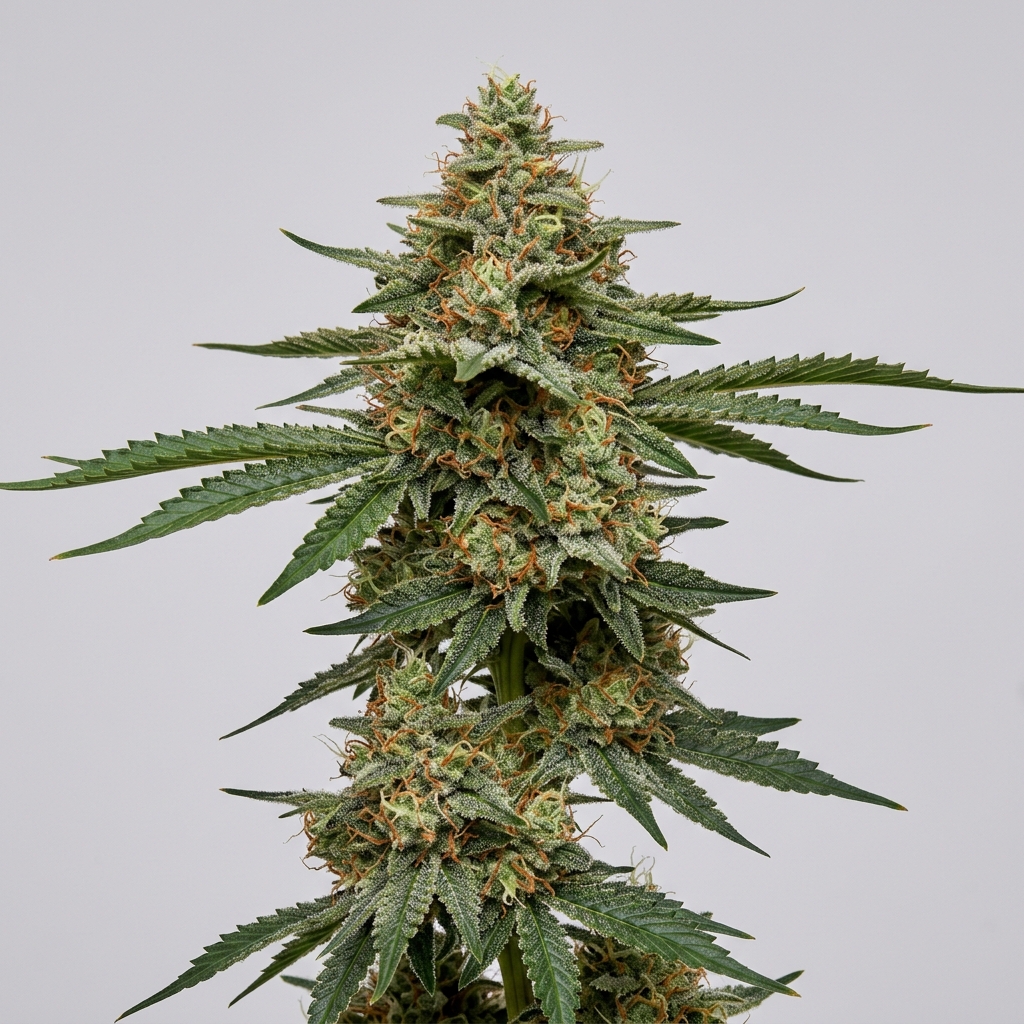
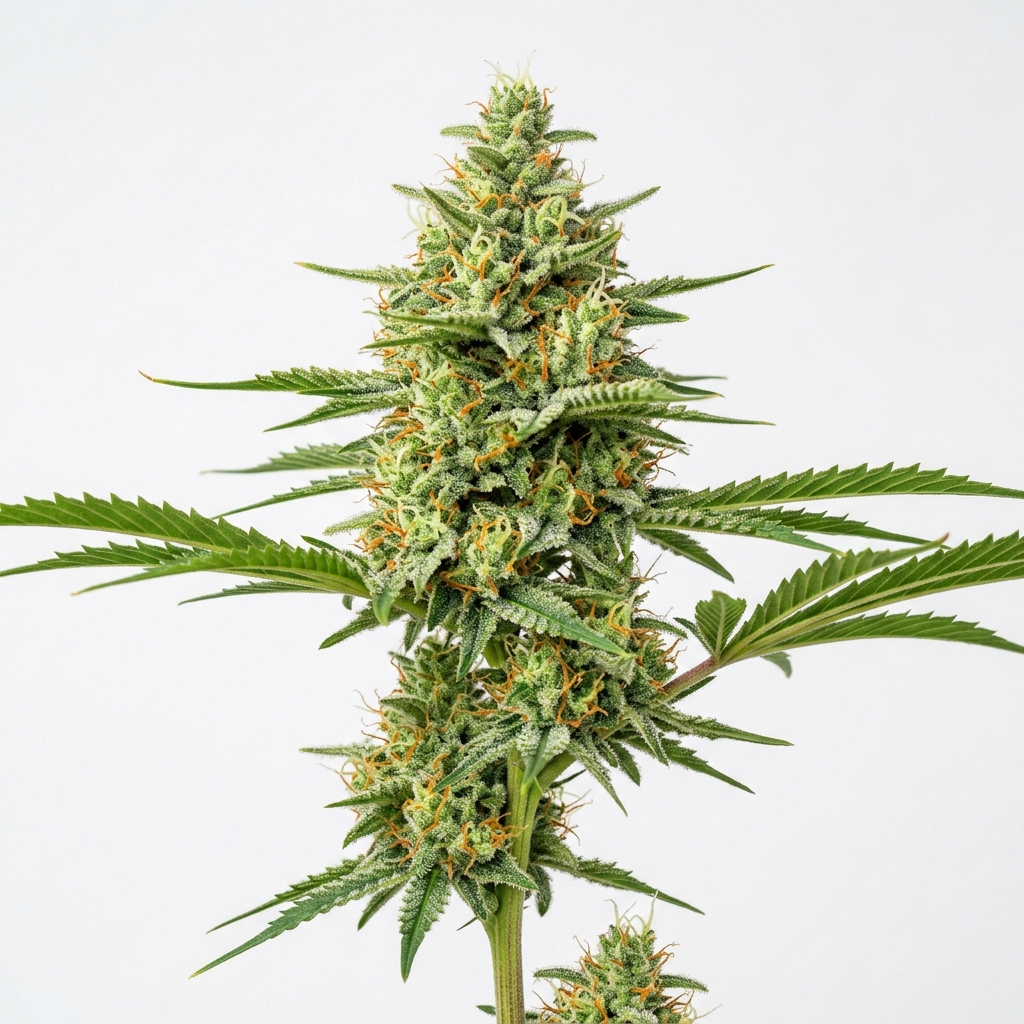
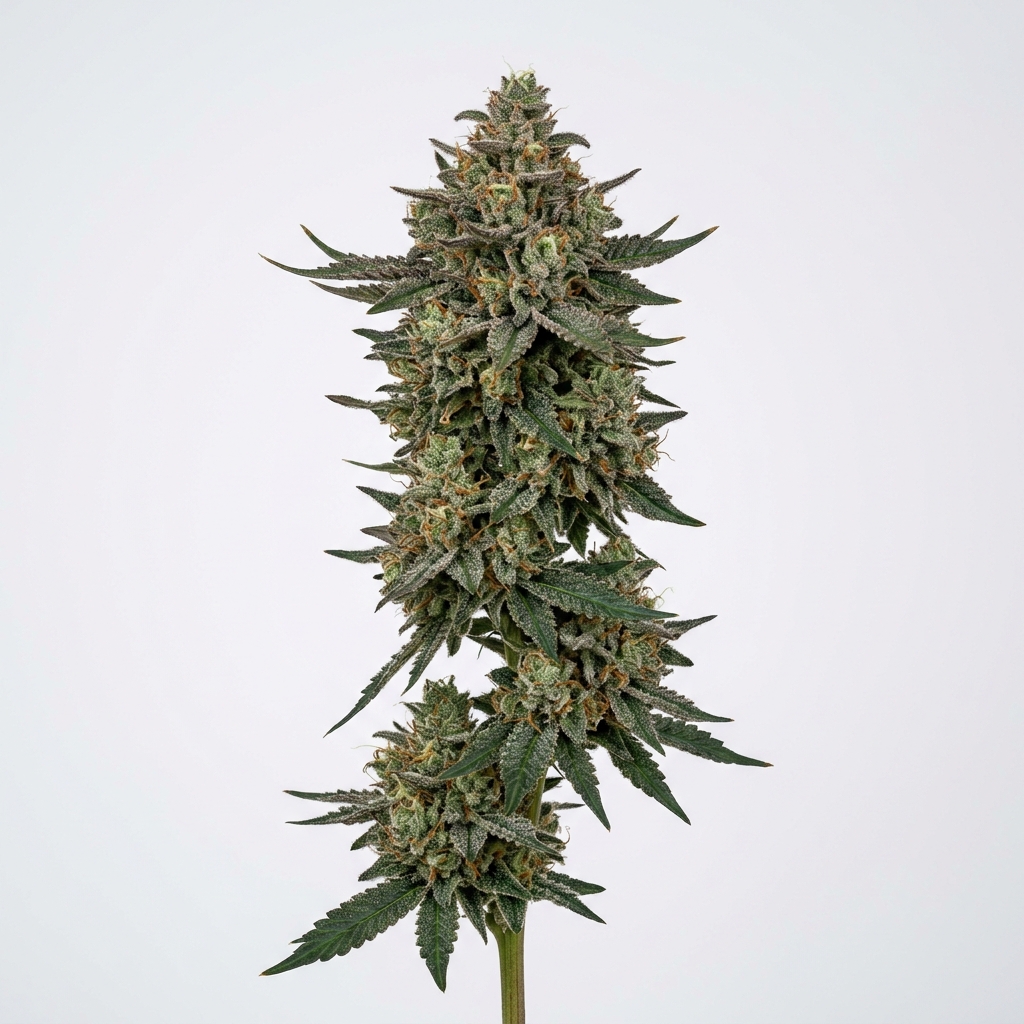
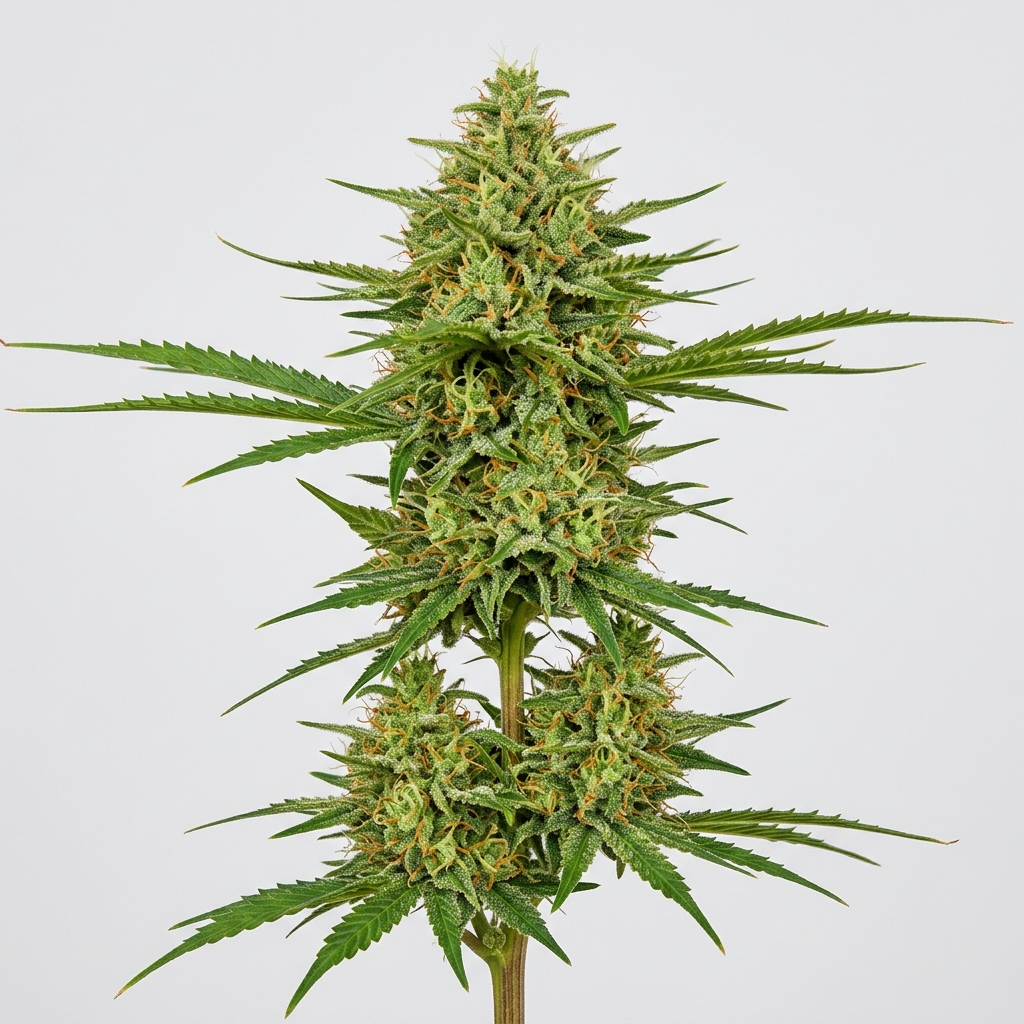
Jack Frost is a sativa-dominant hybrid, typically testing between 18% and 23% THC, created by crossing Jack Herer, White Widow, and Northern Lights #5. This cultivar is celebrated for its heavy wet frost resin coverage, sharp citrus lift, and sweet mint finish. It grows with a controlled stretch, producing dense, pale-green spear colas that appeal to both extractors and traditional flower enthusiasts.
The strain gained traction in the early 2000s, carving out a reputation for its reliable, uplifting performance and classic Dutch lineage. Growers value the plant for its manageable canopy and high-yielding trichome density, which makes it a standout choice for hash washing and dry sifting.
Quick Facts
| Field | Details |
|---|---|
| Genetics | Jack Herer × White Widow × Northern Lights #5 |
| Variety | Sativa-dominant hybrid |
| THC Range | 18% – 23% |
| Flowering Time | 8 – 9 weeks |
| Yield Potential | Moderate to High |
| Plant Height | Medium to Tall |
| Climate Preference | Temperate, low humidity |
| Difficulty | Moderate |
Scientific & Botanical Overview
Structurally, Jack Frost showcases its hybrid heritage through moderate nodal spacing and strong lateral branching. The leaves are typically narrow-fingered, reflecting the sativa influence of Jack Herer, while the dense bract structure points to its Northern Lights and White Widow ancestry. Under optimal conditions, the calyxes swell significantly during the final weeks of bloom, creating a highly textured surface.
Resin production is a primary characteristic of this cultivar, with capitate-stalked trichomes developing early in the flowering cycle. The sheer volume of resin often obscures the pale green foliage, giving the mature buds a glassy, silvery appearance. Stalks remain sturdy enough to support the weight of the developing colas, though minor support is recommended.
The terpene expression is heavily driven by terpinolene, caryophyllene, and myrcene. This combination yields a complex aromatic profile that balances sharp pine with a sweet, herbaceous undertone.
Effects & Use-Cases (Reported)
Commonly reported effects include a bright, clear-headed stimulation accompanied by a mild, relaxing physical undertone. Users often note an immediate sense of focus and elevated energy, making it a popular choice for daytime activities.
Use-case context suggests this strain is well-suited for creative projects, social gatherings, or outdoor hikes where alertness is desired without excessive physical heaviness.
Note: Individual experiences may vary, and high-THC cultivars can occasionally induce mild anxiety in sensitive users if overconsumed.
Aroma & Flavors
Aroma: The initial nose is dominated by a sharp citrus lift and fresh woody pine, followed closely by a subtle earthy kush base. When the buds are broken open, a deeper, slightly sweet herbal complexity emerges.
Flavor: On the palate, the smoke is clean and crisp, delivering a distinct lemon-lime zest on the inhale and a cool mint finish on the exhale.
Terpene associations: Terpinolene provides the bright, sweet-citrus top notes, while beta-caryophyllene adds a subtle spicy depth, and myrcene anchors the flavor with a soft, herbal sweetness.
Tested Cannabinoid & Terpene Ranges
| Compound | Typical Range |
|---|---|
| Δ9-THC | 18% – 23% |
| CBD | < 1% |
| Terpinolene | 0.4% – 0.8% |
| Beta-Caryophyllene | 0.2% – 0.5% |
| Myrcene | 0.1% – 0.4% |
| Limonene | 0.1% – 0.3% |
These ranges are literature-informed references and represent variable phenotype expressions. Actual testing results may vary depending on cultivation practices and environmental factors.
Cultivation Notes
- Keep late-flower humidity strictly below 45% to protect the dense, resin-rich colas from moisture issues.
- Responds well to moderate feeding, showing a preference for balanced nitrogen in vegetative growth and increased potassium during peak bloom.
- Implement low-stress training (LST) or topping early to encourage even canopy development and maximize light penetration.
- Harvest when the trichome heads transition from glassy to milky, with roughly 10% turning amber for a balanced effect profile.
- Select phenotypes that display the characteristic wet frost resin early in week four of flower.
Grower Notes (Week-by-Week Snapshot)
- Weeks 1–3 (Vegetative & Early Stretch): The plant shows a controlled stretch, typically doubling in height. Focus on pruning lower fan leaves to improve airflow through the dense inner canopy.
- Weeks 4–6 (Mid-Flower & Resin Onset): Trichomes begin to coat the developing calyxes. Ensure stable temperatures between 72°F and 78°F to preserve volatile terpenes.
- Weeks 7–9 (Late-Flower & Ripening): Buds swell into dense, pale green spears. Lower night temperatures by 5–7 degrees to encourage maximum resin production and terpene clarity.
- Post-Harvest (Slow Dry & Cure): Hang-dry the whole plant at 60°F and 60% relative humidity for 10 to 14 days. A slow dry is essential to lock in the delicate mint and pine aromas.
Genetic Lineage
Jack Frost is a three-way cross utilizing some of the most influential genetics of the modern cannabis era. The foundational parent, Jack Herer, contributes the soaring sativa energy and terpinolene-heavy aroma. This was crossed with a robust hybrid of White Widow and Northern Lights #5, which injected the lineage with exceptional resin density, structural stability, and physical relaxation.
This genetic combination results in a highly stable hybrid that leans sativa in its effects but retains the fast flowering times and dense bud structure of its indica-dominant ancestors. The lineage remains a favorite among breeders looking to introduce reliable resin production and sharp, clear aromas to new crosses.
Research Insights
Scientific interest in cultivars like Jack Frost often focuses on the interaction between terpinolene and moderate levels of THC. This specific combination is thought to drive the clear, functional stimulation commonly reported by consumers, contrasting with myrcene-dominant profiles that lean sedative.
Analytical testing consistently shows a high density of glandular trichomes, which preserve a diverse array of monoterpenes. Understanding how these compounds survive the curing process helps extractors optimize their setups for high-terpene live resin production.
Frequently Asked Questions
Is Jack Frost hard to grow?
No, it is considered moderately easy to grow due to its sturdy structure and resistance to common pests, making it suitable for both intermediate and experienced cultivators.
What does Jack Frost smell like?
It features a sharp citrus and pine aroma with a distinct sweet mint finish and a subtle, earthy kush base.
How long does Jack Frost take to flower?
The cultivar typically finishes its flowering cycle in 8 to 9 weeks when grown indoors.
What are the primary parents of Jack Frost?
It is a cross of Jack Herer, White Widow, and Northern Lights #5.
Educational Disclaimer
This content is for educational and informational purposes only. It is not intended as medical advice or as encouragement to engage in illegal activities. Cultivation and consumption of cannabis are subject to local laws and regulations.
Rate and review this strain
Ratings and reviews are accepted only from signed-in Google accounts.
Sign in with Google to leave a rating and written review.
Latest Reviews
0 reviewsNo reviews yet. Be the first Google user to rate and review this strain.