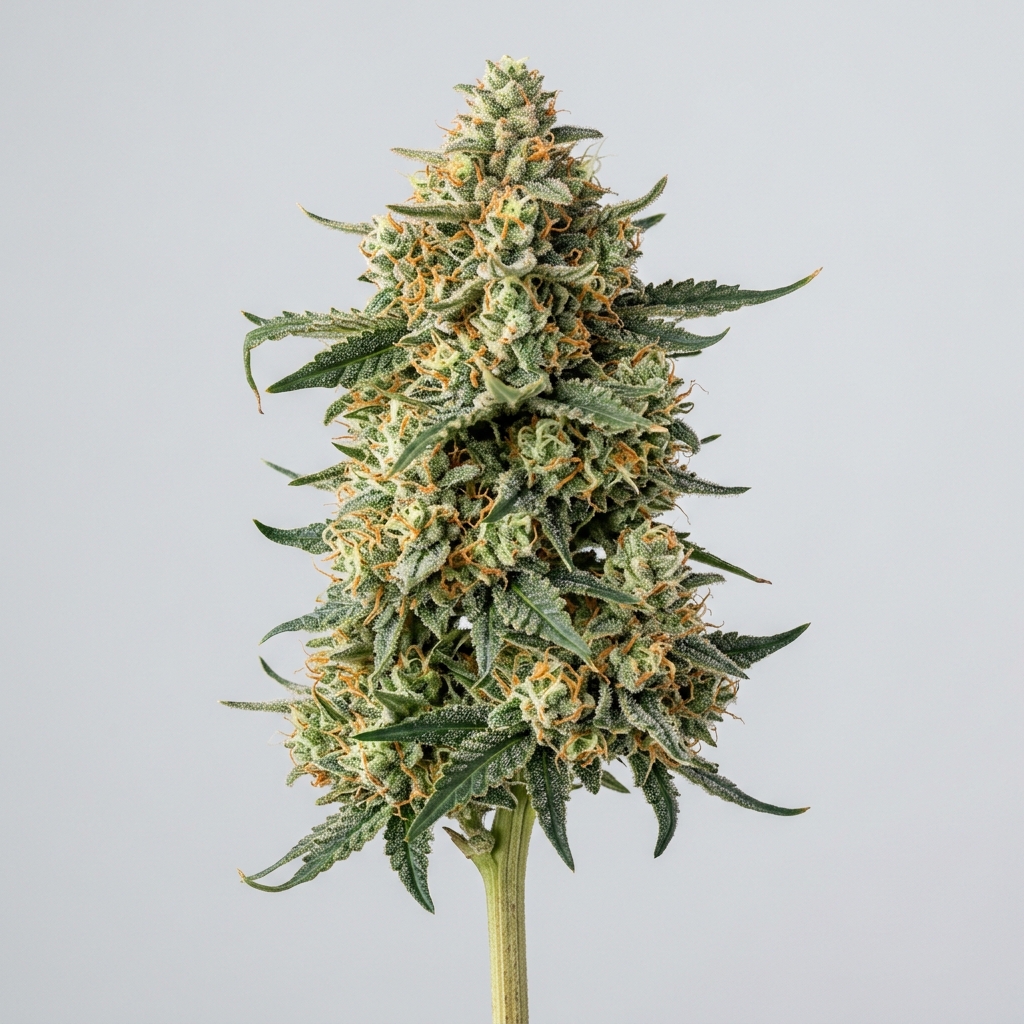
Coconut Cream (Cannabis Strain)
Coconut Cream is a unique, dessert-oriented cannabis cultivar often sought for its smooth, tropical flavor profile and balanced hybrid effects. While its exact genetic origins remain obscured in legacy breeding records, it is frequently categorized as a balanced hybrid with THC levels typically ranging between 18% and 22%. The strain is recognized for its thick, resinous trichome coverage and a terpene profile that mirrors its namesake, offering a sensory experience that feels both exotic and familiar to experienced enthusiasts.
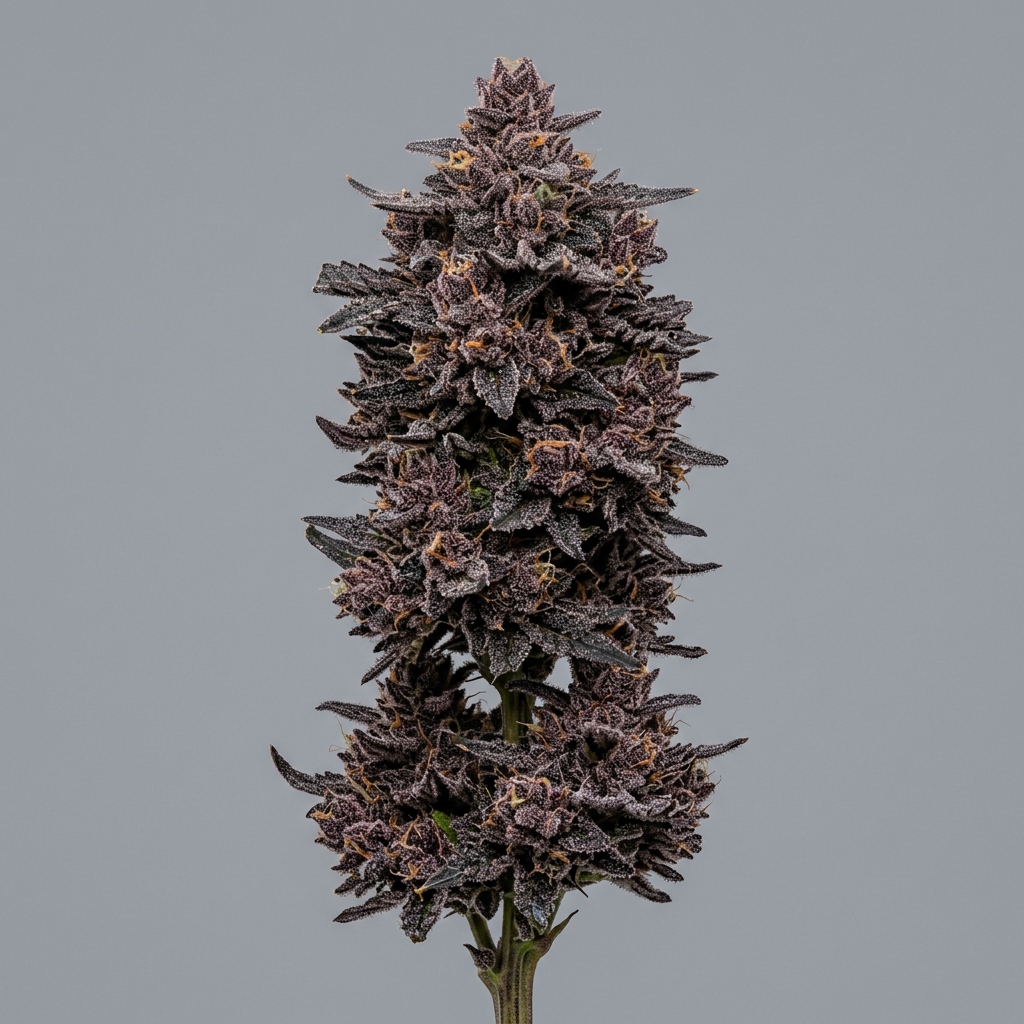
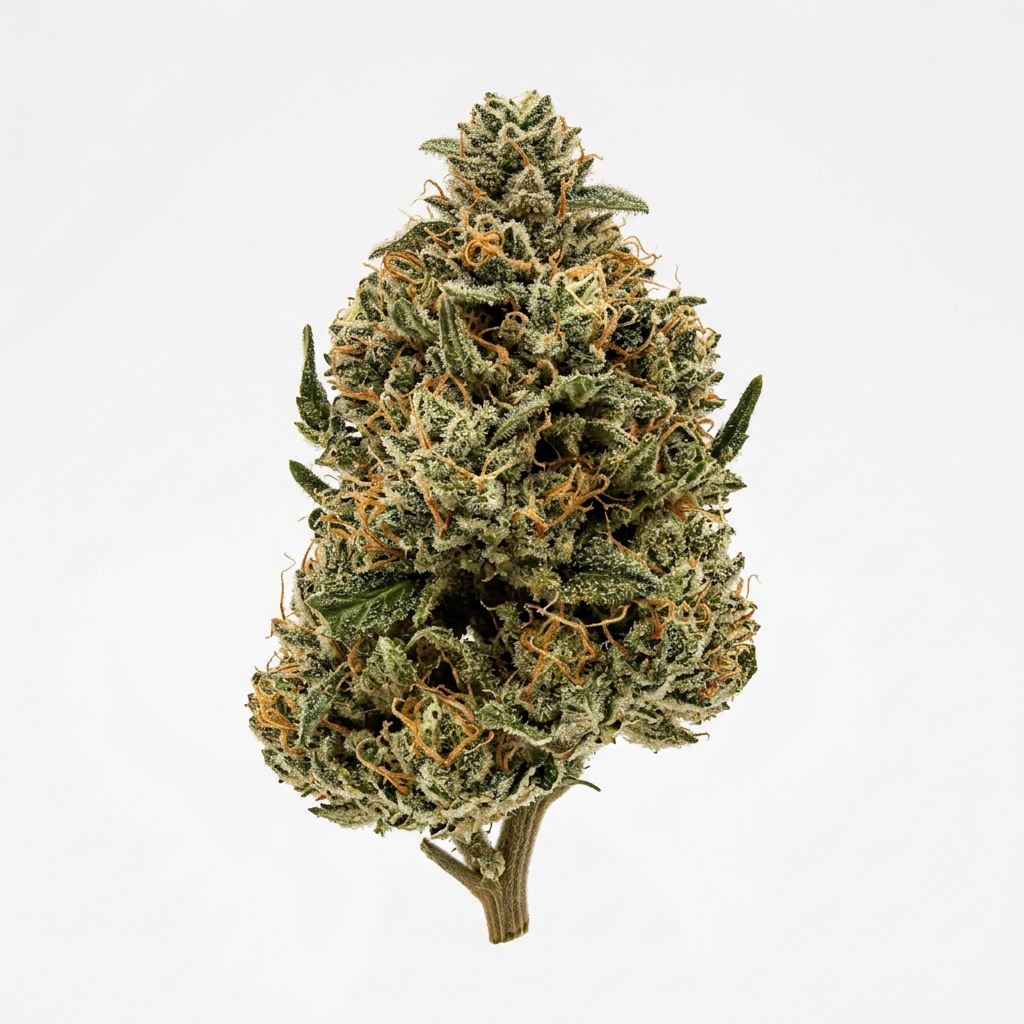
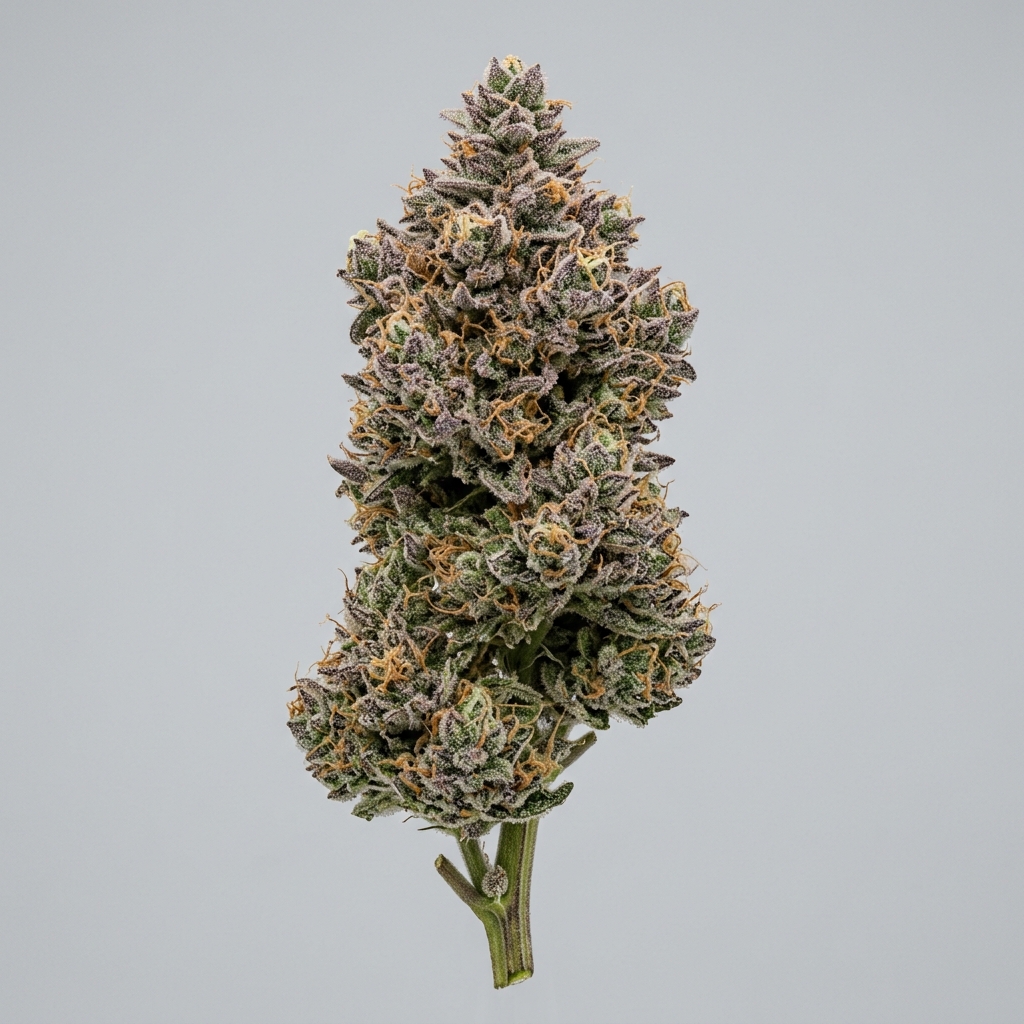
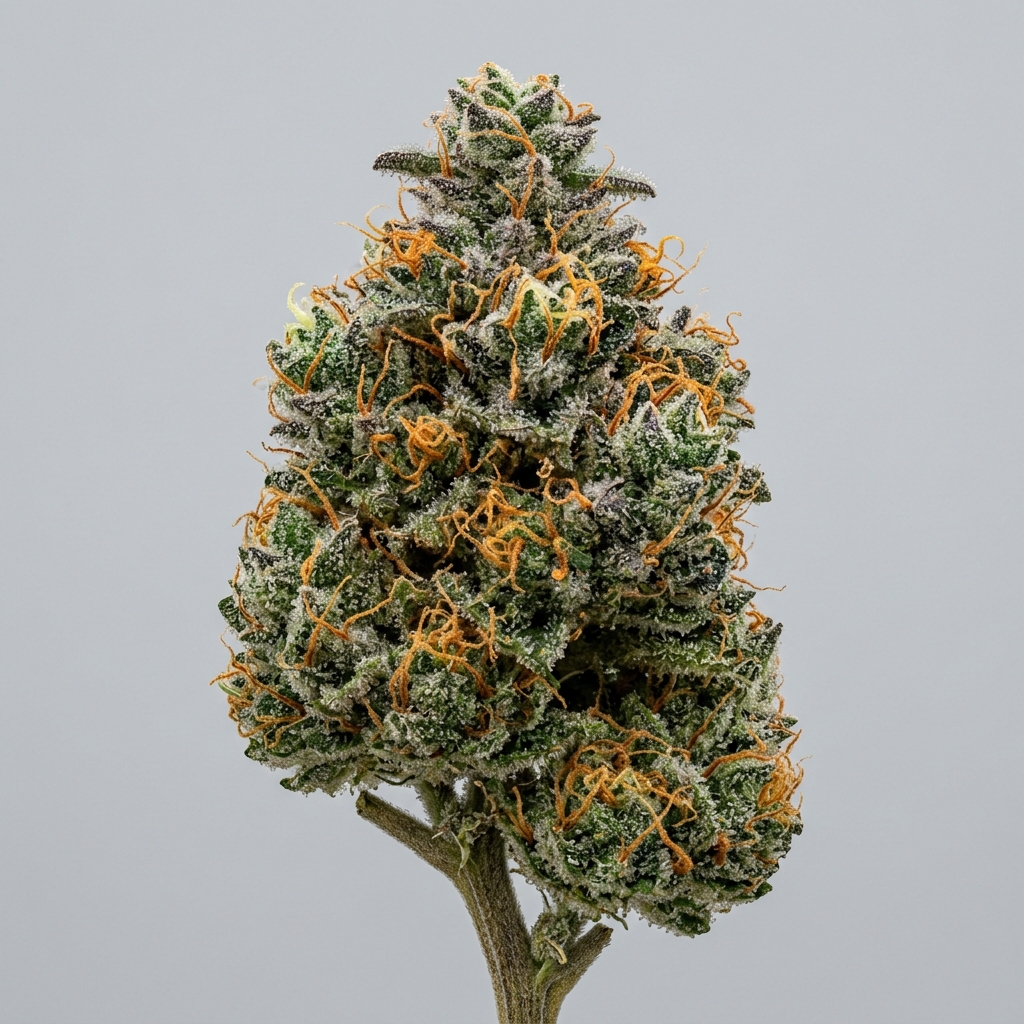
From a scientific and botanical reference, this cultivar exhibits classic indica-leaning structural traits, often producing dense, spade-shaped flowers with hues of deep forest green and subtle hints of gold. Growers often highlight its terpene complexity, which requires a stable environment to fully express its delicate creamy notes. Understanding the development of such profiles provides a scientific and botanical reference for how secondary metabolites interact within the plant’s glandular trichomes.
Quick Facts
| Attribute | Details |
|---|---|
| Genetics | Unknown |
| Variety | Hybrid (~50% indica / 50% sativa) |
| THC Range | 18%–22% |
| CBD Range | Low, usually below 1% |
| Dominant Terpenes | Myrcene, Limonene, Caryophyllene |
| Primary Effects | Relaxed, euphoric, creative, balanced |
| Flavor Profile | Coconut, cream, sweet, nutty |
| Flowering Time | 8–9 weeks |
| Yield Potential | Moderate to High |
| Plant Height | Medium |
| Difficulty | Moderate |
| Indoor / Outdoor | Both |
| Best For | Cultivar education, sensory enthusiasts |
| Data Confidence | Estimated — lineage or testing data varies |
Scientific & Botanical Overview
Coconut Cream presents a fascinating case study in phenotype selection. As a hybrid, it balances morphological characteristics that allow for versatile cultivation. The plant generally exhibits robust lateral branching, which supports the development of heavy, resin-dense colas as it nears the end of the flowering cycle.
Botanically, the strain relies on the expression of its specific terpene profile to achieve its signature aroma. The interplay between primary cannabinoids and essential oils suggests a complex chemotaxonomy that differentiates it from other dessert-themed cultivars. Understanding these nuances helps cultivators refine their environment to maximize secondary metabolite production.
Effects & Use-Cases (Reported)
Commonly reported effects of Coconut Cream often start with a gentle cerebral uplift that transitions into a soothing, full-body relaxation. Users frequently describe the experience as balanced, making it suitable for mid-afternoon or early evening use when a creative but calm state is desired.
In terms of use-case context, this strain is often favored by those looking to unwind without heavy sedation. Anecdotally, it is regarded as a social-friendly option that maintains clarity while enhancing the sensory experience of its sweet, nutty flavor profile.
Aroma & Flavors
Aroma: Sweet, tropical, hints of toasted coconut and butter.
Flavor: Creamy, nutty, with a smooth, lingering sweetness on the exhale.
Terpene associations: Myrcene provides the earthy base, while Limonene and Caryophyllene contribute to the bright, nutty top notes.
Tested Cannabinoid & Terpene Ranges
| Compound | Typical Range* | Notes |
|---|---|---|
| Δ9-THC | 18%–22% | Primary cannabinoid |
| Myrcene | 0.5%–1.2% | Contributes to body relaxation |
| Limonene | 0.3%–0.8% | Aromatic citrus/sweet notes |
*Ranges may vary by phenotype, cultivation environment, harvest timing, and analytical method.
Cultivation Notes
- Training: Responds well to LST (Low-Stress Training) to open up the canopy.
- Nutrients: Prefers a balanced nutrient regimen; watch for nitrogen sensitivity in late bloom.
- Harvest Timing: Monitor trichomes for a milky-white appearance with slight ambering.
- Environment: Requires stable humidity (40%–50% in flower) to prevent mold in dense colas.
Grower Notes (Week-by-Week Snapshot)
- Weeks 1–3: Rapid vegetative growth; focus on establishing a strong root system and canopy structure.
- Weeks 4–6: Flowering initiation; heavy resin production begins; monitor for proper airflow.
- Weeks 7–9: Flower maturation and swelling; flush during the final week to enhance flavor purity.
- Post-Harvest: Slow dry and cure (14+ days) is essential to preserve the delicate coconut-cream terpene notes.
Genetic Lineage
The genetic background of Coconut Cream remains largely unverified. Because lineage reports vary, it is best described as an heirloom-style hybrid of unknown parentage. Some anecdotal sources suggest a link to tropical sativa landraces crossed with creamy indica varieties, but this remains speculative.
Research Insights
Ongoing research into minor cannabinoids and terpene synergies continues to highlight how cultivars like Coconut Cream achieve their unique sensory profiles. The combination of Myrcene and Caryophyllene is often studied for its potential influence on the entourage effect, though specific clinical data for this strain is limited.
Frequently Asked Questions
Is Coconut Cream a sativa or indica?
It is generally classified as a balanced hybrid, offering a combination of effects associated with both sativa and indica genetics.
Does this strain taste like coconut?
Yes, many users report a distinct creamy, nutty flavor profile that is reminiscent of toasted coconut, especially when properly cured.
How difficult is it to grow?
Coconut Cream is considered to be of moderate difficulty, requiring basic knowledge of environmental control to ensure high-quality flower production.
Educational Disclaimer
This page is provided for scientific and horticultural reference only. Cannabis laws vary by jurisdiction; always ensure compliance with local regulations.
Rate and review this strain
Ratings and reviews are accepted only from signed-in Google accounts.
Sign in with Google to leave a rating and written review.
Latest Reviews
0 reviewsNo reviews yet. Be the first Google user to rate and review this strain.