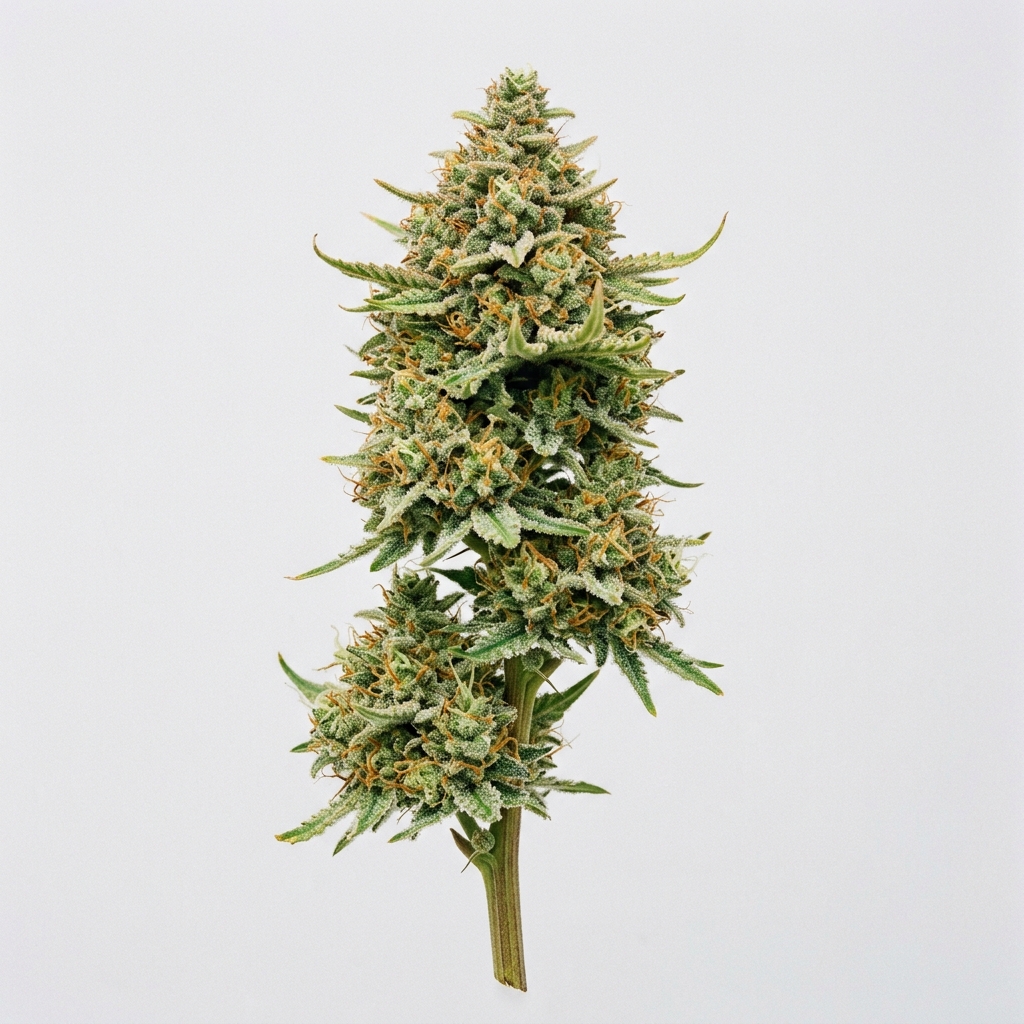
Banana Pudding (Cannabis Strain)
Banana Pudding is a highly sought-after, dessert-forward indica-leaning hybrid known for its nostalgic aromatic profile and potent, body-focused effects. While lineage reports vary due to its popularity among different breeders, it is most commonly recognized as a cross between Banana OG and Girl Scout Cookies (GSC), though some variants incorporate other dessert cultivars like Runtz. With total THC levels typically ranging from 20% to 31%, this modern dessert strain is celebrated for its dense, trichome-coated buds and ability to deliver a deeply relaxing, euphoric experience.
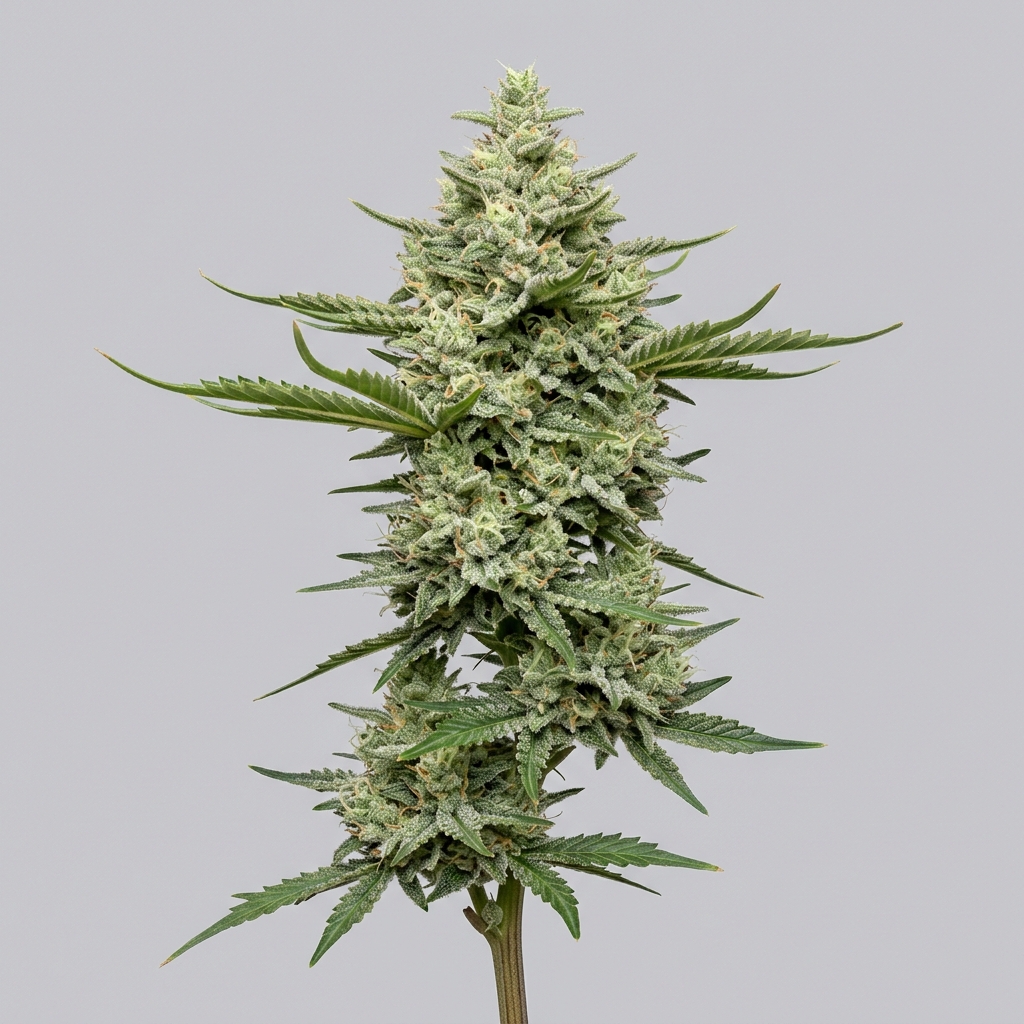
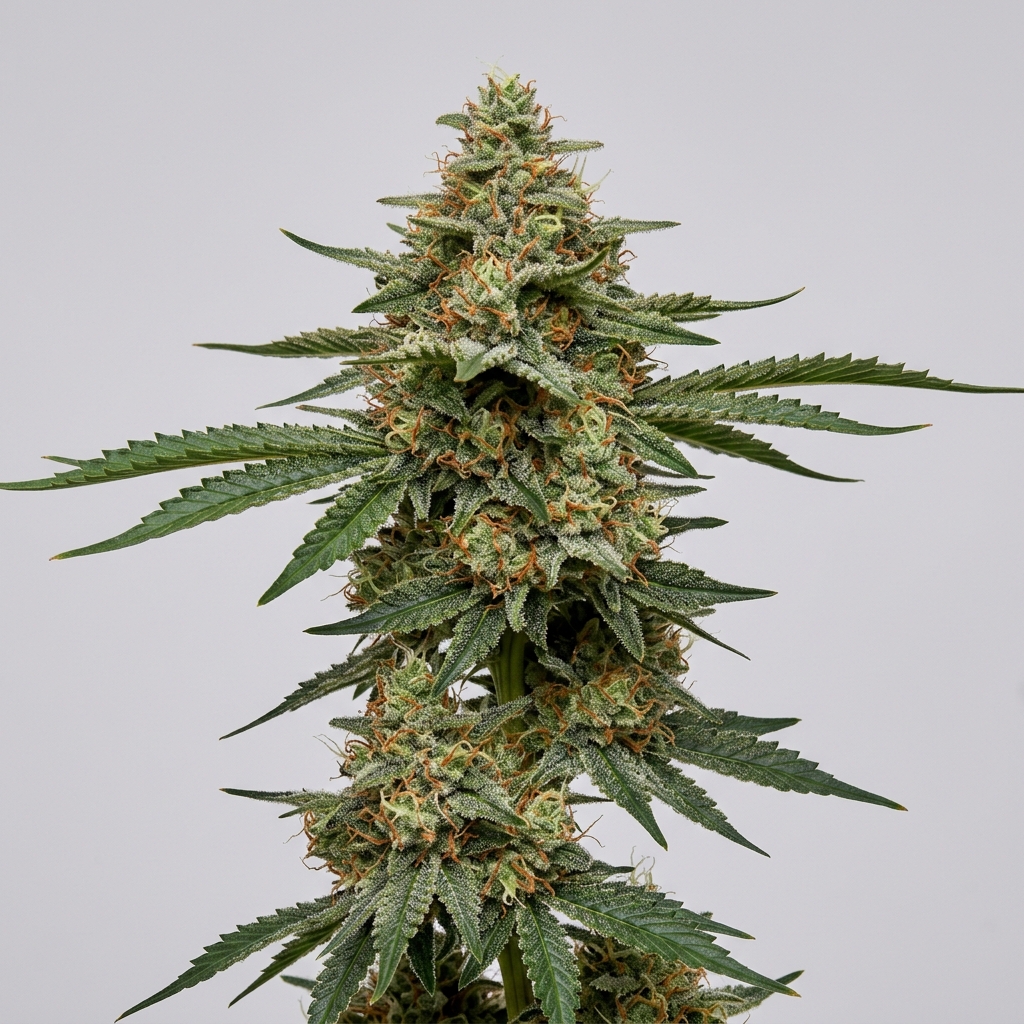
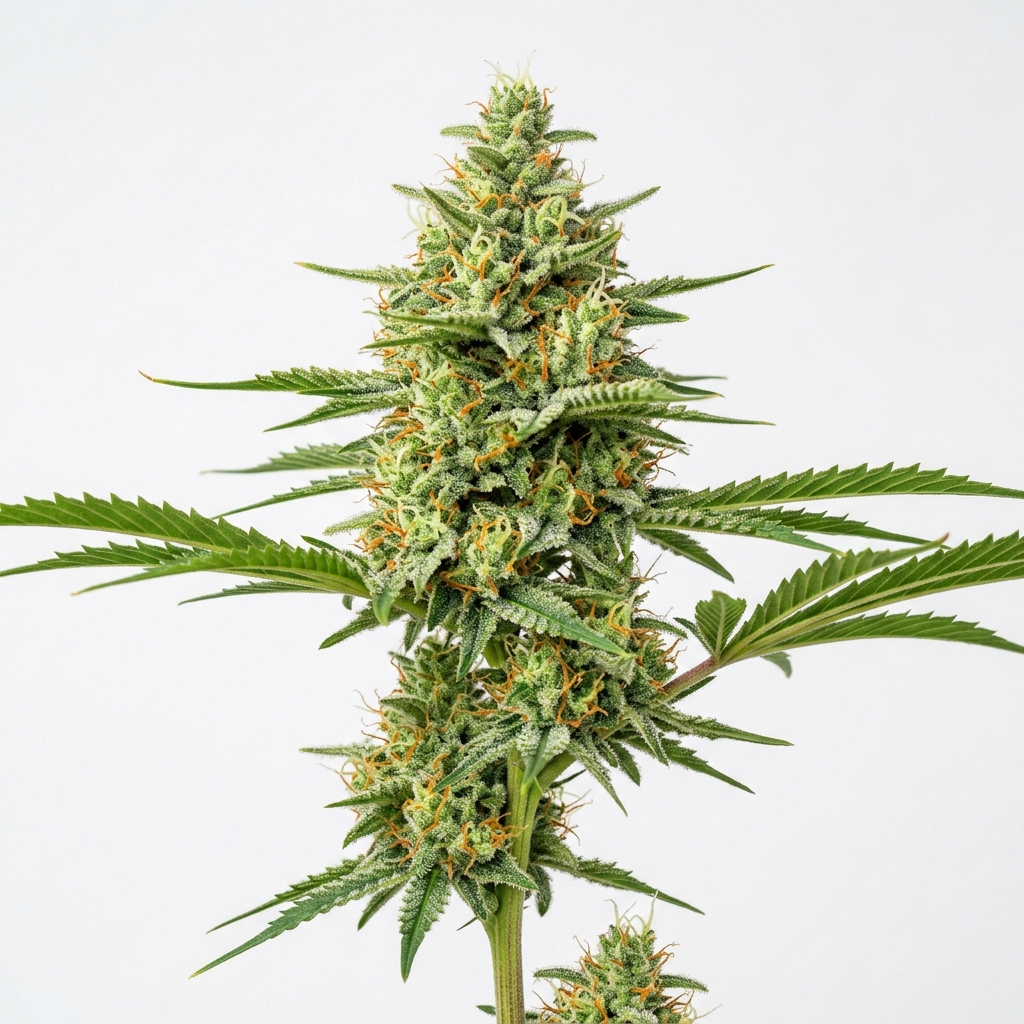
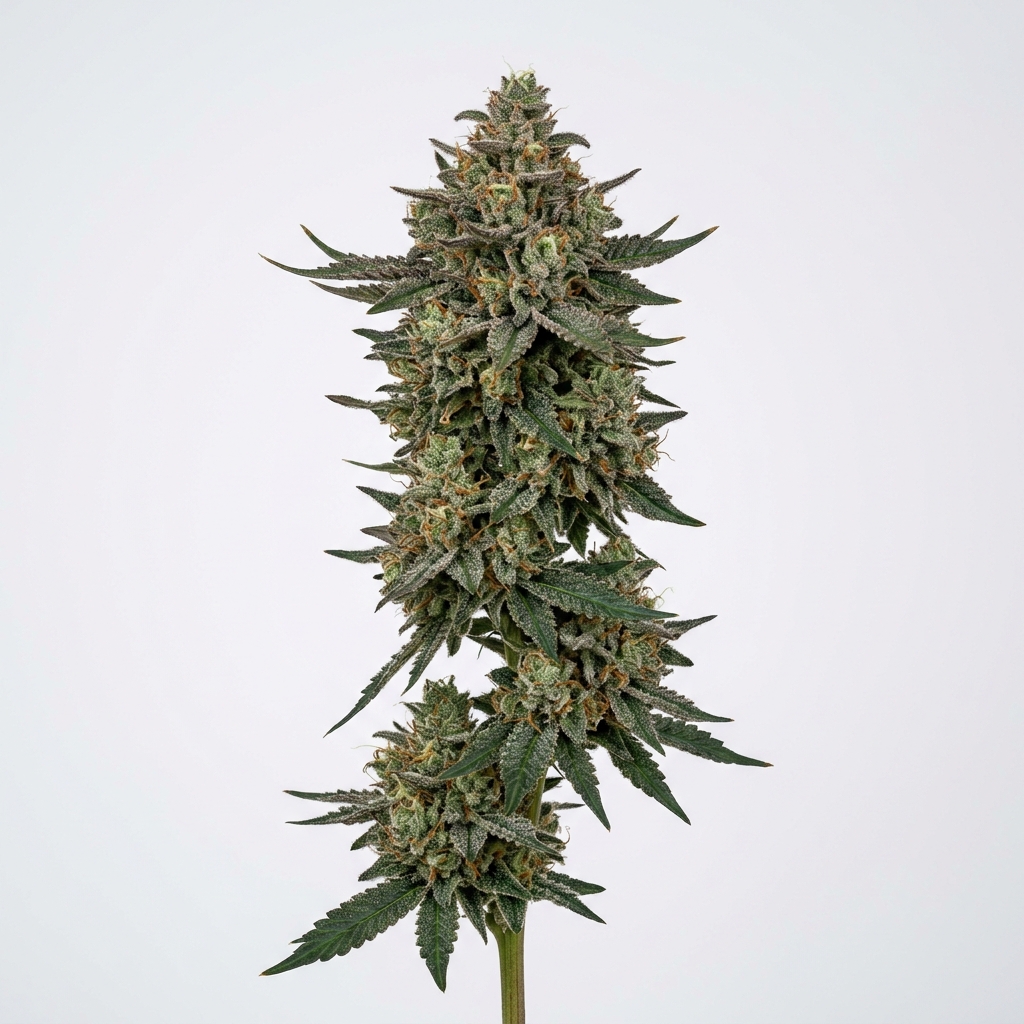
Botanically, the plant exhibits a robust structure characteristic of its OG heritage, producing tight, grape-shaped nugs that often display minty green hues with vibrant orange pistils. The namesake aroma is frequently attributed to specific ester formations, such as isoamyl acetate, combined with vanilla-forward terpenes that soften the underlying gas. For a more detailed scientific and botanical reference regarding its terpene synthesis, one can look at its high concentrations of myrcene and limonene, which contribute to its signature creamy, custard-like bouquet.
Quick Facts
| Property | Details |
|---|---|
| Genetics | Banana OG x GSC (or similar dessert hybrids) |
| Variety | Indica-dominant hybrid (~70% indica / 30% sativa) |
| THC Range | 20% – 31% |
| Flowering Time | 8–9 weeks |
| Yield Potential | Moderate to High |
| Plant Height | Medium |
| Difficulty | Intermediate |
Scientific & Botanical Overview
Banana Pudding represents the evolution of modern breeding, where the focus has shifted toward complex, dessert-inspired terpene profiles without sacrificing the potency of the OG Kush lineage. The plant is structurally dense, benefiting from vegetative training to manage its typical height and improve light penetration to lower bud sites.
The chemical expression of this strain is heavily influenced by the interplay between its primary terpenes and specific banana-associated esters. The result is a flower that is not only visually striking but also chemically consistent across high-quality batches, making it a subject of interest for those studying the intersection of volatile organic compounds and cultivar-specific experiences.
Effects & Use-Cases (Reported)
Commonly reported effects include an initial uplift in mood and mental clarity, often described as a giggly or social energy, which gradually transitions into a profound, heavy physical relaxation. This progression makes it a frequent choice for evening use or winding down after high-stress activities.
The use-case context for this cultivar centers around its ability to provide comfort, with many users noting its efficacy for supporting appetite, easing tension, and facilitating rest. Due to its potency, it is often recommended for experienced consumers looking to manage end-of-day stress or physical discomfort.
Aroma & Flavors
Aroma: Ripe banana, vanilla custard, sweet cookie dough, and a subtle background of gas and earth.
Flavor: Creamy banana pudding, Nilla wafers, light nuttiness, and a smooth, vanilla-rich finish.
Terpene associations: Myrcene (earthy/musky), Limonene (citrus/uplifting), and Beta-Caryophyllene (spicy/peppery).
Tested Cannabinoid & Terpene Ranges
| Compound | Typical Range* | Notes |
|---|---|---|
| Δ9-THC | 20% – 31% | Primary psychoactive |
| Myrcene | 0.3% – 0.8% | Sedative/Earthy |
| Limonene | 0.2% – 0.6% | Mood/Citrus |
| β-Caryophyllene | 0.2% – 0.5% | Anti-inflammatory/Spicy |
*Ranges may vary by phenotype, cultivation environment, harvest timing, and analytical method.
Cultivation Notes
- Training: Highly responsive to topping and low-stress training (LST) to manage height and maximize canopy yield.
- Nutrients: Requires a balanced feeding schedule with a slight increase in phosphorus and potassium during the mid-flower phase.
- Harvest Timing: Monitor trichome maturation closely, aiming for cloudy with a touch of amber for optimal effect.
- Environment: Prefers a stable, warm climate with good airflow to prevent mold in its dense floral clusters.
Grower Notes (Week-by-Week Snapshot)
- Weeks 1–3: Rapid vegetative growth; ensure adequate nitrogen and light intensity to support structural development.
- Weeks 4–6: Significant flower initiation; focus on pruning lower fan leaves to encourage energy flow to top colas.
- Weeks 7–9: Resin production accelerates; monitor humidity closely to avoid bud rot in dense, swelling flowers.
- Post-Harvest: Slow drying and careful curing are essential to preserve the delicate banana-vanilla esters.
Genetic Lineage
Banana Pudding is not a single, standardized genotype but rather a concept executed by various breeders. Most commonly, it is a cross between Banana OG (or other banana-leaning cultivars) and a dessert-forward strain like GSC (Girl Scout Cookies). Because multiple breeders have released variants, lineage reports vary by cut, but the goal remains consistent: pairing fruity, ester-driven banana aromas with the dense, resinous, and sugary characteristics of modern dessert genetics.
Research Insights
Research into cannabis chemistry suggests that the synergy between terpenes like myrcene and limonene, alongside varying cannabinoid ratios, plays a significant role in the perceived effects of a cultivar. While Banana Pudding is celebrated for its sensory profile, the specific terpene-to-cannabinoid ratio in each phenotype contributes to the unique experience reported by users.
Frequently Asked Questions
Is Banana Pudding a Sativa or Indica?
Banana Pudding is generally classified as an indica-leaning hybrid, though the exact ratio can vary depending on the specific breeder’s cut.
What does Banana Pudding smell like?
It is famously aromatic, featuring notes of ripe banana, vanilla custard, and Nilla wafers, often accompanied by a light, gassy undertone.
Is Banana Pudding suitable for beginners?
Due to its high THC content and potentially potent sedative effects, it is usually recommended for more experienced consumers rather than those new to cannabis.
Educational Disclaimer
This page is provided for scientific and horticultural reference only. Cannabis laws vary by jurisdiction; always ensure compliance with local regulations.
Rate and review this strain
Ratings and reviews are accepted only from signed-in Google accounts.
Sign in with Google to leave a rating and written review.
Latest Reviews
0 reviewsNo reviews yet. Be the first Google user to rate and review this strain.