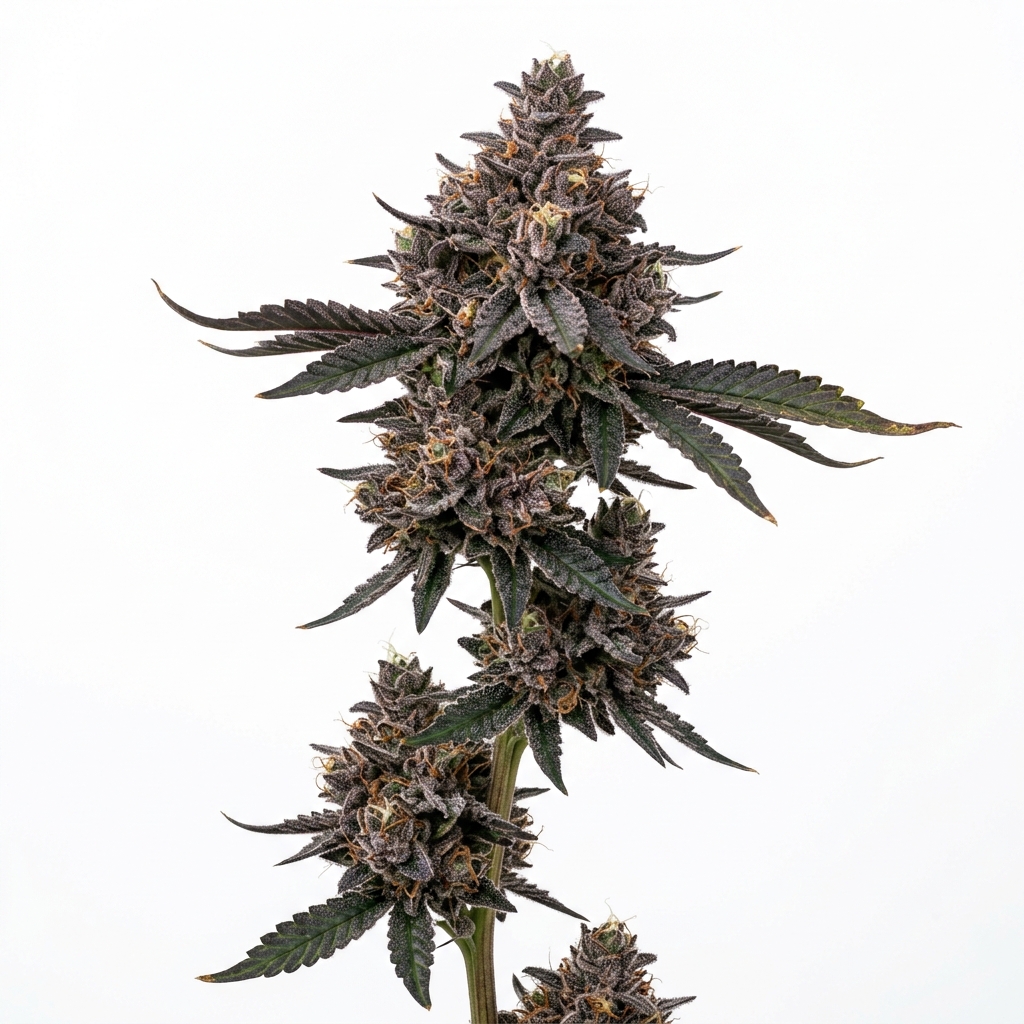
Gastronaut (Cannabis Strain)
Gastronaut is a potent hybrid cultivar bred by Compound Genetics, developed by crossing the renowned Gary Payton with Gastro Pop #5. Uninfused dried flower typically tests in the 24% to 29% THC range, establishing it as a heavy-hitting selection in contemporary craft lineups. The cultivar delivers an intense terpene signature led by tart fruit candy, sour gas, and a rubbery diesel undertone, backed by dense, resin-rich flowers that perform exceptionally well in solventless extraction.
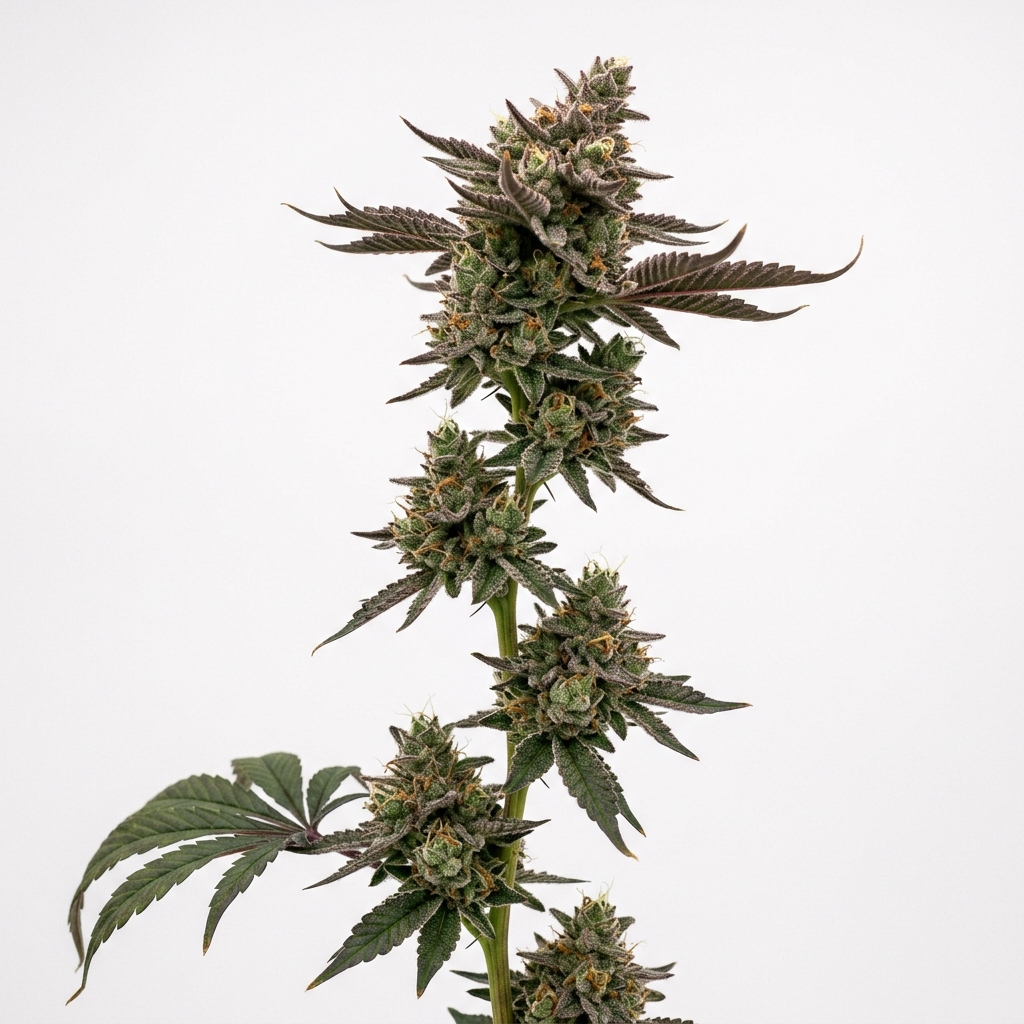
Combining the structured calyx stack and peppery fuel of Gary Payton with the candied grape and fermented fruit notes of Gastro Pop, the plant develops sturdy lateral branching and deep purple foliage late in flower. Consumers commonly report an immediate cerebral lift that transitions into lingering physical relaxation without sudden couch lock, making it well suited for late afternoon or evening sessions.
Quick Facts
| Field | Details |
|---|---|
| Breeder | Compound Genetics |
| Genetics | Gary Payton × Gastro Pop #5 |
| Variety | Hybrid |
| THC Range | 24% – 29% |
| Flowering Time | 8 – 9 weeks (56 – 63 days) |
| Yield Potential | Moderate to High |
| Plant Height | Medium |
| Climate Preference | Temperate, Mediterranean, or climate-controlled indoor |
| Difficulty | Moderate |
Scientific & Botanical Overview
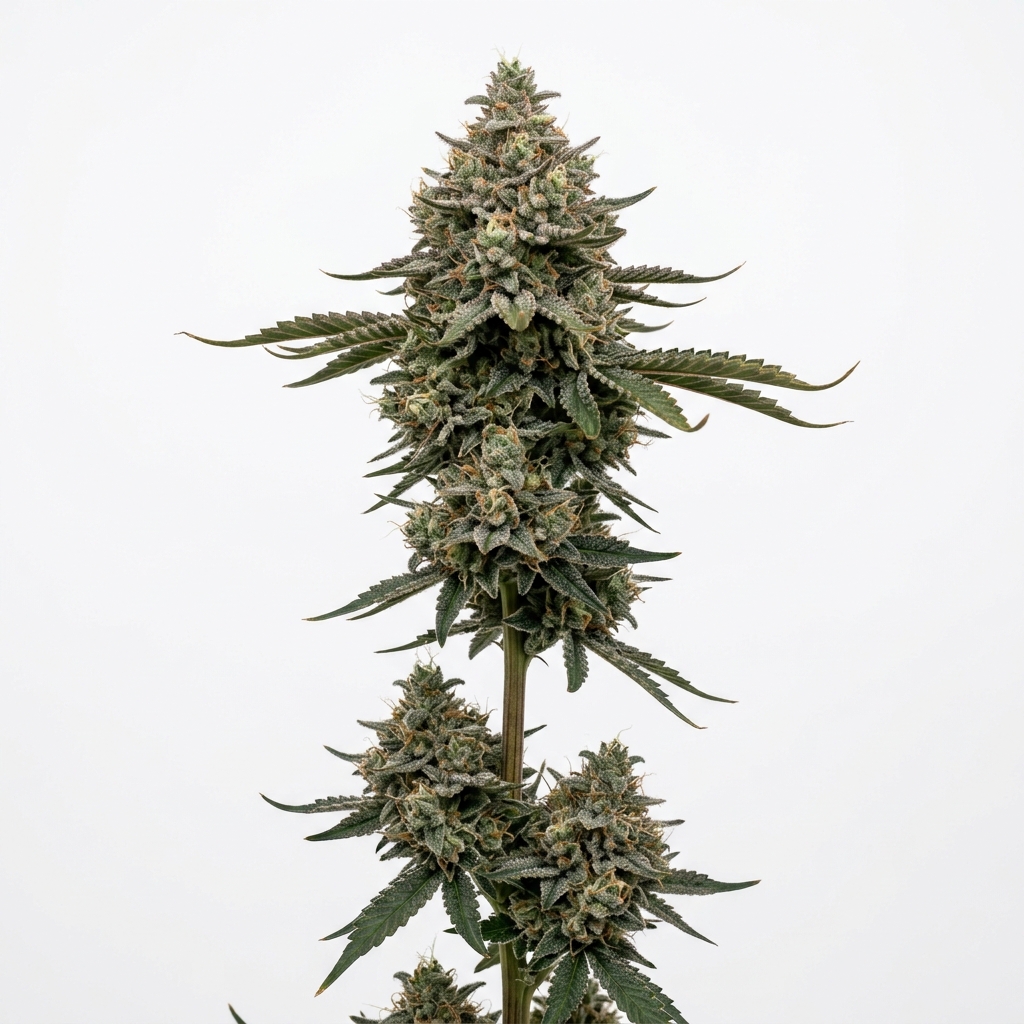
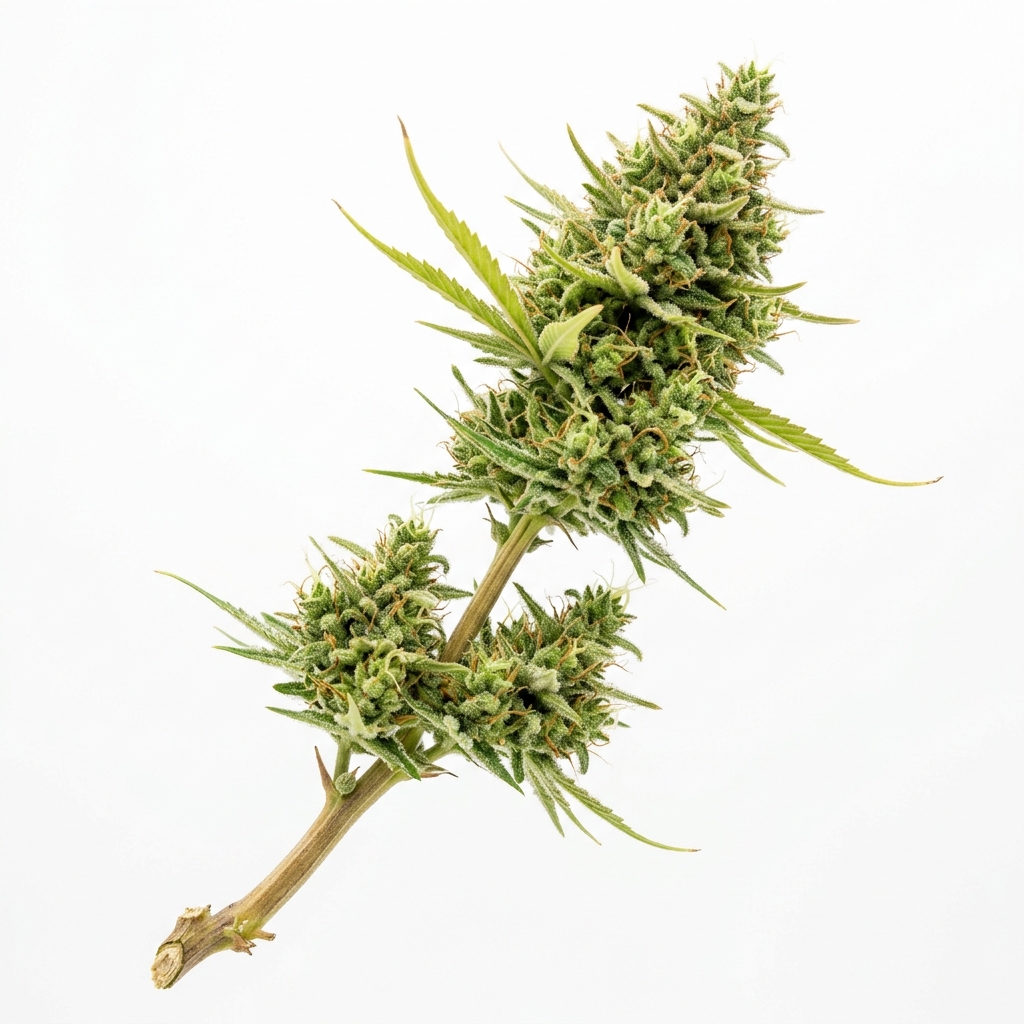
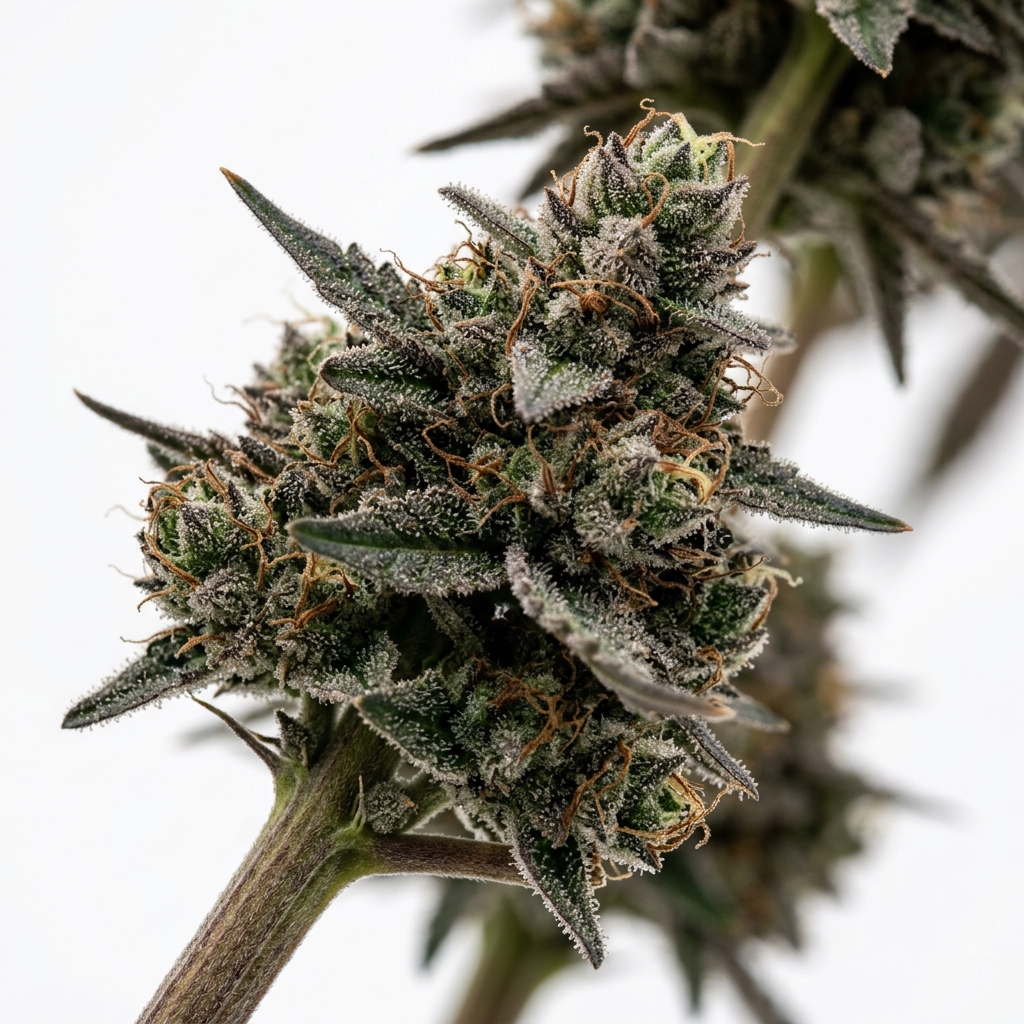
Gastronaut produces dense, conical flower clusters with pronounced bract development and minimal interior leaf. As flowering progresses, the bracts swell tightly along the stems, often showing deep violet and charcoal pigmentation when night temperatures are dialed down during the final two weeks.
Trichome coverage is extensive, featuring uniform capitate-stalked glands that form a greasy outer coat across the calyxes and sugar leaves. The resin heads remain tacky and wash cleanly, reflecting the modern resin profile established across the Gastro Pop breeding line.
The plant shows moderate internodal spacing and stout stem thickness inherited from its Gary Payton parentage. Vegetative growth is vigorous with broad, dark green fan leaves that require strategic thinning to maintain light penetration and air movement through the lower canopy.
Effects & Use-Cases (Reported)
Commonly reported effects: An initial uplift marked by steady mental clarity, followed by an easing of physical tension and broad muscle relaxation. The physical weight settles gradually, providing calm focus without inducing immediate lethargy.
Use-case context: Well suited for unhurried evenings, quiet creative projects, and post-work decompression. Users often choose this cultivar when looking to disengage from mental stress while maintaining enough clarity for conversation or light entertainment.
Individual tolerance, phenotype variation, and consumption method will influence the onset and depth of effects. Moderation is advised for those unaccustomed to modern high-potency hybrid flower.
Aroma & Flavors
Aroma: Broken buds release a sharp burst of tart grape candy, sweet berry coulis, and pungent chemical fuel. Secondary notes feature burnt rubber, spicy black pepper, and faint earthy dough.
Flavor: The smoke is rich and heavy, delivering a prominent candied fruit taste on the inhale that pivots into tart gas, citrus zest, and peppery diesel on the exhale.
Terpene associations: The profile is anchored by beta-caryophyllene, limonene, and myrcene, supported by minor levels of linalool and humulene that contribute floral depth and pungent earthiness.
Tested Cannabinoid & Terpene Ranges
| Compound | Typical Flower Range |
|---|---|
| Δ9-THC | 24.0% – 29.0% |
| CBG | 0.5% – 1.2% |
| CBC | < 0.3% |
| CBD | < 0.2% |
| Beta-Caryophyllene | 0.6% – 1.1% |
| Limonene | 0.4% – 0.9% |
| Myrcene | 0.2% – 0.6% |
Range note: Cannabinoid and terpene metrics reflect lab-tested dried flower samples. Realized values fluctuate depending on specific phenotype selection, lighting intensity, nutritional inputs, and curing conditions.
Cultivation Notes
- Humidity management: Keep relative humidity near 55% during early flower, stepping down to 40%–45% in late bloom to protect the dense colas from moisture entrapment.
- Nutrient requirements: Plants handle moderate to heavy feeding schedules well, with strong calcium and magnesium support needed through the mid-flower bulk phase.
- Canopy training: Responds cleanly to topping and low-stress training (LST), creating a broad, even canopy that maximizes terminal bud sites under trellis netting.
- Defoliation: Perform a thorough strip of lower fan leaves around day 21 and a lighter cleanup around day 42 to encourage airflow through the dense floral sites.
- Harvest window: Most phenotypes reach full maturity between days 56 and 63, signaled by amber glandular heads and swollen calyxes.
Grower Notes (Week-by-Week Snapshot)
- Weeks 1–3: Moderate vertical stretch of roughly 1.5× to 2×. Stems thicken quickly; establish your trellis and complete primary canopy spreading before week 3 concludes.
- Weeks 4–6: Rapid bud formation with early resin heads appearing on sugar leaves. Colas begin stacking into tight spear-shaped clusters as aroma intensifies.
- Weeks 7–9: Flower swelling accelerates and foliage shifts toward deep purple and violet tones. Lower ambient humidity and monitor trichome maturity closely toward day 60.
- Post-harvest: A slow 12-to-14-day dry at 60°F (15°C) and 60% relative humidity preserves the volatile fruit and fuel terpenes, ensuring clean flavor transfer into the cure.
Genetic Lineage
Gastronaut inherits its structural density and fuel-forward bite from Gary Payton, an acclaimed cross of The Y and Snowman bred by Powerzzzup Genetics and popularized by Cookies. Gary Payton is noted for its peppery gas terpene profile, tight internodes, and heavy resin glands that pass reliable vigor to its hybrid progeny.
The pollinator parent, Gastro Pop #5 (Apples & Bananas × Grape Gas), is a cornerstone selection from Compound Genetics known for rich anthocyanin expression, tart fruit sweetness, and sour petrol notes. This pairing unites high cosmetic appeal with pungent, modern exotic aromas.
Research Insights
Cannabis research highlights beta-caryophyllene as a distinctive sesquiterpene capable of binding directly to peripheral CB2 receptors, playing a functional role in terpene-cannabinoid modulation. When combined with limonene and myrcene, these monoterpenes influence aromatic volatility and perceived flavor complexity.
While general pharmacological literature provides insight into individual volatile compounds, strain-specific effects depend on the entire chemical profile of the harvested flower. Environmental factors, harvest timing, and post-harvest handling significantly alter the preservation of these compounds in the finished bud.
Frequently Asked Questions
Who bred the Gastronaut strain?
Gastronaut was bred by Compound Genetics as part of their Gastro Pop breeding project, crossing Gary Payton with Gastro Pop #5.
Is Gastronaut an indica or sativa?
Gastronaut is a balanced hybrid cultivar that shows structural and experiential traits from both sides of its lineage, leaning toward relaxing physical effects in later hours.
What does Gastronaut smell and taste like?
The cultivar features an aromatic blend of tart candy fruit, dark grape, sharp petrol, and burnt rubber, translated into a sweet, peppery gas flavor on the palate.
How long does Gastronaut take to flower?
Under indoor lighting schedules, Gastronaut typically finishes flowering in 8 to 9 weeks (56 to 63 days).
Educational Disclaimer
This content is for educational and informational purposes only. Cannabis laws and regulations vary by jurisdiction. Always consult with a qualified professional before beginning any cultivation project or consuming cannabis products.
Rate and review this strain
Ratings and reviews are accepted only from signed-in Google accounts.
Sign in with Google to leave a rating and written review.
Latest Reviews
0 reviewsNo reviews yet. Be the first Google user to rate and review this strain.
Follow New Cultivar Records
Get newly documented genetics, breeder history, research highlights, and important Strainpedia discoveries by email.