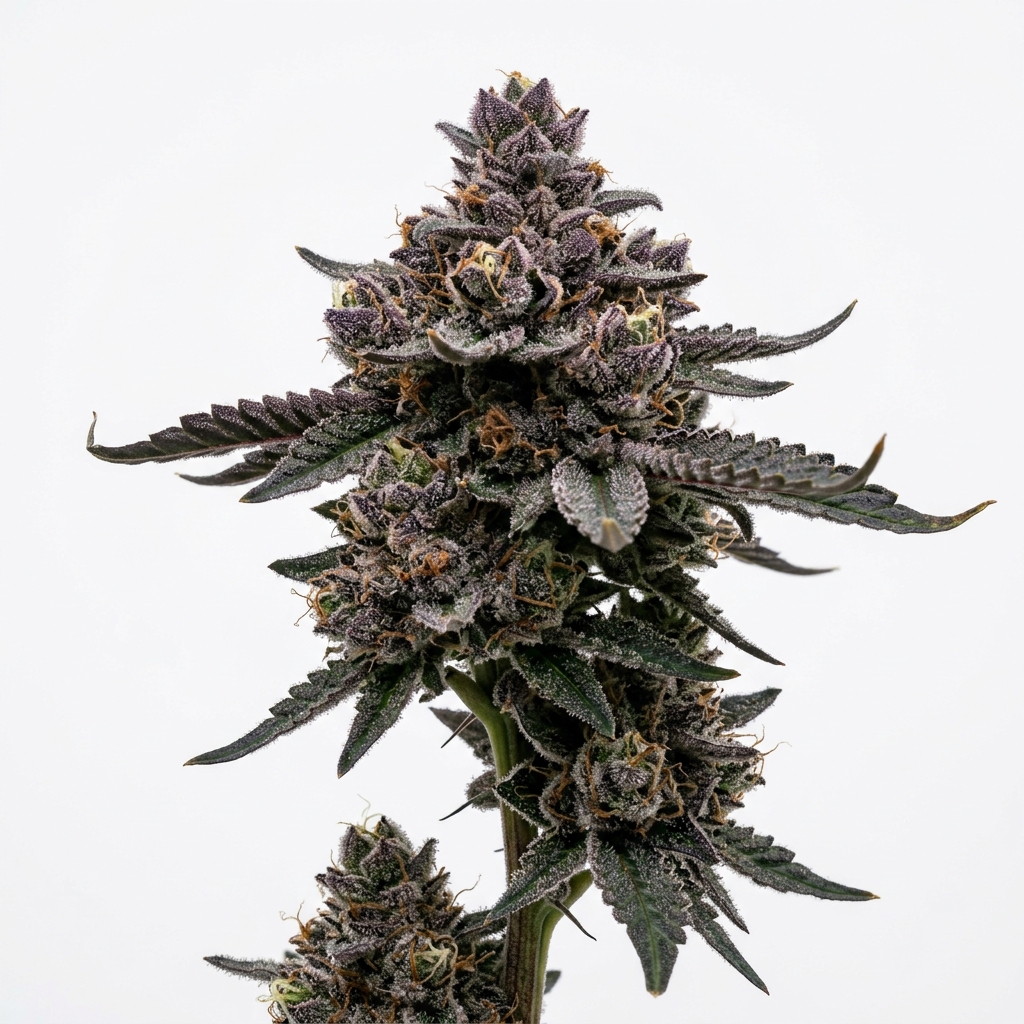
Blue Truffle (Cannabis Strain)
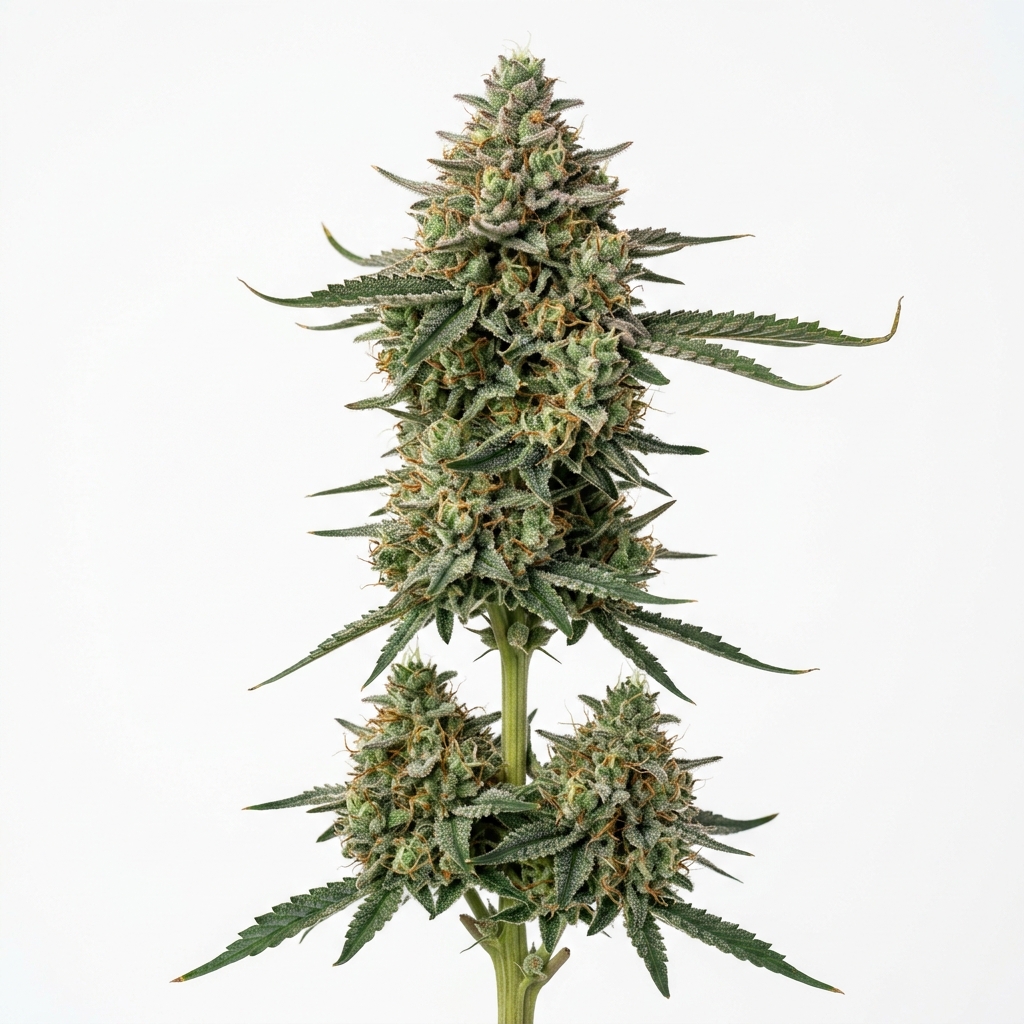
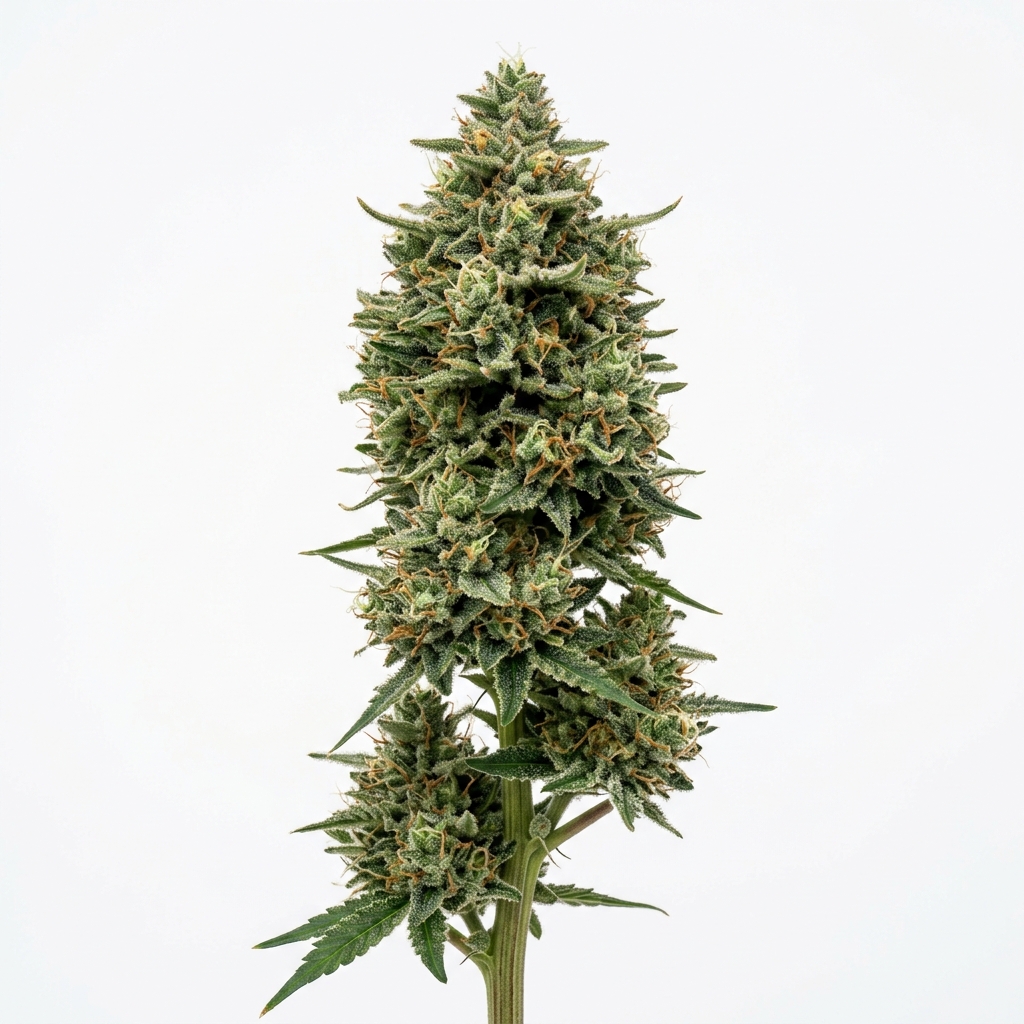
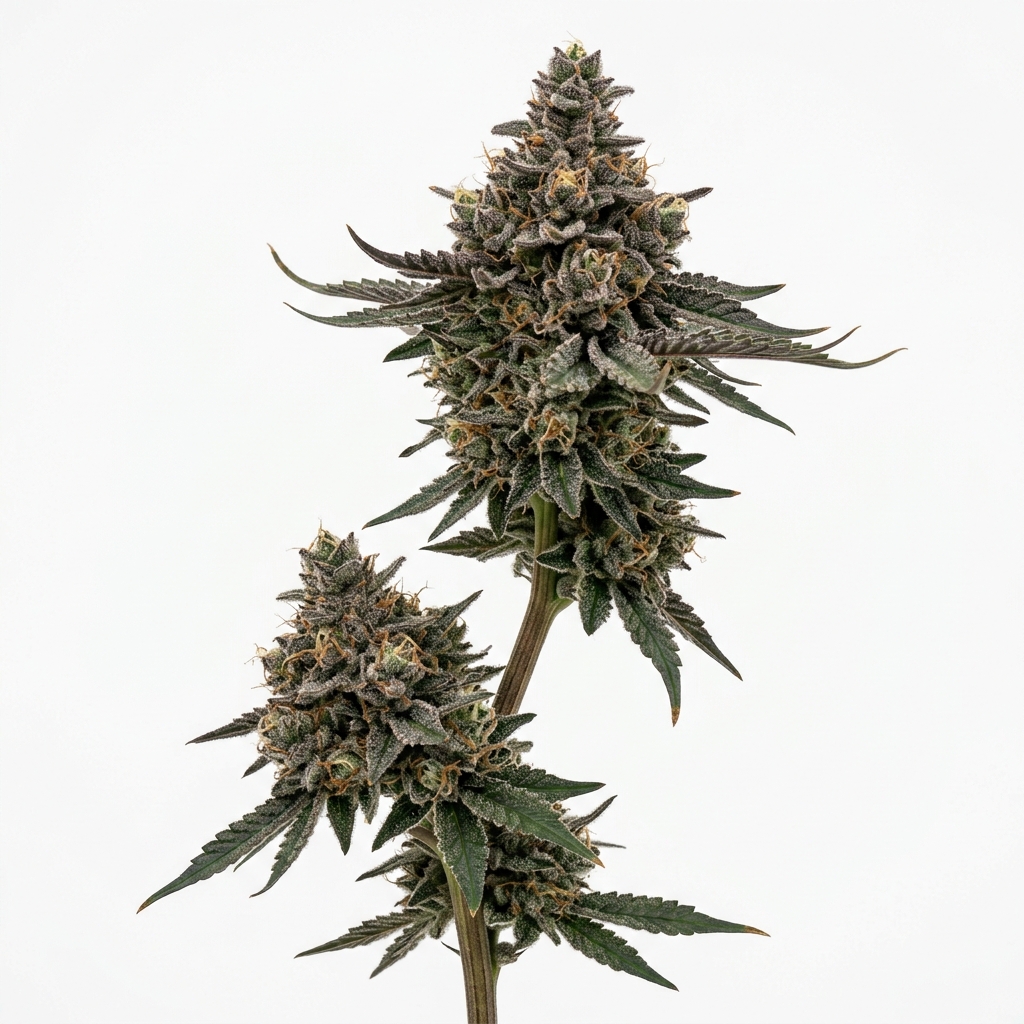
Blue Truffle is an indica-dominant hybrid cultivar testing between 20% and 26% THC, widely recognized for pairing dark fruit sweetness with savory, gassy depth. The original breeder is not consistently documented in reliable public sources, though the cultivar emerged through boutique West Coast selections crossing classic Blueberry with the resin-dense White Truffle cut. The variety produces compact, spade-shaped colas coated in greasy trichomes over deep indigo foliage. It shows sturdy, manageable indoor growth and caters to growers seeking heavy trichome density and complex terpene clarity.
The genetic pairing balances the sweet berry aroma of legacy Afghani-derived lines with the pungent, earthy musk of modern butter and diesel ancestry. Plants develop tight internodal spacing, broad fan leaves, and dense bracts that require disciplined humidity management late in flower. Consumers commonly report a tranquil, full-body physical descent accompanied by a clear, relaxed headspace suitable for unhurried evening routines.
Quick Facts
| Field | Detail |
|---|---|
| Breeder | Not consistently documented |
| Genetics | Blueberry × White Truffle |
| Variety | Indica-dominant hybrid (approx. 70% indica / 30% sativa) |
| THC Range | 20% – 26% (dried flower) |
| Flowering Time | 8 – 9 weeks (56 – 63 days) |
| Yield Potential | Moderate to high (450 – 550 g/m² indoors) |
| Plant Height | Medium (90 – 140 cm) |
| Climate Preference | Temperate to warm Mediterranean; controlled indoor optimal |
| Difficulty | Moderate |
Scientific & Botanical Overview
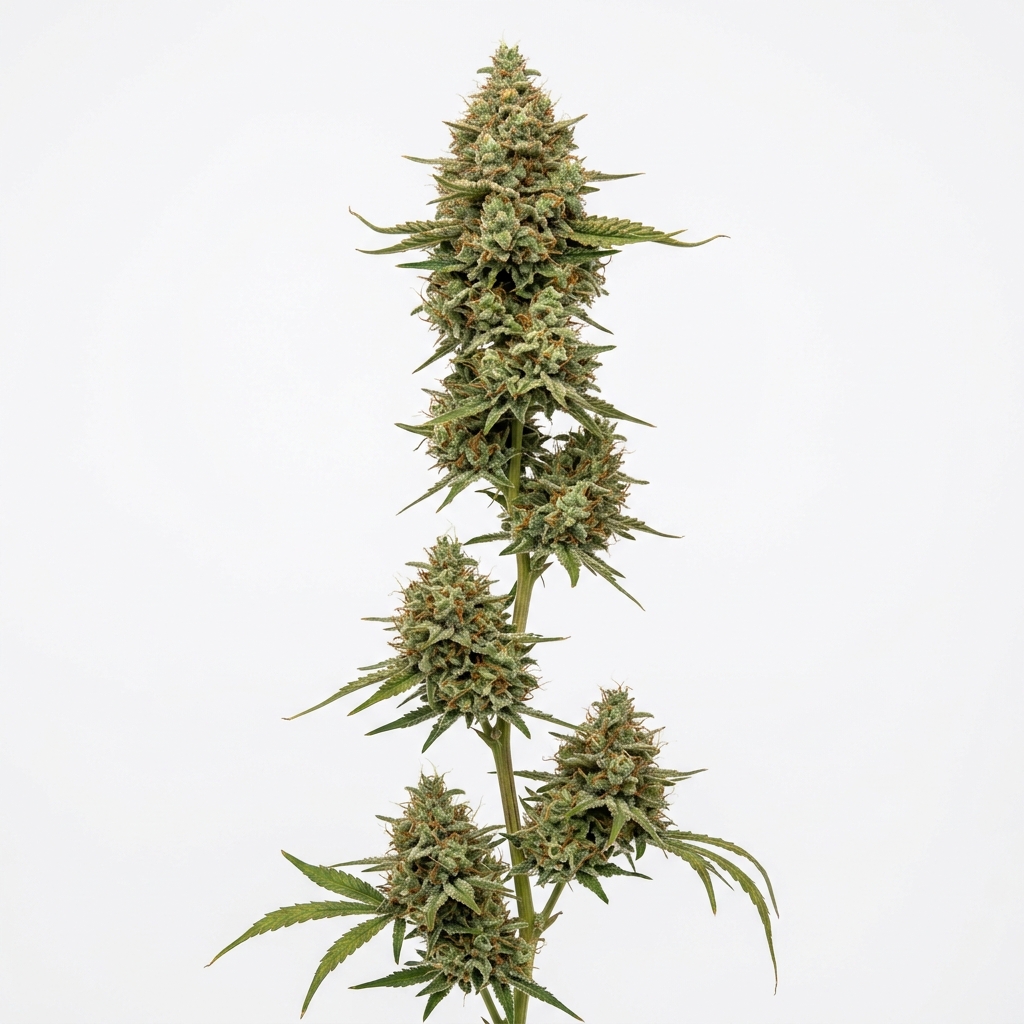
Blue Truffle shows the dense, stocky architecture typical of indica-leaning cultivars. Stems grow thick with compact nodal spacing, supporting stout side branches that require minimal staking under standard canopy management. Anthocyanin accumulation occurs reliably across upper bracts and sugar leaves as night temperatures drop below 20°C in the second half of flowering, turning the deep green calyxes dark purple and violet.
The glandular trichome heads are bulbous, uniform, and closely packed, yielding a sticky, greasy texture rather than a brittle dry resin. Bracts swell substantially during the final two weeks of bloom, creating heavy, rounded bud clusters with a high calyx-to-leaf ratio. The dense interior of these colas demands consistent airflow through the middle canopy to prevent moisture retention.
Secondary metabolite synthesis is led by beta-caryophyllene, myrcene, and limonene, supported by minor concentrations of humulene and linalool. This chemical profile drives the interplay between tart berry monoterpenes and heavier, sulfur-accented sesquiterpenes. When cured properly at steady parameters, the dried flower maintains structural firmness without shedding excessive outer trichome heads.
Effects & Use-Cases (Reported)
Commonly reported effects: The onset typically begins behind the eyes with gentle cerebral decompression, shifting rapidly into a heavy, grounding body sensation. Consumers describe a softening of physical tension, slowed mental pacing, and an unhurried, peaceful mood. Higher intake often leads to profound physical heaviness and couchlock.
Use-case context: Given its calming profile and physical weight, Blue Truffle is commonly chosen for late evening use, low-stimulation activities, listening to music, or preparing for sleep. It is rarely selected for demanding tasks or active social settings where high energy is required.
Note: Individual experiences vary based on dosage, tolerance, consumption method, and specific batch terpene concentrations.
Aroma & Flavors
Aroma: Cracking open a cured bud releases concentrated aromas of overripe blueberries and sour dark fruit, anchored by a rich, savory truffle funk. Undertones of damp earth, black pepper, and faint petroleum emerge as the flower is broken down.
Flavor: The inhale carries smooth sweet berry and creamy dough, while the exhale transitions into pungent earth, roasted nuttiness, and a lingering gassy bite.
Terpene associations: The dominant presence of beta-caryophyllene lends a spicy, savory base, while myrcene enhances the dark fruit earthiness. Limonene adds top-note brightness that keeps the sweet berry flavor distinct from the heavier truffle musk.
Tested Cannabinoid & Terpene Ranges
| Compound | Typical Tested Range |
|---|---|
| Δ9-THC | 20.0% – 26.0% |
| CBD | < 0.5% |
| CBG | 0.4% – 1.2% |
| Total Terpenes | 1.8% – 3.2% |
| β-Caryophyllene | 0.5% – 1.1% |
| Myrcene | 0.4% – 0.9% |
| Limonene | 0.3% – 0.7% |
Range note: Cannabinoid and terpene content varies depending on cultivation parameters, lighting intensity, substrate choice, and post-harvest drying and curing protocols.
Cultivation Notes
- Humidity management: Maintain 55% to 60% relative humidity during vegetative growth, stepping down to 45% during mid-flower and 40% in late flower to protect the dense colas from botrytis.
- Nutrient requirements: Plants handle moderate to heavy nitrogen during vegetative staging and respond well to steady phosphorus and potassium supplementation through peak floral swelling in weeks 5 and 6.
- Canopy training: Topping early above the fourth or fifth node encourages multiple even colas; applying low-stress training (LST) or a single-layer SCROG screen opens the inner canopy effectively.
- Defoliation: Perform selective leaf stripping around day 21 and day 42 of flowering to improve light penetration through the broad, overlapping fan leaves without stalling growth.
- Harvest window: Optimal trichome development typically occurs between day 58 and 63, when resin heads turn mostly milky with roughly 10% to 15% amber coverage across the upper bracts.
Grower Notes (Week-by-Week Snapshot)
- Weeks 1–3: Moderate vertical stretch of roughly 1.5x. Lateral branches develop quickly, and internodal distances remain short. Initial floral clusters establish by day 21.
- Weeks 4–6: Rapid bract development accompanied by visible resin production along the sugar leaves. The aroma shifts distinctly from vegetative green to sweet berry and musky fuel.
- Weeks 7–9: Colas swell and harden significantly. Cooler night temperatures encourage deep violet and dark slate tones across the foliage as trichome heads cloud over.
- Post-Harvest / Cure: Dry whole plants at 15–18°C and 55–60% RH for 12 to 14 days. A four-week minimum glass jar cure stabilizes the berry-gas bouquet and optimizes smoothness.
Genetic Lineage
Blue Truffle derives its identity from two distinct eras of cannabis breeding. On one side, Blueberry contributes heritage genetics traceable to DJ Short’s Afghani, Thai, and Oaxacan selections, known worldwide for introducing sweet berry aromatics, purple coloration, and narcotic physical depth. These classic foundational traits provide the cultivar’s structural stability and fruit-forward aromatic profile.
On the other side, White Truffle—a prized phenotype of Gorilla Butter (Peanut Butter Breath × Gorilla Glue #4)—introduces modern boutique vigor, extreme trichome coverage, and an earthy, savory, petrol-rich terpene complexity. The combination yields a cohesive hybrid that merges legacy fruit character with modern extraction-grade resin density.
Research Insights
Cannabis research continues to explore how specific combinations of phytocannabinoids and volatile terpenes influence physiological reception. Studies on beta-caryophyllene indicate that it acts selectively as a functional agonist at the CB2 receptor, which plays a central role in peripheral inflammatory signaling. Additionally, myrcene has been examined in preclinical literature for its potential muscle-relaxing properties and its ability to influence the transport of smaller molecules across cellular membranes.
While these broad pharmacological studies provide valuable context regarding individual plant compounds, controlled empirical trials on specific whole-plant cultivars like Blue Truffle remain limited. Observed consumer experiences represent the combined influence of cannabinoid ratios, volatile organic compounds, personal metabolism, and tolerance rather than any single chemical constituent in isolation.
Frequently Asked Questions
Who is the original breeder of Blue Truffle?
The original breeder is not consistently documented in commercial trade records. The cultivar gained traction across West Coast clone networks through selections crossing Blueberry with the White Truffle cut.
Is Blue Truffle an indica or sativa?
Blue Truffle is an indica-dominant hybrid, displaying roughly 70% indica and 30% sativa morphology, growth habits, and reported effects.
What does Blue Truffle smell and taste like?
It smells of tart blueberries, dark fruit preserves, and savory earthy musk with a subtle gas backbone. The flavor mirrors this with sweet berry dough on the inhale and gassy, peppered truffle on the exhale.
What is the flowering time for Blue Truffle?
When cultivated indoors under standard 12/12 photoperiod lighting, Blue Truffle finishes flowering in 8 to 9 weeks (56 to 63 days).
Educational Disclaimer
This content is for educational and informational purposes only. Cannabis laws and regulations vary by jurisdiction. Always consult with a qualified professional before beginning any cultivation project or consuming cannabis products.
Rate and review this strain
Ratings and reviews are accepted only from signed-in Google accounts.
Sign in with Google to leave a rating and written review.
Latest Reviews
0 reviewsNo reviews yet. Be the first Google user to rate and review this strain.
Follow New Cultivar Records
Get newly documented genetics, breeder history, research highlights, and important Strainpedia discoveries by email.