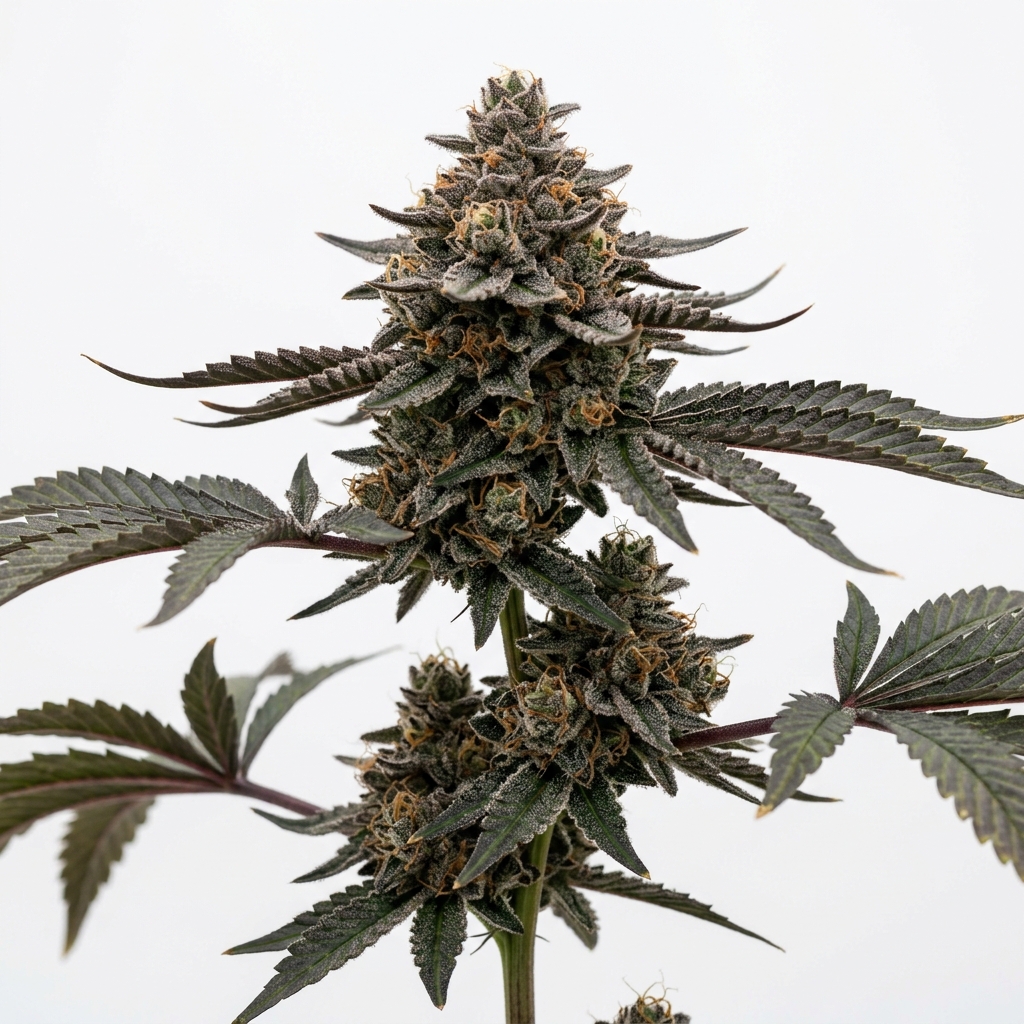
Truffle Pie (Cannabis Strain)
Truffle Pie is an indica-dominant hybrid testing between 22% and THC not consistently reported, created by crossing White Truffle with Grape Pie. The cultivar is recognized for its dense, glassy buds, thick blanket of greasy resin, and an aroma profile that layers rich cocoa and earthy kush over a dark berry edge. With a manageable indoor stretch and high trichome density extending deep across its sugar leaves, the cultivar has earned a strong reputation among solventless extractors and craft cultivators.
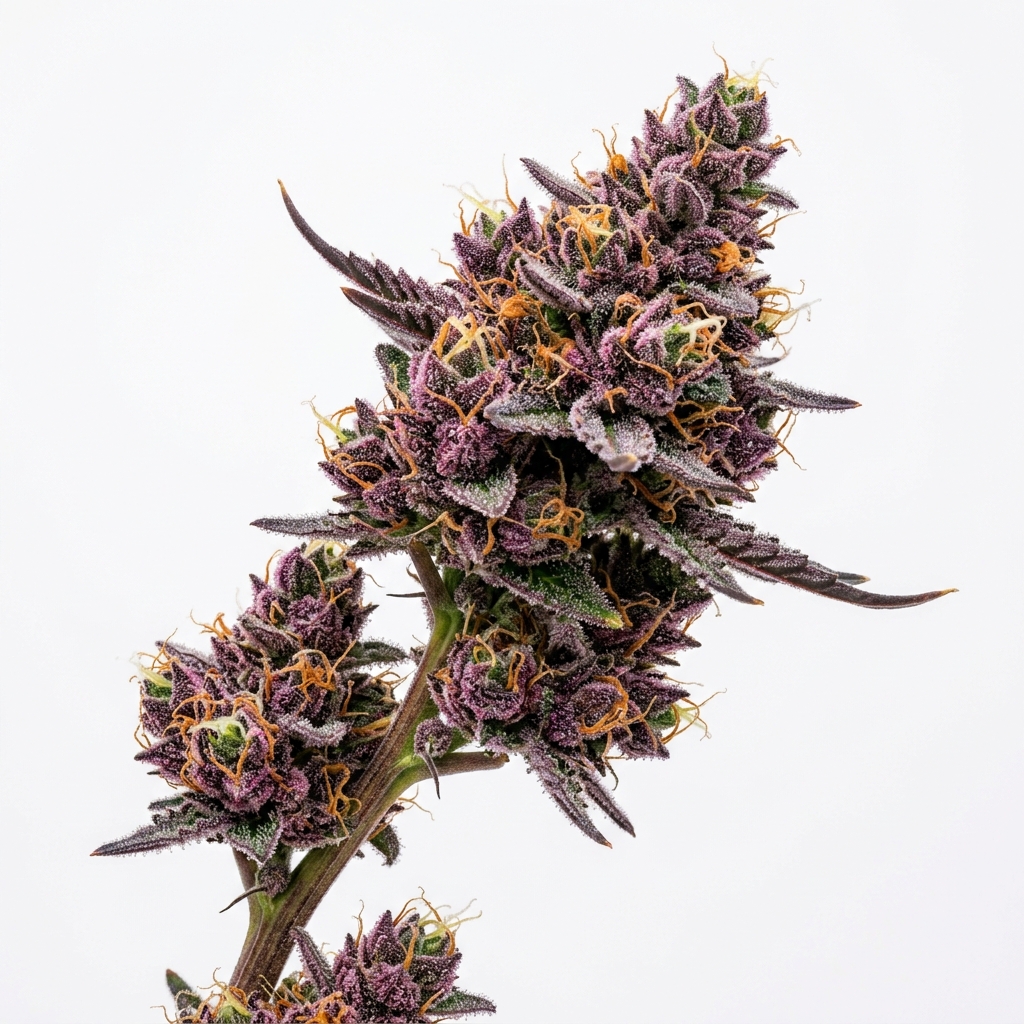
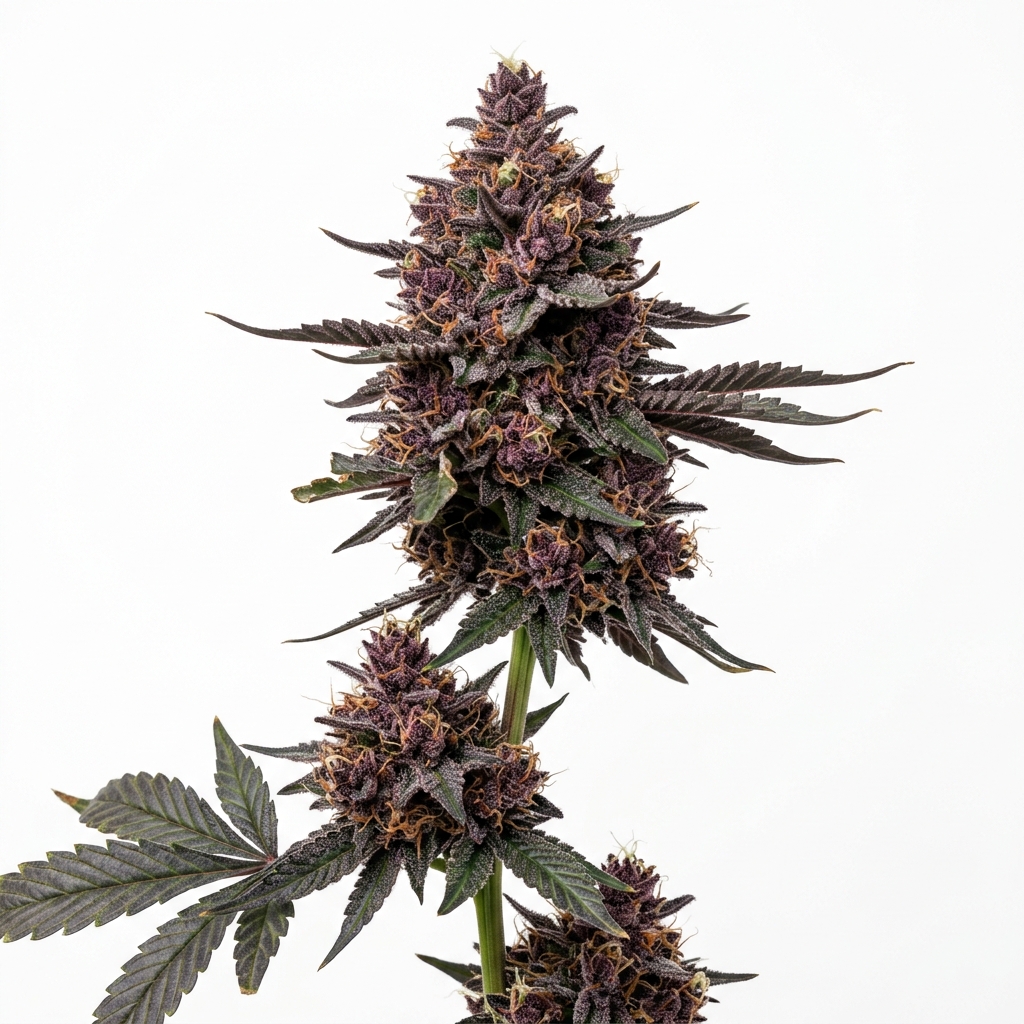
While specific breeder attribution is not consistently documented to a single originator across public records, the cultivar reflects the structural and aromatic strengths of its parent stock. The plant develops medium-height spear colas that take on deep violet and plum hues during late flower when exposed to cooler night temperatures. Reported effects center on a steady physical relaxation paired with clear mental calm, making it a dependable evening selection.
Quick Facts
| Field | Details |
|---|---|
| Breeder | Not consistently documented |
| Genetics | White Truffle × Grape Pie |
| Variety | Indica-dominant hybrid (approx. 70/30) |
| THC Range | 22% – 27% |
| Flowering Time | 8 – 9 weeks (56 – 63 days) |
| Yield Potential | Medium to high (approx. 450 – 550 g/m² indoor) |
| Plant Height | Medium (controlled vertical growth) |
| Climate Preference | Temperate, low late-flower humidity |
| Difficulty | Moderate |
Scientific & Botanical Overview
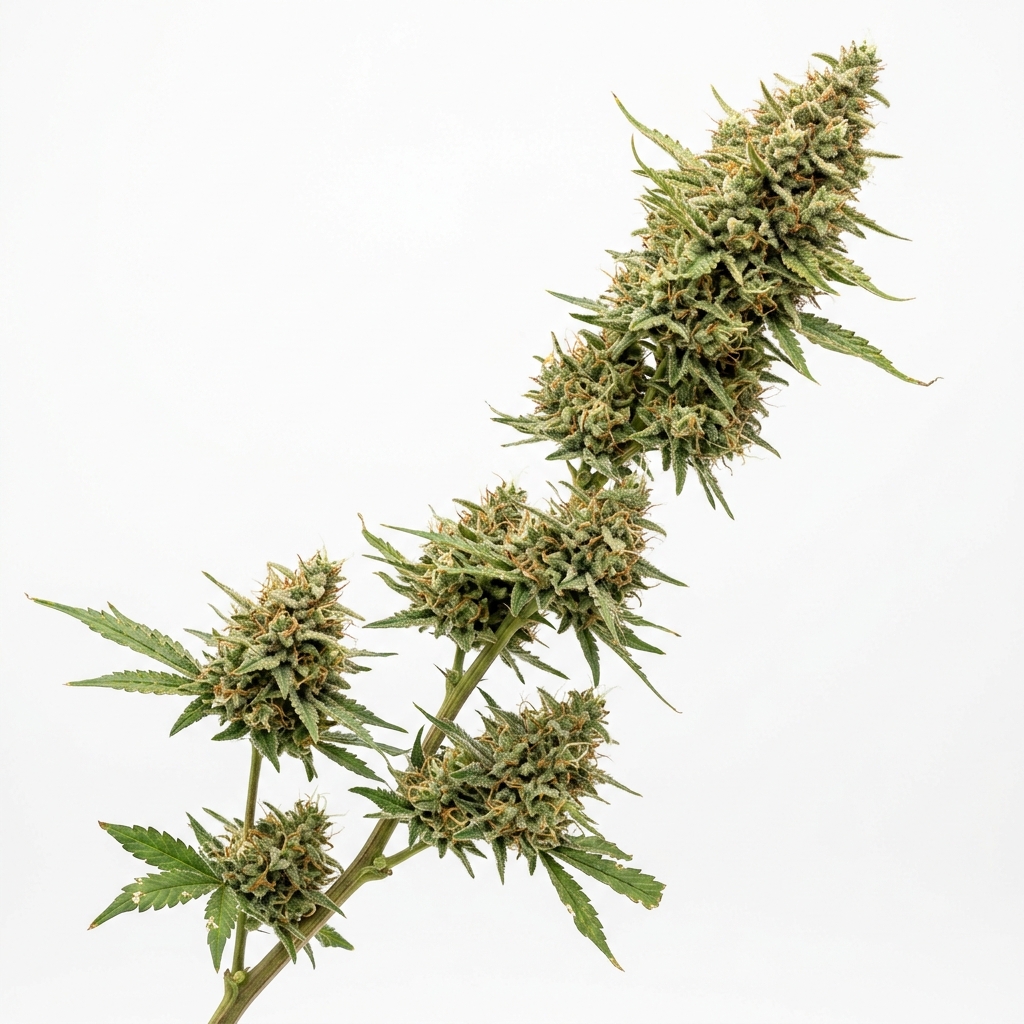
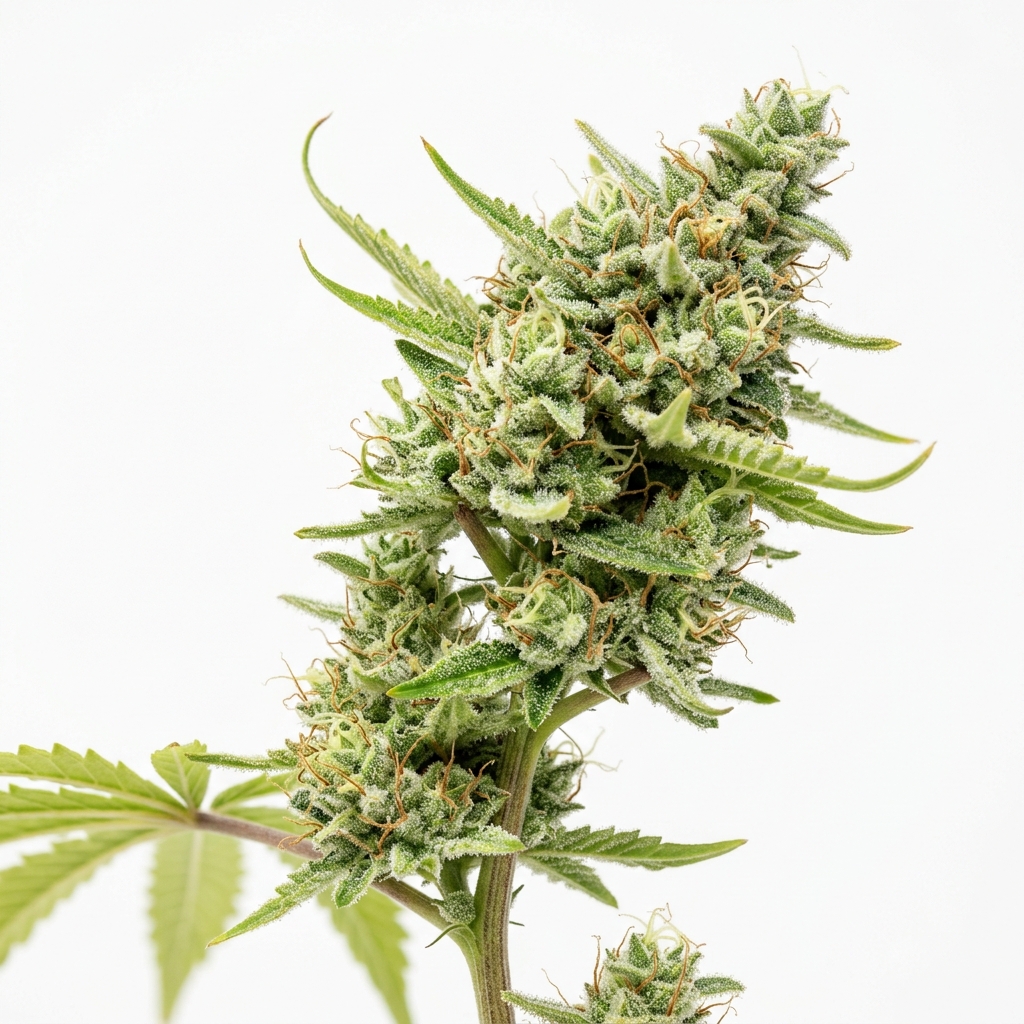
Truffle Pie shows characteristic indica-leaning architecture, forming sturdy lateral branches with short to medium internodal spacing. The vegetative stage produces broad, deep-green fan leaves that transition into rich violet and charcoal hues as anthocyanin concentrations peak in late flowering. Inflorescences form dense bracts with swollen calyxes and copper pistils tucked tightly against the bud surface.
The glandular trichome layer is exceptionally thick, featuring large capitate-stalked heads that secrete greasy, terpene-rich resin. This dense trichome coverage makes the cultivar notable for fresh frozen processing, where wash yields and resin melt remain consistently stable. The cuticle thickness provides moderate resistance to physical handling during manicuring.
Because the colas swell into compact clusters, canopy air circulation is essential during the final three weeks of bloom. Cultivators typically manage the microclimate closely to prevent moisture accumulation within the inner bract pockets. With proper environmental stability, the plant finishes with firm, rock-hard floral clusters and clean terpene clarity.
Effects & Use-Cases (Reported)
Commonly reported effects: Initial effects are typically described as a warm cerebral easing followed by deep physical grounding. Consumers frequently note a reduction in muscle tension, a mild heavy-limbed sensation, and an unhurried mental baseline. The cultivar rarely induces rapid raciness, making it approachable for those sensitive to high-energy sativa profiles.
Use-case context: Truffle Pie is most commonly chosen for late afternoon or evening sessions. It pairs well with quiet creative projects, film watching, or unwinding after physical exertion. Higher doses often encourage restful sleep without a sharp morning grogginess.
Note: Cannabinoid responses vary depending on personal tolerance, individual physiology, dosage, and consumption method. Beginners should start with small quantities.
Aroma & Flavors
Aroma: The cured flower delivers a heavy blend of damp earth, sweet pastry dough, and sour fermented grape. Breaking the buds exposes a pungent undercurrent of petrol, roasted cocoa, and cracked black pepper.
Flavor: The smoke is thick and creamy, carrying notes of buttered crust and sweet berry compote on the inhale. The exhale shifts into a savory finish marked by earthy kush, diesel, and a lingering herbal spice.
Terpene associations: The dominant aromatic character is driven by beta-caryophyllene, limonene, and myrcene, supported by minor concentrations of humulene and linalool.
Tested Cannabinoid & Terpene Ranges
| Compound | Typical Flower Range |
|---|---|
| Δ9-THC | 0.3% – 1.2% |
| THCA | 23.0% – 29.5% |
| Total THC (Flower) | 22.0% – 27.0% |
| CBG / CBGA | 0.4% – 1.3% |
| Beta-Caryophyllene | 0.40% – 0.95% |
| Limonene | 0.30% – 0.75% |
| Myrcene | 0.20% – 0.60% |
| Humulene | 0.10% – 0.30% |
| Total Terpenes | 1.8% – 3.2% |
Range note: Cannabinoid and terpene profiles vary according to phenotype selection, cultivation medium, lighting, dry conditions, and curing protocols. Figures represent verified ranges from lab-tested uninfused dried flower.
Cultivation Notes
- Humidity management: Maintain relative humidity between 55% and 60% during early bloom, reducing to 40% to 45% in late flowering to safeguard the dense colas from botrytis.
- Nutrient requirements: The plant feeds steadily through mid-flower with high potassium and phosphorus demands, but growers should moderate nitrogen after week four to preserve bud density.
- Canopy training: Low-stress training (LST) and early topping encourage a broad, multi-top canopy that distributes light evenly across lower flowering sites.
- Defoliation: Perform a targeted leaf strip around day 21 of bloom to improve airflow through the lower canopy, followed by light cleanup around day 42 if fan leaves block light penetration.
- Harvest window: Optimal resin maturity typically occurs between day 58 and 63, signaled by mostly cloudy trichome heads with 10% to 15% turning amber.
Grower Notes (Week-by-Week Snapshot)
- Weeks 1–3 (Stretch & Early Flower): The plant shows a modest stretch of 1.5x to 2x its vegetative height. Foliage stays dark green, and early pistil clusters emerge rapidly along the sturdy branch tips.
- Weeks 4–6 (Bud Formation & Resin Push): Calyxes swell into compact spear shapes as resin coverage accelerates across the bracts. Aroma begins developing sharp notes of fuel, cocoa, and sweet dough.
- Weeks 7–9 (Ripening & Color Transition): Buds harden completely, and cooler room temperatures encourage purple and dark plum pigment expression. A slow 10 to 14 day dry at 60°F and 60% relative humidity protects the delicate grape and pastry aromatics.
Genetic Lineage
Truffle Pie unites two heavyweight modern lines: White Truffle and Grape Pie. White Truffle, a specialized cut derived from the Gorilla Butter family (Original Glue × Peanut Butter Breath), brings heavy resin production, rich savory gas, and deep purple foliage. Its contribution gives Truffle Pie its greasy trichome structure and sedative base.
Grape Pie, bred by Cannarado Genetics by crossing Cherry Pie with Grape Stomper, introduces sweet berry pastry nuances and rounded structural density. The resulting hybrid balances the funk and fuel of the Truffle line with the fruit-forward sweetness of the Pie family, creating a cohesive profile with strong commercial appeal.
Research Insights
Academic investigations into cannabis phytochemistry continue to examine how specific terpene groupings influence human sensory perception. Beta-caryophyllene is widely documented in scientific literature as a dietary cannabinoid capable of binding directly to peripheral CB2 receptors. Limonene and myrcene remain subjects of study regarding their potential modulation of subjective relaxation and mood.
These generalized phytochemical findings provide context for how complex cannabis profiles function, but they do not constitute clinical proof of this specific cultivar’s physiological effects. Real-world consumer experiences with Truffle Pie remain influenced by batch-specific chemical ratios, personal endocannabinoid tone, and environmental context during use.
Frequently Asked Questions
Who bred Truffle Pie?
The original breeder of Truffle Pie is not consistently documented to a single originator, as several boutique craft breeders have worked with the White Truffle and Grape Pie pairing. Most verified cuts trace back to modern West Coast and craft breeding networks.
Is Truffle Pie an indica or sativa?
Truffle Pie is an indica-dominant hybrid, typically presenting around a 70% indica to 30% sativa ratio. It produces compact plant morphology and deeply relaxing, body-oriented effects.
What does Truffle Pie smell and taste like?
The strain smells of damp earth, sweet pastry dough, fermented grape, and petrol. On the palate, it delivers a rich combination of buttered pie crust, dark berries, and savory gas with a peppery spice finish.
How long does Truffle Pie take to flower?
Indoor flowering typically takes 8 to 9 weeks (56 to 63 days). Outdoor plants generally reach harvest readiness by early to mid-October in temperate Northern Hemisphere climates.
Educational Disclaimer
This content is for educational and informational purposes only. Cannabis laws and regulations vary by jurisdiction. Always consult with a qualified professional before beginning any cultivation project or consuming cannabis products.
Rate and review this strain
Ratings and reviews are accepted only from signed-in Google accounts.
Sign in with Google to leave a rating and written review.
Latest Reviews
0 reviewsNo reviews yet. Be the first Google user to rate and review this strain.
Follow New Cultivar Records
Get newly documented genetics, breeder history, research highlights, and important Strainpedia discoveries by email.