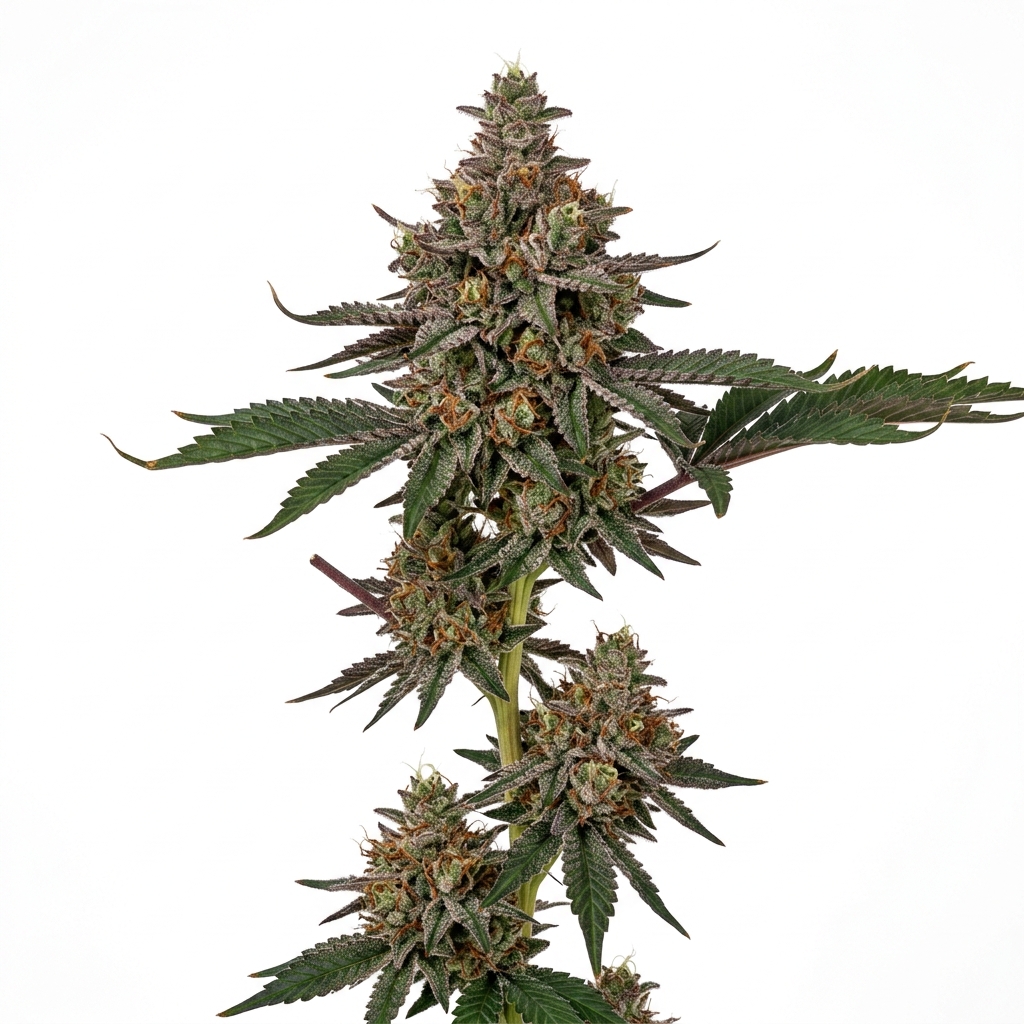
Granddaddy Pluto (Cannabis Strain)
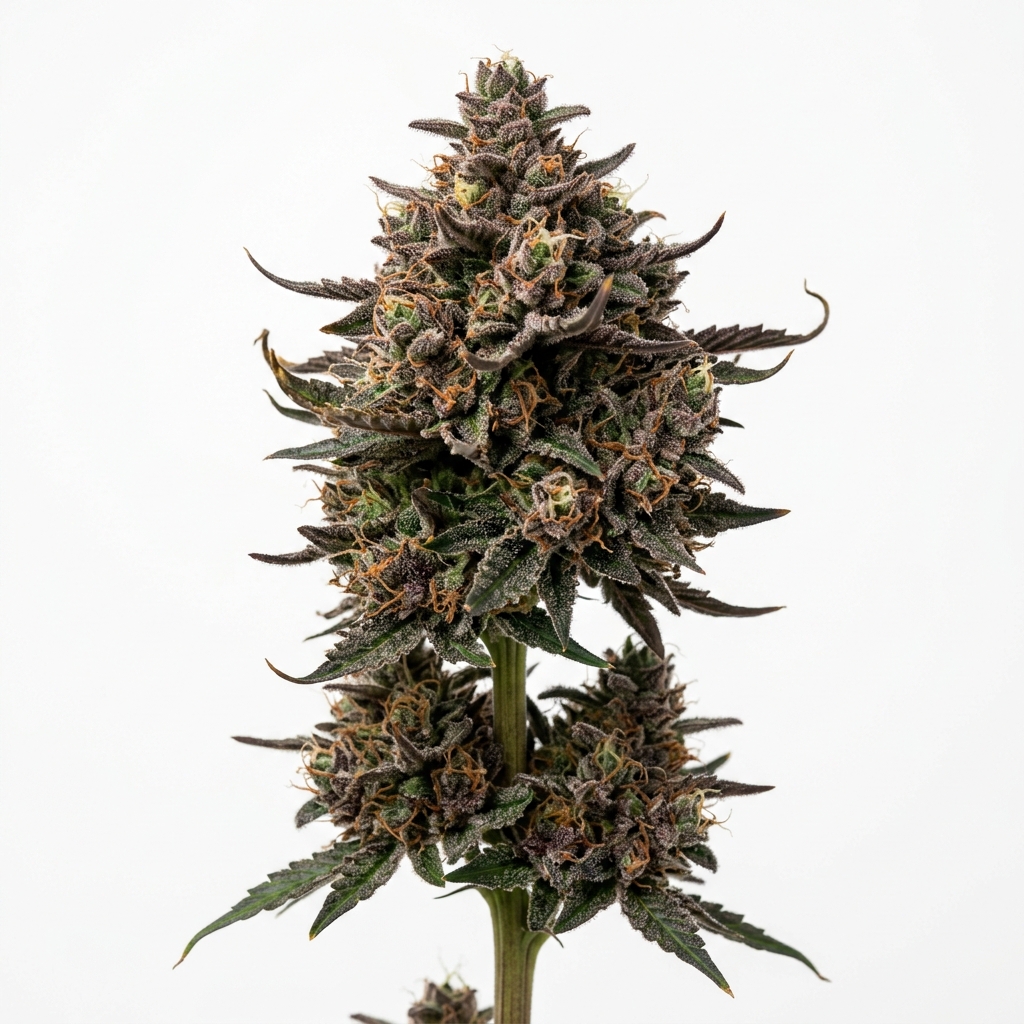
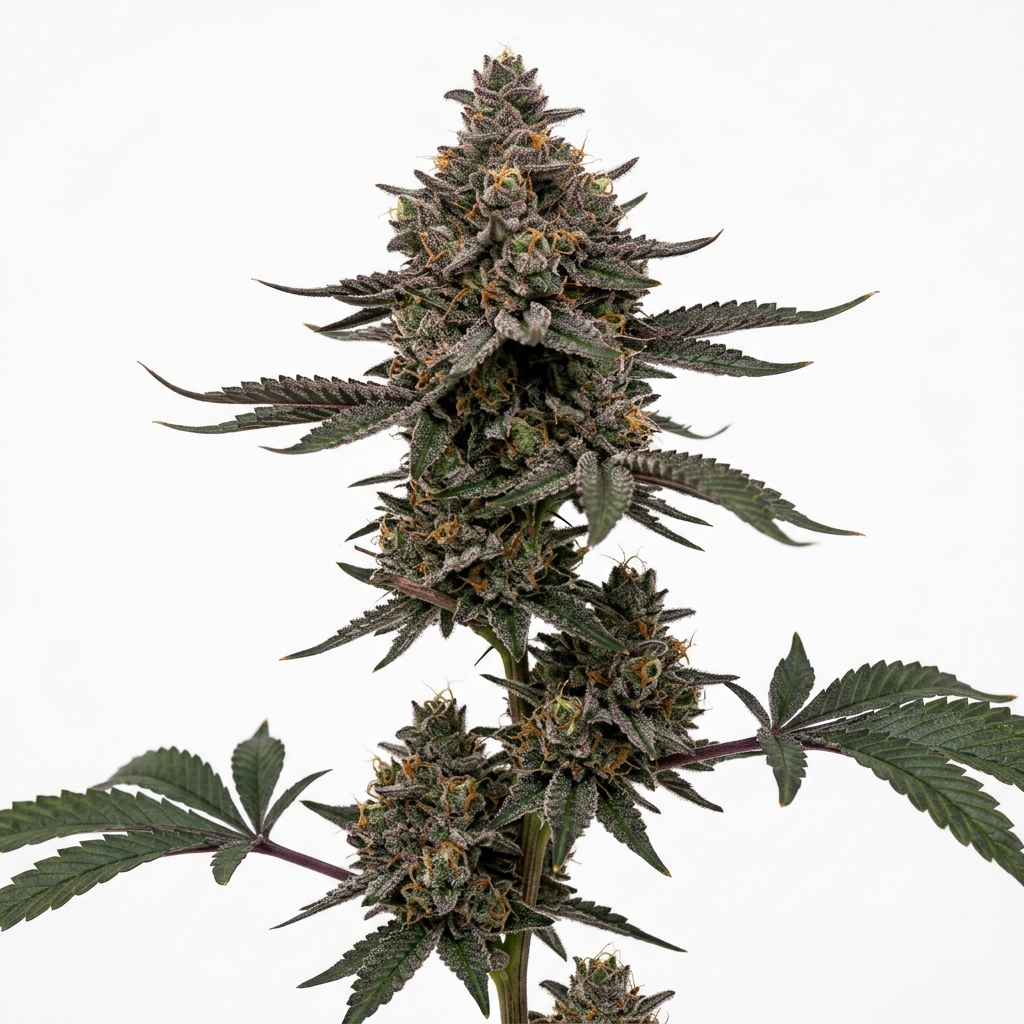
Granddaddy Pluto is an indica-dominant hybrid cultivar testing between 22% and 28% THC, bred by Grandiflora Genetics through the cross of Granddaddy Purple and Pluto. The strain carries a signature bouquet of tart gas, candied dark berries, and damp kush earth, backed by heavy glandular trichome coverage over dense, purple-tinted calyxes. In cultivation, it shows controlled vegetative vigor, moderate internodal spacing, and notable resin output suited for flower production and solventless extraction.
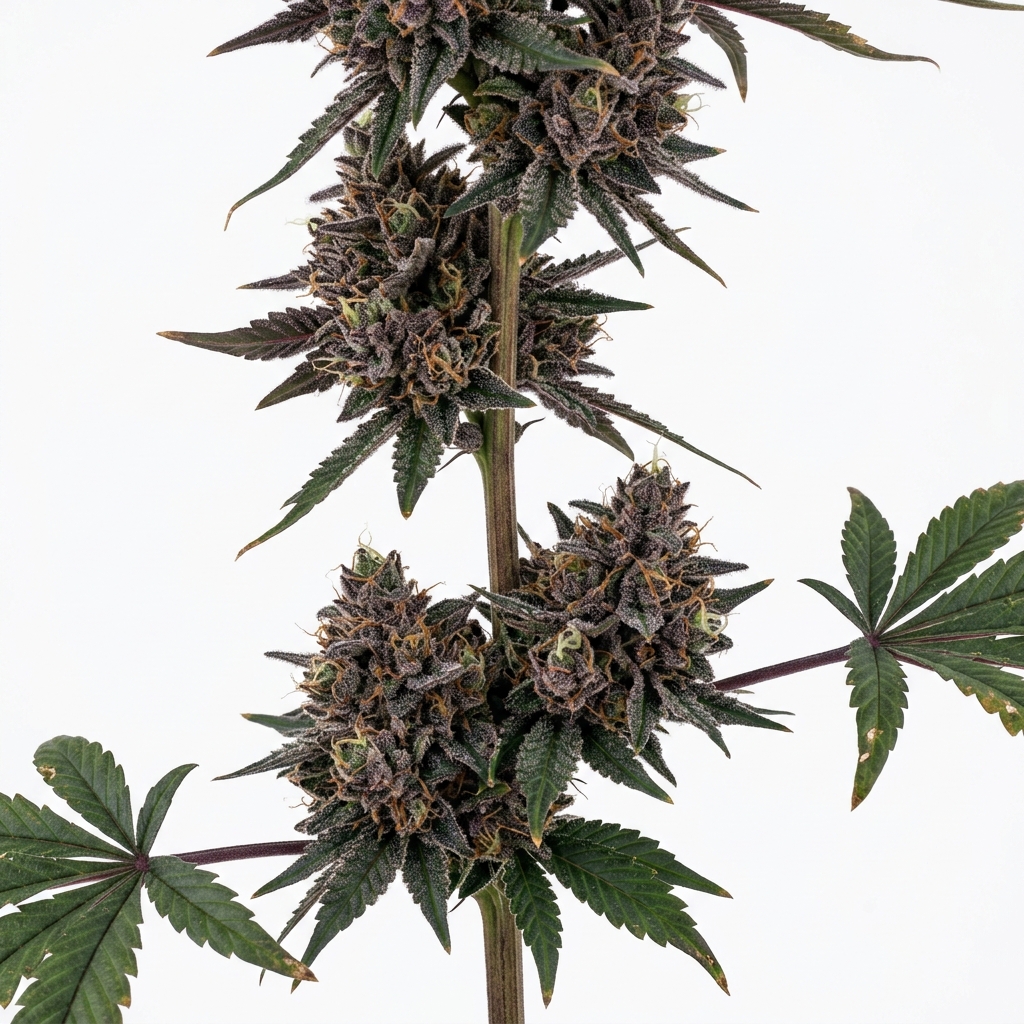
The pairing bridges classic West Coast purple genetics with modern boutique fuel selections. Growers frequently observe stout lateral branching that supports swollen calyx clusters without excessive lodging under high-intensity lighting. User feedback emphasizes a fast-acting cerebral lift that steadily transitions into long-lasting physical calm, making it a staple for late-day wind-down routines.
Quick Facts
| Field | Detail |
|---|---|
| Breeder | Grandiflora Genetics |
| Genetics | Granddaddy Purple × Pluto |
| Variety | Indica-dominant hybrid |
| THC Range | 22% – 28% |
| Flowering Time | 8 – 9 weeks (56 – 63 days) |
| Yield Potential | Moderate to high |
| Plant Height | Medium |
| Climate Preference | Temperate, warm, controlled indoor |
| Difficulty | Intermediate |
Scientific & Botanical Overview
Granddaddy Pluto shows classic broad-leaf morphological traits throughout vegetative growth, developing thick stems and overlapping fan leaves. As the plant transitions to flower, internodal stretch remains manageable, generally expanding by roughly 100% of its pre-flip height. The canopy establishes dense apical clusters that mature into chunky, spear-shaped colas.
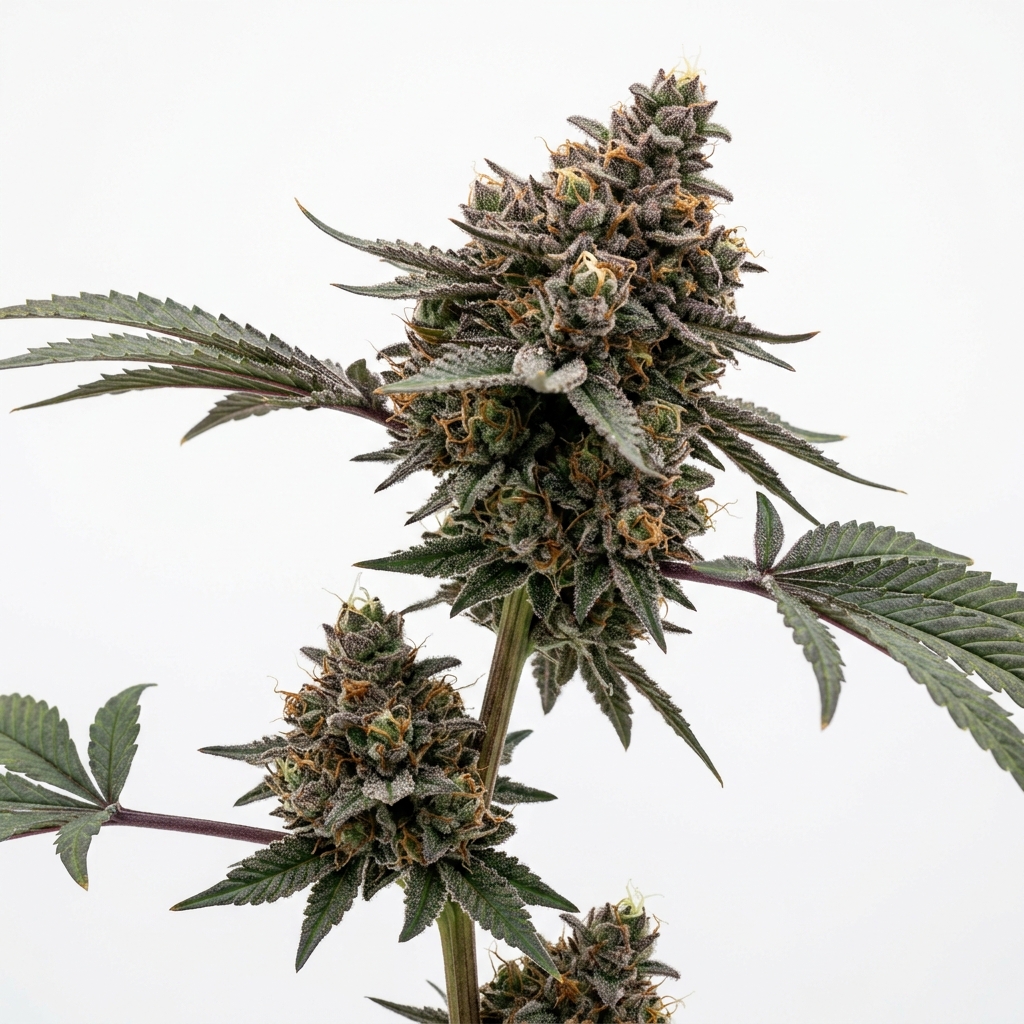
Anthocyanin expression is common in this cultivar, particularly when nighttime temperatures drop slightly during the final three weeks of flowering. The dark violet and deep plum pigments contrast sharply against dense capitate-stalked trichome heads. Bracts swell significantly near maturity, producing a firm, crystalline bud texture with minimal leaf-to-calyx mass.
The chemical profile relies on dominant sesquiterpene and monoterpene fractions that reinforce both sweet floral and sharp fuel notes. The dense resin layer produces sticky, greasy heads that retain volatile aromas effectively through proper drying and curing protocols.
Effects & Use-Cases (Reported)
Commonly reported effects: Consumers typically report a smooth, warming onset marked by cognitive calm and moderate euphoria. As the experience progresses, physical tension gives way to heavy muscular ease without immediate sedation, eventually settling into deep somatic relaxation.
Use-case context: Given its calming trajectory, the cultivar is commonly selected for quiet evening sessions, low-impact creative tasks, or unwinding after physical exertion. Higher intake levels tend to amplify the sedative qualities, steering the experience toward restful downtime or pre-sleep routines.
Cautious note: Because measured potency frequently surpasses 25% THC, newer consumers should approach dosage conservatively to minimize the likelihood of dizziness or heavy lethargy.
Aroma & Flavors
Aroma: Broken flowers release an initial burst of pungent diesel and sour chemical notes, underpinned by sweet concord grape, damp soil, and spiced earth. The scent profile intensifies noticeably after grinding, leaning heavily into a sharp, musky gas finish.
Flavor: The smoke delivers an upfront candied berry and dark grape flavor that quickly coats the palate. On the exhale, the profile pivots toward an earthy kush base with lingering notes of cracked pepper, pine resin, and tart fuel.
Terpene associations: The primary aromatic drivers are typically beta-caryophyllene, myrcene, and limonene, with supporting concentrations of linalool and humulene providing subtle floral and herbal depth.
Tested Cannabinoid & Terpene Ranges
| Compound | Reported Range |
|---|---|
| Δ9-THC | 22% – 28% |
| CBD | < 1.0% |
| CBG | 0.5% – 1.5% |
| Total Terpenes | 1.5% – 3.2% |
Range note: Cannabinoid and terpene concentrations reflect dried, uninfused flower samples tested across licensed testing facilities. Individual values vary based on environmental parameters, root-zone management, and curing technique.
Cultivation Notes
- Humidity management: Maintain relative humidity between 55% and 60% during early bloom, reducing to 42% to 48% in late flower to protect dense colas against botrytis.
- Nutrient requirements: Plants perform well with moderate calcium and magnesium supplementation during the stretch phase, taking standard potassium and phosphorus boosts through peak flower without clawing.
- Canopy training: Topping once or twice during vegetative growth combined with low-stress training helps create an even multi-top canopy that maximizes light exposure across lower bud sites.
- Defoliation: Perform a targeted leaf strip around day 21 of flower to improve airflow through the dense core foliage, followed by a light cleanup around day 42 if fan leaves shade major secondary clusters.
- Harvest window: Monitor trichome maturity starting at day 56; most phenotypes hit optimal balance between day 58 and 63 when the majority of glandular heads are cloudy with roughly 10% to 15% showing amber.
Grower Notes (Week-by-Week Snapshot)
- Weeks 1–3 (Transition & Stretch): Plants display controlled stretch with tight internodal spacing. Foliage stays deep green; light trellis netting supports early branch positioning before stems harden.
- Weeks 4–6 (Bud Formation & Scent Development): Calyx clusters stack rapidly into firm spear formations. Trichome production begins early on sugar leaves, accompanied by an increasingly pungent fuel and fruit aroma.
- Weeks 7–9 (Ripening & Color Fade): Flower mass hardens and calyxes swell considerably. Lower nighttime room temperatures encourage deep purple and violet pigmentation across the bracts as white pistils turn dark copper.
- Post-Harvest & Cure: A slow 12 to 14-day dry at 60°F and 60% relative humidity preserves the volatile terpene fraction, followed by a minimum three-week cure in airtight containers to refine the gas-berry aroma.
Genetic Lineage
The maternal contributor, Granddaddy Purple (Big Bud × Purple Urkle), brings a legendary West Coast profile characterized by sweet berry-grape terpenes, compact bud geometry, and rich anthocyanin production. Its lineage has long served as a foundational standard for purple cannabis cultivars across commercial cultivation hubs.
The paternal contributor, Pluto (often tied to the Pluto Kush lineage within the Cookies/Grandiflora orbit), introduces sharp chemical diesel, potent resin output, and modern floral gas traits. The resulting Granddaddy Pluto hybrid captures the dense structure and color of GDP while modernizing the aroma with a persistent fuel kick.
Research Insights
Cannabis pharmacological literature widely evaluates the role of major phytocannabinoids like Δ9-THC in modulating human cannabinoid receptors. When high-potency THC cultivars contain significant amounts of beta-caryophyllene, the compound can selectively bind to peripheral CB2 receptors, a mechanism frequently examined in preclinical inflammation and pain models.
Additionally, aromatic terpenes such as myrcene and linalool have been studied for their calming properties in basic botanical research. While broad pharmacological studies provide a framework for understanding individual cannabis constituents, specific experiential outcomes from whole-plant consumption remain subject to individual tolerance, metabolic rates, and whole-profile synergy.
Frequently Asked Questions
Who bred Granddaddy Pluto?
Granddaddy Pluto was bred by Grandiflora Genetics, an Oakland-based breeding outfit renowned for selecting and stabilizing high-potency, exotic flavor profiles.
Is Granddaddy Pluto an indica or sativa?
Granddaddy Pluto is an indica-dominant hybrid cultivar that typically shows compact growth structure and deeply relaxing physical effects.
What does Granddaddy Pluto smell and taste like?
The cultivar smells of pungent diesel, tart chemical gas, and sweet grape candy. The smoke delivers a rich berry-kush flavor on inhalation with a spicy, fuel-driven finish on the exhale.
How long does Granddaddy Pluto take to flower?
Indoor flowering typically finishes in 8 to 9 weeks (56 to 63 days), depending on grower phenotype preference and environmental conditions.
Educational Disclaimer
This content is for educational and informational purposes only. Cannabis laws and regulations vary by jurisdiction. Always consult with a qualified professional before beginning any cultivation project or consuming cannabis products.
Rate and review this strain
Ratings and reviews are accepted only from signed-in Google accounts.
Sign in with Google to leave a rating and written review.
Latest Reviews
0 reviewsNo reviews yet. Be the first Google user to rate and review this strain.
Follow New Cultivar Records
Get newly documented genetics, breeder history, research highlights, and important Strainpedia discoveries by email.