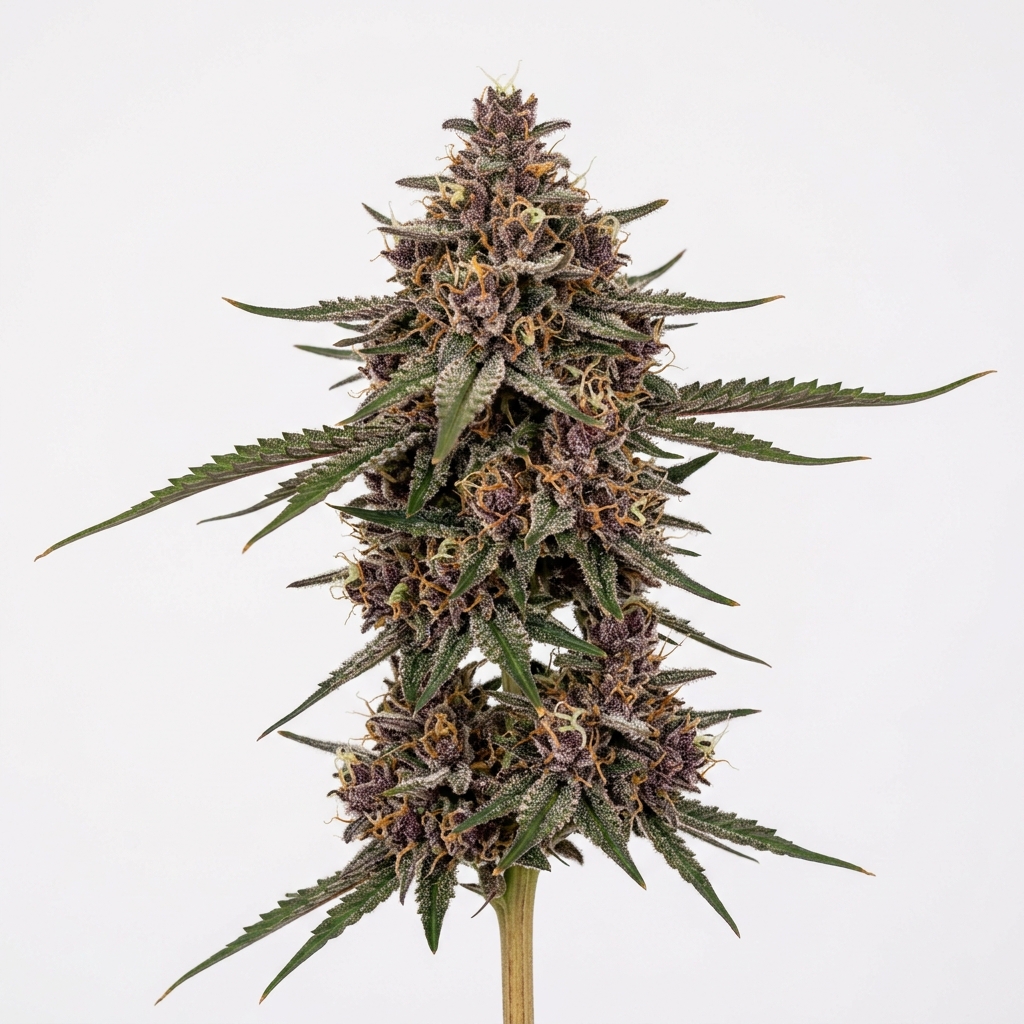
Purple Gorilla (Cannabis Strain)
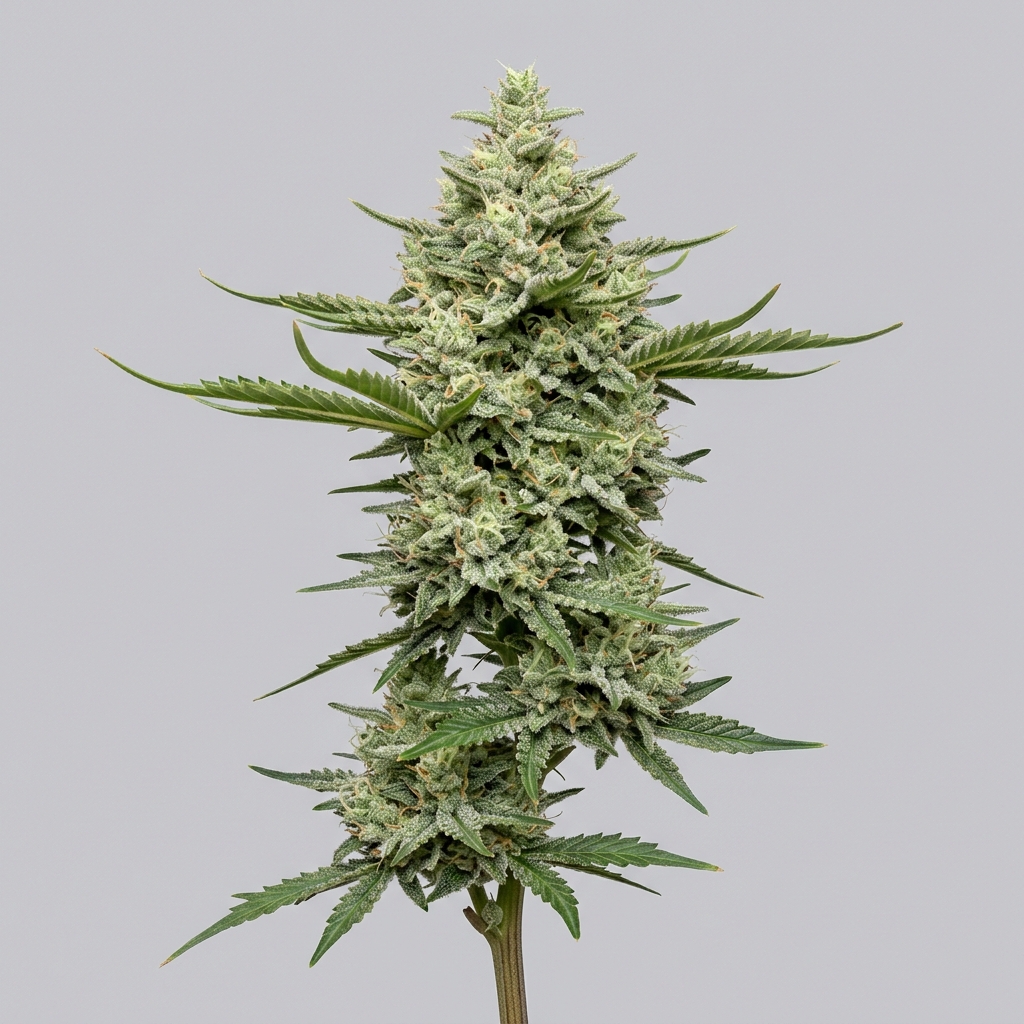
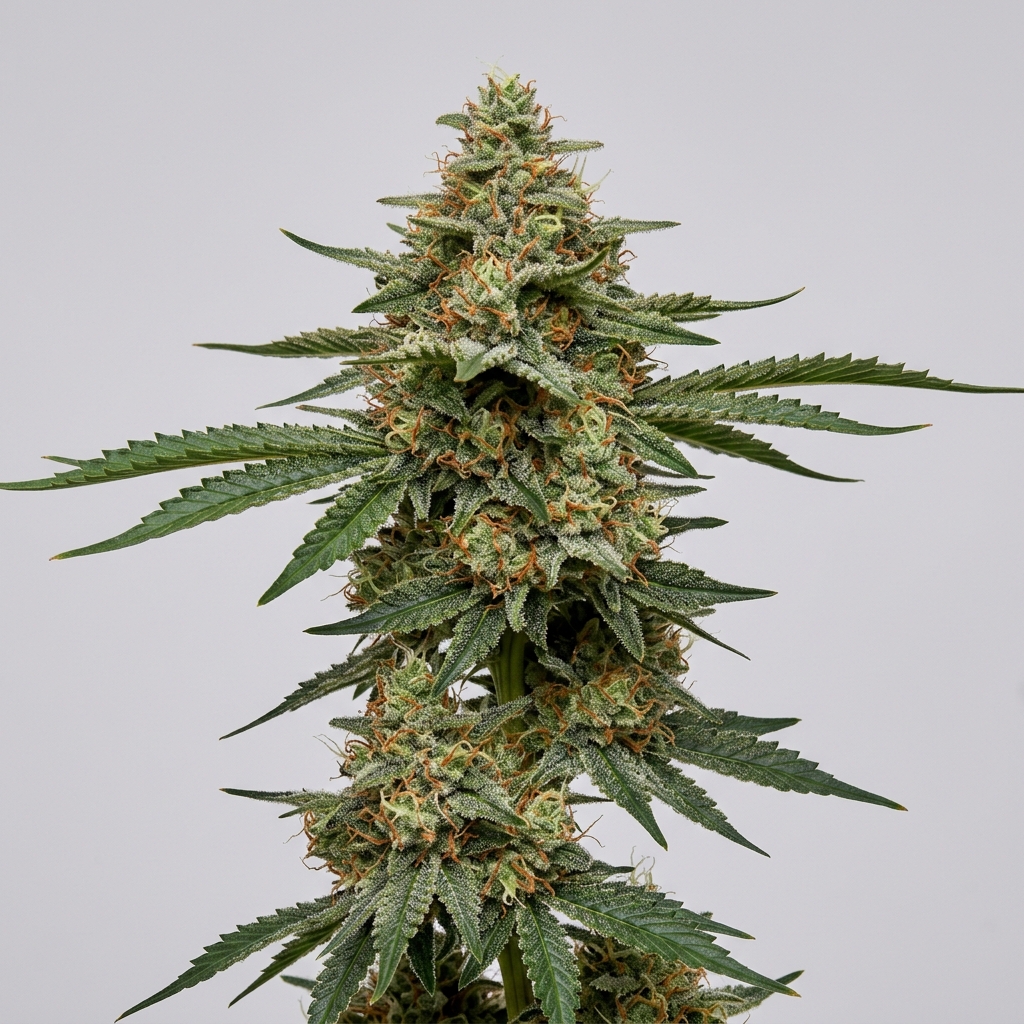
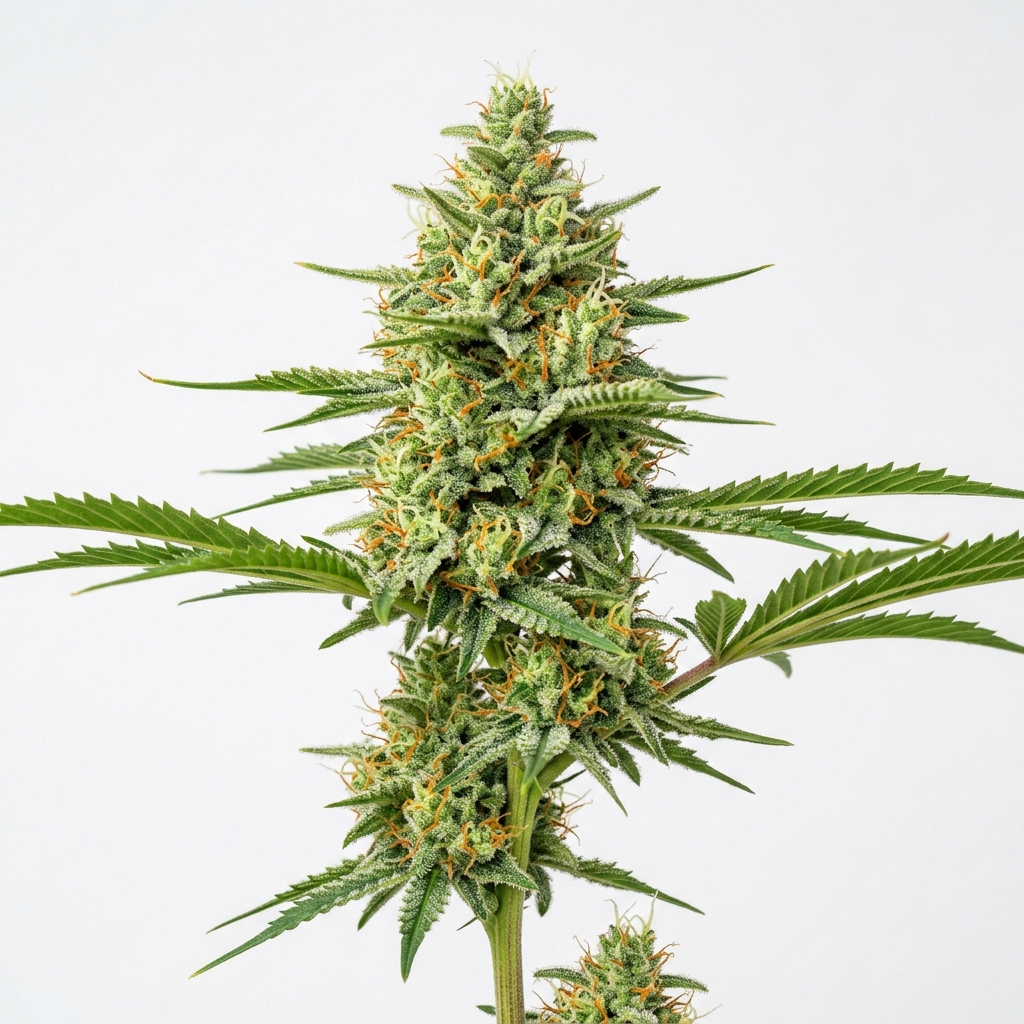
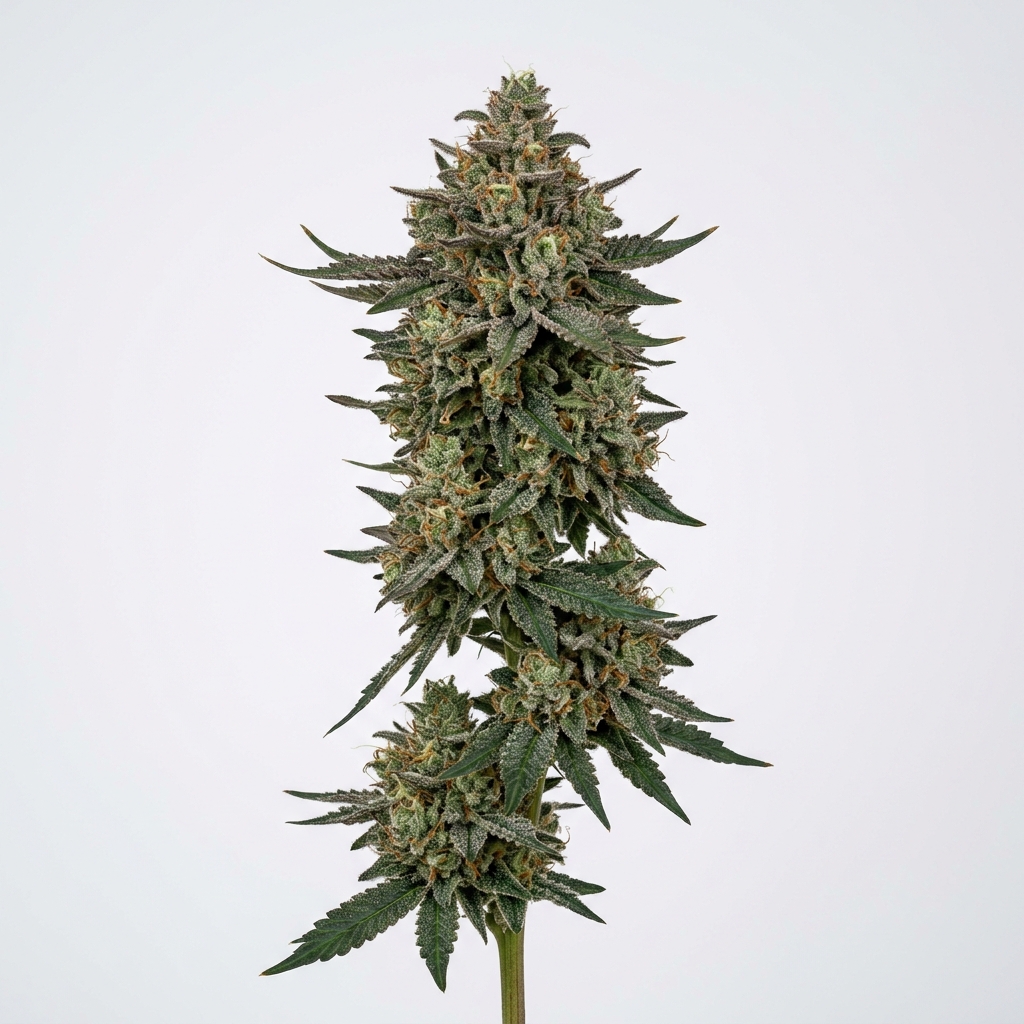
Purple Gorilla is an indica-dominant hybrid, typically testing between 18% and 24% THC, created by crossing the resin-heavy Gorilla Glue #4 with the deeply pigmented Purple Rain. This cultivar is celebrated for its heavy evening presence, combining a rich profile of sweet grape and dark berry notes with a sharp, earthy kush base and a hint of tart gas. The plants produce dense, glassy buds coated in a greasy resin layer, presenting a moderate, controlled stretch during early flower and finishing with thick, swollen calyxes.
Cultivators favor this selection for its reliable purple coloration and heavy trichome coverage, which transfers exceptionally well to solventless extraction. While it retains the structural strength of its Gorilla Glue parentage, the introduction of purple genetics tempers the wild, vine-like stretch, making it far more manageable in indoor canopy setups.
Quick Facts
| Field | Details |
|---|---|
| Genetics | Gorilla Glue #4 × Purple Rain |
| Variety | Indica-dominant hybrid |
| THC Range | 18% – 24% |
| Flowering Time | 7 – 9 weeks |
| Yield Potential | Moderate to high |
| Plant Height | Medium |
| Climate Preference | Temperate, moderate humidity |
| Difficulty | Moderate |
Scientific & Botanical Overview
Purple Gorilla displays classic broad fan leaves with tight internodal spacing during the vegetative stage. As the plant transitions to flower, the nodal distance increases slightly, though it maintains a stockier, more compact structure than standard Gorilla Glue phenotypes. This allows for efficient light penetration across the lower canopy when managed correctly.
Anthocyanin accumulation is highly active in this cultivar, triggered easily by moderate temperature drops during late flower. The dense bracts and swollen calyxes develop deep violet and forest-green hues, heavily obscured by a dense blanket of wet frost. This color transition is accompanied by a significant thickening of the stalks supporting the flower clusters.
The resin glands are predominantly capitate-stalked trichomes with large, fragile heads that mature to a milky white with amber tips. This physical structure makes the flowers highly sensitive to rough handling during harvest and curing. Commercial growers often target this cultivar for dry sift and ice water extraction due to the brittle nature of the trichome necks.
Effects & Use-Cases (Reported)
Commonly reported effects include a heavy, physical relaxation that settles quickly behind the eyes before spreading throughout the limbs. Users frequently describe a calm, slow-paced mental state that gently transitions into deep sedation. The physical heaviness is highly pronounced, often leading to prolonged periods of rest.
Use-case context typically limits this strain to late-evening or nighttime use, making it a popular choice for winding down after demanding physical activity or preparing for sleep. Its heavy-handed nature is less suited for active daytime tasks or creative focus. Many report using it to quiet a busy mind at the end of the day.
Note: Individual experiences may vary depending on tolerance, dosage, and specific phenotype chemistry.
Aroma & Flavors
Aroma: Rich, sweet grape and dark berry edge, backed by a pungent, earthy kush base and a subtle hint of tart gas.
Flavor: A smooth blend of sweet berry candy on the inhale, transitioning to a spicy, piney, and fuel-like finish upon exhale.
Terpene associations: Dominant terpenes typically include caryophyllene, myrcene, and limonene, with secondary notes of linalool contributing to its floral undertones.
Tested Cannabinoid & Terpene Ranges
| Compound | Typical Range |
|---|---|
| Δ9-THC | 18.0% – 24.0% |
| CBG | 0.5% – 1.2% |
| β-Caryophyllene | 0.4% – 0.8% |
| Myrcene | 0.3% – 0.7% |
| Limonene | 0.2% – 0.5% |
| Linalool | 0.1% – 0.3% |
Note: Cannabinoid and terpene profiles are highly variable and depend on specific cultivation methods, curing practices, and environmental conditions.
Cultivation Notes
- Humidity: Maintain vegetative humidity around 60%, dropping to 45% or lower during late-flower to protect the dense, moisture-retaining colas from bud rot.
- Nutrition: Responds well to a moderate feeding regimen; avoid over-fertilizing with nitrogen during mid-to-late flower to preserve terpene clarity.
- Training: Low-stress training (LST) and light defoliation help improve airflow through the dense inner canopy and maximize light penetration to lower bud sites.
- Harvest: Harvest when trichomes are mostly milky with roughly 10% to 15% amber for the optimal balance of physical relaxation and flavor.
- Phenotype management: Watch for variations in stretch; some phenotypes lean closer to the lanky Gorilla Glue #4 structure and may require early trellising.
Grower Notes (Week-by-Week Snapshot)
- Weeks 1–3 (Transition & Early Stretch): Plants show a moderate stretch, usually doubling in height. Establish support structures early and prune lower, non-productive bud sites to direct energy upward.
- Weeks 4–6 (Mid-Flower & Bud Development): Calyxes begin to swell rapidly, and early resin production coats the developing flower clusters. Keep daytime temperatures around 75°F (24°C) to support steady development.
- Weeks 7–9 (Late Flower & Senescence): Reduce night temperatures by 10°F to 15°F to stimulate deep purple coloration. Flush the medium thoroughly and monitor humidity closely as the dense colas reach full maturity.
- Post-Harvest (Dry & Cure): Hang-dry the whole plant at 60°F (15°C) and 60% relative humidity for 10 to 14 days. A slow dry preserves the delicate grape and gas terpene profile before a minimum three-week jar cure.
Genetic Lineage
The lineage of Purple Gorilla is rooted in the combination of Gorilla Glue #4 and Purple Rain. Gorilla Glue #4 contributes its legendary resin production, complex fuel-and-earth aroma, and structural vigor, ensuring the offspring carries a high concentration of active cannabinoids. This parental line is famous for its sticky, high-yield trichome output.
Purple Rain tempers this aggressive growth with a more compact indica frame, introducing deep purple hues and a sweet, dark berry flavor profile. The result is a balanced hybrid that retains the heavy-hitting potency of the Glue while offering a more refined, dessert-forward sensory profile. This combination makes it highly sought after by both extractors and traditional flower enthusiasts.
Research Insights
Analytical testing indicates that the combined presence of high levels of caryophyllene and myrcene plays a key role in the strain’s physical profile. These compounds, when combined with a diverse minor cannabinoid profile including CBG, are frequently studied for their potential interaction with peripheral cannabinoid receptors. This terpene-cannabinoid synergy is thought to influence the depth and duration of physical relaxation.
Breeders monitor this cultivar’s terpene stability, noting that the sweet grape notes are highly volatile and can degrade quickly if drying temperatures exceed 65°F (18°C). The retention of these delicate monoterpenes is a primary focus for extraction-grade resin producers. Proper curing techniques are essential to lock in these complex flavor profiles over time.
Frequently Asked Questions
Is Purple Gorilla an indica or a sativa?
Purple Gorilla is an indica-dominant hybrid. It typically shows the compact growth structure, broad leaves, and heavy physical relaxation associated with indica varieties, though it retains some of the structural vigor of its sativa-leaning ancestors.
How long does Purple Gorilla take to flower?
This cultivar typically finishes flowering in 7 to 9 weeks when grown indoors. Outdoor plants are generally ready for harvest by late September or early October, depending on regional climate conditions.
Does Purple Gorilla always turn purple?
While the genetics strongly favor purple coloration, the expression of these hues is phenotype-dependent and enhanced by dropping nighttime temperatures during the final weeks of flowering. Warm temperatures throughout the cycle may result in a more forest-green appearance.
What does Purple Gorilla smell like?
It features a complex aroma of sweet grape and dark berries, layered over a pungent, earthy kush base with a distinct hint of tart gas inherited from its Gorilla Glue parentage.
Educational Disclaimer
This strain profile is intended solely for educational and informational purposes. Cultivation of cannabis is subject to varying local, state, and federal laws. Always consult local regulations before attempting to germinate seeds or cultivate cannabis plants.
Rate and review this strain
Ratings and reviews are accepted only from signed-in Google accounts.
Sign in with Google to leave a rating and written review.
Latest Reviews
0 reviewsNo reviews yet. Be the first Google user to rate and review this strain.