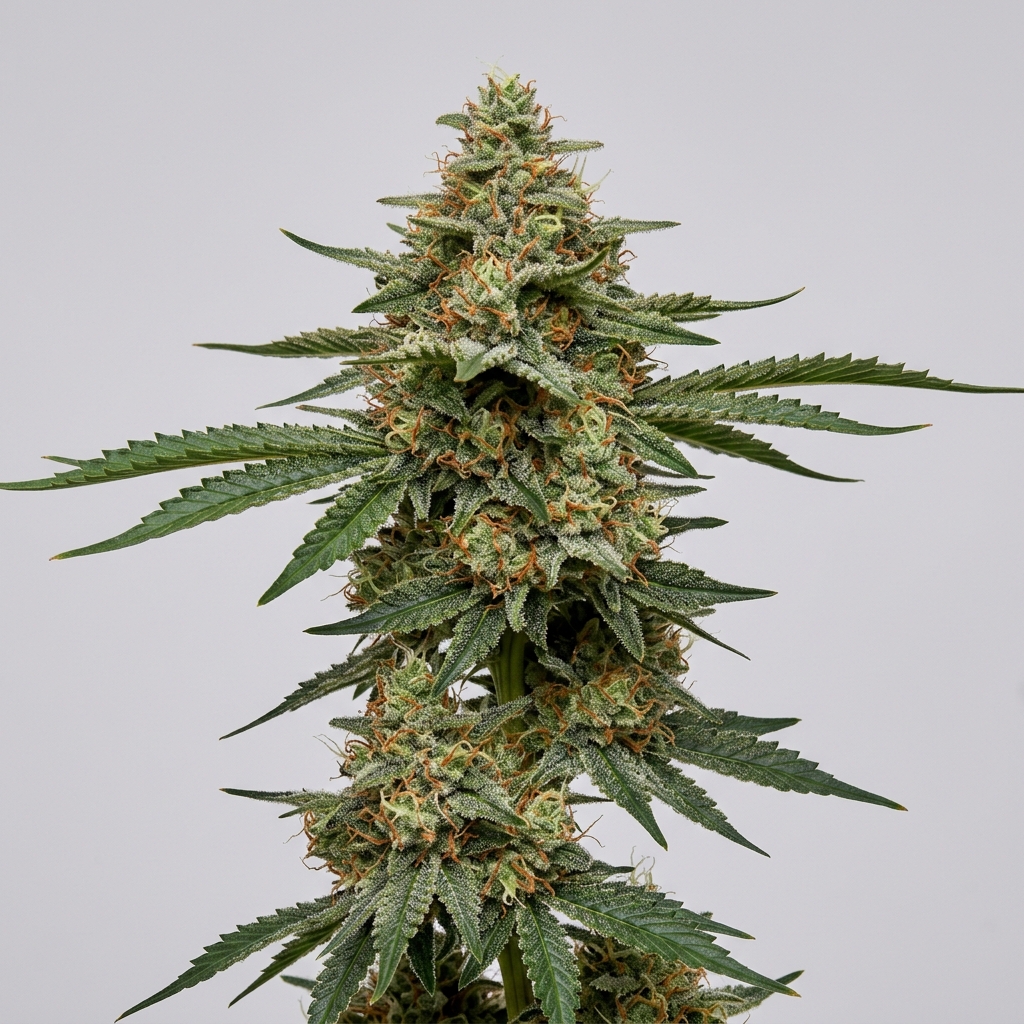
Jack Flash (Cannabis Strain)
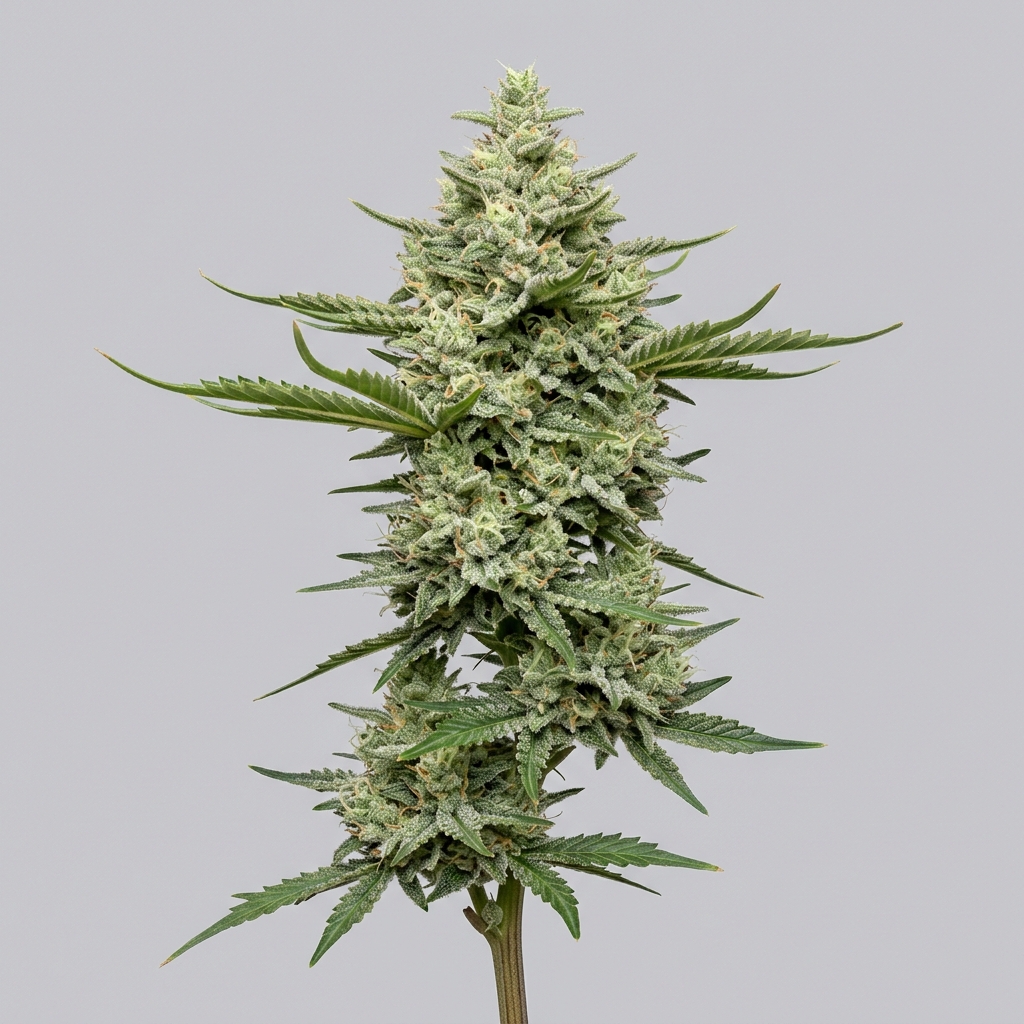
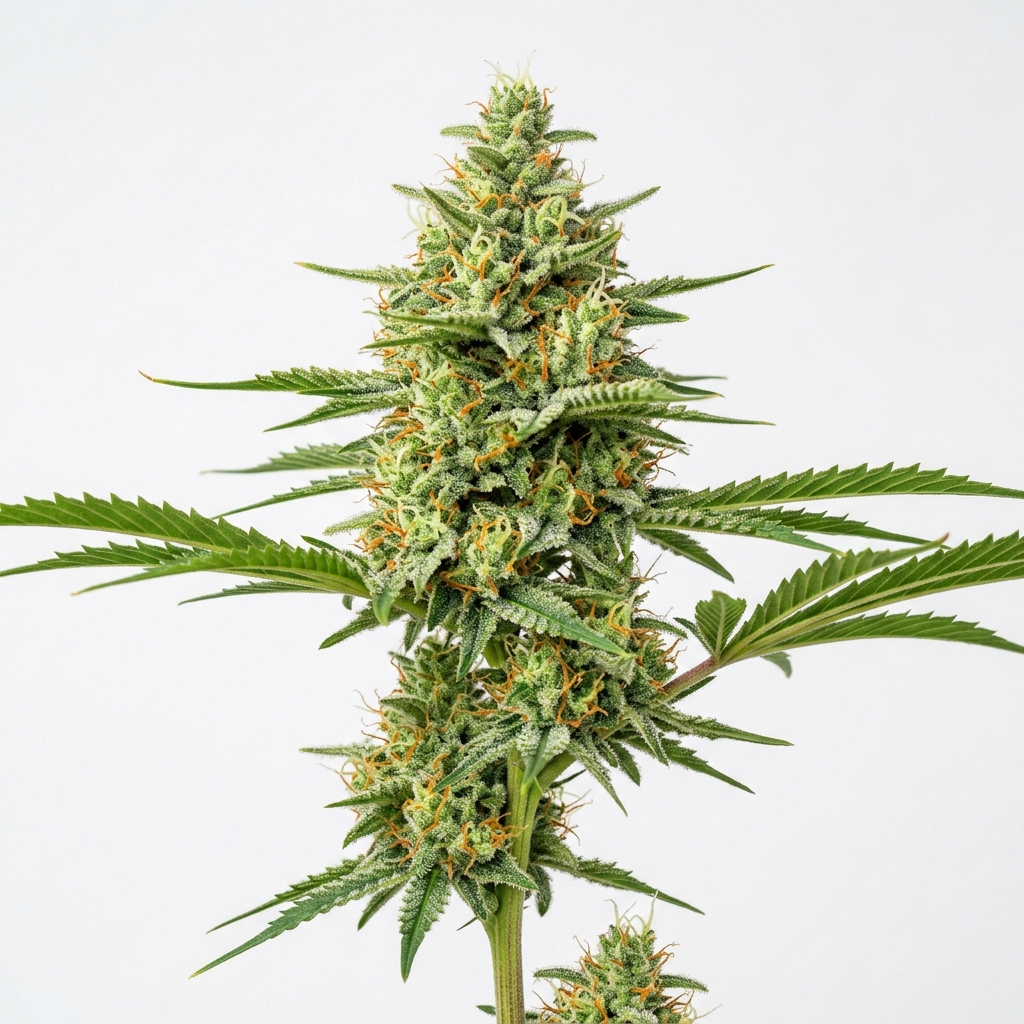
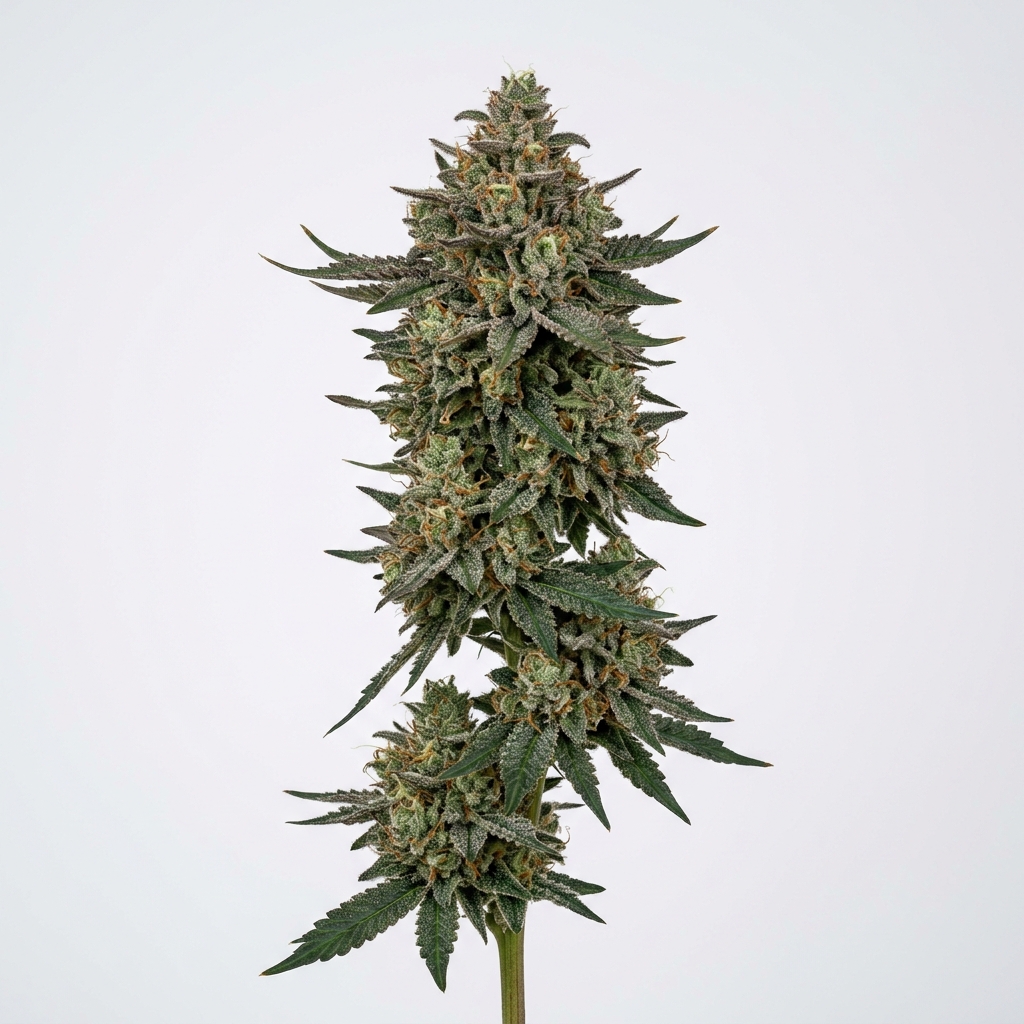
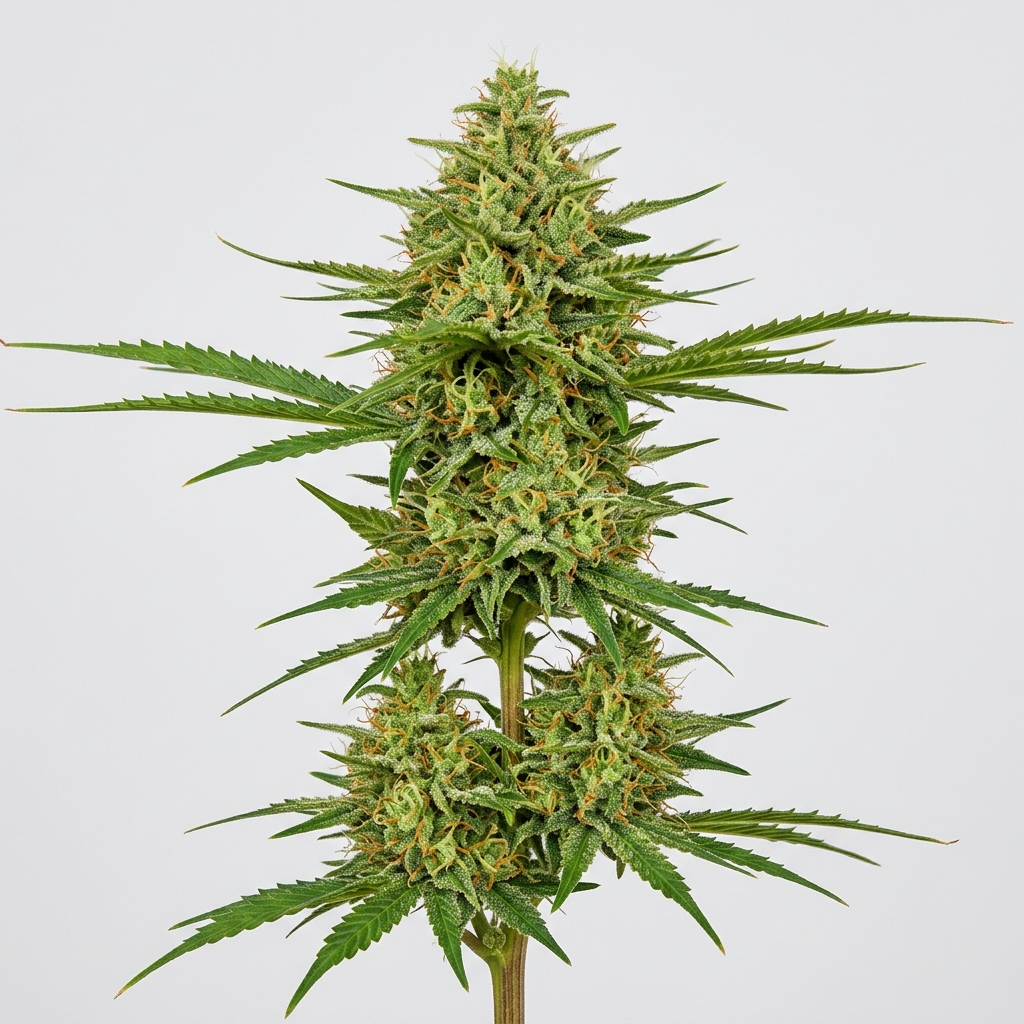
Jack Flash is a high-performance, sativa-dominant hybrid (typically testing between 18% and 23% THC) bred by crossing the legendary Jack Herer with a robust Super Skunk and Haze hybrid. This cultivar is celebrated for its sharp citrus lift, earthy skunk base, and an abundance of glassy buds that carry a thick coating of greasy resin. In the garden, it shows a controlled but vigorous stretch, developing massive spear colas with dense bracts that make it a favorite among commercial cultivators and old-school enthusiasts alike.
Developed to refine and stabilize the classic Jack Herer line, this phenotype offers faster flowering times and heavier yields without sacrificing the soaring, energetic character of its Haze ancestry. The resulting flowers are exceptionally sticky, showing off swollen calyxes and a complex terpene profile that bridges classic Dutch spice with modern fuel notes.
Quick Facts
| Metric | Detail |
|---|---|
| Genetics | Jack Herer × (Super Skunk × Haze) |
| Variety | Sativa-dominant Hybrid |
| THC Range | 18% – 23% |
| Flowering Time | 9 – 11 Weeks |
| Yield Potential | High |
| Plant Height | Tall |
| Climate Preference | Temperate / Mediterranean |
| Difficulty | Moderate |
Scientific & Botanical Overview
Botanically, Jack Flash displays a classic hybrid morphology that heavily favors its Sativa lineage during the generative stage. The vegetative phase is characterized by broad fan leaves and tight internodes, which rapidly transition into elongated, spear-shaped colas once the photoperiod shifts.
The bract-to-leaf ratio is highly favorable, allowing for excellent light penetration and airflow through the canopy. Under optimal conditions, the calyxes swell dramatically, stacking into dense, resin-rich structures that resist moisture retention better than traditional indica-leaning hybrids.
Its trichome development is prolific, with capitate-stalked glands covering not only the flowers but also extending well onto the surrounding sugar leaves. This heavy resin coverage helps protect the developing buds from environmental stressors while locking in volatile monoterpenes.
Effects & Use-Cases (Reported)
Commonly reported effects: Users frequently describe a rapid, cerebral onset characterized by a sharp citrus lift and a sense of functional clarity. The physical sensation remains light and buzzy, avoiding the heavy sedation often associated with its Skunk lineage.
Use-case context: This profile makes the cultivar highly suited for daytime activities, creative projects, and social settings where focus and physical energy are required. It is often selected by those seeking a motivating experience that tapers off into a gentle, relaxing finish.
Note: Due to the rapid onset and pronounced cerebral stimulation, novice consumers should approach this cultivar with caution to avoid over-stimulation.
Aroma & Flavors
Aroma: A pungent mix of spicy pine and sharp citrus, backed by a deep, earthy skunk undertone that intensifies upon grinding the buds.
Flavor: The smoke or vapor delivers a bright, lemony entry with a distinct herbal and mint finish, leaving a lingering peppery spice on the palate.
Terpene associations: Terpinolene, caryophyllene, and myrcene dominate the sensory profile, creating the signature sweet-and-spicy haze complexity.
Tested Cannabinoid & Terpene Ranges
| Compound | Tested Range |
|---|---|
| Δ9-THC | 18.0% – 23.0% |
| CBD | < 0.5% |
| Terpinolene | 0.4% – 0.8% |
| beta-Caryophyllene | 0.2% – 0.5% |
| Myrcene | 0.2% – 0.4% |
| Limonene | 0.1% – 0.3% |
Note: Cannabinoid and terpene profiles are highly variable and depend on specific phenotypes, cultivation techniques, and curing methods.
Cultivation Notes
- Keep late-flower humidity strictly under 45% to protect the massive, dense colas from moisture-related issues.
- Responds well to moderate-to-heavy feeding regimens, particularly during the mid-flowering stretch when nitrogen and phosphorus demands peak.
- Responds exceptionally well to topping, LST, and ScrOG techniques, which help manage the vertical stretch and maximize canopy yield.
- Harvest when trichomes transition from milky white to approximately 10% amber to preserve the uplifting, clear-headed effects.
- Two main phenotypes emerge: a taller, haze-dominant stretch phenotype and a stockier, skunk-dominant phenotype that finishes a week earlier.
Grower Notes (Week-by-Week Snapshot)
- Weeks 1–3: Expect a significant stretch of up to 150% after flipping to a 12/12 light cycle. Early training and structural support should be established now.
- Weeks 4–6: Flower clusters begin to stack rapidly along the branches, forming long spear colas. Resin production starts early, coating the developing calyxes in wet frost.
- Weeks 7–9: Calyxes swell and the intense citrus and skunk aroma peaks. Monitor humidity levels closely as the buds gain density and weight.
- Weeks 10–11 (or Post-Harvest): For haze-leaning phenotypes, allow the final weeks for complete ripening. Execute a slow dry at 60°F and 60% humidity for 10–14 days to lock in terpene clarity.
Genetic Lineage
Jack Flash represents a deliberate backcrossing project designed to capture the quintessential traits of Jack Herer while improving upon its growth characteristics. By crossing a select Jack Herer mother with a potent Super Skunk and Haze male, Sensi Seeds successfully stabilized a faster-flowering phenotype with enhanced structural stability and heavier yields.
This genetic combination blends the soaring sativa high of Haze with the reliable, heavy-budding structure of Skunk #1 and the earthy resilience of Northern Lights. The resulting lineage retains the complex organoleptic qualities of its ancestors while offering a more predictable, grower-friendly growth pattern.
Research Insights
Analytical testing of Jack Flash consistently reveals a high concentration of terpinolene, a monoterpene rarely found as the primary constituent in modern commercial hybrids. This compound, when working alongside secondary terpenes like caryophyllene and myrcene, is believed to modulate the uptake of THC, contributing to the strain’s characteristically energetic and clear-headed effects.
Phytochemical research suggests that the synergistic relationship between its minor cannabinoids and its dense terpene profile helps maintain its stimulating properties without the rapid drop-off or physical heaviness common in other high-THC cultivars. This makes it an important reference point for studies focusing on Sativa-dominant chemotypes.
Frequently Asked Questions
Is Jack Flash hard to grow?
Jack Flash is considered moderately difficult to grow due to its significant flowering stretch. However, its robust Skunk genetics provide excellent resilience against common pests and minor environmental fluctuations, making it easier to manage than pure Sativa strains.
What does Jack Flash smell like?
This cultivar features a complex aroma of sharp citrus, fresh pine, and spicy haze, grounded by a deep, earthy skunk undertone that becomes highly pungent during late flower.
How long does Jack Flash take to flower?
Depending on the phenotype, Jack Flash typically requires 9 to 11 weeks of flowering to reach peak maturity. Skunk-leaning phenotypes may finish closer to 9 weeks, while Haze-dominant phenotypes benefit from the full 11 weeks.
What are the main differences between Jack Flash and Jack Herer?
Jack Flash was bred to improve upon the yield, flowering time, and structural stability of Jack Herer. It generally grows shorter, produces denser colas, and finishes faster than the original Jack Herer while preserving its signature uplifting effects.
Educational Disclaimer
This article is for educational and informational purposes only. Cannabis laws and regulations vary by jurisdiction. Always consult with a qualified professional before beginning any cultivation project or consuming cannabis.
Rate and review this strain
Ratings and reviews are accepted only from signed-in Google accounts.
Sign in with Google to leave a rating and written review.
Latest Reviews
0 reviewsNo reviews yet. Be the first Google user to rate and review this strain.