Island Sweet Skunk (Cannabis Strain)
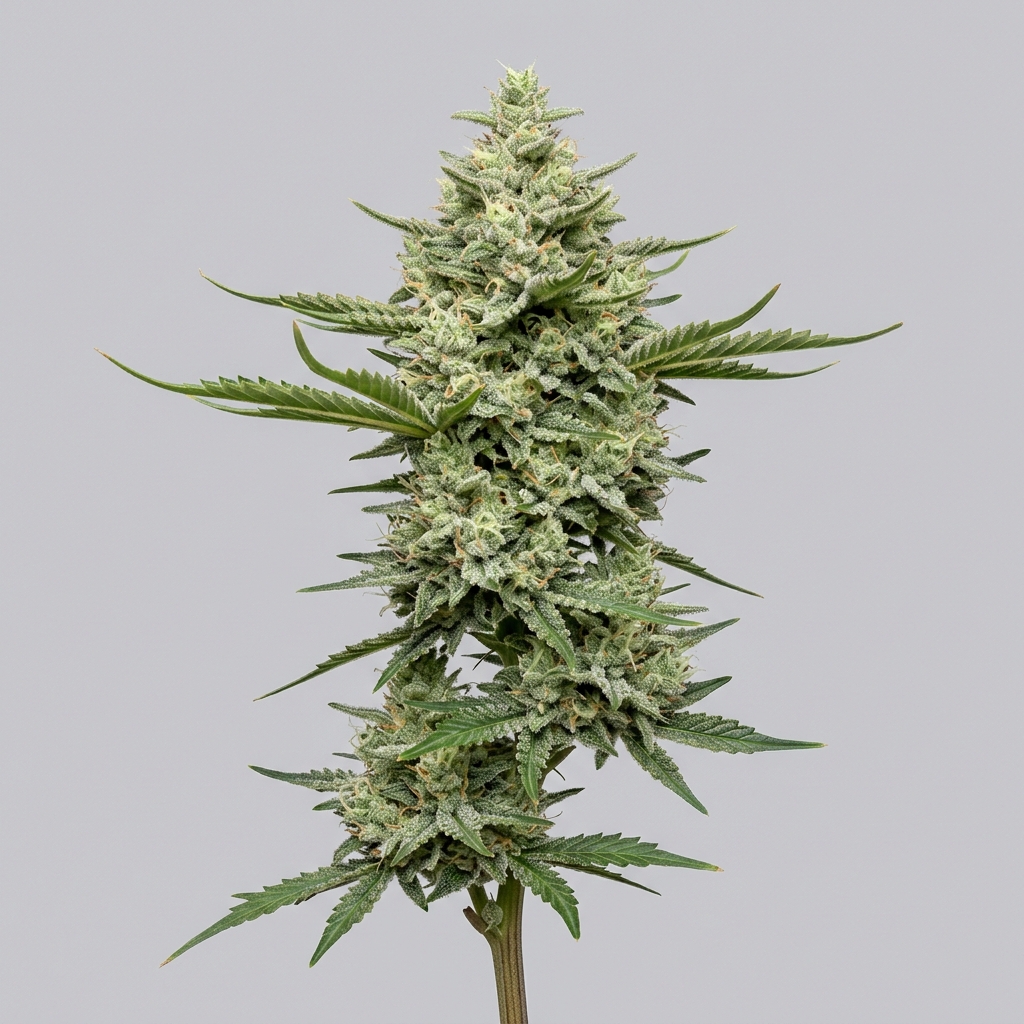
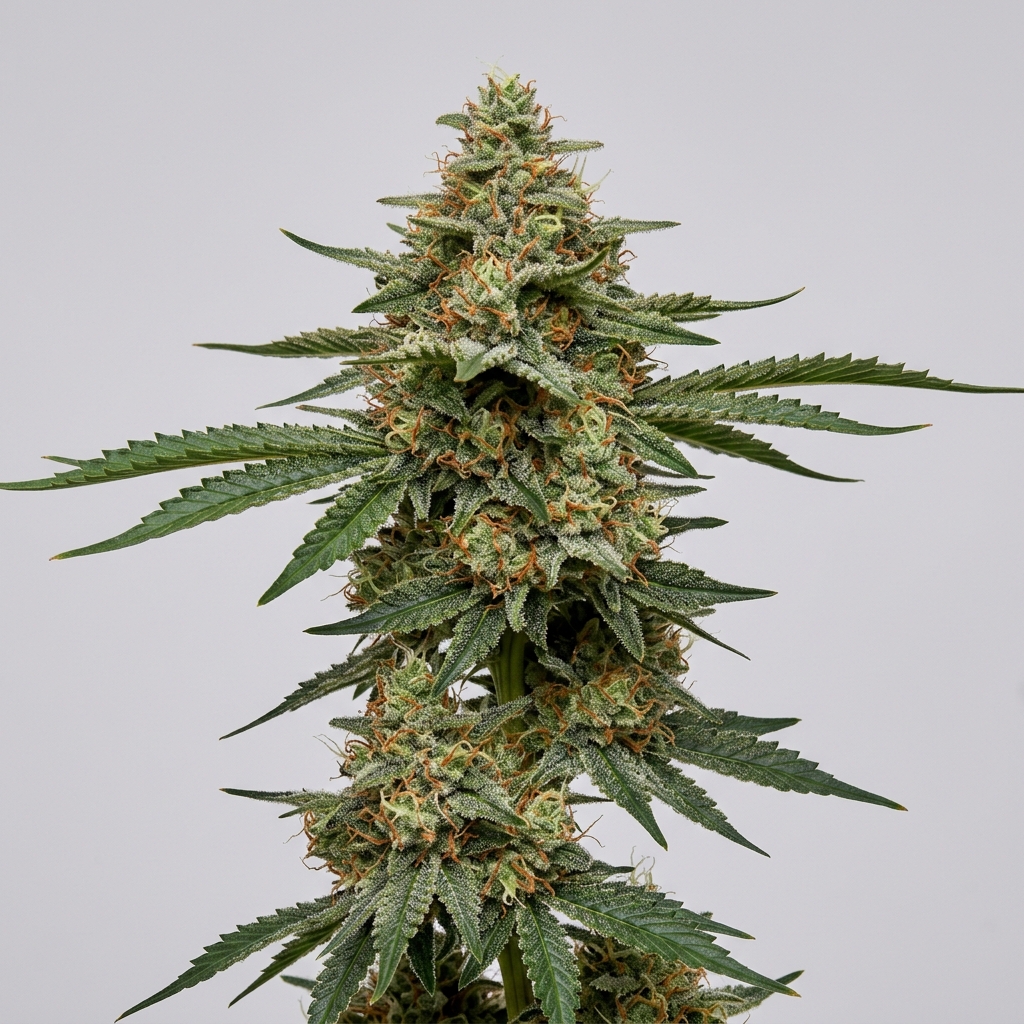
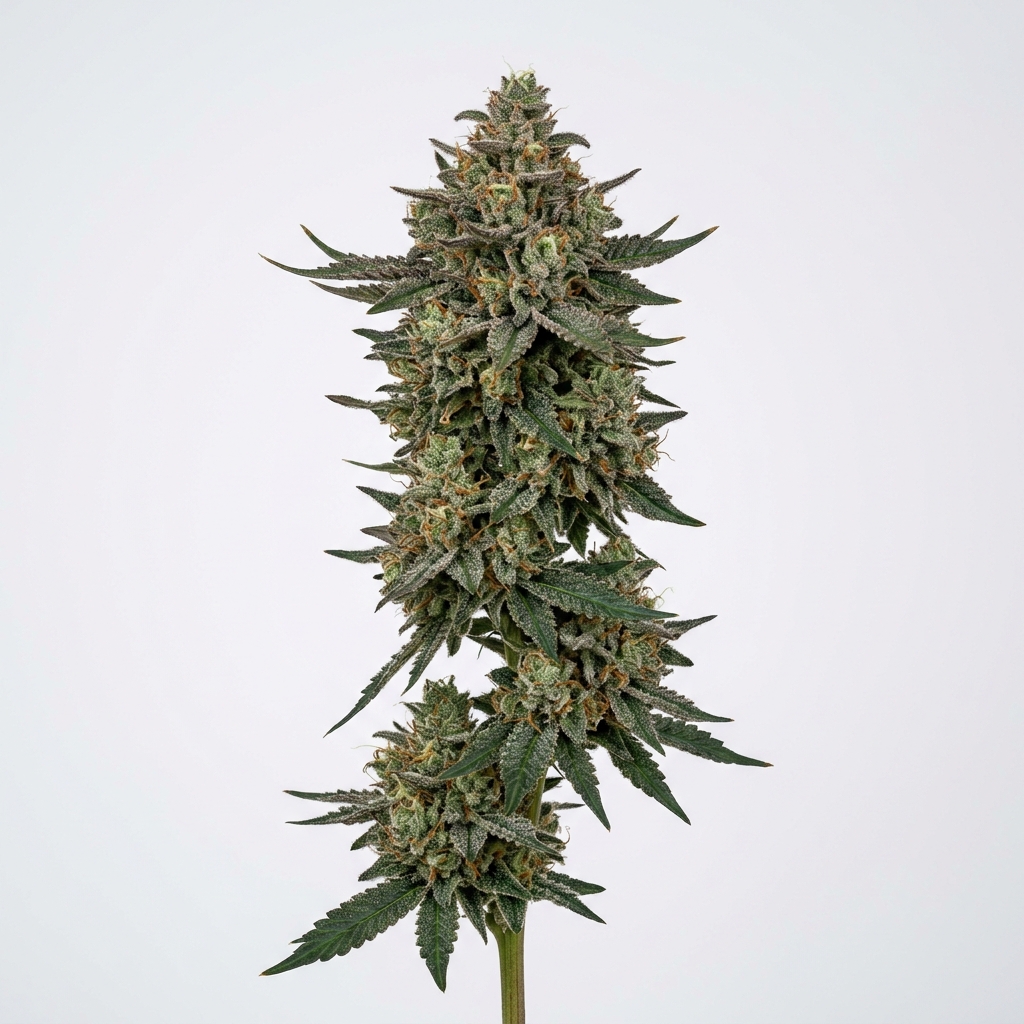
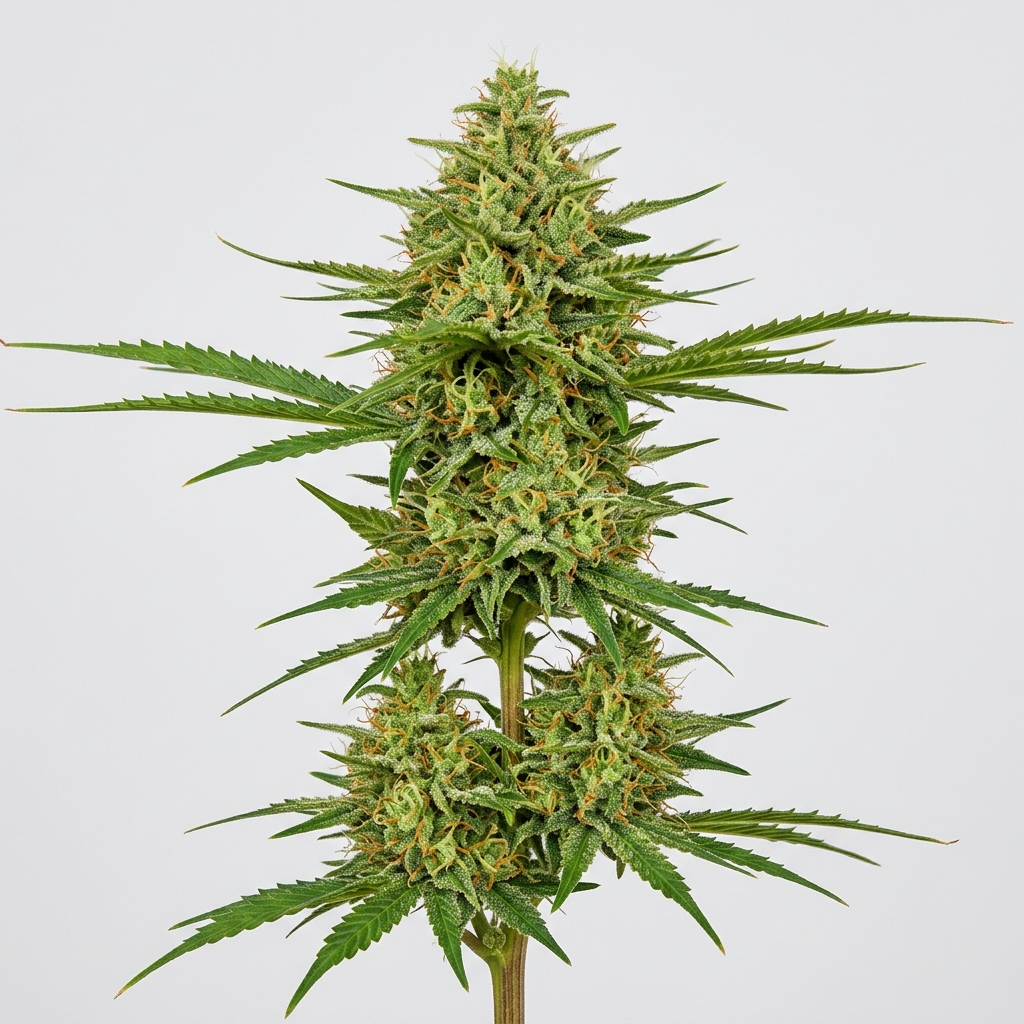
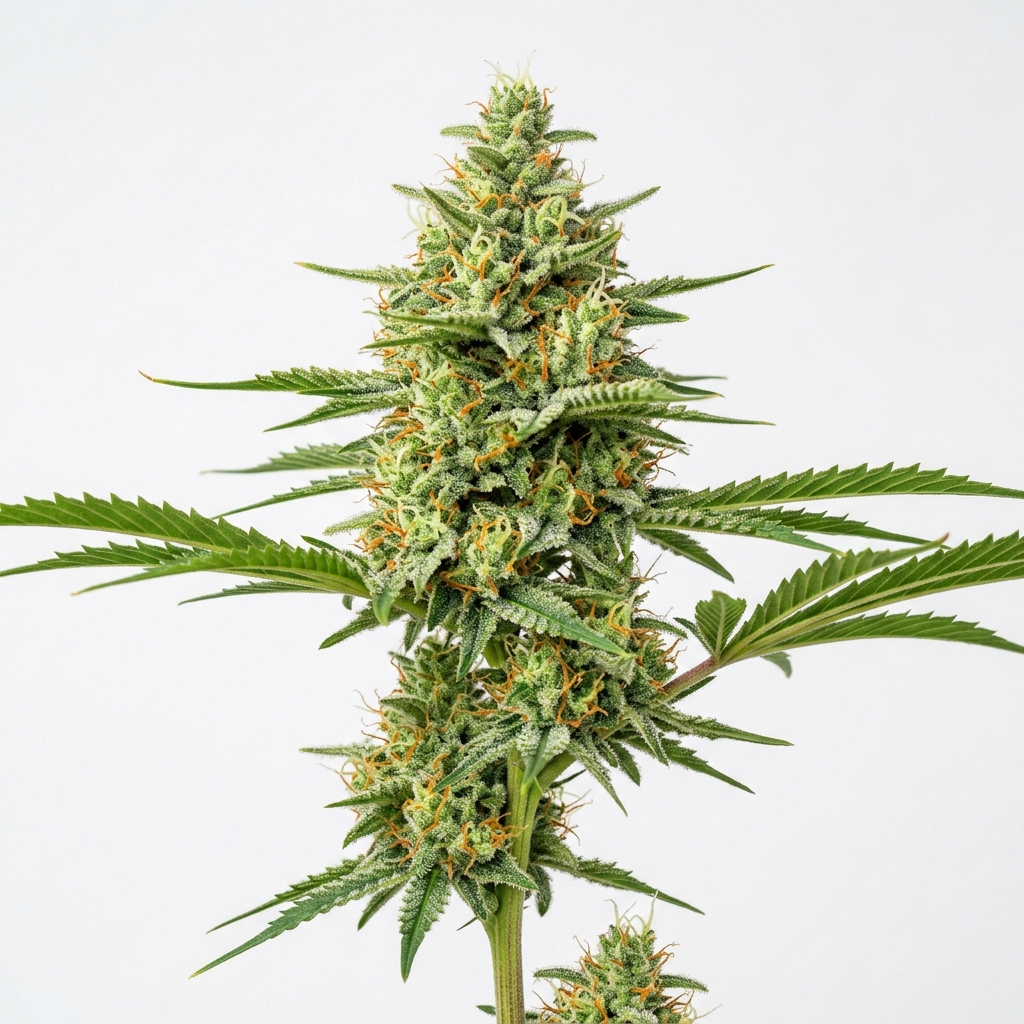
Island Sweet Skunk is a classic sativa-dominant cultivar originating from the Pacific Northwest, valued for its energetic profile, moderate to high THC levels ranging from 16% to 23%, and distinct tropical-skunk profile. Bred by crossing Sweet Pink Grapefruit with a select Skunk #1 phenotype, this strain is recognized by its tall, stretchy structure and heavy, resin-rich spear colas. Its greasy resin layer coats dense bracts that emit a sharp citrus lift layered over a musty, old-school skunk base.
Historically championed by growers in British Columbia, this cultivar has maintained its presence in modern gardens due to its reliable yield potential and uplifting daytime appeal. While it demands attention during its vigorous vertical stretch, growers are rewarded with large, bright green flowers decorated with striking orange pistils and a thick dusting of wet frost.
Quick Facts
| Metric | Details |
|---|---|
| Genetics | Sweet Pink Grapefruit × Skunk #1 (Federation Seeds selection) |
| Variety | Sativa-dominant Hybrid |
| THC Range | 16% – 23% |
| Flowering Time | 8 – 10 weeks (56 – 70 days) |
| Yield Potential | High (especially in high-headroom setups) |
| Plant Height | Tall (significant flowering stretch) |
| Climate Preference | Warm, dry, temperate climates with low late-flower humidity |
| Difficulty | Moderate (requires canopy management) |
Scientific & Botanical Overview
Botanically, this cultivar shows classic tropical morphology, characterized by thin-bladed fan leaves, wide internodal spacing, and a rapid, aggressive stretch once transitioned to the flowering cycle. The plant directs its energy into elongated, spear-shaped colas that require physical support as the heavy flowers mature.
The calyx-to-leaf ratio is exceptionally high, allowing for efficient airflow through the dense inner canopy and simplifying the post-harvest trimming process. Its resin production is characterized by a high density of capitate-stalked trichomes that develop a greasy texture rather than a dry, sandy feel.
While the vegetative phase can be kept brief to manage final height, the root system remains highly active and requires a well-aerated medium to support its rapid nutrient uptake. If left untrained, a single dominant apical cola will form, though the plant responds favorably to multi-topping techniques.
Effects & Use-Cases (Reported)
Commonly reported effects: Users frequently describe an immediate, clear-headed cerebral lift that promotes alertness and physical energy without inducing heavy physical sedation. The onset is typically rapid, characterized by a brightening of the visual field and a subtle warming sensation throughout the limbs.
Use-case context: This profile makes the cultivar a preferred choice for daytime activities, creative projects, or social settings where mental clarity and physical stamina are desired. Its lack of heavy physical comedown helps sustain focus over several hours.
Note: Due to the rapid onset of its cerebral stimulation, sensitive individuals should approach with moderation to avoid potential mild over-stimulation.
Aroma & Flavors
Aroma: The primary olfactory profile is dominated by a sharp, sour grapefruit and sweet tropical fruit notes, backed by an underlying musty skunk and damp earth undertone that intensifies when the buds are broken open.
Flavor: On the palate, it delivers a bright, sweet citrus entry with a distinct pink grapefruit tartness, finishing with a smooth, herbal, and slightly spicy skunk exhale.
Terpene associations: The aromatic profile is driven by high concentrations of myrcene, terpinolene, and pinene, which together shape its sweet, herbaceous, and uplifting character.
Tested Cannabinoid & Terpene Ranges
| Compound | Typical Range |
|---|---|
| Delta-9-THC | 16.0% – 23.0% |
| CBD | < 0.1% |
| Myrcene | 0.4% – 0.9% |
| Terpinolene | 0.2% – 0.6% |
| Pinene | 0.1% – 0.4% |
Note: Cannabinoid and terpene levels are highly variable and depend heavily on cultivation practices, environmental conditions, and curing methods.
Cultivation Notes
- Humidity management: Keep relative humidity (RH) below 45% during the final three weeks of flowering to protect the dense, elongated colas from moisture retention.
- Nutrient requirements: This cultivar prefers moderate feeding schedules; avoid heavy nitrogen inputs during mid-to-late flower to prevent leafy bud structures.
- Canopy training: use techniques like low-stress training (LST) or Screen of Green (ScrOG) early to manage the vigorous vertical stretch and maximize light penetration.
- Physical support: Install double trellis netting or bamboo stakes by week three of flower to support the heavy, leaning spear colas.
- Phenotype variation: Most phenotypes lean heavily toward the tall, sweet grapefruit expression, though a shorter, more skunk-forward variant occasionally appears.
Grower Notes (Week-by-Week Snapshot)
- Weeks 1–3 (Transition & Stretch): Expect a dramatic vertical stretch, often doubling or tripling in height. Begin early training to establish an even canopy and ensure adequate spacing.
- Weeks 4–6 (Flower Development): Elongated, airy bud sites begin to cluster and fill in. Resin production starts early on the calyxes, accompanied by a faint sweet citrus scent.
- Weeks 7–9 (Bulk & Ripening): Colas swell significantly and become heavy. Monitor trichome maturity, as the pistils will turn a vibrant orange while the calyxes swell and develop a greasy sheen.
- Post-Harvest (Dry & Cure): A slow, 10-to-14-day dry at 60°F (15°C) and 60% RH preserves the delicate volatile terpenes, followed by a minimum three-week cure to develop the deep skunky undertones.
Genetic Lineage
The genetic foundation of this cultivar is rooted in the classic breeding efforts of the Pacific Northwest. It was developed primarily by selecting a high-performing phenotype of Sweet Pink Grapefruit—an elusive clone-only variety celebrated for its intense citrus sweetness—and crossing it with a robust Skunk #1 father to inject vigor, structural resilience, and a deeper, more complex musk.
This hybridization successfully preserved the bright, uplifting qualities of the grapefruit parent while enhancing the overall yield and hardiness of the plant. The resulting line has served as a foundational building block for several modern sativa-leaning hybrids, prized for its stable transmission of sweet, tropical aromatic traits.
Research Insights
Scientific interest in this cultivar often focuses on its high concentrations of terpinolene combined with myrcene. This specific terpene arrangement is relatively uncommon in heavy modern hybrids, contributing to the distinct, non-sedating cerebral stimulation that users consistently report.
Additionally, the physical structure of its trichomes suggests a highly efficient biosynthesis of monoterpenes. The greasy, rather than brittle, nature of the resin gland heads points to a high lipid content, which helps shield the volatile aromatic compounds from environmental degradation during the late stages of flowering.
Frequently Asked Questions
Is Island Sweet Skunk difficult to grow indoors?
It is moderately challenging due to its aggressive vertical stretch. Growers can easily manage this by keeping the vegetative phase short and employing early training methods like topping or trellising.
What does Island Sweet Skunk smell like?
The primary aroma is a bright, sweet grapefruit and tropical fruit mixture, underscored by a classic, musky, and earthy skunk pungency that becomes more pronounced upon grinding the buds.
How long does this strain take to flower?
This cultivar typically requires between 8 to 10 weeks (56 to 70 days) of flowering to reach peak resin maturity and terpene development.
Does this strain cause heavy physical sedation?
No, it is widely reported to offer an energizing, clear-headed cerebral lift, making it highly suitable for daytime use rather than evening relaxation.
Educational Disclaimer
This article is for educational and informational purposes only. Cannabis cultivation and consumption are subject to local laws and regulations. Always consult with a qualified professional before making any horticultural or personal wellness decisions.
Rate and review this strain
Ratings and reviews are accepted only from signed-in Google accounts.
Sign in with Google to leave a rating and written review.
Latest Reviews
0 reviewsNo reviews yet. Be the first Google user to rate and review this strain.