Hog’s Breath (Cannabis Strain)
Hog’s Breath is an indica-dominant cultivar testing between 18% and 24% THC, renowned for its intense, pungent skunk aroma and heavy physical sedation. Bred from a heritage cross of Hindu Kush and Afghani, this old-school classic yields dense, chunky flowers covered in a thick layer of greasy resin. The plant shows a stocky, compact growth habit, making it a favorite among indoor growers seeking deep, earthy profiles and reliable evening performance.
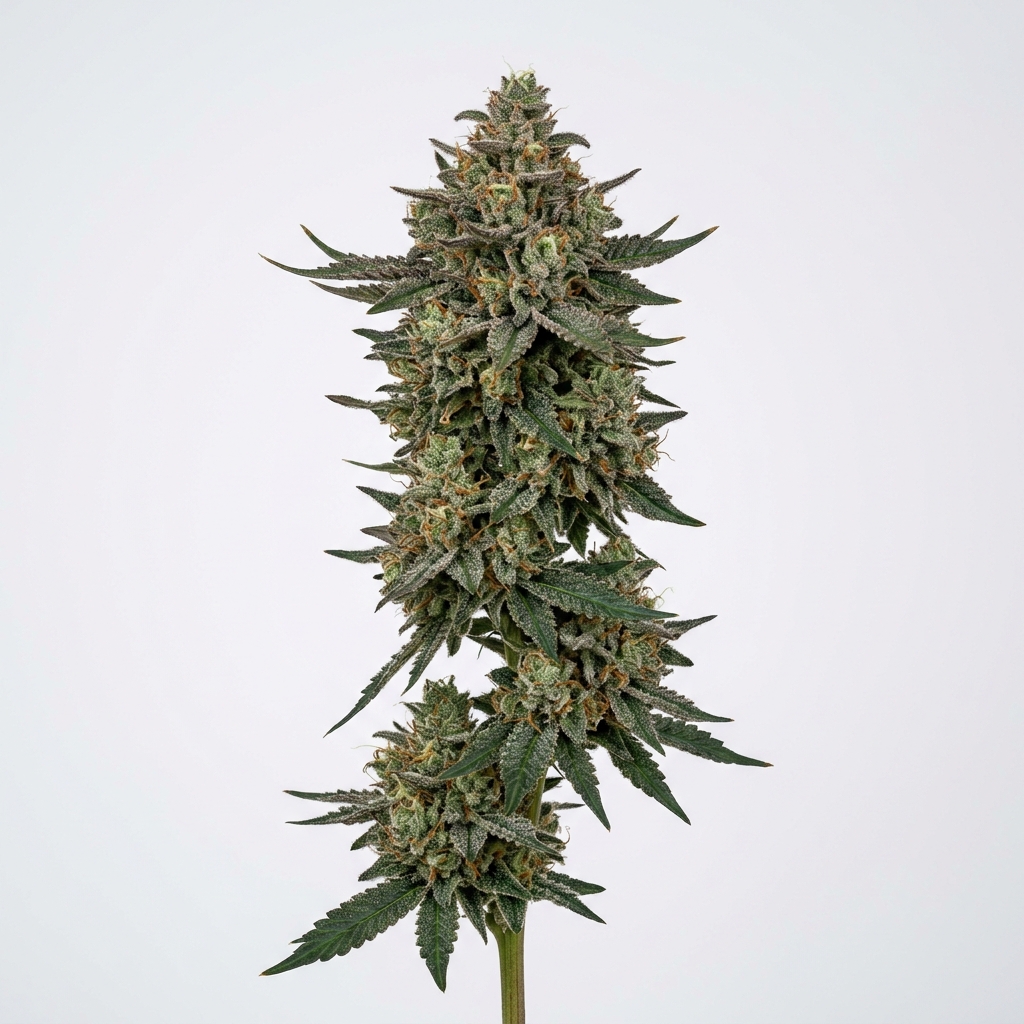
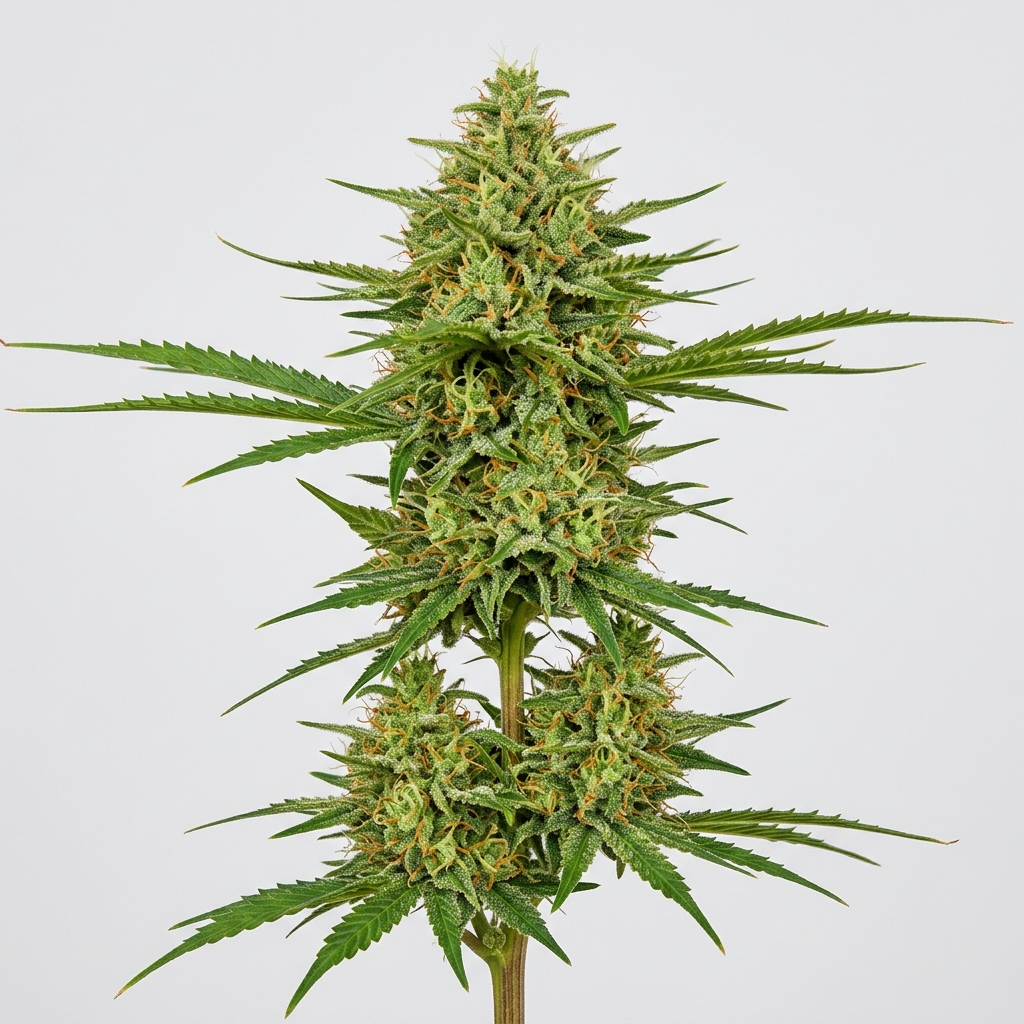
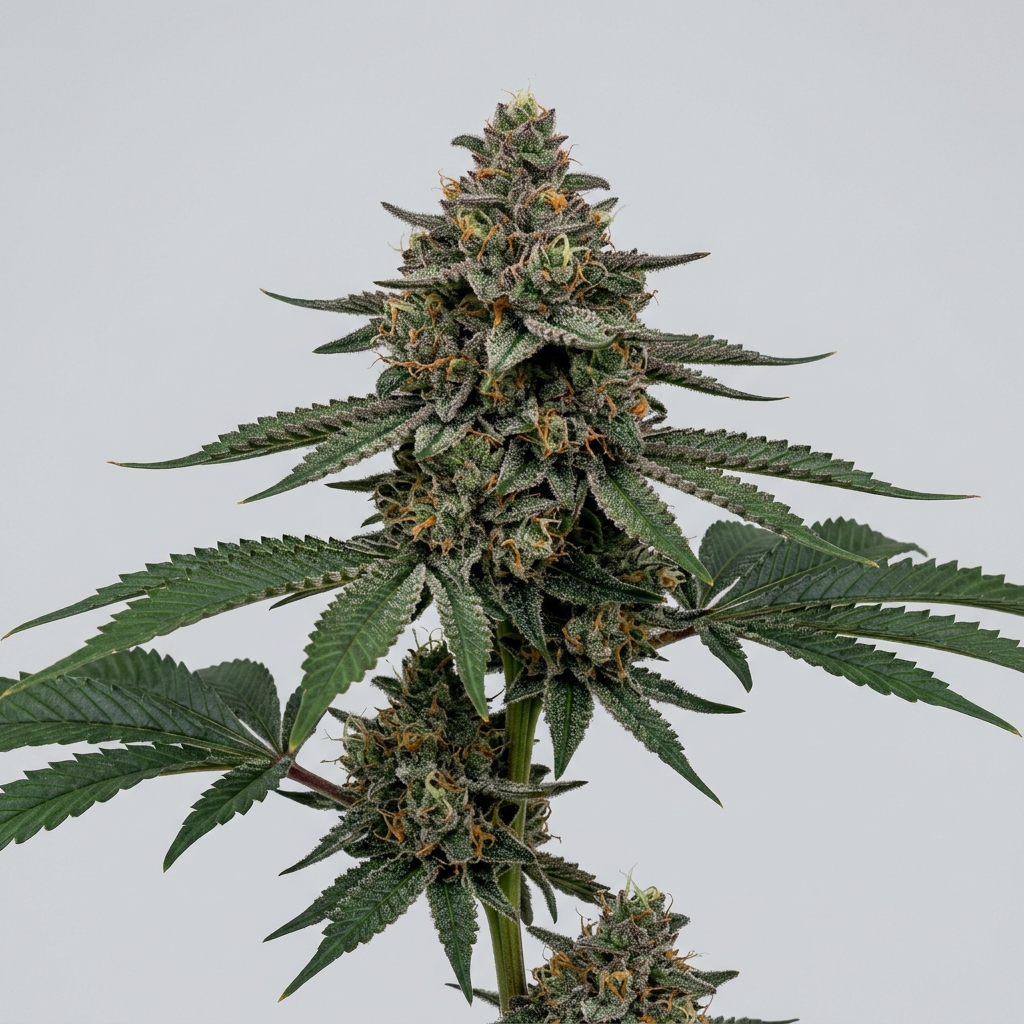
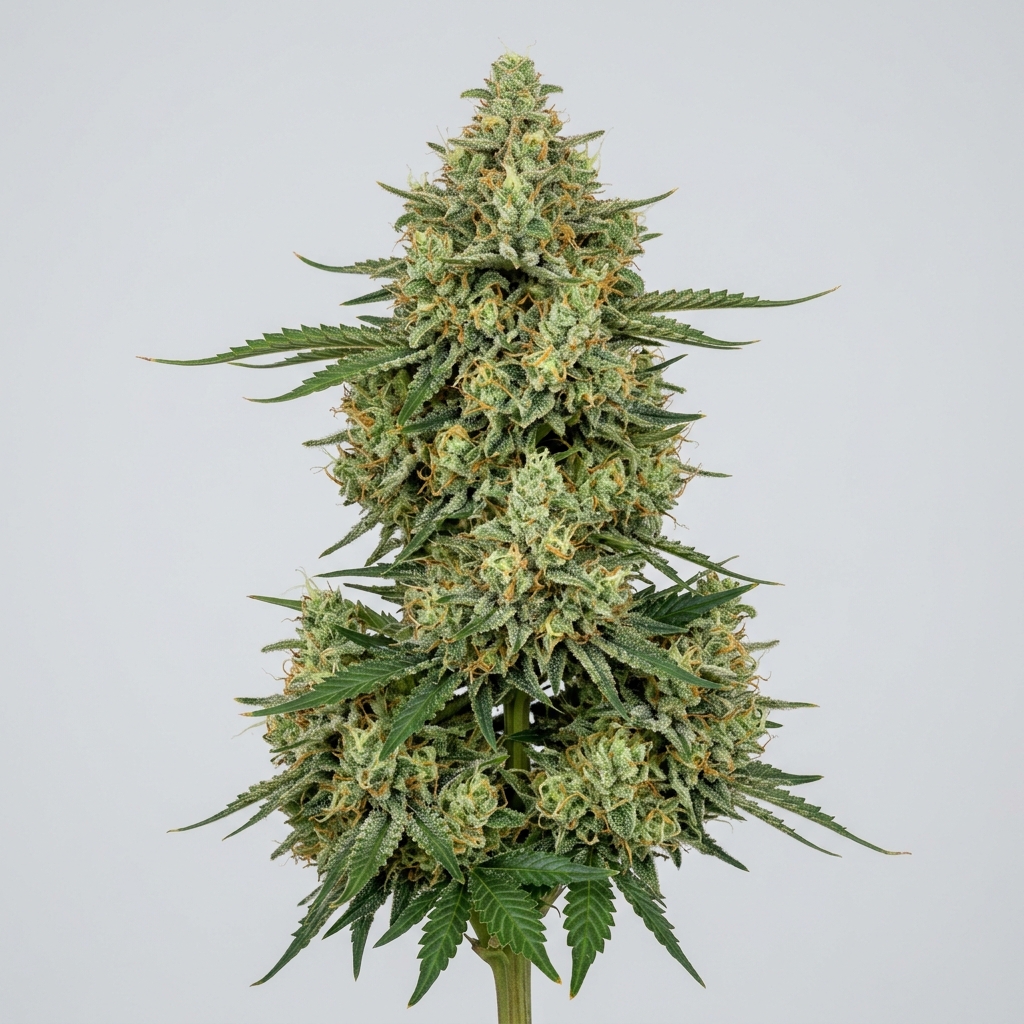
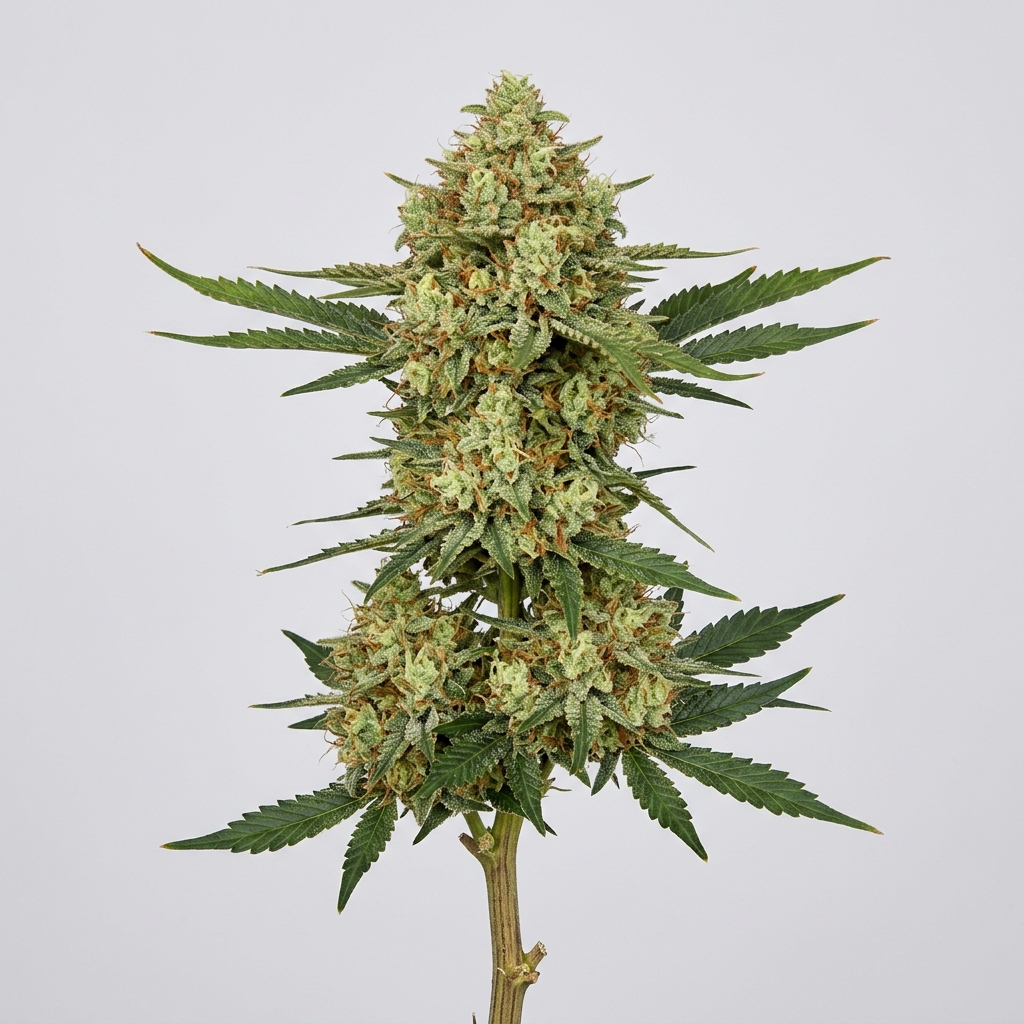
Originating in Tennessee before gaining worldwide fame at the 2002 High Times Cannabis Cup, this strain is prized for its unmistakable “hog funk” profile. The cured buds display a pale lime-green hue accented by thick, rust-colored pistils and a wet-looking frost that clings to the fingers.
Quick Facts
| Attribute | Details |
|---|---|
| Genetics | Hindu Kush × Afghani |
| Variety | Indica-dominant hybrid |
| THC Range | 18% – 24% |
| Flowering Time | 8 – 9 Weeks |
| Yield Potential | Moderate to High |
| Plant Height | Short to Medium |
| Climate Preference | Temperate, low humidity |
| Difficulty | Moderate |
Scientific & Botanical Overview
Structurally, the cultivar shows classic indica morphology, characterized by a short, stout frame and broad fan leaves. The internodal spacing remains tight throughout the vegetative stage, requiring proactive defoliation to maintain optimal airflow within the canopy. Sturdy lateral branches develop naturally, providing solid support for the heavy flower clusters that form during the generative phase.
The flower structure is composed of dense bracts and swollen calyxes that pack tightly along the main stems. Resin production is heavy, dominated by short-stalked capitate-sessile and capitate-stalked trichomes that secrete a viscous, greasy oil. This high concentration of resin glands makes the dried buds exceptionally sticky to the touch.
Under cooler night temperatures during late bloom, the foliage can develop deep forest-green tones, though the buds generally retain their bright, pale-green coloration. The thick stems support the heavy weight of the ripening colas without requiring extensive trellising, though some support is recommended to handle the final flower mass.
Effects & Use-Cases (Reported)
Commonly reported effects: Users frequently report a heavy, numbing physical sensation that settles quickly behind the eyes before spreading throughout the limbs. The mental state is typically described as calm, quiet, and deeply tranquil, often leading to deep physical relaxation and eventual sleepiness.
Use-case context: This cultivar is highly suited for late-evening use, post-workout recovery, or preparation for sleep. Its profound physical heaviness makes it less ideal for daytime activities, social gatherings, or tasks requiring high mental focus.
Note: Due to the rapid onset of its physical sedation, less experienced consumers should approach this strain with caution and in a comfortable setting.
Aroma & Flavors
Aroma: The initial scent profile is dominated by a sharp, pungent skunk and damp earth, often described as a gamey or “wet dog” funk. A subtle undertone of sweet fuel and spicy hash emerges once the buds are broken apart.
Flavor: On the palate, the smoke is thick and expansive, delivering a heavy flavor of spicy kush and sour diesel. The finish is remarkably clean, leaving a lingering taste of herbal earth and dark pine.
Terpene associations: Cultivar profiles show a high concentration of myrcene, supported by secondary levels of caryophyllene and limonene.
Tested Cannabinoid & Terpene Ranges
| Compound | Tested Range |
|---|---|
| Δ9-THC | 18.0% – 24.0% |
| CBD | < 1.0% |
| Myrcene | 0.5% – 1.2% |
| Caryophyllene | 0.3% – 0.8% |
| Limonene | 0.2% – 0.5% |
| Linalool | 0.1% – 0.3% |
Note: Cannabinoid and terpene levels are highly variable depending on phenotype, environmental factors, and cultivation practices.
Cultivation Notes
- Humidity Control: Maintain relative humidity below 45% during the final three weeks of flowering to prevent mold or bud rot within the dense, compact colas.
- Canopy Management: Implement regular defoliation of the lower third of the canopy to improve light penetration and air movement through the tight internodes.
- Nutrient Regimen: The strain responds well to moderate nitrogen levels in veg, requiring a heavy phosphorus and potassium push during mid-to-late bloom.
- Training: Apply low-stress training (LST) or topping early in the vegetative cycle to encourage lateral branching and multiple main colas.
- Harvest Window: Look for a high percentage of amber trichomes (15%–20%) to maximize the heavy, physical properties of the profile.
Grower Notes (Week-by-Week Snapshot)
- Weeks 1–3 (Transition & Early Stretch): The plants undergo a moderate stretch, typically doubling in size. Focus on tucking broad fan leaves to expose emerging bud sites along the tight internodes.
- Weeks 4–6 (Mid-Flower & Resin Onset): Calyxes begin to swell rapidly, and a greasy layer of resin starts to cover the young flowers. The signature pungent skunk aroma becomes noticeable; ensure carbon filters are fully operational.
- Weeks 7–9 (Late-Flower & Ripening): The buds put on significant weight and density. Reduce watering slightly and keep humidity low. Monitor trichome maturity closely as the pistils turn from white to deep orange.
- Post-Harvest (Cure): Hang-dry the entire plant at 60°F and 60% relative humidity for 10 to 14 days. A slow dry and a minimum three-week cure in glass jars are essential to preserve the volatile skunk and diesel terpenes.
Genetic Lineage
The genetic foundation of this cultivar rests on two classic landrace-derived lines: Hindu Kush and Afghani. This pure indica pairing provides the strain with its robust structural resilience, short stature, and highly sedative chemical profile.
While some regional variations exist, the most celebrated cut of this strain traces back to a select phenotype discovered in Tennessee during the late 1990s. This specific selection was preserved and popularized for its unique, highly pungent aromatic profile that set it apart from typical kush varieties of the era.
Research Insights
Analytical testing reveals a high ratio of myrcene combined with caryophyllene, a combination frequently studied for its potential to facilitate deep muscle relaxation and physical ease. The presence of these terpenes alongside a robust THC profile contributes to the classic couch-lock effect often associated with heritage indica genetics.
The stable genetic background of this heritage cross makes it a valuable tool for contemporary breeders looking to introduce physical density, short flowering times, and intense, old-school skunk aromas into modern candy-forward hybrids.
Frequently Asked Questions
Is Hog’s Breath an indica or sativa?
This cultivar is a heavily indica-dominant hybrid, displaying classic indica growth characteristics and deeply relaxing physical effects.
What does Hog’s Breath smell like?
It is famous for its highly pungent, old-school aroma of sharp skunk, damp earth, and a distinct gamey funk, rounded out by hints of sweet diesel.
How long does Hog’s Breath take to flower?
When grown indoors, the strain typically completes its flowering cycle in 8 to 9 weeks.
Is this strain difficult to grow?
It is of moderate difficulty. While its short stature and sturdy branches are easy to manage, its dense colas require strict humidity control to prevent mold.
Educational Disclaimer
This article is for educational purposes only. Cannabis cultivation and consumption are subject to local laws and regulations. Consult with a professional cultivator or medical specialist for specific advice.
Rate and review this strain
Ratings and reviews are accepted only from signed-in Google accounts.
Sign in with Google to leave a rating and written review.
Latest Reviews
0 reviewsNo reviews yet. Be the first Google user to rate and review this strain.