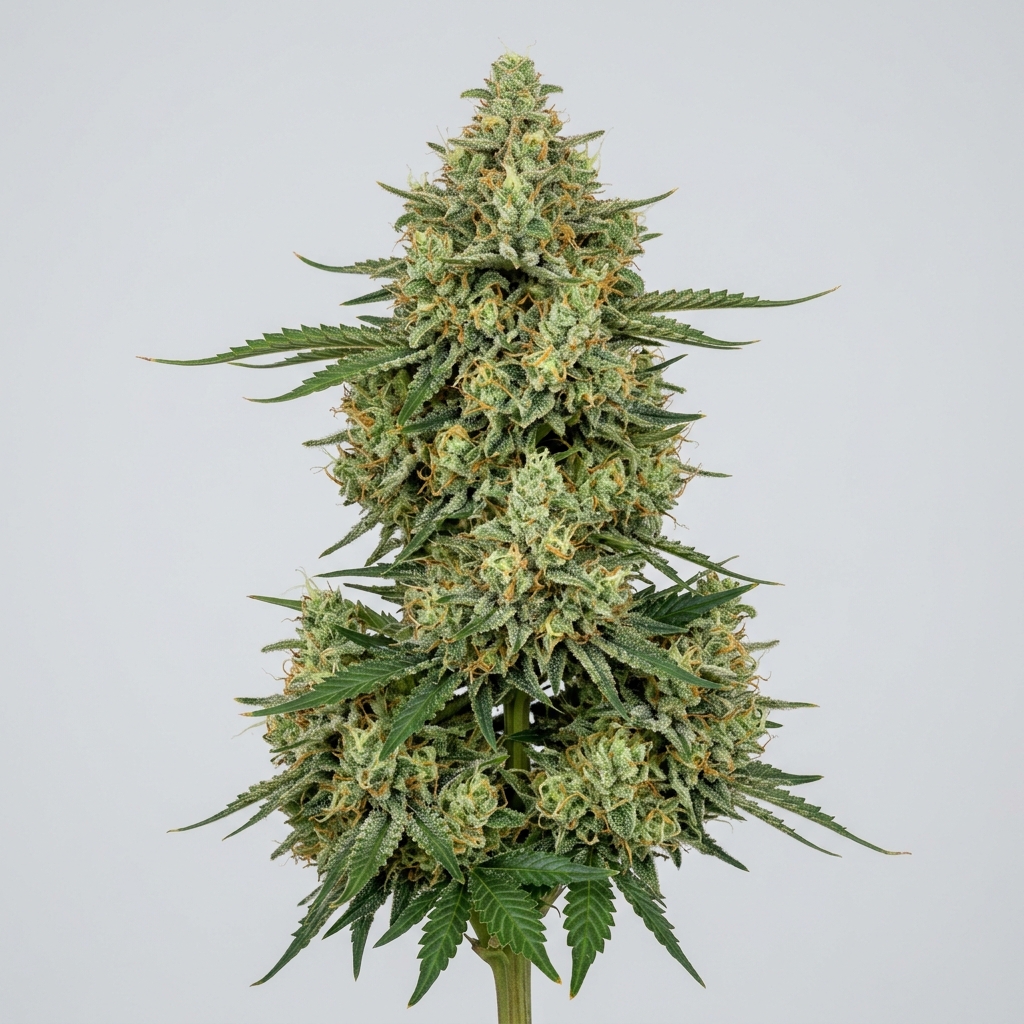
Heavy Duty Fruity (Cannabis Strain)
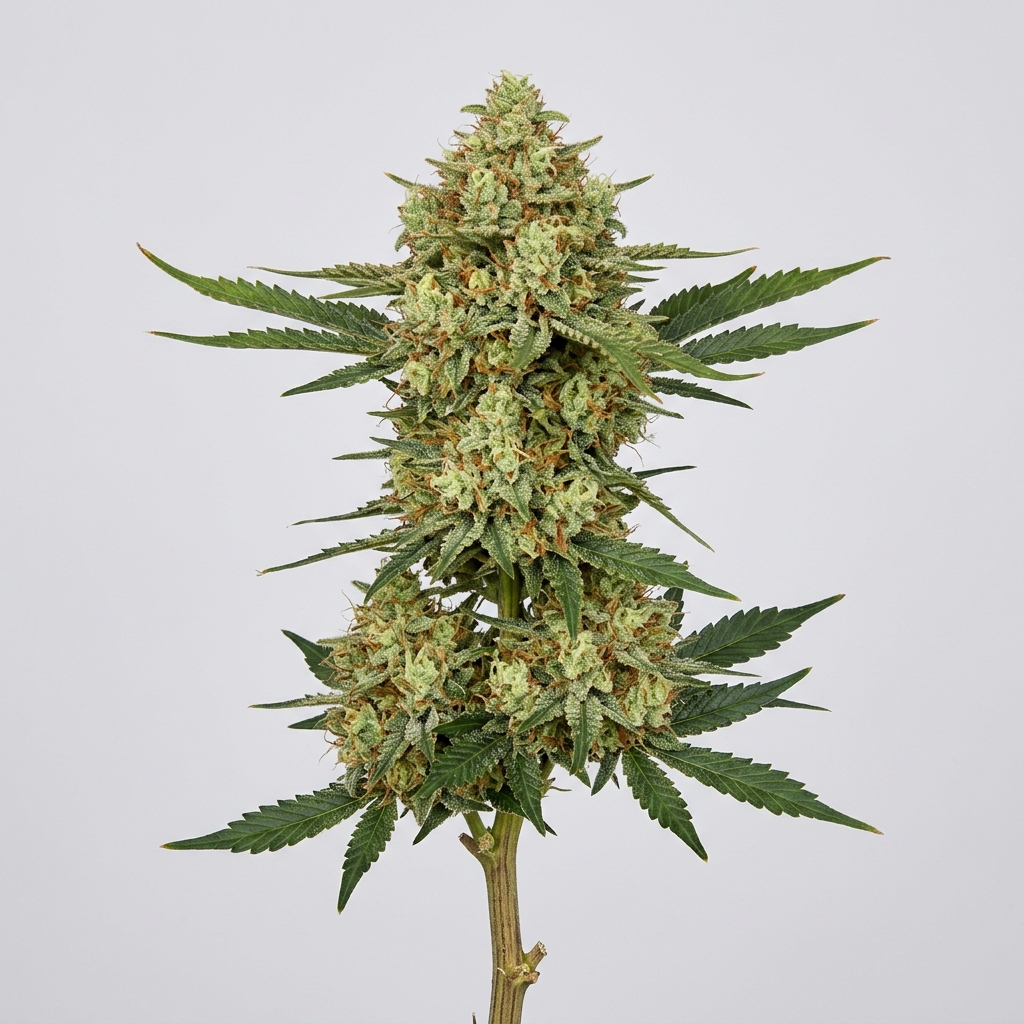
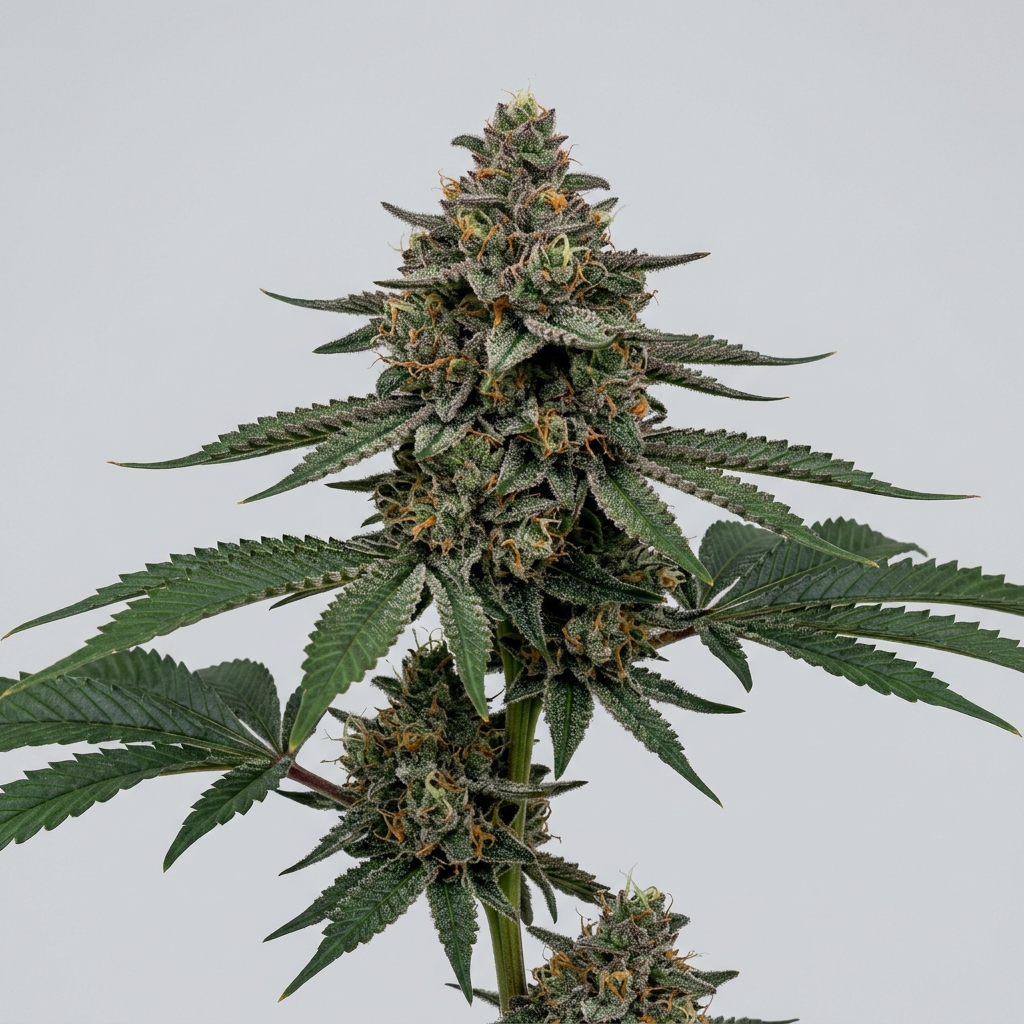
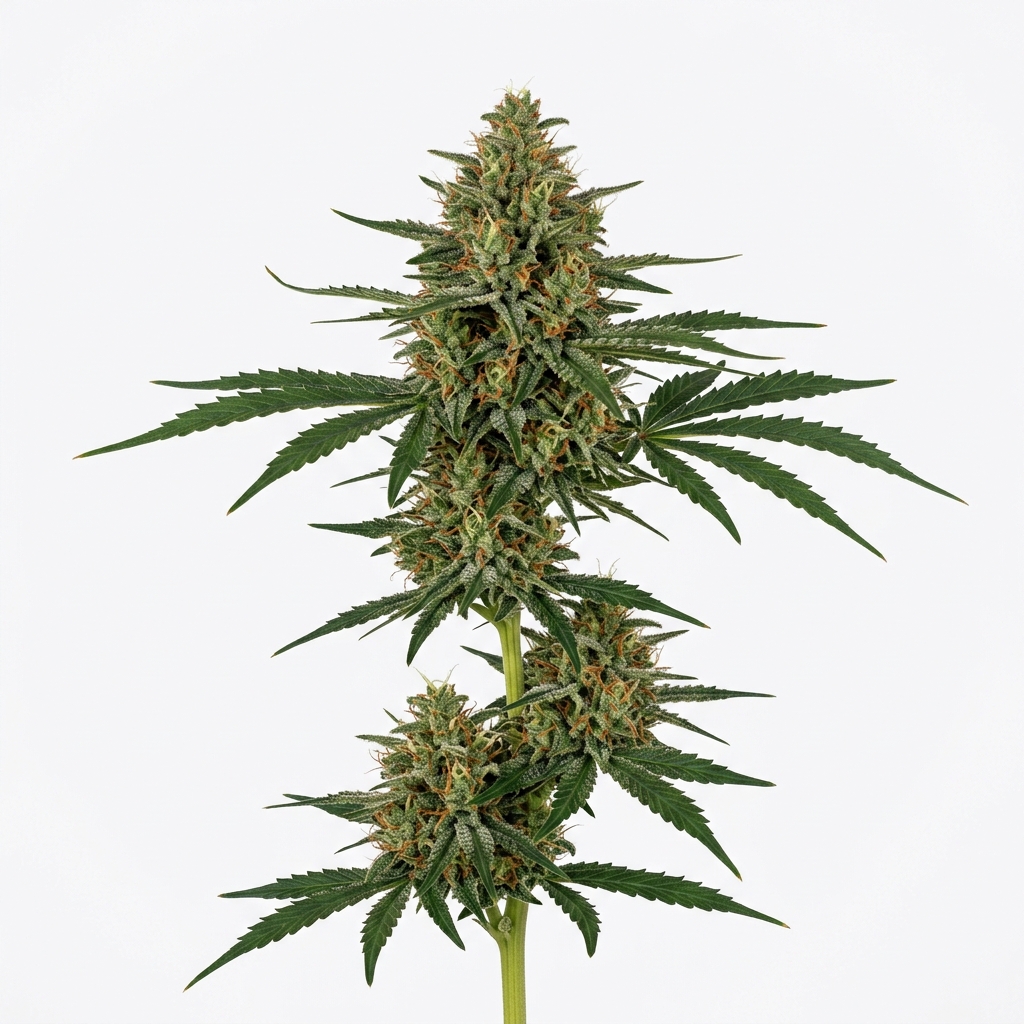
Heavy Duty Fruity is an indica-dominant hybrid, typically testing between 16% and 22% THC, bred by crossing Mendocino Hash Plant with Seattle Big Bud. This cultivar is celebrated for its highly pungent, overripe tropical fruit and berry aroma, backed by a greasy resin coating on large, dense spear colas. Known for its robust, stocky growth and moderate stretch, it transitions into a heavy-yielding producer that delivers deep, physical relaxation suited for evening selection.
Cultivators favor this old-school classic for its reliable indoor performance and massive commercial yields. Its flowers mature into swollen calyxes packed with wet frost, requiring attentive humidity management during late bloom to protect its dense bract structure.
Quick Facts
| Field | Details |
|---|---|
| Genetics | Mendocino Hash Plant × Seattle Big Bud |
| Variety | Indica-dominant Hybrid |
| THC Range | 16% – 22% |
| Flowering Time | 8 – 9 Weeks |
| Yield Potential | High |
| Plant Height | Medium |
| Climate Preference | Temperate / Mediterranean |
| Difficulty | Moderate |
Scientific & Botanical Overview
Structurally, this cultivar displays classic Afghani-derived morphology, characterized by broad fan leaves, thick stems, and tight internodal spacing. It develops a sturdy central main stem that supports heavy lateral branches, which often require trellising to bear the weight of its massive, resin-rich flowers.
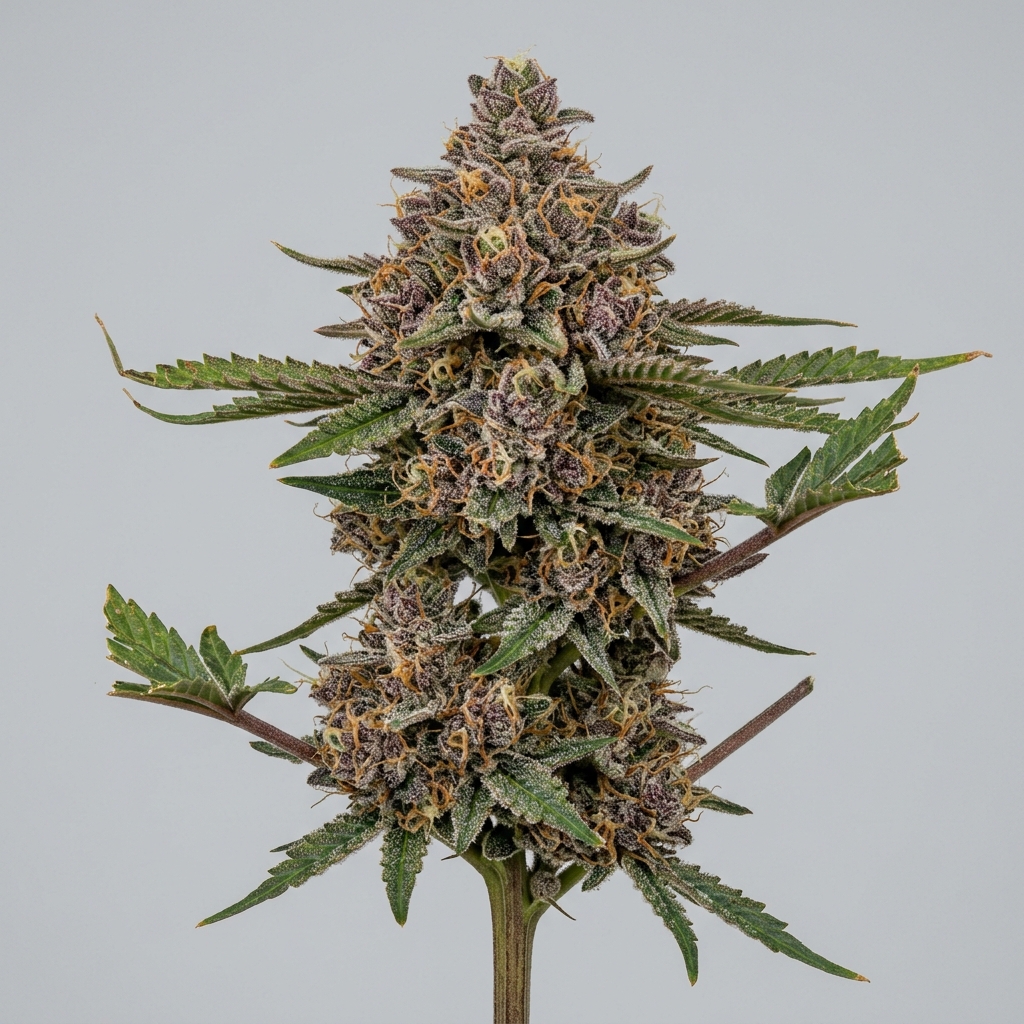
The bract-to-leaf ratio is highly favorable for commercial trimming, showing off dense, light green buds covered in amber pistils and a thick blanket of capitate-stalked trichomes. Under cooler night temperatures during late flower, some phenotypes can exhibit subtle lavender hues along the outer leaf margins.
Transpiration rates remain high throughout the vegetative phase due to the broad leaf surface area, requiring consistent airflow and strategic defoliation. Ensuring clean microclimates within the canopy helps prevent micro-pockets of moisture from settling near the main stem.
Effects & Use-Cases (Reported)
Commonly reported effects: Users frequently describe a heavy, warming physical sensation that spreads from the limbs inward, accompanied by a calm, slow-paced mental state. The onset is gradual rather than sharp, settling into a deep, sedative relaxation that naturally encourages rest.
Use-case context: This cultivar is highly suited for late-evening use, post-workout recovery, or quiet wind-down routines where physical ease is the primary goal. Its heavy-hitting nature makes it less ideal for tasks requiring high focus or physical agility.
Note: Individual tolerance and phenotype variation can significantly alter the intensity of these physical effects.
Aroma & Flavors
Aroma: A pungent blast of overripe tropical fruit, sour citrus, and sweet berries, grounded by an earthy, skunk-like base.
Flavor: The smoke delivers a thick, sweet berry inhale with a tart citrus lift, finishing with a lingering, spicy hash and wet earth note on the exhale.
Terpene associations: Cultivar profiles typically show a high concentration of myrcene, caryophyllene, and limonene, which drive its classic sweet-and-gassy fruit profile.
Tested Cannabinoid & Terpene Ranges
| Compound | Estimated Range |
|---|---|
| Δ9-THC | 16.0% – 22.0% |
| CBD | < 1.0% |
| Myrcene | 0.5% – 1.2% |
| Caryophyllene | 0.3% – 0.8% |
| Limonene | 0.2% – 0.6% |
Range note: Cannabinoid and terpene levels are highly dependent on specific phenotypes, cultivation methods, and curing environments.
Cultivation Notes
- Keep late-flower relative humidity (RH) below 45% to protect the exceptionally dense, heavy spear colas from mold.
- Implement early low-stress training (LST) or topping to promote lateral branching and maximize the canopy footprint.
- Provide strong structural support, such as double trellis netting, by week 3 of flower to prevent heavy branches from collapsing.
- Maintain a moderate nutrient regimen, as the plant reacts sensitively to over-fertilization, particularly nitrogen burn in early bloom.
- Execute a thorough defoliation cycle just before switching to a 12/12 light cycle and again at day 21 of flower to improve light penetration.
Grower Notes (Week-by-Week Snapshot)
- Weeks 1–3: The plant shows a controlled stretch, usually doubling in height. Focus on building a strong structural frame and clear out lower, non-productive growth (lollipoping) to direct energy upward.
- Weeks 4–6: Flower clusters begin to stack rapidly, forming dense, resinous buttons. Trichome production becomes visible along the sugar leaves, accompanied by a sharp rise in sweet, fruity odors.
- Weeks 7–9: The buds swell dramatically, displaying swollen calyxes and a dense layer of greasy resin. Monitor trichome maturity closely, looking for a mix of milky and amber heads, and initiate a clean water flush in the final 10 to 14 days.
- Post-Harvest: A slow dry at 60°F (15°C) and 60% relative humidity for 10 to 14 days is critical to preserve the volatile fruit terpenes before transitioning to a minimum three-week glass jar cure.
Genetic Lineage
The genetic heritage of Heavy Duty Fruity traces back to a deliberate hybridization of Mendocino Hash Plant and Seattle Big Bud. This pairing brought together the thick, resinous bud structure of Pacific Northwest outdoor genetics with the massive yield potential of classic commercial indoor varieties.
The addition of landrace-derived Afghani genetics further stabilized the line, imparting the short, stocky growth habit and deep physical effects that define this classic T.H. Seeds release. The resulting cross stands as a testament to the robust, flavor-forward breeding style of the late 1990s and early 2000s.
Research Insights
Laboratory testing of this cultivar highlights a dominant concentration of myrcene, which works alongside moderate levels of caryophyllene to influence its deep physical profile. The presence of limonene provides the bright, contrasting citrus notes that lift the overall aromatic profile above standard earthy indicas.
Breeders frequently use these genetics in modern hybridization projects to introduce high resin yields and structural density to more delicate, fruit-forward sativa cultivars. The stable, predictable growth patterns of its parent lines make it a valuable tool for preserving classic West Coast terpene profiles.
Frequently Asked Questions
What is the flowering time of Heavy Duty Fruity?
This cultivar typically completes its flowering cycle in 8 to 9 weeks when grown indoors. Outdoor gardens are usually ready for harvest by early to mid-October in the Northern Hemisphere.
Is Heavy Duty Fruity suitable for beginners?
It is moderately easy to grow due to its sturdy structure and predictable growth. However, beginners must pay close attention to humidity control during late flower, as its exceptionally dense buds are susceptible to moisture retention.
What are the primary aromas of this strain?
It features a highly pungent profile dominated by overripe tropical fruits, sweet citrus, and dark berries, supported by an earthy, skunk-like hash undertone.
How tall does the plant grow?
It generally maintains a medium, manageable height, making it well-suited for indoor grow tents and setups with limited vertical space.
Educational Disclaimer
This content is for educational and informational purposes only. Cannabis laws and regulations vary by jurisdiction. Cultivation should only be undertaken where legally permitted.
Rate and review this strain
Ratings and reviews are accepted only from signed-in Google accounts.
Sign in with Google to leave a rating and written review.
Latest Reviews
0 reviewsNo reviews yet. Be the first Google user to rate and review this strain.