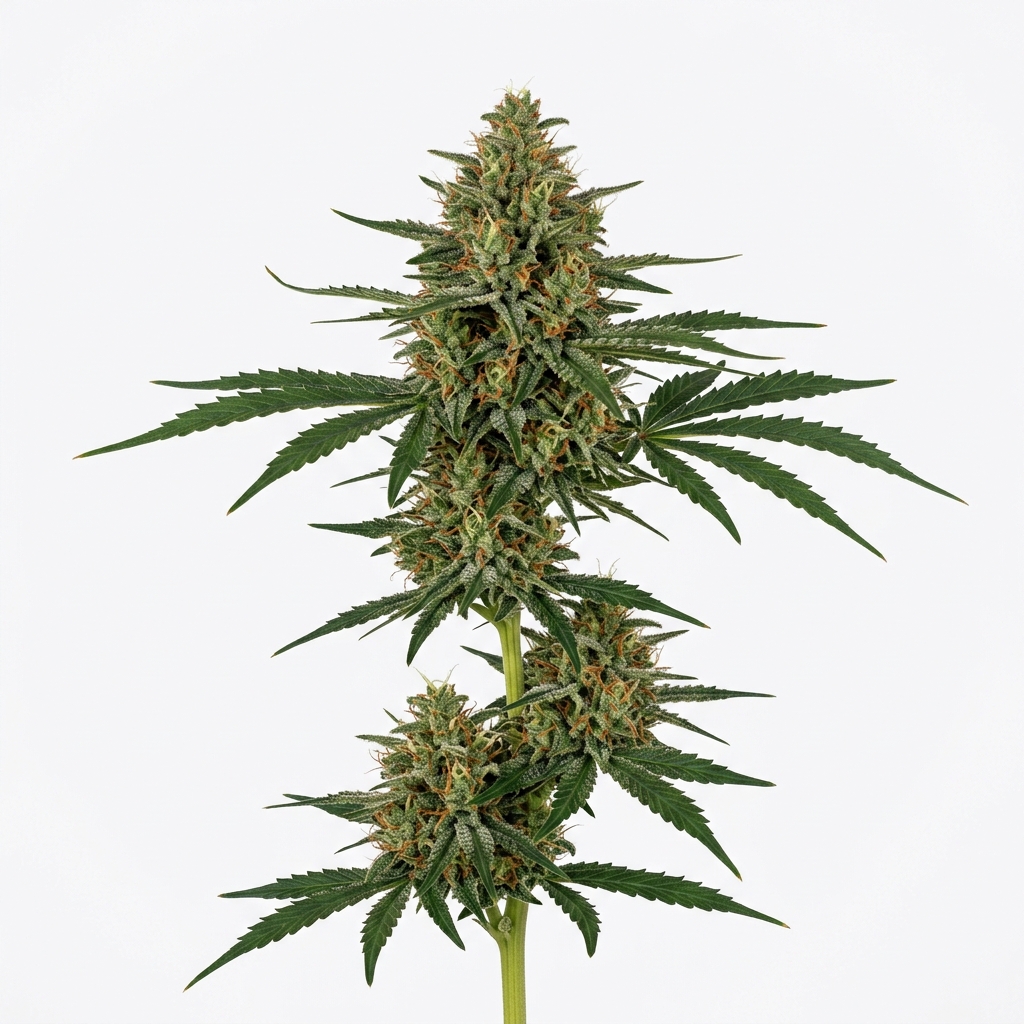
Harle-Tsu (Cannabis Strain)
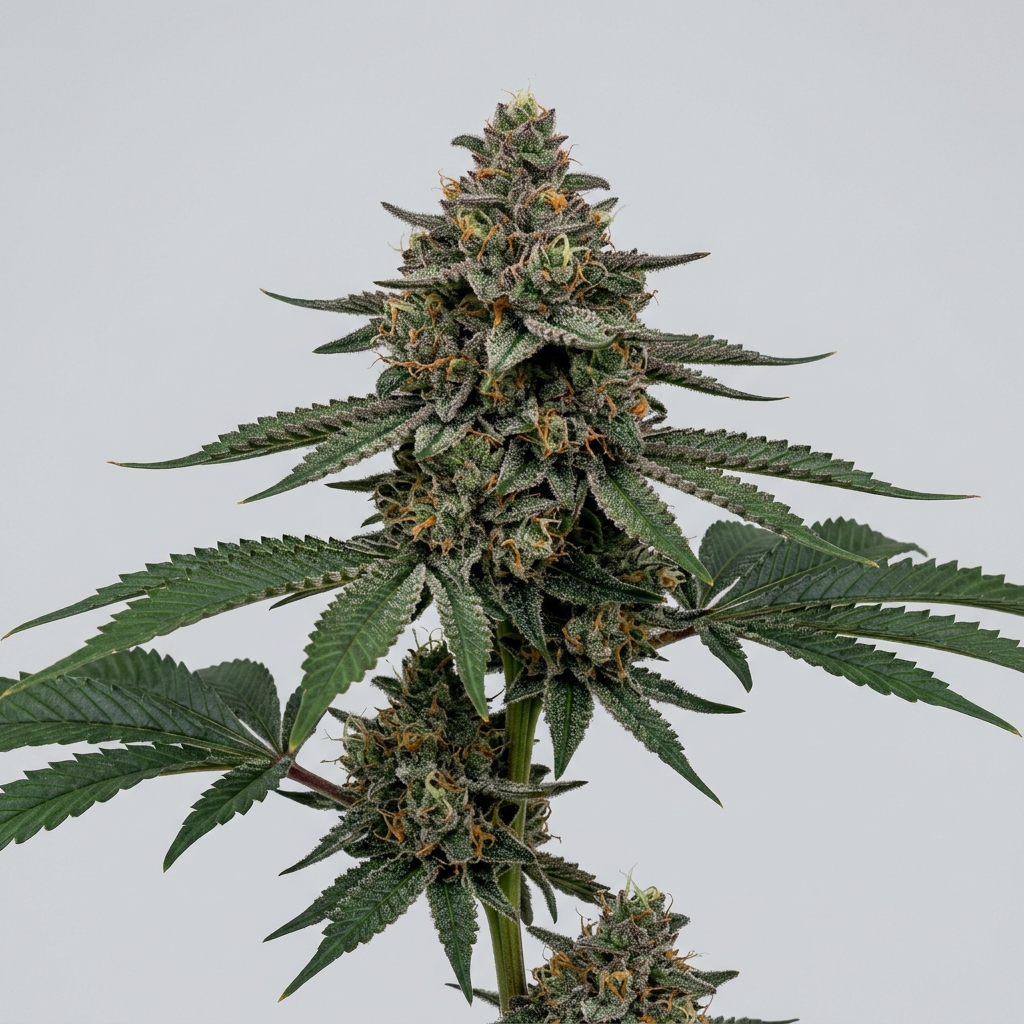
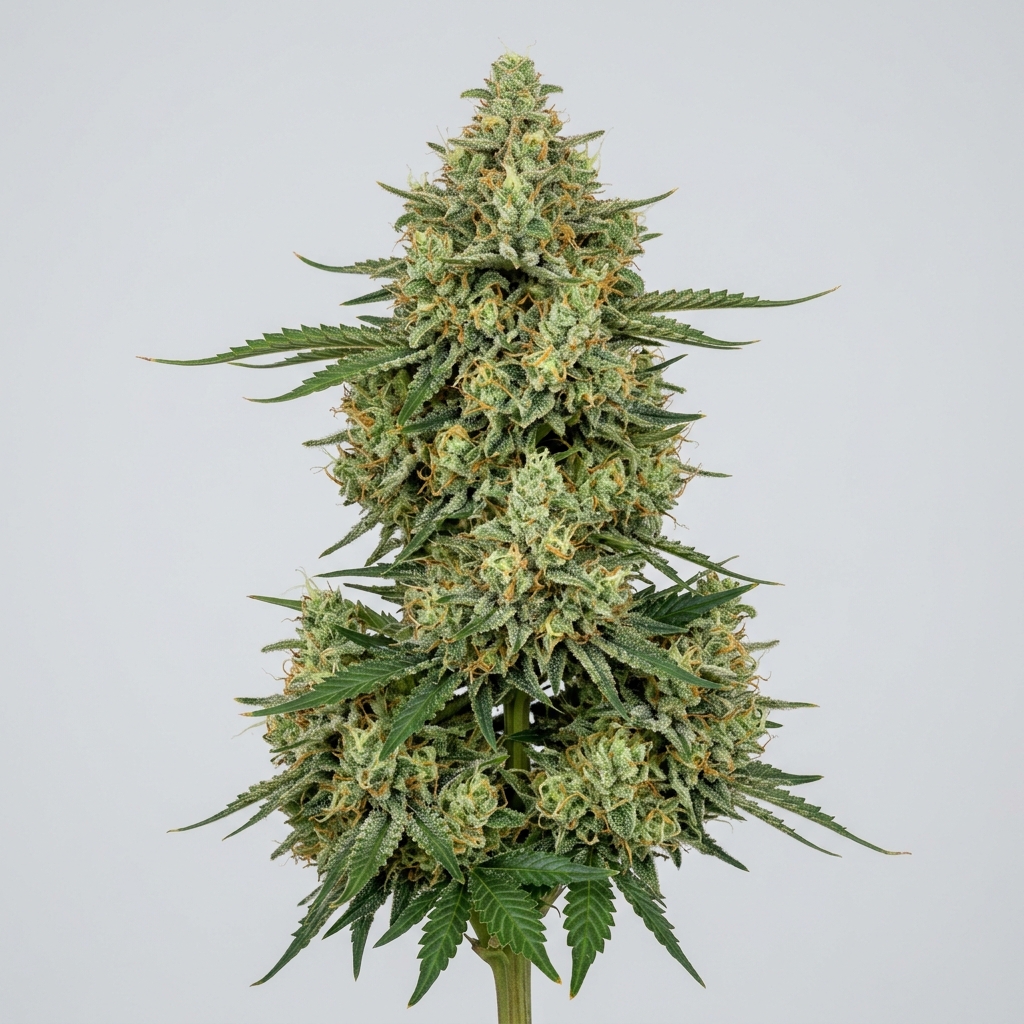
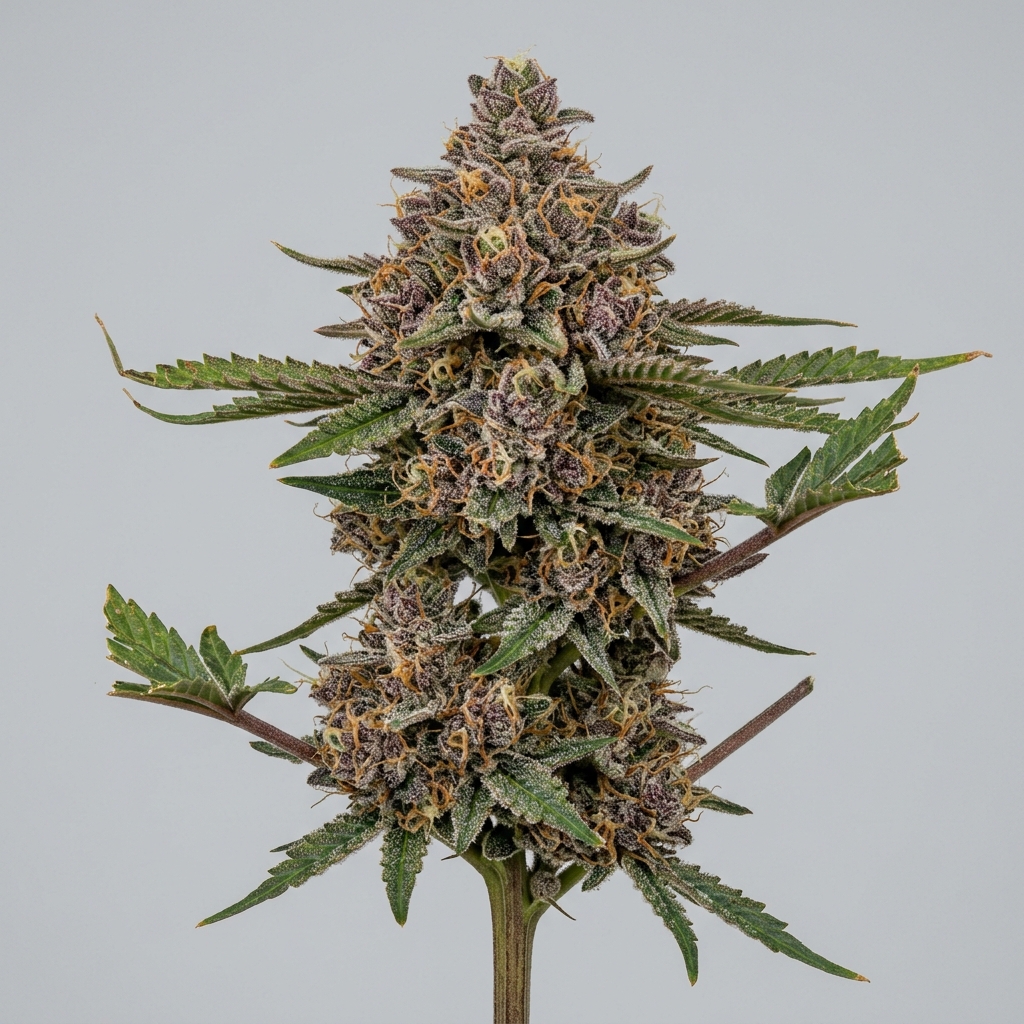
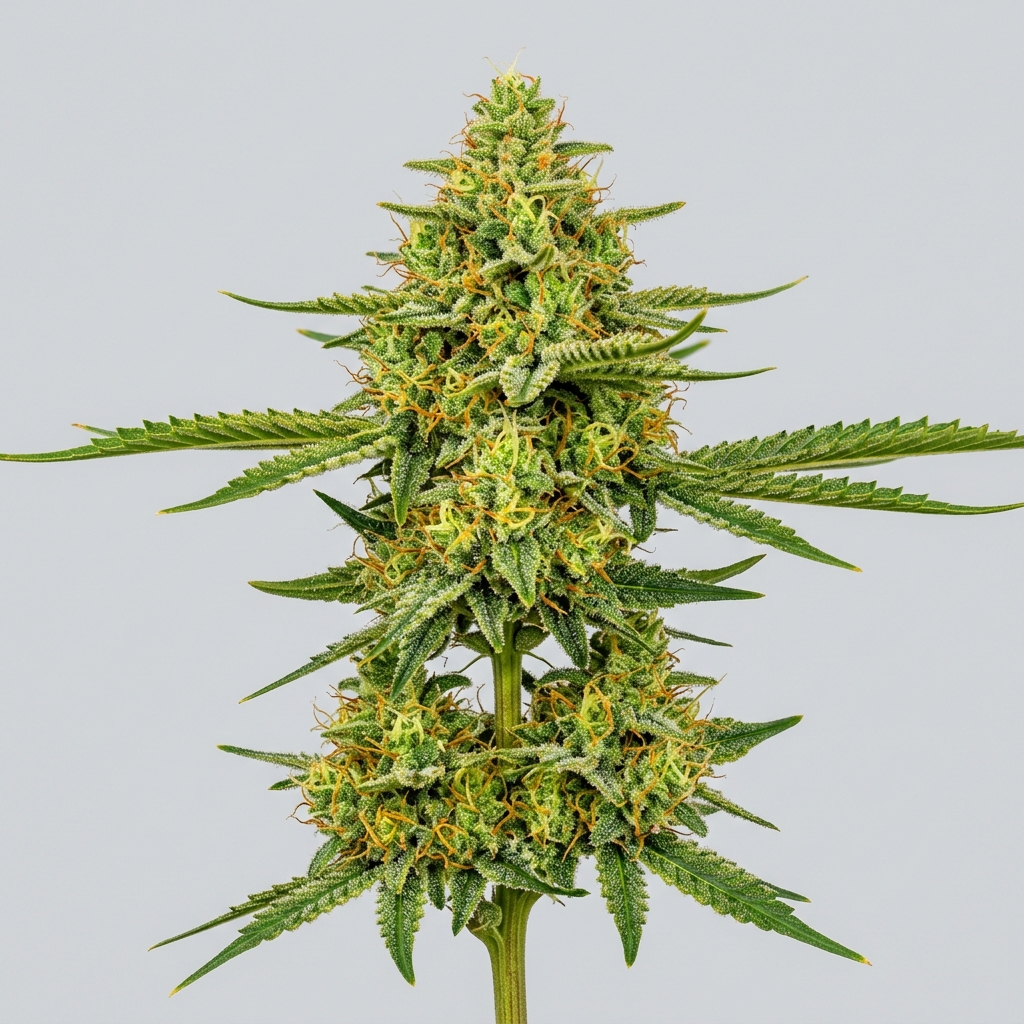
Harle-Tsu is a highly regarded, CBD-dominant hybrid developed by crossing Harlequin and Sour Tsunami. This cultivar is widely recognized for its near-total absence of psychoactive effects, typically producing a CBD-to-THC ratio of 20:1, with CBD levels ranging between 18% and 24% and THC testing consistently under 1%. Visually, it displays dense bracts and a modest layer of glassy buds that yield a clean, earthy pine aroma with a sharp citrus lift. Cultivators prize this strain for its reliable, non-intoxicating profile, steady growth behavior, and high suitability for extraction-grade resin production.
Unlike high-THC cultivars that focus on heavy resin density and intense euphoria, this strain prioritizes terpene clarity and functional wellness. It has earned a respected position among growers seeking therapeutic profiles without the cognitive haze of modern recreational hybrids. The resulting flower is clean, easy to manage post-harvest, and highly valued for its consistent cannabinoid expression.
Quick Facts
| Specification | Details |
|---|---|
| Genetics | Harlequin × Sour Tsunami |
| Variety | CBD-Dominant Hybrid |
| THC Range | < 1% (Typically 0.5% – 0.8%) |
| CBD Range | 18% – 24% |
| Flowering Time | 8 – 9 Weeks |
| Yield Potential | Moderate to High |
| Plant Height | Medium (Slight Sativa Stretch) |
| Climate Preference | Mild, Temperate, Low Late-Flower Humidity |
| Difficulty | Moderate |
Scientific & Botanical Overview
Botanically, the cultivar shows a classic hybrid structure, leaning slightly Sativa in its fan leaves and nodal spacing. It develops sturdy, upright stalks with tight internodes that support heavy, elongated spear colas during mid-to-late flower. The foliage is typically a deep forest green, accented by broad fan leaves that require strategic thinning to maintain optimal airflow.
Resin production on this cultivar is distinct; rather than the thick, sticky grease of high-THC exotics, it produces a dry, glassy frost of small-headed trichomes. These trichomes are rich in target cannabinoids and monoterpenes, particularly myrcene and pinene. The calyxes swell moderately, forming compact clusters that retain their structural integrity through a slow dry and cure.
The plant’s nutrient uptake is stable, showing a preference for balanced nitrogen in vegetative stages and moderate phosphorus during flower. It displays strong resistance to common environmental stressors, though its dense flower clusters require careful monitoring to prevent mold when late-flower humidity rises.
Effects & Use-Cases (Reported)
Commonly reported effects: Users describe a profound sense of physical relaxation paired with absolute mental clarity, entirely free of psychoactive distortion. The high concentration of CBD delivers a grounding sensation that gently eases physical tension without inducing sedation or cognitive impairment.
Use-case context: This non-intoxicating profile makes the cultivar a preferred choice for daytime focus, work-related tasks, and general physical comfort. It integrates seamlessly into active routines where mental sharpness and physical ease must be maintained simultaneously.
Note: Individual responses to cannabinoids vary; consumers should start with small amounts to assess personal tolerance, particularly if sensitive to trace levels of THC.
Aroma & Flavors
Aroma: Earthy kush base dominated by fresh pine needles, damp soil, and a sharp citrus lift.
Flavor: Clean herbal smoke with notes of cedar, dry wood, and a subtle tart grape finish on the exhale.
Terpene associations: High levels of myrcene dictate the earthy foundation, while pinene and terpinolene contribute the bright, forest-like top notes.
Tested Cannabinoid & Terpene Ranges
| Compound | Typical Range |
|---|---|
| CBD | 18.0% – 24.0% |
| Δ9-THC | 0.5% – 0.9% |
| Myrcene | 0.8% – 1.5% |
| Pinene | 0.3% – 0.6% |
| Caryophyllene | 0.2% – 0.4% |
Note: Cannabinoid and terpene profiles are highly variable and depend on specific phenotypes, cultivation environments, and curing methods.
Cultivation Notes
- Keep late-flower humidity below 45% to protect the dense spear colas from interior moisture buildup.
- Apply low-stress training (LST) early in vegetative growth to encourage lateral branching and even canopy distribution.
- Maintain moderate feeding schedules, avoiding excessive nitrogen which can lead to airy flower structures.
- Prune lower fan leaves and non-essential bud sites before the second week of flower to optimize airflow and light penetration.
- Aim for a slow dry over 10 to 14 days at 60°F and 60% relative humidity to preserve the delicate terpene profile.
Grower Notes (Week-by-Week Snapshot)
- Weeks 1–3 (Vegetative & Early Stretch): Plants establish a solid root zone and show moderate lateral stretching. Staking or trellis netting should be installed early to support the upcoming flower load.
- Weeks 4–6 (Mid-Flower Development): White pistils form dense clusters along the main stems, and the first glassy trichomes begin to appear on the sugar leaves. Keep nutrient levels stable and monitor run-off EC.
- Weeks 7–9 (Ripening & Flush): Bud swelling peaks as the earthy, pine aroma intensifies. Flush with clean water for the final 7 to 10 days, watching for amber trichome development under magnification.
Genetic Lineage
This cultivar is a direct cross of Harlequin and Sour Tsunami, two foundational pillars of modern CBD breeding. Harlequin contributes its reliable Sativa-dominant structure and steady, non-intoxicating cannabinoid ratios. Sour Tsunami, developed by legendary breeders, infuses the lineage with robust diesel undertones and highly stable CBD expression.
The combination of these two parent lines yields a highly uniform offspring that consistently suppresses THC production while elevating secondary metabolite output. This genetic stability makes it a trusted parent plant for breeders looking to introduce high-CBD traits into modern exotic lines.
Research Insights
Scientific study of this cultivar highlights its remarkably stable CBD-to-THC ratio, which consistently hovers around 20:1. This precise ratio is highly valued by researchers studying the therapeutic potential of non-psychoactive cannabinoids in isolation and in combination with minor terpenes. The plant’s high concentration of myrcene and pinene is thought to modulate the overall sensory experience, promoting relaxation without sedation.
Furthermore, the genetic lineage serves as an important reference point for agricultural studies focused on industrial hemp and medical cannabis classification. Its reliable expression of low-THC traits across multiple generations shows the potential for highly controlled, compliant cannabinoid production in commercial farming.
Frequently Asked Questions
Will Harle-Tsu make me feel high?
No, this cultivar is non-intoxicating due to its exceptionally low THC content (typically under 1%) and high CBD concentration, offering clear-headed relaxation without psychoactive effects.
What does Harle-Tsu smell like?
It features a prominent earthy and woody profile, characterized by fresh pine, damp forest soil, and a subtle citrus lift.
Is this strain easy to grow?
It is considered moderately easy to cultivate, requiring standard environmental controls, low-stress training, and careful humidity management during late flower.
What is the genetic background of this strain?
It is a CBD-dominant hybrid created by crossing the well-known high-CBD strains Harlequin and Sour Tsunami.
Educational Disclaimer
Educational Disclaimer: This information is for educational and informational purposes only. It is not intended to provide medical advice, diagnosis, or treatment. Always consult with a qualified healthcare professional before using cannabis or cannabis-derived products.
Rate and review this strain
Ratings and reviews are accepted only from signed-in Google accounts.
Sign in with Google to leave a rating and written review.
Latest Reviews
0 reviewsNo reviews yet. Be the first Google user to rate and review this strain.