Dogwalker OG (Cannabis Strain)
Dogwalker OG is an Indica-dominant hybrid testing between 22% and 28% THC, created by crossing Albert Walker with Chemdawg 91. Noted for its pungent, chemical fuel and damp earth aroma, this cultivar produces greasy resin over dense, spear-shaped colas. It shows a vigorous vertical stretch during early flower, establishing itself as a heavy evening hybrid favored by experienced growers and consumers.
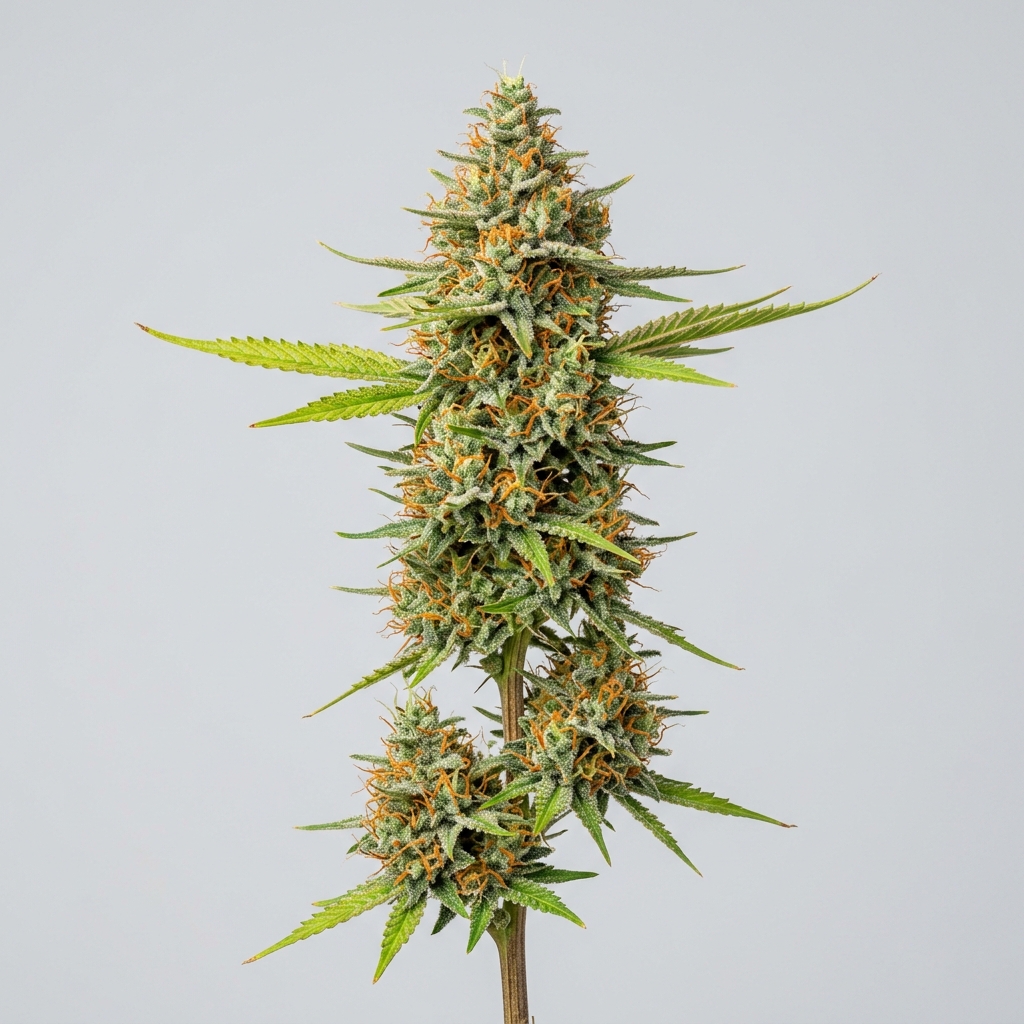
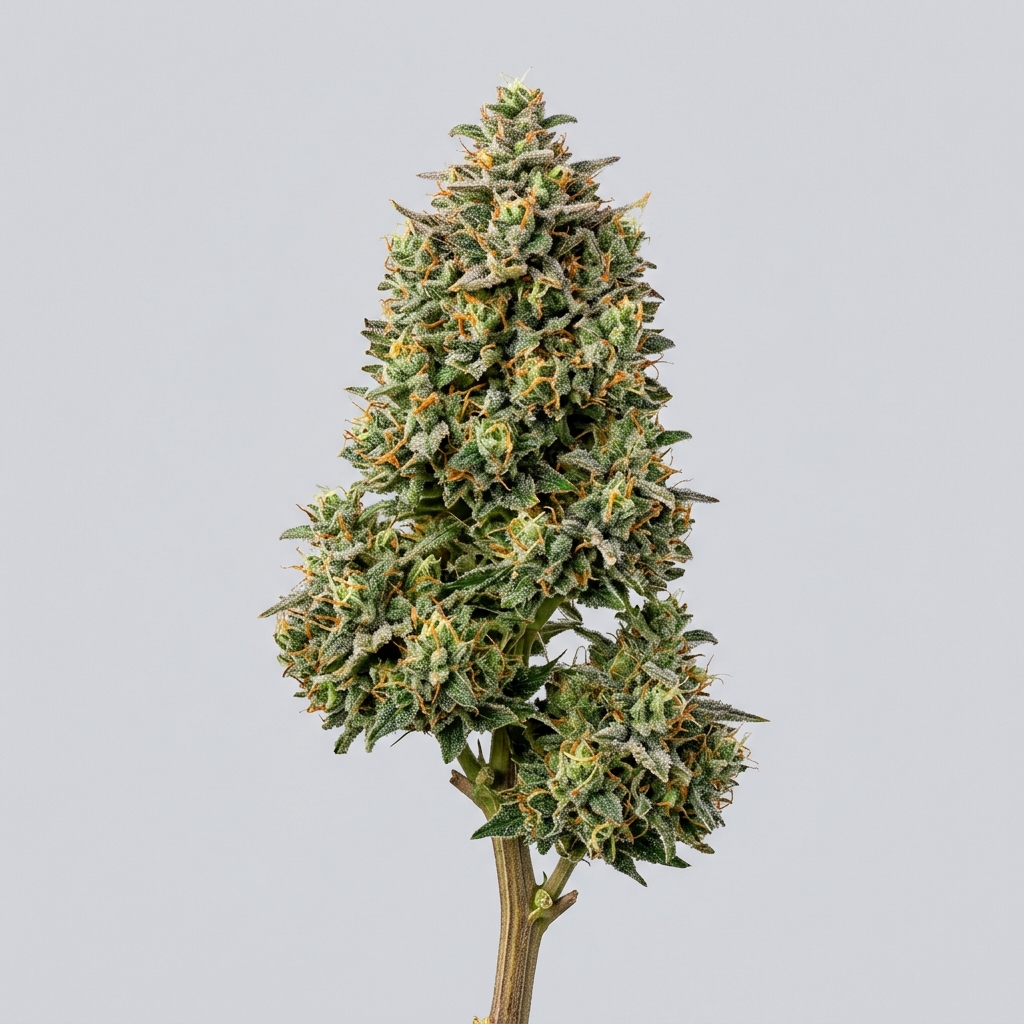
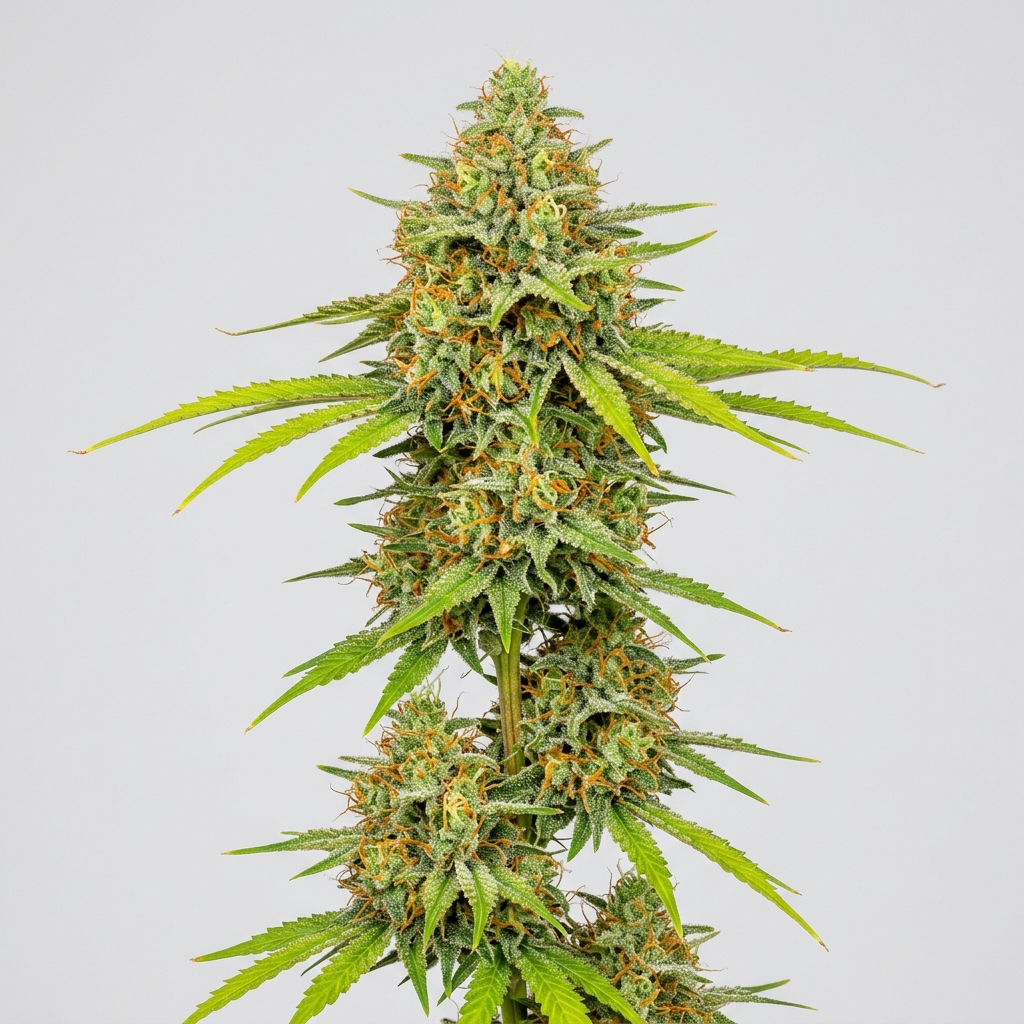
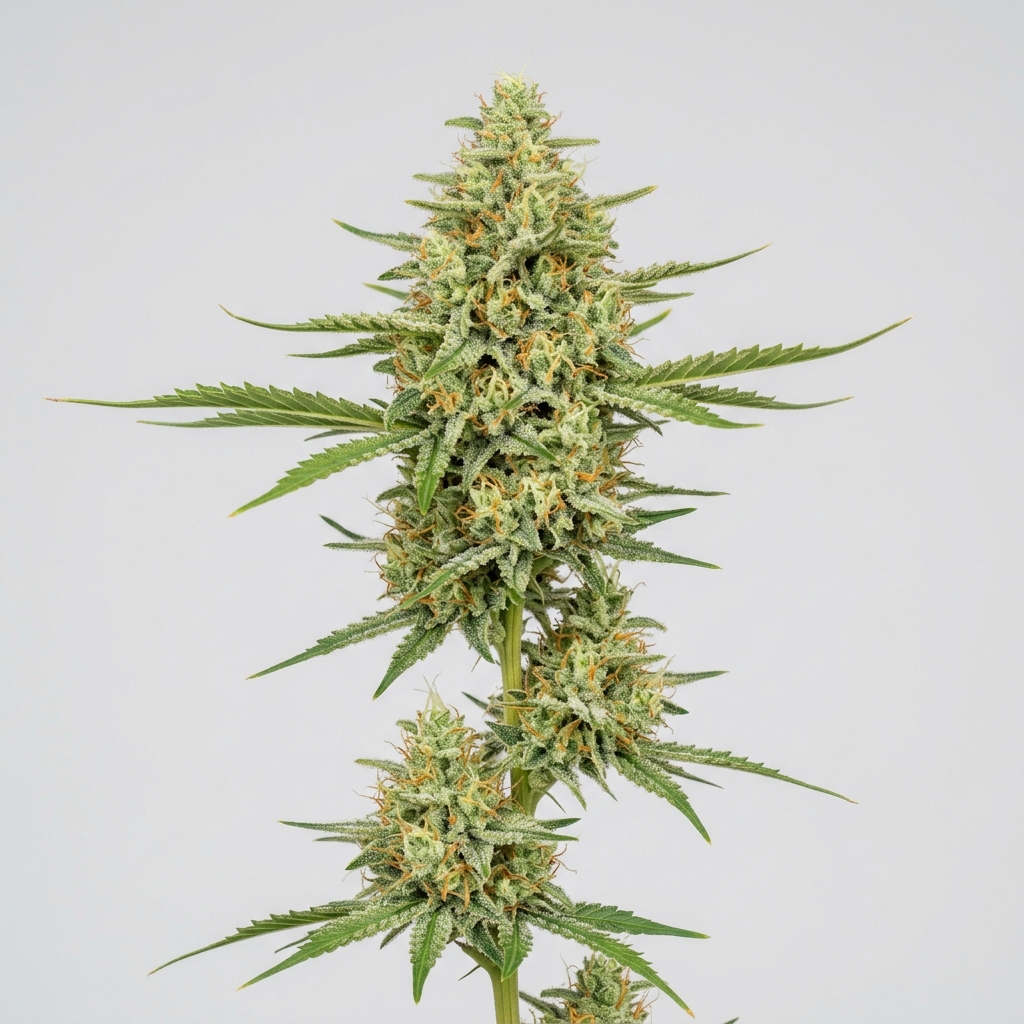
Originating in the Pacific Northwest, this strain has maintained a dedicated following due to its raw, unrefined profile. The flowers develop into deep green, resin-encrusted clusters highlighted by dark amber pistils and occasional purple undertones. It remains a staple for those seeking classic, chemical-forward gas profiles over modern dessert-leaning varieties.
Quick Facts
| Attribute | Details |
|---|---|
| Genetics | Albert Walker × Chemdawg 91 |
| Variety | Indica-dominant Hybrid |
| THC Range | 22% – 28% |
| Flowering Time | 9 – 10 Weeks |
| Yield Potential | Moderate to High |
| Plant Height | Tall (Significant stretch) |
| Climate Preference | Temperate, low humidity |
| Difficulty | Moderate to Experienced |
Scientific & Botanical Overview
The botanical structure of this cultivar is heavily influenced by its Chemdawg heritage. It displays broad fan leaves in its vegetative state, which quickly transition to narrow, light-reaching fingers as the plant undergoes its flowering stretch. The internodal spacing is moderately wide, allowing for decent light penetration before the buds begin to stack.
Resin production is characterized by a greasy, wet frost that coats the dense bracts early in the flowering cycle. The trichomes are predominantly capitate-stalked, yielding high concentrations of volatile monoterpenes. This heavy resin coverage protects the tightly packed flower clusters but also demands strict environmental controls.
Growers must manage the plant’s nutritional uptake carefully, as its rapid growth phase requires a steady supply of nitrogen followed by a sharp transition to phosphorus and potassium. The calyx-to-leaf ratio is favorable, making the final manicuring process straightforward despite the sticky nature of the flowers.
Effects & Use-Cases (Reported)
Commonly reported effects: Consumers typically describe a rapid onset of heavy physical relaxation coupled with a warm, grounding cerebral haze. The physical sedation often leads to a deep, couch-locked state, making it highly effective for late-night use.
Use-case context: This cultivar is best suited for evening wind-downs, quiet nights, or recovery routines. Its grounding nature makes it a poor choice for daytime productivity or social gatherings requiring high energy.
Note: Due to its high potency and heavy physical feedback, novice consumers should approach this strain with caution, starting with low doses to assess tolerance.
Aroma & Flavors
Aroma: The scent is notoriously pungent, dominated by chemical fuel, skunk, and a damp, woody earthiness often compared to wet soil or pine forests.
Flavor: On the exhale, the smoke delivers a heavy, savory taste of tart gas, sharp diesel, and an earthy kush base that lingers on the palate.
Terpene associations: The dominant terpene profile is shaped by high concentrations of myrcene, caryophyllene, and limonene, which drive both its intense fuel aroma and deep physical effects.
Tested Cannabinoid & Terpene Ranges
| Compound | Typical Range |
|---|---|
| Δ9-THC | 22.0% – 28.0% |
| CBG | 0.5% – 1.5% |
| β-Myrcene | 0.8% – 1.5% |
| β-Caryophyllene | 0.4% – 0.9% |
| d-Limonene | 0.3% – 0.7% |
Disclaimer: Cannabinoid and terpene levels are highly variable and depend on specific phenotypes, cultivation environments, and curing methods.
Cultivation Notes
- Humidity: Keep relative humidity (RH) below 45% during the final three weeks of flowering to protect the dense spear colas from mold.
- Nutrition: Responds well to a steady calcium-magnesium regimen, but requires a clean flush in the final 10 to 14 days to preserve terpene clarity.
- Training: Topping and low-stress training (LST) are essential to manage the aggressive vertical stretch during the transition to flower.
- Harvest: Monitor trichomes closely; harvest when they are mostly milky white with about 15% amber for maximum physical sedation.
- Phenotype management: Select for plants that display the classic “wet dog” and fuel aroma early in vegetative growth.
Grower Notes (Week-by-Week Snapshot)
- Weeks 1–3 (Transition & Stretch): Expect a dramatic vertical stretch, sometimes doubling in height. Implement double-tier trellis netting early to support the future heavy colas.
- Weeks 4–6 (Bud Set & Resin): Small, glassy buds begin to stack along the branches. Resin production starts early, giving the leaves a greasy sheen. Prune lower fan leaves to improve airflow.
- Weeks 7–9 (Late Flower & Ripening): Buds swell into dense spear colas with amber pistils. Lower the room temperature slightly during the final week to encourage potential purple hues.
- Post-Harvest (Slow Dry & Cure): Execute a slow dry at 60°F (15°C) and 60% humidity for 14 days to preserve the volatile terpene profile, followed by a minimum 4-week glass jar cure.
Genetic Lineage
Dogwalker OG is a hybrid of the elusive, clone-only Albert Walker and the legendary Chemdawg 91. Albert Walker contributes its deep, earthy skunk funk and physical heaviness, while Chemdawg 91 injects the unmistakable chemical fuel and sharp diesel bite that defines the line.
This combination creates a lineage characterized by its raw, unrefined pungency. Unlike modern dessert-leaning crosses, this pairing preserves the classic, heavy-hitting attributes of old-school Pacific Northwest and East Coast genetics, offering a reliable blueprint for gas-forward breeding projects.
Research Insights
Analytical testing of this cultivar consistently reveals a terpene profile dominated by myrcene and caryophyllene. These compounds work alongside its high THC concentration to influence its heavy physical feedback, while trace cannabinoids like CBG suggest a complex interaction within its resin glands.
Breeders value this genetic line for its dominant transmission of fuel aromas and dense trichome coverage. Its stable resin production makes it a highly regarded subject for solventless extraction techniques, where it yields concentrates with exceptional terpene clarity.
Frequently Asked Questions
Is Dogwalker OG an Indica or Sativa?
Dogwalker OG is an Indica-dominant hybrid, typically displaying a 70% Indica and 30% Sativa ratio. Its growth patterns and heavy physical effects strongly reflect its Indica heritage.
What does Dogwalker OG smell like?
It is known for a highly pungent, chemical-forward aroma. It combines sharp diesel, skunk, damp earth, and a distinct woody undertone often compared to wet soil or pine.
How difficult is it to grow Dogwalker OG?
This strain is moderately difficult to grow. It requires active height management due to its significant early-flower stretch, as well as strict humidity controls to prevent mold in its dense colas.
What is the average flowering time for Dogwalker OG?
When grown indoors, this cultivar typically requires 9 to 10 weeks of flowering to reach full maturity and optimal resin density.
Educational Disclaimer
This content is for educational and informational purposes only. Cultivation and consumption of cannabis are subject to varying local, state, and federal laws. Always consult with a professional regarding agricultural practices and personal health decisions.
Rate and review this strain
Ratings and reviews are accepted only from signed-in Google accounts.
Sign in with Google to leave a rating and written review.
Latest Reviews
0 reviewsNo reviews yet. Be the first Google user to rate and review this strain.