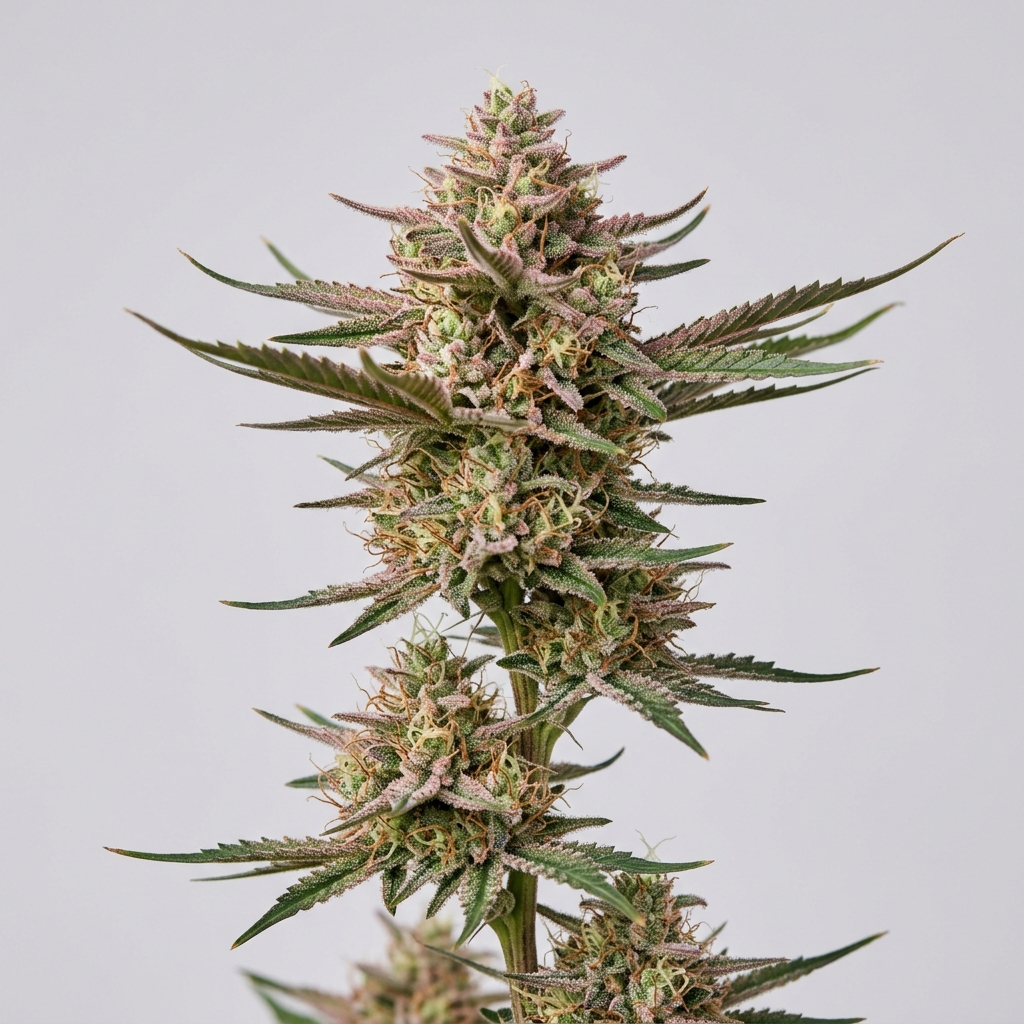
Cotton Candy (Cannabis Strain)
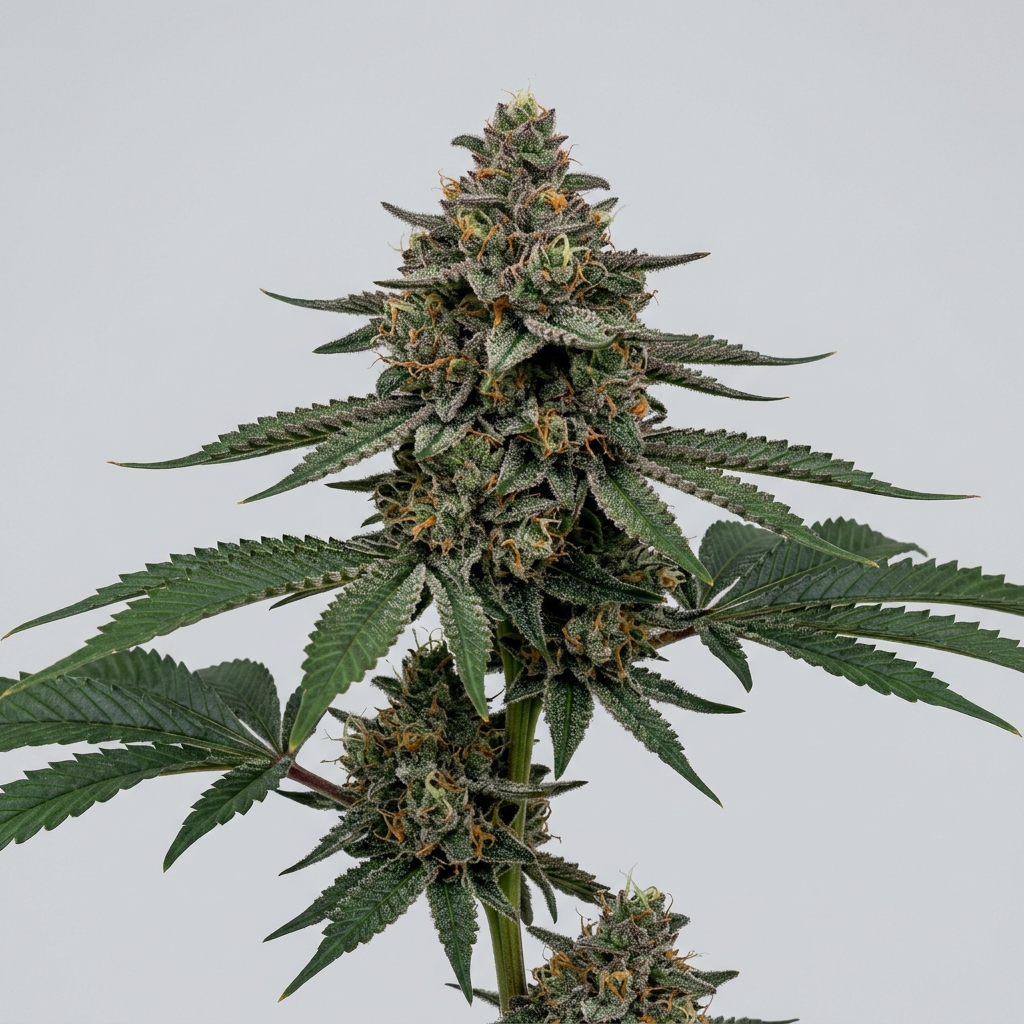
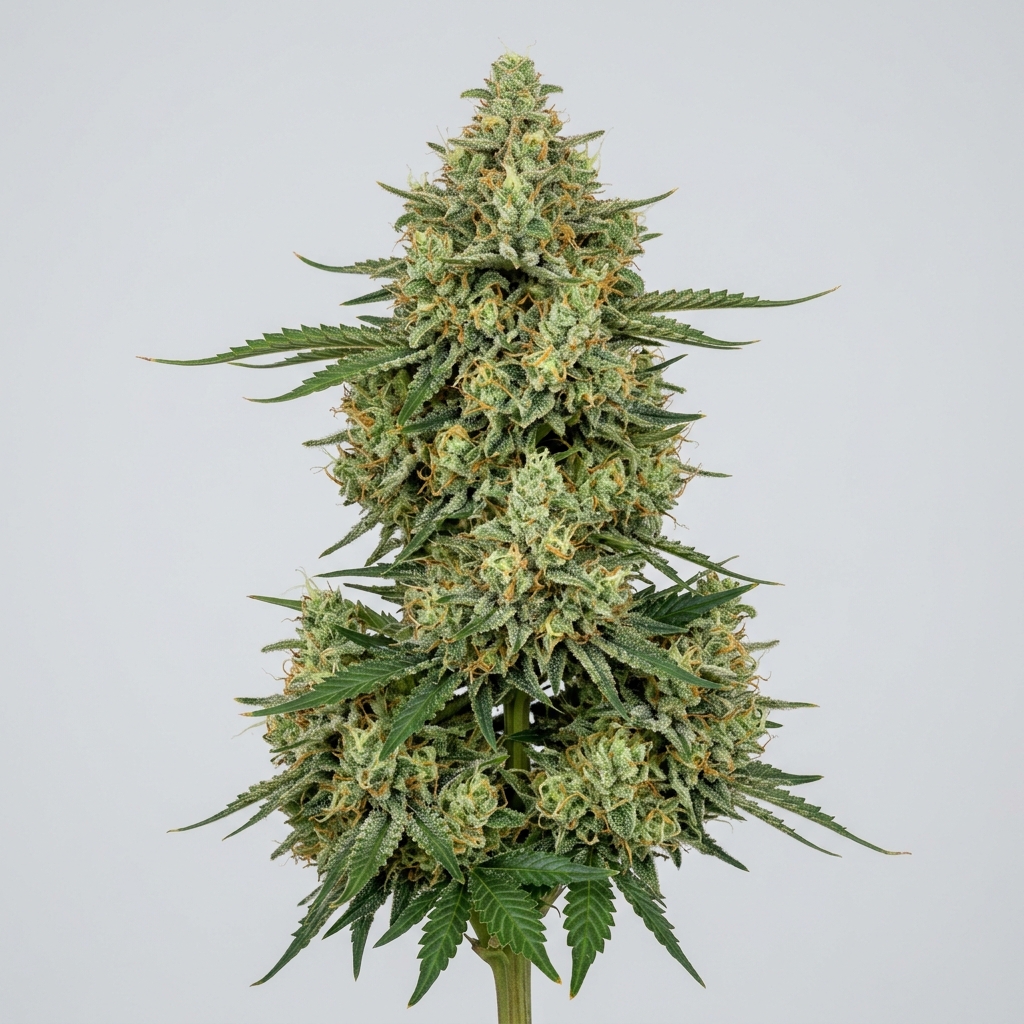
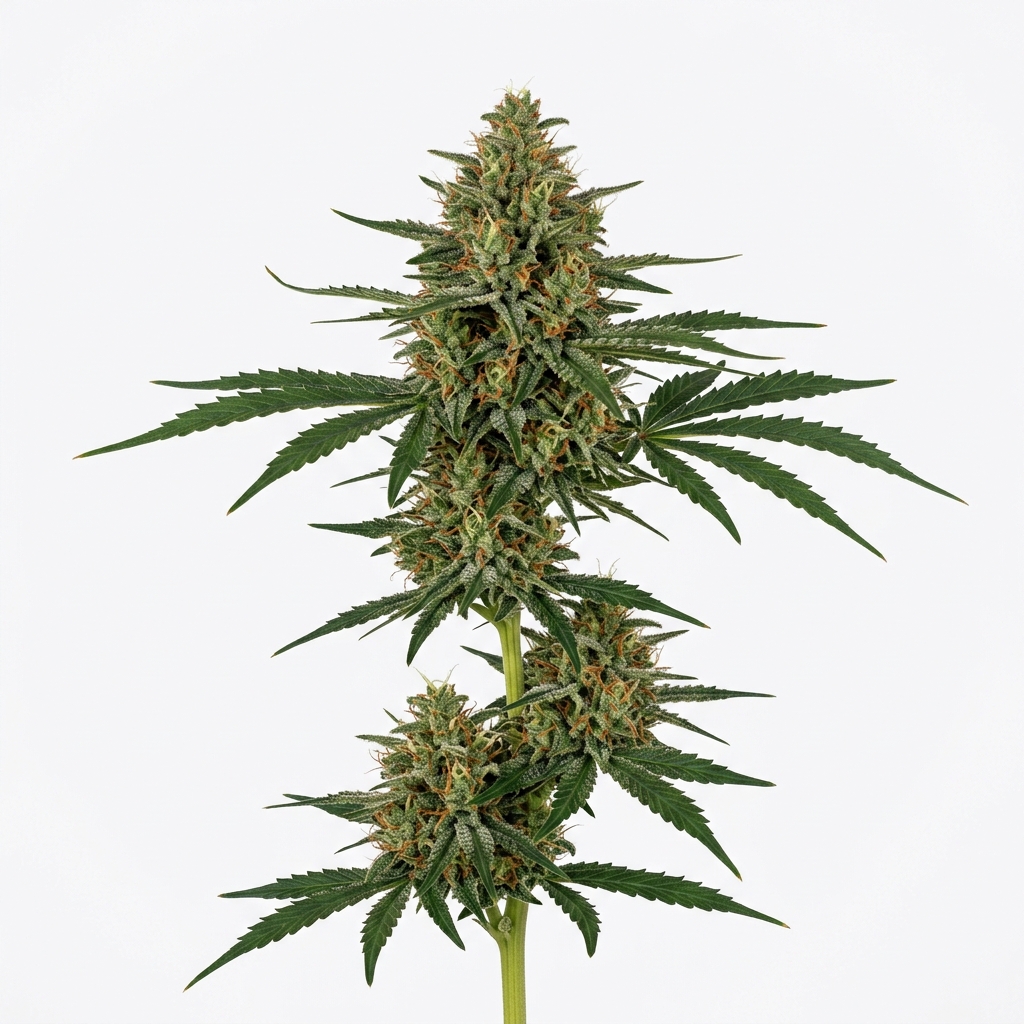
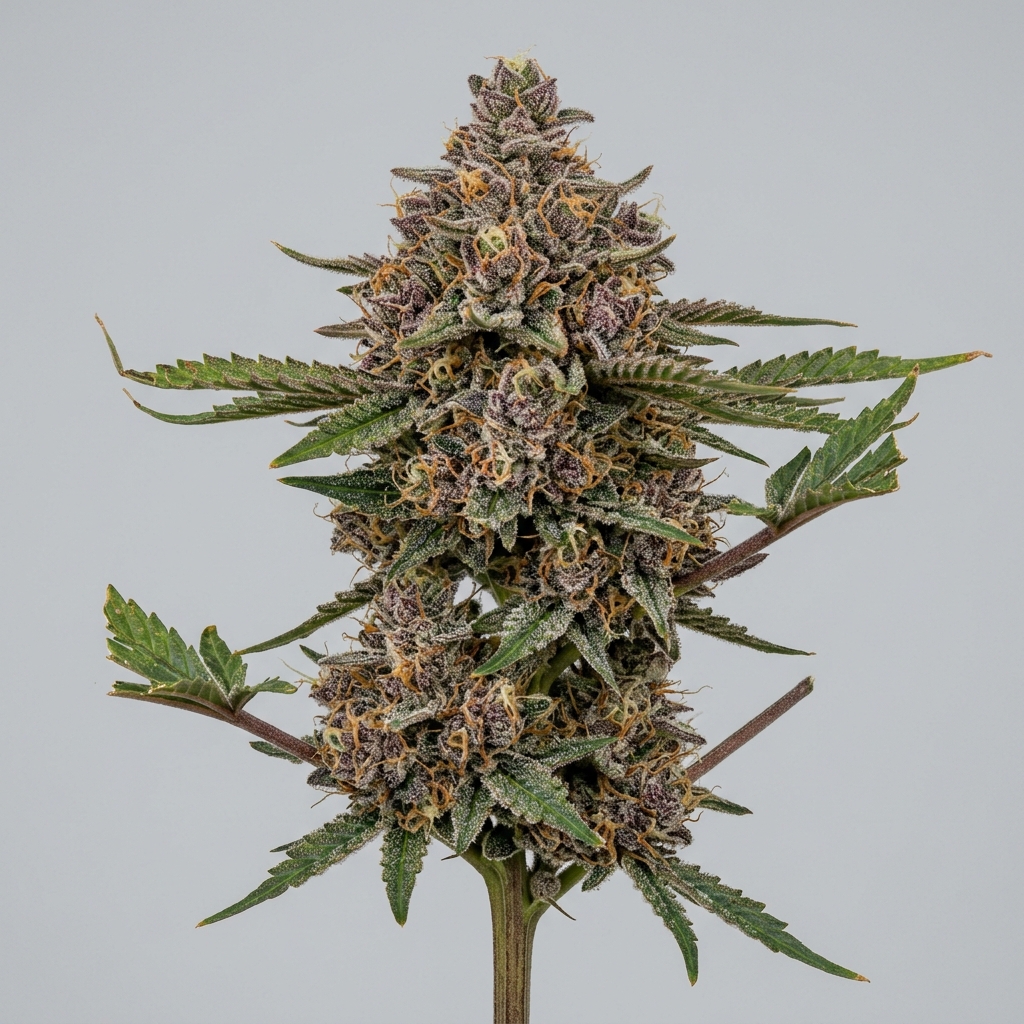
Cotton Candy is a sativa-dominant hybrid, typically testing between 17% and 22% THC, created by crossing the fragrant Lavender with the energetic Power Plant. This cultivar is celebrated for its distinct sweet spun sugar and soft berry aroma, backed by a subtle herbal finish. In the garden, it produces tall spear colas coated in a greasy, wet frost, showing off striking pink and violet hues under cooler late-flower temperatures.
Cultivators appreciate the variety for its manageable sativa stretch and resilient canopy structure, making it a staple for both boutique and commercial setups. Its resin-rich flowers cure to a vibrant, light-green shade with copper pistils, delivering a classic candy-forward profile that remains highly sought after by extraction artists and flower connoisseurs alike.
Quick Facts
| Fact | Details |
|---|---|
| Genetics | Lavender × Power Plant |
| Variety | Sativa-dominant Hybrid |
| THC Range | 17% – 22% |
| Flowering Time | 8 – 9 Weeks (56 – 63 days) |
| Yield Potential | Moderate to High |
| Plant Height | Medium to Tall |
| Climate Preference | Temperate, moderate humidity |
| Difficulty | Moderate |
Scientific & Botanical Overview
Botanically, this cultivar shows a hybrid morphology that leans sativa in its lateral branching and node spacing. The vegetative stage requires active canopy management, as the plant responds well to topping and trellis support to distribute weight across its long, flexible stems.
As flowering progresses, the calyx-to-leaf ratio improves significantly, yielding dense bracts that form elongated spear colas. The trichome population is dense and capitate-stalked, producing a highly viscous, greasy resin that preserves volatile terpenes through the drying process.
Anthocyanin accumulation is highly sensitive to temperature drops during the final weeks of bloom. Under optimal conditions, the fan leaves and calyxes transition from a bright kelly green to deep shades of lavender and pink, contrasting with the thick orange pistils.
Effects & Use-Cases (Reported)
Commonly reported effects: Users frequently describe a soft, uplifting cerebral lift paired with a relaxing body sensation that does not lead to heavy sedation.
Use-case context: This balanced profile makes it well-suited for late afternoon use, creative tasks, or social settings where a calm yet focused mindset is desired.
Please note: Individual experiences vary based on tolerance, dosage, and specific phenotype chemistry.
Aroma & Flavors
Aroma: A dominant profile of sweet spun sugar, fresh summer berries, and a soft, earthy floral undertone on the break.
Flavor: Smooth and sweet on the inhale, leaving a distinct cherry and light herbal cedar finish on the palate.
Terpene associations: Typically dominated by myrcene, caryophyllene, and terpinolene, which drive the sweet, herbaceous, and fruit-forward aromatic structure.
Tested Cannabinoid & Terpene Ranges
| Compound | Estimated Range |
|---|---|
| Δ9-THC | 17% – 22% |
| CBD | < 1% |
| Myrcene | 0.4% – 0.8% |
| Caryophyllene | 0.2% – 0.5% |
| Terpinolene | 0.1% – 0.3% |
Note: Cannabinoid and terpene levels are highly variable and depend on specific cultivation practices, environmental inputs, and curing methods.
Cultivation Notes
- Maintain vegetative relative humidity around 60%, scaling down to 45% by late flower to protect the dense spear colas from moisture retention.
- Responds well to a moderate nutrient regimen, showing sensitivity to excessive nitrogen during the early bloom transition.
- Implement low-stress training (LST) and scrog netting early to manage the sativa-leaning stretch and support heavy lateral branches.
- Harvest when trichomes transition from milky white to approximately 10% amber for the most balanced cannabinoid profile.
- Keep an eye out for phenotypes that display early pink pistils, as these often carry the sweetest candy terpene profiles.
Grower Notes (Week-by-Week Snapshot)
- Weeks 1–3 (Transition & Stretch): Expect a moderate to high stretch of up to 150% after flipping to a 12/12 light cycle. Prune lower fan leaves and unproductive bud sites early to improve airflow.
- Weeks 4–6 (Mid-Bloom & Resin): Flowers begin stacking quickly, forming long, slender colas. Trichome production accelerates, and the room will fill with a sweet, floral aroma.
- Weeks 7–9 (Late Bloom & Flush): Lower night temperatures by 10–15°F to encourage the expression of purple and pink hues. Execute a clean water flush to clear residual nutrients and preserve the clean candy flavor during cure.
Genetic Lineage
The genetic foundation of this cultivar relies on a classic pairing of Old World and modern breeding stock. Its maternal parent, Lavender, brings a complex terpene profile rich in linalool and deep indica structural traits, contributing to the dense bud structure and rich coloration.
On the paternal side, the legendary Power Plant contributes sativa vigor, uplifting energy, and robust lateral branching. This combination yields a stable hybrid that carries the sweet, dessert-like qualities of its lineage without sacrificing yield potential or vegetative vitality.
Research Insights
Analytical testing of this cultivar highlights a rich concentration of monoterpenes, particularly myrcene and caryophyllene, which work alongside minor amounts of linalool to create its signature floral-candy profile. This specific distribution of aromatic compounds is often studied for its potential to deliver a relaxed, clear-headed state without the immediate physical heaviness common to pure indica varieties.
From a breeding perspective, the cultivar serves as an excellent genetic donor for projects aiming to introduce sweet, fruit-forward profiles and vibrant purple pigmentation into modern crosses. Its stable growth characteristics and predictable flowering times make it a reliable parental choice for developing next-generation dessert cultivars.
Frequently Asked Questions
Is Cotton Candy easy to grow?
Yes, it is generally considered a moderate-difficulty strain that is resilient to common pests, though its stretch requires active canopy management.
What are the dominant terpenes in this strain?
The primary terpenes are myrcene, caryophyllene, and terpinolene, which combine to create its sweet, berry, and floral aroma.
How long does it take to flower?
It typically completes its flowering cycle in 8 to 9 weeks (56 to 63 days) when grown indoors.
Does Cotton Candy turn purple?
Yes, exposing the plants to cooler temperatures during the final weeks of flowering easily coaxes out vibrant pink, violet, and purple hues.
Educational Disclaimer
This content is for educational and informational purposes only. Cultivation and consumption of cannabis are subject to local laws and regulations.
Rate and review this strain
Ratings and reviews are accepted only from signed-in Google accounts.
Sign in with Google to leave a rating and written review.
Latest Reviews
0 reviewsNo reviews yet. Be the first Google user to rate and review this strain.