Argyle (Cannabis Strain)
Argyle is a balanced, indica-dominant cultivar renowned for its moderate, near-equal ratio of THC (typically 4% to 8%) and CBD (typically 5% to 10%). Originating as a selected phenotype of Nordle—a classic breeding project crossing Afghani and Skunk #1—this strain delivers a mild, functional profile defined by an earthy, herbal aroma with subtle hints of sweet clove and garlic. Its compact indica structure and predictable growth behavior make it a staple for growers seeking therapeutic clarity over raw potency.
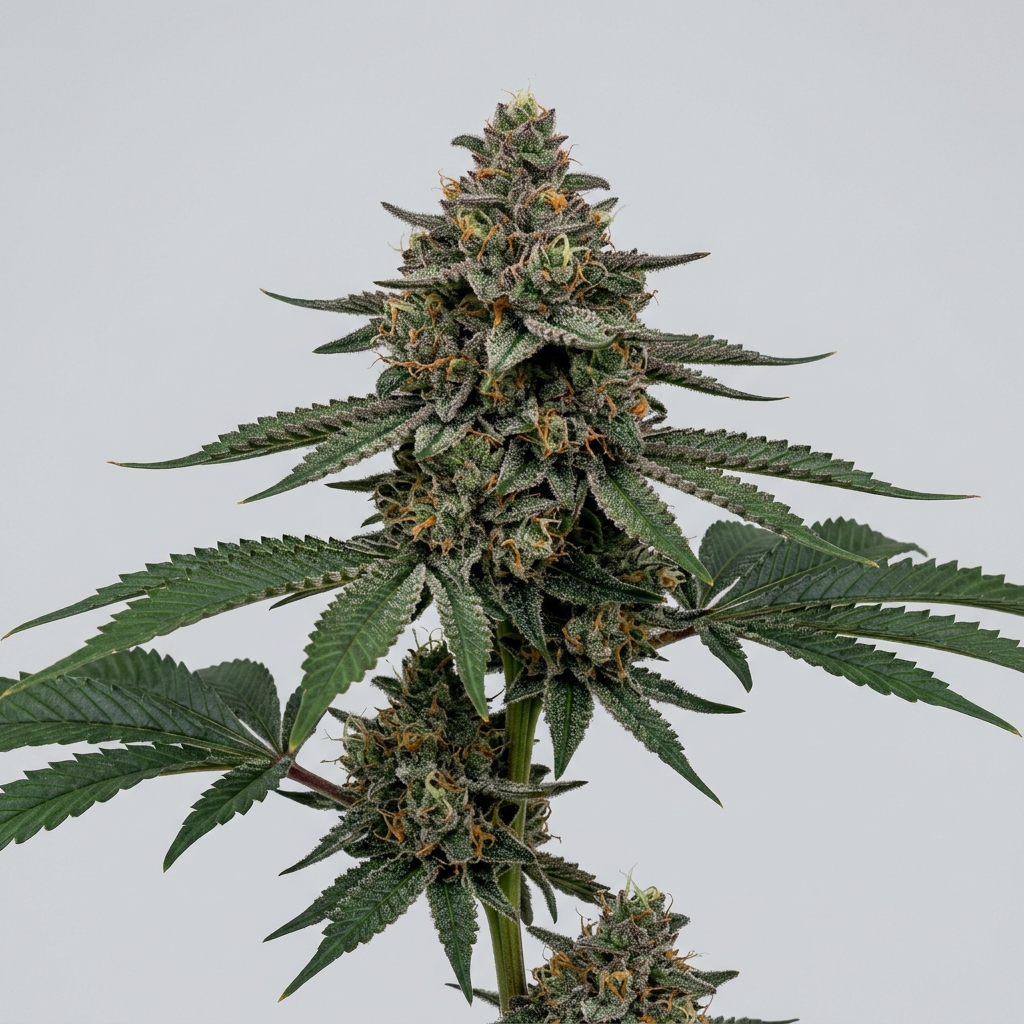
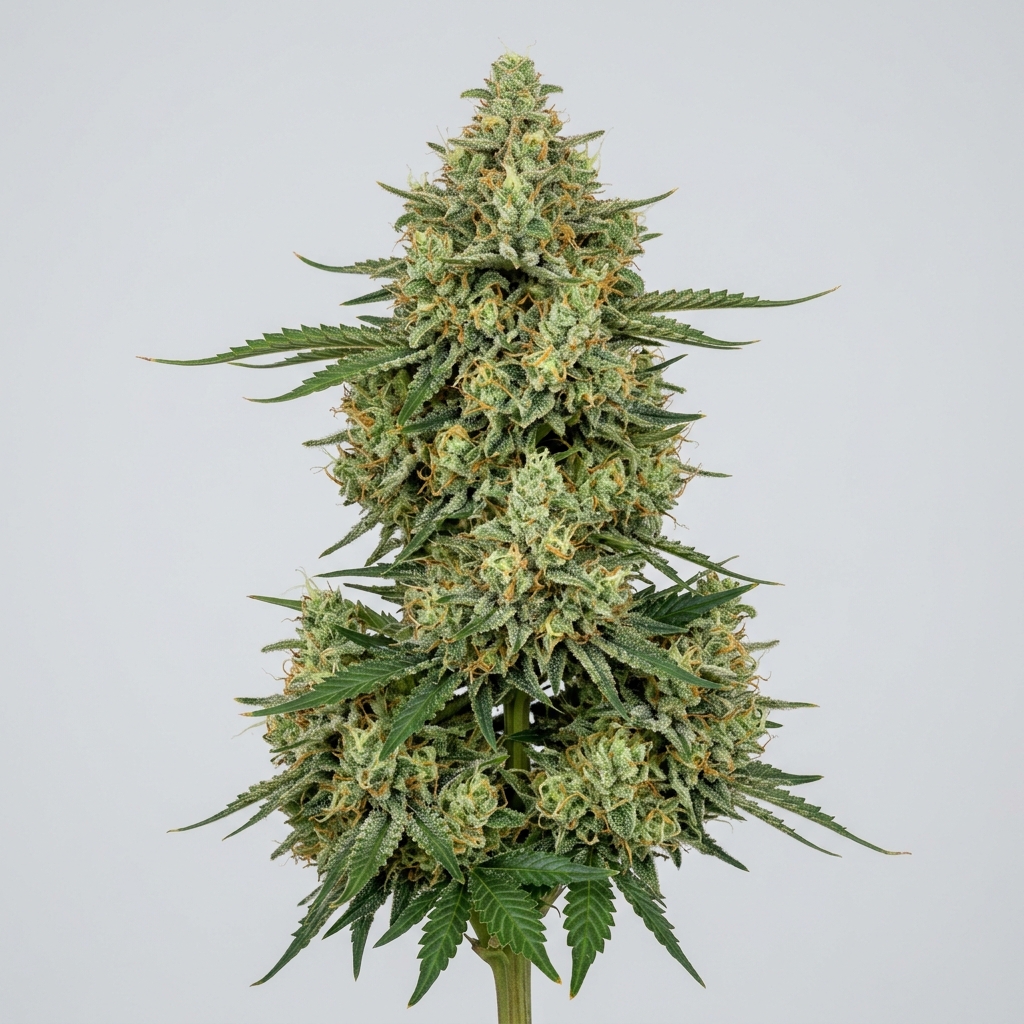
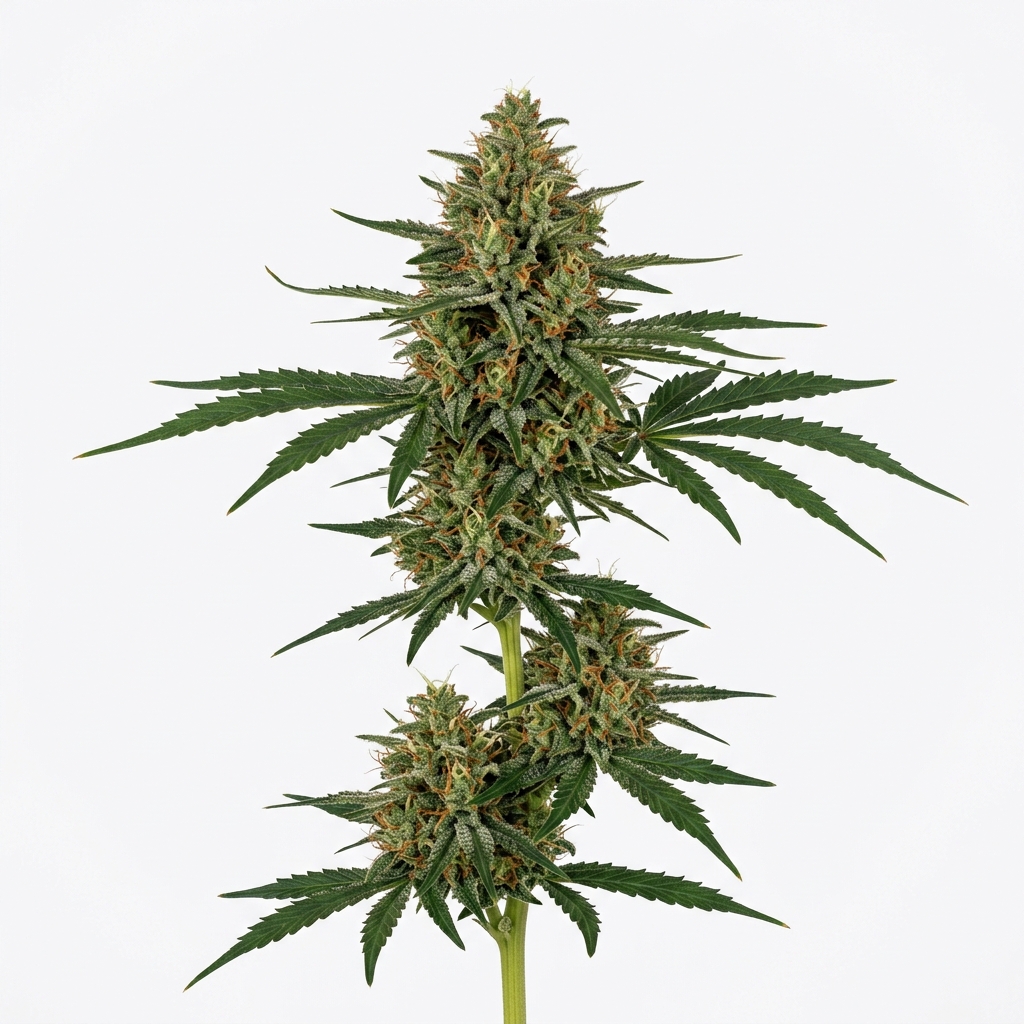
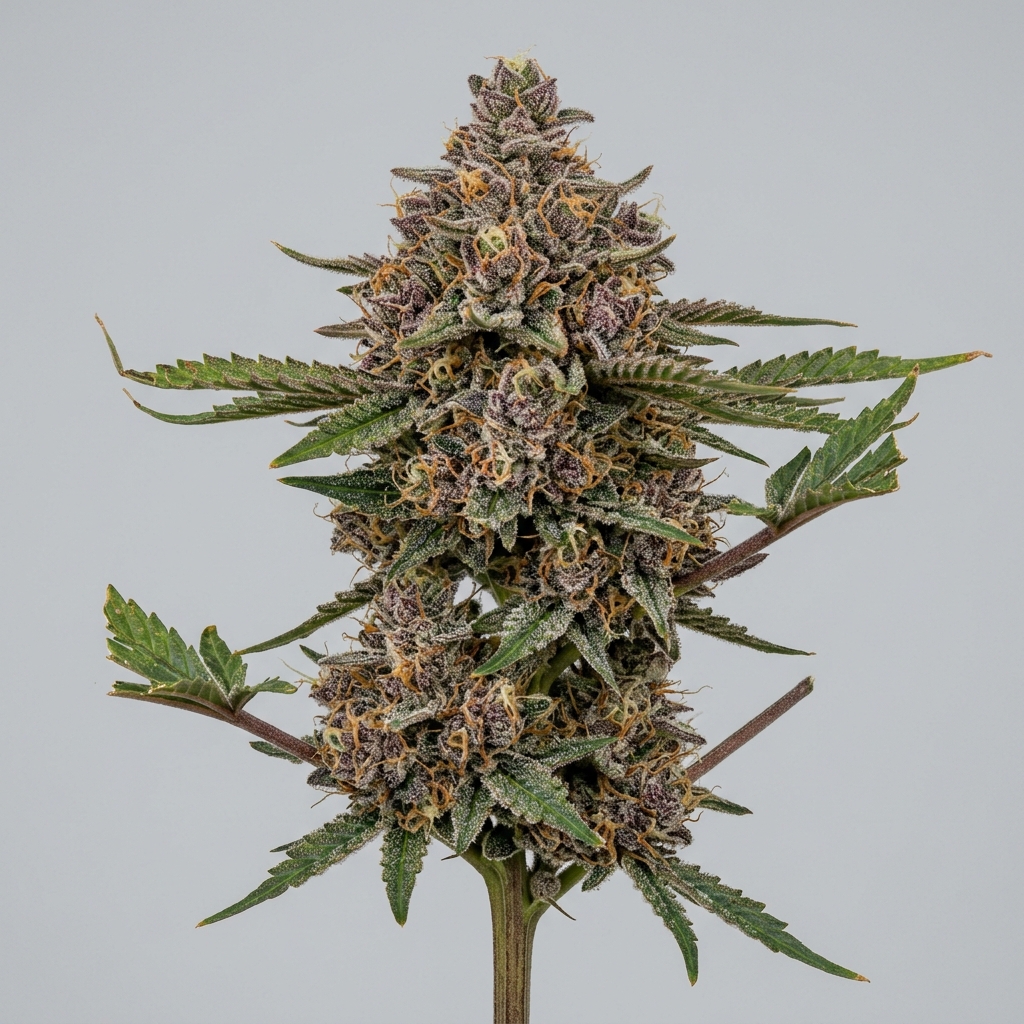
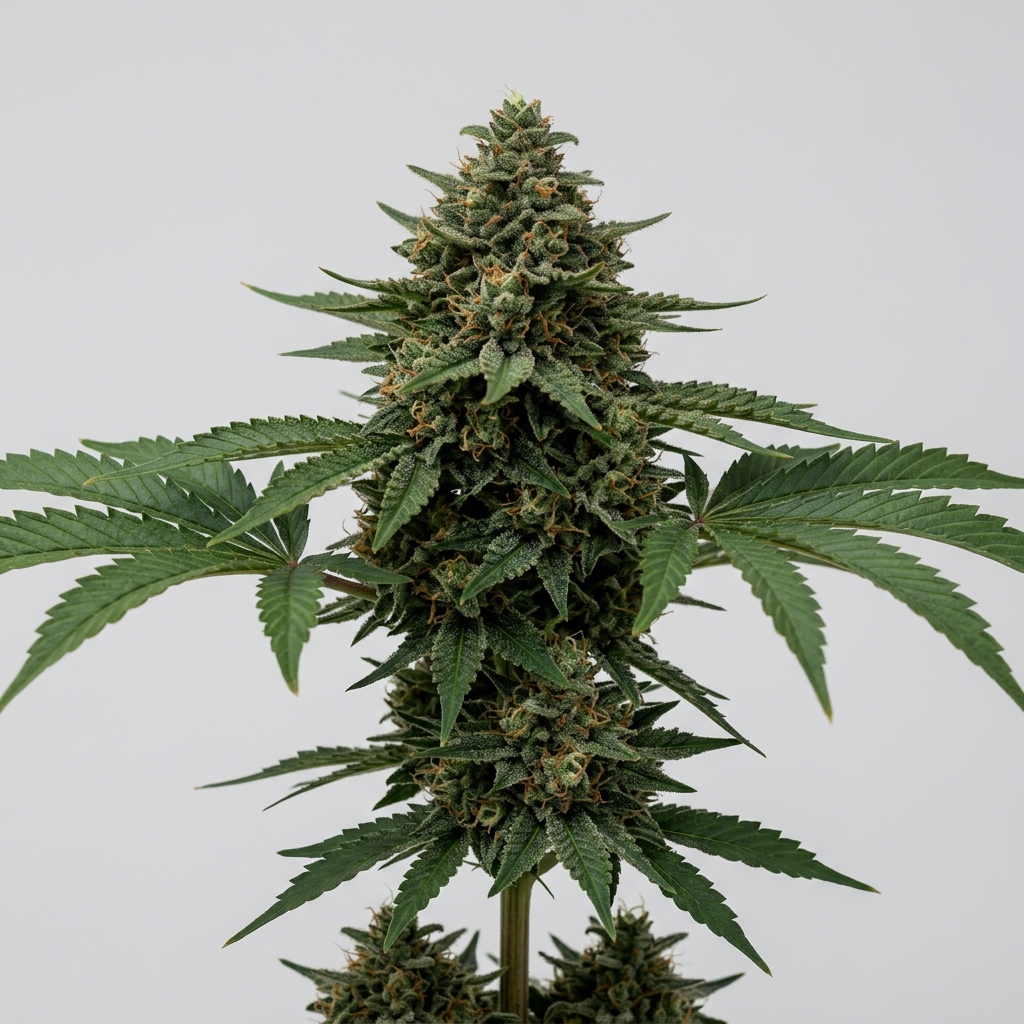
Visually, the cultivar produces dense, pine-cone-shaped buds with deep forest-green hues and short, burnt-orange pistils. Unlike high-THC exotics that drip with oily wet frost, its resin coverage is fine and glassy, reflecting its balanced cannabinoid focus. It has earned a respected place among medical cultivators and consumers who require a reliable daytime option with a clean, grounded finish.
Quick Facts
| Field | Details |
|---|---|
| Genetics | Afghani × Skunk #1 (Nordle Phenotype) |
| Variety | Indica-dominant hybrid |
| THC Range | 4% – 8% |
| CBD Range | 5% – 10% |
| Flowering Time | 8 weeks |
| Yield Potential | Moderate to high |
| Plant Height | Short to medium |
| Climate Preference | Cool to temperate |
| Difficulty | Easy to moderate |
Scientific & Botanical Overview
Structurally, Argyle expresses classic indica morphology, characterized by broad fan leaves, thick stems, and tight internodal spacing. The vegetative stage requires minimal training, as the plant naturally maintains a compact, bushy profile that manages vertical space efficiently.
The inflorescence consists of tightly clustered bracts that form solid, heavy colas. Because the buds are exceptionally dense, maintaining proper airflow through the lower canopy is essential during the final stages of flowering to prevent moisture-related issues.
Unlike modern recreational polyhybrids, this cultivar prioritizes balanced cannabinoid synthesis, distributing metabolic energy to produce comparable levels of both acid and neutral forms of THC and CBD. This genetic stability makes it highly predictable across various growing mediums.
Effects & Use-Cases (Reported)
Commonly reported effects: Users frequently describe a gentle, warming physical relaxation accompanied by a clear, unclouded mental state. The low psychoactive ceiling prevents the heavy cognitive fog or racing thoughts sometimes associated with stronger indica varieties.
Use-case context: It is highly suited for daytime use, light physical activity, or focused tasks where physical comfort is desired without sedation. The balanced cannabinoid profile makes it a common choice for microdosing.
Note: Individual tolerance and physiological response can vary; start with low doses to assess personal sensitivity to balanced cannabinoid profiles.
Aroma & Flavors
Aroma: Earthy and woody, with a distinct herbal base reminiscent of damp forest soil, dried tea leaves, and a faint, peppery skunk undertone.
Flavor: The smoke is smooth and savory, leaving a lingering taste of roasted nuts, mild spice, and a subtle herbal sweetness on the exhale.
Terpene associations: Dominant terpenes include myrcene, which drives the herbal earthiness, alongside secondary concentrations of caryophyllene and pinene that contribute to its spicy, clean undertones.
Tested Cannabinoid & Terpene Ranges
| Compound | Typical Range |
|---|---|
| Δ9-THC | 4.0% – 8.0% |
| CBD | 5.0% – 10.0% |
| Myrcene | 0.3% – 0.8% |
| Caryophyllene | 0.1% – 0.4% |
| Pinene | 0.05% – 0.2% |
Note: Cannabinoid and terpene expressions are highly dependent on environmental variables, feeding schedules, and curing methods.
Cultivation Notes
- Humidity control: Keep relative humidity (RH) below 45% during late flower to prevent moisture retention inside the dense, compact colas.
- Nutrition: Argyle is a moderate feeder; avoid heavy nitrogen applications during mid-to-late vegetative growth to prevent leaf curling.
- Training: Light defoliation of the lower third of the canopy improves airflow and directs energy to the primary colas.
- Harvest window: Look for cloudy trichomes with a small percentage of amber to preserve the balanced therapeutic profile.
- Phenotype management: This phenotype is highly stable, showing very little variation in height or flowering time when grown from clone.
Grower Notes (Week-by-Week Snapshot)
- Weeks 1–3 (Vegetative & Early Stretch): The plant establishes a strong root zone with minimal vertical stretch. Focus on building a sturdy, multi-topped bush through light topping.
- Weeks 4–6 (Mid-Flower): Dense bud sites begin to cluster along the tight internodes. The earthy, herbal aroma starts to develop, requiring basic carbon filtration.
- Weeks 7–8 (Late Flower & Ripening): Calyxes swell and pistils turn a deep orange. Monitor inner bud humidity closely as the colas pack on density.
- Post-Harvest (Dry & Cure): A slow, 10-to-14-day dry at 60°F (15°C) and 60% RH preserves the delicate herbal terpenes, followed by a minimum four-week cure in glass.
Genetic Lineage
Argyle is a selected phenotype of Nordle, a renowned balanced cultivar bred by Mr. Nice Seedbank. The lineage traces back to a direct cross between a landrace-derived Afghani indica and the foundational Skunk #1 hybrid.
This combination fuses the robust, resinous structure of traditional Afghan hash plants with the vigorous growth and complex terpene profile of early Skunk selections. The resulting phenotype was preserved specifically for its reliable 1:1 cannabinoid expression.
Research Insights
Scientific interest in cultivars like Argyle focuses on the modulation of THC by CBD at the cannabinoid receptors. This balanced ratio is studied for its ability to mitigate THC-induced anxiety while maintaining therapeutic utility.
The terpene profile, dominated by myrcene and caryophyllene, works alongside the balanced cannabinoid matrix to support physical relaxation. Researchers highlight this specific chemical synergy as a prime example of a functional, low-intoxicating chemotype.
Frequently Asked Questions
Is Argyle a high-potency strain?
No, Argyle is a balanced, moderate-potency strain typically featuring 4% to 8% THC and 5% to 10% CBD, designed for functional use rather than intense intoxication.
What are the primary parents of Argyle?
Argyle is a selected phenotype of Nordle, which is a genetic cross between Afghani and Skunk #1.
Does Argyle stretch significantly during flowering?
No, this cultivar shows a very controlled stretch, typical of its heavy indica heritage, making it excellent for height-restricted indoor grows.
What does Argyle smell like?
It features a deeply earthy, herbal, and woody aroma with subtle undertones of sweet skunk and mild spice.
Educational Disclaimer
This article is for educational purposes only. It does not provide medical advice or encourage the illegal cultivation or consumption of cannabis. Always consult a healthcare professional before using cannabis for therapeutic purposes.
Rate and review this strain
Ratings and reviews are accepted only from signed-in Google accounts.
Sign in with Google to leave a rating and written review.
Latest Reviews
0 reviewsNo reviews yet. Be the first Google user to rate and review this strain.