Martian Mean Green (Cannabis Strain)
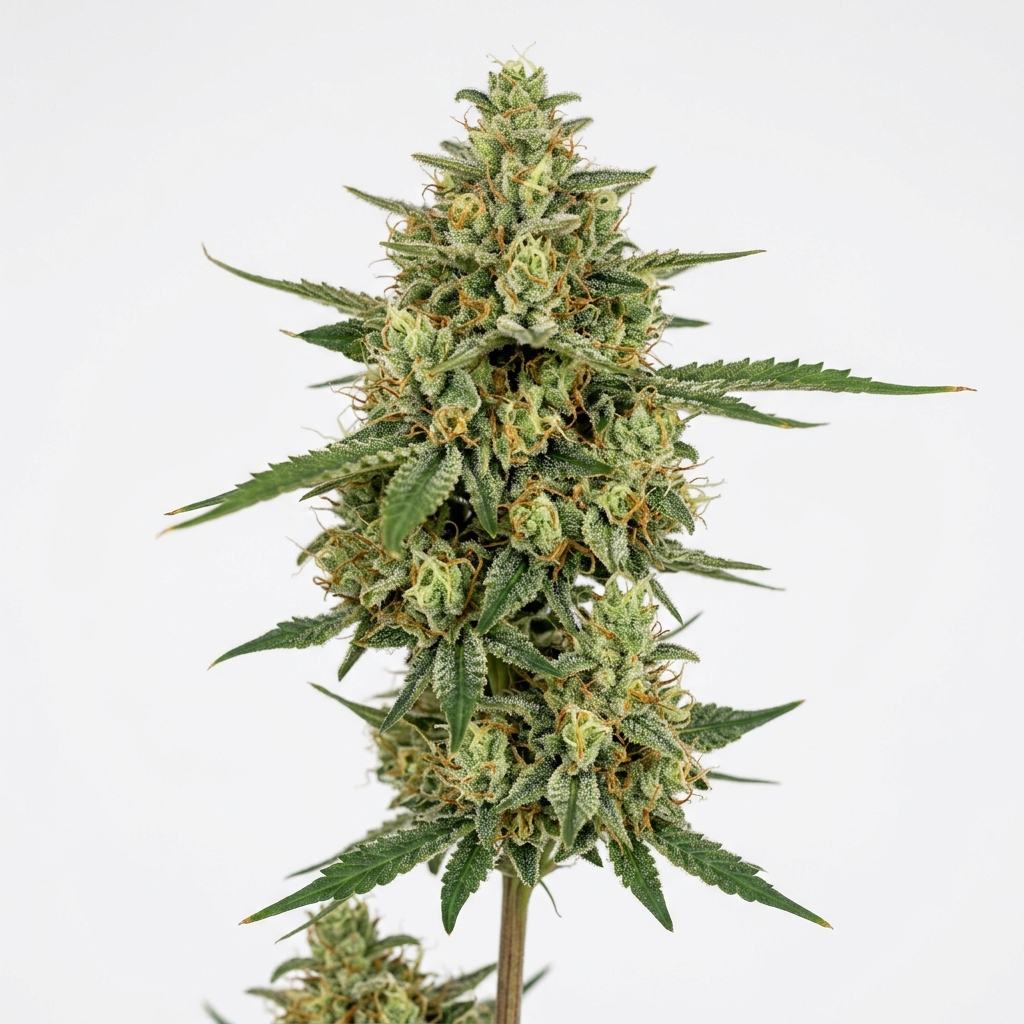
Martian Mean Green is a sativa-dominant hybrid, typically testing between 15% and 22% THC, created by crossing Sharksbreath with G13 Haze. This cultivar is celebrated for its sharp citrus lift, sweet melon undertones, and a greasy resin profile that coats its dense, spear-shaped colas. Known for its vigorous stretch and high-yielding potential, it is a favored choice among cultivators seeking old-school haze complexity combined with modern resin density.
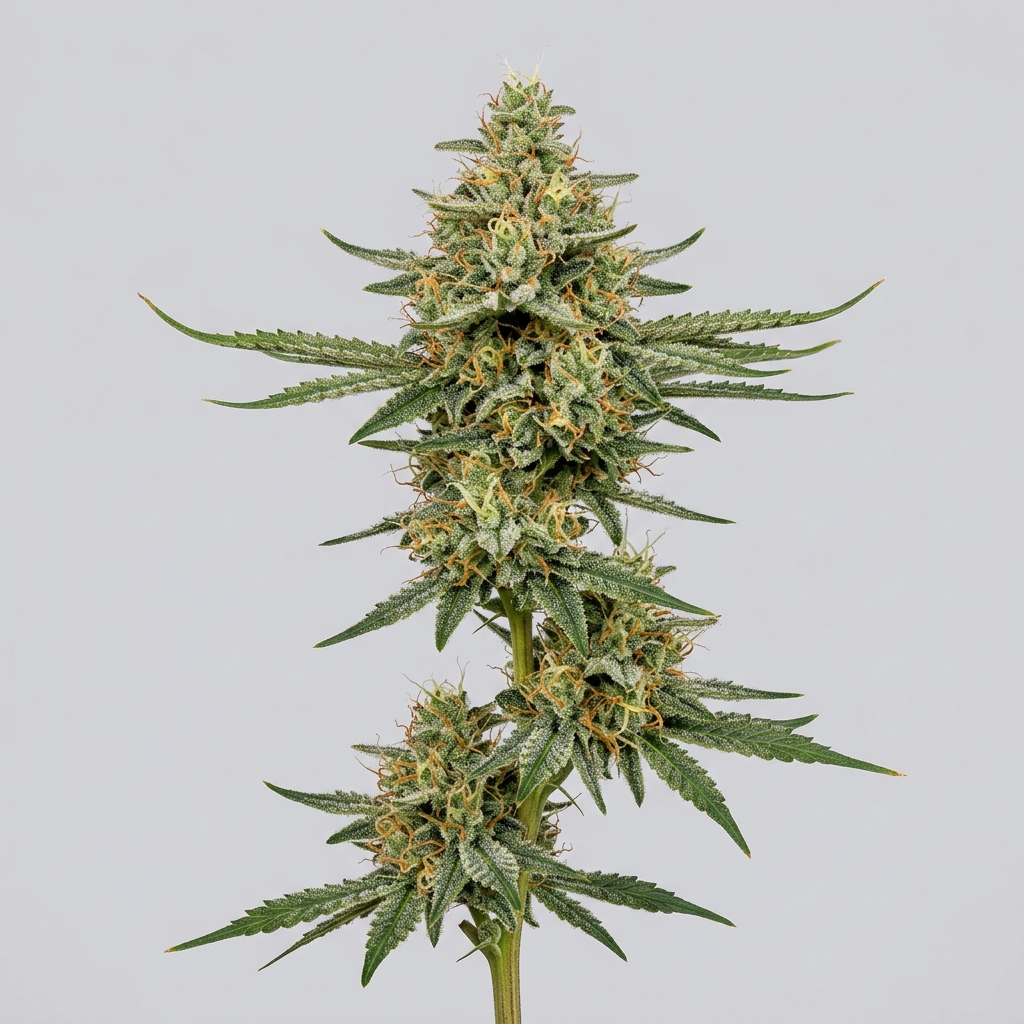
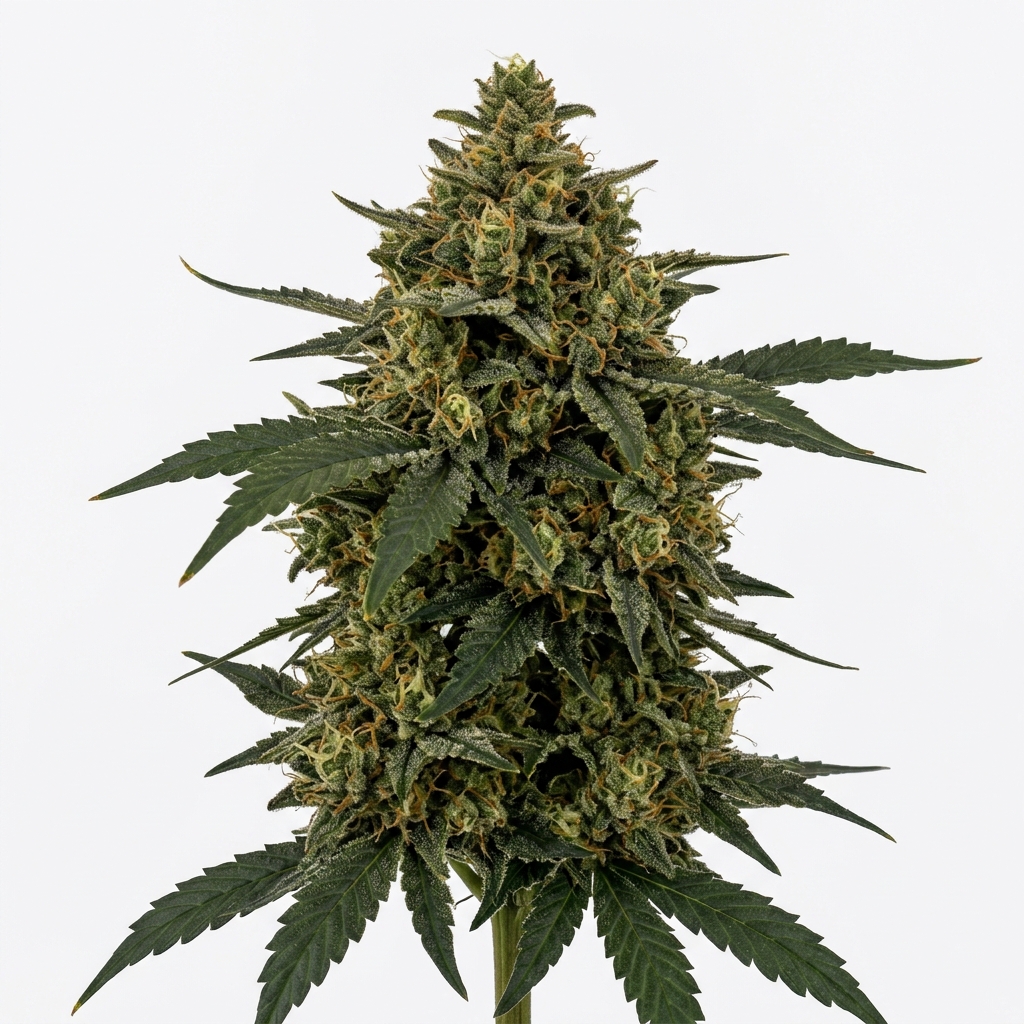
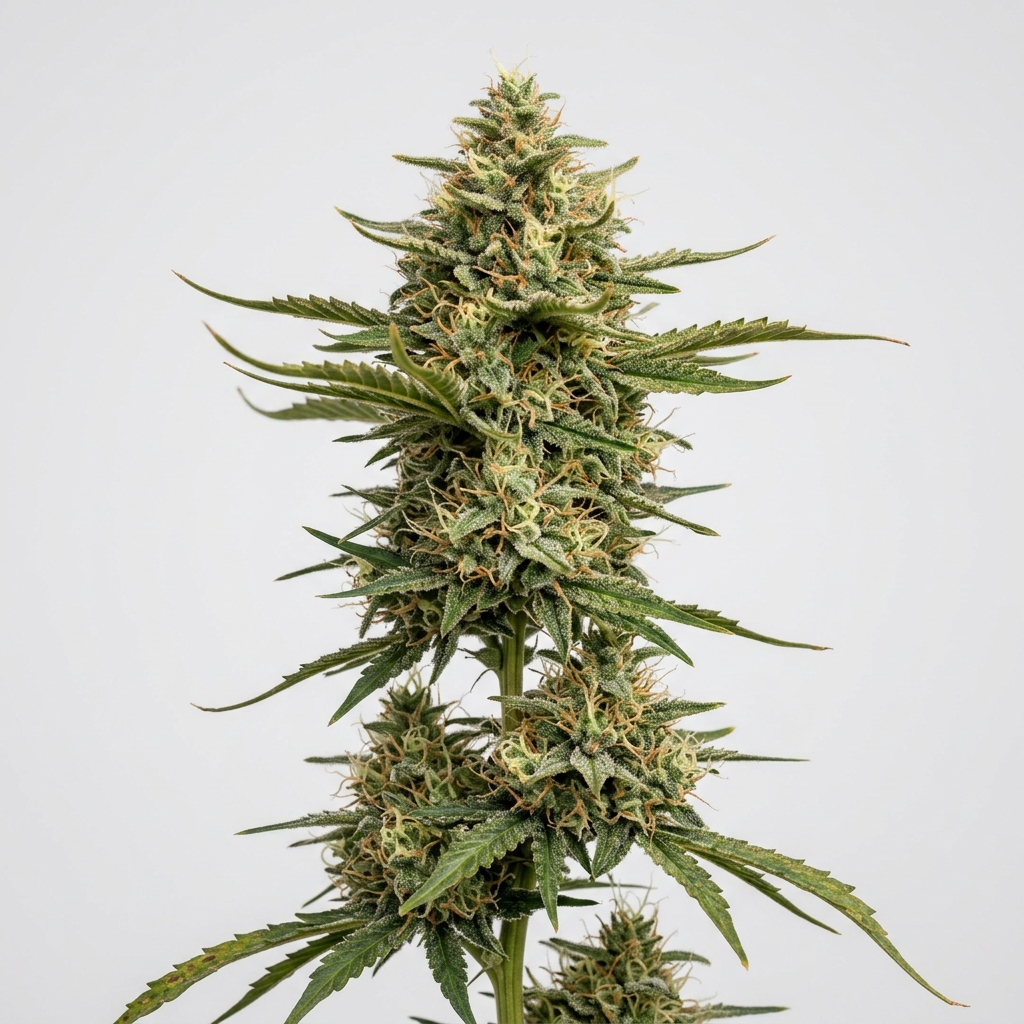
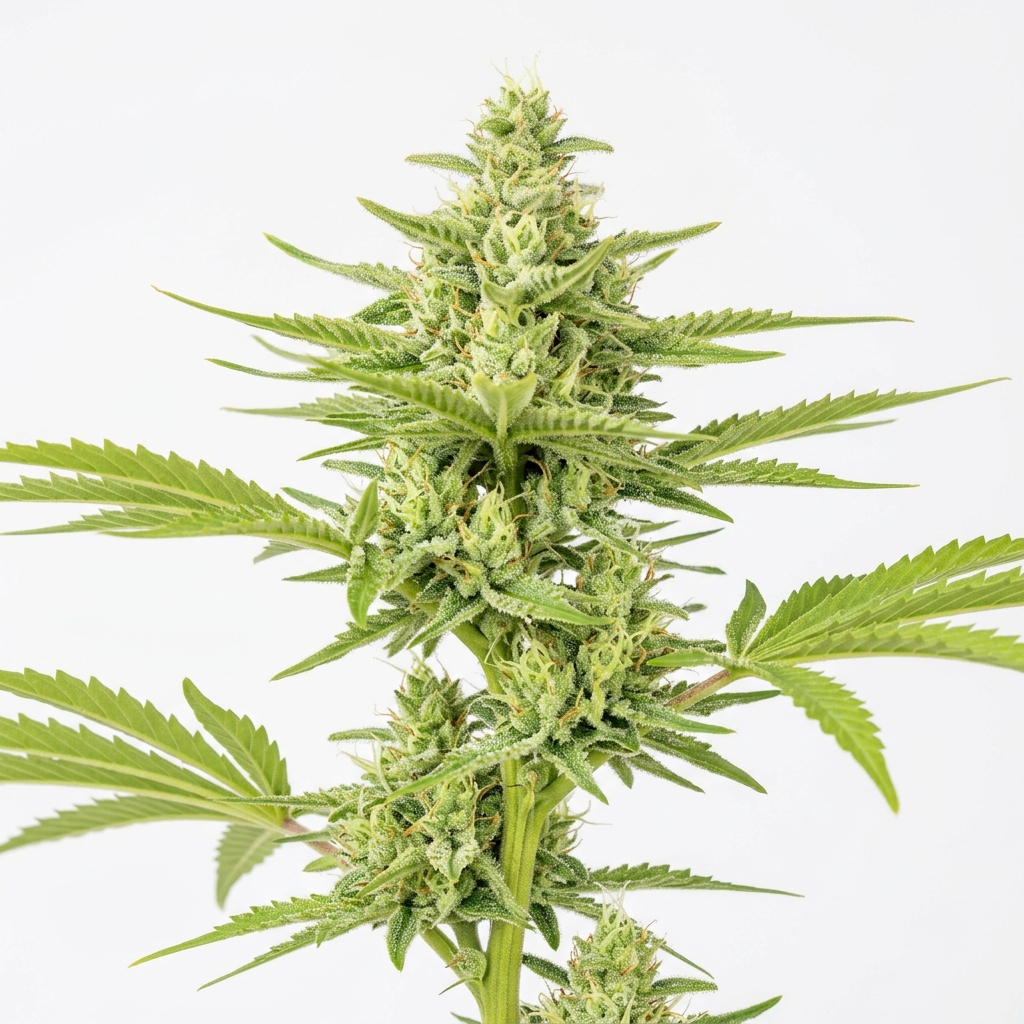
The strain’s visual appeal lies in its pale, almost neon-green flowers, accented by sparse orange pistils and a thick layer of glassy trichomes. Its aromatic profile is dominated by a pungent mix of tart gas and herbal spice, making it a standout option for extraction artists and daytime flavor enthusiasts alike.
Quick Facts
| Attribute | Details |
|---|---|
| Genetics | Sharksbreath × G13 Haze |
| Variety | Sativa-dominant Hybrid |
| THC Range | 15% – 22% |
| Flowering Time | 9 – 10 Weeks |
| Yield Potential | Moderate to High |
| Plant Height | Tall (Significant Stretch) |
| Climate Preference | Warm, temperate, low late-flower humidity |
| Difficulty | Moderate |
Scientific & Botanical Overview
Botanically, Martian Mean Green shows classic sativa growth characteristics inherited from its G13 Haze lineage, balanced by the sturdier structure of Sharksbreath. The vegetative phase is marked by rapid vertical growth and broad, light-green fan leaves that transition to narrower blades as the plant matures. Tight internodal spacing along the main stems supports the development of heavy, continuous floral clusters rather than isolated popcorn buds.
The cultivar is particularly sensitive to nitrogen levels during the transition phase, requiring a careful hand to avoid leaf curl while supporting its aggressive stretch. As flowering progresses, the calyxes swell significantly, creating dense, pinecone-shaped structures that resist moisture retention better than broader indica varieties.
Resin production begins early in the flowering cycle, with capitate-stalked trichomes developing along the sugar leaves and bracts by week four. The resulting flowers are highly sticky to the touch, releasing volatile terpenes when handled, which requires robust carbon filtration in indoor setups.
Effects & Use-Cases (Reported)
Commonly reported effects: Users frequently describe a cerebral, uplifting onset that transitions into a clear-headed, focused energy. The physical sensation remains light, allowing for physical activity without heavy sedation or lethargy.
Use-case context: This profile makes the cultivar highly suitable for creative projects, daytime outdoor activities, or social gatherings where mental clarity is preferred. The slow taper of its effects ensures a smooth transition back to baseline without a sudden crash.
Note: Individual experiences may vary depending on dosage, tolerance, and the specific phenotype’s cannabinoid concentration.
Aroma & Flavors
Aroma: A pungent blend of sour citrus, earthy musk, and a sharp, chemically gas undertone that fills the room upon breaking the buds.
Flavor: The smoke delivers a bright, tart melon taste on the inhale, followed by an earthy, herbal finish with hints of sweet pine.
Terpene associations: Lab analyses frequently indicate high concentrations of terpinolene, myrcene, and caryophyllene, driving its complex herbal-citrus profile.
Tested Cannabinoid & Terpene Ranges
| Compound | Tested Range |
|---|---|
| Δ9-THC | 15.0% – 22.0% |
| CBD | <0.2% |
| Terpinolene | 0.4% – 0.9% |
| Myrcene | 0.3% – 0.7% |
| Caryophyllene | 0.2% – 0.5% |
Note: Cannabinoid and terpene levels are highly variable and depend on cultivation practices, environment, and curing methods.
Cultivation Notes
- Humidity: Keep relative humidity (RH) below 45% during the final three weeks of flower to protect the dense calyx structures from moisture buildup.
- Nutrition: Feed moderately; this cultivar prefers a steady, slightly lower EC regimen than heavy indica hybrids to prevent nutrient burn on leaf tips.
- Training: Employ Low Stress Training (LST) or a Screen of Green (ScrOG) setup early to manage the significant vertical stretch during the first three weeks of flower.
- Harvest: Harvest when trichome heads transition from milky to about 10% amber to preserve the bright, uplifting terpene profile.
- Phenotype management: Look for phenotypes that exhibit the sturdy branching of the Sharksbreath parent while retaining the exotic, spicy aroma of the G13 Haze.
Grower Notes (Week-by-Week Snapshot)
- Weeks 1–3 (Transition & Stretch): Expect a dramatic vertical stretch, often doubling or tripling in size; secure branches to trellising early and defoliate lower fan leaves to improve airflow.
- Weeks 4–6 (Flower Development): White pistils form dense clusters along the spear colas, and early resin frosting begins to coat the surrounding sugar leaves.
- Weeks 7–9+ (Maturation & Flush): Buds swell and calyxes become dense and sticky; reduce ambient temperatures slightly to encourage terpene preservation, and execute a thorough flush during the final 10–14 days.
Genetic Lineage
Martian Mean Green is the result of a deliberate pairing of Sharksbreath and G13 Haze by DNA Genetics. Sharksbreath, a hybrid of Great White Shark and Lamb’s Bread, contributes robust physical structure, dense bud formation, and a sweet, fruity undertone.
The maternal G13 Haze parent infuses the cross with its legendary soaring sativa energy, complex herbal spice, and notable vegetative vigor. This combination successfully tempers the long flowering time of traditional Hazes while retaining their sought-after sensory qualities.
Research Insights
Phytochemical analysis of Martian Mean Green highlights a dominant presence of terpinolene, a relatively uncommon primary terpene in modern commercial hybrids. This compound, when combined with moderate levels of myrcene, is believed to shape the cultivar’s distinct herbal-citrus aroma and energetic character.
The synergy between its cannabinoid profile, which often includes trace amounts of CBG, and its diverse terpene matrix suggests a highly active entourage effect. Ongoing breeding research utilizes this genetic backbone to introduce stable, haze-forward traits into high-yield, modern commercial lines.
Frequently Asked Questions
Is Martian Mean Green hard to grow?
It is moderately difficult due to its significant stretch and sensitivity to overfeeding, but manageable with proper training and a controlled environment.
What does Martian Mean Green smell like?
It features a pungent aroma of tart citrus, sweet melon, and sharp, earthy gas with a distinct herbal background.
What is the flowering time for this strain?
Indoor plants typically finish flowering within 9 to 10 weeks, while outdoor crops are usually ready for harvest in mid-to-late October.
What are the parent strains of Martian Mean Green?
It is a direct cross between Sharksbreath (Great White Shark × Lamb’s Bread) and G13 Haze.
Educational Disclaimer
This guide is for educational and informational purposes only. Local laws regarding cannabis cultivation, possession, and use vary widely and must be strictly respected.
Rate and review this strain
Ratings and reviews are accepted only from signed-in Google accounts.
Sign in with Google to leave a rating and written review.
Latest Reviews
0 reviewsNo reviews yet. Be the first Google user to rate and review this strain.