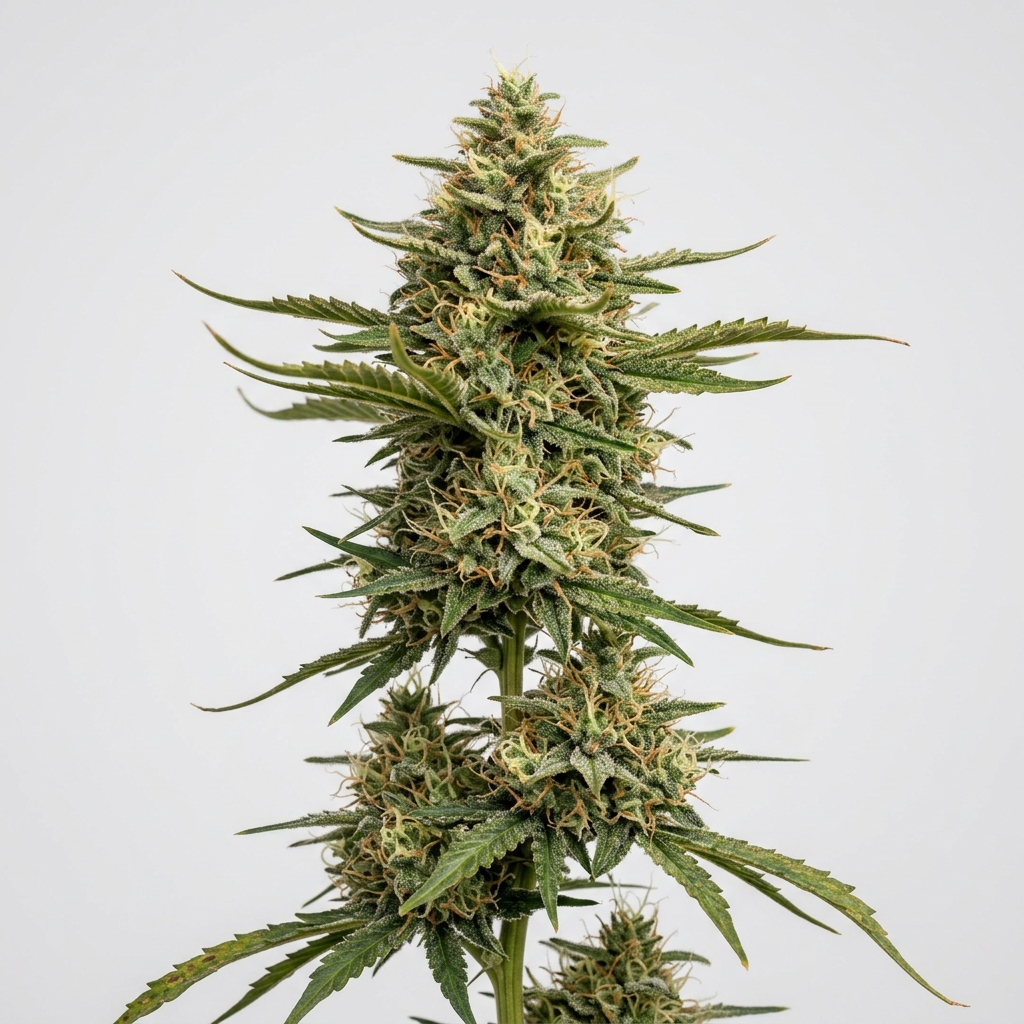
Chiesel (Cannabis Strain)
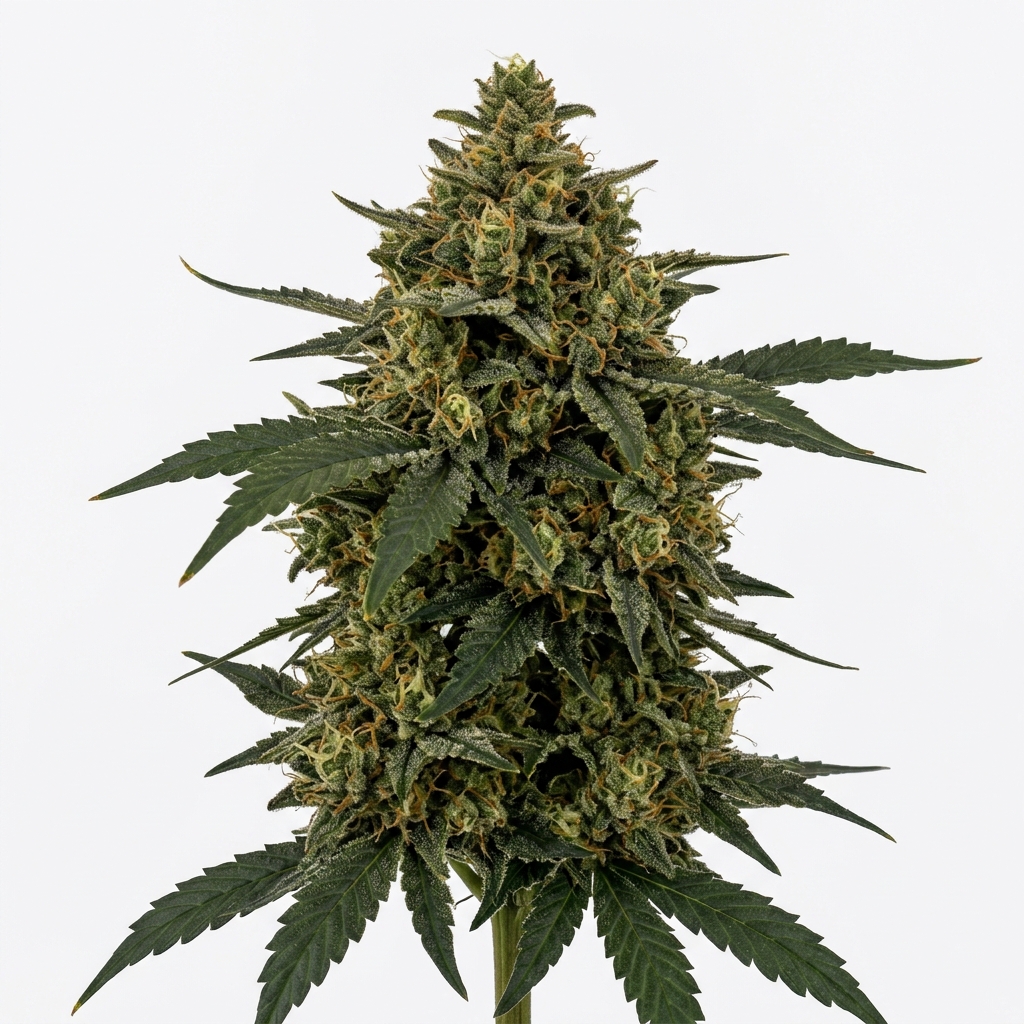
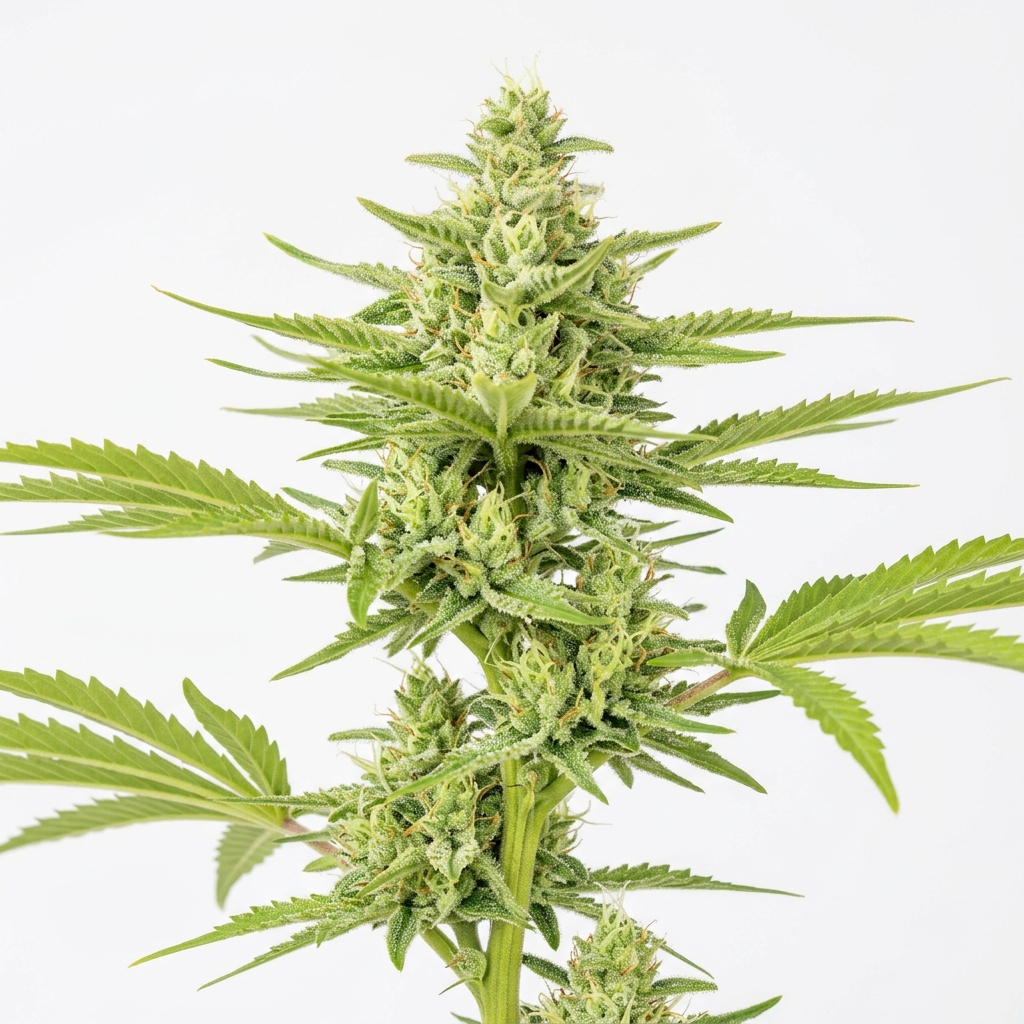
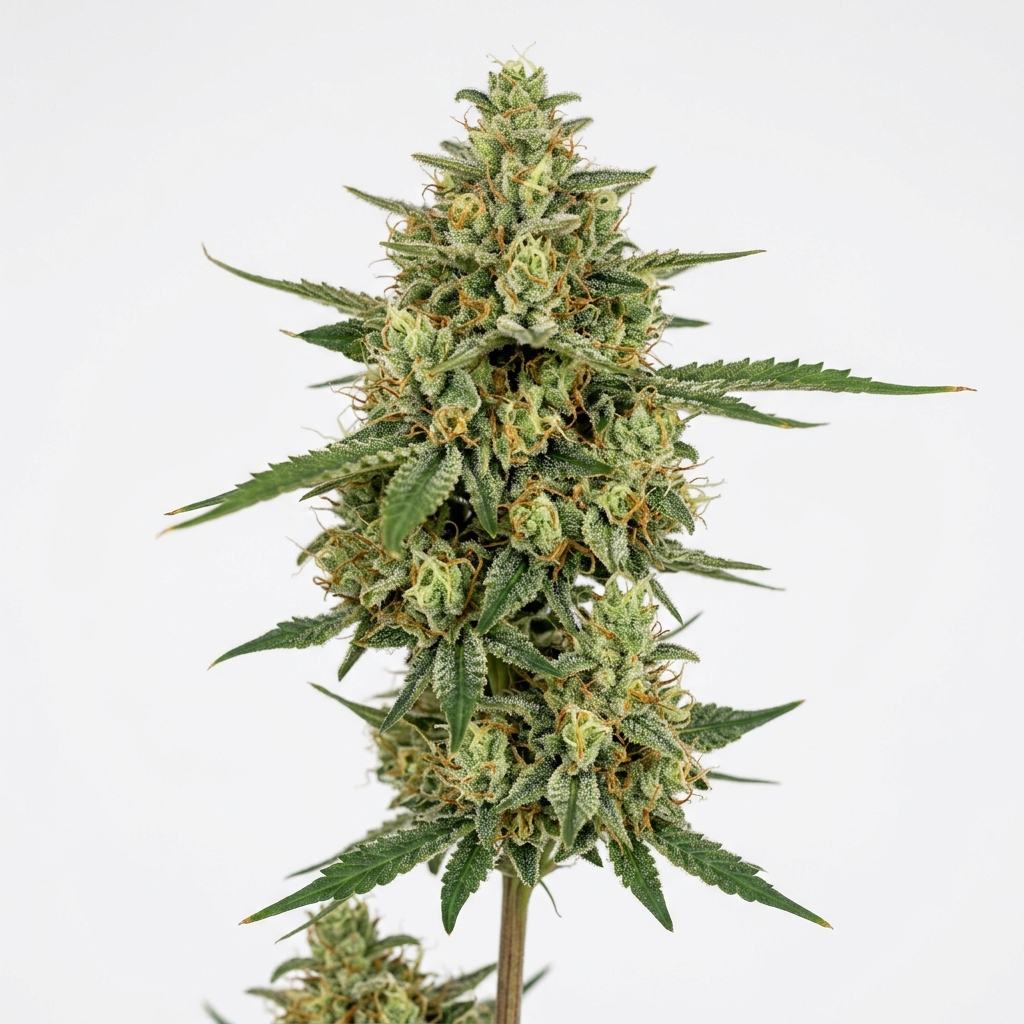
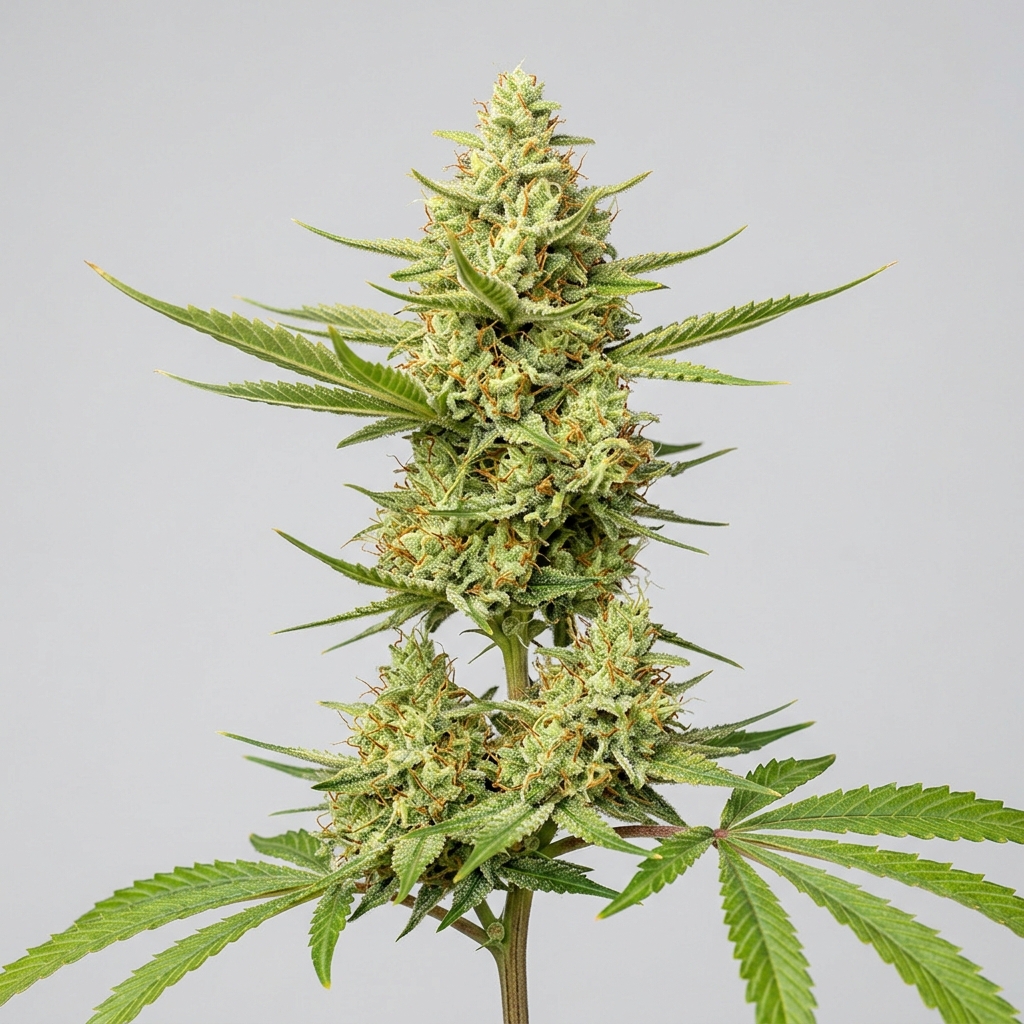
Chiesel is a sativa-dominant hybrid, typically testing between 18% and 24% THC, created by crossing the legendary Big Buddha Cheese with NYC Diesel. This cultivar is recognized for its pungent fusion of sharp, skunky cheese and tart fuel, producing elongated, spear-shaped colas coated in greasy resin. Growers value its vigorous vegetative growth and manageable stretch, making it a reliable choice for those seeking an old-school, aromatic profile with solid commercial yields.
The strain balances its hybrid traits well, delivering dense bracts with pale orange pistils set against olive-green foliage. It performs reliably in temperate indoor setups where late-flower humidity is carefully managed to preserve its volatile terpene profile.
Quick Facts
| Key Metric | Details |
|---|---|
| Genetics | Big Buddha Cheese × NYC Diesel |
| Variety | Sativa-dominant Hybrid (approx. 60/40) |
| THC Range | 18% – 24% |
| Flowering Time | 9 – 10 weeks |
| Yield Potential | Moderate to High |
| Plant Height | Medium to Tall |
| Climate Preference | Temperate, low late-flower humidity |
| Difficulty | Moderate |
Scientific & Botanical Overview
Botanically, Chiesel shows classic hybrid morphology with a noticeable sativa lean during the vegetative stage. The plants develop strong lateral branching with medium internodal spacing, allowing light penetration to lower bud sites. Broad fan leaves during early growth transition to narrower leaflets as the plant matures.
The floral structure is defined by swollen calyxes that cluster into dense, spear-like colas. Resin production starts early in the flowering cycle, developing a dense layer of capitate-stalked trichomes that give the mature flowers a wet frost appearance.
Its chemical profile is dominated by monoterpenes that thrive under stable, warm daytime temperatures. The plant requires a steady supply of nitrogen during veg to support its rapid structural development before transitioning to phosphorus-heavy feeding in mid-bloom.
Effects & Use-Cases (Reported)
Commonly reported effects: Users frequently describe a rapid, clear-headed mental lift accompanied by a warm, relaxing physical sensation that does not induce heavy sedation. The initial onset is typically energetic and focus-driven, gradually settling into a calm, functional state.
Use-case context: This profile makes it well-suited for daytime activities, creative projects, and social gatherings where mental clarity is preferred. It is often chosen by those looking to ease physical tension while maintaining productivity throughout the afternoon.
Note: Individual experiences may vary based on dosage, tolerance, and specific phenotype chemistry.
Aroma & Flavors
Aroma: A pungent blast of sour diesel and skunky cheese dominates the jar, accented by sharp grapefruit and wet earth.
Flavor: The smoke delivers a complex taste of tart fuel on the inhale, followed by a creamy, savory cheese finish with a lingering citrus lift.
Terpene associations: Caryophyllene, Limonene, and Myrcene.
Tested Cannabinoid & Terpene Ranges
| Compound | Estimated Range |
|---|---|
| Δ9-THC | 18.0% – 24.0% |
| CBD | < 1.0% |
| CBG | 0.5% – 1.2% |
| β-Caryophyllene | 0.4% – 0.8% |
| d-Limonene | 0.3% – 0.6% |
| Myrcene | 0.2% – 0.5% |
Note: Terpene and cannabinoid levels are highly variable and depend heavily on environmental factors, cultivation methods, and curing practices.
Cultivation Notes
- Humidity: Keep relative humidity (RH) around 55% during veg, dropping it progressively to 40% by late flower to prevent mold in the dense colas.
- Nutrition: Responds well to moderate nutrient levels; avoid over-feeding nitrogen during early flower to prevent leaf curl.
- Training: Responds excellently to topping and Low Stress Training (LST) to manage the vertical stretch and promote even canopy distribution.
- Harvest: Look for milky trichomes with roughly 10-15% amber heads to capture the optimal balance of cerebral energy and physical relaxation.
- Phenotype management: Some phenotypes stretch significantly after the flip; ensure adequate vertical clearance or use a trellis net to support the heavy branches.
Grower Notes (Week-by-Week Snapshot)
- Weeks 1–3 (Transition & Stretch): The plants show a rapid vertical stretch after switching to a 12/12 light cycle. Early tucking in a Scrog net helps distribute the canopy and prepare the branches for bud weight.
- Weeks 4–6 (Bud Formation & Resin): Small, resinous clusters form along the branches, accompanied by a sharp, sour aroma. Ensure good airflow through the lower canopy by performing light defoliation.
- Weeks 7–9+ (Ripening & Flush): The colas swell significantly, showing a dense layer of greasy resin and orange pistils. Run a clean water flush during the final 10 to 14 days to preserve the clean fuel and cheese terpene profile.
Genetic Lineage
The lineage of Chiesel combines two highly influential cannabis families of the late 1990s and early 2000s. Its paternal side comes from NYC Diesel, known for its sharp, grapefruit-forward fuel profile and soaring cerebral effects.
The maternal side is the famous Big Buddha Cheese, a UK staple renowned for its unique, savory, skunky aroma and deeply relaxing body high. This combination produces a hybrid that retains the pungent, sour qualities of its parents while refining the physical structure and resin density.
Research Insights
Analytical testing of Chiesel shows a rich concentration of caryophyllene and limonene, which work together to influence its distinct sensory profile. These compounds are of interest in studies examining how volatile terpenes interact with CB1 and CB2 receptors in the human endocannabinoid system.
The presence of secondary terpenes like myrcene and linalool contributes to the strain’s ability to offer physical relaxation without immediate sedation. Breeders frequently study this specific ratio to understand how to maintain high-energy sativa traits while incorporating dense, indica-style flower structures.
Frequently Asked Questions
Is Chiesel indica or sativa?
Chiesel is a sativa-dominant hybrid, typically featuring a 60% sativa and 40% indica split, derived from Big Buddha Cheese and NYC Diesel.
What does Chiesel smell like?
It has a highly pungent aroma that combines sharp, sour diesel fuel with a skunky, savory cheese undertone and hints of bright citrus.
How long does Chiesel take to flower?
Chiesel typically requires a flowering period of 9 to 10 weeks when grown indoors to reach optimal resin maturity.
Is Chiesel easy to grow?
Chiesel is moderately easy to grow, though its significant stretch during early flower requires some canopy management, such as topping or trellising.
Educational Disclaimer
This profile is for educational purposes only. Cannabinoid and terpene profiles vary by batch and cultivation environment. Consult a healthcare professional before use.
Rate and review this strain
Ratings and reviews are accepted only from signed-in Google accounts.
Sign in with Google to leave a rating and written review.
Latest Reviews
0 reviewsNo reviews yet. Be the first Google user to rate and review this strain.