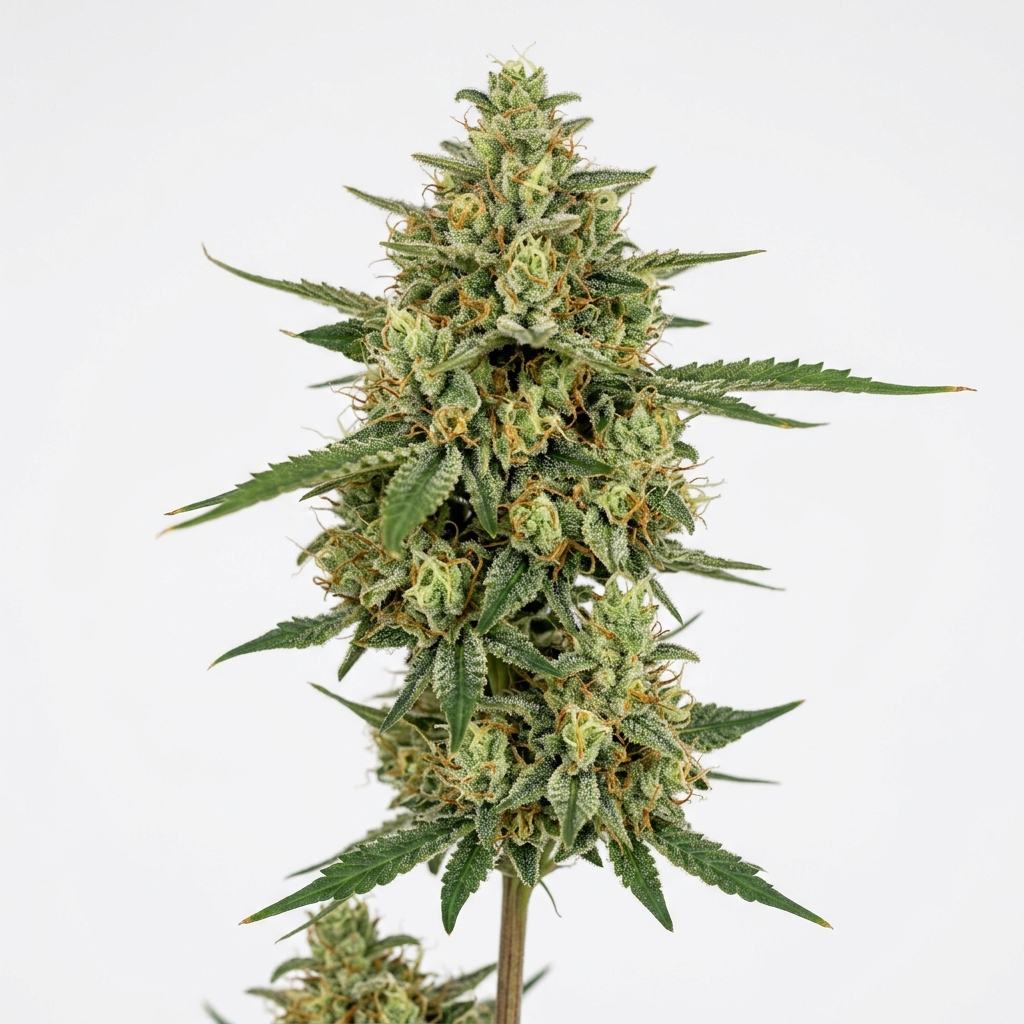
Big Buddha Cheese (Cannabis Strain)
Big Buddha Cheese is an iconic Indica-dominant hybrid (typically testing between 15% and 20% THC) created by crossing the legendary clone-only UK Cheese with a selected Afghani male. Known for its pungent, sour-dairy aroma and highly greasy resin coverage, this cultivar develops a branchy, skunk-like structure that produces dense, swollen calyxes. It remains a foundational European classic, prized for its reliable yields and distinctively old-school funky profile.
Unlike modern dessert cultivars that favor high-octane sweetness, this plant preserves the savory, musky skunk characteristics of its heritage. Growers value it for its vigorous lateral branching and consistent performance in both soil and hydroponic setups.
Quick Facts
| Attribute | Details |
|---|---|
| Genetics | UK Cheese × Afghani |
| Variety | Indica-dominant Hybrid (approx. 60/40) |
| THC Range | 15% – 20% |
| Flowering Time | 7 – 9 weeks |
| Yield Potential | High (450–550g/m²) |
| Plant Height | Medium (controlled stretch) |
| Climate Preference | Temperate, mild humidity |
| Difficulty | Moderate |
Scientific & Botanical Overview
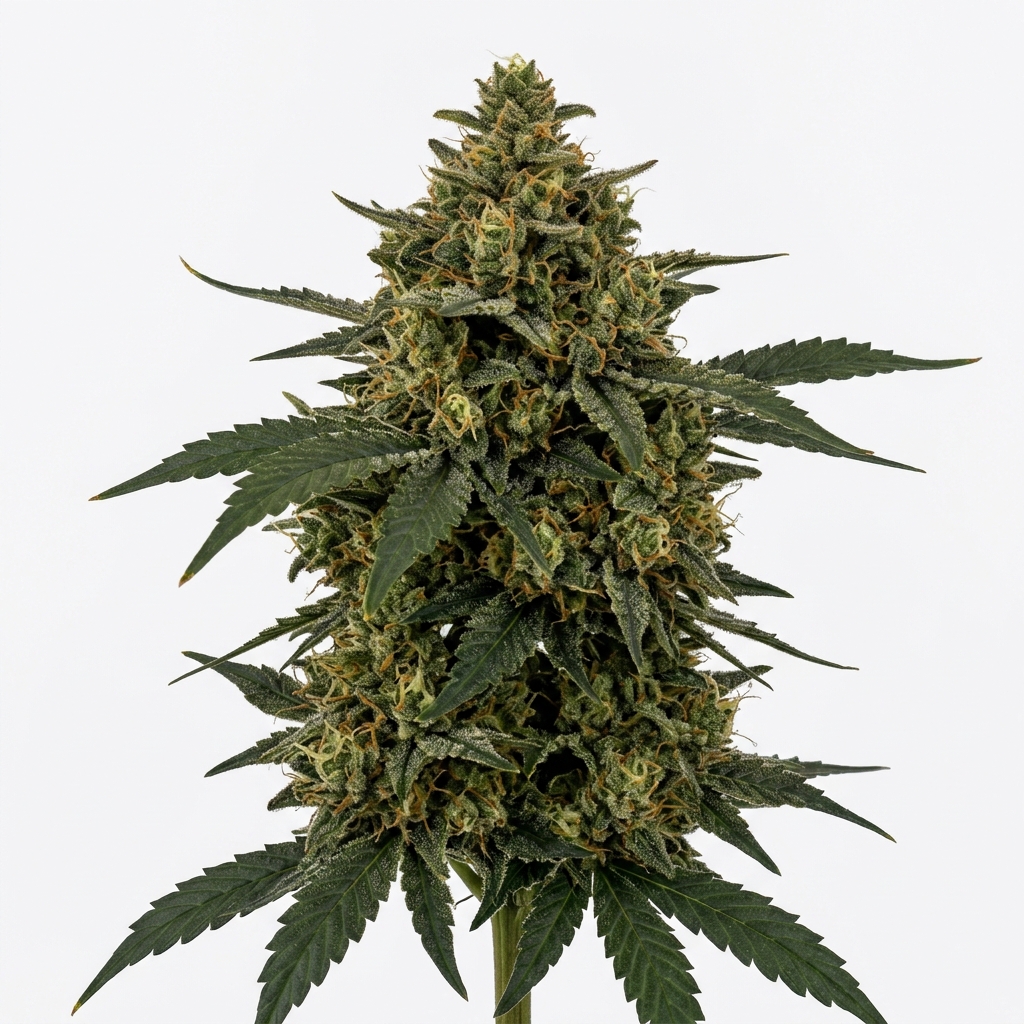
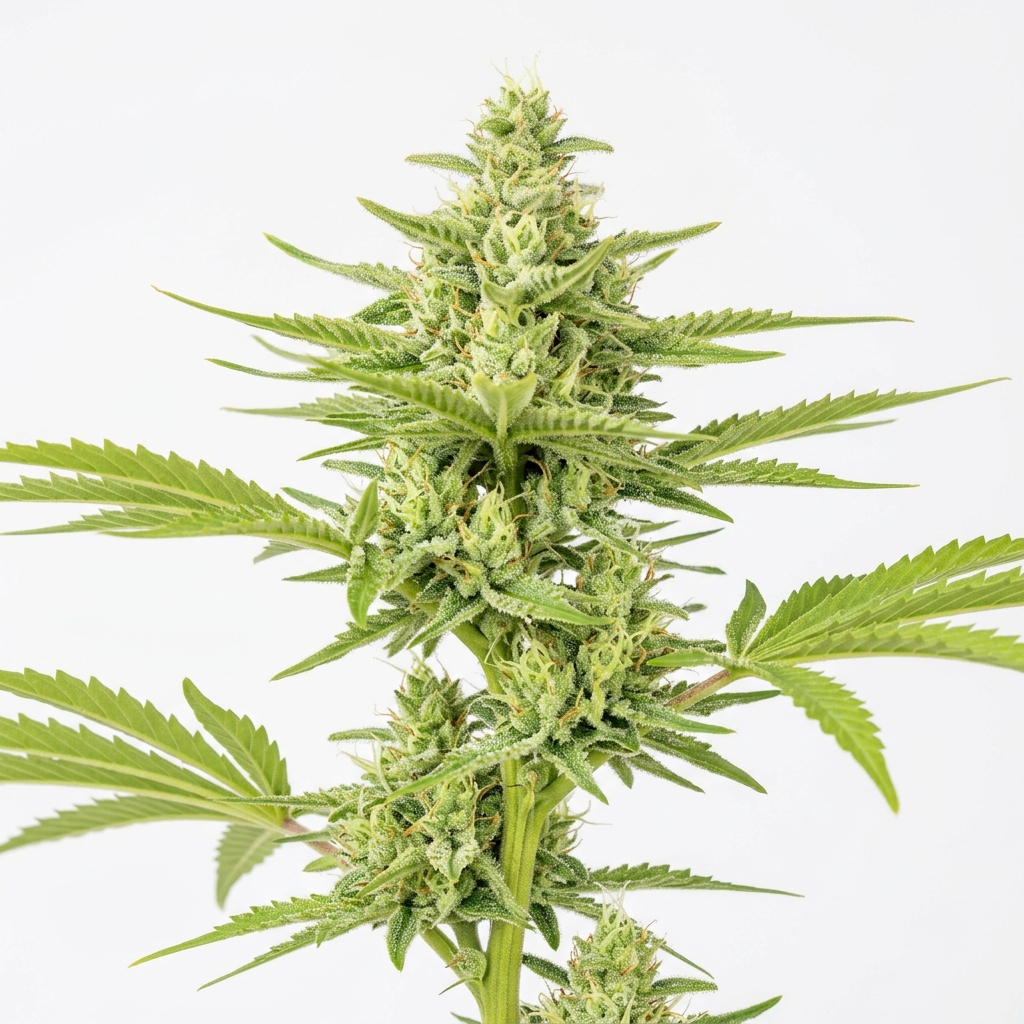
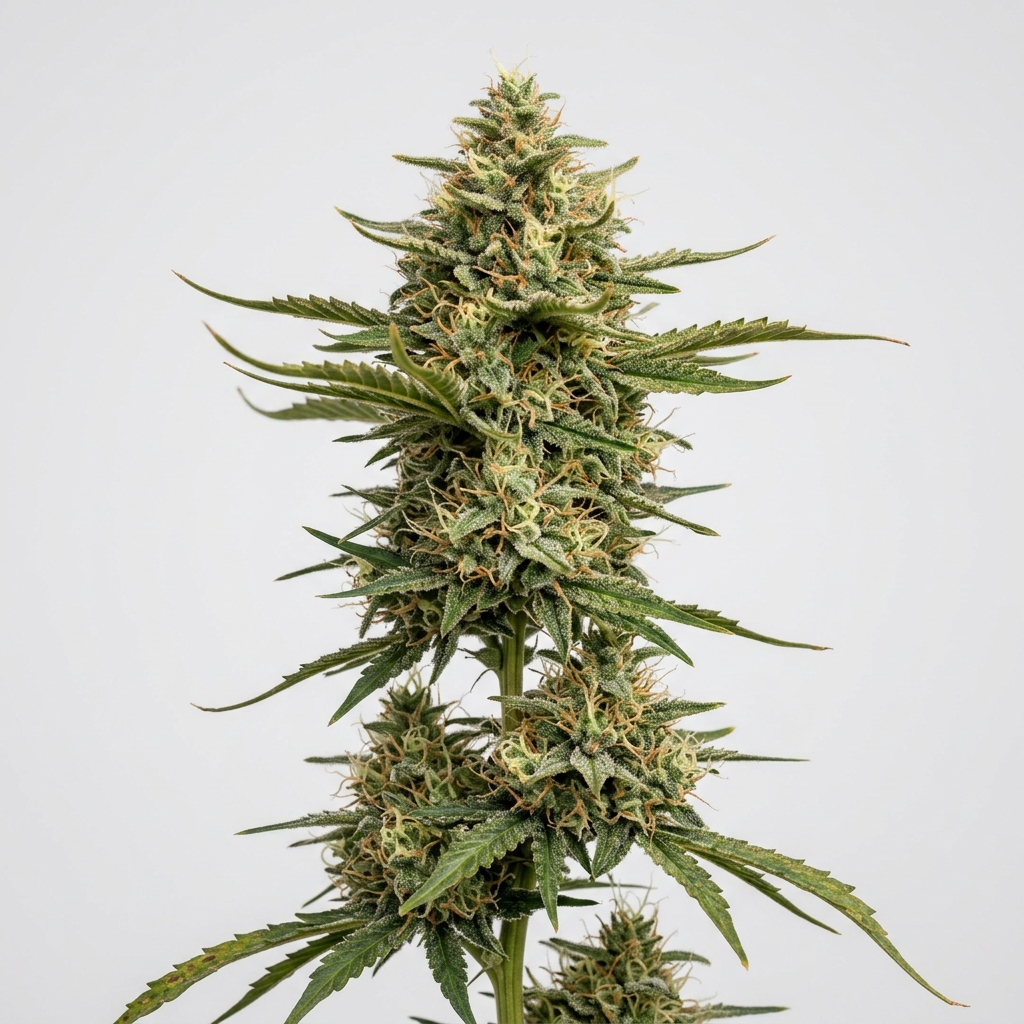
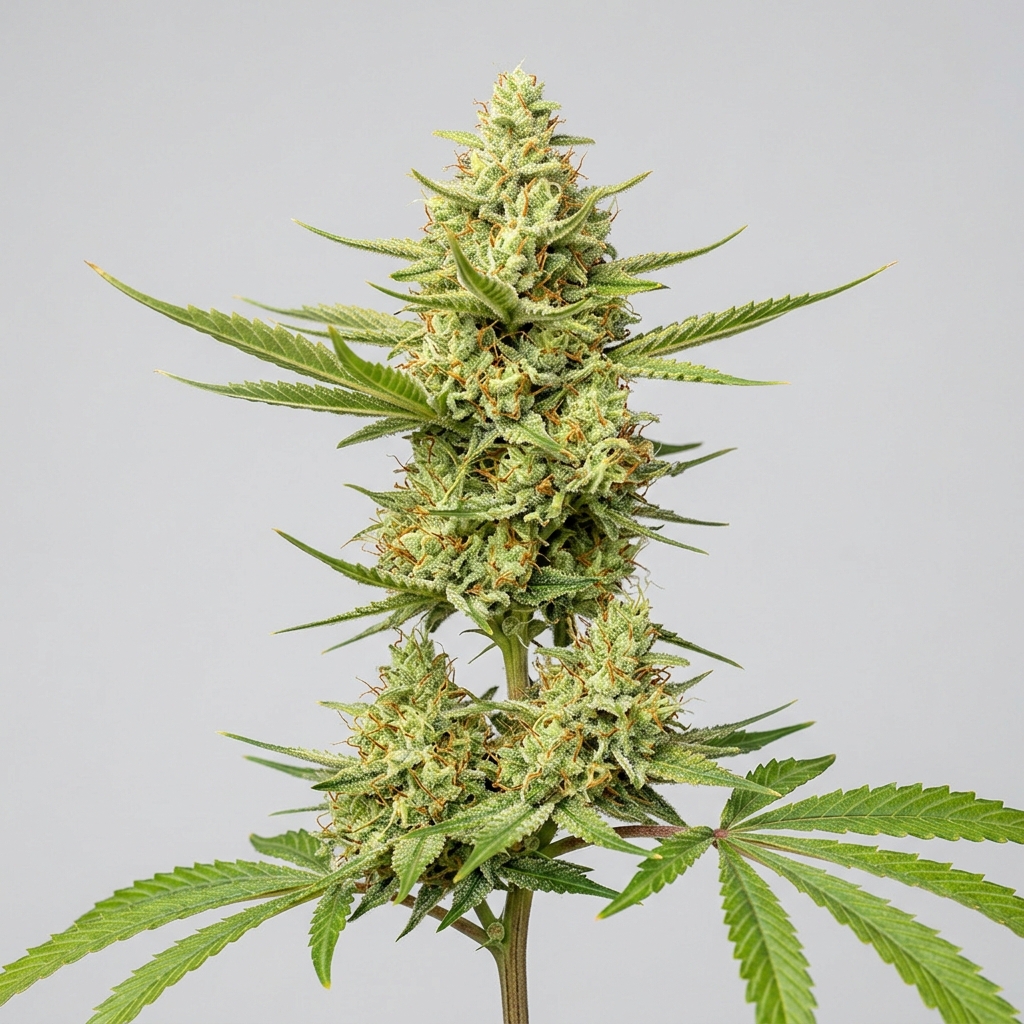
Big Buddha Cheese displays classic Skunk morphology, characterized by tight internodal spacing and broad, deep-green fan leaves during the vegetative phase. As the plant transitions to flower, it shows a moderate stretch, developing multiple lateral branches that support heavy, elongated spear colas.
The calyx-to-leaf ratio is exceptionally high, allowing for excellent airflow through the dense canopy. The flowers form tight, resin-rich clusters with swollen calyxes that turn pale green, contrasted by dark orange pistils and a thick layer of greasy, wet trichomes.
This cultivar is highly responsive to environmental stressors and prefers stable, moderate humidity levels to prevent moisture retention in its dense bracts. Its robust root system allows for efficient nutrient uptake, particularly during the rapid mid-flower swelling phase.
Effects & Use-Cases (Reported)
Commonly reported effects: Users frequently report a warm, relaxing physical sensation paired with a calm, functional mental clarity. The onset is typically smooth, settling into a steady, long-lasting body buzz that does not immediately induce heavy sedation.
Use-case context: This balanced profile makes it well-suited for late afternoon or early evening use. It is often chosen by those seeking physical comfort without the immediate couch-lock associated with heavier pure Indicas.
Note: Individual tolerance and chemistry vary widely; start with low doses to assess personal sensitivity.
Aroma & Flavors
Aroma: Pungent, sour dairy, musty earth, and a sharp, funk-forward skunk base.
Flavor: Creamy, savory cheese on the inhale, leaving a tangy, herbal, and slightly peppery finish on the palate.
Terpene associations:
Caryophyllene, Myrcene, and Limonene dominate the volatile profile, driving the signature funky and spicy notes.
Tested Cannabinoid & Terpene Ranges
| Compound | Tested Range |
|---|---|
| Δ9-THC | 15.0% – 20.0% |
| CBD | 0.1% – 0.5% |
| beta-Caryophyllene | 0.3% – 0.8% |
| Myrcene | 0.2% – 0.6% |
| Limonene | 0.1% – 0.4% |
Note: Terpene and cannabinoid percentages are highly variable and depend on specific phenotypes, cultivation methods, and curing practices.
Cultivation Notes
- Humidity management: Keep relative humidity (RH) below 45% during late flower to protect the dense, moisture-sensitive colas.
- Training: Highly responsive to topping and low-stress training (LST) to maximize lateral bud sites.
- Support: Install trellis netting or stakes early to support the heavy, leaning branch structure during the final weeks of bloom.
- Nutrition: Prefers a moderate feeding schedule; avoid excessive nitrogen in early flower to prevent leaf curl.
- Harvest: Harvest when trichomes are mostly milky white with about 10% amber for the optimal balance of flavor and physical effect.
Grower Notes (Week-by-Week Snapshot)
- Weeks 1–3 (Transition & Stretch): The plant undergoes a controlled stretch, usually doubling in height. Focus on selective defoliation of lower fan leaves to improve light penetration.
- Weeks 4–6 (Bud Development): Spear colas begin to form rapidly, and the signature sour, cheesy aroma starts to emerge. Maintain steady potassium and phosphorus levels.
- Weeks 7–9 (Ripening & Flush): Calyxes swell significantly and become coated in greasy resin. Flush with pure water for the final 10–14 days to preserve the clean, savory flavor profile.
- Post-Harvest (Slow Dry & Cure): Hang-dry at 60°F (15°C) and 60% humidity for 10–14 days, followed by a minimum of three weeks in airtight jars to lock in the volatile terpene profile.
Genetic Lineage
Big Buddha Cheese was developed in the United Kingdom as an evolution of the legendary UK Cheese clone, which itself was a unique, highly aromatic phenotype of Skunk #1 from the late 1980s. To improve vigor, yields, and seed viability, breeders crossed this clone with a selected pure landrace Afghani male.
The resulting offspring were backcrossed to the original Cheese mother for several generations to lock in the intense, pungent dairy profile. This rigorous breeding process stabilized the plant’s structure while retaining the classic, slow-burning physical effects of its ancestral lineage.
Research Insights
Analytical data indicates that the distinctive aroma of this cultivar is driven by a complex interaction between sesquiterpenes like caryophyllene and volatile monoterpenes. These compounds work alongside moderate levels of THC to modulate the physical and mental effects, a phenomenon often discussed in cannabinoid research.
Breeding programs frequently use this genetic line to introduce structural stability and reliable resin production into modern dessert hybrids. Its robust taxonomic traits make it a valuable reference point for studying the preservation of historic landrace genetics within commercial hybrid lines.
Frequently Asked Questions
What is the genetic origin of Big Buddha Cheese?
It is a cross between the famous UK Cheese clone (a Skunk #1 phenotype) and a selected pure Afghani male, backcrossed to stabilize the original Cheese traits.
What does Big Buddha Cheese smell like?
It has a highly pungent, sharp aroma characterized by sour dairy, musty earth, and a classic funky skunk undertone.
Is Big Buddha Cheese easy to grow?
It is moderately easy to cultivate, though its dense bud structure requires strict humidity control during late flower to prevent mold.
What are the primary reported effects of this strain?
Users commonly report a warm, relaxing physical sensation paired with a calm, clear-headed mental state, making it ideal for evening wind-downs.
Educational Disclaimer
This content is for educational and informational purposes only. It does not constitute medical advice or encouragement of illegal activities. Cultivation and consumption of cannabis are subject to local laws and regulations.
Rate and review this strain
Ratings and reviews are accepted only from signed-in Google accounts.
Sign in with Google to leave a rating and written review.
Latest Reviews
0 reviewsNo reviews yet. Be the first Google user to rate and review this strain.