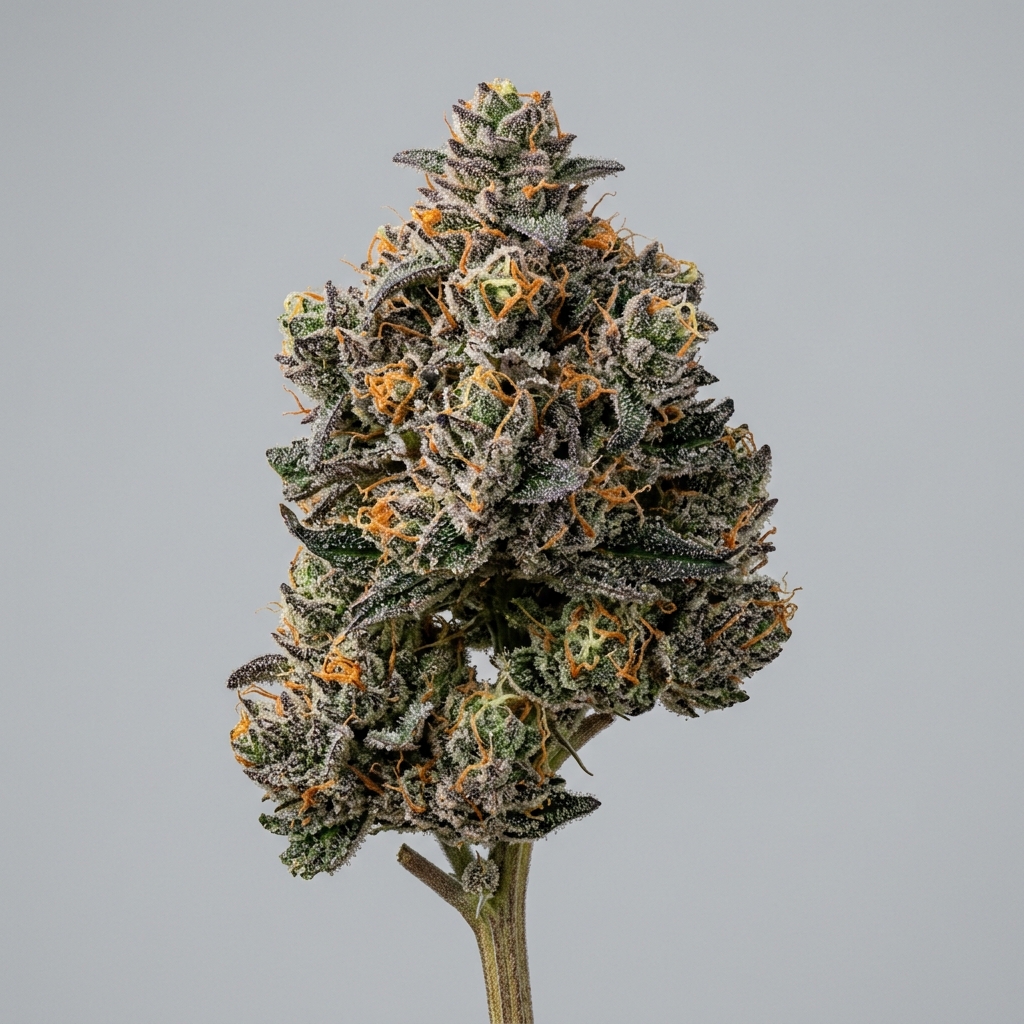
Candy Gas (Cannabis Strain)
Candy Gas is an elite indica-dominant hybrid, typically testing between 24% and 28% THC, bred by crossing the celebrated Gelato #41 with Candy Rain. This cultivar is highly regarded for its striking balance of sugary, fruit-forward candy notes and a sharp, heavy fuel finish. Cultivators prize the strain for its tight internodal spacing and greasy resin production, which coats the dense, purple-tinged bracts in a thick layer of glassy trichomes. Highly adaptable but demanding of late-flower humidity control, Candy Gas has quickly established itself as a staple for extraction-focused growers and connoisseurs alike.
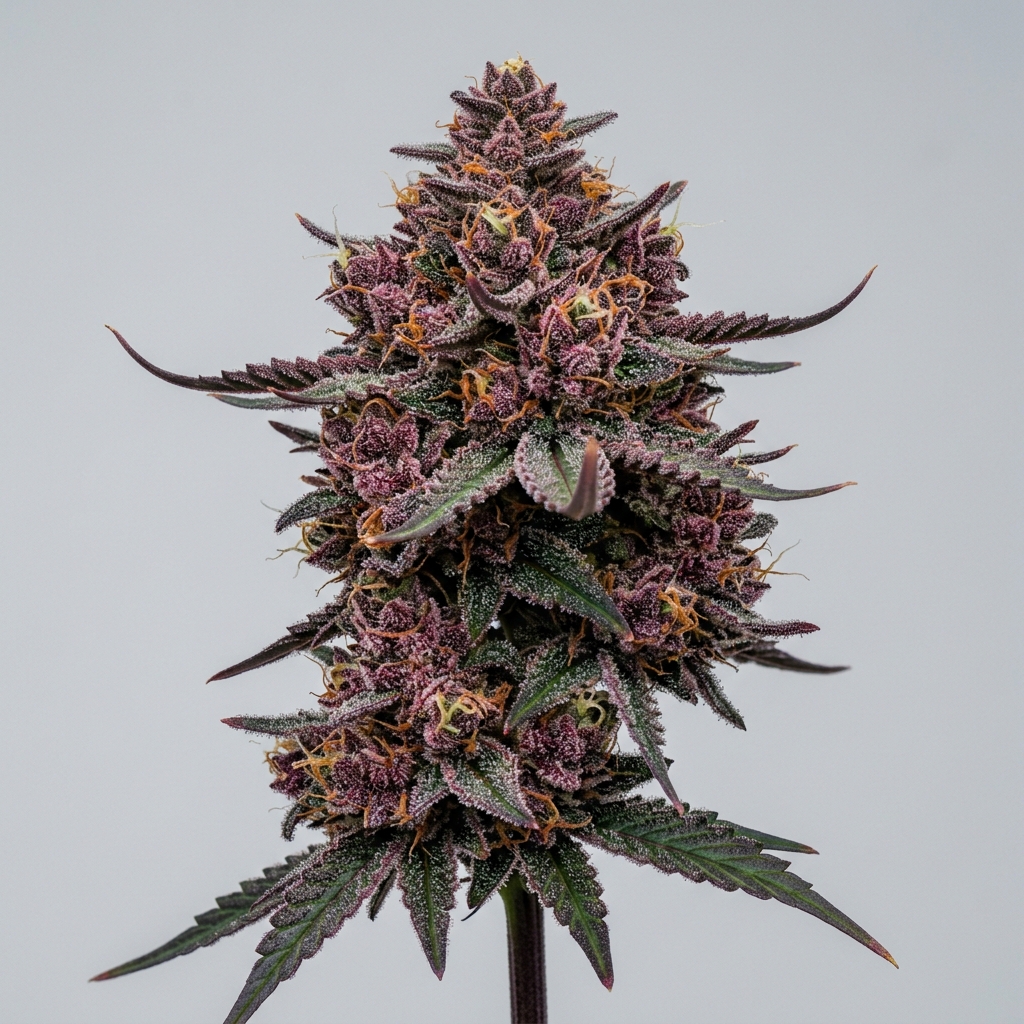
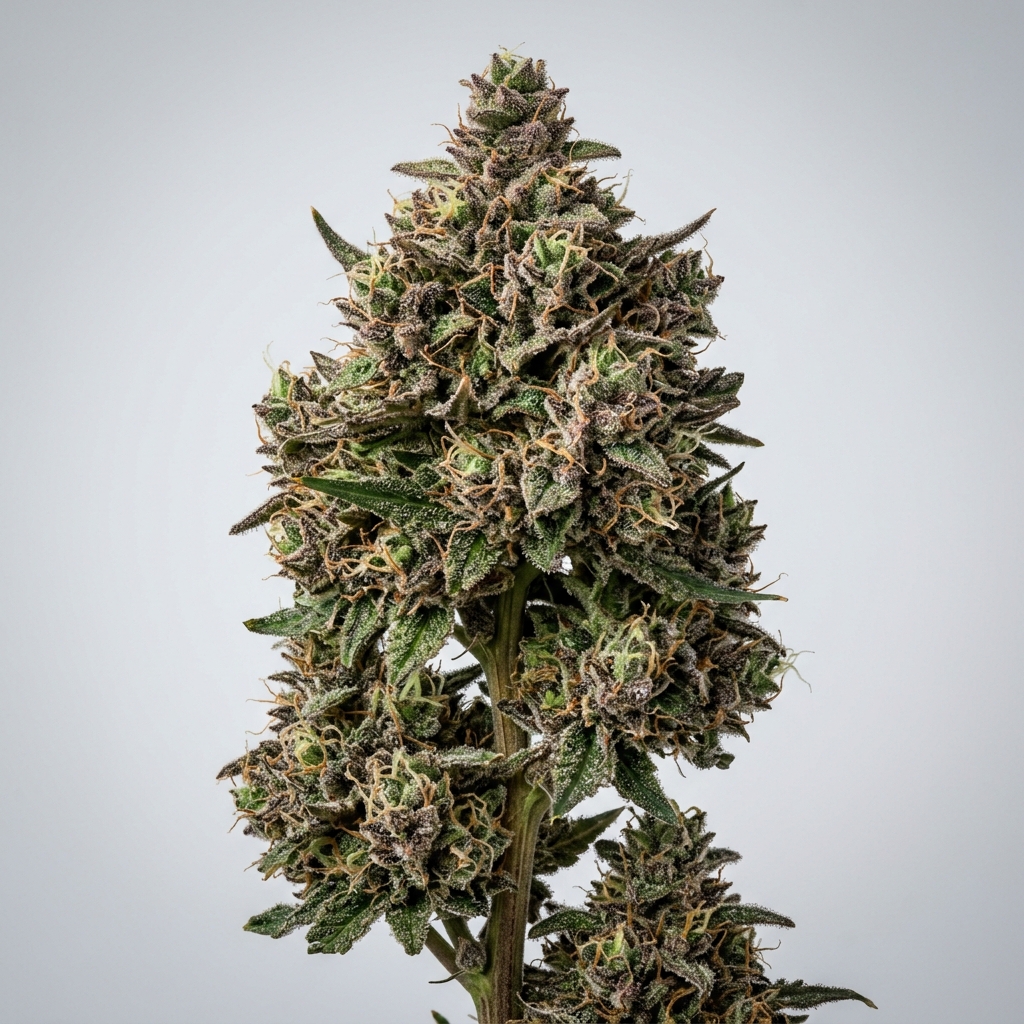
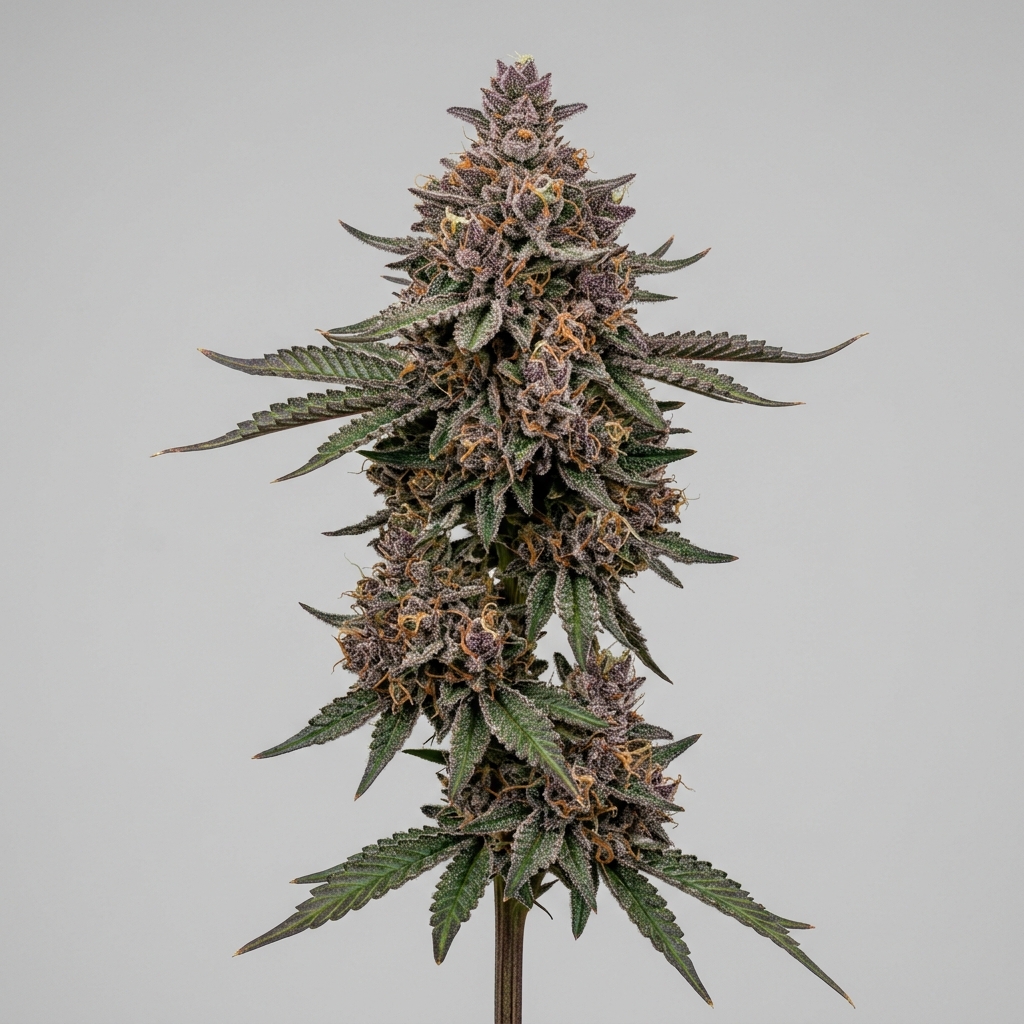
The plants display classic hybrid morphology, featuring broad fan leaves and sturdy lateral branches that support heavy, spear-shaped colas. As harvest approaches, the foliage often darkens to deep violet hues, contrasting sharply with the bright orange pistils. This visual appeal, combined with its robust terpene profile, makes it a standout in modern boutique gardens.
Quick Facts
| Field | Details |
|---|---|
| Genetics | Gelato #41 × Candy Rain |
| Variety | Indica-dominant Hybrid |
| THC Range | 24% – 28% |
| Flowering Time | 8 – 9 Weeks |
| Yield Potential | Moderate to High |
| Plant Height | Medium (Controlled Stretch) |
| Climate Preference | Temperate / Controlled Indoor |
| Difficulty | Moderate |
Scientific & Botanical Overview
Botanically, Candy Gas shows a compact to medium stature with robust structural integrity inherited from its Gelato lineage. The vegetative stage requires strategic pruning to improve airflow through its dense canopy of broad, dark green fan leaves. Tight internodes mean that early training is highly effective at establishing a uniform canopy of productive bud sites.
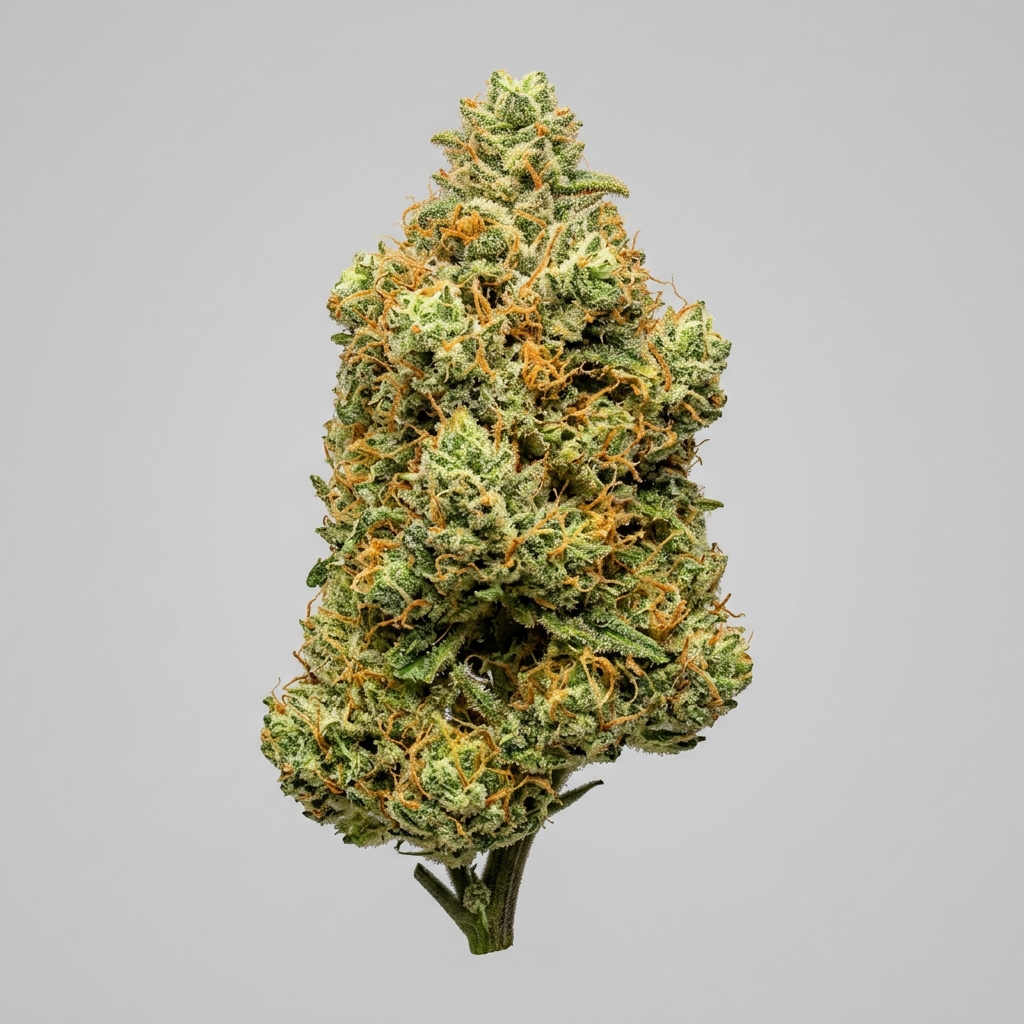
During the flowering cycle, the cultivar undergoes a moderate, manageable stretch, usually doubling in height. The floral development is characterized by swollen calyxes that stack tightly along the stems, forming dense, resin-rich spear colas. The heavy accumulation of glandular trichomes begins early in flower, producing a greasy, wet frost that covers both the buds and adjacent sugar leaves.
Anthocyanin accumulation is highly pronounced in this phenotype, especially when exposed to cooler night temperatures during the final weeks of bloom. This genetic trait shifts the light green bracts toward deep plum and near-black shades. Proper environmental management is essential during this phase, as the high density of the flowers makes them sensitive to excess moisture.
Effects & Use-Cases (Reported)
Commonly reported effects: Growers and consumers frequently report a swift, calming onset that settles heavily in the body while maintaining a clear, relaxed mental state. The initial experience often brings a subtle, uplifting sensory clarity before transitioning into a deep, physically soothing sensation.
Use-case context: This profile makes Candy Gas highly suited for late-afternoon or evening use, providing a relaxing buffer after a demanding day. Its balanced nature supports quiet creative pursuits, listening to music, or unwinding before sleep without immediate sedation.
Note: Individual experiences may vary depending on tolerance, dosage, and specific phenotype chemistry.
Aroma & Flavors
Aroma: The initial nose is dominated by a sweet, sugary berry profile, closely followed by an intense, pungent wave of chemical fuel and sour gas. Breaking the buds releases a deeper, earthy undertone with hints of creamy dough.
Flavor: On the palate, the sweet candy notes lead the profile, offering a smooth, dessert-like taste. This sweetness is quickly cut by a sharp, tongue-coating diesel finish and a subtle lingering mint edge.
Terpene associations: Laboratory analyses typically show a dominance of caryophyllene, limonene, and myrcene, which drive the spicy, citrus, and musky fuel elements of the strain.
Tested Cannabinoid & Terpene Ranges
| Compound | Typical Range |
|---|---|
| Δ9-THC | 24.0% – 28.0% |
| CBD | < 0.5% |
| CBG | 0.8% – 1.5% |
| beta-Caryophyllene | 0.6% – 1.2% |
| Limonene | 0.4% – 0.9% |
| Myrcene | 0.3% – 0.7% |
Note: These ranges represent typical laboratory findings across multiple cultivated phenotypes. Actual cannabinoid and terpene metrics depend heavily on specific environmental conditions, nutrient inputs, and curing practices.
Cultivation Notes
- Humidity Management: Maintain relative humidity (RH) below 45% during the final three weeks of flowering to protect the dense, compact colas from moisture retention.
- Nutrient Regimen: Candy Gas responds well to moderate nitrogen levels during vegetative growth, requiring a smooth transition to phosphorus- and potassium-rich feeds as soon as flowers begin to stack.
- Canopy Training: Utilizing low-stress training (LST) and a double-trellis scrog system helps distribute light evenly, maximizing the development of lower bud sites.
- Defoliation: Perform a thorough defoliation at day 21 of flower to open up the internal canopy, ensuring adequate airflow and light penetration.
- Harvest Window: Look for a high concentration of milky white trichomes with roughly 10% to 15% turning amber to capture the peak balance of candy sweetness and fuel potency.
Grower Notes (Week-by-Week Snapshot)
- Weeks 1–3 (Transition & Stretch): Plants show a steady, controlled stretch. Focus on tucking fan leaves and applying light training to establish an even canopy before the vertical growth slows.
- Weeks 4–6 (Flower Stacking & Resin): Bud sites begin to swell rapidly, and the first signs of wet, greasy resin appear on the sugar leaves. Keep daytime temperatures around 75°F (24°C) to support terpene preservation.
- Weeks 7–9 (Ripening & Color Shift): Lower night temperatures by 10°F to encourage the expression of deep purple and violet hues. Reduce watering slightly and lower humidity to its minimum levels to harden the buds.
- Post-Harvest (Slow Dry & Cure): Hang dry the entire plant at 60°F (15°C) and 60% humidity for 12 to 14 days. A slow, controlled cure is essential to preserve the volatile fuel and sweet candy terpene profile.
Genetic Lineage
Candy Gas is built on a foundation of highly celebrated modern genetics, blending the dessert-like qualities of Gelato #41 with the complex sweet-and-sour profile of Candy Rain. Gelato #41 contributes its signature creamy, gas-infused dough aroma and dense, purple-hued structure. This parentage ensures a reliable baseline of high resin production and robust physical traits.
The inclusion of Candy Rain (a cross of London Pound Cake and Gelato) amplifies the intense, sugary berry sweetness and introduces a sharper, more complex gas finish to the offspring. The resulting hybrid successfully merges these lineage traits, offering a stable phenotype that highlights the best of both parent cultivars.
Research Insights
Research into cultivars like Candy Gas focuses on the interaction between high concentrations of caryophyllene and limonene in the presence of elevated THC levels. This specific terpene ratio is often studied for its ability to modulate the physical effects of THC, potentially mitigating anxiety while enhancing physical relaxation. The presence of secondary compounds like CBG further contributes to the overall physiological profile.
From a breeding perspective, the strain represents a highly successful stabilization of modern dessert and fuel profiles. Researchers study these lineages to understand how specific terpene combinations persist through multiple generations of backcrossing, helping to predict flavor outcomes in future hybrid developments.
Frequently Asked Questions
Is Candy Gas an indica or sativa strain?
Candy Gas is an indica-dominant hybrid. It delivers a deeply relaxing physical effect alongside a clear, calming mental state, making it ideal for evening use.
What does Candy Gas smell and taste like?
The strain features a complex aroma of sweet, sugary berries blended with a heavy, pungent diesel fuel. The flavor mirrors this, offering a sweet candy inhale followed by a sharp, lingering gas finish on the exhale.
How long does Candy Gas take to flower?
Candy Gas typically has a flowering time of 8 to 9 weeks when grown indoors. Outdoor plants are generally ready for harvest by early to mid-October, depending on local climate conditions.
Is Candy Gas difficult to grow?
It is considered a moderate-difficulty strain to cultivate. While it has a sturdy structure, its dense, resinous colas require strict humidity control during the late flowering stage to prevent moisture-related issues like bud rot.
Educational Disclaimer
The information provided in this article is for educational and horticultural reference purposes only. Cannabinoid and terpene profiles can vary significantly based on environmental conditions, cultivation techniques, and specific plant phenotypes.
Rate and review this strain
Ratings and reviews are accepted only from signed-in Google accounts.
Sign in with Google to leave a rating and written review.
Latest Reviews
0 reviewsNo reviews yet. Be the first Google user to rate and review this strain.