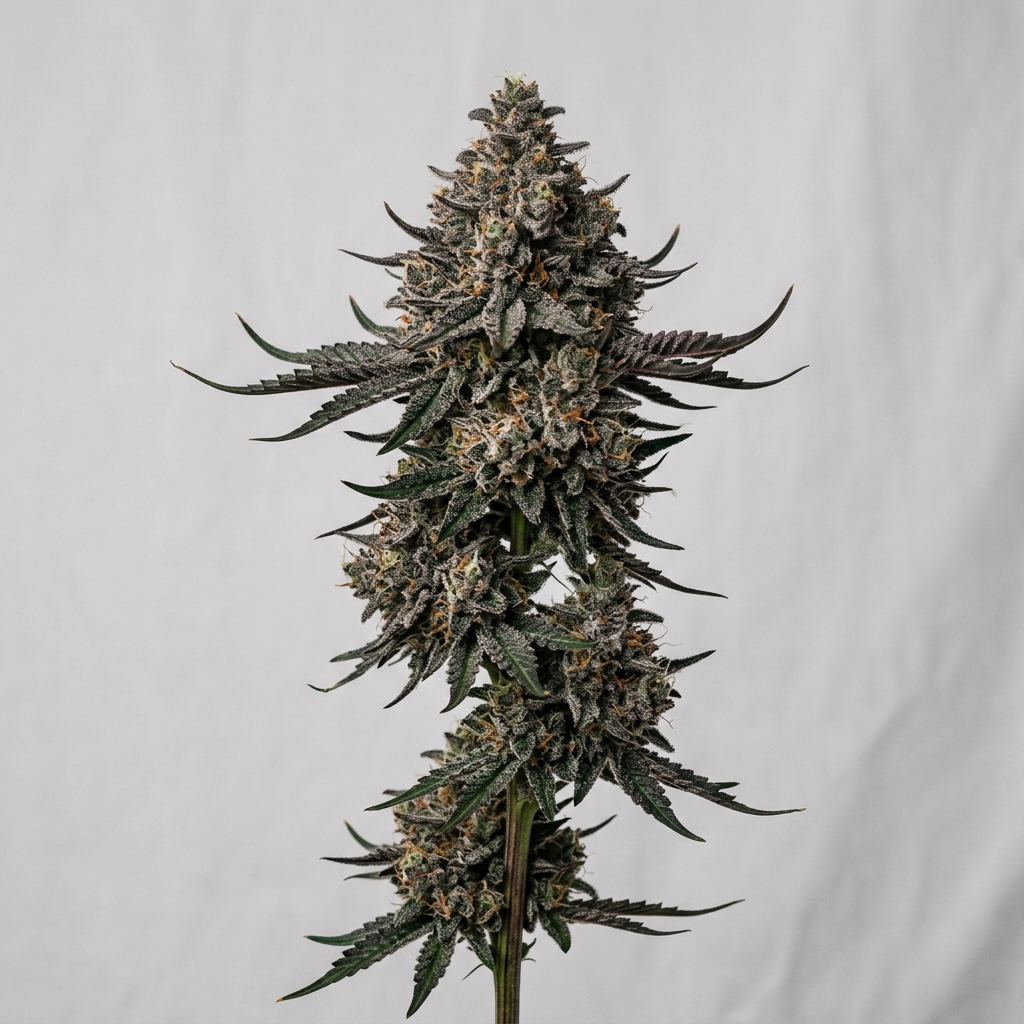
Black Ice (Cannabis Strain)
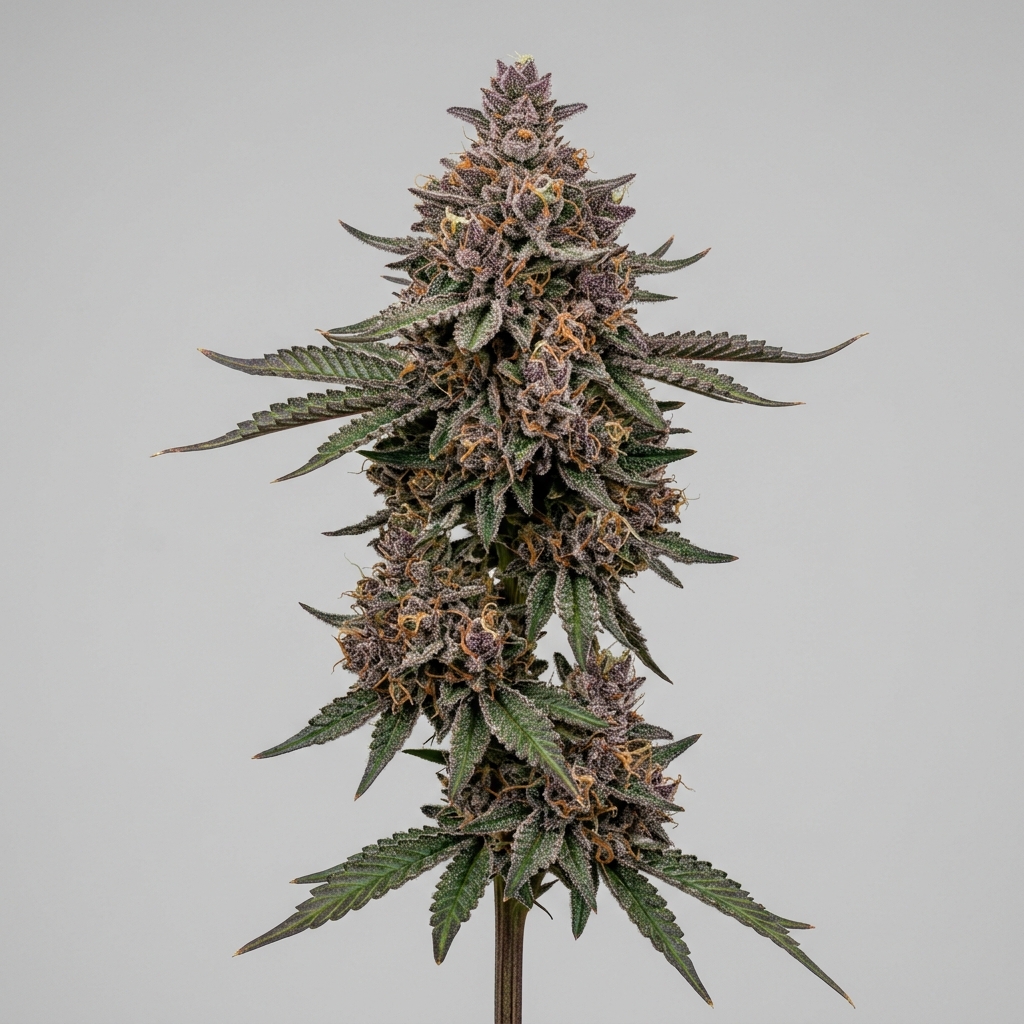
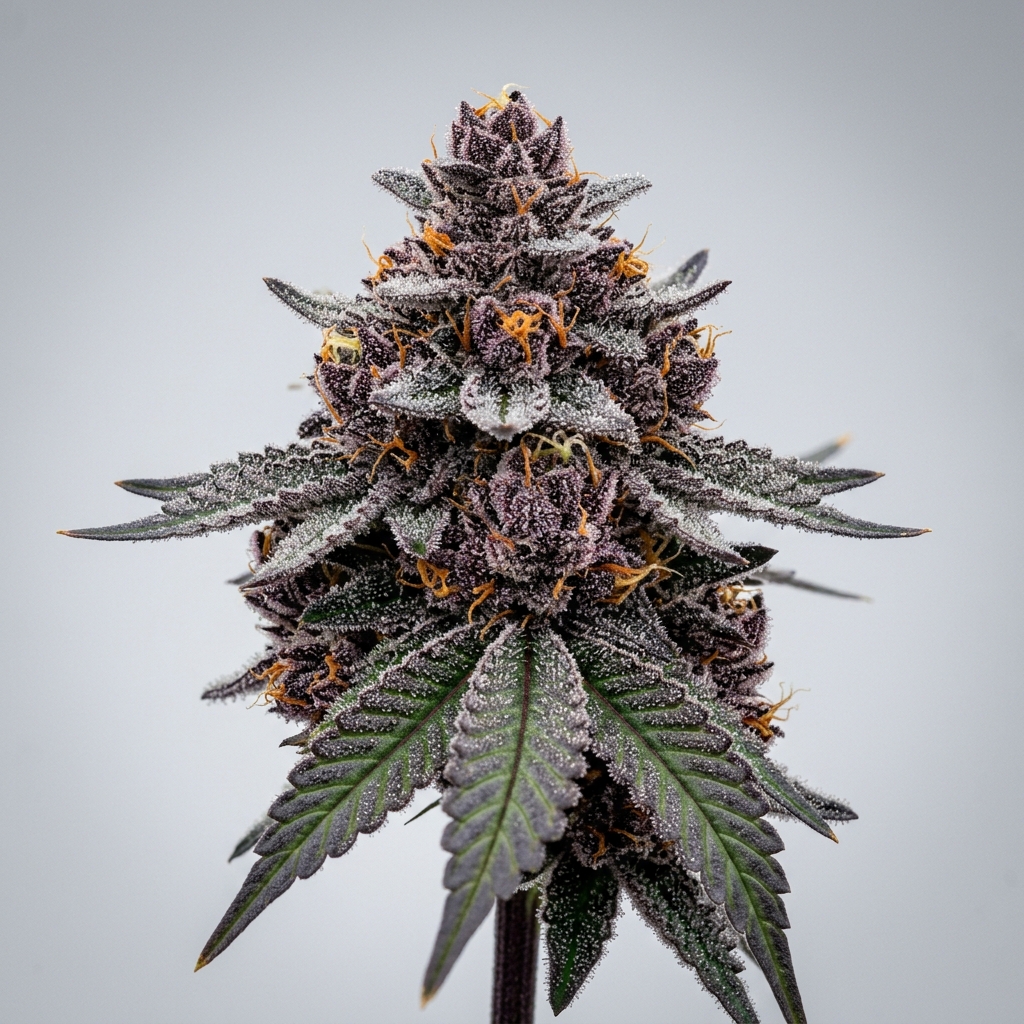
Black Ice is an indica-dominant cultivar testing between 18% and 24% THC, created by crossing the classic Black Domina with White Widow. Known for its heavy evening utility, this hybrid delivers a distinct dark berry edge layered over an earthy kush base. The plants develop dense bracts covered in a wet frost of glassy trichomes, exhibiting a controlled stretch that makes it highly manageable in indoor environments.
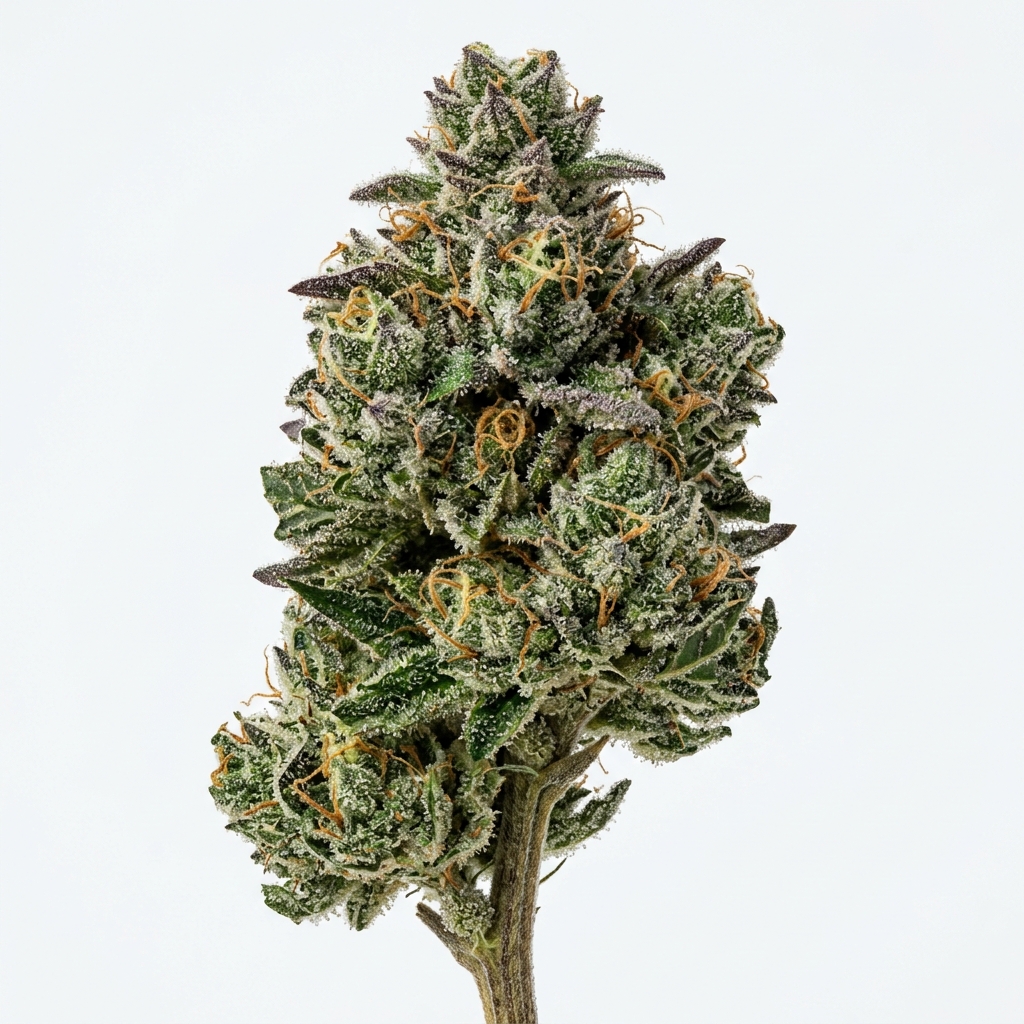
The cultivar is highly regarded for its striking visual presentation, often producing deep purple and near-black hues when exposed to cooler night temperatures during late flower. Its resin-rich flowers cure to a greasy texture, retaining a sharp terpene profile that appeals to extraction artists and traditional flower enthusiasts alike.
Quick Facts
| Metric | Details |
|---|---|
| Genetics | Black Domina × White Widow |
| Variety | Indica-dominant hybrid |
| THC Range | 18% – 24% |
| Flowering Time | 8 – 9 weeks |
| Yield Potential | Moderate to High |
| Plant Height | Medium (compact) |
| Climate Preference | Temperate, low humidity |
| Difficulty | Moderate |
Scientific & Botanical Overview
Botanically, Black Ice inherits a stout, bushy structure typical of its indica lineage. It displays broad fan leaves and tight internodal spacing, which requires proactive canopy management to maintain adequate airflow. The plant’s structural rigidity allows it to support heavy floral clusters without significant branch bending.
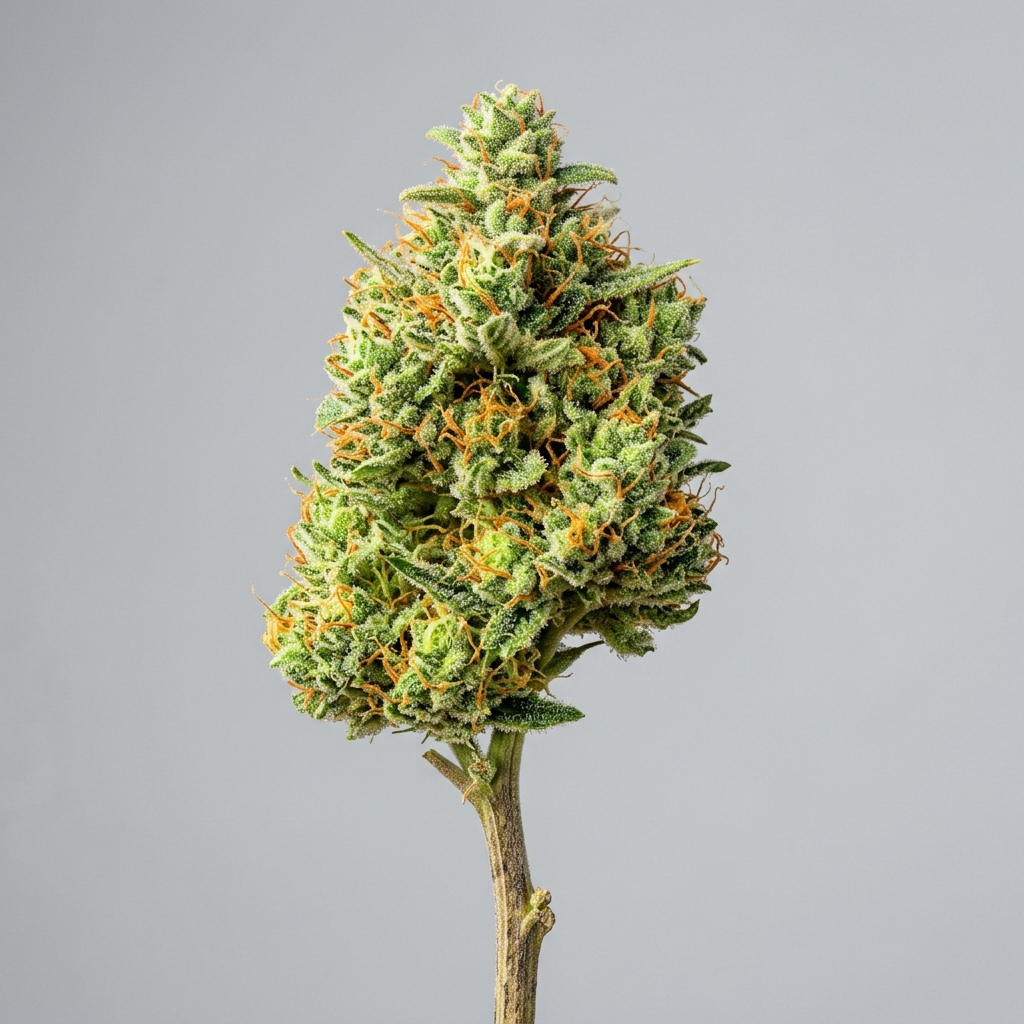
The plant produces tight, rounded spear colas with swollen calyxes that stack closely along the branches. Under optimal conditions, the resin gland development is dense, coating not just the flowers but also the surrounding sugar leaves in sticky, greasy resin. This high concentration of trichomes serves as a natural defense mechanism for the plant during its final ripening phase.
Phenotypes typically remain uniform, though some variations show a stronger stretch inherited from the White Widow parent. The dark pigmentation in the foliage is driven by anthocyanin accumulation, which intensifies during the final two weeks of the blooming cycle when daytime and nighttime temperatures diverge.
Effects & Use-Cases (Reported)
Commonly reported effects include a heavy physical sensation, profound muscle relaxation, and a slow, calming mental drift. Users frequently note that the onset begins with a gentle warming sensation in the limbs before settling into a deep, stationary state. It is highly valued for its ability to quiet mental chatter while delivering a physical release.
Use-case context: This cultivar is best suited for late-evening wind-downs, quiet nights at home, or as a prelude to sleep. Its physical heaviness makes it less ideal for daytime activities, social gatherings, or tasks requiring high physical mobility.
Note: Due to its potent physical pull, novice consumers should approach this cultivar with caution to avoid early-onset sedation or couchlock.
Aroma & Flavors
Aroma: The initial scent is dominated by a sweet blackberry and dark cherry sweetness, followed quickly by a damp earthiness and sharp pine. Breaking the buds releases a spicy, peppery undertone with a faint hint of fuel.
Flavor: On the palate, it delivers a rich, earthy kush base accented by a tart berry sweetness on the exhale. A subtle, woody spice lingers on the tongue long after the session.
Terpene associations: The aromatic profile is driven primarily by beta-myrcene, beta-caryophyllene, and alpha-pinene, which combine to create its signature sweet-yet-spicy character.
Tested Cannabinoid & Terpene Ranges
| Compound | Typical Range |
|---|---|
| Δ9-THC | 18% – 24% |
| CBD | < 1% |
| β-Myrcene | 0.5% – 0.9% |
| β-Caryophyllene | 0.3% – 0.6% |
| α-Pinene | 0.1% – 0.3% |
Note: Cannabinoid and terpene levels are highly variable and depend heavily on cultivation practices, curing methods, and environmental factors.
Cultivation Notes
- Humidity control: Keep relative humidity below 45% during late flower to protect the dense, compact colas from moisture retention.
- Nutrient intake: This cultivar responds well to a moderate-to-heavy feeding schedule, particularly during the mid-bloom swell.
- Canopy training: use low-stress training (LST) and early defoliation to improve light penetration through the thick fan leaves.
- Temperature drops: Introduce cooler night temperatures (around 62-65°F) in the final two weeks to encourage the expression of dark purple hues.
- Harvest window: Watch for trichomes to turn mostly milky with about 15-20% amber for the optimal balance of physical relaxation and flavor.
Grower Notes (Week-by-Week Snapshot)
- Weeks 1–3 (Vegetative & Transition): Plants exhibit a slow, sturdy vegetative growth with minimal stretch upon flipping to a 12/12 light cycle. Focus on establishing a clean, flat canopy and clearing out lower bud sites to maximize airflow.
- Weeks 4–6 (Mid-Flower Swell): Bracts begin to swell rapidly and a wet frost of trichomes starts to coat the developing spear colas. Maintain consistent potassium and phosphorus inputs to support the heavy floral development.
- Weeks 7–9 (Late-Flower & Ripening): The aroma intensifies, shifting from fresh pine to deep, fermented berry. Reduce humidity, taper off nutrients, and initiate a clean water flush while monitoring trichome maturity.
Genetic Lineage
The genetic foundation of Black Ice lies in the pairing of two legendary cultivars. Its first parent, Black Domina, is a four-way indica hybrid renowned for its fast flowering time, dark coloration, and deeply relaxing properties. This lineage lends Black Ice its structural density and earthy, spicy undertones.
The second parent, White Widow, contributes its legendary resin production, structural vigor, and a balanced, uplifting mental component. The resulting hybrid preserves the heavy physical nature of the Domina while inheriting the frosty, trichome-heavy appearance of the Widow, creating a reliable cultivar for both growers and extractors.
Research Insights
Analytical testing indicates that the synergy between high concentrations of beta-myrcene and moderate levels of beta-caryophyllene plays a significant role in the cultivar’s deeply calming physical profile. These compounds interact with the body’s receptors to promote physical ease without the sharp, anxious spikes sometimes associated with high-THC hybrids.
From a breeding perspective, the cultivar is highly valued for its stable resin production. The physical durability of its trichome heads makes it an excellent candidate for solventless extraction methods, yielding high-quality bubble hash and live rosin with rich terpene retention.
Frequently Asked Questions
Is Black Ice suitable for beginner growers?
Yes, its sturdy structure and moderate stretch make it relatively easy to manage, though close attention must be paid to humidity levels during late flower due to its dense bud structure.
How long does Black Ice take to flower?
It typically finishes its flowering cycle in 8 to 9 weeks when grown indoors. Outdoor harvests generally occur in early to mid-October.
Does Black Ice always turn purple?
While the genetic potential is high, the dark purple and near-black hues are phenotype-dependent and usually require a drop in nighttime temperatures during the final weeks of bloom.
What are the primary terpenes in Black Ice?
The dominant terpenes are myrcene, caryophyllene, and pinene, which give the strain its characteristic blend of dark berry sweetness and earthy, spicy pine.
Educational Disclaimer
This article is for educational purposes only. Cannabis laws and regulations vary by jurisdiction. Always consult with a professional regarding cultivation, consumption, and legal compliance in your area.
Rate and review this strain
Ratings and reviews are accepted only from signed-in Google accounts.
Sign in with Google to leave a rating and written review.
Latest Reviews
0 reviewsNo reviews yet. Be the first Google user to rate and review this strain.