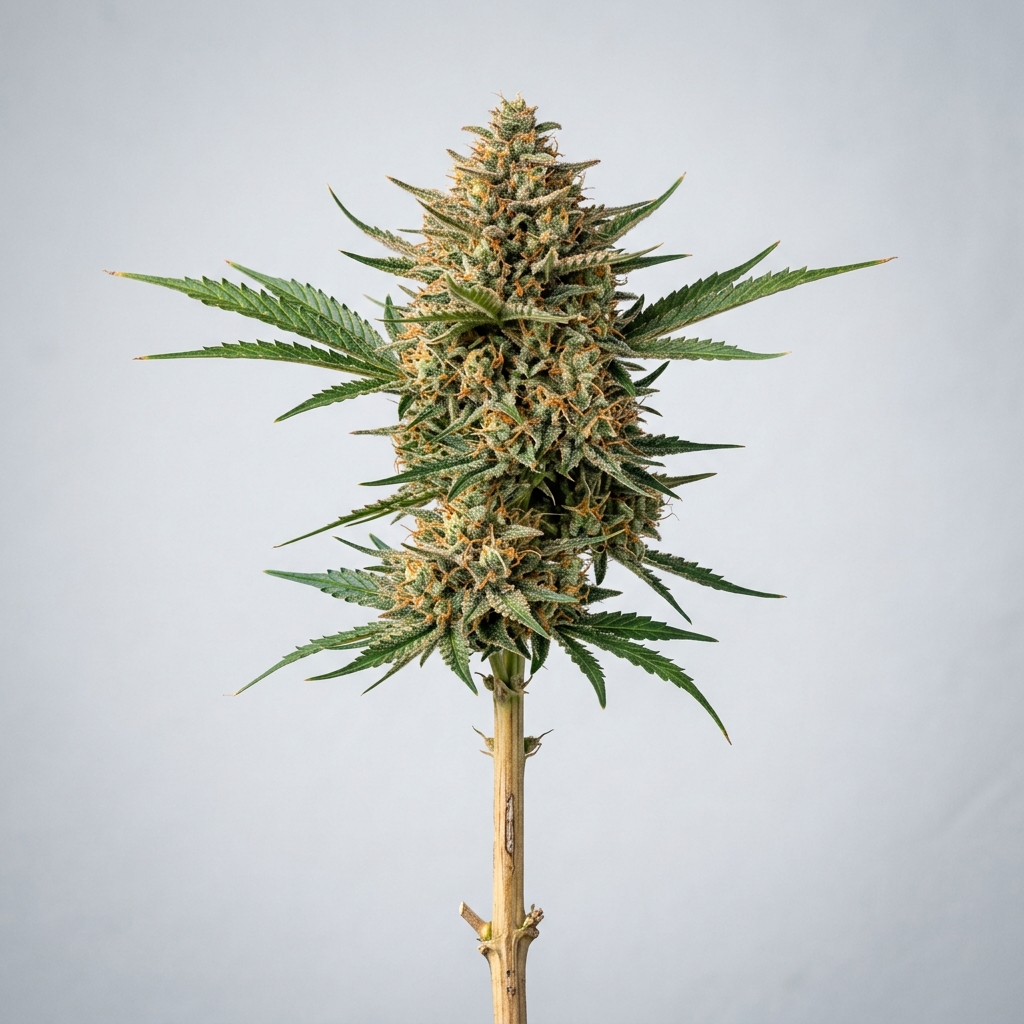
Apricot Jelly (Cannabis Strain)
Apricot Jelly is a flavor-forward sativa-dominant hybrid created by crossing Jelly Breath and Apricot. With a THC range of 20%–26%, this cultivar is highly regarded by enthusiasts for its uplifting cerebral effects and distinctively sugary, fruit-laden profile. It represents a modern approach to breeding, focusing on both terpene complexity and vigorous growth patterns.
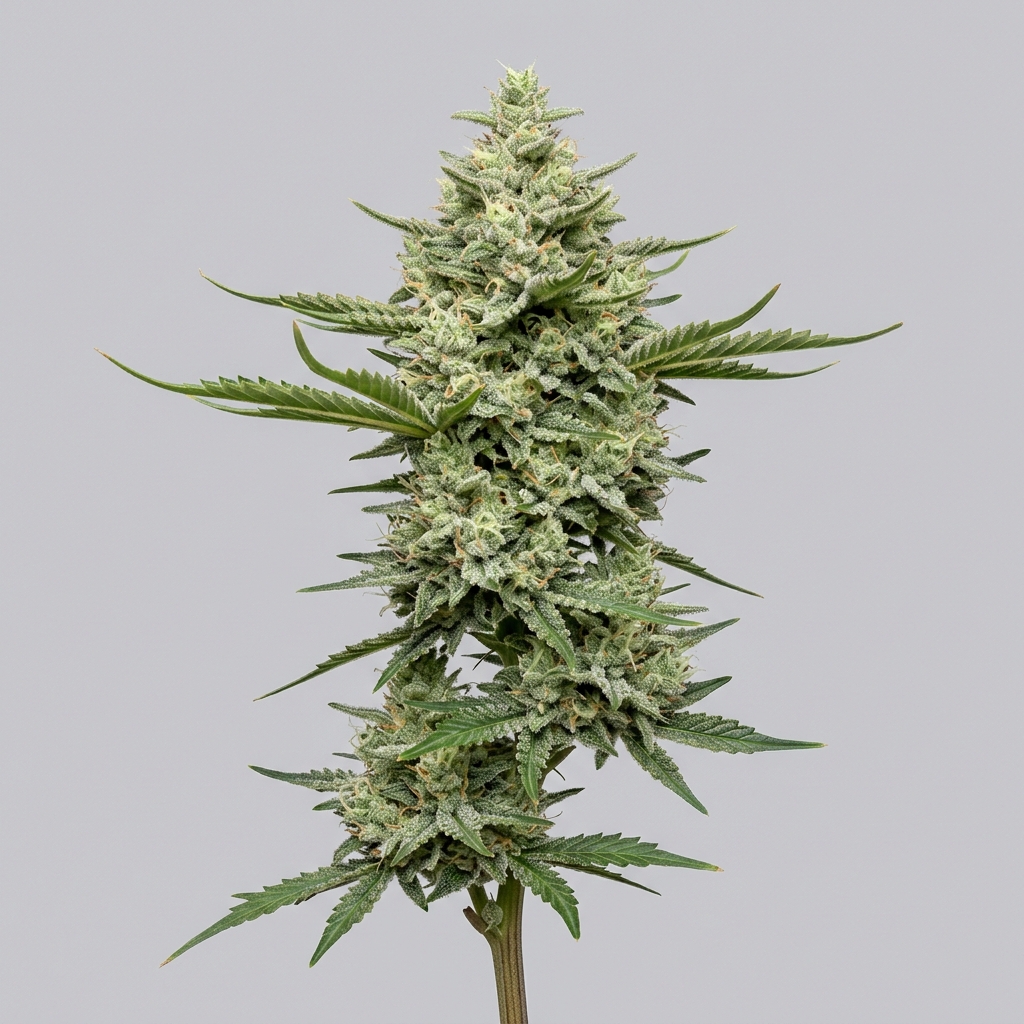
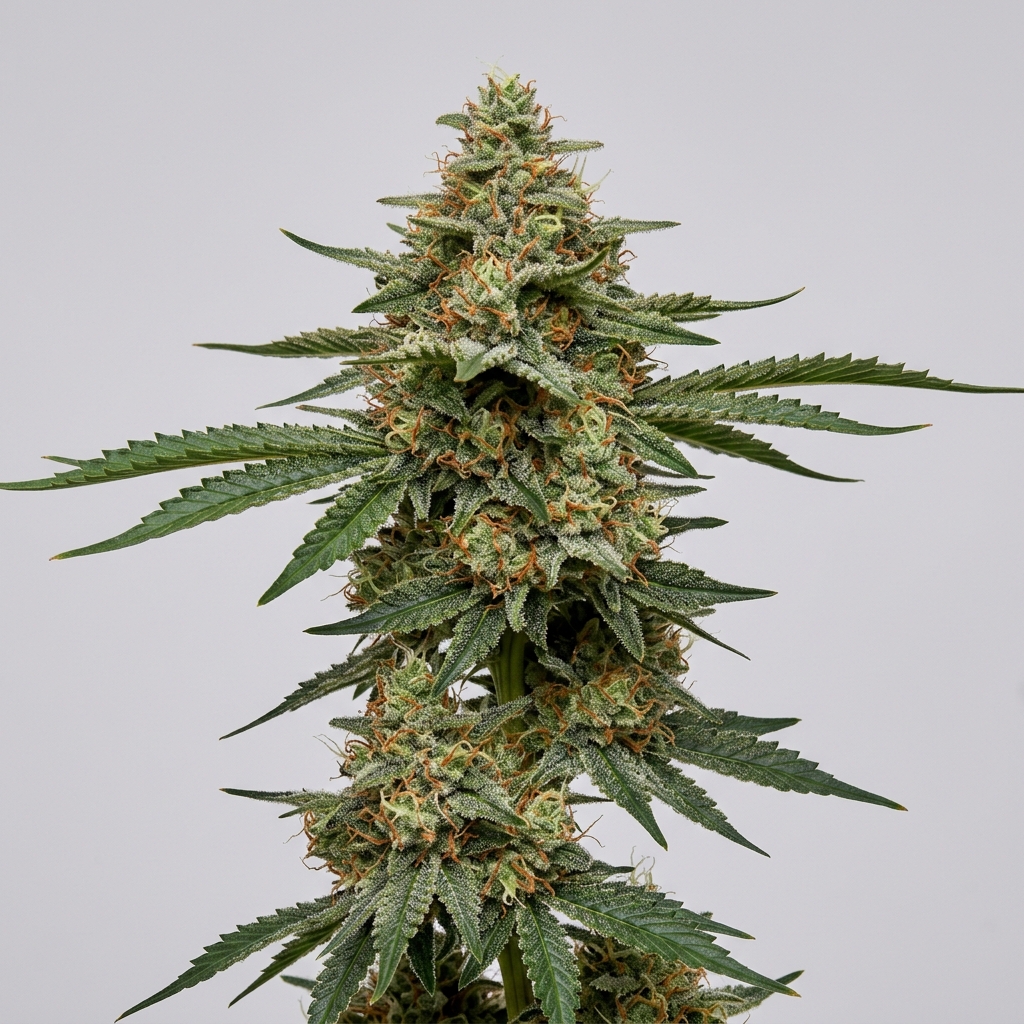
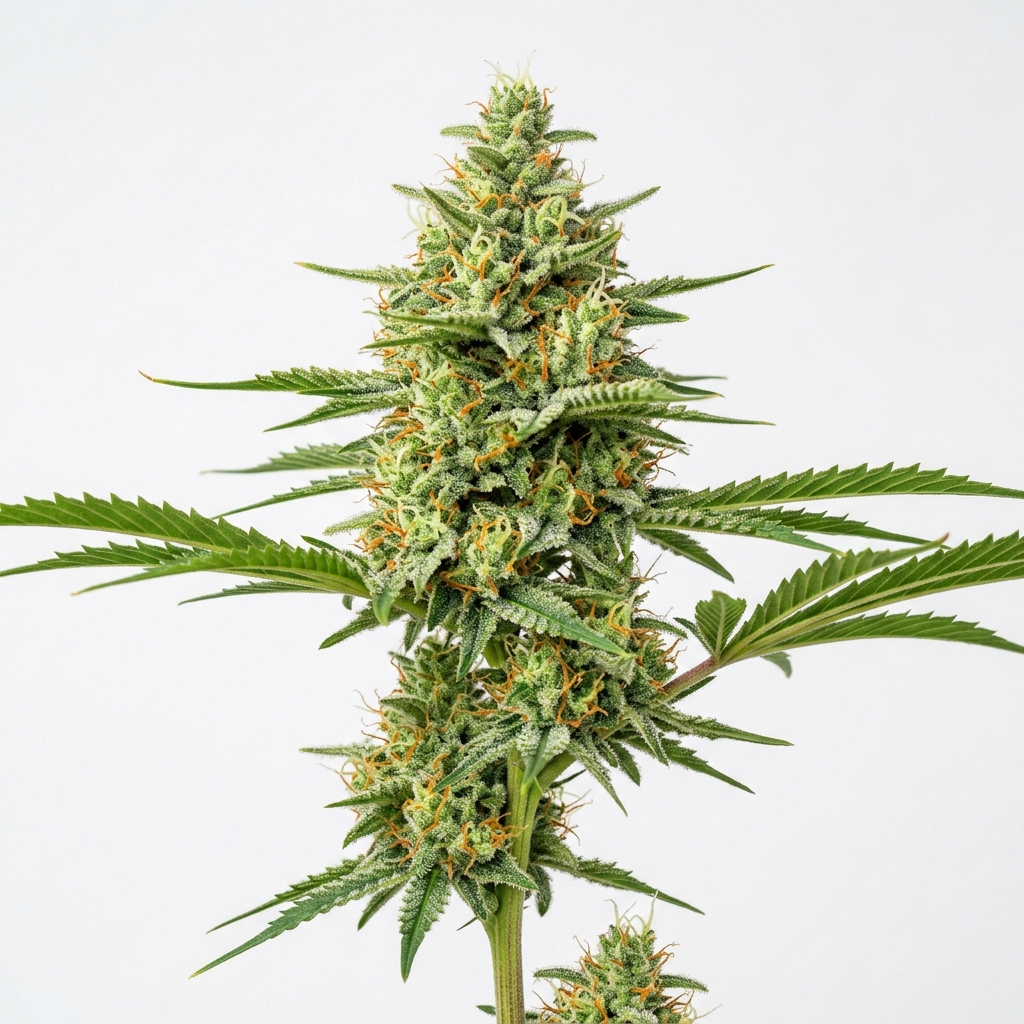
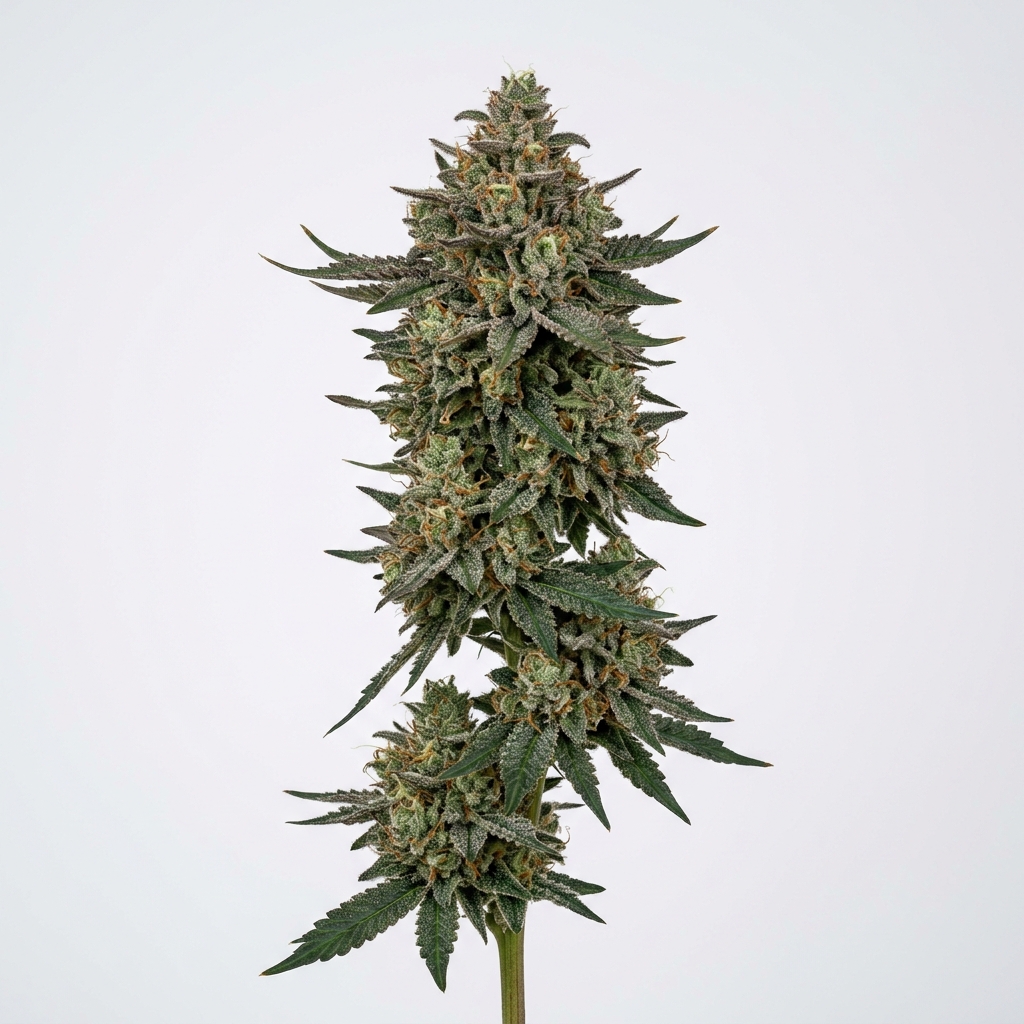
Analyzing the plant from a scientific and botanical reference, Apricot Jelly displays a sativa-typical structure with elongated, resin-dense buds that often take on hues of deep orange and light green. The plant’s morphology suggests a need for adequate airflow during the flowering phase to manage its prolific trichome production, ensuring the integrity of its volatile aromatic compounds.
Quick Facts
| Attribute | Details |
|---|---|
| Genetics | Jelly Breath x Apricot |
| Variety | Sativa-dominant hybrid (~70% sativa / 30% indica) |
| THC Range | 20%–26% |
| Flowering Time | 8–10 weeks |
| Yield Potential | Moderate to High |
| Plant Height | Tall |
| Difficulty | Intermediate |
Scientific & Botanical Overview
Botanically, Apricot Jelly exhibits robust vegetative growth, typical of its sativa heritage. Its leaves are often serrated and slender, allowing for optimal light penetration in well-managed canopy environments. The plant is known for its ability to produce significant resin glands, which protect the developing inflorescence and house the high concentration of terpenes that define its identity.
The development of secondary metabolites, specifically cannabinoids and terpenes, is heavily influenced by environmental factors such as light spectrum and nutrient availability during the late flowering stage. Growers monitoring the plant observe a distinct transition as the terpenes evolve from vegetal notes to a complex, fruit-forward aromatic profile.
Effects & Use-Cases (Reported)
Commonly reported effects of Apricot Jelly include an immediate sense of euphoria and heightened creativity, making it a popular choice for daytime activities. Users often describe a clear-headed, energetic buzz that allows for focus without the heavy sedative weight associated with indica-dominant cultivars.
This use-case context lends itself well to social gatherings, creative projects, or outdoor excursions. Anecdotally, some users find the strain beneficial for managing lethargy, though individual responses to high-THC cultivars can vary significantly.
Aroma & Flavors
Aroma: Intense notes of fresh apricots, sweet berry jam, and a subtle earthy undertone.
Flavor: A sugary, fruit-dominant palate with a sharp citrus finish that lingers on the tongue.
Terpene associations: Likely high in Myrcene, Limonene, and Caryophyllene.
Tested Cannabinoid & Terpene Ranges
| Compound | Typical Range* | Notes |
|---|---|---|
| Δ9-THC | 20%–26% | Primary cannabinoid. |
| Limonene | 0.5%–1.2% | Provides citrus notes. |
| Myrcene | 0.3%–0.8% | Earthy, sweet base. |
*Ranges may vary by phenotype, cultivation environment, harvest timing, and analytical method.
Cultivation Notes
- Training: Responds well to LST (Low Stress Training) and topping to manage its height.
- Nutrients: Requires consistent nitrogen in veg, transitioning to phosphorus and potassium for bloom.
- Harvest Timing: Monitor trichome color; wait for a mix of milky white and amber for full terpene expression.
- Environment: Thrives in stable, moderate-humidity settings to prevent mold in dense colas.
Grower Notes (Week-by-Week Snapshot)
- Weeks 1–3: Rapid vegetative growth; ensure ample vertical space.
- Weeks 4–6: Flowering initiation; focus on structural support for developing buds.
- Weeks 7–9: Peak resin production; flush plants during the final 10-14 days.
- Post-Harvest: Slow drying and careful curing are essential to preserve the delicate apricot aromatics.
Genetic Lineage
Apricot Jelly is a deliberate cross between Jelly Breath (a potent descendant of Mendo Breath and Do-Si-Dos) and Apricot (often associated with lines derived from landrace sativas or specific fruit-forward breeding projects). This combination bridges the intense potency of modern breath strains with the sugary, energetic qualities of fruit-centric genetics.
Research Insights
Research into the synergistic effects of cannabinoids and terpenes, often called the entourage effect, suggests that specific combinations like those found in Apricot Jelly may influence user experience beyond THC percentage alone. Limonene, in particular, is frequently studied for its potential mood-elevating properties in various botanical applications.
Frequently Asked Questions
Is Apricot Jelly a good strain for beginners?
Due to its tall stature and need for training to manage growth, it is generally considered an intermediate strain for growers, though its effects are appreciated by many experience levels.
Does Apricot Jelly have a strong scent?
Yes, this cultivar is known for a pungent, sweet-fruit aroma that intensifies significantly during the flowering stage and requires effective odor control.
What are the primary flavor notes in Apricot Jelly?
The flavor profile is dominated by sweet, jam-like apricot notes complemented by sharp citrus and subtle earthy undertones.
Educational Disclaimer
This page is provided for scientific and horticultural reference only. Cannabis laws vary by jurisdiction; always ensure compliance with local regulations.
Rate and review this strain
Ratings and reviews are accepted only from signed-in Google accounts.
Sign in with Google to leave a rating and written review.
Latest Reviews
0 reviewsNo reviews yet. Be the first Google user to rate and review this strain.