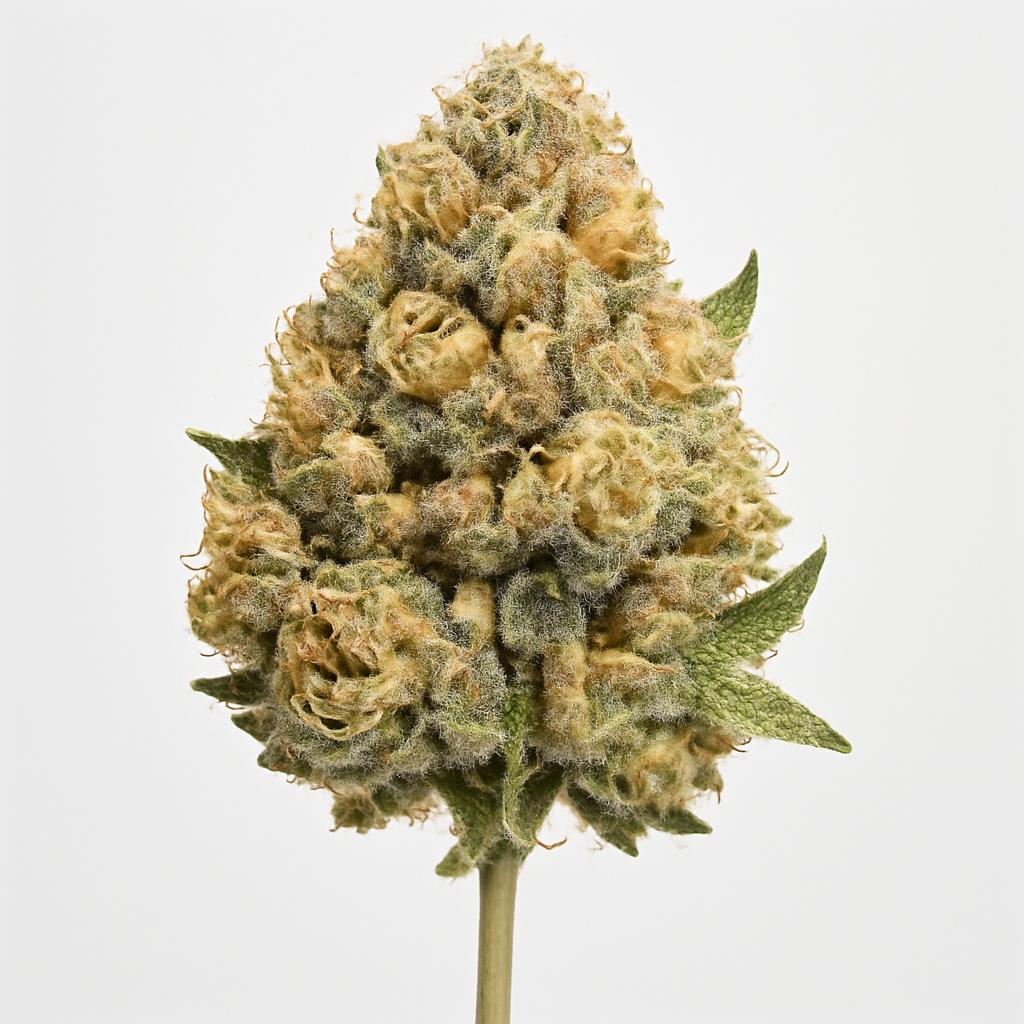
Banana Cream Cake (Cannabis Strain)
Banana Cream Cake is an indica-dominant hybrid testing between 20% and 26% THC, bred by crossing Wedding Cake and Banana Cream. This cultivar is celebrated for its dense, doughy structure, heavy resin coverage, and a distinct ripe banana pastry aroma profile. In the garden, it behaves as a sturdy, medium-height plant with tight internodal spacing and thick, frosty colas that make it highly favored for boutique flower production.
Primarily selected for its dessert-forward profile, the strain combines a heavy layer of sticky trichomes with a deeply relaxing physical character. It has earned a solid place in modern dispensaries as a premium option for consumers seeking rich, cake-like flavors alongside a smooth, slow-building physical release.
Quick Facts
| Key Metric | Details |
|---|---|
| Genetics | Wedding Cake x Banana Cream |
| Original Breeder | Seed Junky Genetics |
| Variety | Indica-dominant Hybrid |
| THC Range | ~20–26% |
| Flowering Time | 8–9 weeks |
| Yield Potential | Moderate to High |
| Plant Height | Medium |
| Climate Preference | Warm, dry, low humidity |
| Difficulty | Moderate |
Scientific & Botanical Overview
Botanically, Banana Cream Cake displays a classic indica-dominant morphology, characterized by broad fan leaves, thick stems, and a compact lateral framework. The plant shows a controlled stretch during the transition to flower, making it highly manageable in indoor setups with limited vertical space.
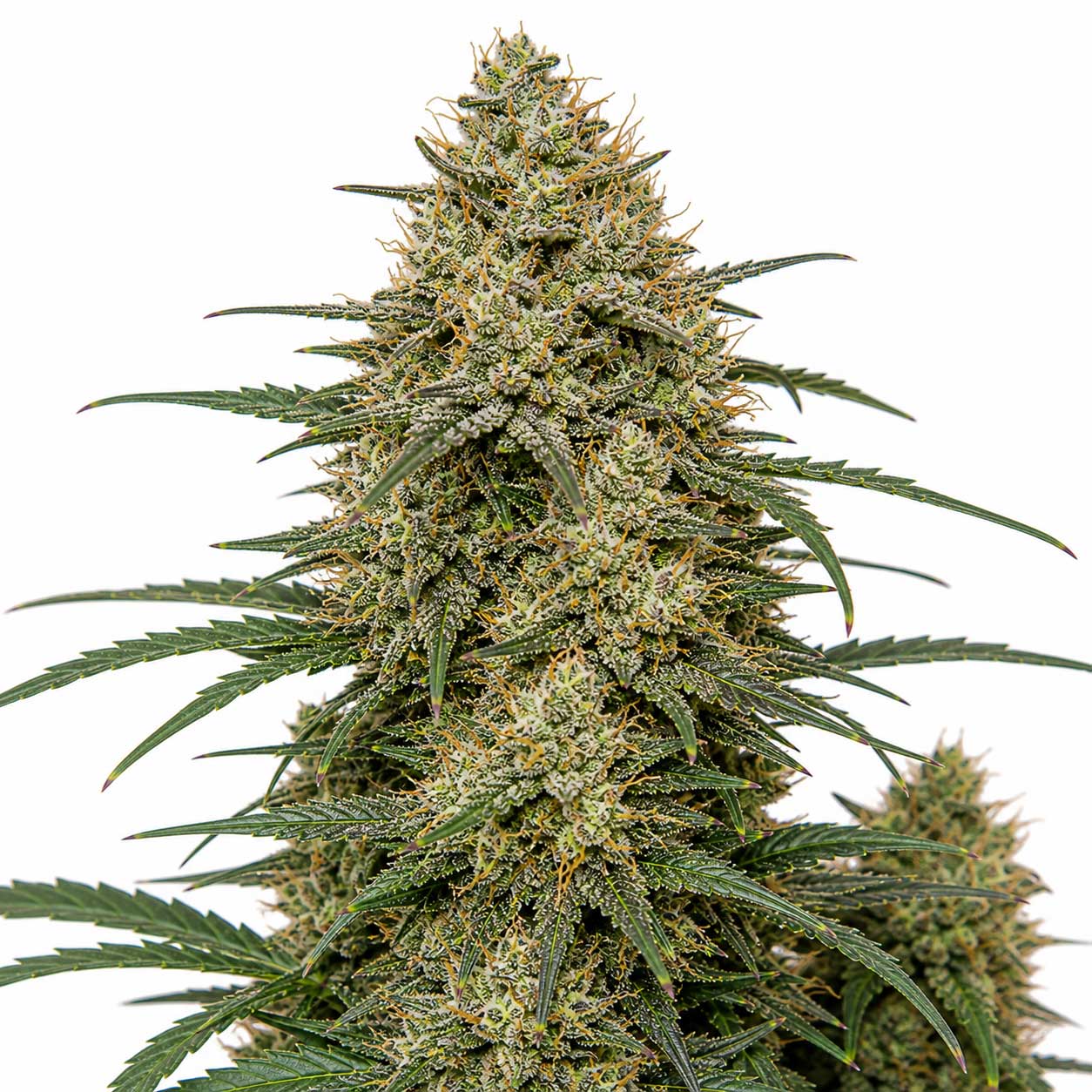
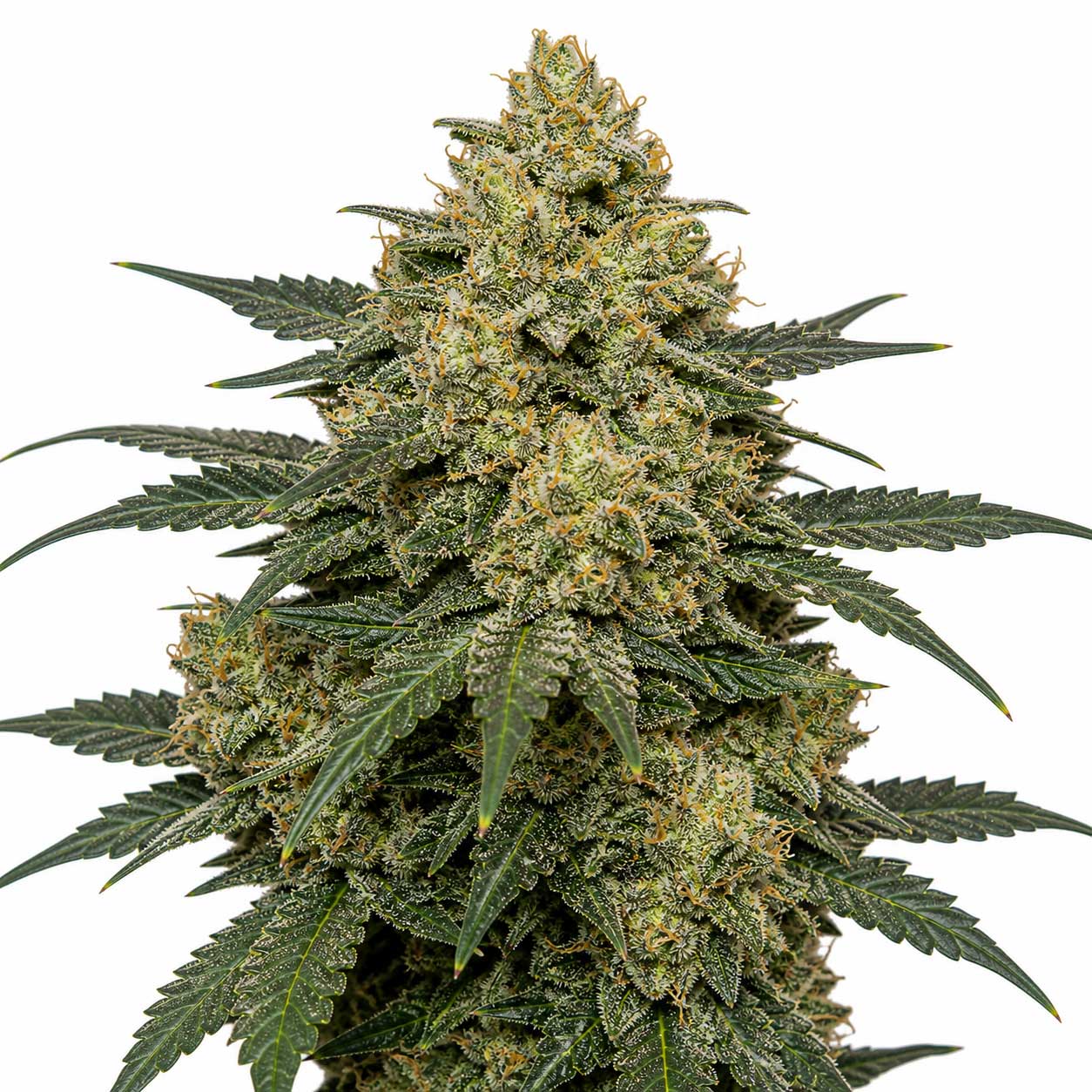
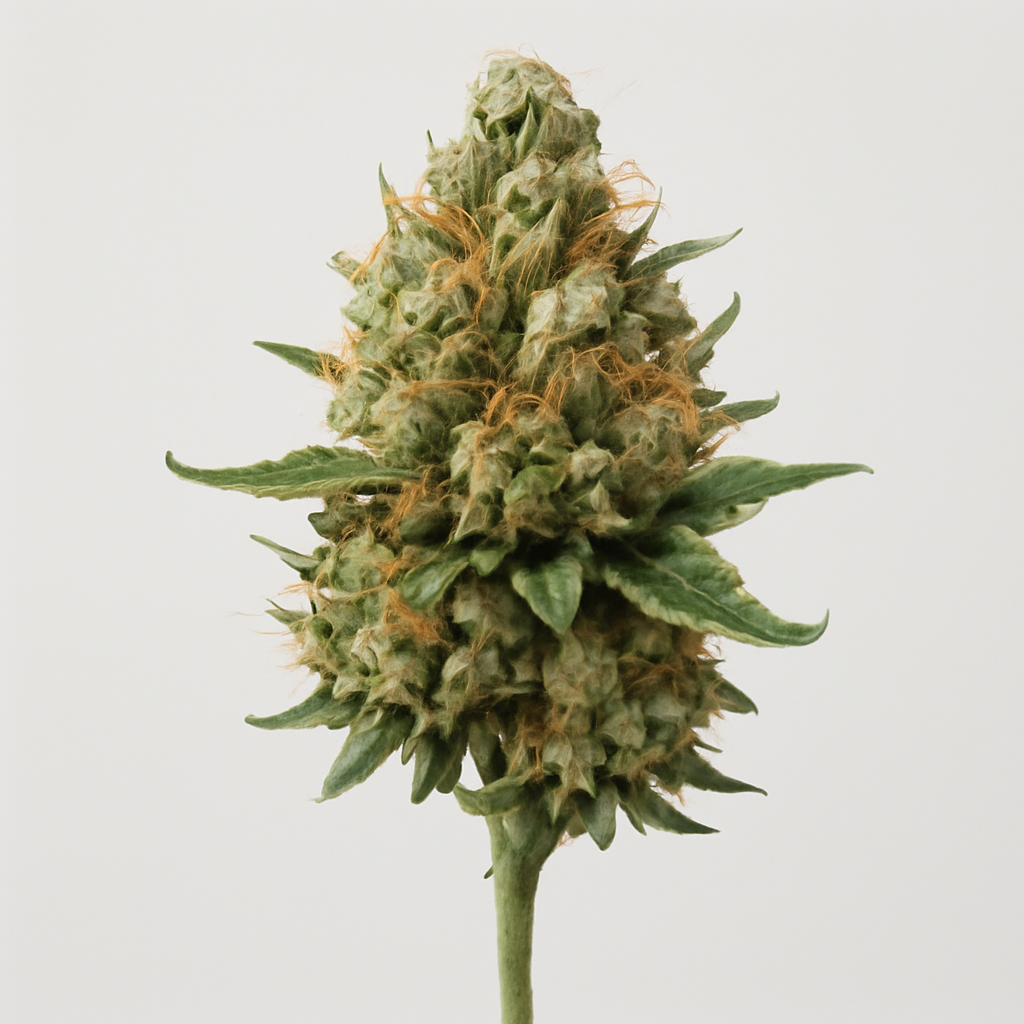
The floral structure consists of tightly stacked bracts that form dense, rounded colas rather than elongated spears. Its high glandular trichome density produces a greasy, resinous coating that covers both the calyxes and surrounding sugar leaves, rendering it highly suitable for solventless extraction.
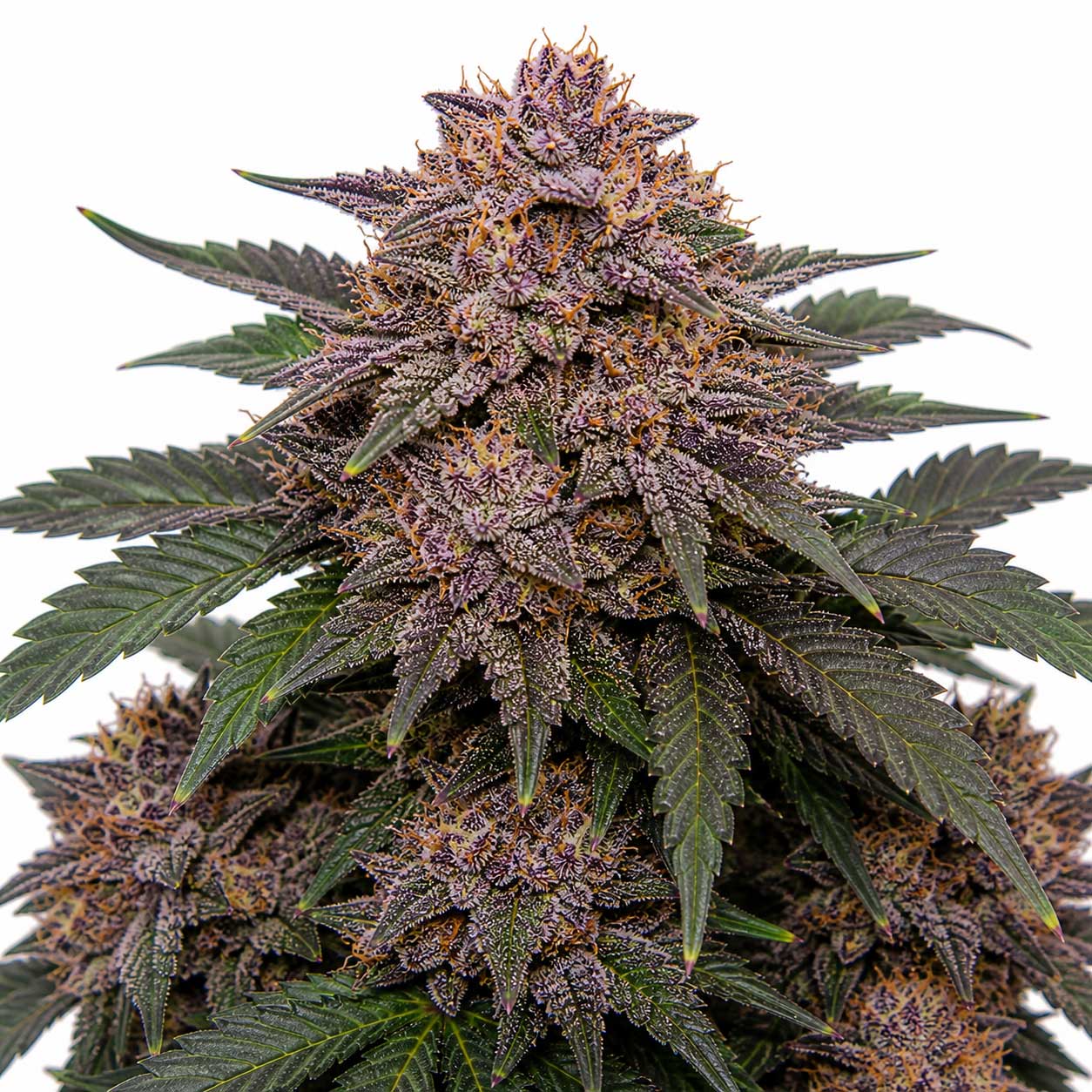
Phenotype selection often reveals variations in color, with some cuts displaying subtle purple undertones when exposed to cooler nighttime temperatures late in the flowering cycle. However, the dominant traits remain a lime-green base, bright orange pistils, and a heavy, uniform layer of wet frost.
Effects & Use-Cases (Reported)
Commonly reported effects: Users often describe a soft, mood-lifting onset that gently clears mental clutter before transitioning into a warm, physically relaxing sensation. The experience is typically smooth and progressive, avoiding the racy edge associated with some sativa-leaning dessert hybrids.
Use-case context: This cultivar is frequently selected for late-afternoon or evening sessions, quiet social gatherings, or as a wind-down option after a demanding schedule. Its physical character tends to settle into a deep, comforting stillness, making it ideal for relaxing without immediate heavy sedation.
Note: These observations are based on subjective consumer reports and do not constitute medical advice or scientific claims. Individual experiences may vary depending on dosage, tolerance, and specific phenotype chemistry.
Aroma & Flavors
Aroma: Ripe banana, sweet vanilla frosting, doughy pastry, and a subtle earthy undertone that emerges when the buds are broken apart.
Flavor: Sweet banana cake, creamy vanilla, and a nutty, herbal doughiness on the exhale.
Terpene associations: Typically dominated by myrcene, caryophyllene, and limonene, which drive the warm, pastry-like aroma and soft herbal finish.
Tested Cannabinoid & Terpene Ranges
| Compound | Typical Range | Profile Contribution |
|---|---|---|
| Δ9-THC | 20% – 26% | Delivers the primary physical relaxation and mental softening. |
| CBD | < 1% | Minimal presence, typical of modern dessert-style hybrids. |
| Myrcene | 0.4% – 0.8% | Provides the underlying earthy sweetness and physical warmth. |
| Caryophyllene | 0.3% – 0.6% | Adds a subtle herbal spice and doughy depth to the flavor. |
| Limonene | 0.2% – 0.5% | Contributes the bright, sweet top notes that elevate the aroma. |
Note: Cannabinoid and terpene levels are highly variable and depend on the specific phenotype, cultivation environment, and curing process.
Cultivation Notes
- Humidity Control: Maintain relative humidity below 45% during the final three weeks of flower to prevent moisture retention in the dense, compact colas.
- Nutrient Regimen: Responds well to a moderate feeding schedule, requiring a slight increase in phosphorus and potassium during mid-flowering to support resin production.
- Canopy Management: Implement light defoliation and selective pruning of lower bud sites (lollipoping) to improve airflow and direct energy to the upper canopy.
- Training Techniques: Utilize low-stress training (LST) or a ScROG net to spread the lateral branches and maximize light penetration across the even canopy.
- Harvest Window: Harvest when trichomes are mostly milky white with about 10–15% amber to capture the peak balance of sweet flavor and relaxing effects.
Grower Notes (Week-by-Week Snapshot)
- Weeks 1–3 (Transition & Stretch): The plants show a moderate stretch, usually doubling in height. Establish the trellis net early and tuck branches to encourage lateral growth.
- Weeks 4–6 (Flower Development & Resin): Bud sites stack rapidly, forming dense clusters. A greasy layer of trichomes begins to coat the calyxes, and the sweet, doughy banana aroma starts to emerge.
- Weeks 7–9 (Ripening & Flush): Colas swell and harden. Reduce temperatures slightly to encourage potential purple hues, and flush the medium with plain water during the final 10–14 days for a clean burn.
- Post-Harvest (Dry & Cure): Hang dry the whole plant at 60°F (15°C) and 60% relative humidity for 10–14 days, followed by a minimum of a two-week cure in airtight vessels to lock in the delicate banana pastry terpenes.
Genetic Lineage
Banana Cream Cake inherits its structural density and heavy trichome coverage from Wedding Cake, a modern classic known for its sweet, doughy profile and exceptional bag appeal. The Wedding Cake influence is clear in the tightly packed calyxes and the thick, sugary layer of frost that blankets the mature buds.
The fruit-forward complexity comes directly from Banana Cream, which contributes the signature ripe banana aroma and a smoother, creamier flavor profile. This combination tempers the sharp, gassy notes of the Cake lineage, resulting in a balanced, dessert-style hybrid with a highly refined terpene identity.
Research Insights
Analytical testing indicates that the interaction between myrcene and caryophyllene in Banana Cream Cake plays a central role in its deeply relaxing physical profile. The presence of limonene adds a subtle brightness to the initial onset, tempering the physical weight with a calm, clear-headed mental state.
From a breeding standpoint, the cultivar highlights how modern hybridization can lock in specific dessert-like volatile compounds without sacrificing commercial viability. The stability of its dense floral structure and reliable resin production makes it a valuable parent strain for developing next-generation fruit and pastry cultivars.
Frequently Asked Questions
Is Banana Cream Cake an indica or sativa?
Banana Cream Cake is an indica-dominant hybrid. It typically exhibits the compact growth structure, dense buds, and physically relaxing effects associated with indica cultivars.
What does Banana Cream Cake smell like?
The strain has a sweet, dessert-forward aroma dominated by ripe banana, vanilla frosting, and warm, doughy pastry, with subtle earthy undertones.
How long does Banana Cream Cake take to flower?
When grown indoors, Banana Cream Cake typically finishes flowering in 8 to 9 weeks, producing dense, resin-rich colas.
Who bred the original Banana Cream Cake strain?
This cultivar is widely credited to Seed Junky Genetics, a breeding group renowned for producing elite, dessert-forward hybrid lines.
Educational Disclaimer
This content is for educational and informational purposes only. It is not intended to provide medical advice, diagnosis, or treatment. Please consult with a qualified healthcare professional before using cannabis products, and always comply with local laws and regulations regarding cultivation and consumption.
Rate and review this strain
Ratings and reviews are accepted only from signed-in Google accounts.
Sign in with Google to leave a rating and written review.
Latest Reviews
0 reviewsNo reviews yet. Be the first Google user to rate and review this strain.