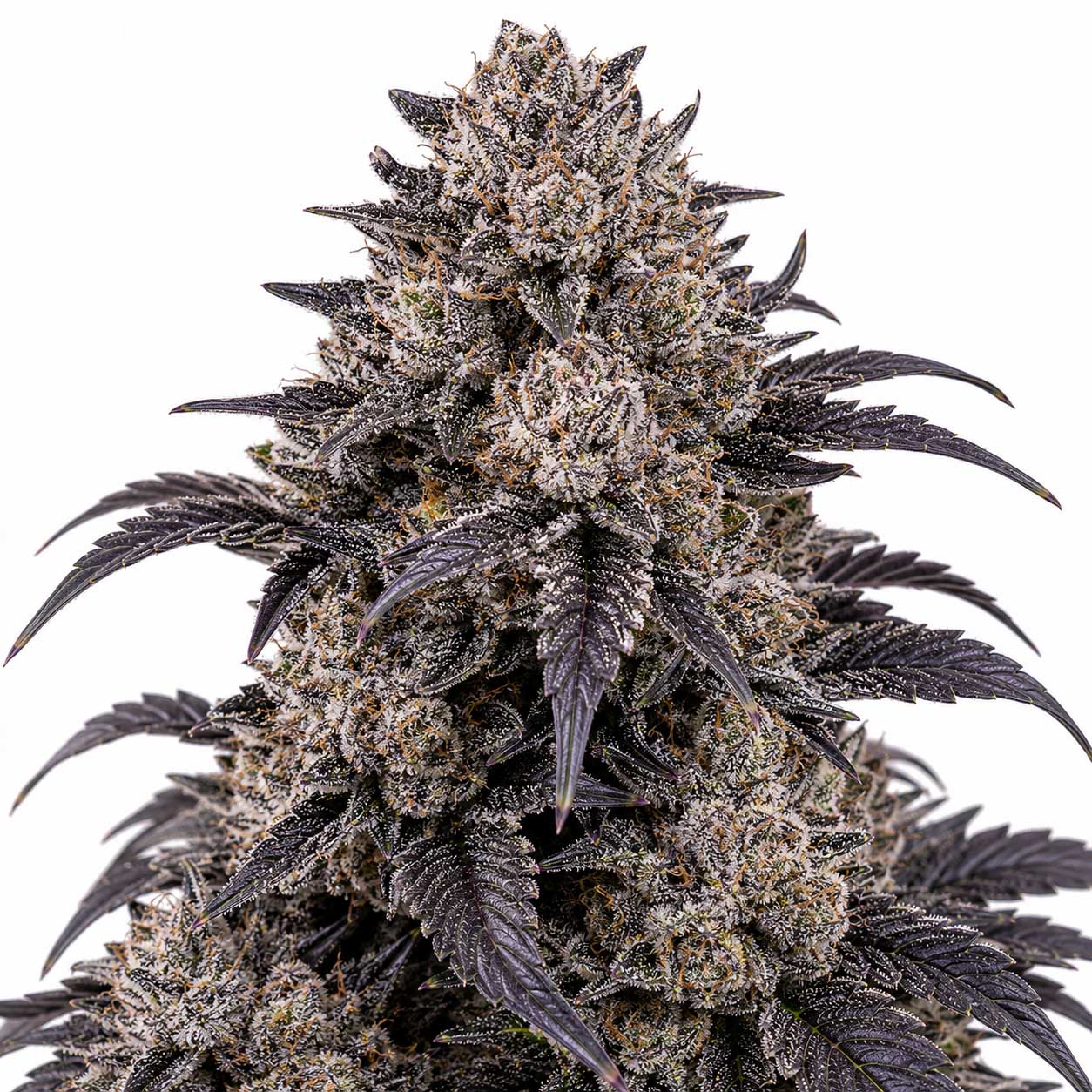
White Truffle (Cannabis Strain)
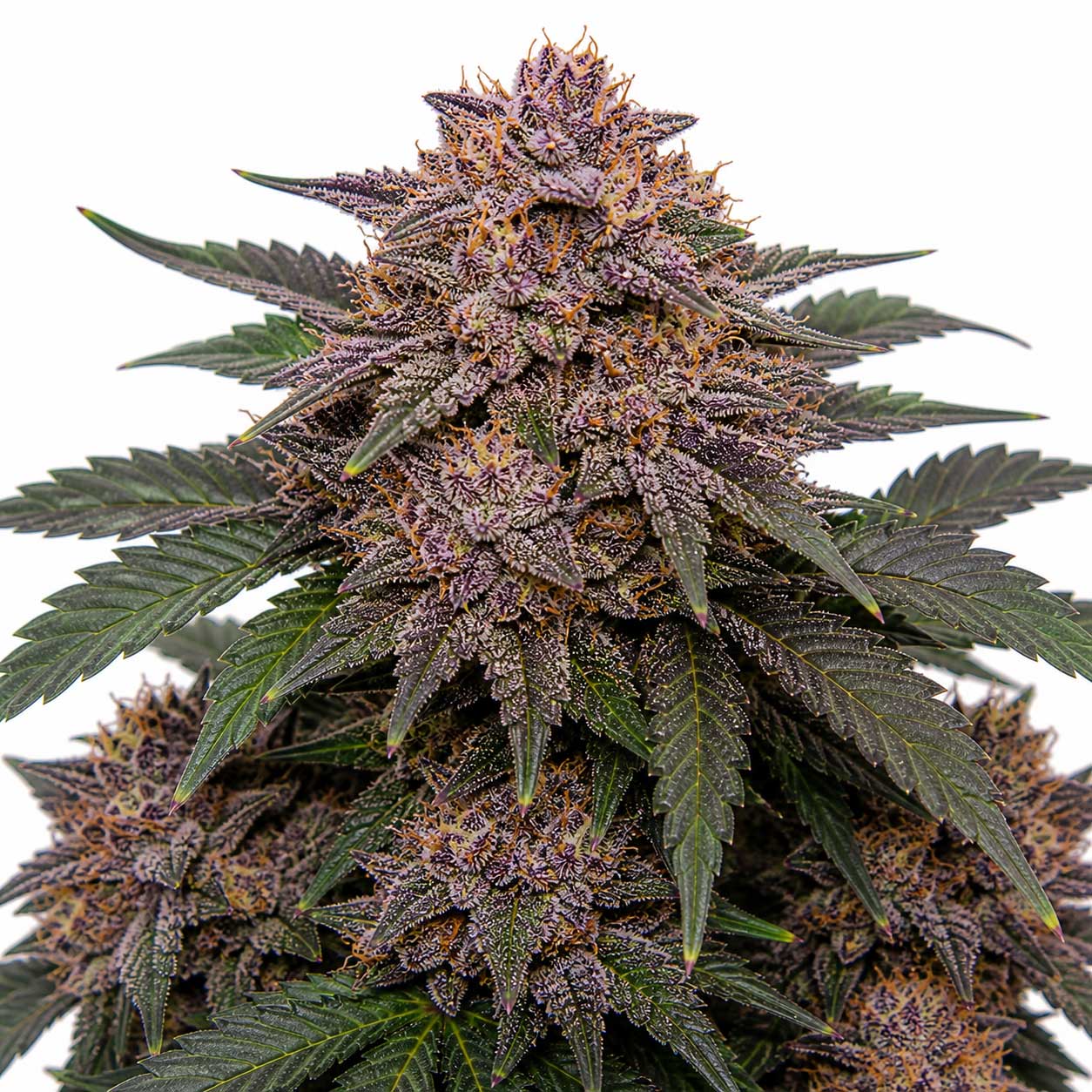
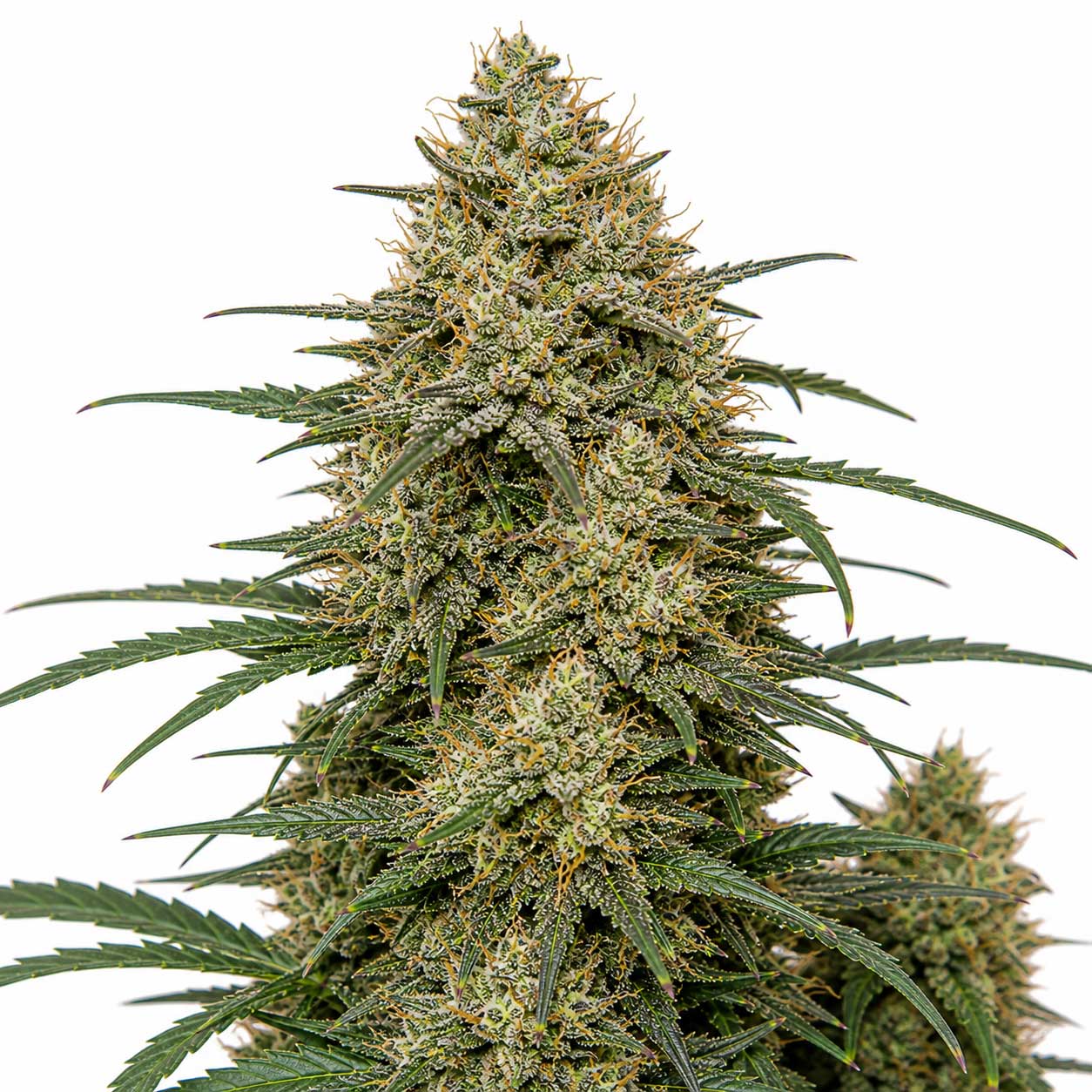
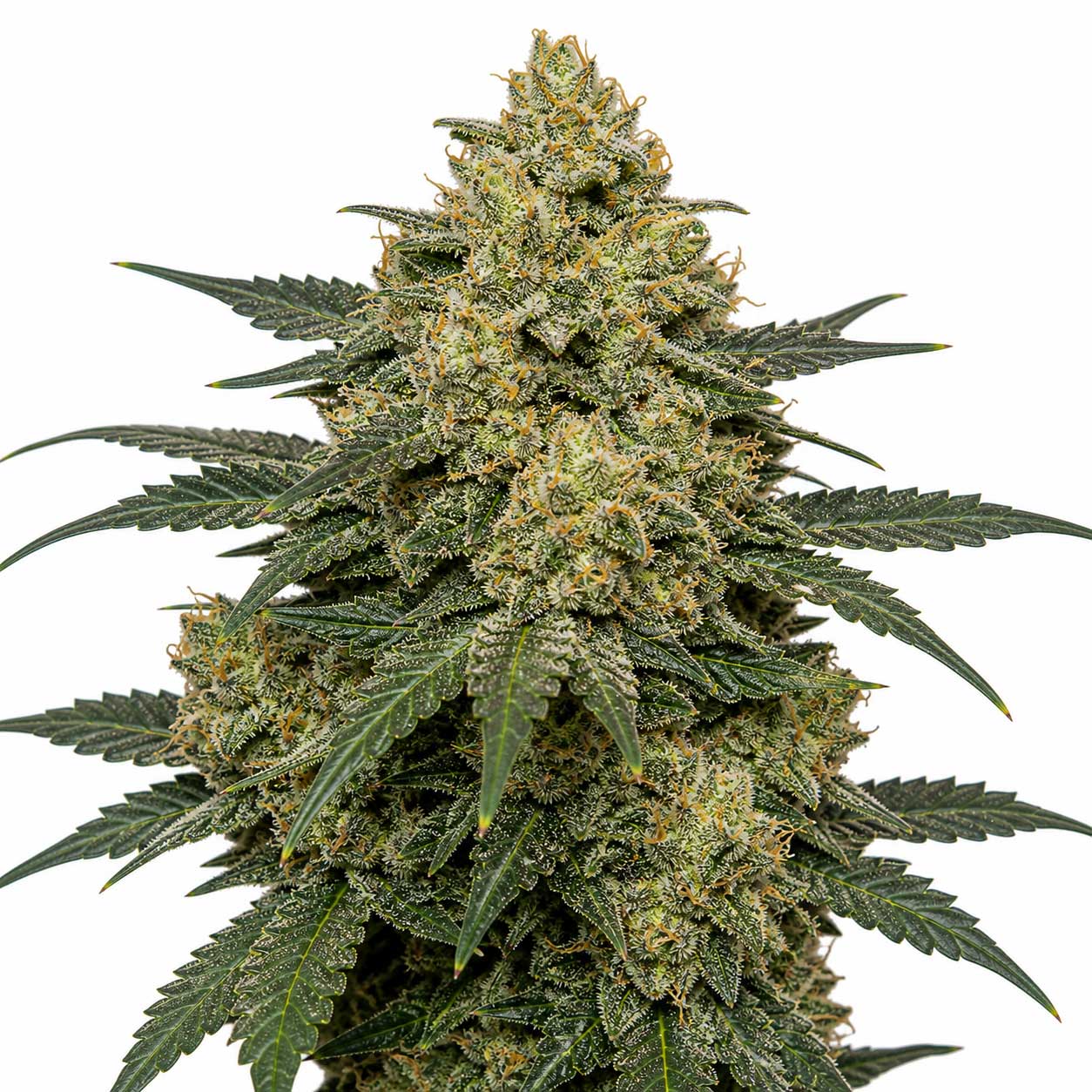
White Truffle is an indica-dominant hybrid cultivar testing between 24% and 28% THC, selected as an elite, greasy-resin phenotype of Gorilla Butter (GG4 × Peanut Butter Breath). Known for its savory, mushroom-and-garlic gas aroma and striking dark purple foliage, this plant produces dense, spade-shaped colas blanketed in a heavy layer of wet frost. It exhibits a stocky, lateral growth habit with tight internodes, making it a favored choice for extraction-focused growers seeking high-yield solventless concentrates.
The cultivar has gained a dedicated following for its deeply relaxing physical effects and distinct savory terpene profile. While it requires attentive humidity management in late flower, its striking visual appeal and pungent, earthy profile make it a staple in modern boutique gardens.
Quick Facts
| Feature | Details |
|---|---|
| Genetics | GG4 × Peanut Butter Breath (Gorilla Butter Phenotype) |
| Variety | Indica-dominant Hybrid (~70/30) |
| THC Range | 24%–28% |
| Flowering Time | 8–9 weeks |
| Yield Potential | Moderate to High |
| Plant Height | 110–140 cm (stocky, sturdy structure) |
| Climate Preference | Temperate, low humidity in late bloom |
| Difficulty | Intermediate |
Scientific & Botanical Overview
This cultivar exhibits a classic indica morphology, displaying broad fan leaves and a compact, sturdy frame with robust lateral branching. The nodal spacing remains tight throughout vegetative growth, requiring strategic defoliation to improve light penetration to lower bud sites. Its real distinction lies in the floral structure, which yields dense, deep violet-to-black bracts that contrast sharply with silver, capitate-stalked trichomes.
The chemical profile is heavily dominated by caryophyllene, accompanied by secondary concentrations of limonene and humulene. This specific terpene arrangement generates a unique savory “umami” scent profile reminiscent of damp earth, garlic, and wild mushrooms. Unlike many purple varieties that lose density during late bloom, this plant maintains exceptionally hard, resin-saturated flowers until harvest.
The physical texture of the resin is notably greasy rather than sticky, a characteristic highly valued by hash makers. This slick, oil-rich surface is due to a high concentration of volatile monoterpenes and sesquiterpenes within the trichome heads. The plant responds well to cooler night temperatures during the final weeks of flowering, which accelerates the expression of dark anthocyanin pigments.
Effects & Use-Cases (Reported)
Commonly reported effects: A rapid physical weight that settles behind the eyes before spreading through the limbs, accompanied by a quiet, hazy mental calm. It is frequently described as having a heavy, sedative finish that transitions naturally into deep rest.
Use-case context: Best reserved for late-evening use, wind-down routines, or addressing persistent physical tension and sleeplessness. Its potent sedative qualities make it less suitable for active daytime tasks.
Note: These observations are based on anecdotal reports and should not be substituted for professional medical advice.
Aroma & Flavors
Aroma: Pungent damp earth, savory mushroom, and sharp garlic gas, with a subtle chemical fuel undertone.
Flavor: Nutty and rich on the inhale, leaving a lingering savory skunk and smooth gas finish on the palate.
Terpene associations:
Caryophyllene, limonene, humulene, and myrcene.
Tested Cannabinoid & Terpene Ranges
| Compound | Typical Range* | Notes |
|---|---|---|
| Δ9-THC | 24.0%–28.0% | Delivers a heavy physical anchor and long-lasting calm. |
| Caryophyllene | 0.8%–1.2% | Drives the spicy, woodsy undertones and physical soothing. |
| Limonene | 0.4%–0.7% | Adds a subtle citrus lift and tempers the heavy sedation. |
| Humulene | 0.3%–0.5% | Contributes directly to the earthy, mushroom-like umami aroma. |
| Myrcene | 0.2%–0.4% | Enhances the deeply relaxing, couch-lock physical effects. |
*Ranges represent typical analytical testing data and can vary based on cultivation methods, phenotype selection, and curing protocols.
Cultivation Notes
- Humidity Control: Maintain relative humidity below 45% during the final three weeks of flowering to prevent moisture retention within the dense, greasy colas.
- Nutrient Demands: Responds well to a steady, moderate feeding schedule; supplementing with silica helps reinforce the stems to support heavy, resin-coated flower clusters.
- Temperature Management: Lowering night temperatures to 18°C (64°F) during the last two weeks of bloom stimulates the vibrant purple and near-black coloration of the bracts.
- Training Techniques: Utilize low-stress training (LST) and defoliate during weeks 3 and 6 of flower to maximize light penetration through the compact canopy.
- Harvest Window: Look for milky-white trichomes with roughly 10% to 15% amber heads to achieve the optimal balance of flavor and heavy physical effects.
Grower Notes (Week-by-Week Snapshot)
- Weeks 1–3 (Transition & Stretch): Expect a moderate, manageable stretch of about 50% to 80% after flipping to 12/12. Perform a thorough lower-canopy cleanout (lollipopping) before week 3 to focus energy upward.
- Weeks 4–6 (Mid-Flower & Resin Onset): Bud sites will rapidly stack and begin producing a greasy, wet-looking layer of frost. Maintain steady airflow and ensure the canopy is well-spaced to prevent microclimates of high humidity.
- Weeks 7–9 (Late Bloom & Ripening): Introduce cooler night temperatures to bring out the dark violet hues. Reduce humidity to its lowest levels and monitor the dense colas closely; flush with plain, pH-balanced water during the final 7 to 10 days.
- Post-Harvest (Dry & Cure): A slow, 14-day dry at 15°C (60°F) and 60% relative humidity is essential to preserve the delicate, volatile savory terpenes and prevent the greasy resin from degrading.
Genetic Lineage
White Truffle is a highly sought-after phenotype of Gorilla Butter, which itself was created by crossing the legendary GG4 with Peanut Butter Breath. This specific selection isolated the most resinous, purple-leaning traits of the lineage, trading some of the sweet cookie notes for a deeply savory, chemical-gas complexity.
The genetic influence of GG4 provides the heavy, sticky resin production and sour fuel undertones, while the Peanut Butter Breath lineage contributes a nutty, earthy depth and robust, stocky growth structure. The resulting phenotype stands out as a distinct branch of the Gorilla family tree, prized specifically for solventless extraction.
Research Insights
This cultivar is frequently utilized in commercial extraction research due to its unique greasy trichome texture and high yield of solventless concentrates. Scientists study the physical properties of its resin glands, which feature durable, large-headed capitate-stalked trichomes that separate cleanly during the ice water extraction process.
Additionally, the strain serves as a reference point for studying the environmental triggers of anthocyanin production. Researchers observe how temperature drops interact with the plant’s genetic pathways to express deep purple pigments without compromising cannabinoid potency or terpene concentration.
Frequently Asked Questions
What does White Truffle taste like?
It offers a highly distinct, savory flavor profile characterized by earthy mushroom, rich nuttiness, and pungent garlic, followed by a smooth, fuel-like gas finish on the exhale.
Is White Truffle an indica or a sativa?
It is an indica-dominant hybrid, typically classified as a 70/30 indica-leaning cultivar, known for its deeply relaxing and physically sedative qualities.
How difficult is it to grow White Truffle?
It is considered moderately difficult to grow, primarily because its dense, greasy buds require strict humidity control and careful canopy management to prevent mold.
Why is the resin described as “greasy”?
The resin has a high concentration of specific volatile monoterpenes that give the trichomes a slick, oily texture rather than a traditional sticky feel, making it highly sought after for hash washing.
Educational Disclaimer
This content is provided strictly for educational, scientific, and botanical reference purposes. Cannabis cultivation and possession laws vary widely by jurisdiction; always consult and comply with your local regulations.
Rate and review this strain
Ratings and reviews are accepted only from signed-in Google accounts.
Sign in with Google to leave a rating and written review.
Latest Reviews
0 reviewsNo reviews yet. Be the first Google user to rate and review this strain.
Follow New Cultivar Records
Get newly documented genetics, breeder history, research highlights, and important Strainpedia discoveries by email.