Kali Mist (Cannabis Strain) — Strainpedia
Kali Mist is a long-running Serious Seeds release that helped define the modern reputation of clean, high-energy sativa flower. Its profile is usually described through sharp spice, incense, and a lifted cerebral effect style, with tall growth and narrow-leaf structure that still reads unmistakably old-school.
Because the lineage is not uniformly documented across legacy references, Kali Mist is best understood as a refined heritage sativa line rather than a neatly pinned modern hybrid. In the garden, it tends to stretch hard after flowering begins, and in the jar it often presents bright floral-herbal aromatics, pale green colas, and a finish that leans dry, peppery, and incense-like.
Quick Facts
| Genetics | Unknown sativa landrace-derived line |
|---|---|
| Original Breeder | Serious Seeds |
| Variety | Sativa-leaning Hybrid |
| Flowering Time | Approximately 10–12 weeks indoors |
| Yield Potential | Moderate to high with strong canopy management |
| Plant Height | Tall; substantial stretch after flip |
| Climate Preference | Warm, dry-to-moderate humidity with strong airflow |
| Difficulty | Moderate |
Strain Classification
| Type | Sativa-leaning Hybrid |
|---|---|
| Genetic Family | Legacy sativa cultivar; landrace-influenced breeding stock |
| Primary Terpenes | Terpinolene, Caryophyllene, Myrcene* |
| Original Breeder | Serious Seeds |
| Breeding Lineage | Reported as a heritage sativa line with inconsistent public parentage records |
*Exact terpene dominance may vary by phenotype and cultivation method.
Scientific & Botanical Overview
Kali Mist is botanically expressed as a strongly sativa-structured cannabis cultivar, with narrow leaflets, pronounced apical dominance, and a long reproductive period compared with compact indica-leaning hybrids. The flower architecture typically favors elongated colas and a lighter internal structure, which is common in older tropical or equatorial-derived breeding stock.
From a breeding perspective, the strain is important because it preserves the kind of bright, airy, late-finishing expression that has become less common in modern commercial menus. Its reputation rests less on dense bag appeal and more on a distinctive combination of aroma, vertical growth, and a clear, high-toned effect profile that has remained relevant across multiple eras of cannabis breeding.
Appearance
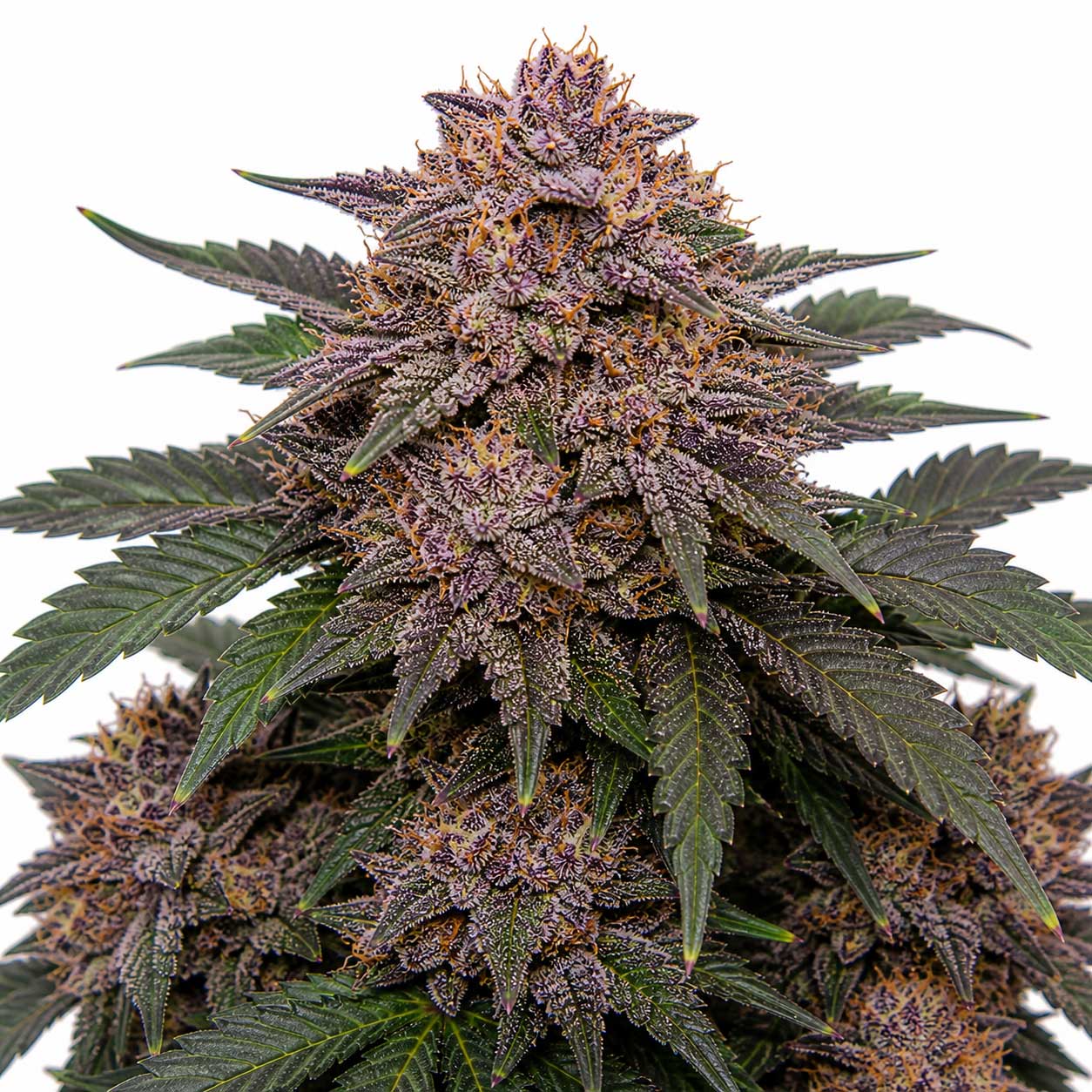
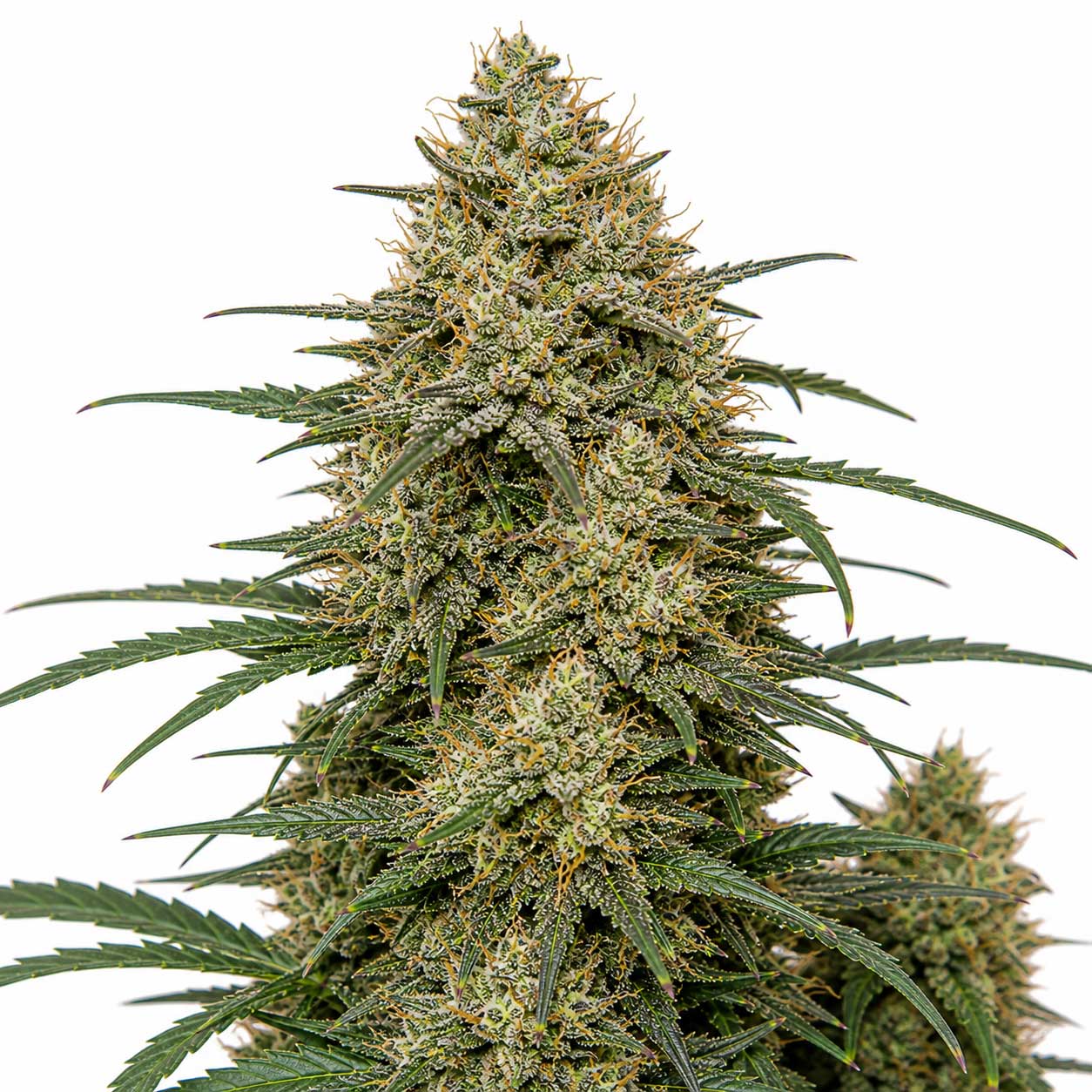
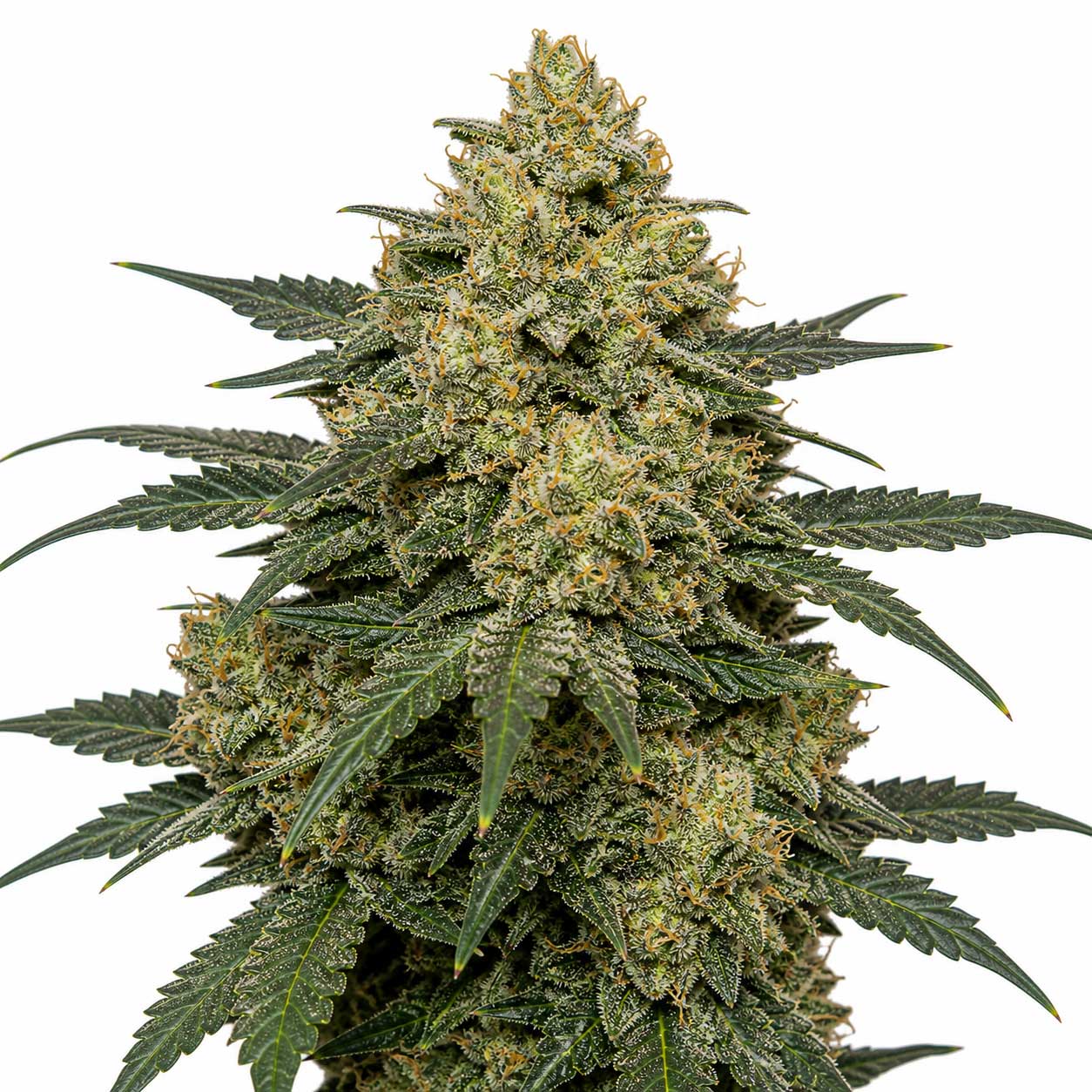
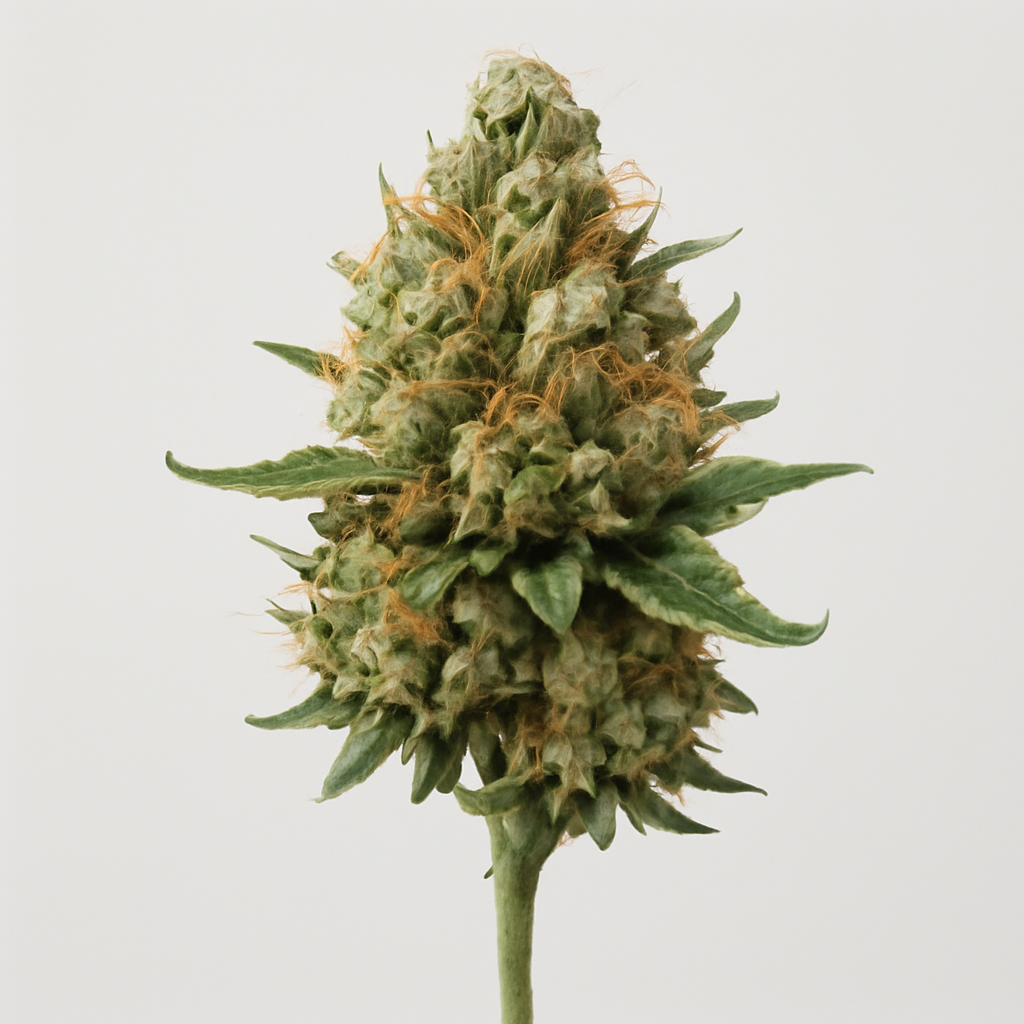
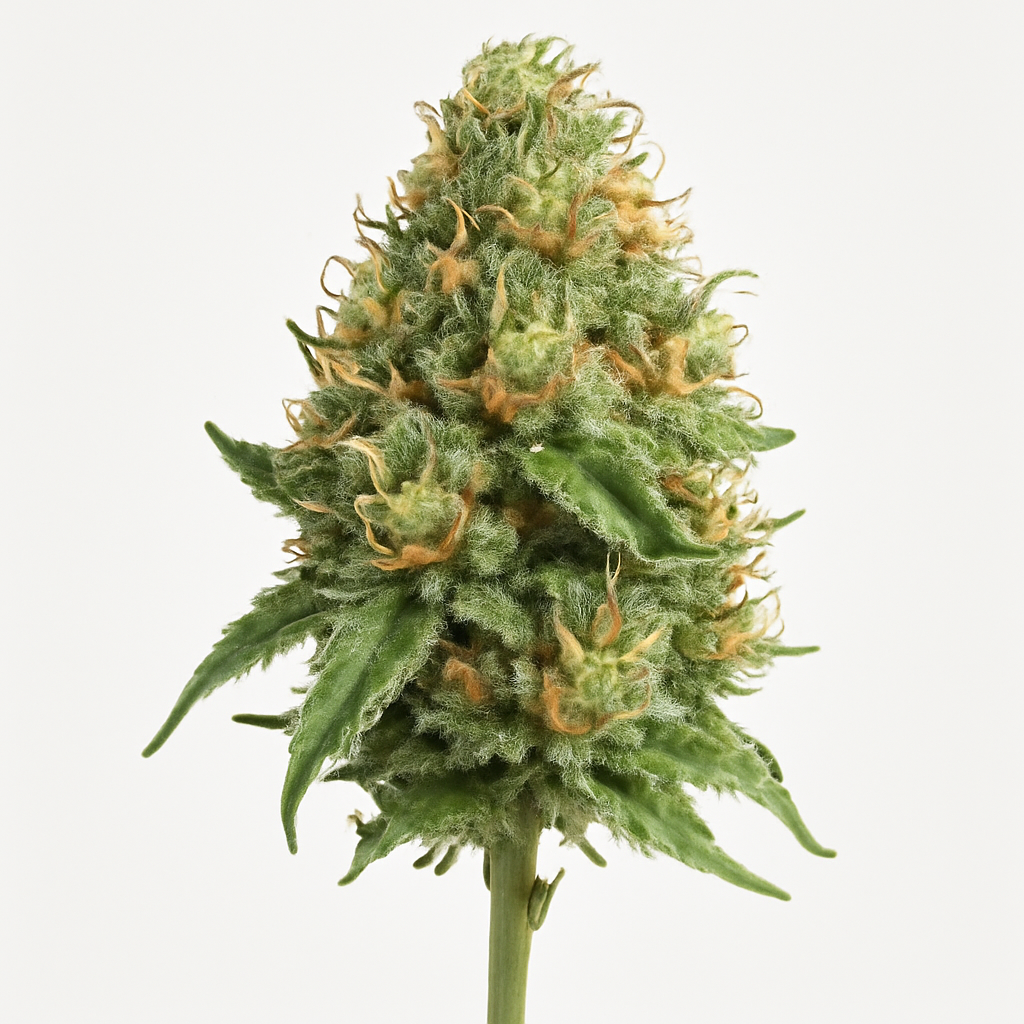
Kali Mist buds usually develop into long, tapered spears rather than rounded, chunky clusters. The flower often shows medium green coloration with occasional lighter lime tones, especially where the calyxes stack along the cola under strong light.
Orange to rust-colored pistils are common, and the trichome layer tends to appear as a fine frost rather than a heavy, resin-drenched blanket. Some phenotypes finish with a more open sativa silhouette, while others tighten up enough to look slightly denser, but the overall impression remains elegant and slender.
Effects & Use-Cases (Reported)
- Commonly reported effects: bright, cerebral, upbeat, mentally active, and motivating
- Use-case context: often chosen for daytime sessions, social settings, creative work, or activities that benefit from a lighter head-centered profile
- Body character: usually described as mild to moderate in the body, with less heaviness than many contemporary hybrid strains
- Note: These observations are anecdotal and do not constitute medical claims.
Observational Note: Kali Mist is typically discussed as a strain that arrives quickly in the head rather than the body. Many users describe an alert, expansive sensation that can feel more functional than sedating, especially when harvested at the right point.
Potency Note: THC levels can vary widely by cut and cultivation quality, but the strain is generally treated as moderately potent rather than extreme by today’s top-end standards. The experience is often shaped as much by terpene profile and sativa structure as by raw cannabinoid percentage.
Aroma & Flavor Profile
- Aroma: spicy, incense-like, floral, herbal, and lightly peppery
- Flavor: dry spice, citrus peel, herbal tea, incense, and earthy notes
- Aftertaste: lingering pepper, resinous herb, and a faint woody dryness
- Terpene associations: commonly aligned with Terpinolene, Caryophyllene, and Myrcene.
For shoppers searching for Kali Mist flavor profile details, the strain usually lands in the spicy-incense lane rather than candy, gas, or dessert territory. Its aroma can feel airy and aromatic in the jar, then drier and more herbal on the palate, which is one reason it continues to stand apart from sweeter modern hybrids.
Tested Cannabinoid & Terpene Ranges
| Compound | Typical Range* | Notes |
|---|---|---|
| Δ⁹-THC | ~14–20% | Moderate potency range; phenotype and cure strongly affect the finished experience |
| CBD | <0.5% | Typically very low in standard commercial flower |
| Terpinolene | ~0.15–0.60% | Often associated with the strain’s bright, high-toned spice and floral lift |
| Caryophyllene | ~0.10–0.45% | Contributes pepper, wood, and a drier savory edge |
| Myrcene | ~0.08–0.35% | Can soften the profile with herbal depth and a faint earthy base |
*Ranges are estimates and may vary by phenotype, harvest timing, and testing methods.
Cultivation Notes
- Light Cycle: 12/12 for flowering after a healthy vegetative build
- Humidity: moderate humidity early, then lower humidity in late flower to protect airy tops
- Stretch: pronounced stretch, especially in the first 2–4 weeks of bloom
- Training: responds well to topping, trellising, and early structural control
- Odor Control: advisable; the scent becomes spicy and persistent as flowers mature
- Harvest Window: Approximately 10–12 weeks indoors
Kali Mist rewards growers who can manage height and maintain strong, even lighting across a broad canopy. It is not usually the simplest choice for short tents or rushed cycles, but it can repay patience with a refined sativa expression and a terpene profile that stays true to its heritage.
Grower Notes (Week-by-Week Snapshot)
- Weeks 1–3: expect rapid vertical growth, quick internode extension, and the start of a broad, open frame.
- Weeks 4–5: flowering sites begin to stack, but the structure usually remains airy; keep airflow and canopy balance in focus.
- Weeks 6–8: resin production becomes more visible, and the spicy-herbal aroma starts to sharpen noticeably.
- Weeks 9–10: late flowers add weight and complexity; some phenotypes continue to mature beyond this point before peak ripeness.
Genetic Lineage
Kali Mist is generally presented as a heritage sativa line from Serious Seeds, but its exact parentage has not been consistently standardized across public records. That uncertainty is common with older elite cuts and seed lines, where documentation can be fragmentary or simplified over time.
What the lineage clearly contributes is the overall expression: tall plants, a long flowering period, fine-leaf structure, and a flavor profile that sits closer to incense and herbs than fruit or pastry. The strain’s breeding significance lies in how successfully it preserved those older sativa traits in a form that remained viable for modern growers and connoisseurs.
Research Insights
Kali Mist matters in the current market because it represents a distinct branch of cannabis history that has not been fully replaced by dessert hybrids and high-THC gelato-style selections. For search and catalog purposes, it continues to attract attention from growers and consumers looking for a true sativa-leaning reference point with documented breeder provenance and a recognizable flavor signature.
In breeding discussions, the strain is often relevant as a reminder that structural vigor, terpene clarity, and a long-flowering profile can be desirable traits in their own right. Its place in the cannabis landscape is less about trend cycles and more about preserving a classic sensory and botanical style that still has demand today.
Frequently Asked Questions
Is Kali Mist an indica or sativa?
Kali Mist is generally classified as a sativa-leaning hybrid. Its tall structure, longer flowering time, and brighter effect profile all point strongly in that direction.
Who bred Kali Mist?
The strain is credited to Serious Seeds. It has long been associated with that breeder’s heritage sativa catalog.
What does Kali Mist taste like?
It is often described as spicy, herbal, incense-like, and lightly citrusy, with a dry finish that leans away from sweet or dessert-style flavor.
How long does Kali Mist take to flower?
Indoors, it usually finishes in approximately 10 to 12 weeks, though some phenotypes may run a little longer before peak maturity.
Is Kali Mist hard to grow?
It is considered moderate in difficulty. The main challenges are stretch control, canopy management, and giving the plant enough time to complete flowering properly.
Educational Disclaimer: This page is provided strictly for scientific and horticultural reference. Cannabis cultivation, possession, and use are regulated by local laws. This content does not promote illegal activity or constitute medical advice. Always comply with applicable regulations in your jurisdiction.
Rate and review this strain
Ratings and reviews are accepted only from signed-in Google accounts.
Sign in with Google to leave a rating and written review.
Latest Reviews
0 reviewsNo reviews yet. Be the first Google user to rate and review this strain.