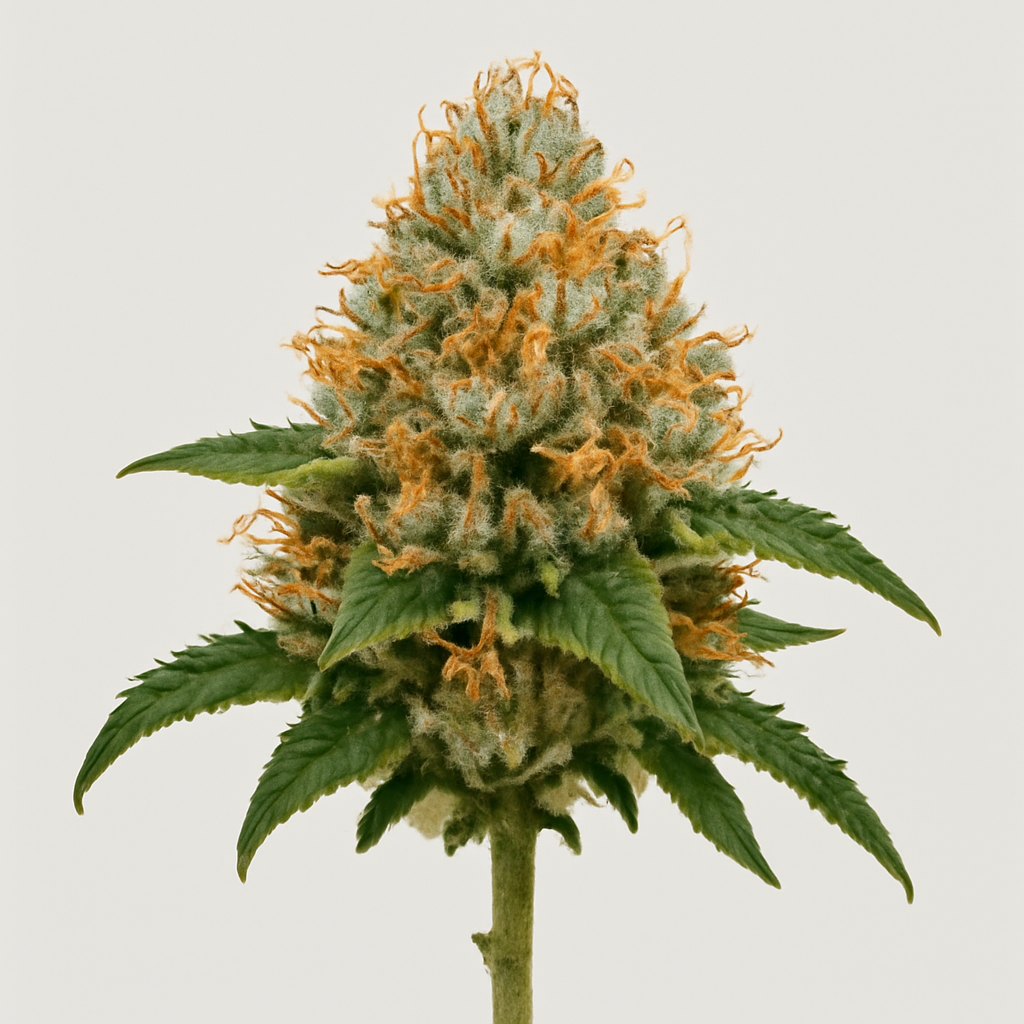
Mango (Cannabis Strain) — Strainpedia
Mango is a legacy hybrid remembered for its ripe tropical character and compact, resinous flowers. While the lineage is not documented with complete consistency, the strain is generally associated with Afghani and KC 33 influences, which help explain its fruit-forward aroma, sturdy bud structure, and relaxed indica-leaning effect style.
In cultivation and in the jar, Mango tends to stand apart through a soft but vivid flavor identity that reads more like ripe fruit pulp than candy. Its growth habit is usually manageable, its flowering time fits standard indoor schedules, and the finished flower often shows a polished, old-school look with bright pistils and a heavy trichome coat.
Quick Facts
| Genetics | Often listed as an Afghani x KC 33-based hybrid; exact origin details vary by source |
|---|---|
| Original Breeder | Not clearly documented |
| Variety | Indica-dominant Hybrid |
| Flowering Time | Approximately 8–9 weeks indoors |
| Yield Potential | Moderate to above average under stable indoor conditions |
| Plant Height | Medium, with a manageable stretch profile |
| Climate Preference | Warm, dry, well-ventilated environments with steady airflow |
| Difficulty | Moderate |
Strain Classification
| Type | Indica-dominant Hybrid |
|---|---|
| Genetic Family | Old-school fruity hybrid with Afghan and likely Southeast Asian-influenced breeding history |
| Primary Terpenes | Myrcene, Caryophyllene, Limonene* |
| Original Breeder | Not clearly documented |
| Breeding Lineage | Commonly associated with Afghani x KC 33, though some sources list alternate or incomplete heritage information |
*Exact terpene dominance may vary by phenotype and cultivation method.
Scientific & Botanical Overview
Botanically, Mango is typically presented as a compact hybrid with an indica-leaning architecture, short internodal spacing, and flowers that mature into dense, resin-rich clusters. That morphology suggests selection for finish quality and aromatic intensity rather than extreme vertical vigor, which is consistent with many classic fruit-flavored cultivars from earlier breeding eras.
From a breeding perspective, Mango matters because it sits at the intersection of old-school hashplant structure and a distinctly tropical sensory profile. The cultivar has persisted in menus and clone circles because it offers a clean, recognizable fruit character without drifting into the overly engineered sweetness of more recent dessert lines.
Appearance
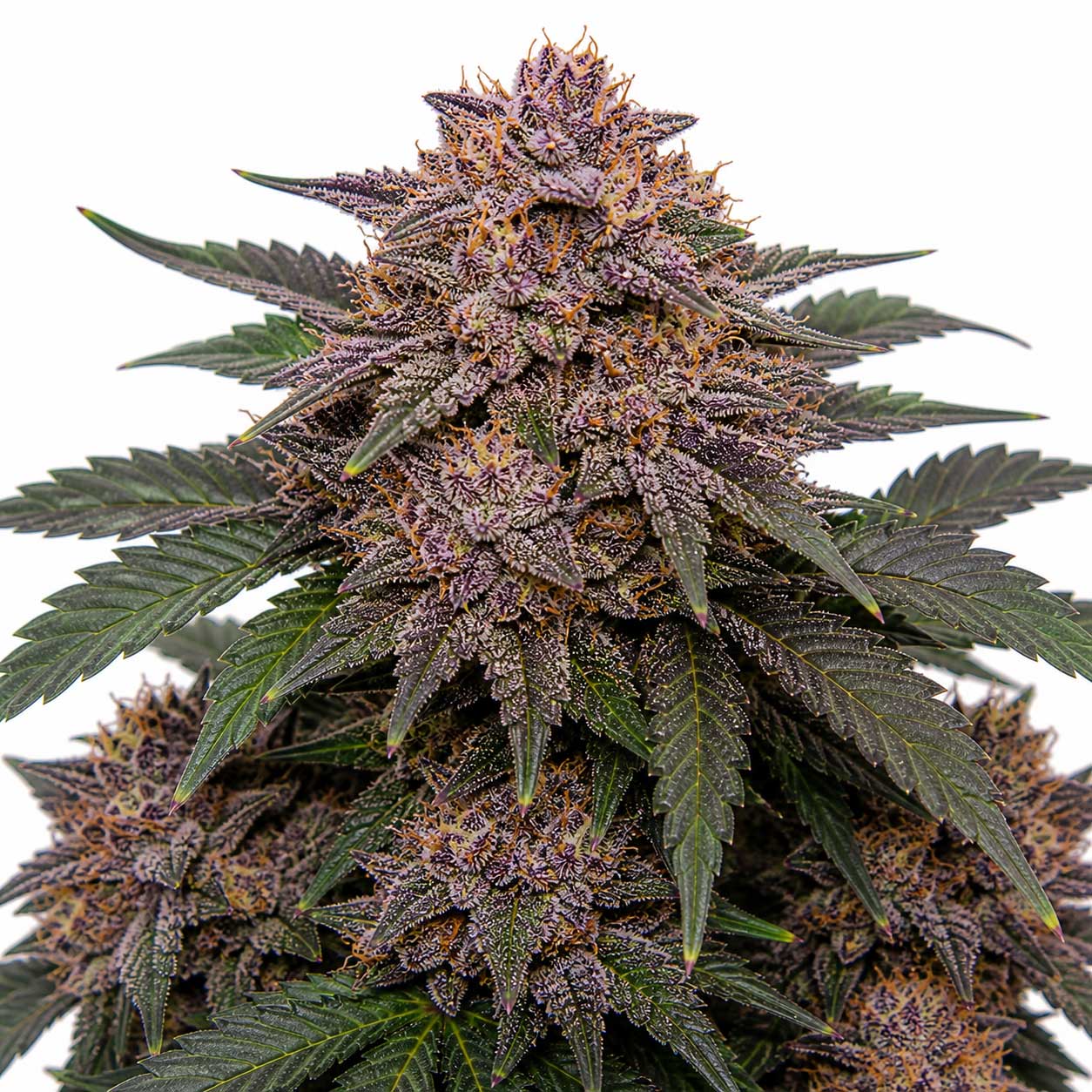
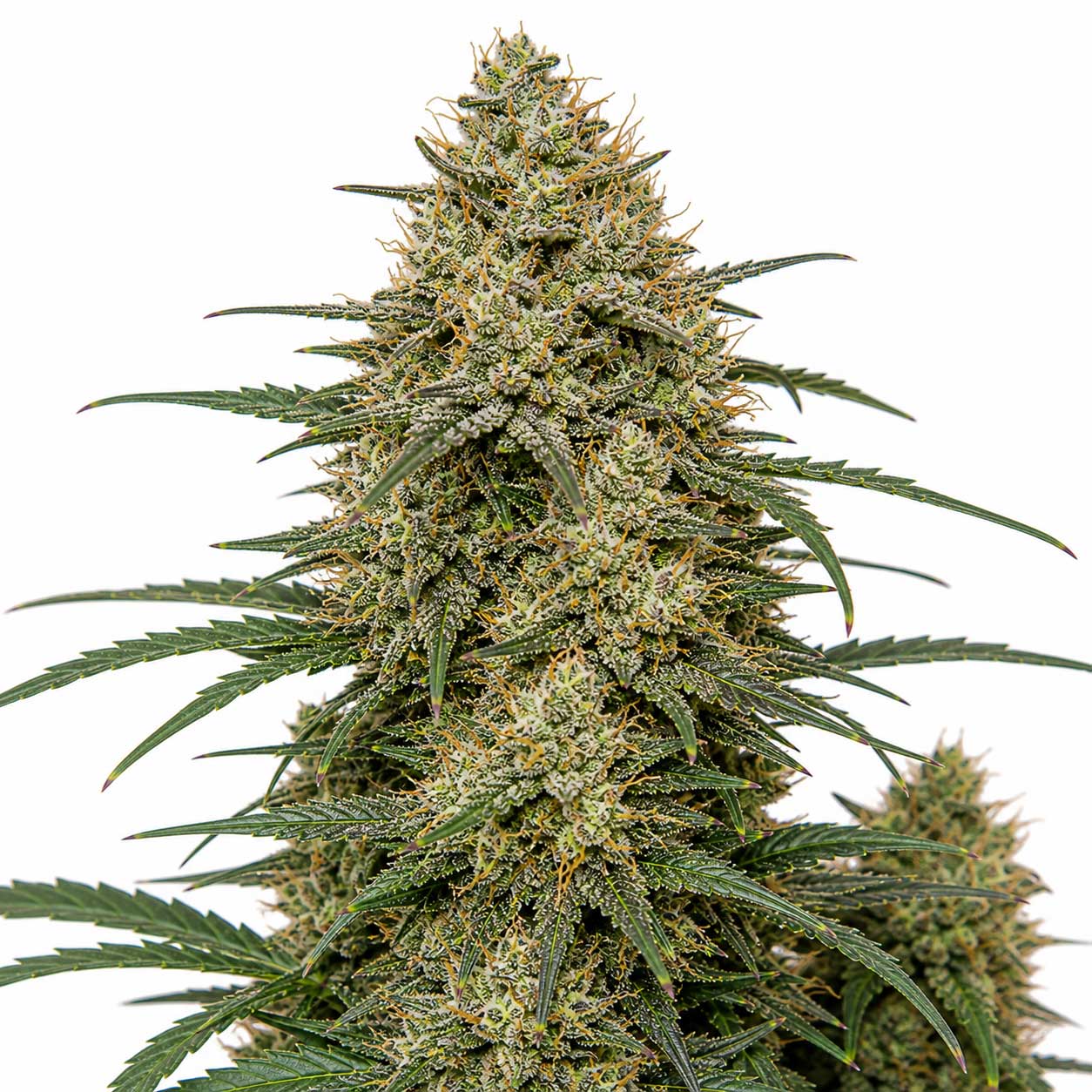
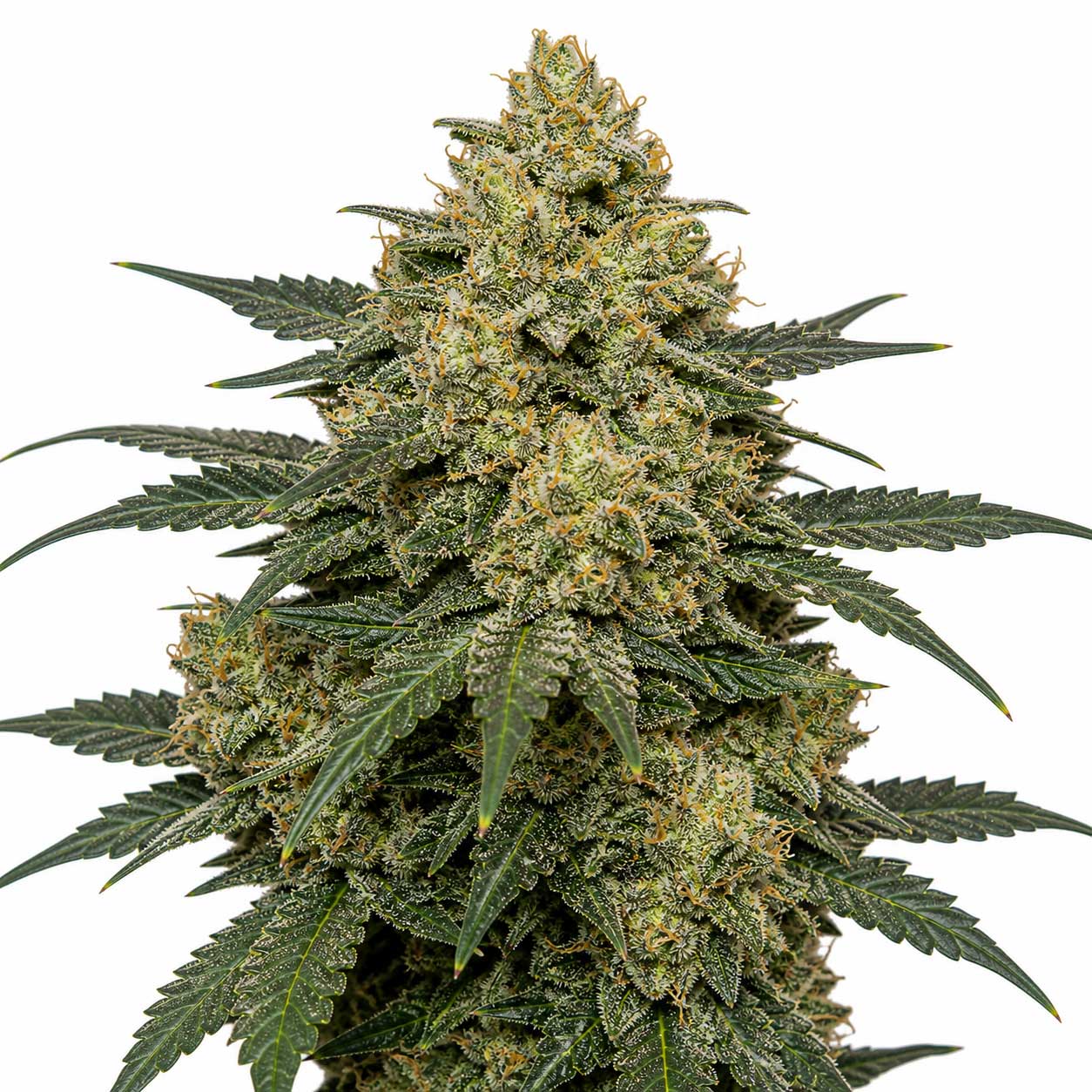
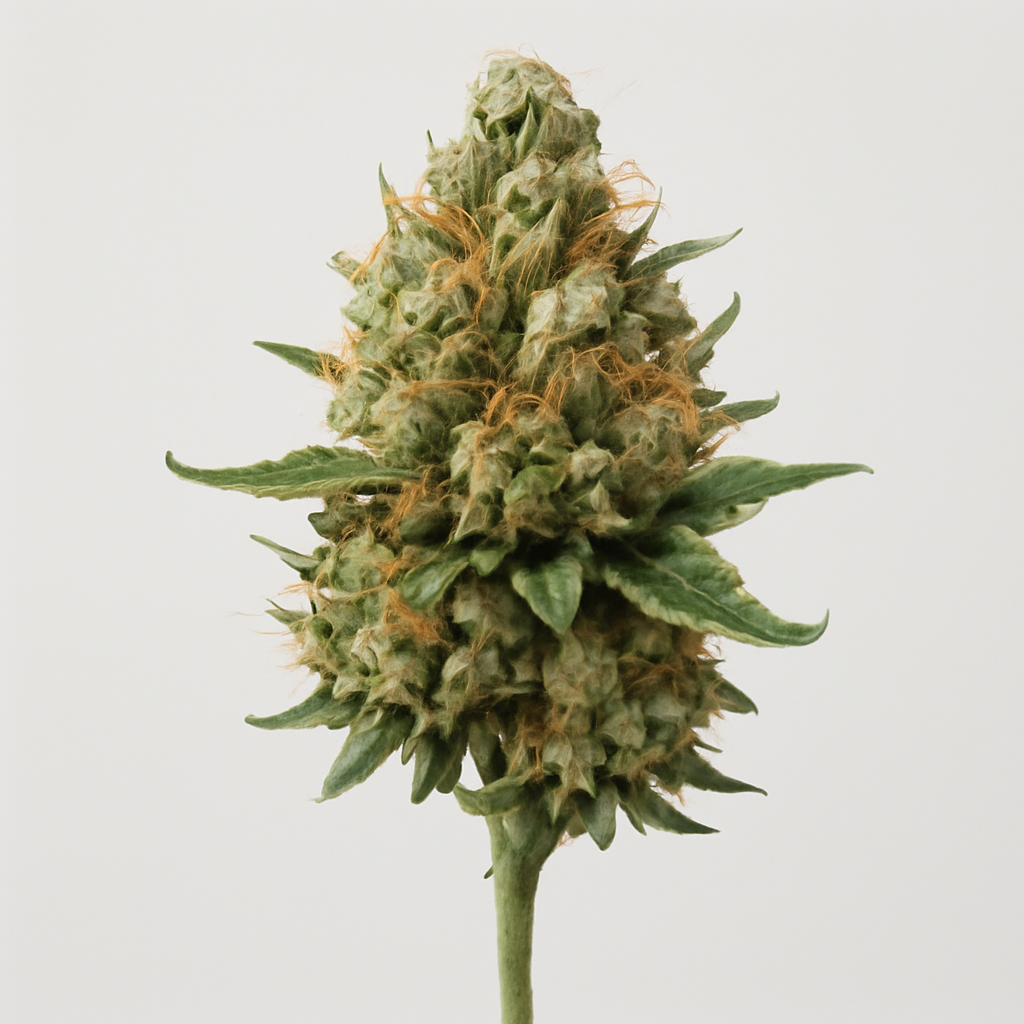
Mango buds are usually medium-sized, rounded, and tightly formed, with a dense calyx stack that gives the flowers a solid hand feel. The color palette commonly ranges from fresh lime green to deeper forest green, often accented by bright orange pistils that stand out clearly against the resin.
Trichome coverage is one of the strain’s most attractive traits, especially on well-finished examples where the surface can look dusted in frost. Phenotype variation is real here: some plants lean brighter and more tropical in appearance, while others develop a darker, more Kush-like finish with heavier mass and slightly thicker flower clusters.
Effects & Use-Cases (Reported)
- Commonly reported effects: gentle euphoria, calm focus at first, gradually heavier relaxation, and a smoothing body feel
- Use-case context: often chosen for low-key evenings, unhurried social settings, or a quiet reset after a long day
- Body character: typically described as warm and settling rather than sharply narcotic, with tension easing that builds over time
- Note: These observations are anecdotal and do not constitute medical claims.
Observational Note: Mango is usually experienced as a strain that starts with a light lift and then eases steadily into a softer, more grounded state. The transition is smooth rather than abrupt, which is part of why it has stayed relevant as a classic hybrid reference.
Potency Note: With THC often landing in the mid-teens to around 20%, Mango is generally less aggressive than modern ultra-high-potency cultivars, but well-grown flower can still feel substantial. The effect profile tends to read as mellow, fragrant, and approachable rather than sharply racy.
Aroma & Flavor Profile
- Aroma: ripe mango, tropical fruit, soft musk, and a faint earthy spice
- Flavor: mango nectar, sweet citrus, mild earth, and a creamy fruit finish
- Aftertaste: lingering orchard fruit with a gentle herbal edge
- Terpene associations: commonly aligned with Myrcene, Caryophyllene, and Limonene.
If you are searching for a true mango weed flavor rather than a generic sweet hybrid, this cultivar is one of the classic names worth noting. The sensory profile leans ripe and rounded, with enough earthy backbone to keep the fruit expression grounded and recognizable after the exhale.
Tested Cannabinoid & Terpene Ranges
| Compound | Typical Range* | Notes |
|---|---|---|
| Δ⁹-THC | ~15–20% | Moderate potency by modern market standards, though flower quality can feel stronger when terpene-rich and well cured. |
| CBD | < 1% | Usually present only in trace amounts. |
| Myrcene | 0.20–0.60% | Often associated with the strain’s fruit-forward, slightly earthy base. |
| Caryophyllene | 0.15–0.45% | Adds peppery depth and a faint spice note on the finish. |
| Limonene | 0.10–0.35% | Supports the bright citrus lift that sits behind the mango impression. |
*Ranges are estimates and may vary by phenotype, harvest timing, and testing methods.
Cultivation Notes
- Light Cycle: 18/6 in vegetative growth, then 12/12 for flowering
- Humidity: moderate during veg, then reduced in late bloom to limit moisture retention in dense flowers
- Stretch: modest to moderate, with most plants staying controllable indoors
- Training: responds well to topping, LST, and canopy leveling
- Odor Control: recommended once bloom intensifies, as the fruit aroma becomes pronounced late in flower
- Harvest Window: Approximately 8–9 weeks indoors
Mango is not usually considered a difficult plant, but it rewards attention to airflow, trimming discipline, and a stable feeding environment. Dense buds and a rich terpene profile can be vulnerable to excess humidity, so careful late-stage management is especially important if the goal is clean, aromatic flower.
Grower Notes (Week-by-Week Snapshot)
- Weeks 1–3: Establishes a compact frame quickly, with steady leaf growth and moderate stretch after the flip.
- Weeks 4–5: Flower sites begin stacking, and the first noticeable fruit aroma starts to appear on rubbed stems and early buds.
- Weeks 6–8: Resin production rises sharply, flowers thicken, and the mango-like scent becomes much more pronounced.
- Weeks 9–10: Final ripening focuses on aroma polish, trichome maturity, and careful moisture control before harvest.
Genetic Lineage
Mango is most often traced to a breeding background involving Afghani and KC 33, although the strain’s documented history is not perfectly uniform across every catalog entry. Afghani influence would account for the compact structure, dense floral mass, and heavy resin production, while KC 33 is frequently linked to vigor and a more expressive aromatic profile.
Because multiple Mango selections have circulated under the same name, exact parentage can differ by source. That inconsistency is part of the strain’s legacy appeal: the name has outlived strict pedigree records, yet the sensory and structural traits remain distinct enough for experienced consumers and growers to identify the family resemblance.
Research Insights
Mango remains relevant in the modern market because it represents an older style of fruit-forward breeding that predates today’s dessert-heavy naming trends. For searchers, it is a useful anchor term: the strain is frequently referenced when users want a genuine tropical flavor profile, a manageable flowering window, and a classic hybrid effect that does not lean overly synthetic or candy-like.
In the breeding conversation, Mango also matters as a reminder that terpene-driven identity has long been central to cultivar selection. Even when its lineage is presented inconsistently, the strain continues to appear in catalog archives and community discussions because the aroma signature is memorable, the plant structure is practical, and the finished flower has enduring appeal for consumers who value fruit character over novelty.
Frequently Asked Questions
Is Mango the same strain across all seed banks?
Not always. The name has been used for multiple selections, so breeders and distributors may describe slightly different heritage or phenotype lines under the same label.
What does Mango usually taste like?
It is commonly described as ripe tropical fruit with mango nectar, mild citrus, and a soft earthy finish. Well-cured flower tends to emphasize the fruit note most strongly.
Is Mango more indica or sativa?
Mango is generally treated as an indica-dominant hybrid. Its growth structure and reported effects both lean toward relaxation rather than high-energy stimulation.
How long does Mango take to flower?
Most indoor examples finish in approximately 8–9 weeks, though phenotype, feeding style, and environment can shift that timing slightly.
Is Mango suitable for beginner growers?
It can be approachable for beginners with basic humidity and airflow control. The plant is usually manageable, but dense flowers still benefit from attentive late-flower care.
Educational Disclaimer: This page is provided strictly for scientific and horticultural reference. Cannabis cultivation, possession, and use are regulated by local laws. This content does not promote illegal activity or constitute medical advice. Always comply with applicable regulations in your jurisdiction.
Rate and review this strain
Ratings and reviews are accepted only from signed-in Google accounts.
Sign in with Google to leave a rating and written review.
Latest Reviews
0 reviewsNo reviews yet. Be the first Google user to rate and review this strain.