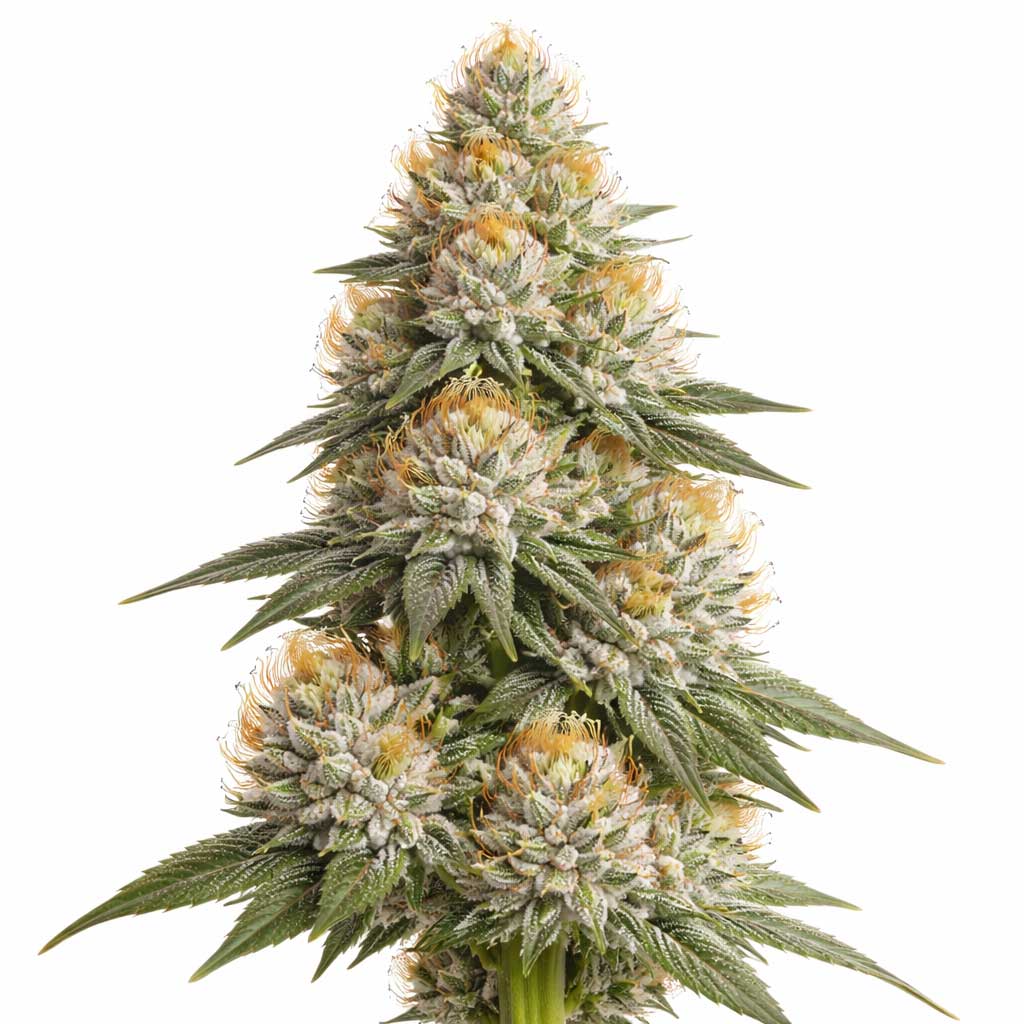
West Coast Whistle (Cannabis Strain)
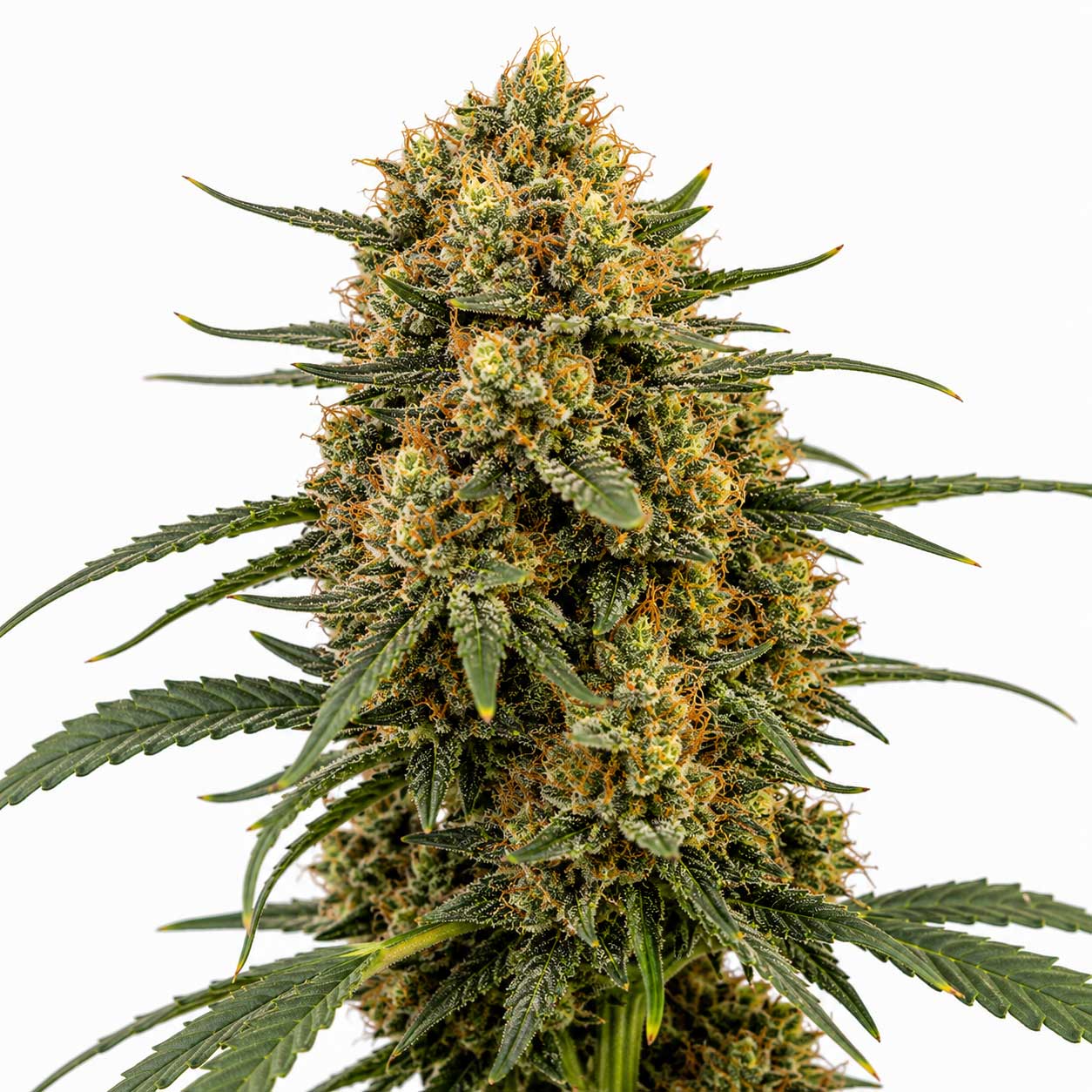
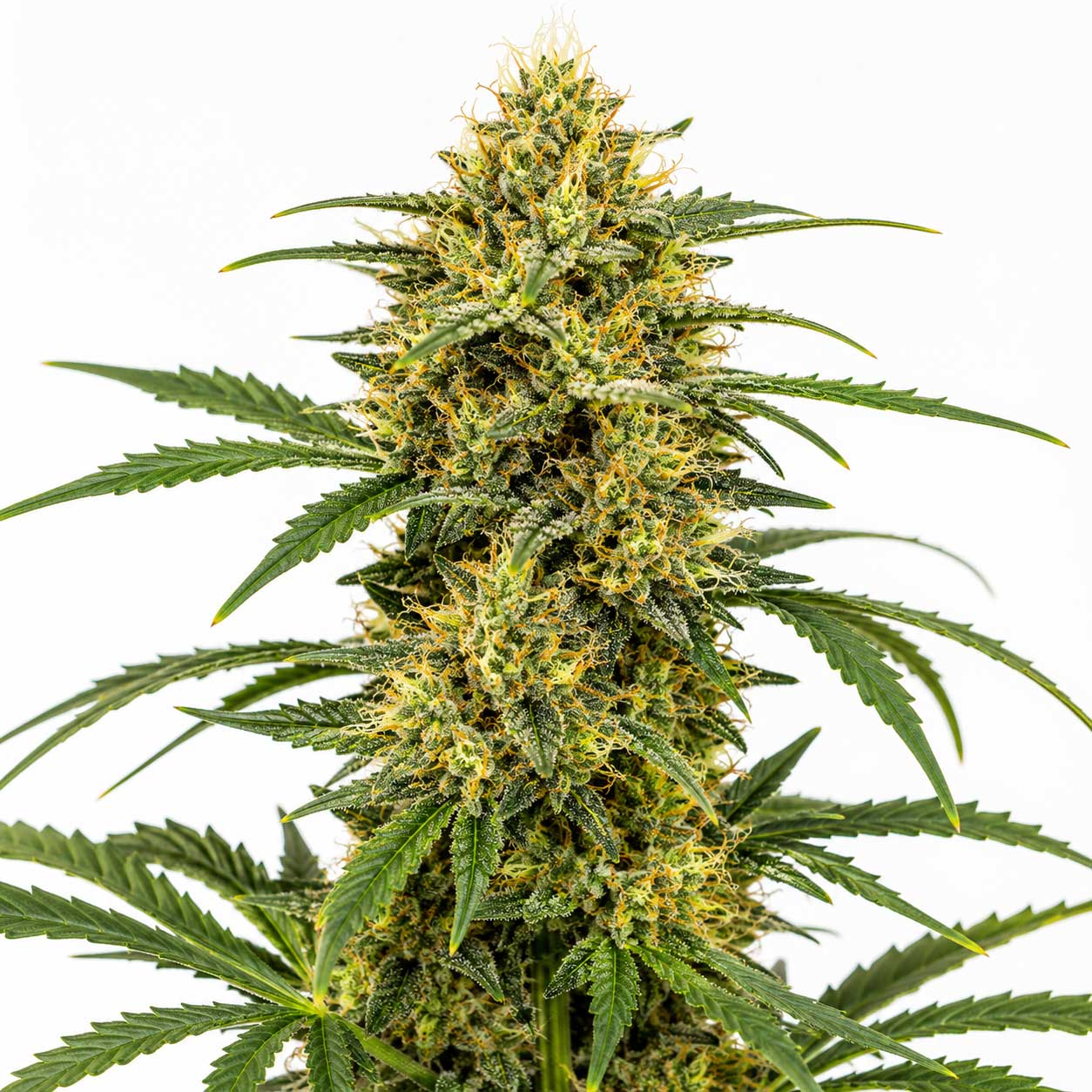
West Coast Whistle is a potent sativa-dominant hybrid cannabis strain testing between 26% and 32% THC, bred by crossing the elite Creme de la Compton with Whistlin’ Diesel. Known for its heavy, greasy resin production and sharp, skunky candy aroma, this cultivar delivers bright, energetic hybrid effects that appeal to daytime connoisseurs. It develops tall, vigorous plants with a pronounced stretch during the flowering phase, producing spear-shaped colas coated in a thick layer of wet, silver-white frost.
This boutique cultivar bridges old-school chemical funk with modern sweet exotics. Growers and extractors value West Coast Whistle for its high terpene output and impressive wash yields, while consumers seek it out for its clean, cerebral focus and lingering sour-fuel aftertaste.
Quick Facts
| Metric | Details |
|---|---|
| Genetics | Creme de la Compton x Whistlin’ Diesel |
| Variety | Sativa-Dominant Hybrid |
| THC Range | 26% – 32% |
| Flowering Time | 9 – 10 weeks |
| Yield Potential | High |
| Plant Height | Tall (significant stretch) |
| Climate Preference | Temperate, controlled indoor environments |
| Difficulty | Intermediate to Advanced |
Scientific & Botanical Overview
West Coast Whistle displays a vigorous, sativa-leaning morphology characterized by long internodes, narrow fan leaves, and rapid vertical growth during the transition to flower. The plant’s structure requires proactive canopy management to ensure light penetrates to lower bud sites, where dense, resinous clusters form.
The calyx-to-leaf ratio is exceptionally high, allowing for efficient trimming and minimal waste during post-harvest processing. Under optimal conditions, the bracts swell significantly, creating a bumpy, textured surface coated in long-stalked glandular trichomes.
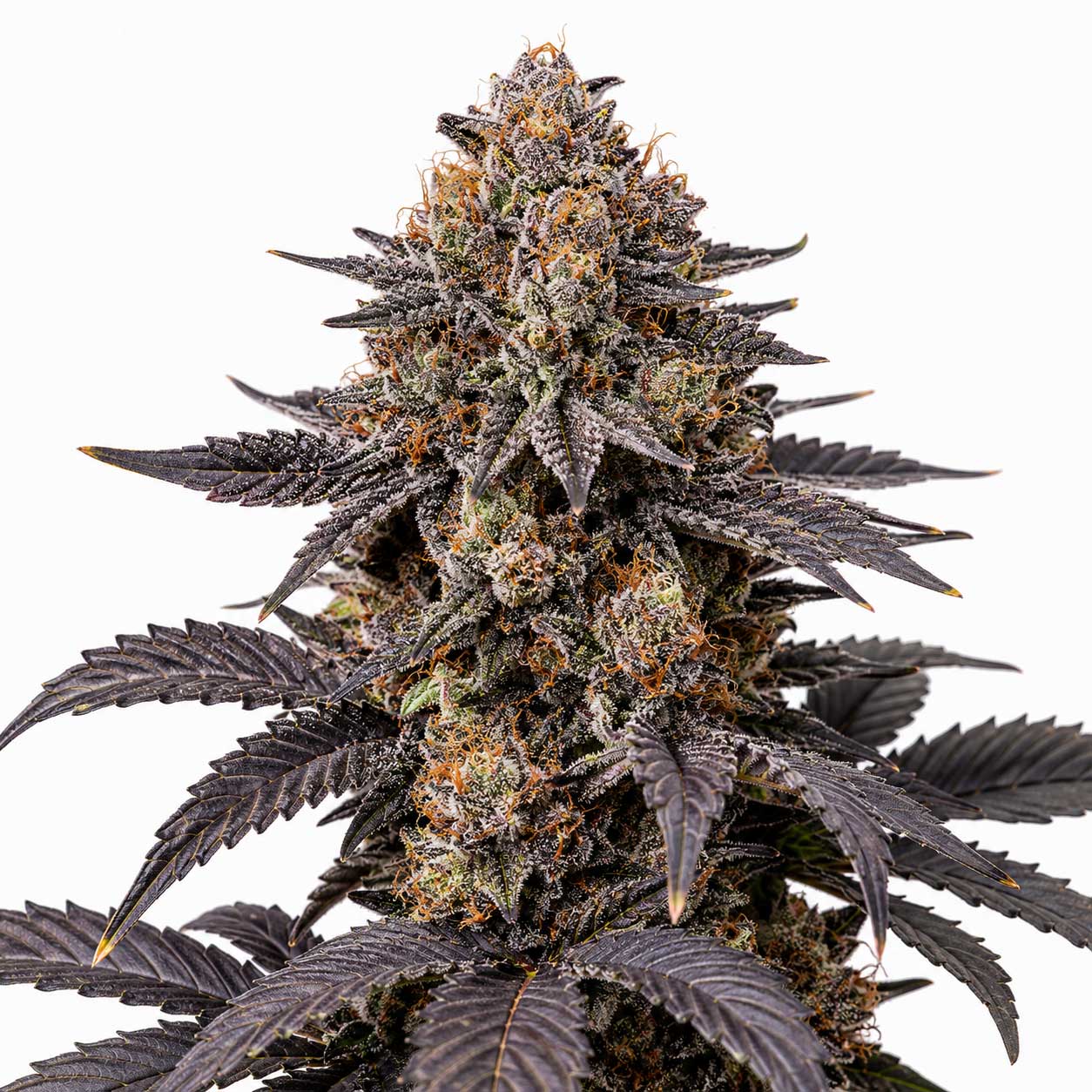
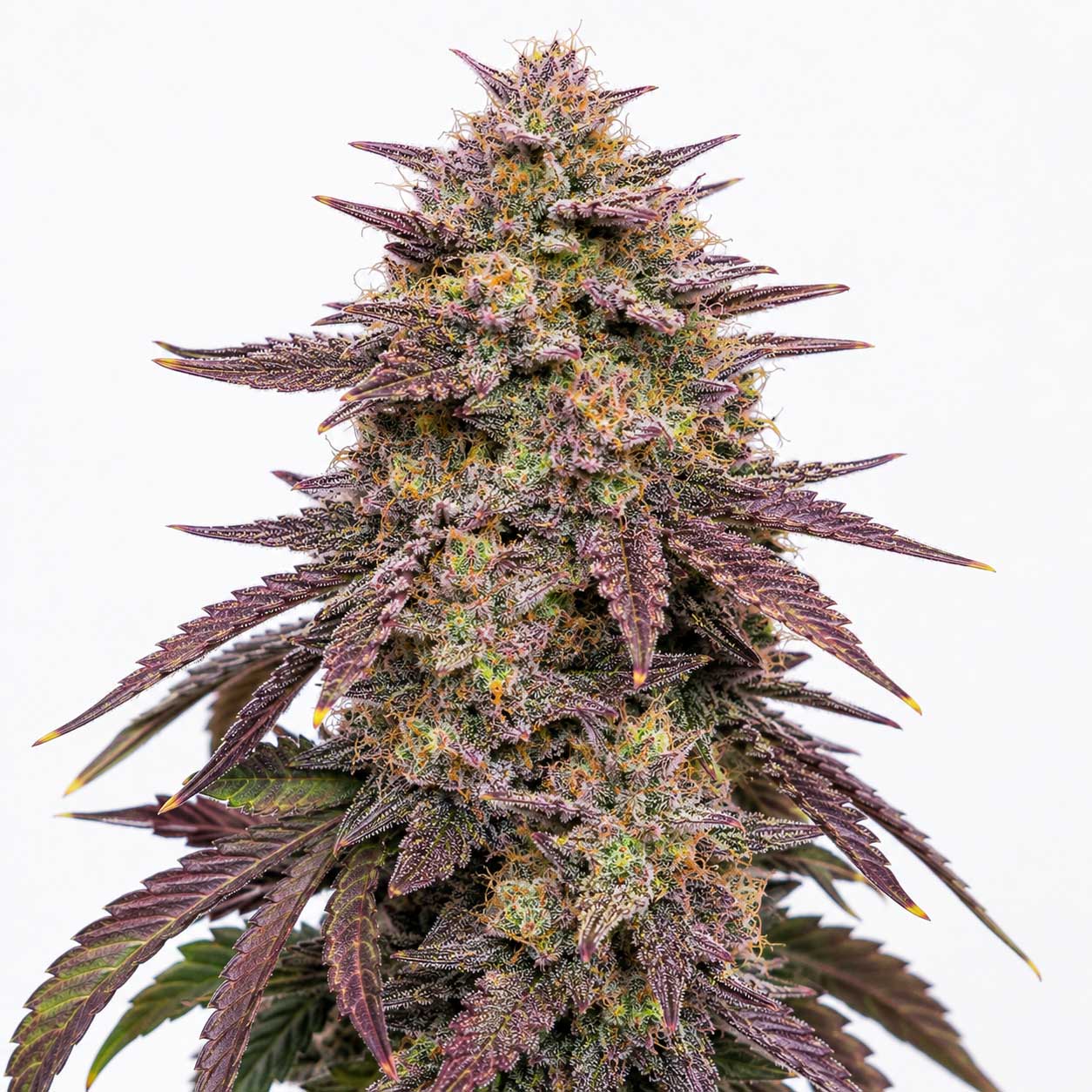
Anthocyanin expression is typically minimal, though cooler night temperatures in late flower can coax out faint lavender highlights along the edges of the calyxes. The primary botanical focus remains on its intense trichome density and high volatile terpene production.
Effects & Use-Cases (Reported)
Commonly reported effects: A rapid onset of cerebral euphoria, energetic uplift, and creative focus, accompanied by a light, non-sedating physical ease.
Use-case context: Best suited for daytime activities, creative brainstorming, social gatherings, or active outdoor pursuits where mental clarity is desired.
Note: These observations are based on subjective experiences and do not constitute medical advice or claims.
Aroma & Flavors
Aroma: A pungent blend of burnt rubber diesel, skunky forest musk, sour candy, and a soft, creamy sweetness.
Flavor: Sharp sour gas and skunk on the inhale, transitioning to smooth cream and sweet candy on the exhale.
Terpene associations: Typically dominated by myrcene, limonene, and caryophyllene.
Tested Cannabinoid & Terpene Ranges
| Compound | Typical Range | Notes |
|---|---|---|
| Δ9-THC | 26% – 32% | Highly potent, variable by phenotype. |
| CBD | < 0.5% | Typically minimal. |
| Myrcene | 0.8% – 1.3% | Contributes the deep skunky musk. |
| Limonene | 0.6% – 0.9% | Adds the bright, citrusy lift. |
| Caryophyllene | 0.4% – 0.7% | Provides a peppery, fuel-like depth. |
Cannabinoid and terpene levels are highly variable and depend on phenotype, specific environmental conditions, and curing methods.
Cultivation Notes
- Humidity control: Keep relative humidity below 45% during late flower to protect the dense, resin-heavy colas from moisture retention.
- Nutrient requirements: Responds well to moderate-to-heavy feeding, particularly during the mid-flower stretch, but requires a thorough flush to preserve flavor clarity.
- Training techniques: Implementing topping and low-stress training (LST) early in veg helps manage the tall vertical stretch.
- Airflow management: High-volume air movement is critical to prevent microclimates from forming within the dense canopy.
Grower Notes (Week-by-Week Snapshot)
- Weeks 1–3 (Transition & Stretch): Expect a dramatic vertical stretch of up to 100% or more; early trellis support is highly recommended.
- Weeks 4–6 (Bud Set & Resin): Flowers begin to stack rapidly, and trichome production starts early, covering the surrounding sugar leaves in greasy frost.
- Weeks 7–9+ (Ripening & Flush): Buds swell and the skunky, sour candy aroma intensifies; monitor trichomes closely for amber transition and initiate a 10-14 day flush.
Genetic Lineage
The maternal parent, Creme de la Compton, is celebrated for its heavy, creamy terpene profile and dense, resin-rich flower structure. This lineage introduces a deep physical relaxation and a sweet, dessert-like complexity to the cross.
The paternal influence comes from Whistlin’ Diesel, a cultivar known for its raw, chemical-fuel funk, skunky undertones, and soaring sativa energy. This combination results in a balanced hybrid that preserves the best of modern exotic sweetness and classic sour diesel power.
Research Insights
Analytical testing suggests that the high concentration of myrcene combined with limonene creates a unique sensory profile where the sedative aspects of myrcene are offset by the bright, mood-elevating properties of limonene. This balance explains why users report a functional, energetic buzz rather than heavy physical sedation.
The high density of capitate-stalked trichomes makes this strain highly suited for solventless extraction. The terpene retention during the washing process is notable, yielding highly aromatic live rosin with a distinct sour-gas and candy finish.
Frequently Asked Questions
Is West Coast Whistle suitable for beginner growers?
Due to its significant vertical stretch and sensitivity to high humidity in late flower, West Coast Whistle is best suited for growers with intermediate to advanced experience.
What does West Coast Whistle smell like?
The strain has a loud, complex aroma featuring sharp burnt rubber, sour diesel, skunky musk, and a sweet, creamy candy finish.
Is West Coast Whistle a daytime or nighttime strain?
Most users report energetic, uplifting, and creative effects, making West Coast Whistle an ideal choice for daytime use or social activities.
How long does West Coast Whistle take to flower?
When grown indoors, West Coast Whistle typically reaches maturity and is ready for harvest in 9 to 10 weeks.
Educational Disclaimer
This content is provided strictly for educational, scientific, and horticultural reference purposes. It does not constitute medical advice or endorse illegal cultivation practices.
Rate and review this strain
Ratings and reviews are accepted only from signed-in Google accounts.
Sign in with Google to leave a rating and written review.
Latest Reviews
0 reviewsNo reviews yet. Be the first Google user to rate and review this strain.