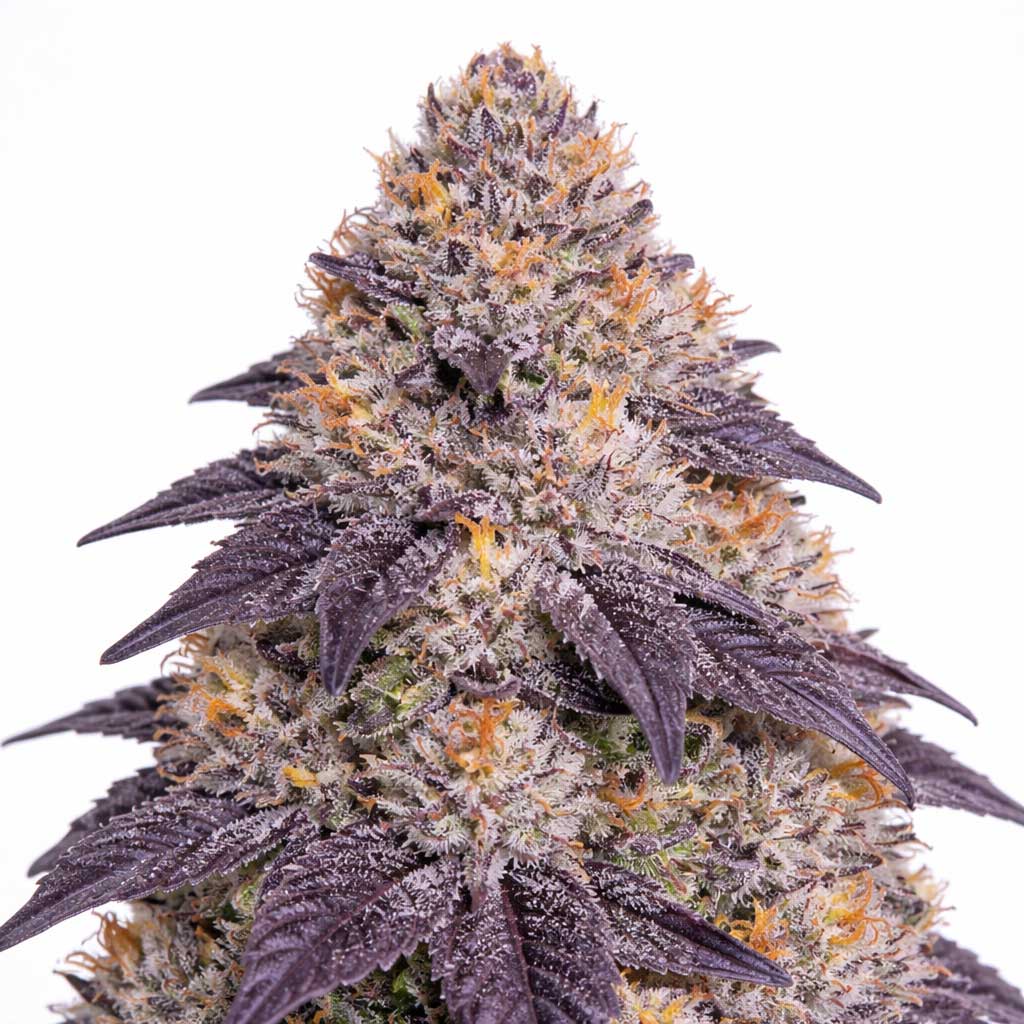
Cherry Driver (Cannabis Strain)
Cherry Driver is a potent, flavorful hybrid cannabis cultivar commonly described as a balanced hybrid with an approximate 50% indica / 50% sativa profile. Best known as a cross between Sundae Driver and Cherry Pie, it has become especially sought after for concentrate production thanks to its dense trichome coverage, greasy resin texture, and high terpene retention.
Recognized for its pastry-gas sensory profile, Cherry Driver combines the creamy grape richness of Sundae Driver with the tart, doughy cherry expression of Cherry Pie. It is widely associated with strong bag appeal, extraction-friendly resin, and a smooth transition from giddy cerebral uplift into warm physical ease. The information below is provided strictly for scientific and botanical reference.
Quick Facts
| Feature | Details |
|---|---|
| Genetics | Sundae Driver × Cherry Pie |
| Variety | Balanced hybrid |
| THC Range | 23%–27% |
| Concentrate THC | 70%–85% |
| Flowering Time | 8–9 weeks (56–63 days indoors) |
| Primary Terpenes | Limonene, Caryophyllene, Myrcene, Linalool |
| Vibe | Giddy uplift that settles into smooth, weightless body relaxation |
Scientific & Botanical Overview
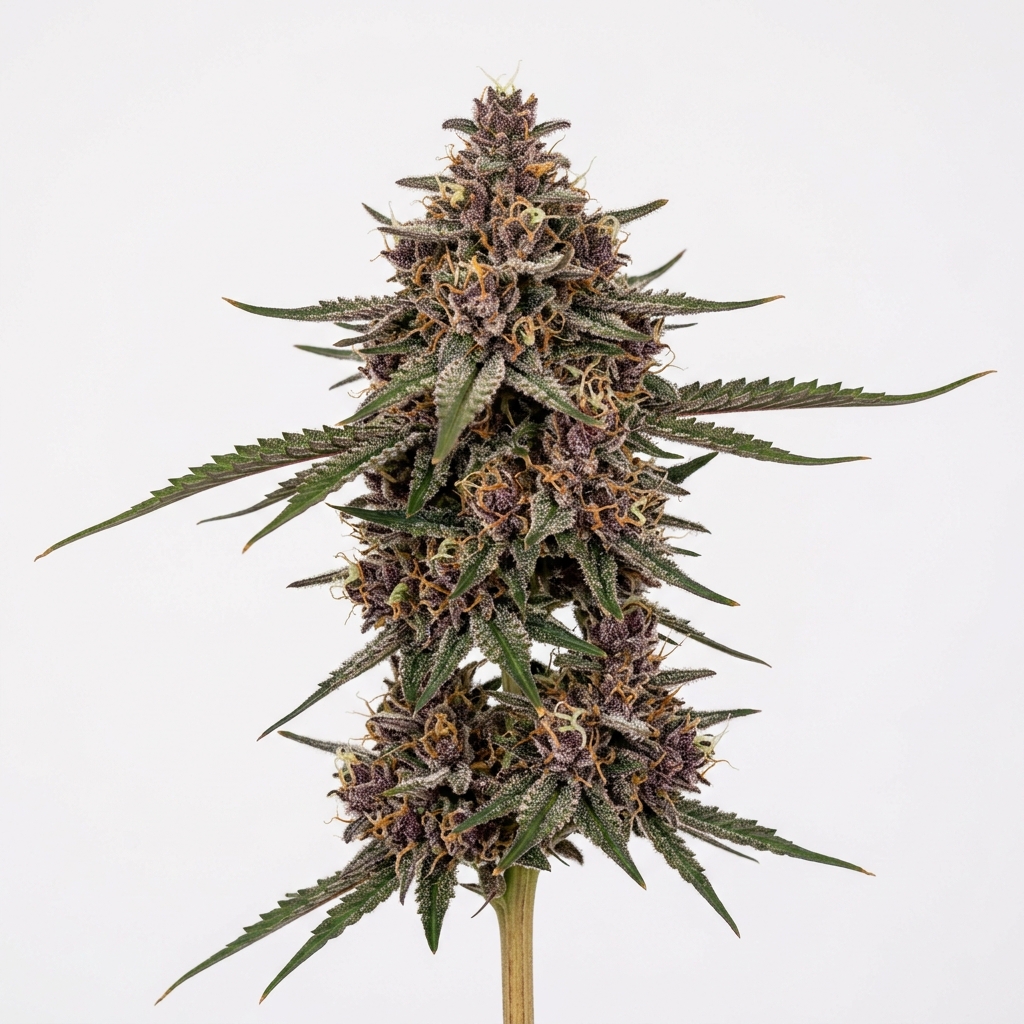
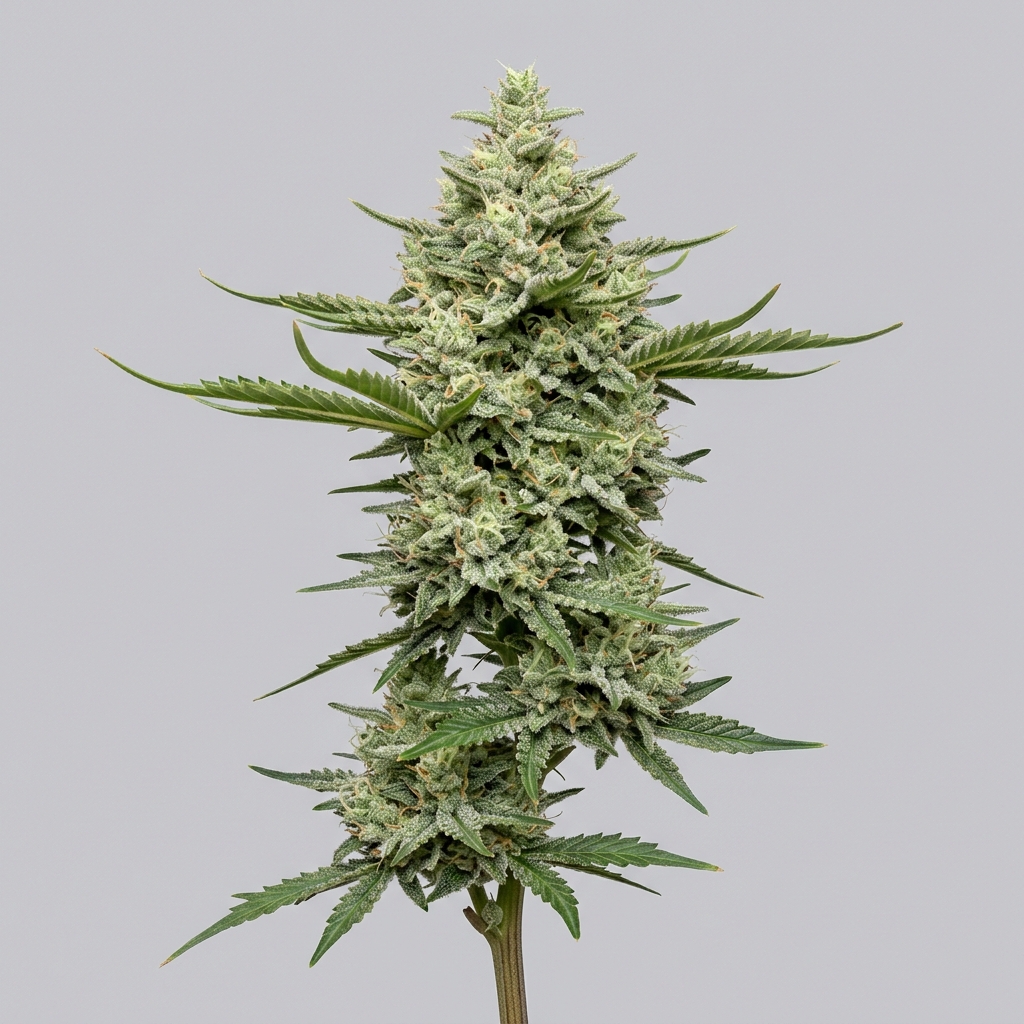
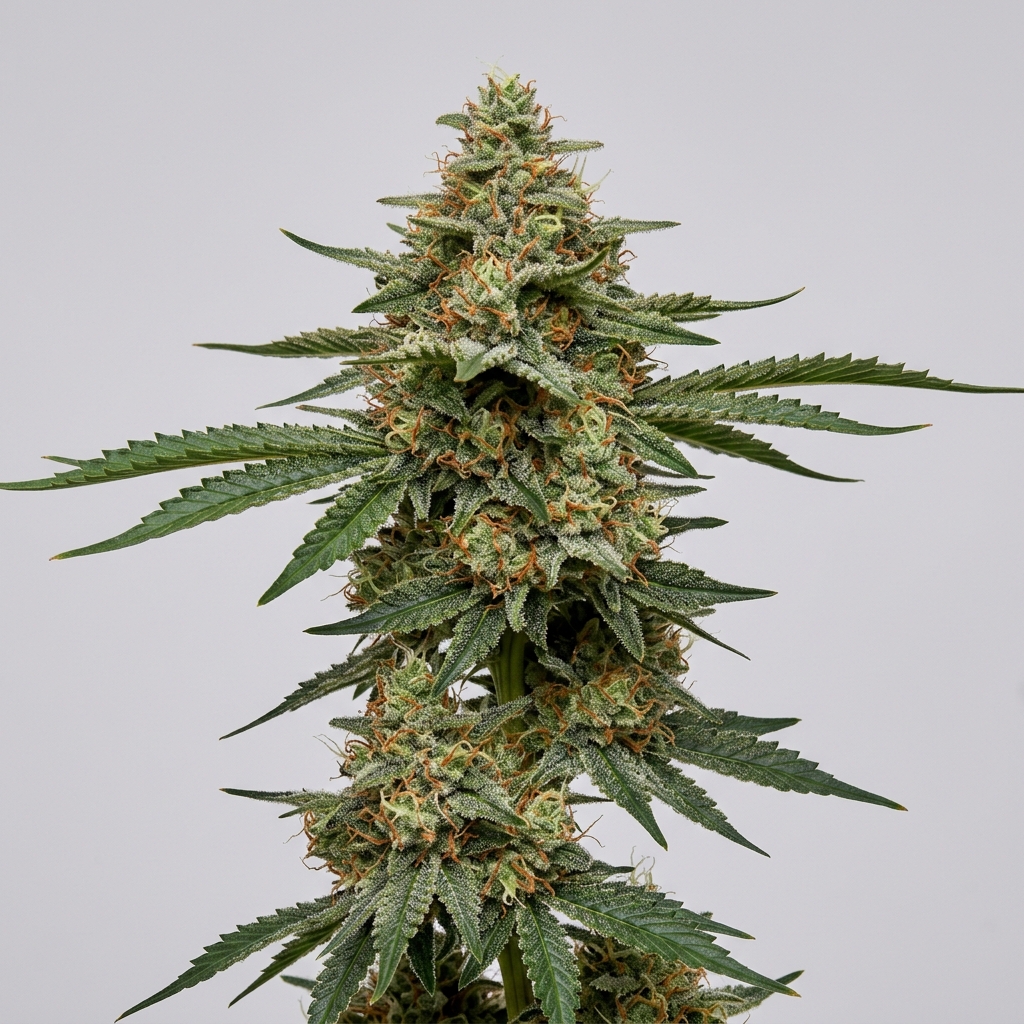
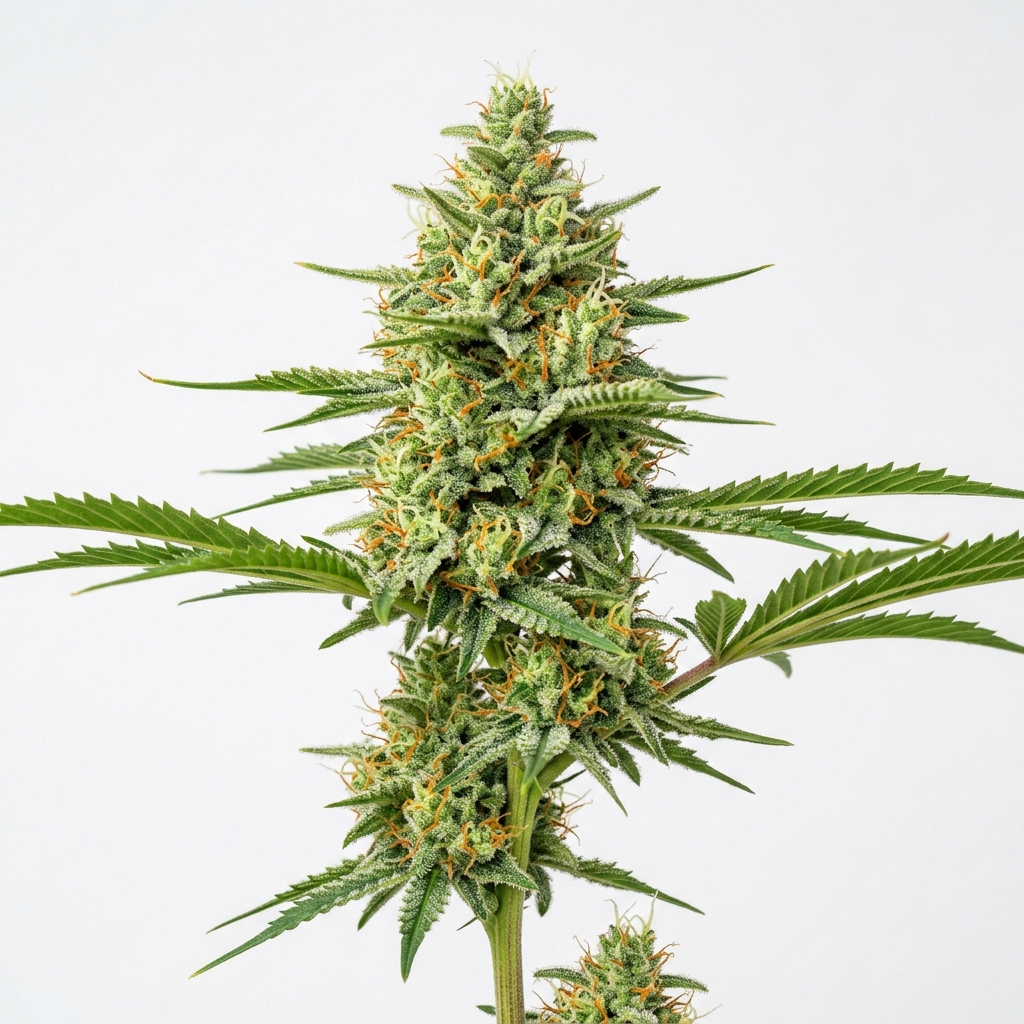
Cherry Driver is widely regarded as a resin-first cultivar. The plants typically form sturdy medium-height structures with dense lateral stacking and dark green foliage that may turn deep purple or nearly black during the final phase of flowering. The buds are often described as greasy to the touch due to their high concentration of capitate-stalked trichomes, a trait that makes the cultivar especially attractive for extraction-focused production.
Botanically, Cherry Driver stands out for combining dense flower architecture with an aromatic profile that remains expressive through both flower and concentrate formats. Its strong trichome output and stable terpene character have made it a favored option for fresh-frozen harvests intended for live resin and solventless rosin, where aroma preservation is especially important.
Cherry Driver is notable because it was effectively bred to deliver both flower appeal and extraction performance, rather than excelling in only one category.
Effects & Use-Cases (Reported)
Commonly reported effects: a smooth, balanced onset that begins with a giddy cerebral lift and positive mood enhancement, followed by a relaxing body buzz often described as happy, light, and weightless.
Use-case context: Cherry Driver is frequently associated with all-day use for experienced consumers, especially in creative settings, casual social environments, or lower-pressure daily routines where mental presence and physical ease are both desired. In concentrate form, the onset is often reported as faster, brighter, and more intense before the deeper body calm settles in.
Note: These observations are anecdotal reports and should not be interpreted as medical claims.
Aroma & Flavors
Aroma: A layered dessert-like bouquet of creamy grape, tart cherry jam, and a sharp sweet gas finish.
Flavor: The inhale is commonly described as smooth and sweet, with notes of cherry pastries and vanilla, while the exhale becomes more pungent, earthy, spicy, and fuel-tinged.
Terpene associations: Limonene, Caryophyllene, Myrcene, and Linalool.
Tested Cannabinoid & Terpene Ranges
| Compound | Typical Range* | Notes |
|---|---|---|
| Δ9-THC | 23.0%–27.0% | Potent and consistent flower range commonly reported in boutique batches |
| Concentrate THC | 70%–85% | Typical live resin or wax potency for extraction-focused versions of this cultivar |
| Limonene | ~0.7%–1.2% | Supports the citrus brightness and uplifting mood-forward onset |
| Caryophyllene | ~0.5%–0.9% | Adds spicy gas depth and helps ground the physical component |
| Linalool | ~0.2%–0.5% | Contributes creamy aromatic softness and a smoother mental transition |
*Ranges are literature-informed references for 2026 boutique harvests and may vary by phenotype, harvest timing, and extraction style.
Cultivation Notes
- Structure: Medium-height plants with manageable lateral stretch and sturdy branching
- Flower Formation: Dense, greasy, resin-rich flowers with strong trichome coverage suited to extraction
- Climate Preference: Temperate or controlled indoor environments are often favored for terpene preservation
- Nutrition: Moderate feeder that is often reported to respond well to organic teas and microbial inputs
- Training: Low-stress training and light defoliation are commonly recommended to expose lower resin sites to light
Grower Notes (Week-by-Week Snapshot)
- Weeks 1–2 (Transition): Low-to-moderate stretch is typical as the plant builds a sturdy framework to support dense, resin-heavy flowers.
- Weeks 4–6: Resin production often begins early and aggressively, with creamy cherry notes becoming highly noticeable in the room.
- Weeks 7–9: Final ripening phase, during which bud density increases and the sharper gas notes become more pronounced.
- Harvest Window: Outdoor harvest is generally targeted for late September to early October in the Northern Hemisphere.
- Post-Harvest: A slow dry around 16 °C and 60% RH is often recommended when preserving delicate creamy esters, especially if not using fresh-frozen methods for extraction.
Genetic Lineage
Cherry Driver is commonly described as a fusion of Sundae Driver and Cherry Pie. Sundae Driver contributes the creamy grape-forward richness, colorful dessert character, and smoother effect transition. Cherry Pie brings tart cherry brightness, denser flower structure, and a euphoric head-rush that helps keep the experience balanced rather than overly sleepy.
This lineage helps explain why Cherry Driver often feels sweeter and more polished than fuel-heavy hybrids, while still offering enough gas, depth, and potency to satisfy concentrate-focused consumers.
Research Insights
Cherry Driver is notable in discussions around Limonene-Linalool synergy. This terpene pairing is often associated with mood elevation combined with smoother mental settling, which may help explain why many users describe the cultivar as potent yet manageable rather than sharp or overwhelming.
From a horticultural and market perspective, Cherry Driver also reflects the increasing value placed on cultivars that perform equally well as premium flower and as high-terpene extracts. Its greasy resin texture, stable aroma, and extraction-friendly chemistry make it a strong example of this dual-purpose breeding direction.
Frequently Asked Questions
Is Cherry Driver good for dabbing?
Yes. Cherry Driver is especially valued in concentrate circles because of its strong terpene retention, greasy resin character, and creamy gas flavor profile.
What is the difference between Cherry Driver and Sundae Driver?
Cherry Driver is typically described as brighter and more uplifting, with a sharper tart cherry profile compared with the mellower grape-forward sweetness of Sundae Driver.
How does Cherry Driver smell?
It is commonly described as a blend of creamy grape, cherry pastry, vanilla sweetness, and sweet fuel.
What makes Cherry Driver stand out?
Its standout traits include greasy resin-rich buds, strong concentrate performance, pastry-gas aroma, and a balanced effect profile that moves from happy uplift into smooth body relaxation.
Educational Disclaimer
This page is provided for scientific and horticultural reference only. Cannabis laws vary by jurisdiction; always ensure compliance with local regulations.
Rate and review this strain
Ratings and reviews are accepted only from signed-in Google accounts.
Sign in with Google to leave a rating and written review.
Latest Reviews
0 reviewsNo reviews yet. Be the first Google user to rate and review this strain.