Soap (Cannabis Strain)
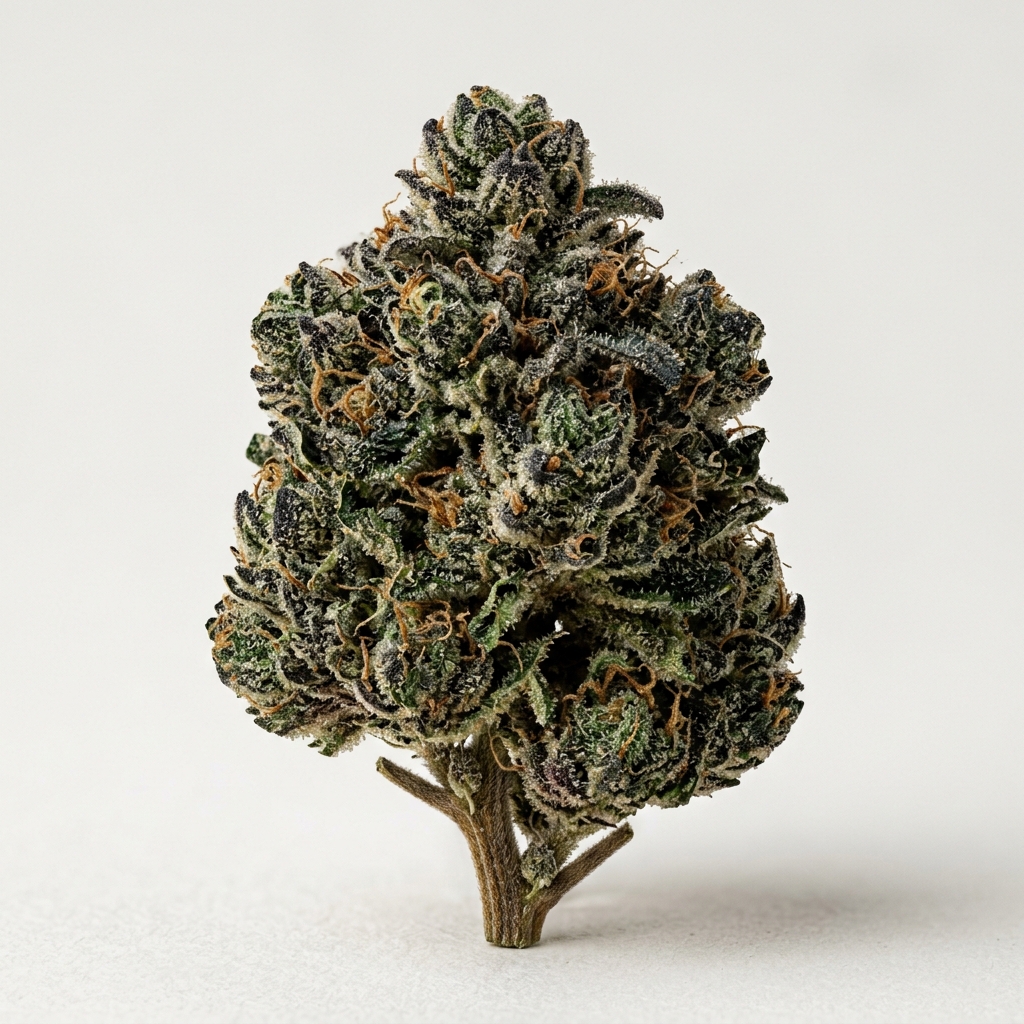
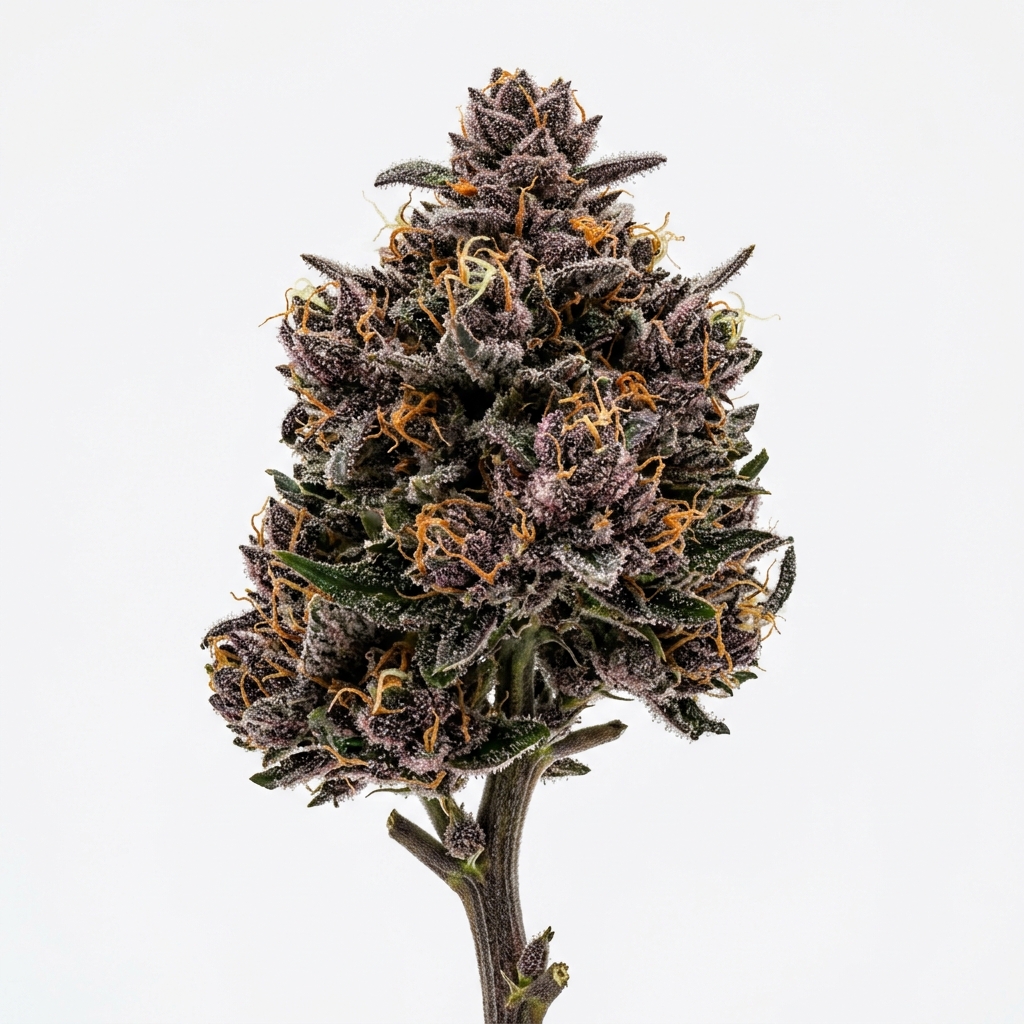
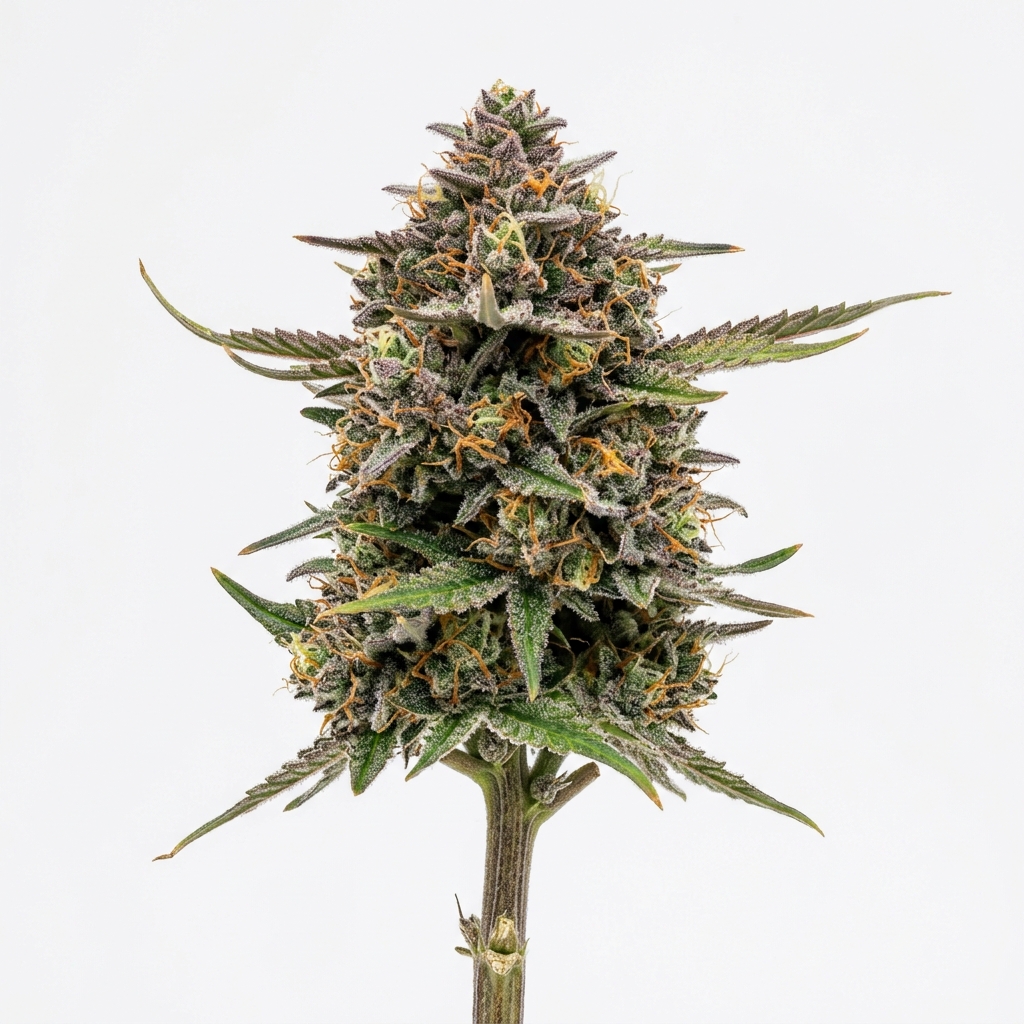
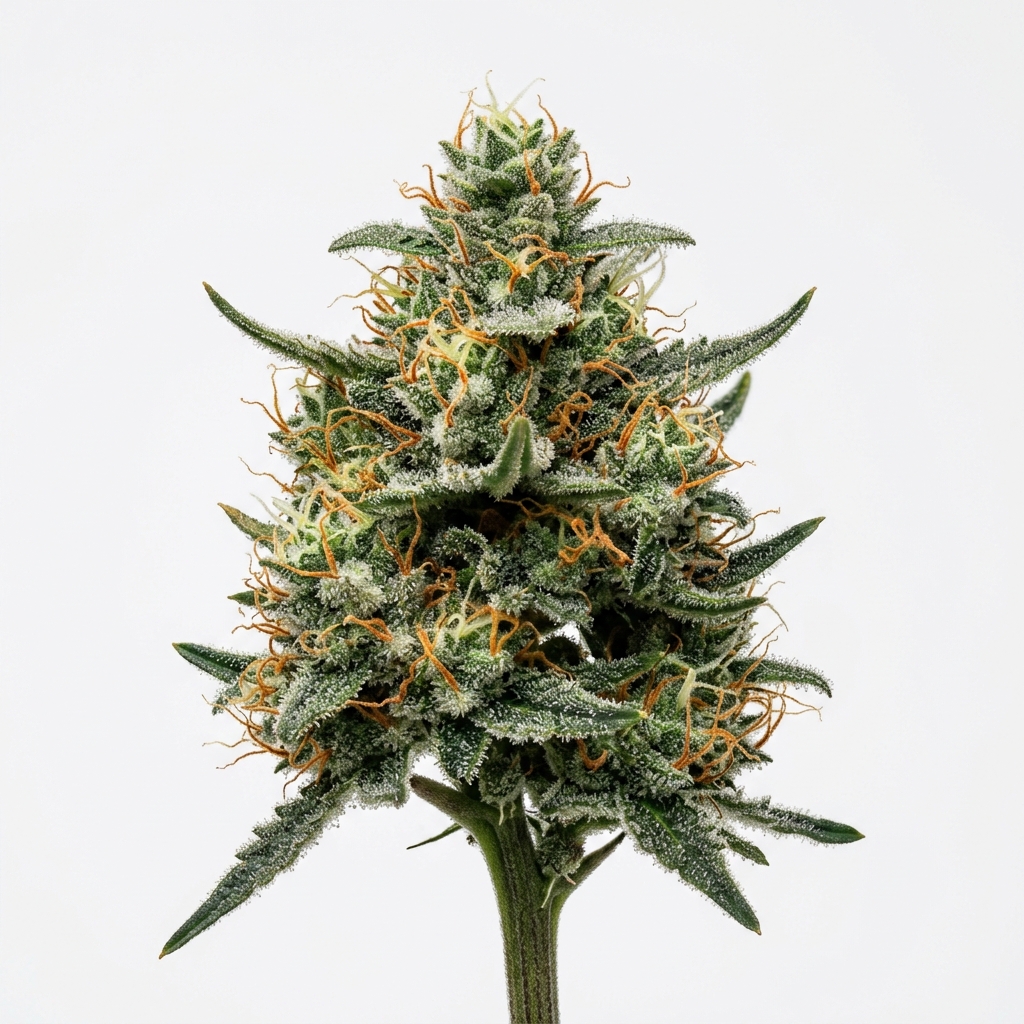
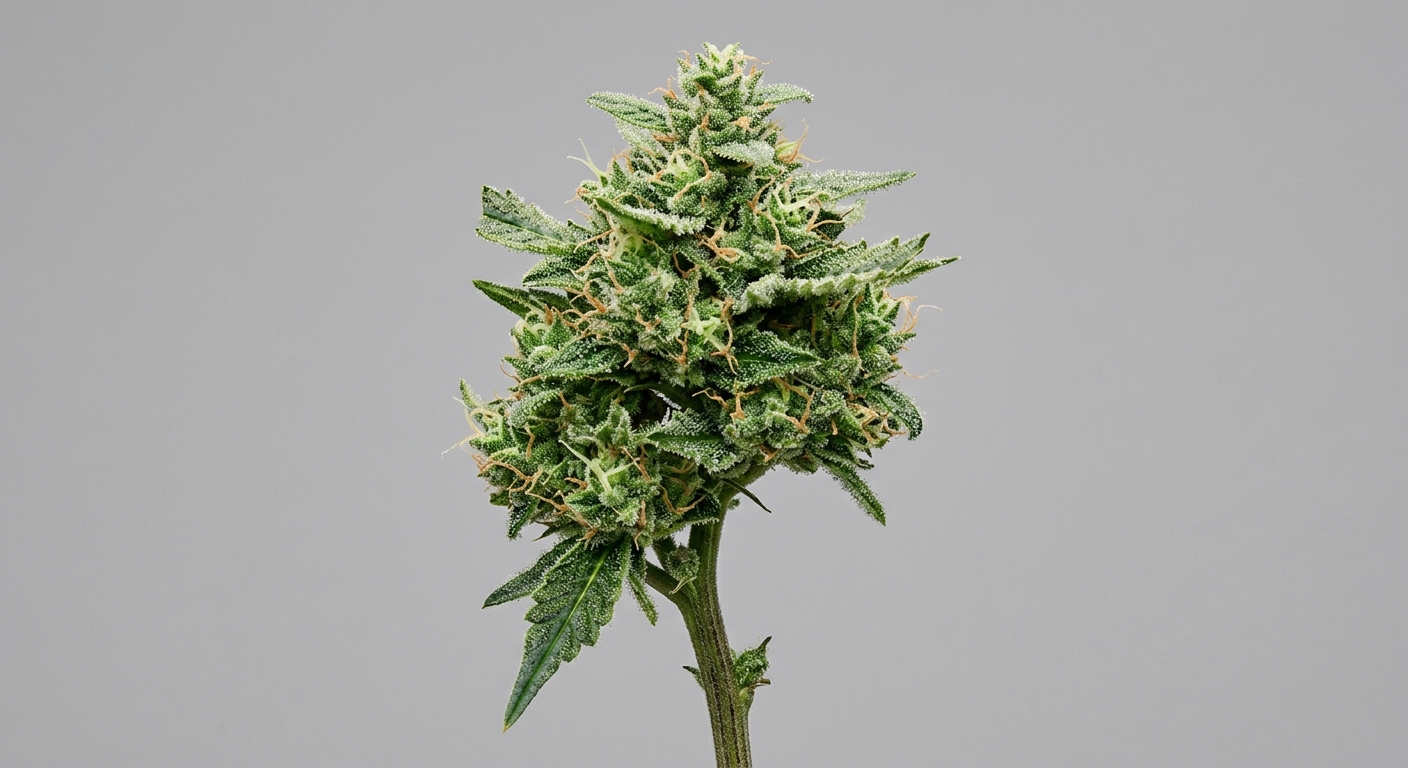
The Soap is a highly sought-after hybrid cultivar typically testing between 22% and 28% THC, originally bred through a collaboration crossing Animal Mints and Gelato 41. Known for its distinctively clean, sharp mint-gas aroma and dense, resin-rich flowers, this variety shows a moderate stretch and tight internodal spacing during its flowering cycle. The finished buds are characterized by a heavy layer of wet frost and swollen calyxes, making it a favorite for both flower enthusiasts and extraction artists looking for unique terpene clarity.
Since its introduction, the cultivar has earned a reputation for its striking visual appeal and pungent, chemical-forward profile. It stands out in modern gardens for its reliable bud structure and a terpene signature that departs sharply from typical sweet dessert profiles. Growers value the strain for its commercial viability, holding its structure well through the drying and curing process.
Quick Facts
| Metric | Details |
|---|---|
| Genetics | Animal Mints × Gelato 41 |
| Variety | Sativa-leaning Hybrid |
| THC Range | 22% – 28% |
| Flowering Time | 9 – 10 Weeks |
| Yield Potential | Moderate to High |
| Plant Height | Medium to Tall |
| Climate Preference | Temperate, low late-flower humidity |
| Difficulty | Moderate |
Scientific & Botanical Overview
Botanically, the Soap displays characteristics of both its parental lines, exhibiting broad fan leaves during vegetative growth that transition to narrower, more sativa-like leaflets during the flowering phase. The plant typically develops tight nodal clusters along its main branches, producing spear-shaped colas that require adequate airflow to prevent moisture retention. Its physical structure benefits significantly from early topping and trellis support to distribute weight evenly across the canopy.
Resin production is a defining feature of this cultivar. High concentrations of capitate-stalked trichomes cover the dense bracts and surrounding sugar leaves, giving the buds a greasy, wet appearance. The gland heads are structurally resilient, preserving volatile monoterpenes during harvest handling and the initial stages of the curing process.
Environmental management is critical when cultivating this strain. It responds favorably to consistent dry-back periods in the growing medium and requires a strict reduction in relative humidity during the final three weeks of flower. This environmental drop helps prevent microclimate moisture buildup within its tightly packed floral clusters.
Effects & Use-Cases (Reported)
Commonly reported effects: Users frequently note an immediate, clean mental lift accompanied by a subtle, functional physical relaxation. The initial onset is often described as clear-headed and energizing, without the raciness sometimes associated with pure sativa varieties. As the experience matures, a steady sense of physical ease settles in, leaving the user alert but physically comfortable.
Use-case context: Due to its balanced and clarifying nature, this cultivar is commonly selected for daytime activities, creative sessions, or social gatherings. It provides a steady stream of focus that makes it suitable for tasks requiring sustained attention. It is less suited for late-evening use when deep sleep is the primary goal.
Note: High-potency cultivars can occasionally induce mild anxiety or dry mouth in sensitive individuals. Proper hydration and moderate initial dosing are recommended.
Aroma & Flavors
Aroma: The olfactory profile is sharp, clean, and chemical-forward, strongly reminiscent of floral laundry soap, pine needles, and fresh mint. Underneath this clean top note lies a heavy, pungent fuel undertone that intensifies when the buds are broken apart.
Flavor: On the palate, the strain delivers an unusual combination of garden mint and floral soap, followed by a sharp citrus lift. The exhale carries a distinct, lingering earthy kush base with a touch of sweet, doughy gas inherited from its Gelato parentage.
Terpene associations: Laboratory testing typically reveals a profile dominated by limonene, caryophyllene, and myrcene, with secondary concentrations of linalool and pinene contributing to its clean, floral-herbal finish.
Tested Cannabinoid & Terpene Ranges
| Compound | Typical Range |
|---|---|
| Δ9-THC | 22.0% – 28.0% |
| CBD | < 0.1% |
| CBG | 0.5% – 1.2% |
| Limonene | 0.4% – 0.8% |
| Caryophyllene | 0.3% – 0.6% |
| Myrcene | 0.2% – 0.5% |
Disclaimer: Cannabinoid and terpene levels are highly variable and depend heavily on cultivation practices, environmental factors, and curing methods.
Cultivation Notes
- Training: Responds exceptionally well to topping and low-stress training (LST). Implementing a double-tier trellis system helps support the heavy upper colas as they pack on weight in late flower.
- Humidity Control: Keep relative humidity (RH) around 55% during early flower, dropping it systematically to 40% or lower by week 8 to protect the dense bract clusters from internal moisture issues.
- Nutrient Feeding: Requires a moderate feeding regimen. It can be sensitive to nitrogen toxicity in early flower; transition to phosphorus and potassium-heavy feeds smoothly.
- Phenotype Management: Watch for height variations; some phenotypes stretch more aggressively than others during the first three weeks of the photoperiod transition.
Grower Notes (Week-by-Week Snapshot)
- Weeks 1–3 (The Stretch): The plant undergoes a moderate to high stretch, often doubling in height. Focus on tucking branches under the first trellis layer and clearing out lower, non-productive bud sites (lollipoping) to improve airflow.
- Weeks 4–6 (Flower Development): Tight internodes begin filling out with small, resin-coated buttons. The clean, soapy aroma starts to emerge. Ensure canopy spacing is maintained to prevent microclimates.
- Weeks 7–9+ (Ripening & Flush): Calyxes swell significantly, and the wet frost of trichomes becomes highly pronounced. Reduce room temperatures slightly at night to encourage potential purple hues. Perform a thorough 10-to-14-day flush to preserve the clean flavor profile.
Genetic Lineage
The genetic foundation of the Soap lies in the crossing of Animal Mints and Gelato 41. Animal Mints contributes its signature minty, herbal terpene profile, heavy resin gland density, and robust, structured growth. This parental line is highly regarded for adding gas-forward notes and structural strength to its offspring.
On the other side of the cross, Gelato 41 introduces a subtle, creamy sweetness and deep, dark coloration. This lineage helps round out the sharp chemical edges of the Animal Mints, resulting in the complex, laundry-clean and gas-like profile that defines the final cultivar.
Research Insights
Scientific interest in cultivars like the Soap focuses on the unique synergy between high concentrations of limonene and caryophyllene. While caryophyllene interacts directly with CB2 receptors, limonene is frequently studied for its potential to modulate mood and cognitive alertness. The co-presence of these compounds may explain the clear-headed, uplifting physical experience reported by consumers.
Additionally, the strain’s resilient trichome structure has made it a subject of interest for extraction-focused research. The physical stability of the gland heads during mechanical separation suggests that its genetic line is highly suited for solventless extraction techniques, maintaining terpene integrity throughout the washing process.
Frequently Asked Questions
What does the Soap strain smell like?
The Soap features a highly distinct aroma of fresh, floral laundry soap, pine, and garden mint, backed by a heavy, pungent chemical gas undertone. It is widely recognized for its clean, soap-like fragrance.
Is the Soap strain indica or sativa?
The Soap is a hybrid cultivar that lean slightly sativa in its growth habits and reported effects, offering a functional, clarifying mental lift accompanied by a relaxed physical sensation.
How long does the Soap take to flower?
When grown indoors, this strain typically requires 9 to 10 weeks of flowering to reach peak maturity and optimal trichome development.
Is the Soap strain difficult to grow?
It is considered moderately difficult to grow. It requires attentive canopy management, early training, and strict control over humidity during the late flowering weeks to prevent moisture retention in its dense colas.
Educational Disclaimer
This article is intended solely for educational, informational, and botanical reference purposes. It does not constitute medical advice, nor does it encourage or promote the illegal cultivation, distribution, or consumption of cannabis. Always consult with a licensed healthcare professional before using cannabis products, and ensure compliance with all local laws and regulations.
Rate and review this strain
Ratings and reviews are accepted only from signed-in Google accounts.
Sign in with Google to leave a rating and written review.
Latest Reviews
0 reviewsNo reviews yet. Be the first Google user to rate and review this strain.