Black Mamba (Cannabis Strain)
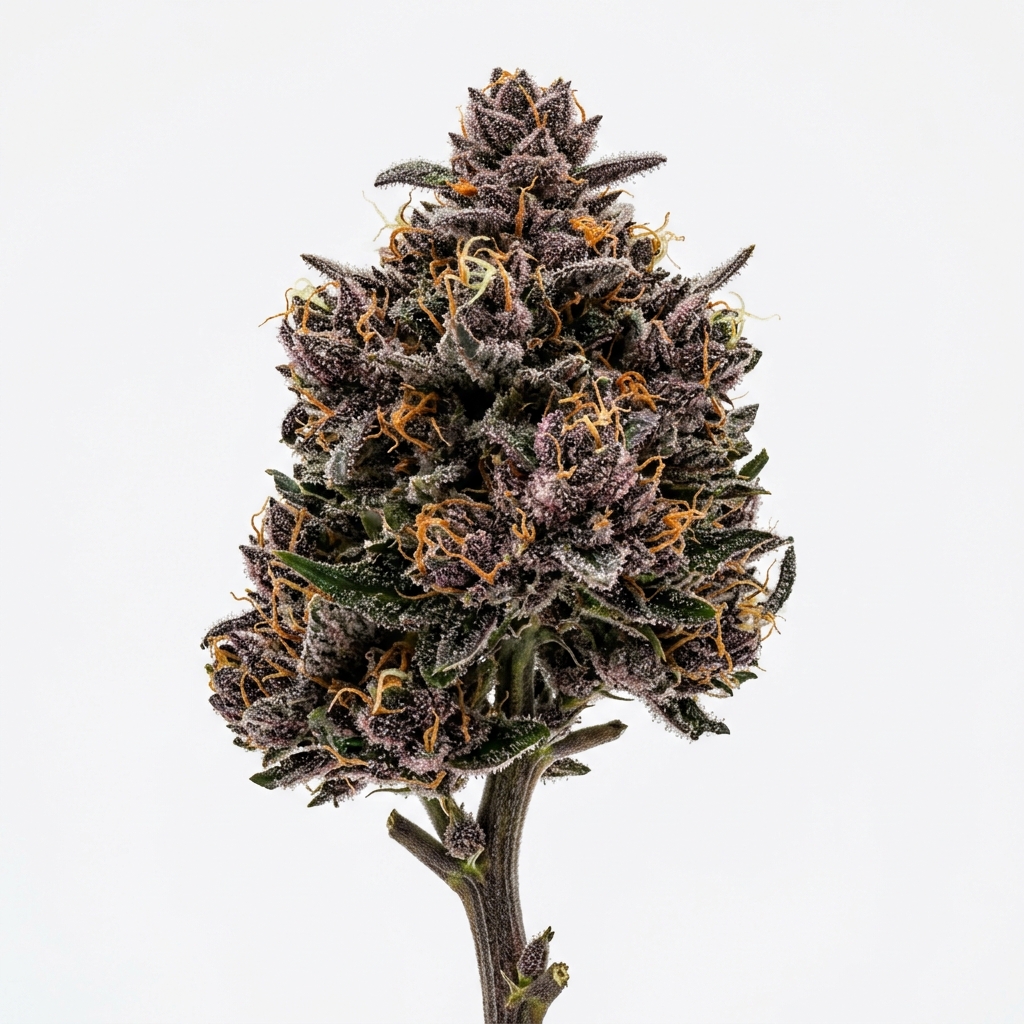
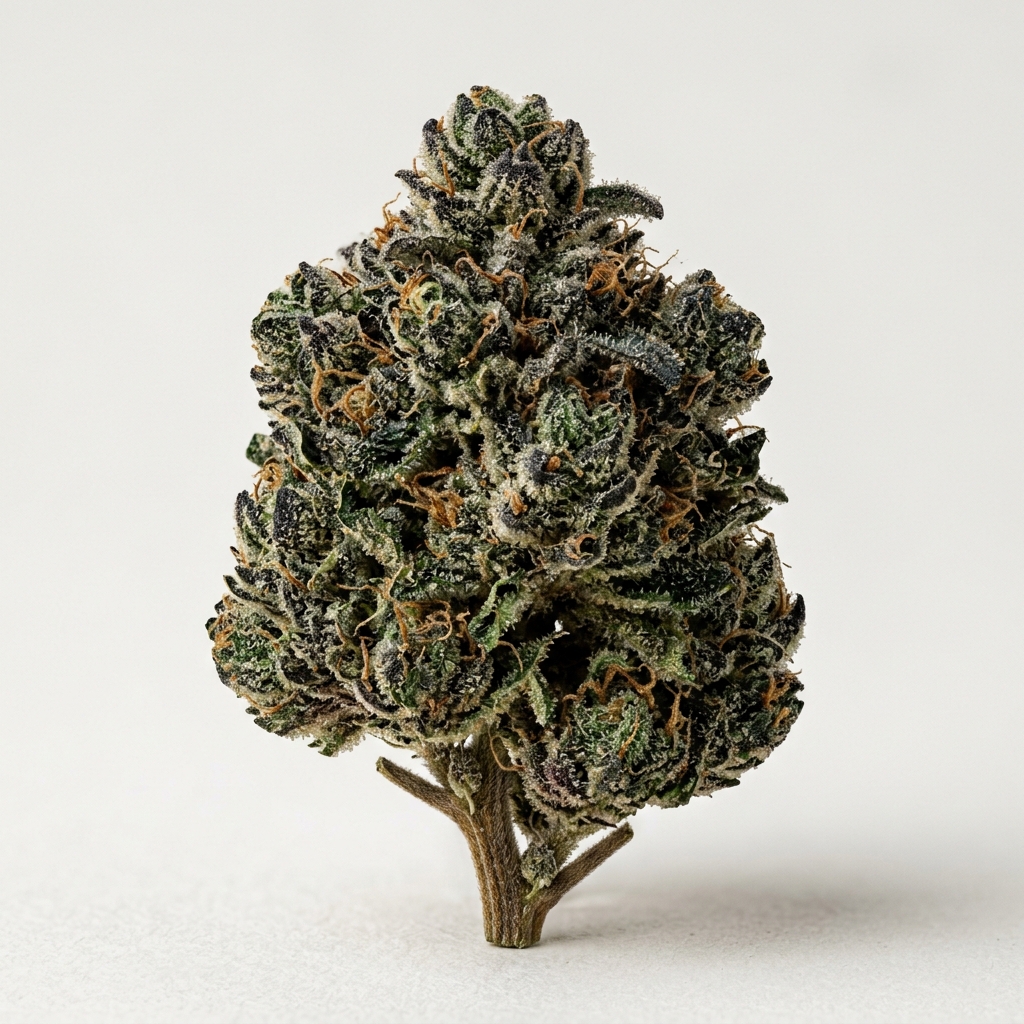
Black Mamba is an indica-dominant cultivar known for its deep purple coloration, dense bud structure, and testing in the 18% to 24% THC range. Bred from a cross of Black Domina and Granddaddy Purple, this strain delivers a rich profile of sweet dark grapes, skunky pine, and damp earth. The plants produce greasy resin over tightly packed, near-black bracts, making it a favored choice for evening selection and physical relaxation.
Cultivators value the strain for its reliable growth pattern, manageable stretch, and striking visual appeal during late flower. While it requires attentive humidity control to protect its dense colas, the reward is a heavy harvest of highly photogenic, purple-hued flowers.
Quick Facts
| Field | Details |
|---|---|
| Genetics | Black Domina × Granddaddy Purple |
| Variety | Indica-dominant Hybrid |
| THC Range | 18% – 24% |
| Flowering Time | 8 – 9 Weeks |
| Yield Potential | Moderate to High |
| Plant Height | Medium, bushy |
| Climate Preference | Mild, semi-humid to dry |
| Difficulty | Moderate |
Scientific & Botanical Overview
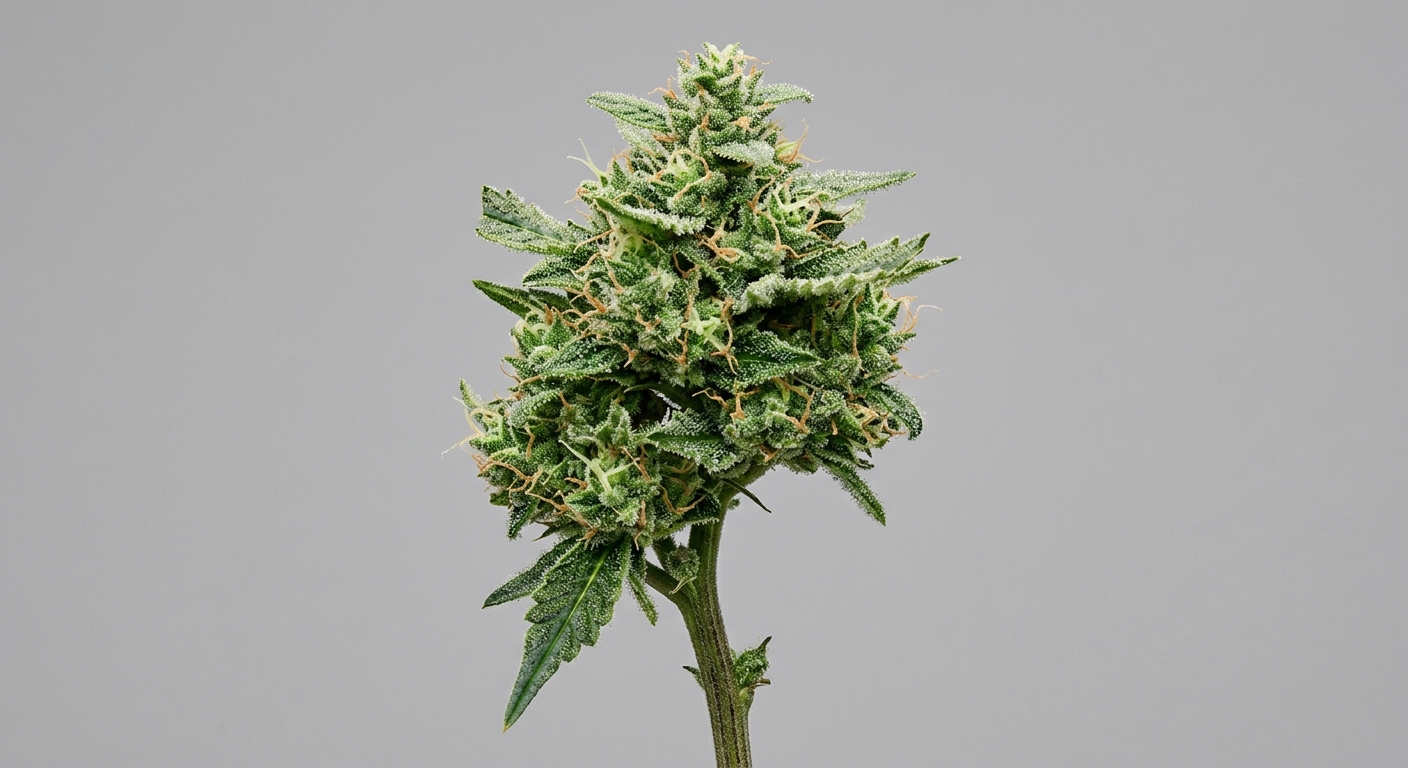
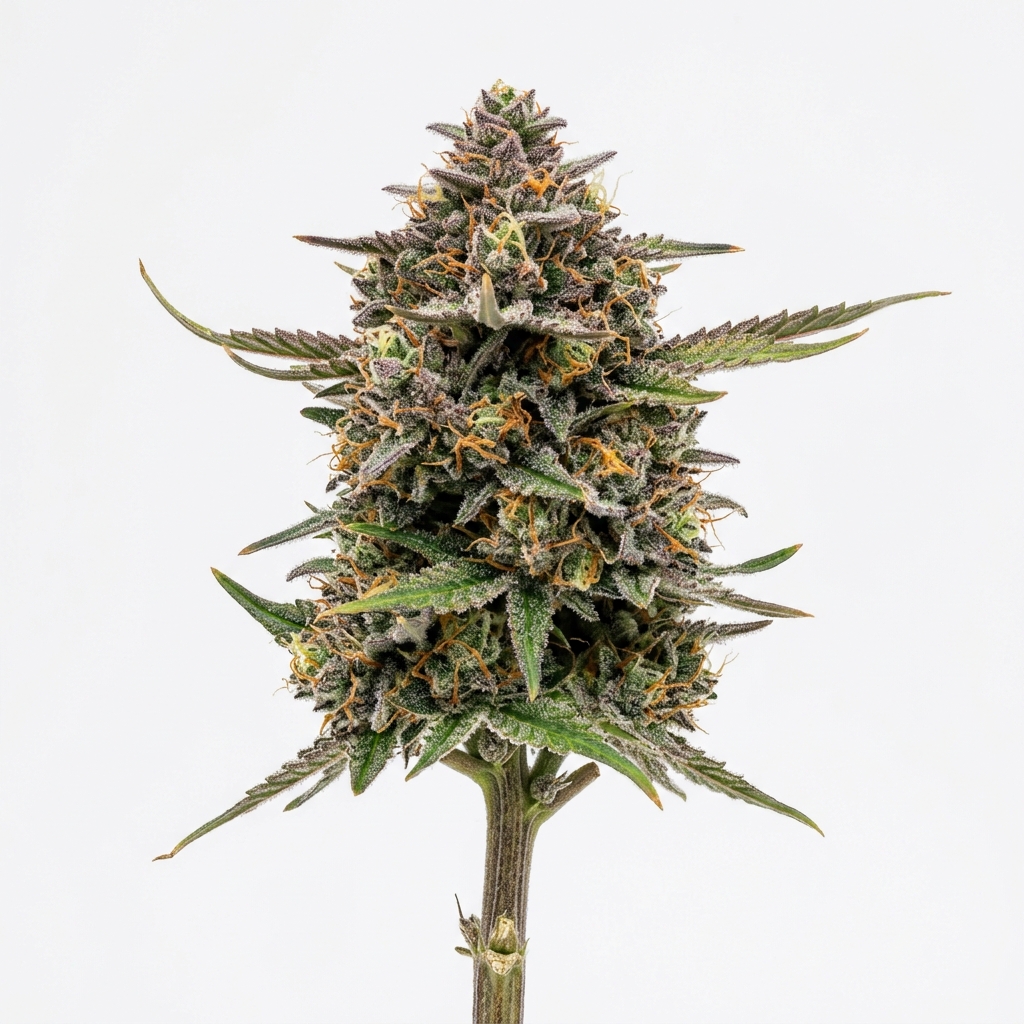
Black Mamba shows classical indica morphology, characterized by broad fan leaves, tight internodal spacing, and a stocky, lateral growth habit. The plant's standout feature is its high concentration of anthocyanins, which cause the foliage and bracts to transition from deep forest green to dark, near-black violet when exposed to cooler night temperatures. This pigment expression is highly phenotype-dependent but consistently present across authentic cuts.
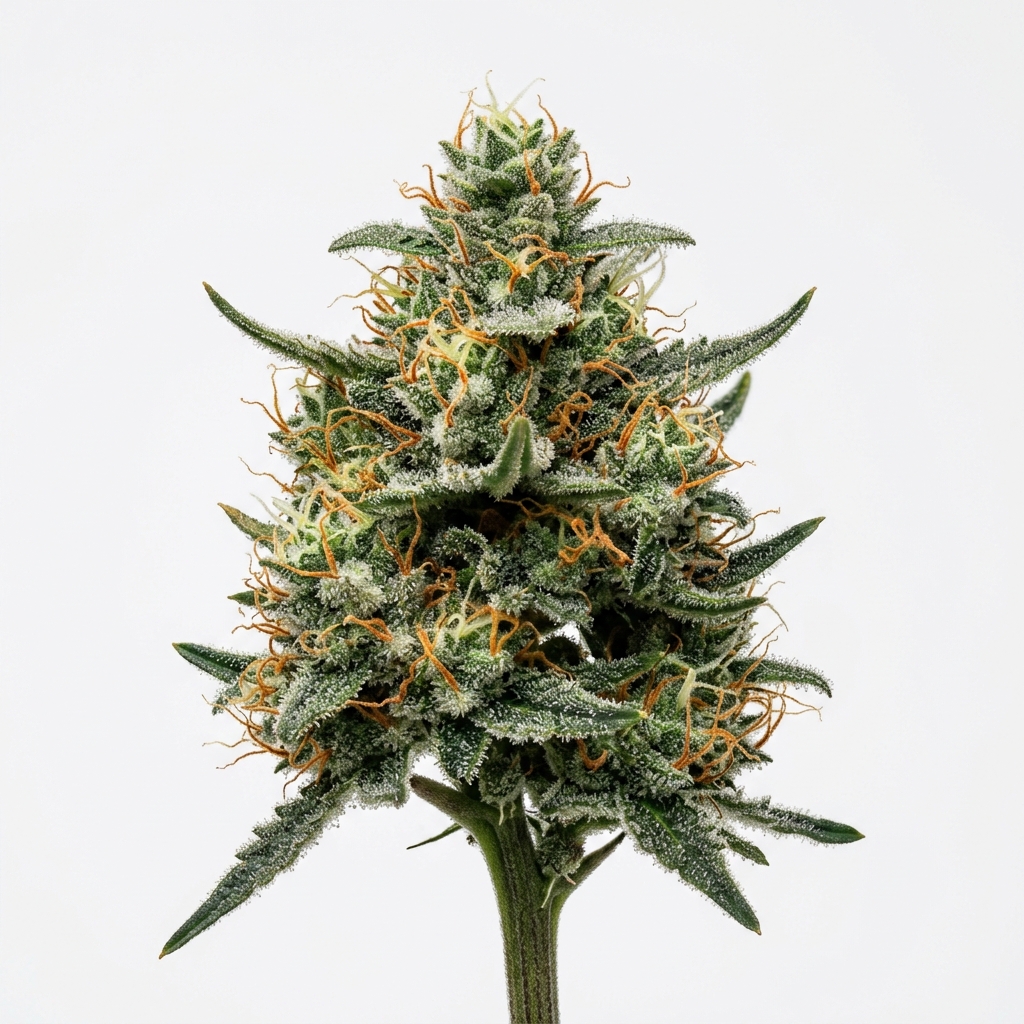
The buds develop as dense, rounded spade-like structures with tightly packed calyxes and a minimal leaf-to-bud ratio. A thick layer of glassy trichomes covers the flowers, contrasting sharply with the dark purple tissue and sparse, deep orange pistils. The resin produced is greasy rather than dry, indicating a high concentration of surface terpenes.
This cultivar thrives in controlled indoor environments where temperature drops can be systematically introduced during the final weeks of bloom. Proper airflow is critical throughout the vegetative and flowering cycles to prevent stagnant air pockets within its dense canopy. Cultivators should monitor leaf density to ensure adequate light penetration to lower bud sites.
Effects & Use-Cases (Reported)
Commonly reported effects include a heavy physical relaxation, a calm mental state, and a notable easing of bodily tension. Users frequently report a slow-building, heavy-lidded sensation that transitions into deep, restful quietude. It is widely noted for its lack of racing thoughts, favoring a grounded and tranquil state.
Use-case context favors late-evening or nighttime consumption, making it highly suitable for winding down after active days or preparing for sleep. Its physical weight makes it less ideal for daytime productivity or active social settings, as it tends to encourage immobility.
Note: Individual tolerance and consumption levels significantly influence the onset and depth of these physical effects, and newer consumers should approach this cultivar with caution.
Aroma & Flavors
Aroma: The initial scent profile is dominated by sweet, overripe grapes and dark berries, layered over a pungent, earthy musk. Breaking the buds releases a sharper undertone of sour pine and spicy fuel, showing the influence of its ancestral Kush lineages.
Flavor: On the exhale, the smoke or vapor carries a smooth, sweet berry taste followed by a lingering herbal spice and woody pine finish. It lacks the harsh chemical edge of some modern gas-heavy hybrids, offering a softer, rounder palate.
Terpene associations: Analytical testing typically shows a dominance of myrcene, caryophyllene, and limonene, which shape its sweet, spicy, and grounded aromatic profile.
Tested Cannabinoid & Terpene Ranges
| Compound | Typical Range |
|---|---|
| Δ9-THC | 18% – 24% |
| CBD | < 1% |
| Myrcene | 0.4% – 0.9% |
| Caryophyllene | 0.2% – 0.5% |
| Limonene | 0.1% – 0.4% |
These values represent typical laboratory selections. Individual results vary depending on cultivation methods, environmental variables, and specific phenotype selections.
Cultivation Notes
- Temperature Management: Introduce mild temperature drops (around 55–60°F) during night cycles in late flower to encourage the expression of dark purple pigments.
- Humidity Control: Maintain relative humidity below 45% during the final three weeks of flowering to safeguard the dense, moisture-retaining colas from mold.
- Defoliation: Apply moderate under-canopy pruning (lollipoping) before the stretch phase to improve light penetration and airflow through the lower branches.
- Nutrient Requirements: This cultivar responds well to a steady, moderate feeding schedule, showing sensitivity to nitrogen toxicity if overfed during early bloom.
- Phenotype Selection: Look for phenotypes that display both the rapid vegetative growth of Black Domina and the deep berry aroma of Granddaddy Purple.
Grower Notes (Week-by-Week Snapshot)
- Weeks 1–3 (Vegetative & Transition): Plants establish a bushy, lateral frame with sturdy lateral branches. Minimal stretch occurs upon flipping to a 12/12 light cycle, usually averaging a 50% to 80% increase in height.
- Weeks 4–6 (Mid-Flower): Button-like bud sites form rapidly along the branches, showing early resin production. Ensure early support stakes or trellis netting are in place to handle the weight of developing colas.
- Weeks 7–9 (Late Flower & Flush): Dense bracts swell and the characteristic purple coloration deepens across the fan leaves and flower structures. Reduce humidity, begin a clean water flush, and monitor trichomes for a milky-to-amber transition before harvest.
Genetic Lineage
The lineage of Black Mamba is rooted in two highly influential indica classics: Black Domina and Granddaddy Purple. Black Domina contributes its sturdy structural frame, heavy resin output, and peppery, hash-like undertones. This parental line ensures the offspring maintain a compact, indoor-friendly growth habit.
Granddaddy Purple introduces the vibrant purple aesthetic, sweet grape-berry terpene profile, and deep physical relaxation. This combination yields a balanced, visually striking hybrid that preserves the best qualities of its landrace-derived ancestors while meeting modern aesthetic standards.
Research Insights
Phytochemical analysis of this cultivar highlights a high concentration of myrcene, which works alongside caryophyllene to deliver its characteristically heavy physical footprint. The presence of anthocyanins, water-soluble pigments responsible for the dark violet coloration, points to a strong genetic response to environmental cooling. These compounds are of interest for their stability under standard indoor cultivation parameters.
Breeders use these stable genetic traits to introduce deep coloration and dense bud structures into modern hybrid lines. Ongoing research into these dark-pigmented cultivars continues to explore the relationship between flavonoid expression and overall terpene preservation during the drying process.
Frequently Asked Questions
Is Black Mamba a pure indica?
While it displays strong indica-dominant growth habits and physical effects, Black Mamba is technically an indica-dominant hybrid, usually exhibiting an 80/20 indica-to-sativa ratio.
How long does Black Mamba take to flower?
This cultivar typically finishes its flowering cycle in 8 to 9 weeks when grown indoors, while outdoor harvests generally occur in late September to early October.
What gives Black Mamba its dark purple color?
The dark purple hues are driven by natural plant pigments called anthocyanins, which become highly active and visible when night temperatures are lowered during the late flowering stage.
Does this strain stretch significantly during flower?
No, Black Mamba shows a controlled, moderate stretch, making it well-suited for indoor grows with limited vertical space.
Educational Disclaimer
This profile is intended purely for educational and informational purposes. Cultivation regulations and consumption laws vary by jurisdiction, and readers should always consult local guidelines before propagating or using cannabis.
Rate and review this strain
Ratings and reviews are accepted only from signed-in Google accounts.
Sign in with Google to leave a rating and written review.
Latest Reviews
0 reviewsNo reviews yet. Be the first Google user to rate and review this strain.