Pistachio Snow Cream (Cannabis Strain) — Strainpedia
Pistachio Snow Cream is the premier “luxury dessert” cultivar of 2026, released by the elite European breeders at Anesia Seeds. This Indica-Dominant Hybrid is a masterclass in terpene stabilization, specifically engineered to deliver a rare, velvety mouthfeel and exotic nutty aromatics. In a market often saturated with fruity candy profiles, Pistachio Snow Cream stands out as a sophisticated alternative, combining a brutal 35% THC ceiling with the refined, creamy textures of a high-end confection. The information below is intended strictly for scientific and botanical reference.
Quick Facts
| Genetics | Pistachio x Snowball x Chimera Cut |
|---|---|
| Breeder | Anesia Seeds |
| Variety | Indica-Dominant Hybrid (70% Indica / 30% Sativa) |
| Flowering Time | ~56–63 days (8–9 weeks) |
| Yield Potential | High (600–650 g/m² indoors; up to 1300 g/plant outdoors) |
| Plant Height | 160–190 cm (Indoor) / 200–240 cm (Outdoor) |
| Climate Preference | Sunny, warm Mediterranean (responds exceptionally well to UVB supplementation) |
| Difficulty | Medium to Advanced (demands precise light and nutrient stability) |
Scientific & Botanical Overview
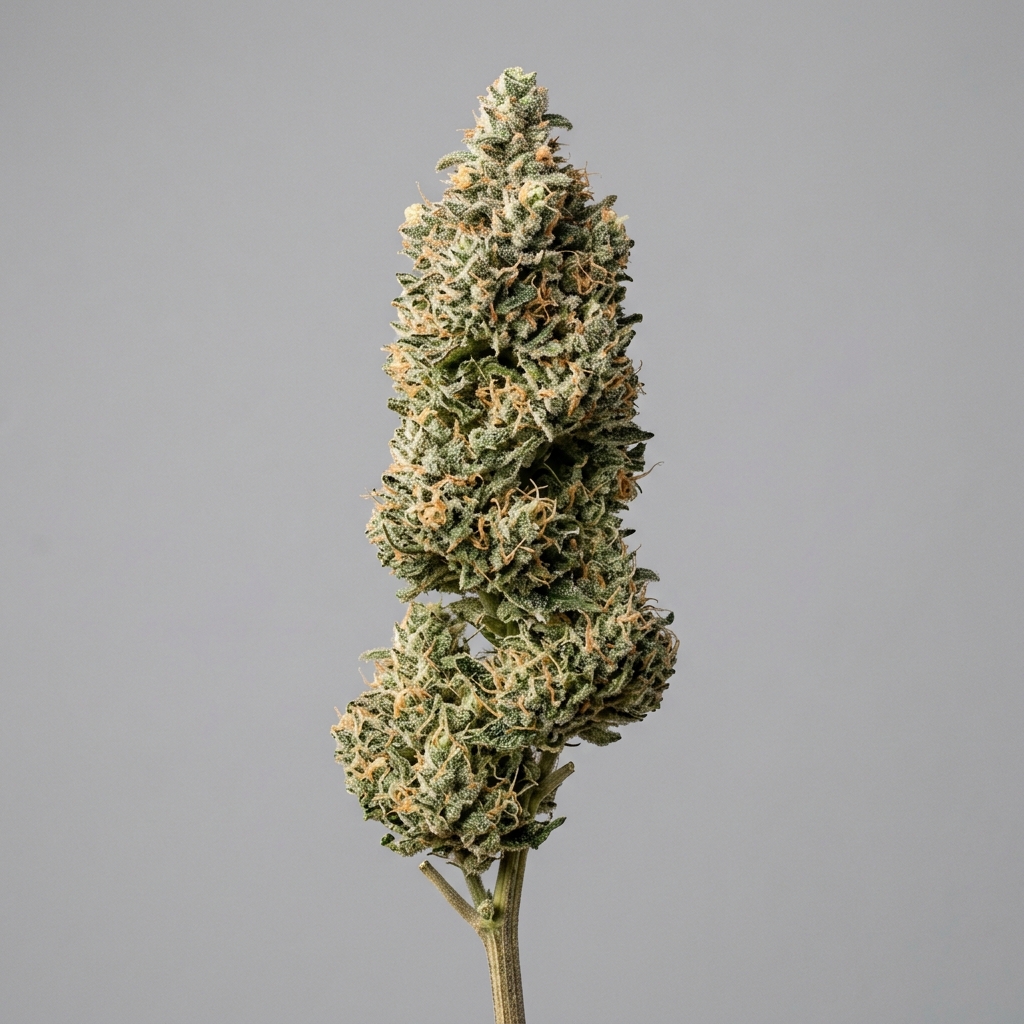
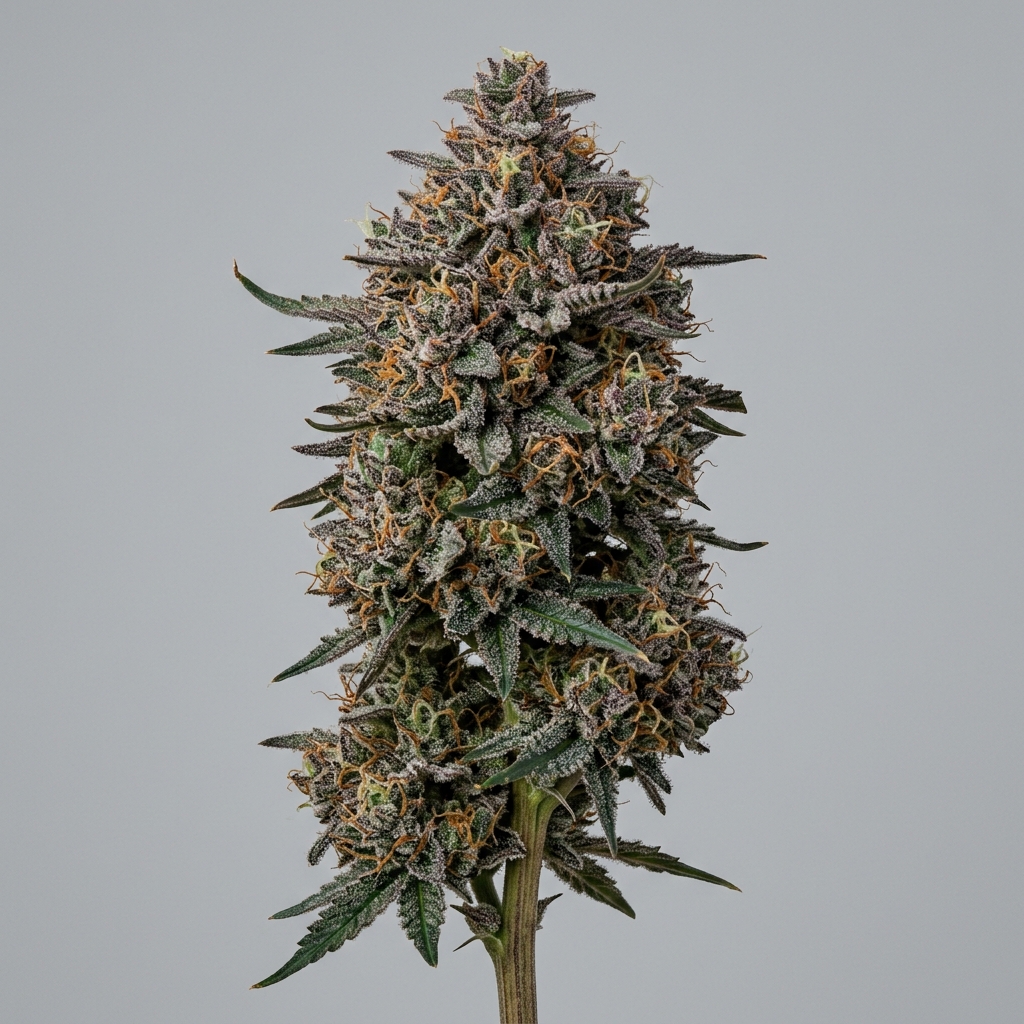
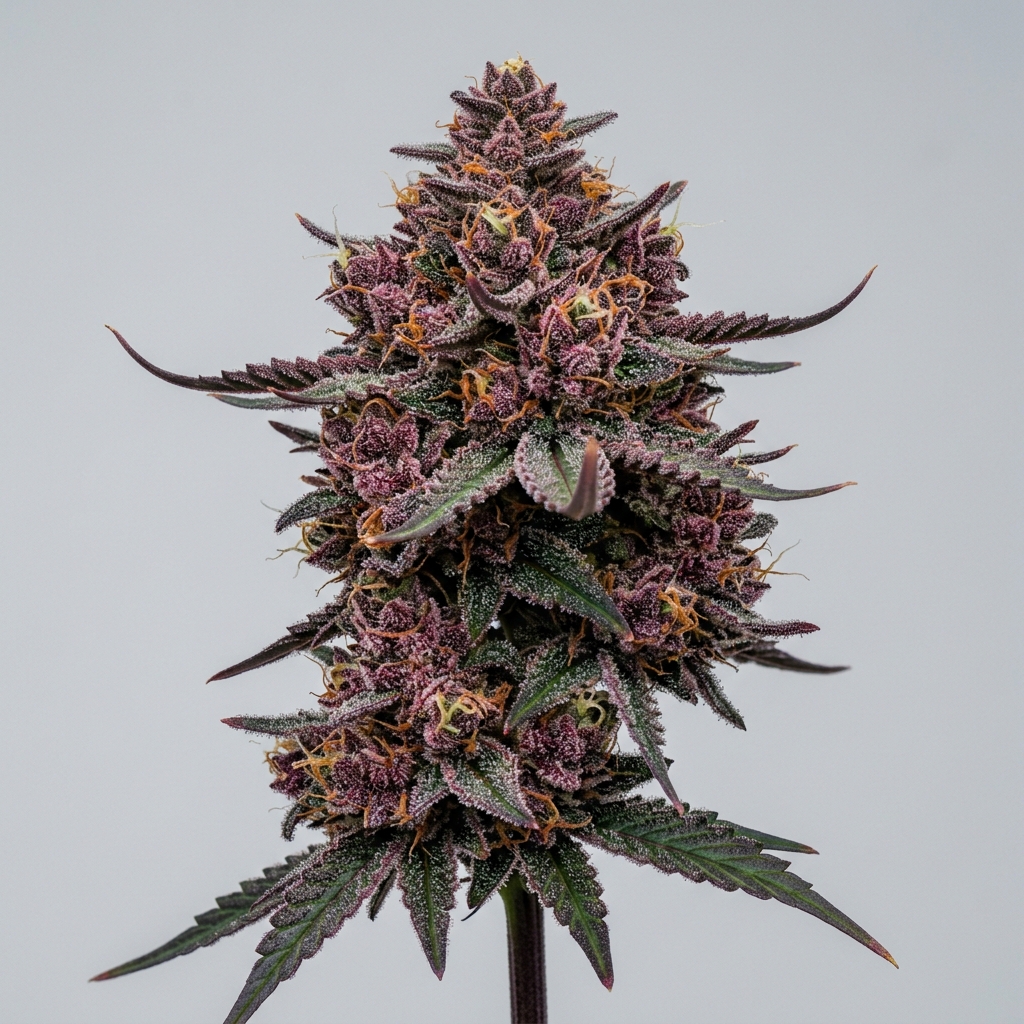
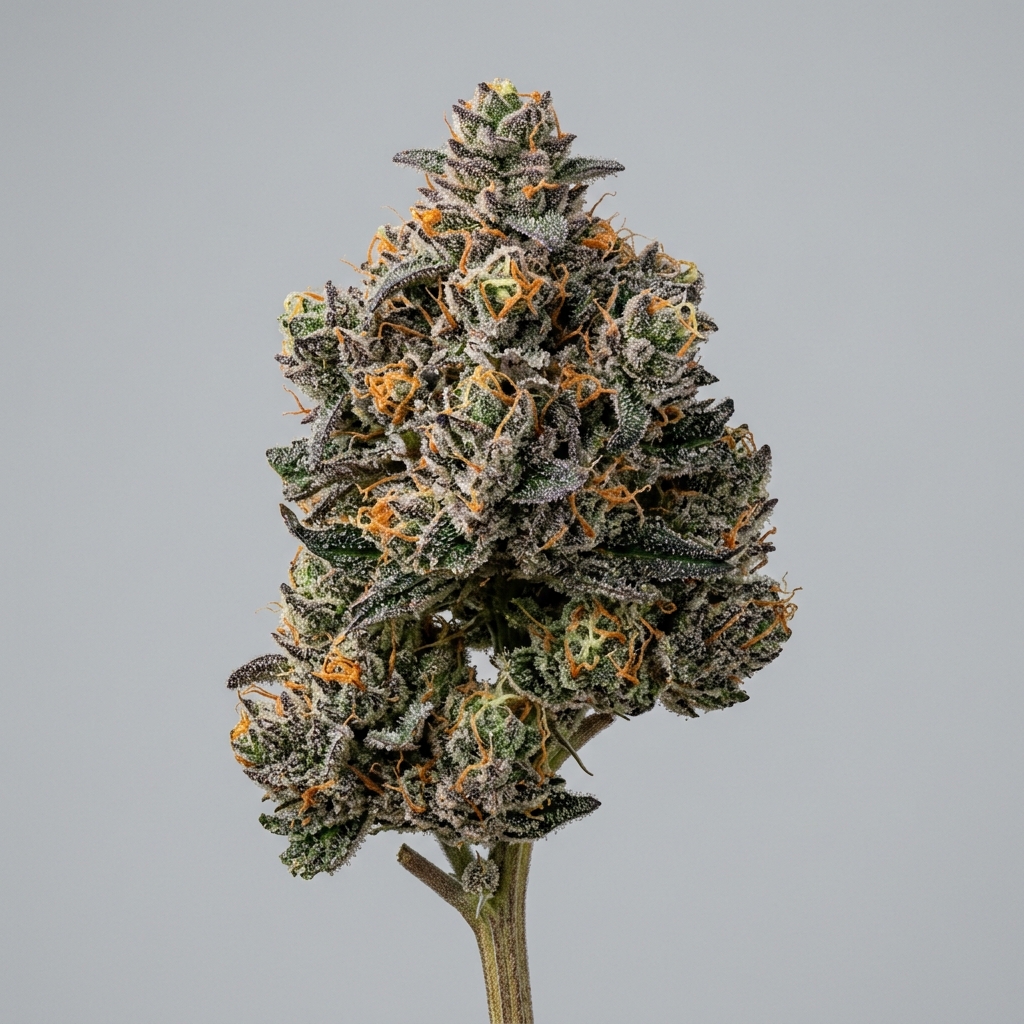
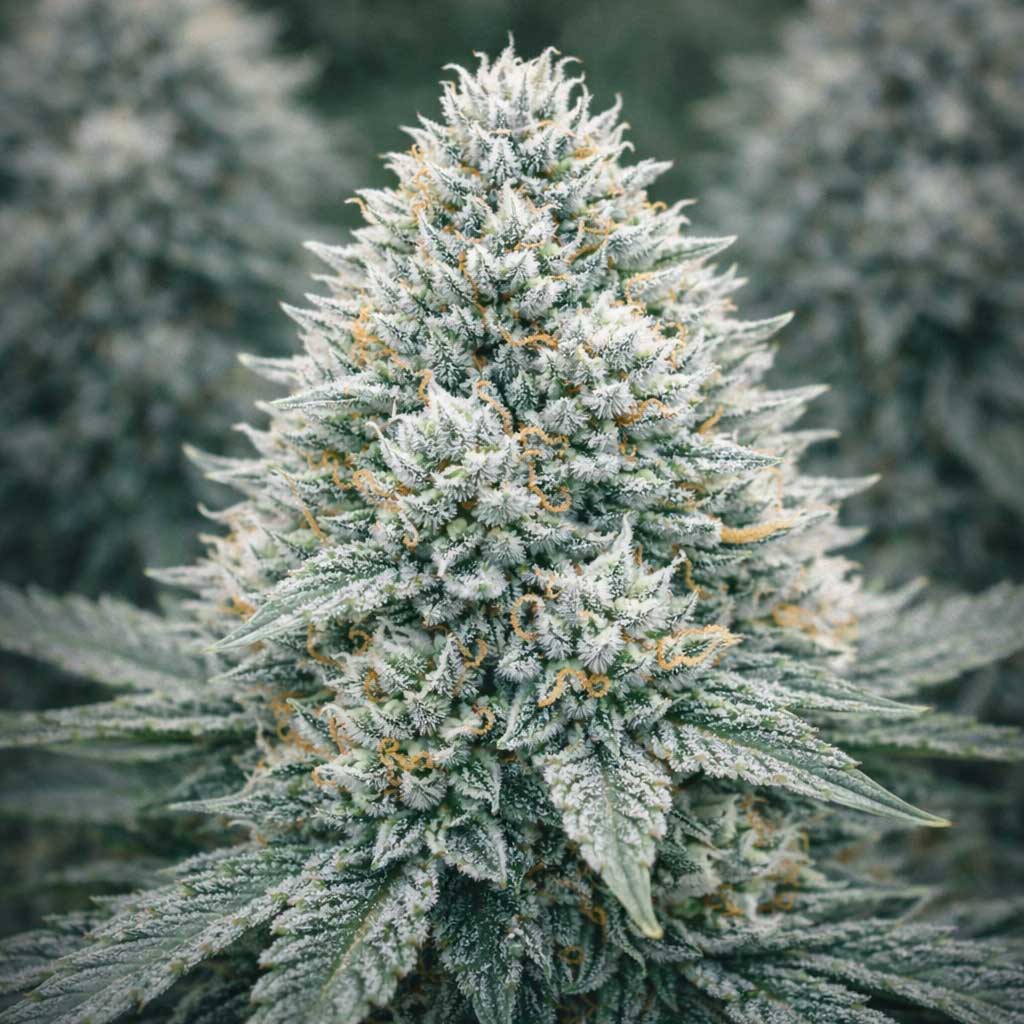
Pistachio Snow Cream is a botanical marvel characterized by its extreme resin density and unique “frost-kissed” appearance. The cultivar develops a strong, well-branched skeletal structure capable of supporting its massive, stackable colas. The buds are exceptionally dense, displaying a thick mantle of crystalline trichomes that appear almost like a layer of fresh snow—a trait inherited from its Snowball lineage. Growers often note that the plant expresses its maximum genetic potential when exposed to high-intensity lighting, which triggers the production of specialized secondary metabolites that define its signature icy finish.
Effects & Use-Cases (Reported)
- Commonly reported effects: expansive euphoria, cinematic mental clarity, followed by a slow-motion “melting” body sensation and profound muscle relaxation.
- Use-case context: the ultimate evening unwind strain; selected for deep decompression, managing high-stress levels, and luxurious late-night sessions.
- Experience note: the high is often described as progressive, starting with a buoyant lift before pinning the user with a gentle, warm physical pressure.
- Note: These are observational reports, not medical claims; outcomes are not guaranteed.
Aroma & Flavors
- Aroma: a rich, indulgent bouquet of toasted pistachio nuts, sweet vanilla bean, and a crisp frosty freshness.
- Flavor: thick, dense smoke that tastes like a frozen dessert; creamy nuttiness on the inhale with a smooth, cold mouthfeel on the exhale.
- Terpene associations: dessert-style profile with high concentrations of limonene and myrcene.
Tested Cannabinoid & Terpene Ranges
| Compound | Typical Range* | Notes |
|---|---|---|
| Δ9-THC | Up to 35% (reported) | A brutal power cultivar; one of the strongest photoperiod releases of 2026. |
| CBD | Low (0–1%) | Minimal CBD presence allows the high-THC effects to dominate. |
| Limonene | Not quantified | Associated with the initial euphoric lift and creamy vanilla top notes. |
| Myrcene | Not quantified | The foundation for the slow-melt physical relaxation and deep earthy notes. |
| Terpene Profile | Luxury Dessert / Nutty Cream | Toasted pistachio, soft vanilla, icy menthol-adjacent freshness. |
*Ranges are literature- and lab-report-informed references and can differ with environment, harvest timing, cultivation conditions, post-harvest handling, and analytical methods.
Cultivation Notes
- Light Cycle: 18/6 vegetative; 12/12 flowering
- Humidity Targets: ~40% during the final ripening weeks to enhance resin frosting
- Vigor: high lateral branching; responds exceptionally well to Topping and SCROG (Screen of Green)
- UVB Exposure: supplementing with UVB during the final 2 weeks can boost trichome maturity and aromatic depth
- Harvest Window: late September to early October (Northern Hemisphere)
Grower Notes (Week-by-Week Snapshot)
- Weeks 1–2 (Transition): plants stretch confidently; apply early training to manage height and establish canopy shape.
- Weeks 3–4: rapid stacking begins; nutty aroma develops as pistils multiply and calyxes swell.
- Weeks 5–6: peak resin production; buds become silver-white as trichomes obscure the green calyx surface.
- Weeks 7–8: ripening phase; colas become heavy and dense; reduce nighttime temperatures slightly to preserve terpenes.
- Day 63 Harvest Window: harvest when trichomes are mostly cloudy with slight amber to maximize the slow-melt effect.
- Post-Harvest: a 14-day slow cure is recommended to fully develop the creamy ice cream mouthfeel and nutty complexity.
Timelines shift with genotype and environment; prioritize plant health markers and trichome maturity over calendar counts.
Genetic Lineage
Pistachio Snow Cream is a high-potency polyhybrid created by crossing Pistachio, Snowball, and Chimera Cut. The Pistachio parent contributes its unique savory-nutty aromatics, while Snowball provides the massive resin production and snowy aesthetic. The Chimera Cut enhances stability and contributes the creamy, velvety dessert texture that defines the exhale. This triple-cross was stabilized by Anesia Seeds to ensure consistent boutique-quality results with extreme THC expression.
Research Insights
In 2026, Pistachio Snow Cream is frequently cited as a benchmark cultivar for terpene refinement. Researchers and growers note that its indica-dominant cannabinoid profile paired with dessert-focused aromatics produces a unique cinematic experience, where the user feels mentally expansive yet physically anchored. This synergy makes it a strong candidate for studying the entourage effect in high-THC dessert hybrids, especially how creamy and nutty terpene profiles may modulate the intensity of high THC expression.
Frequently Asked Questions
Is Pistachio Snow Cream an Indica or Sativa?
Pistachio Snow Cream is a 70% Indica / 30% Sativa hybrid, leaning heavily toward physical relaxation with a bright mental onset.
What does Pistachio Snow Cream taste like?
True to its name, it tastes like pistachio ice cream with creamy vanilla notes and a smooth, refreshing cold finish.
How strong is Pistachio Snow Cream?
It is extremely strong. With THC levels reported up to 35%, it is recommended for experienced consumers only.
What is the flowering time of Pistachio Snow Cream?
Pistachio Snow Cream typically finishes in 8–9 weeks indoors (approximately 56–63 days).
Is Pistachio Snow Cream good for extracts?
Yes. Due to its heavy resin production and dense trichome coverage, it is a strong choice for solventless extraction such as live rosin and bubble hash.
Educational Disclaimer: This page is provided for scientific and horticultural reference only and does not constitute medical or promotional advice. Cannabis cultivation, possession, and use are regulated by local laws. Always comply with applicable legislation in your region.
Meta Title: Pistachio Snow Cream Strain – Strainpedia
Meta Description: Pistachio Snow Cream Strain by Anesia Seeds blends Pistachio × Snowball × Chimera Cut for nutty cream flavor, up to 35% THC, and 8–9 week flowering.
Rate and review this strain
Ratings and reviews are accepted only from signed-in Google accounts.
Sign in with Google to leave a rating and written review.
Latest Reviews
0 reviewsNo reviews yet. Be the first Google user to rate and review this strain.