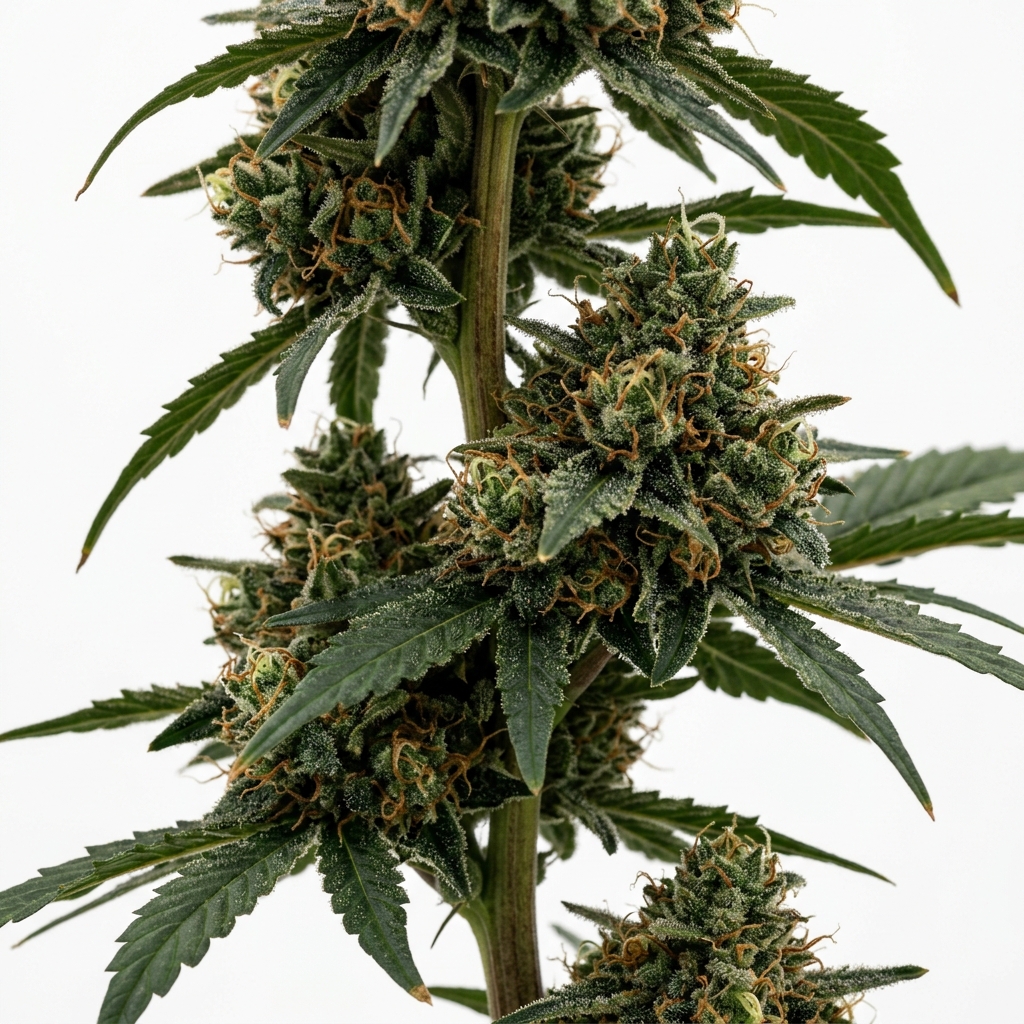
Larry Lovestein (Cannabis Strain)
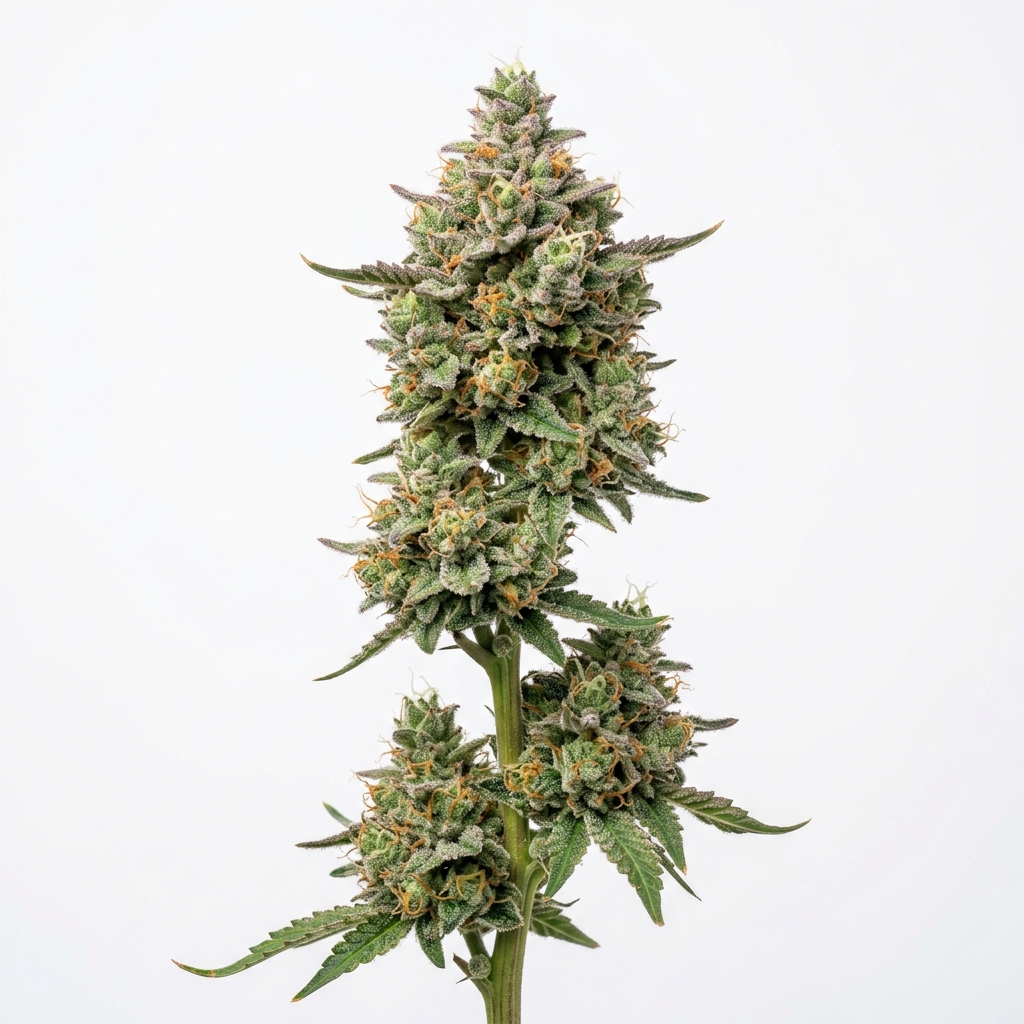
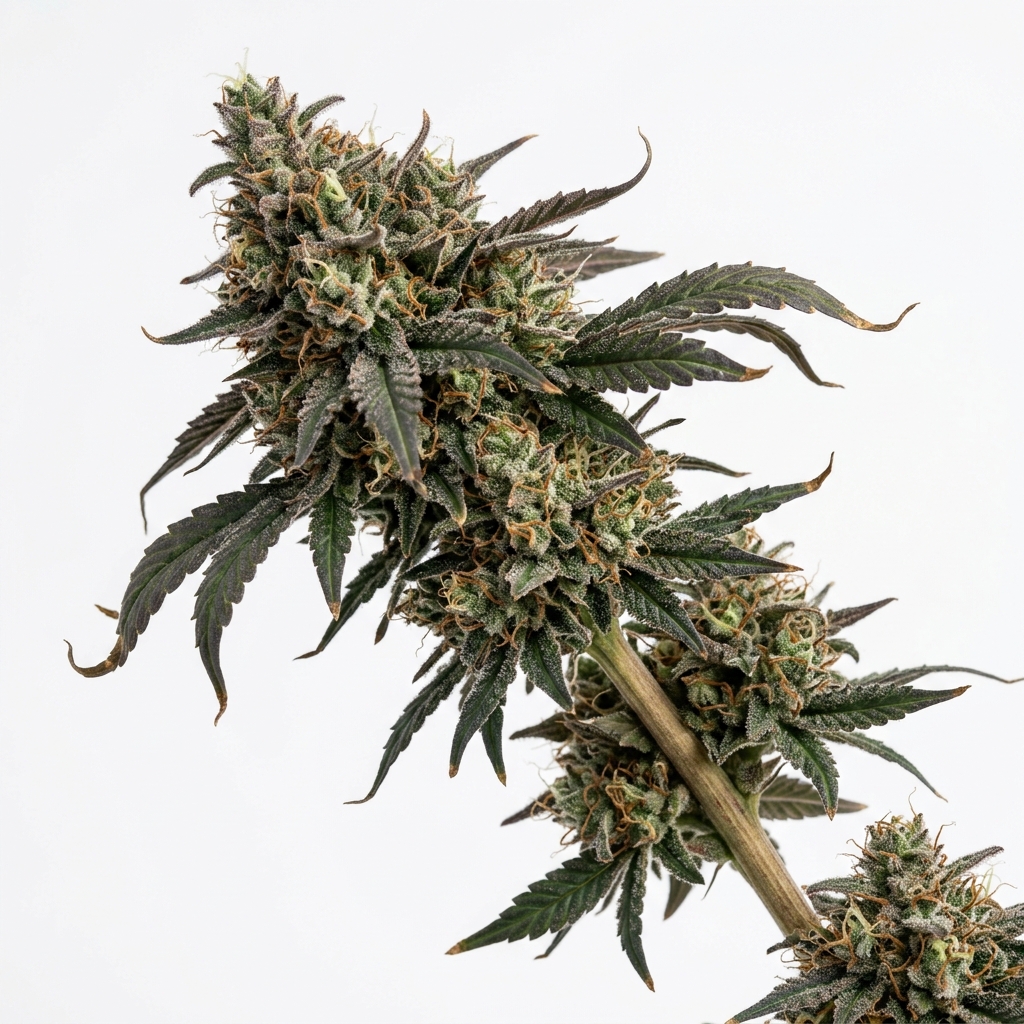
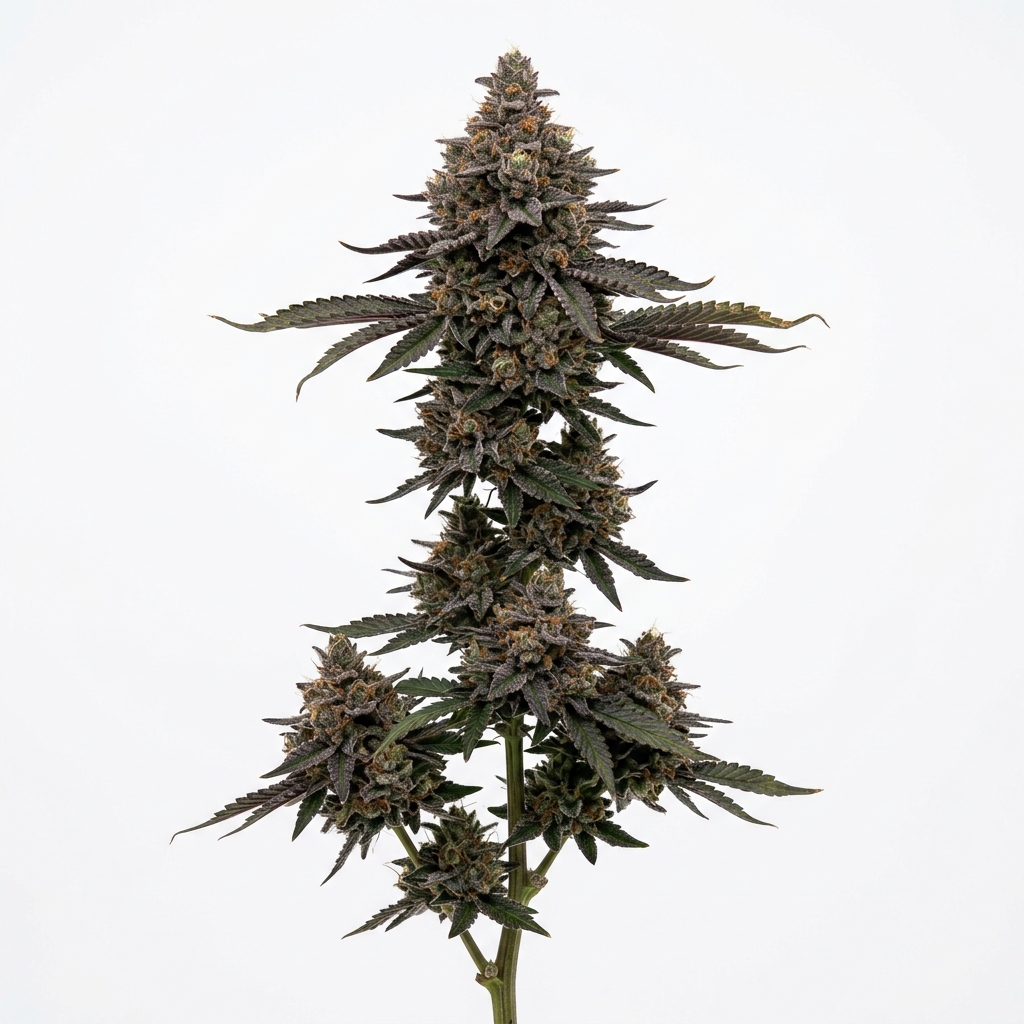
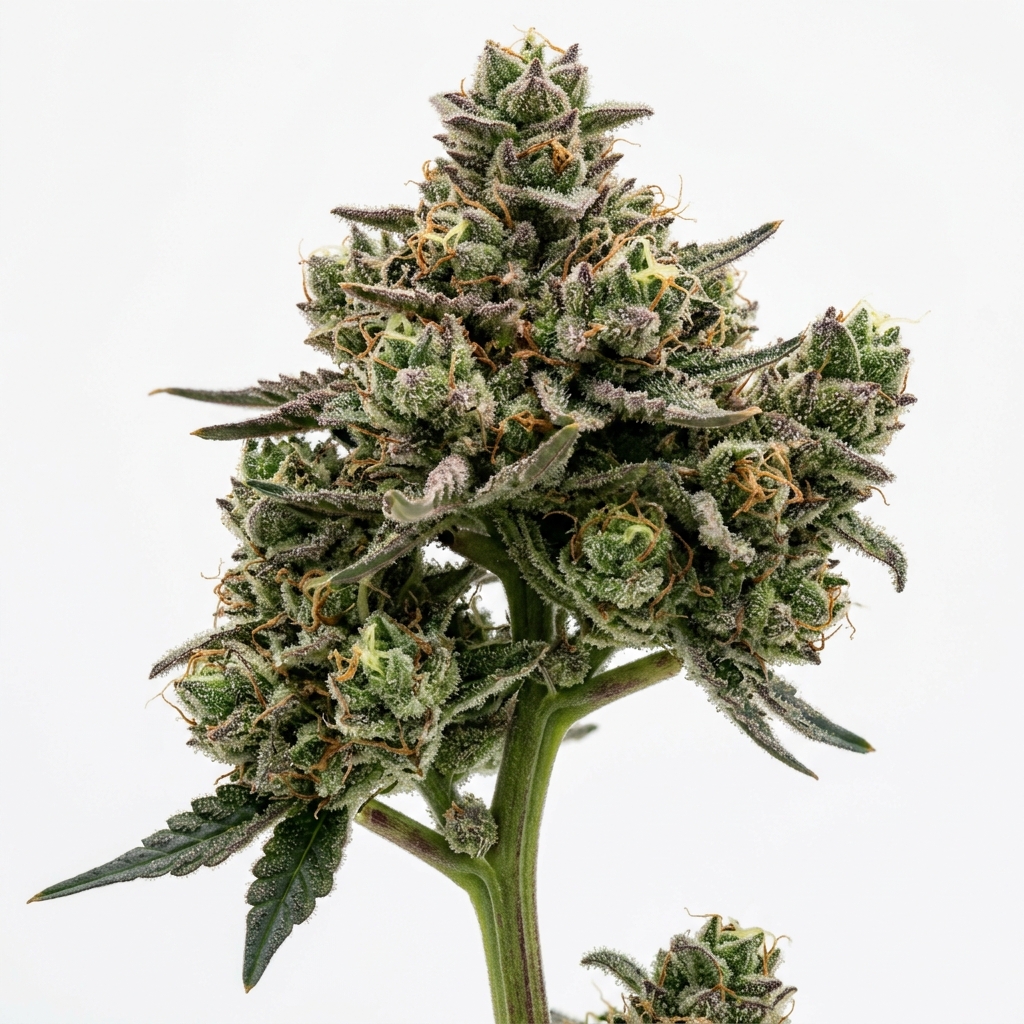
Larry Lovestein is an indica-dominant hybrid typically testing between 22% and 27% THC, created through a pairing of Larry OG and Chemdawg #4. While named in cultural tribute to the jazz alter-ego of the late musician Mac Miller, the original breeder is not consistently documented in reliable public sources, with multiple boutique craft outfits maintaining distinct clone selections. The cultivar is recognized for its thick, greasy resin production, heavy diesel pungency, and sharp lemon-pine finish. In the garden, it produces medium-height plants with rigid branches and dense, golf-ball-shaped colas that carry substantial bag appeal.
The profile reflects the heavy fuel and tart citrus heritage of its parentage, blending the earthy pine of classic OG Kush selections with the biting chemical solvent edge of the Chem line. Structurally, the plants display broad fan leaves, moderate internodal spacing, and heavy calyx swelling during late flower. Consumers commonly report a deep, tranquil physical ease paired with a relaxed mental state, making it best suited for unhurried evening routines.
Quick Facts
| Field | Details |
|---|---|
| Breeder | Not consistently documented |
| Genetics | Larry OG × Chemdawg #4 |
| Variety | Indica-dominant hybrid |
| THC Range | 22% – 27% |
| Flowering Time | 8 – 9 weeks (56 – 63 days) |
| Yield Potential | Moderate to high (400 – 500 g/m² indoor) |
| Plant Height | Medium (controlled stretch) |
| Climate Preference | Temperate to warm, low late-flower humidity |
| Difficulty | Moderate |
Scientific & Botanical Overview
Larry Lovestein displays morphological hallmarks typical of hybrid lines rooted in the Chemdawg and OG Kush families. Vegetative growth is steady, forming a sturdy central stalk supported by strong lateral branches that retain moderate internodal spacing. Foliage is dark green with moderately wide leaflets, transitioning to heavy bract development once flowering is initiated.
During flower, buds develop into dense clusters along secondary branches rather than forming a singular continuous spear. The calyxes swell noticeably past week six, coating the floral bracts in a dense layer of capitate-stalked glandular trichomes. The resin carries a tacky, greasy texture that holds substantial terpene content through a careful, slow dry.
The chemical profile is consistently dominated by beta-caryophyllene, myrcene, and limonene, with secondary contributions from humulene and linalool. This combination drives the cultivar’s pungent solvent aroma and grounded herbal undertone. The strong cannabinoid density requires consistent environmental monitoring to avoid mold inside the compact flower structure.
Effects & Use-Cases (Reported)
Commonly reported effects: The onset typically begins with a mild cranial pressure and a slow, calming sensation behind the eyes. As the experience progresses, physical relaxation settles through the limbs and torso, easing muscle tension without inducing immediate sleepiness at moderate doses. Higher intake tends to produce a heavier, sedative finish that encourages staying stationary.
Use-case context: Consumers commonly reserve this cultivar for late-afternoon or evening sessions when demanding physical or cognitive tasks are complete. It pairs well with listening to music, quiet social settings, or unwinding before bed.
Note: Individual experiences vary depending on personal tolerance, setting, dosage, and specific batch chemistry.
Aroma & Flavors
Aroma: Broken flowers release an assertive wave of sour kerosene, crushed lemon peel, and damp earth. A subtle peppery spice lingers in the background, characteristic of its Chem 4 ancestry.
Flavor: The smoke is thick and palate-coating, leading with tart citrus and sour fuel on the inhale. The exhale shifts toward woody pine, rich earth, and a lingering peppery bite.
Terpene associations: The pungent bouquet is driven primarily by beta-caryophyllene, myrcene, and limonene, supported by trace amounts of humulene and pinene.
Tested Cannabinoid & Terpene Ranges
| Compound | Typical Flower Range |
|---|---|
| Δ9-THC | 0.3% – 1.0% |
| THCA | 23% – 29% |
| Total THC | 22% – 27% |
| CBGA | 0.5% – 1.5% |
| Total CBD | < 0.2% |
| Total Terpenes | 1.8% – 3.2% |
| Dominant Terpenes | β-Caryophyllene, Myrcene, Limonene, Humulene |
Range note: Cannabinoid and terpene values reflect dried, uninfused flower tests across regional markets. Cultivation style, lighting efficiency, drying conditions, and phenotype variation produce noticeable differences between separate harvests.
Cultivation Notes
- Humidity management: Maintain relative humidity near 55% during early flower and reduce down to 40% – 45% in late bloom to protect the dense bud clusters from botrytis.
- Nutrient requirements: Larry Lovestein tolerates moderate to heavy feeding schedules, showing a high demand for calcium and magnesium during the mid-flower bulk phase.
- Canopy training: Responds well to topping once or twice during veg, combined with low-stress training or a single-layer scrog net to spread the dominant colas evenly.
- Defoliation: Perform a selective defoliation around day 21 and day 42 of bloom to improve airflow through the inner canopy and allow light penetration to lower bud sites.
- Harvest window: Optimal trichome maturity typically arrives between day 56 and day 63 when the majority of glandular heads have turned cloudy with a light amber distribution.
Grower Notes (Week-by-Week Snapshot)
- Weeks 1–3 (Stretch & Structure): Plants exhibit a manageable 1.5x stretch with steady node development. Establish trellis support early and keep temperatures around 76°F to 80°F.
- Weeks 4–6 (Floral Initiation & Resin): Calyxes cluster tightly along stems as trichome development accelerates. A distinct sour gas odor begins to permeate the space; ensure carbon filters are operational.
- Weeks 7–9 (Bulking & Maturation): Buds harden significantly and calyxes swell. Taper nitrogen, monitor late-flower humidity closely, and watch trichome head opacity to pinpoint the ideal chop date.
- Post-Harvest (Drying & Curing): Dry slowly at 60°F and 60% relative humidity for 10 to 14 days before trimming. A minimum three-week jar cure stabilizes the sharp fuel aroma and smooths the smoke.
Genetic Lineage
Larry Lovestein draws its genetic backbone from two foundational pillars of modern American cannabis: Larry OG and Chemdawg #4. Larry OG, an elite cut originating in Southern California, contributes stout structural rigidity, bright lemon-pine terpenes, and a smooth physical heaviness. Its influence is apparent in the golf-ball calyx structure and balanced branch strength.
Chemdawg #4 imparts vigorous resin production, sharp chemical fuel undertones, and elevated potency. This cross fuses the earthy kush profile of Larry OG with the aggressive diesel bite of the Chem line, resulting in a stable hybrid that carries the best aromatic and resinous qualities of both classic ancestors.
Research Insights
Cannabis research indicates that cultivars rich in both beta-caryophyllene and myrcene often demonstrate strong sedative and relaxing properties in consumer surveys. Beta-caryophyllene is unique among terpenes for its ability to bind directly to peripheral CB2 receptors, while myrcene has been studied for its potential influence on cellular permeability and physical relaxation.
While broad botanical studies document the individual properties of these volatile compounds, strain-specific clinical trials on whole-flower Larry Lovestein have not been conducted. The reported experiential effects remain literature-informed observations driven by the synergistic presence of major cannabinoids and prominent aromatic monoterpenes.
Frequently Asked Questions
Who bred Larry Lovestein?
The original breeder is not consistently documented in verified public records. The cut exists as a boutique clone and seed line maintained across craft West Coast cultivators, named in honor of Mac Miller’s jazz persona.
Is Larry Lovestein an indica or sativa?
Larry Lovestein is an indica-dominant hybrid cultivar, expressing compact vegetative growth, dense floral clusters, and physically relaxing effects.
What does Larry Lovestein smell and taste like?
The cultivar produces a pungent bouquet of sour fuel, kerosene, and fresh lemon peel, followed by a thick smoke featuring notes of earthy pine, sharp citrus, and peppery spice.
How long does Larry Lovestein take to flower?
Indoor flowering is typically complete within 8 to 9 weeks (56 to 63 days) under a standard 12/12 light schedule.
Educational Disclaimer
This content is for educational and informational purposes only. Cannabis laws and regulations vary by jurisdiction. Always consult with a qualified professional before beginning any cultivation project or consuming cannabis products.
Rate and review this strain
Ratings and reviews are accepted only from signed-in Google accounts.
Sign in with Google to leave a rating and written review.
Latest Reviews
0 reviewsNo reviews yet. Be the first Google user to rate and review this strain.
Follow New Cultivar Records
Get newly documented genetics, breeder history, research highlights, and important Strainpedia discoveries by email.