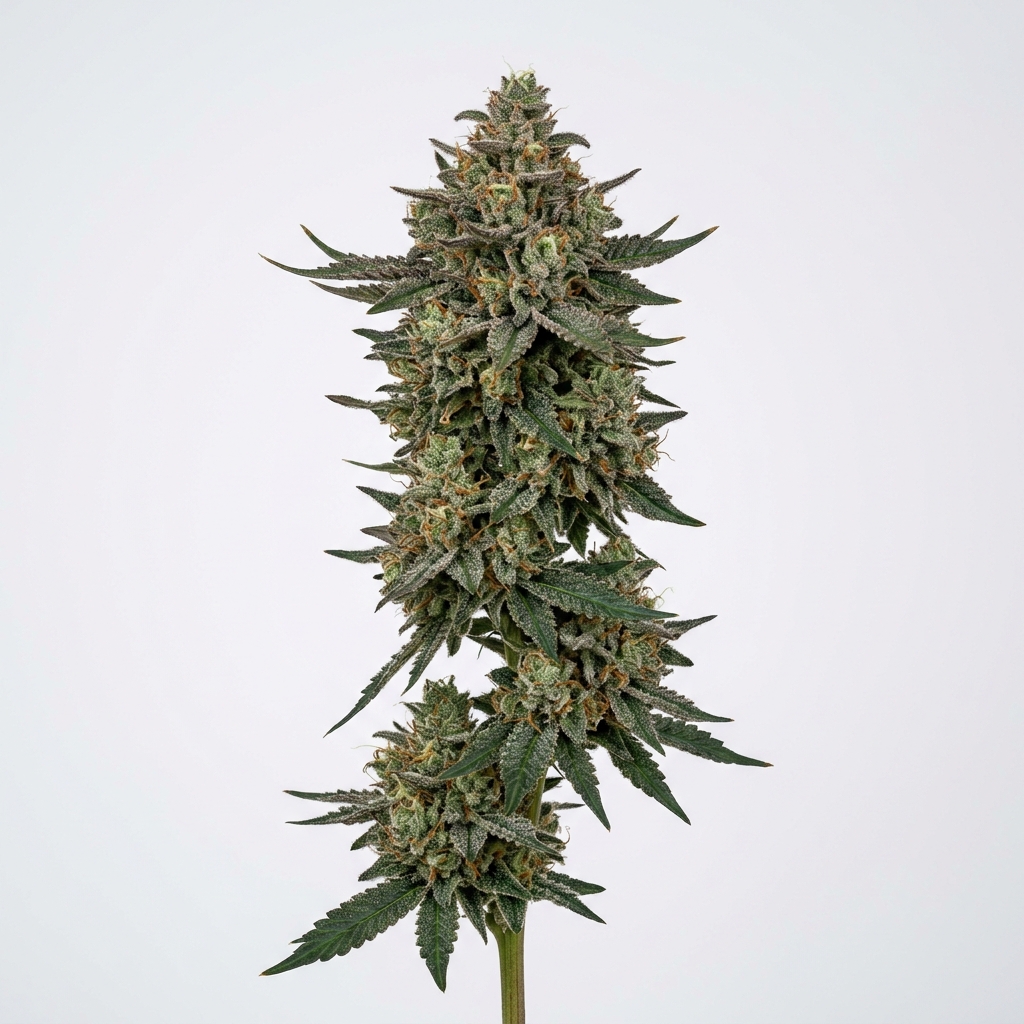
Irene OG (Cannabis Strain)
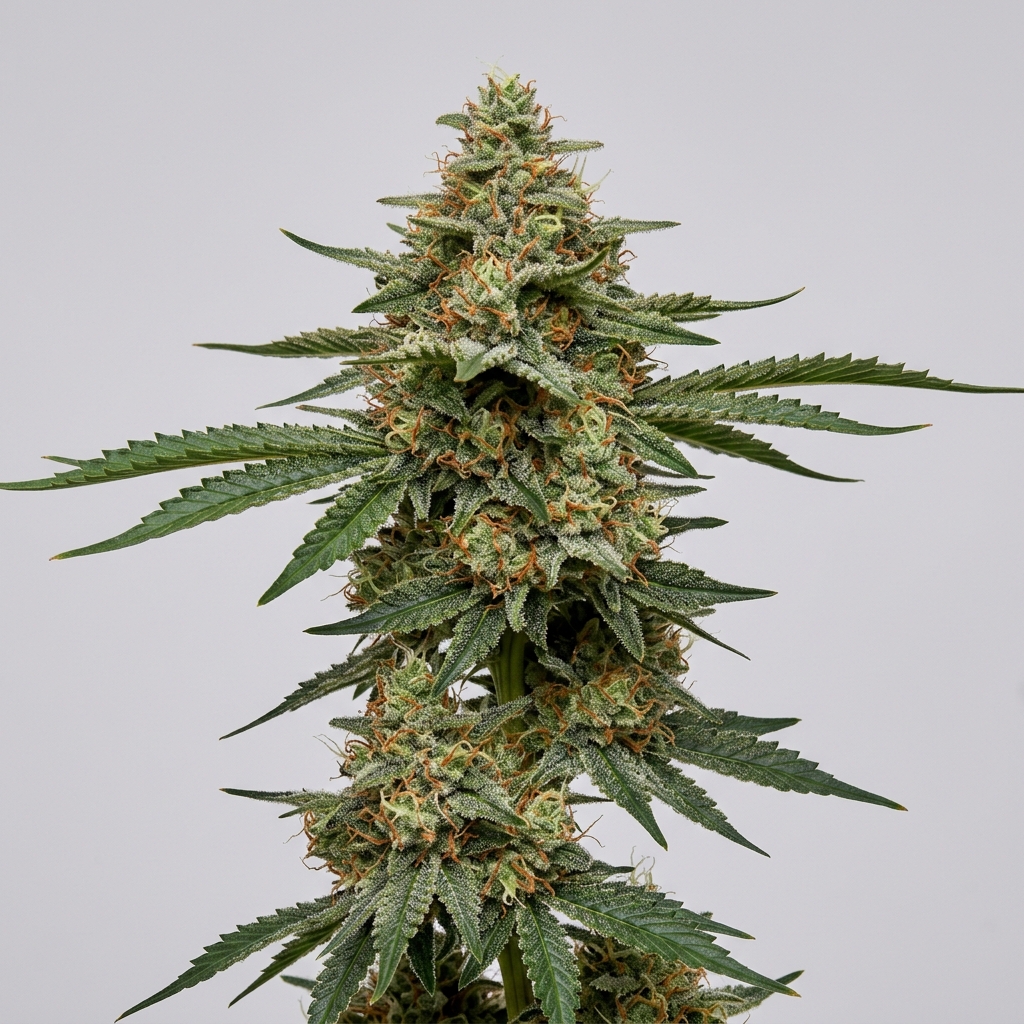
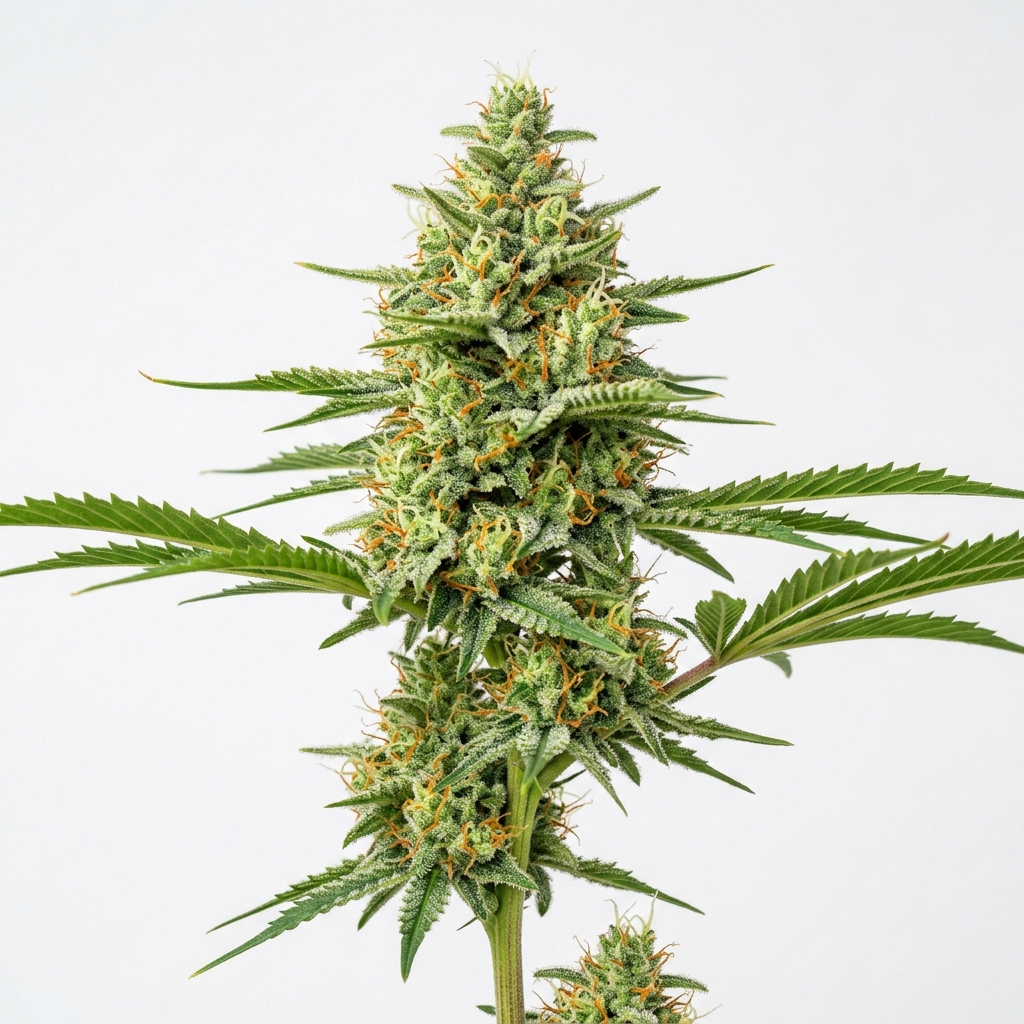
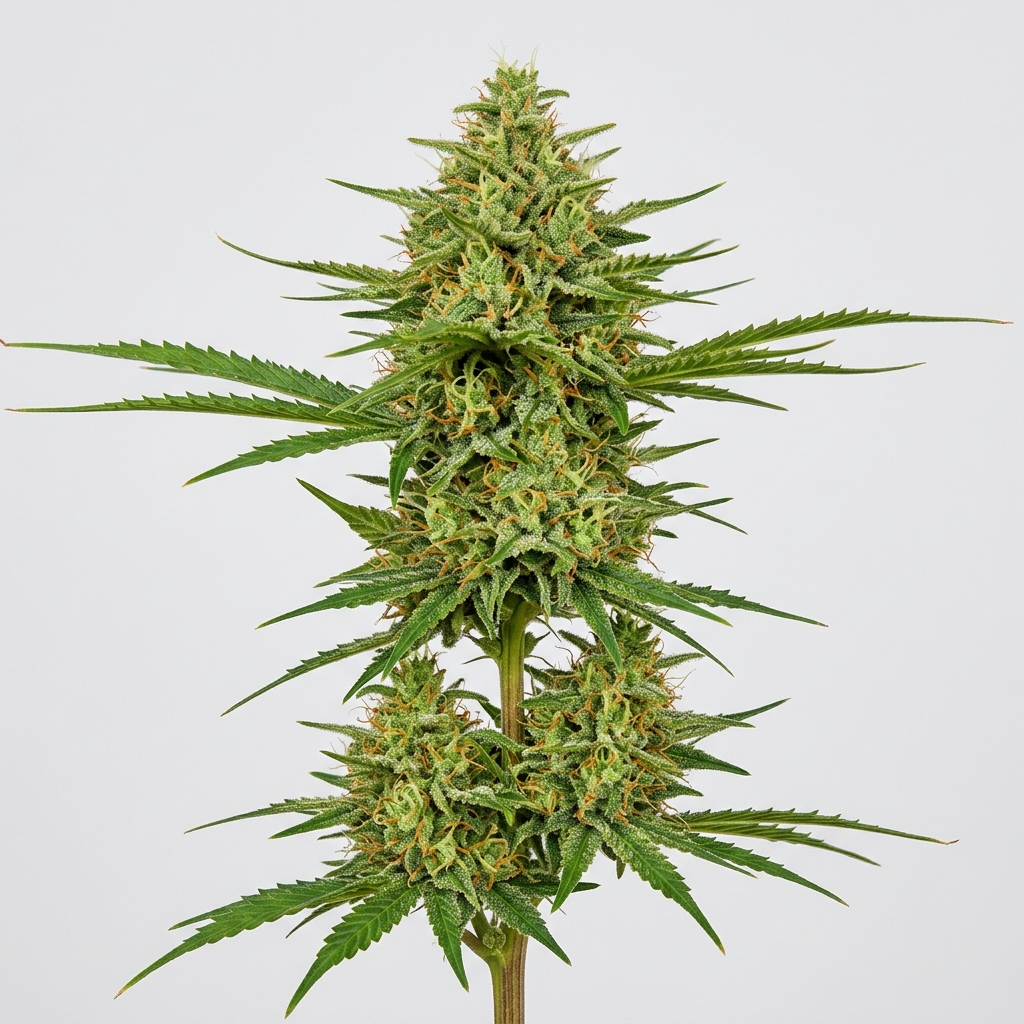
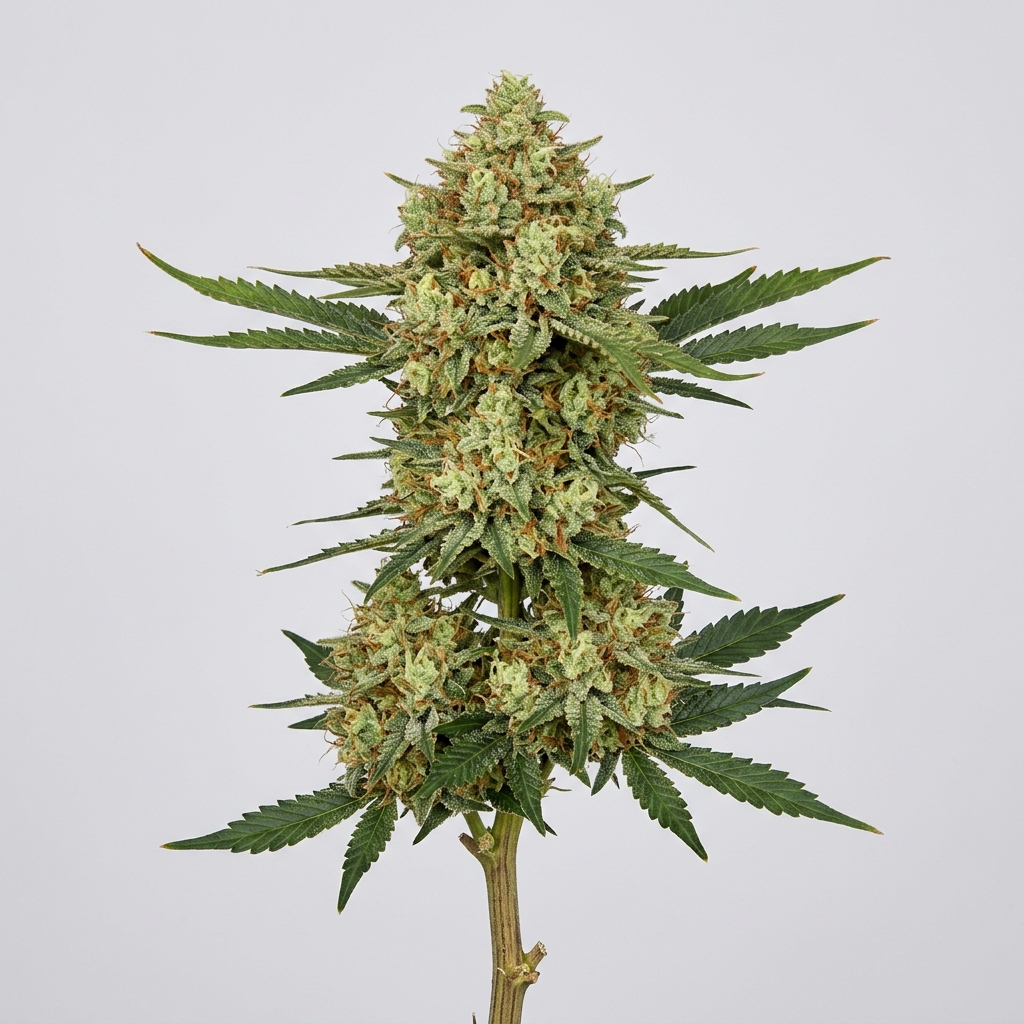
Irene OG is a legendary, southern-rooted cut of OG Kush known for its heavy physical presence, testing between 20% and 26% THC. Originating in the Atlanta area, this elite phenotype is celebrated for its greasy resin, swollen calyxes, and a pungent aroma of tart gas, damp earth, and sharp chemical citrus. It shows a classic OG stretch during early bloom, producing dense, spear-shaped colas coated in wet frost that make it highly sought after by extraction artists and Kush purists alike.
While its exact genetic origins remain shrouded in underground breeding history, the cultivar has maintained a stellar reputation for its uncompromising potency and deeply relaxing qualities. Growers prize Irene OG for its high-quality flower, though its demanding growth habits require a seasoned hand to manage canopy stretch and late-flower humidity.
Quick Facts
| Field | Details |
|---|---|
| Genetics | Elite OG Kush Phenotype |
| Variety | Indica-dominant Hybrid |
| THC Range | 20% – 26% |
| Flowering Time | 63 – 70 Days (9 weeks) |
| Yield Potential | Moderate |
| Plant Height | Tall (Significant stretch) |
| Climate Preference | Warm, dry, temperate |
| Difficulty | Moderate to Experienced |
Scientific & Botanical Overview
Botanically, Irene OG showcases classic indica-dominant structural features overlaid with an aggressive sativa-like stretch during the transition to flower. The plant develops broad, deep green fan leaves that transition to dark forest hues, sometimes showing purple accents when exposed to cooler night temperatures. Tight internodal spacing in early vegetative growth gives way to elongated lateral branches that require physical support as the heavy flowers develop.
The floral structure is defined by highly condensed bracts and swollen calyxes that pack tightly along the stems. Trichome density is exceptionally high, producing a greasy resin layer rich in sesquiterpenes and monoterpenes. This heavy resin coverage helps protect the buds, but the dense, resin-choked flower structure makes the cultivar vulnerable to moisture retention in poor airflow environments.
Under microscopic analysis, the capitate-stalked trichomes present broad heads and short, sturdy stalks. This morphological trait contributes to the strain’s popularity in solventless extraction, as the glassy resin glands separate easily during processing.
Effects & Use-Cases (Reported)
Commonly reported effects: Deep physical relaxation, heavy-lidded sedation, a warming body buzz, and a calm, slow-paced cerebral ease.
Use-case context: Well-suited for late evening wind-downs, quiet nights in, or post-workout recovery where physical decompression is the primary goal.
Note: Due to its heavy physical onset, less experienced consumers should approach this cultivar with caution, as it can quickly lead to a deep couch-lock.
Aroma & Flavors
Aroma: A pungent blend of sour kerosene, damp earth, and sharp chemical pine, with a distinct undertone of spicy black pepper.
Flavor: The palate is dominated by a heavy, greasy fuel taste on the inhale, followed by a tart gas and lemon-herb finish on the exhale.
Terpene associations: Typically dominated by beta-caryophyllene, limonene, and myrcene, which drive its spicy, citrus-gas, and earthy characteristics.
Tested Cannabinoid & Terpene Ranges
| Compound | Typical Range |
|---|---|
| Δ9-THC | 20.0% – 26.0% |
| CBD | < 1.0% |
| beta-Caryophyllene | 0.5% – 0.9% |
| Limonene | 0.4% – 0.8% |
| Myrcene | 0.3% – 0.7% |
Note: Terpene and cannabinoid levels are highly variable and depend heavily on cultivation practices, curing methods, and environmental conditions.
Cultivation Notes
- Canopy Management: use low-stress training (LST) and topping early in the vegetative phase to manage the significant stretch during the first three weeks of flower.
- Environmental Control: Maintain strict humidity control, keeping relative humidity (RH) below 45% during the final three weeks of bloom to protect the dense, greasy colas from moisture-related issues.
- Support Systems: Install double trellising or bamboo stakes early, as the slender lateral branches will bend and potentially break under the weight of the mature spear colas.
- Nutrient Regimen: Irene OG is known to be a heavy feeder, particularly demanding nitrogen during vegetative growth and calcium-magnesium throughout the mid-flowering cycle.
- Harvest Windows: Look for a shift from clear to milky trichomes with roughly 15-20% amber heads, typically occurring between days 63 and 70.
Grower Notes (Week-by-Week Snapshot)
- Weeks 1–3 (The Stretch): Expect a dramatic vertical stretch of up to 150% after flipping to a 12/12 light cycle. Prune the lower third of the canopy (lollipoping) before week three to maximize airflow and direct energy to the upper canopy.
- Weeks 4–6 (Bud Set & Resin): Swollen calyxes begin to cluster along the nodes, and early resin production coats the developing bracts. Ensure the trellis is supporting the primary branches, and maintain a steady PK boost to feed the developing flower sites.
- Weeks 7–9 (Ripening & Flush): The aroma intensifies into a sharp, chemical fuel scent. Lower nighttime temperatures by 5-10°F to encourage deep purple coloration, and perform a thorough freshwater flush during the final 10 to 14 days to clear residual nutrients.
Genetic Lineage
Irene OG is widely recognized as an elite, select phenotype of the original OG Kush lineage, though some regional histories suggest a potential hybrid cross involving Sour Diesel or an undocumented southern bagseed. First rising to prominence in the Atlanta, Georgia cannabis scene during the early 2000s, this specific cut was preserved and passed among dedicated growers who prized its exceptionally loud fuel profile and heavy physical effects.
Unlike many modern hybrid cultivars that prioritize sweet dessert profiles, Irene OG preserves the raw, chemical-forward characteristics of old-school gas genetics. It stands alongside legendary cuts like SFV OG and Ghost OG as a foundational pillar of the classic American Kush family tree.
Research Insights
Analytical testing of Irene OG consistently reveals a high concentration of the sesquiterpene beta-caryophyllene alongside the monoterpene limonene. This specific combination is often studied for its potential to interact directly with cannabinoid receptors, contributing to the strain’s characteristically heavy physical relaxation and sharp, sour aromatic profile.
The dense gland structure of its trichomes suggests a genetic predisposition toward high-yield secondary metabolite production. Researchers and breeders study these physical traits to understand how specific environmental stressors, such as UV exposure and controlled drought, can trigger elevated terpene synthesis in classic Kush phenotypes.
Frequently Asked Questions
Is Irene OG an indica or sativa?
Irene OG is an indica-dominant hybrid. While it displays a significant sativa-like stretch during the early weeks of flowering, its physical effects, dense bud structure, and relaxing qualities are highly characteristic of classic indica-dominant Kush varieties.
How did Irene OG get its name?
The strain is named after its origin as an elite clone-only cut, reportedly preserved and popularized by a grower or collective in the Atlanta area. It has since become a legendary southern staple in the Kush lineage.
What does Irene OG smell like?
Irene OG has an incredibly pungent and sharp aroma dominated by sour kerosene, damp earth, chemical citrus, and a spicy, peppery undertone. It is considered one of the “loudest” gas-profile strains available.
Is Irene OG difficult to grow?
It is moderately difficult to grow. Because of its intense stretch, slender branches, and susceptibility to moisture retention in its dense buds, it requires active canopy management, physical support, and strict humidity controls.
Educational Disclaimer
This article is for educational purposes only. Cannabis laws and regulations vary by jurisdiction. Cultivation should only be undertaken where legally permitted.
Rate and review this strain
Ratings and reviews are accepted only from signed-in Google accounts.
Sign in with Google to leave a rating and written review.
Latest Reviews
0 reviewsNo reviews yet. Be the first Google user to rate and review this strain.